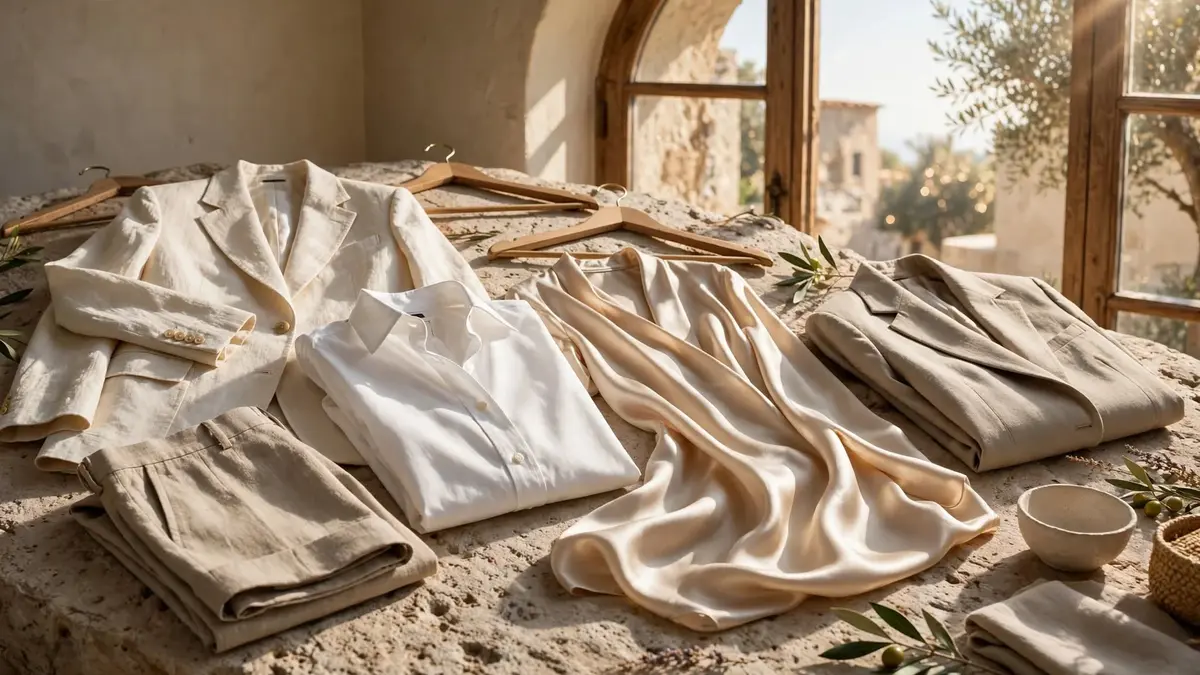
A beautifully cut jacket means little if you cannot wait to remove it. In summer, comfort becomes part of elegance—which helps explain what fabrics define premium summer luxury wear.
Fine linen, lightweight cotton, silk crepe de chine, tropical wool and carefully developed blends are among the most useful choices. Seersucker and other textured constructions can add variety. Their value comes from suitable weight, weave, finishing and garment design not simply an expensive fiber name.
The best summer clothing feels considered without demanding constant attention. A shirt moves comfortably, trousers hang cleanly, and a jacket provides polish without unnecessary bulk.
Understanding the fabric is how you get there.
Summer Luxury Is About More Than Lightness
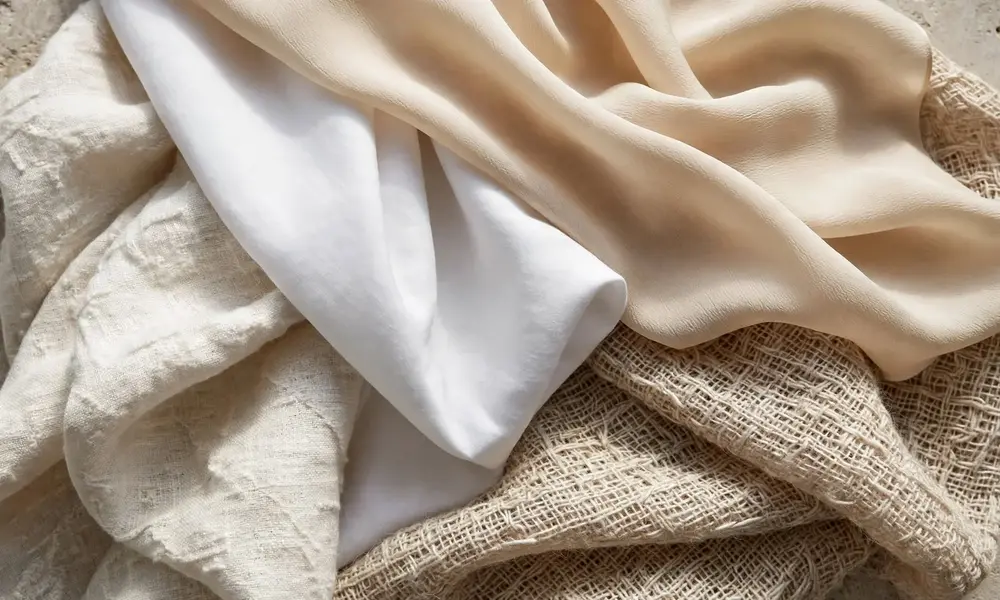
A featherlight fabric can still make an uncomfortable garment. It may be too transparent, cling in ways you dislike or require another layer that changes how it feels.
Likewise, a substantial-looking textile can be designed with an open construction that makes it suitable for warmer conditions.
Four details deserve attention:
- Fiber: what the material is made from.
- Construction: how the yarns are woven or knitted.
- Garment design: fit, lining, layers and coverage.
- Finishing: treatments that affect the surface and feel.
These work together. No single fiber guarantees comfort in every summer climate.
For humid days, dry heat, office air conditioning and evening events, you may need different solutions.
The Core Fabrics of a Refined Summer Wardrobe
| Fabric or construction | What it brings | Useful wardrobe role | Main buying check |
| Fine linen | Texture and relaxed character | Shirts, trousers, dresses and unstructured jackets | Weight, opacity and crease expectations |
| Cotton lawn | A fine, light feel | Shirts, blouses and dresses | Transparency and finishing |
| Cotton poplin | A crisper appearance | Shirting and defined silhouettes | Comfort and movement |
| Silk crepe de chine | Fluidity with a restrained surface | Blouses, dresses and soft separates | Fit, opacity and care |
| Silk satin | Smoothness and reflected light | Eveningwear and occasion pieces | Surface condition and body fit |
| Tropical wool | Warm-weather tailoring options | Trousers, suits and jackets | Weave, weight and lining |
| Seersucker | A deliberately puckered texture | Shirts, tailoring and casual separates | Actual composition and feel |
| Considered blends | A balance of characteristics | Tailoring and versatile separates | Proportions and finished performance |
This is a selection guide, not a ranking. A suitable cotton shirt can be a better purchase than a silk garment that does not work for your routine.
1. Fine Linen: The Foundation of Relaxed Summer Dressing
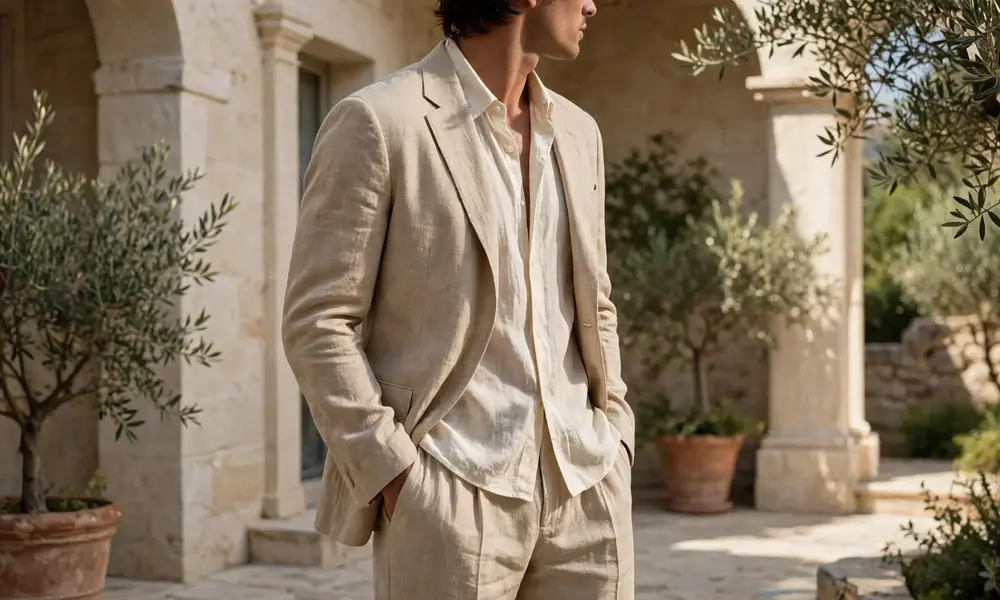
Linen belongs in this conversation because its texture gives simple clothing a distinct character.
A straight trouser, open-collar shirt or lightly structured jacket can feel finished without looking overly formal.
Luxury manufacturers continue to use it in seasonal collections. Loro Piana’s Spring/Summer 2025 collection materials, for example, placed linen at the center of the house’s summer story. That is evidence of its design role, not proof that every linen product is exceptional.
What Makes Linen Worth Paying For?
Look beyond the composition label.
Check whether the cloth has the weight and opacity you want. Examine seams and hems. Try the garment seated as well as standing.
Decide whether the texture feels comfortable and whether the finished piece hangs well.
“100% linen” identifies the fiber composition. It does not tell you everything about yarn, finishing or construction.
Accept the Character Before Buying
If you dislike creases, do not choose linen while expecting it to behave like a different fabric.
The right question is whether you enjoy its appearance during use not only when it is freshly pressed.
For an existing garment, our guide to softening linen clothes offers additional context. Always follow the item’s care instructions before trying a treatment.
2. Fine Cotton: Understated Luxury for Everyday Wear
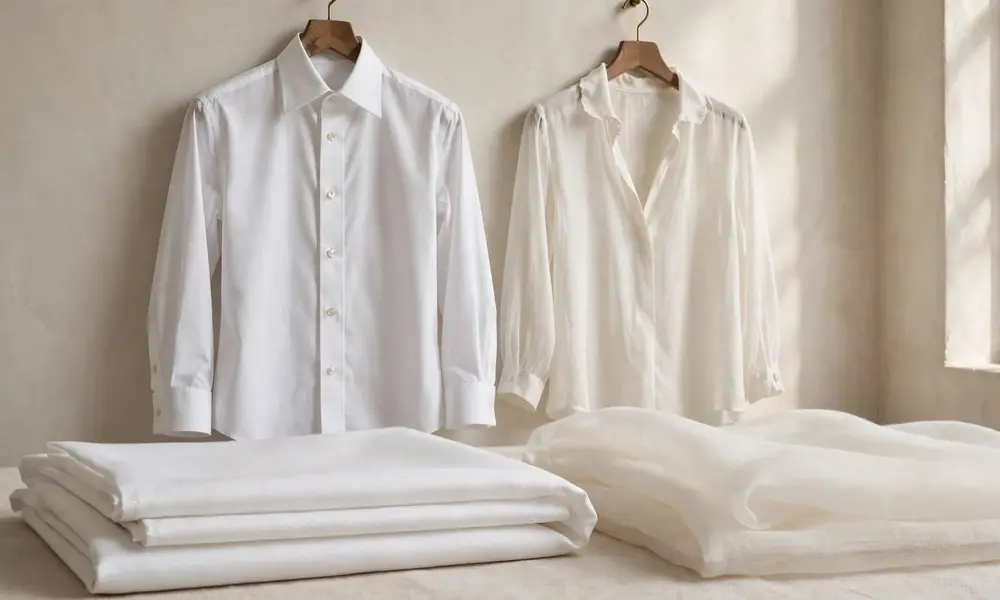
Cotton can be easy to overlook because it is familiar.
Yet a well-chosen cotton fabric can make a summer shirt or dress feel particularly refined. The difference lies in the specific textile and how it is used.
Cotton Lawn for Lightness and Movement
Liberty describes its Tana Lawn cotton as ultra-fine, with a fluid, silk-like feel. It is a useful example of how cotton can offer a refined surface without becoming silk.
For a printed shirt or dress, examine how clearly the design is rendered and how the fabric moves.
Check opacity before purchase. A fine fabric may need an underlayer, and that additional layer belongs in your comfort assessment.
Cotton Poplin for a Crisper Shape
Poplin is worth considering when you want a shirt or dress with a more defined appearance.
Inspect the collar, cuffs and button area. Make sure the garment allows movement rather than simply holding an attractive shape on a hanger.
The best cotton choice is not necessarily the thinnest one. It is the fabric that supports the garment you want.
Do Not Use Fiber Purity as a Quality Score
A label reading “100% cotton” does not establish superior durability or finishing.
A blend can also be appropriate when it achieves a useful result. Read the full composition and judge the completed garment.
Our guide to identifying luxury fabrics explains how to combine label information with practical inspection.
3. Silk Crepe de Chine: Fluidity Without Excessive Shine
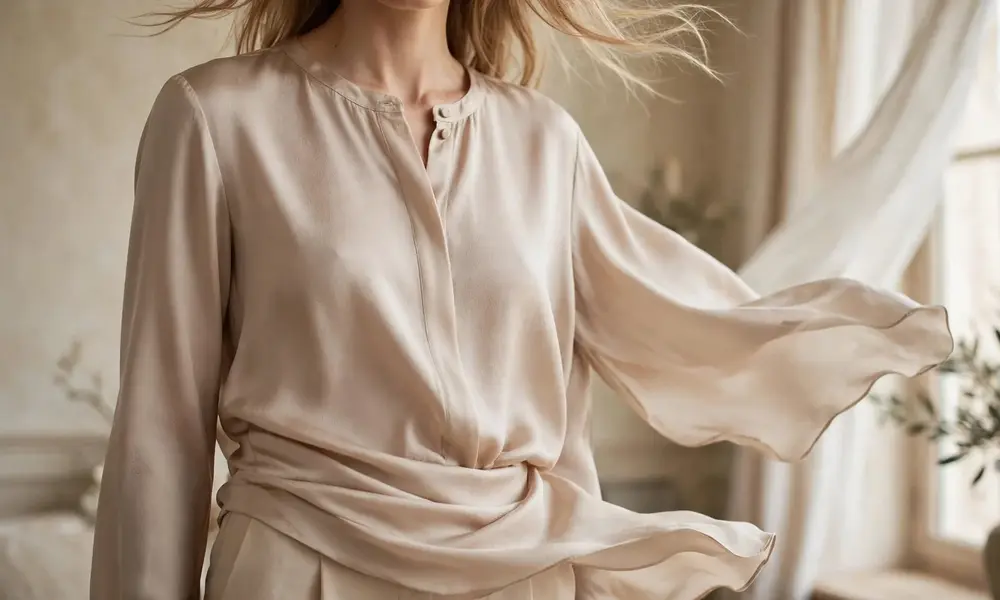
Silk crepe de chine is a strong option when you want movement with a relatively restrained surface.
Liberty describes it as having a soft feel, natural luster and a slightly matte texture. Those qualities make it worth investigating for both daytime and evening clothing.
Where It Works Best
Consider it for:
- A blouse worn with tailored trousers.
- A loose dress.
- Fluid separates.
- A piece intended to move rather than hold a rigid shape.
These are styling recommendations, not performance guarantees.
Try the garment in motion. Check the shoulders, armholes and seated fit, because fluid fabric can still be made into a restrictive cut.
Silk Is Not Automatically the Coolest Choice
Do not assume every silk garment will be ideal for a hot afternoon.
Weight, construction, fit and lining influence the experience. A layered silk dress and a loose, fine blouse serve different purposes.
Read the care label as well. A fabric can be beautiful yet unsuitable for the maintenance routine you want.
4. Silk Satin: A Focused Choice for Summer Evenings
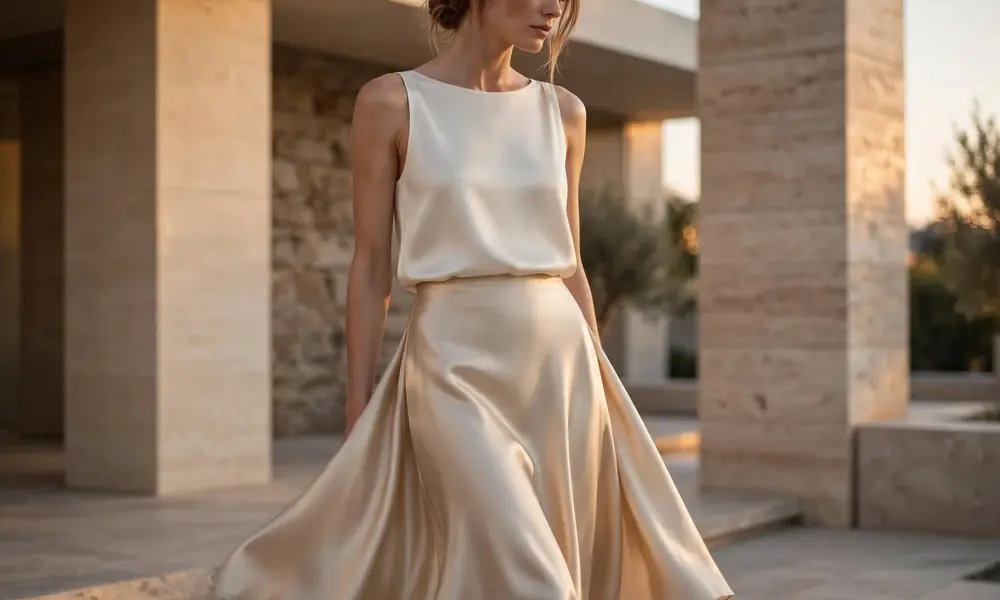
Satin introduces reflected light, making it useful when you want an outfit to feel more dressed without adding embellishment.
A silk satin top or skirt can provide enough visual interest to work with simpler pieces.
Check the Fiber Behind the Finish
Satin is a construction term, not proof of silk content.
If silk matters to you, confirm the composition. Do not rely on shine or smoothness.
Liberty’s silk range distinguishes satin from crepe de chine and twill, illustrating how one fiber can create different fabrics.
Buy for the Way You Will Wear It
Inspect for snags and surface damage. Check whether the garment follows the body in a way you enjoy.
If it needs a particular underlayer, include that in the fitting. The outfit should work as a complete system.
Silk satin can be an excellent occasion choice without needing to become the foundation of your daytime wardrobe.
5. Tropical Wool: Tailoring Designed for Warmer Conditions
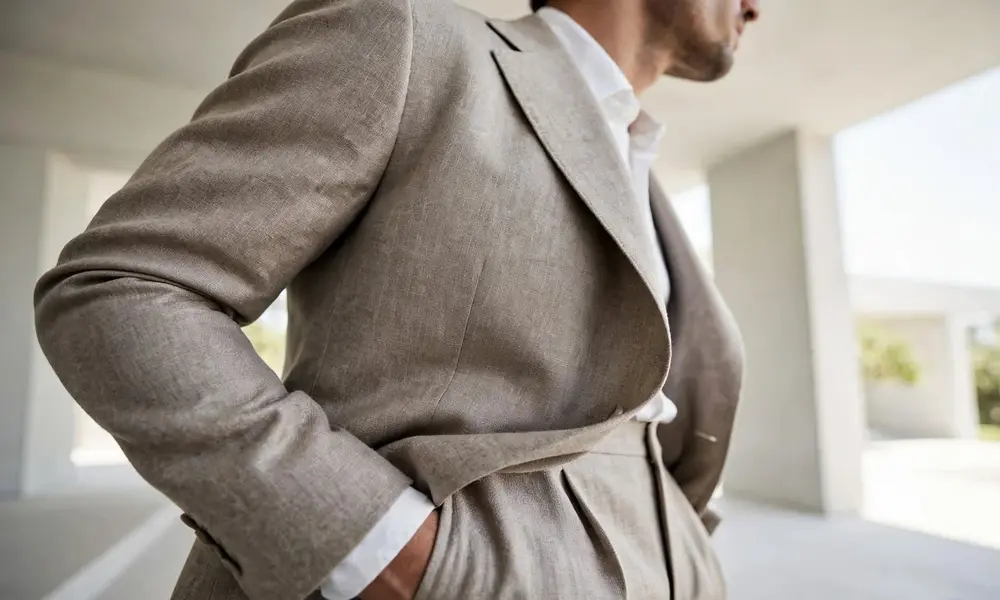
Wool is not limited to winter clothing.
Woolmark’s Cool Wool program addresses lightweight Merino fabrics and garments. Its specifications include limits on fabric weight and fiber diameter, demonstrating that seasonal suitability involves more than the word “wool.”
Open Construction Changes the Proposition
Textile manufacturer Alfred Brown describes tropical worsted cloth using an open weave and high-twist yarns, with breathability and crease recovery among its stated benefits.
That provides a concrete example of how fabric engineering supports warm-weather tailoring.
The finished suit still matters. Lining, reinforcement, fit and layering can change the experience.
What to Ask Before Buying
For summer trousers or a jacket, ask about:
- Fabric weight.
- Weave and yarn construction.
- Lining.
- Intended use.
- Care requirements.
Try the garment with your usual shirt and move as you would during the day.
A higher fineness designation does not replace these checks.
6. Seersucker: Texture That Deserves a Closer Look
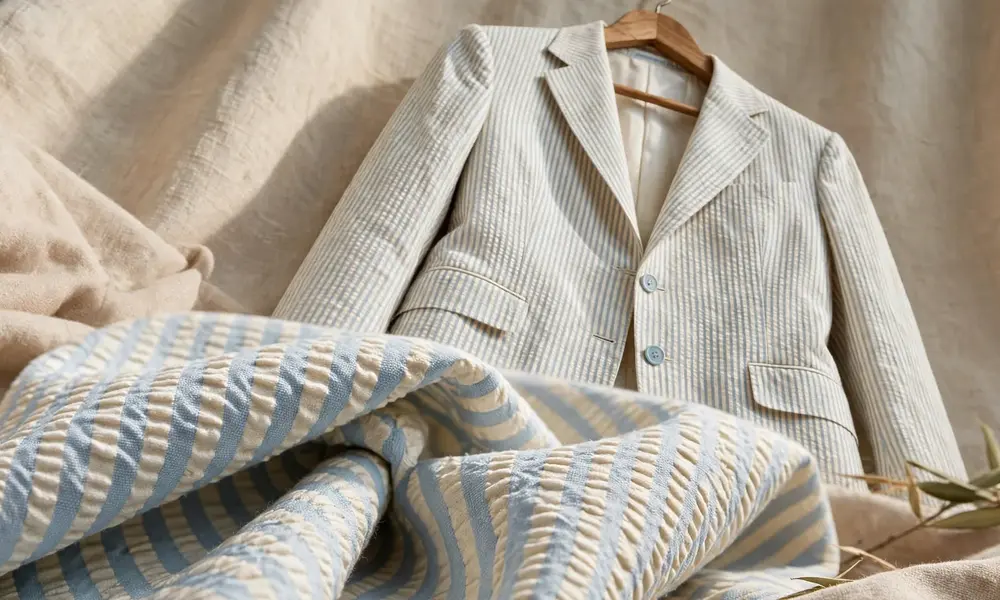
Seersucker’s puckered surface gives clothing an intentionally textured appearance.
It can be used for more than familiar striped cotton pieces. A Zegna jacket listed by Mr Porter, for example, uses a wool, silk and linen blend in a seersucker construction.
That example highlights an important distinction: seersucker describes construction and surface character, not one fixed fiber composition.
Let the Texture Suit the Occasion
A textured shirt may work for relaxed dressing. A tailored version may offer a different way to wear a suit or jacket.
Judge the individual fabric’s weight, feel and appearance rather than assuming all seersucker behaves alike.
Check lining and finishing too. A summer-associated name cannot establish the comfort of the complete garment.
7. Wool, Silk and Linen Blends: Luxury Through Balance
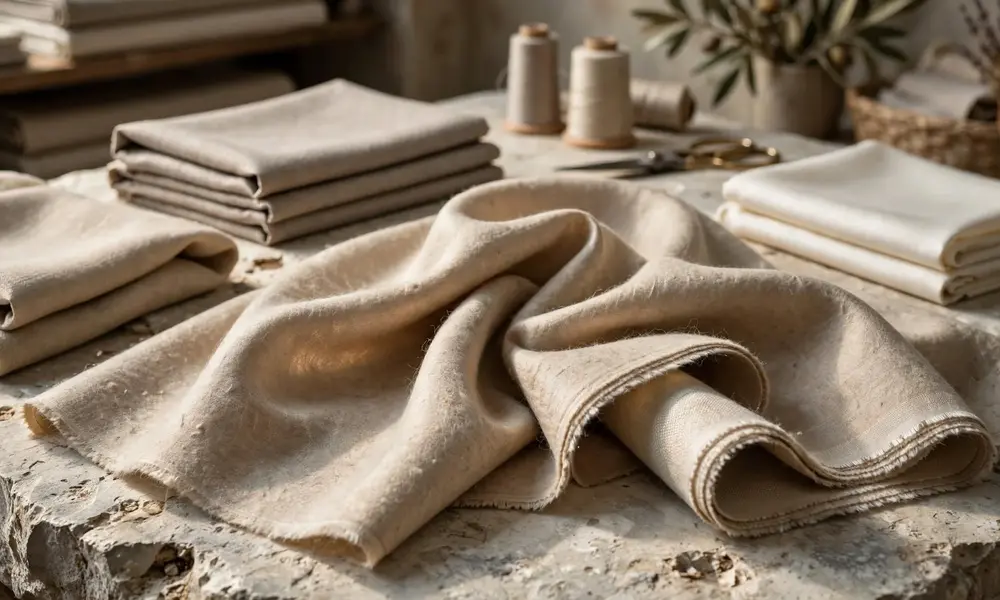
A thoughtful blend can be more suitable than a pure-fiber fabric for a particular garment.
One published Loro Piana Summertime fabric example combines 71% wool, 15% silk and 14% linen. Its supplier describes the cloth as intended for relaxed summer tailoring.
Those proportions belong to that example. They are not a formula that every summer blend must follow.
Assess What the Blend Delivers
Read the composition, then examine the result.
Do you like its movement? Does it support the jacket’s shape? Is the texture appropriate for the way you dress?
The presence of silk or linen does not automatically justify a premium. The finished fabric needs to offer a benefit you can recognize.
Do Not Confuse Composition With Environmental Proof
Natural fibers, recycled content and blends each require specific evidence when environmental claims are made.
This article recommends fabrics for wardrobe suitability. It does not rank their complete environmental footprints.
Choose for the Setting, Not Just the Season
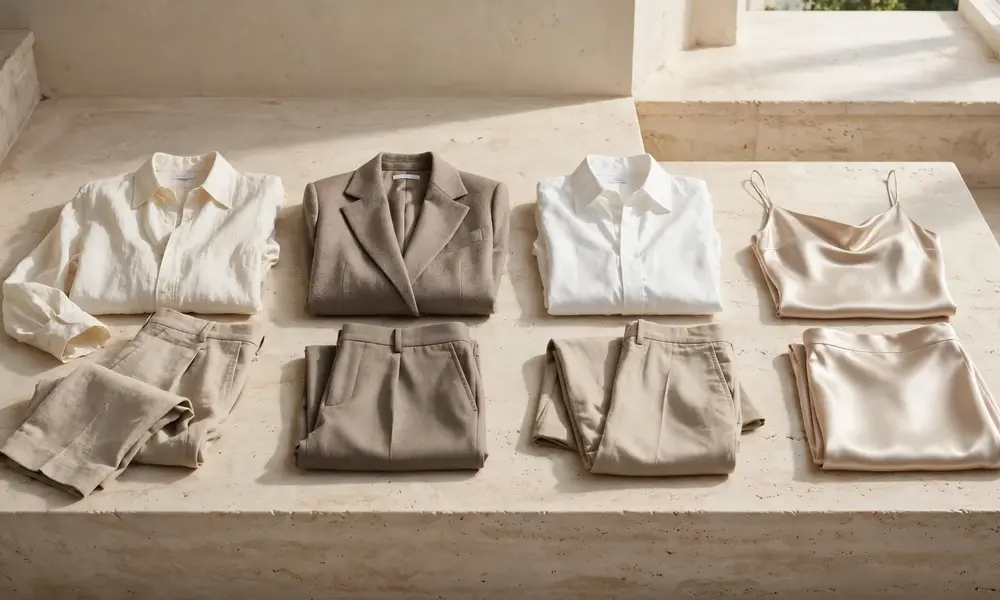
Summer clothing needs change with location and activity.
| Your setting | Fabrics worth investigating | Important adjustment |
| Relaxed daytime dressing | Linen, cotton lawn, suitable poplin | Check opacity and fit |
| Office or formal work | Tropical wool, fine shirting, considered blends | Assess lining and complete outfit |
| Travel | Suitable high-twist tailoring cloth, practical cotton pieces | Consider care access and crease expectations |
| Evening event | Silk crepe de chine, silk satin, lightweight tailoring | Test seated comfort and underlayers |
| Cool indoor spaces | A removable light layer | Avoid choosing the whole outfit for one temperature |
These are starting points rather than tested rankings.
A loose shirt may be more useful than a supposedly superior fiber in a cut you find uncomfortable.
How to Recognize Premium Summer Fabric in the Store
A high price does not eliminate the need for inspection.
Look at the Cloth in Clear Light
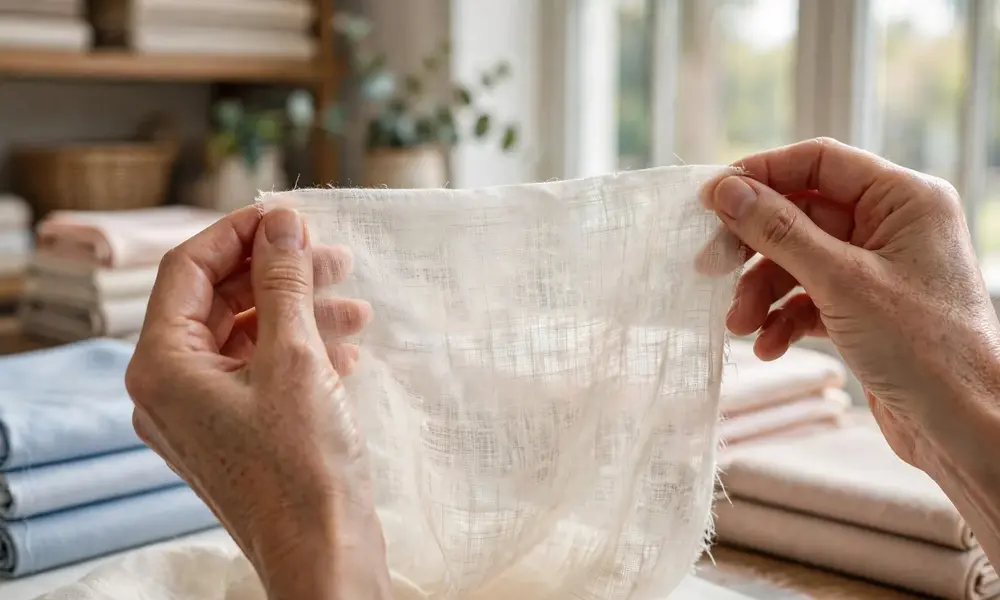
Check transparency, surface damage and whether the texture appears intentional.
Fine fabric should not be mistaken for defective fabric, but an unexpected thin patch deserves a question.
Move in the Garment
Sit, walk and reach forward.
Check for pulling, clinging or restricted movement. Some problems come from the cut rather than the textile.
Inspect the Inside
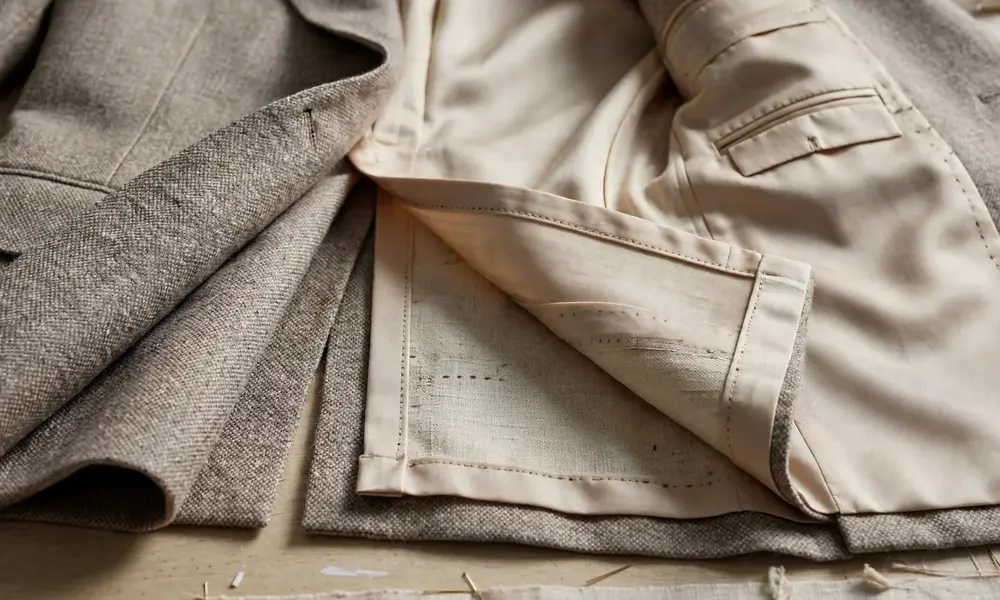
Lining and seam construction affect how the garment feels.
A beautiful exterior does not establish a comfortable interior.
Read the Care Instructions
Think about how you will maintain it during the season.
A shirt that needs more attention than you can provide may not be good value, however impressive the fabric.
Build a Summer Wardrobe Around Complementary Roles
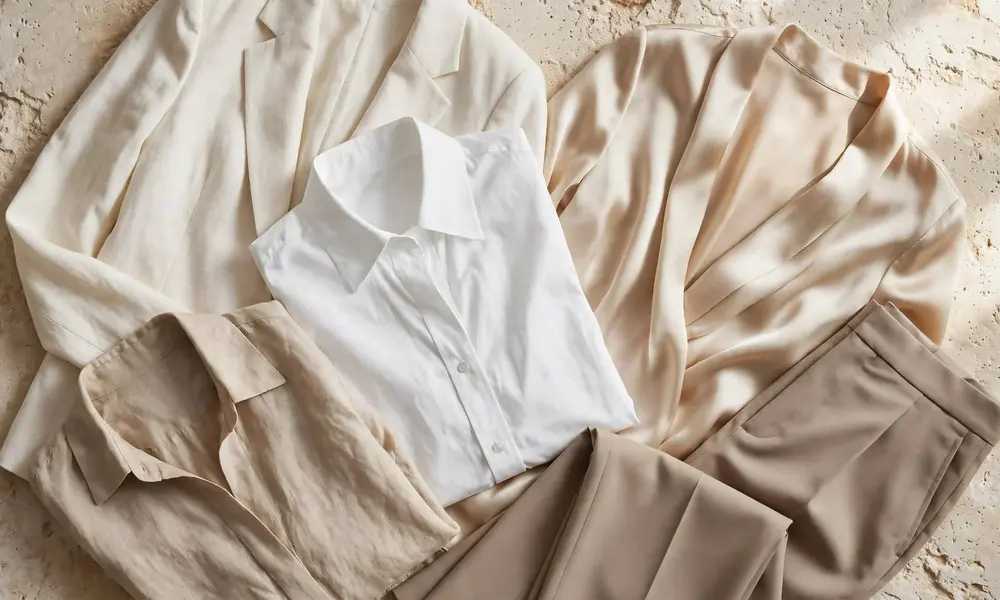
You do not need every fabric on this list.
A useful starting selection might include:
- A crisp or fine cotton shirt.
- A relaxed linen piece.
- A tailored trouser in suitable lightweight cloth.
- A fluid silk piece if it suits your routine.
- A removable layer for cooler settings.
Choose from the clothes you already own before adding anything.
The aim is variety of function: something defined, something fluid, something textured and something adaptable.
Three Shortcuts That Can Lead to an Expensive Mistake
“Natural Means Comfortable”
Fiber origin does not determine the whole experience. Construction, fit and layering remain important.
“Luxury Means Delicate”
A special fabric need not be impractical, but delicacy is not evidence of superior quality either.
Choose the performance appropriate to the garment.
“A Higher Price Means Better Summer Performance”
A price can reflect design, branding, production complexity and other factors.
Look for the specific advantage you are paying for. If you cannot identify it, compare another option.
Frequently Asked Questions
What Fabrics Define Premium Summer Luxury Wear?
Fine linen, lightweight cotton, silk crepe de chine, tropical wool and considered blends are useful foundations. Silk satin and seersucker offer additional options for particular settings.
Is Linen Better Than Cotton for Summer?
Neither is universally better. Compare the particular fabrics for weight, construction, opacity, feel and care. The finished garment should decide the choice.
Can Wool Be Comfortable in Summer?
Yes, when the fabric and garment are designed for warmer conditions. Lightweight and open constructions are different from heavy winter woolens.
Is Silk a Good Summer Fabric?
It can be, particularly in suitable weights and cuts. Do not assume every silk garment offers the same experience; check lining, fit and intended use.
Are Blended Fabrics Less Luxurious?
No. Luxury manufacturers use blends to create particular fabric characteristics. Assess the composition and finished performance rather than treating purity as a quality score.
Final Verdict: Summer Luxury Should Feel as Good as It Looks
Premium summer clothing is defined by appropriate fabric choices: linen for relaxed texture, fine cotton for everyday refinement, silk for movement, and lightweight wool or blends for tailoring.
The right weave, weight, lining and fit turn those materials into useful clothes.
Choose pieces that suit your climate and routine, with care requirements you can manage. The most convincing summer luxury is clothing you remain comfortable wearing after the photograph has been taken.
Disclaimer: This content is for informational purposes only and reflects our personal opinions and experiences. We just love to write and share what we know and research.