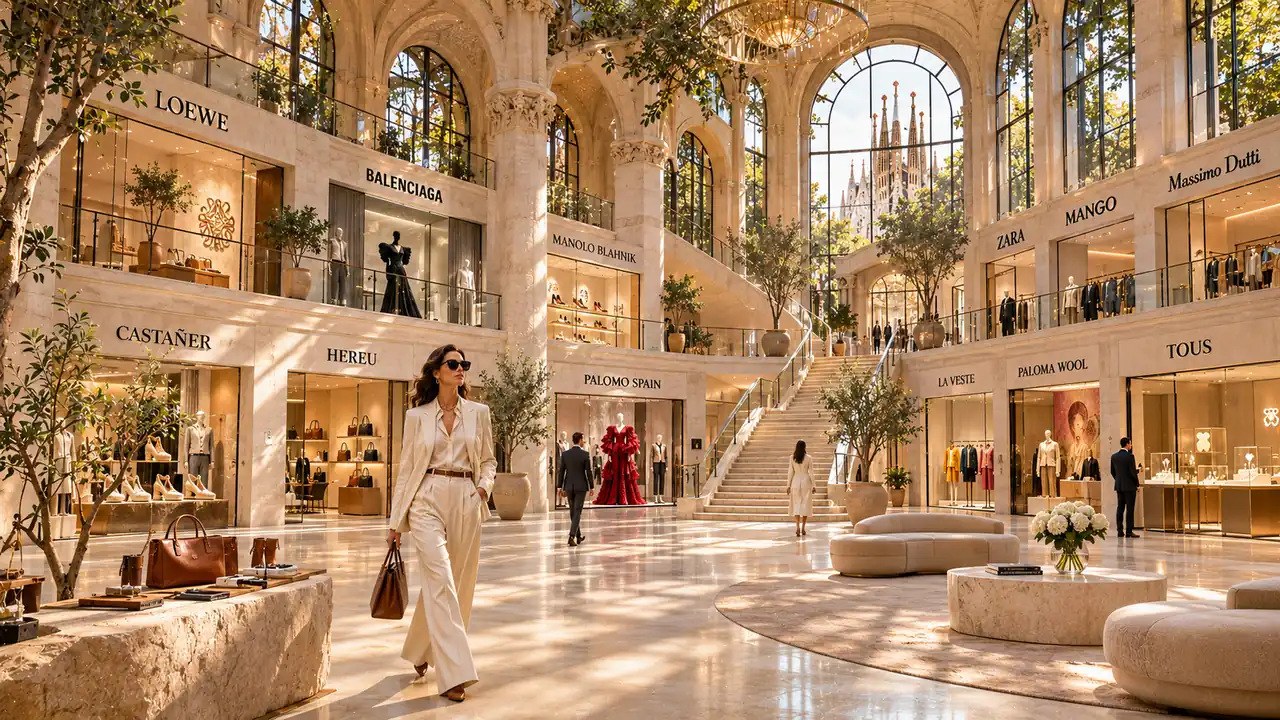
France has the mythology and Italy has the factories, but Spain has something both of them quietly envy: the biggest fashion company on earth, a 180-year-old leather house at the peak of its powers, and a new generation of designers making the most interesting clothes in Europe right now. These names and labels help define the best Spanish fashion brands, showcasing the country’s influence on the global fashion industry.
The best Spanish fashion brands span every register of style: Loewe and Balenciaga at the luxury summit, Manolo Blahnik in shoes, Zara and Mango at global scale, and a craft vanguard led by Hereu, Palomo Spain and Castañer. These twelve are worth your money and attention in 2026.
From the ateliers of Madrid to the workshops of Mallorca, here is the definitive ranking, and why Spanish fashion is having its moment.
1. Loewe: The Crown Jewel
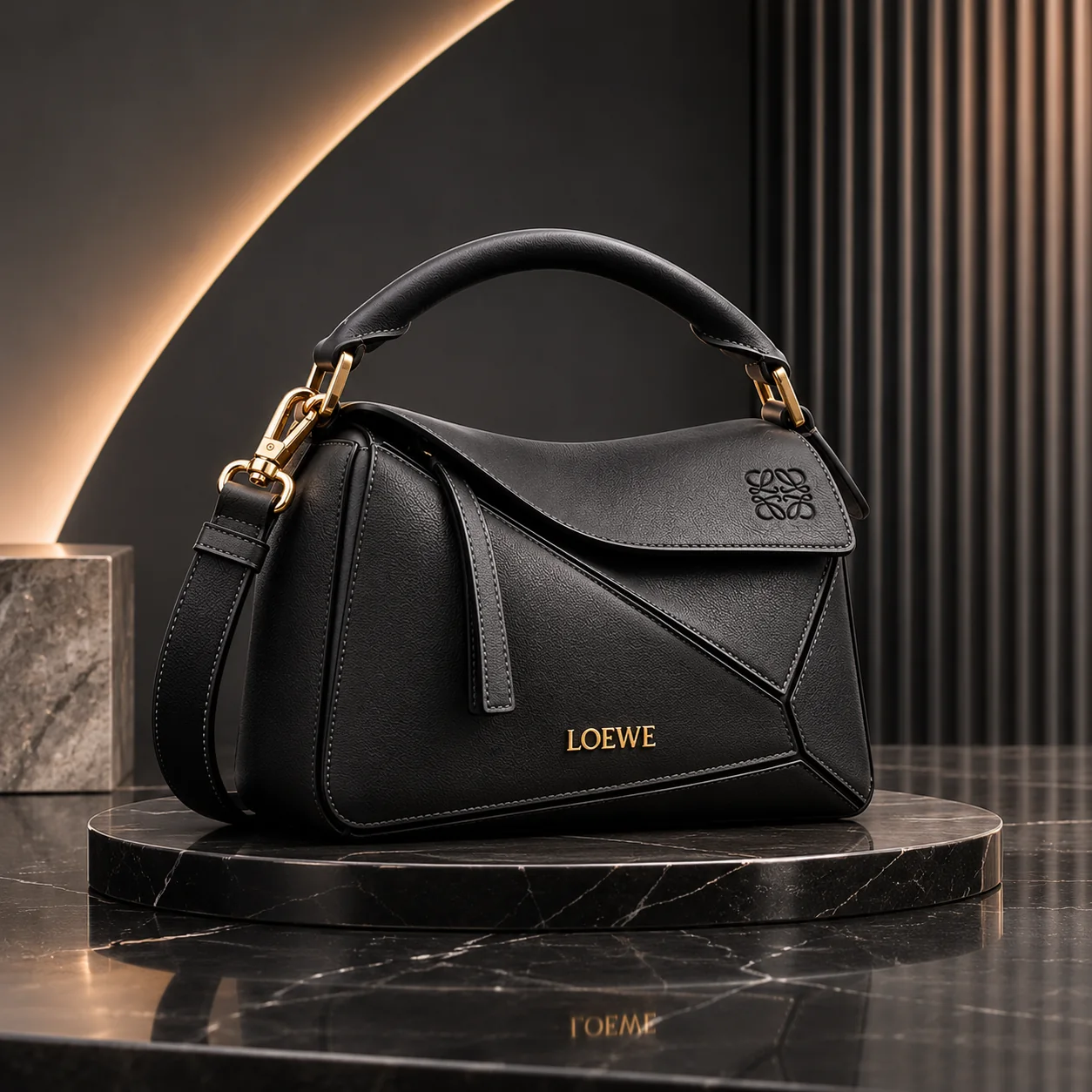
Start at the top. Founded in Madrid in 1846 as a leather goods collective, Loewe is Spain’s great luxury house, owned by LVMH since 1996 and transformed over the past decade into one of the most admired brands in the world.
Jonathan Anderson’s eleven year tenure made Loewe a creative and commercial phenomenon, all surreal craft and Puzzle bags. When he departed for Dior in March 2025, the industry held its breath. His successors, Jack McCollough and Lazaro Hernandez, the founders of Proenza Schouler, answered with a confident debut in October 2025 built on color, sensuality and the house’s leather mastery.
The Amazona, the Puzzle and the Flamenco remain the bags to know, and the name itself trips people up, which is why our guide on how to pronounce Loewe exists. Say it right, wear it forever.
2. Balenciaga: The Spanish Genius Paris Adopted
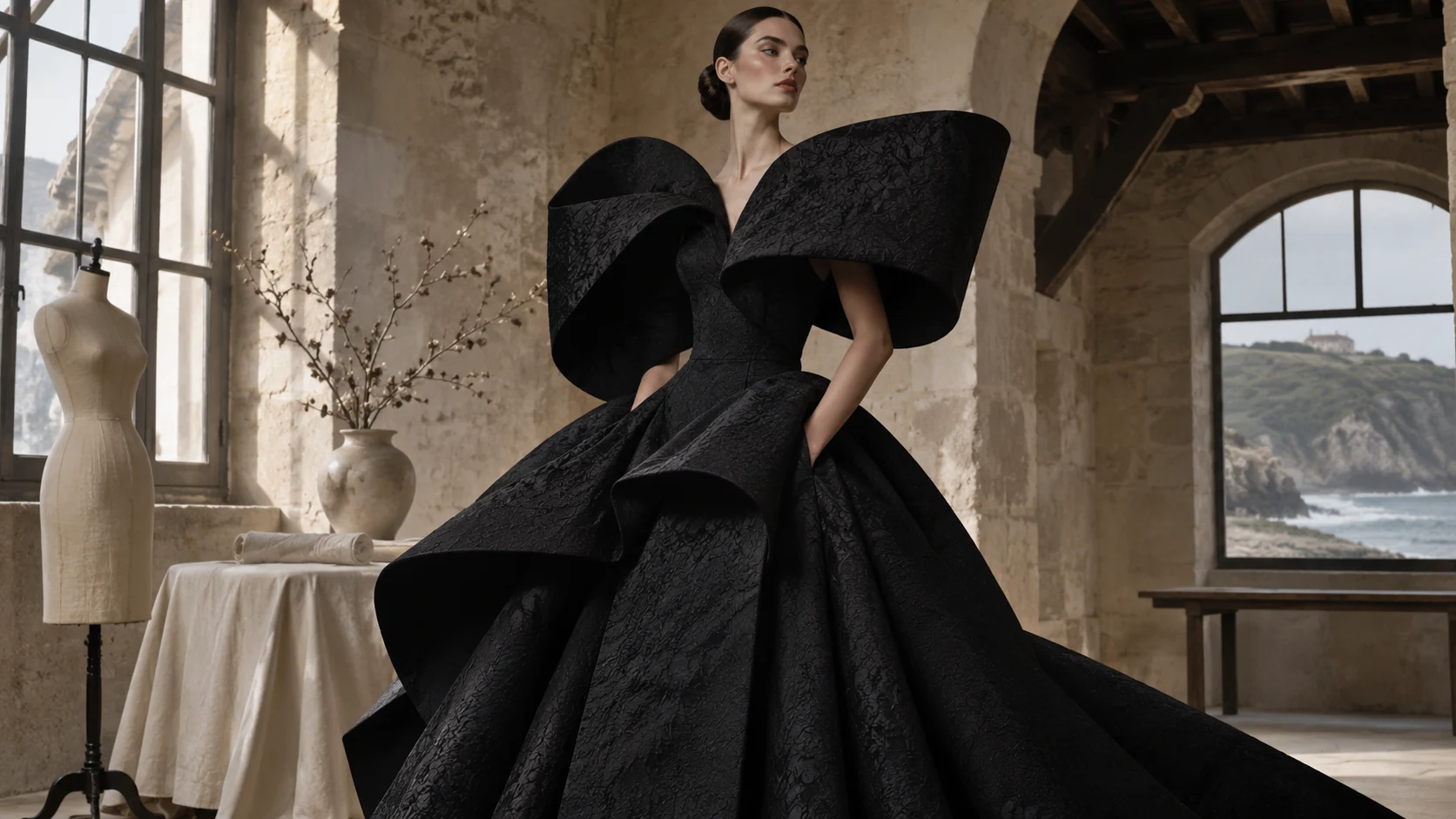
The most influential couturier of the twentieth century was not French. Cristóbal Balenciaga was born in the Basque fishing town of Getaria in 1895, opened his first house in San Sebastián in 1919, and dressed Spain’s aristocracy before the Civil War pushed him to Paris in 1937, where he became “the master of us all”, in Dior’s own words.
The modern house, owned by Kering, entered a new era in 2025 with Pierpaolo Piccioli taking the creative helm. But its founding ideas, architectural volume, sculptural silence, black as a religion, are pure Spain. Balenciaga earns its place here on bloodline, and it stands with the giants in our ranking of the biggest luxury fashion houses.
3. Manolo Blahnik: The Canary in the Coal Mine of Taste
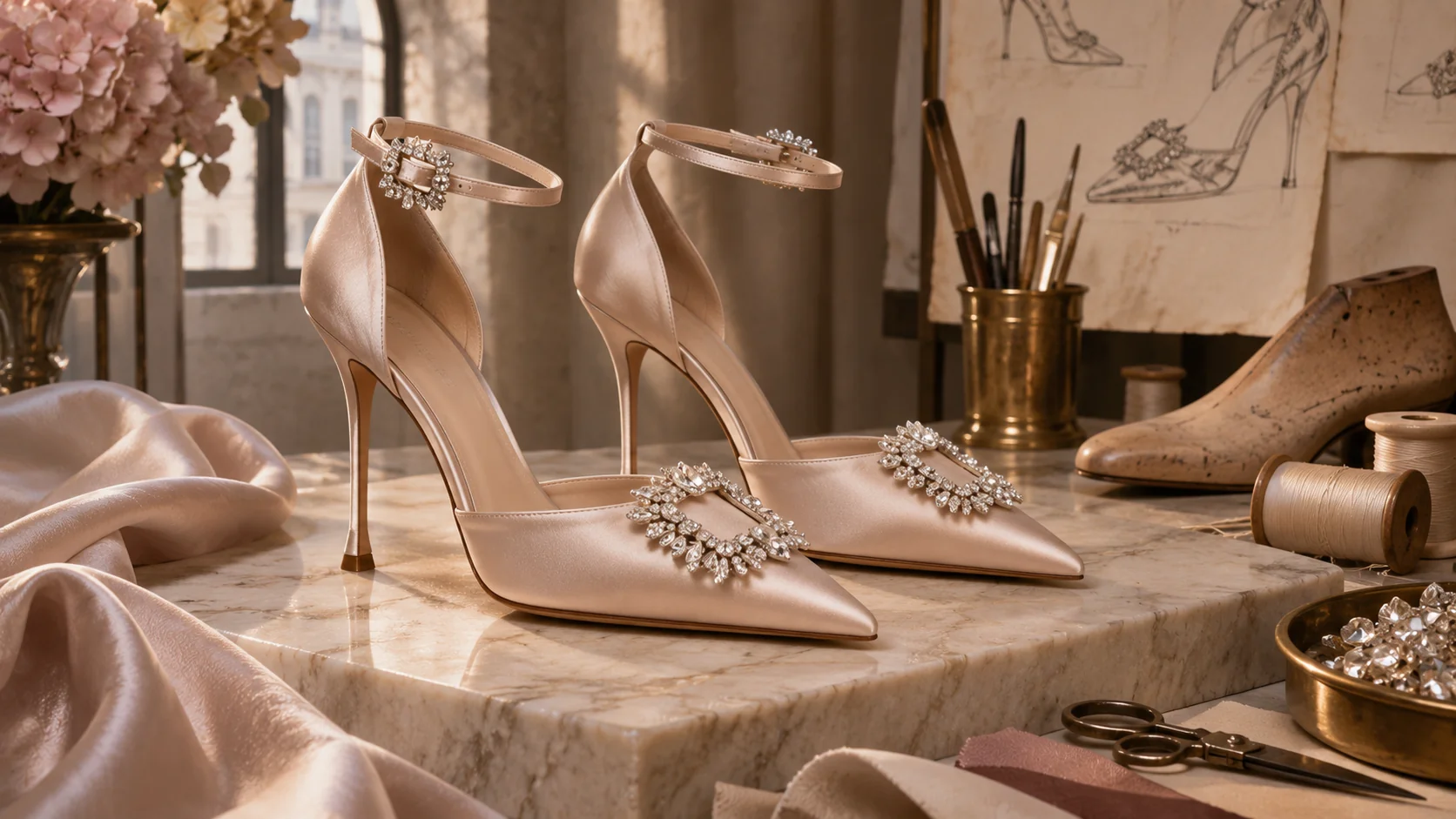
Shoes have their own aristocracy, and Manolo Blahnik sits on its throne. Born in Santa Cruz de la Palma in the Canary Islands, he opened his first London shop in 1973 and spent five decades making heels that women describe in religious terms. A certain television show turned the surname into shorthand for desire, but insiders knew decades earlier.
Still independent, still family run, still sketching every shoe himself into his eighties. When the world argues about the greatest shoemaker alive, the argument starts here. He stands comfortably beside every name in our guide to luxury designer brands.
4. Zara: The Revolution in a Striped Shirt
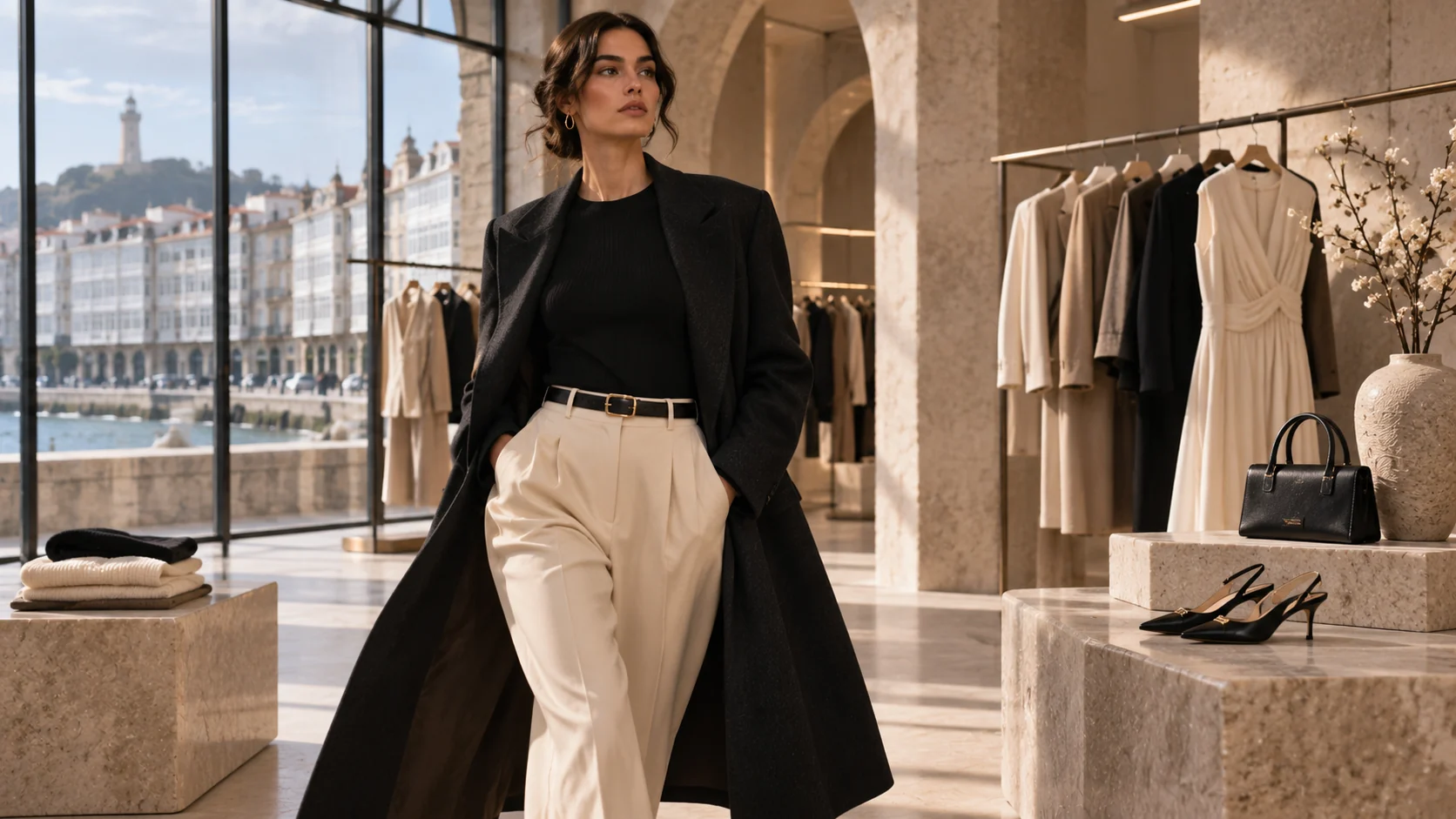
You cannot tell the story of Spanish fashion without the company that rewrote the rules of the entire industry.
Amancio Ortega opened the first Zara in A Coruña in 1975, a Galician port city that remains the nerve center of what became Inditex. The idea was velocity: read what women want this week, make it, deliver it in days. In fiscal 2025 Inditex reported sales of €39.9 billion and net income of €6.2 billion across 5,460 stores, with Zara alone generating €28 billion. It is the largest fashion retail machine on the planet.
Is it luxury? No, and our honest verdict on whether Zara is a luxury brand explains why, as does the Zara vs H&M breakdown. But Zara is the reason Spain matters to every fashion conversation, and its design radar is genuinely excellent.
5. Massimo Dutti: Spain’s Affordable Luxury Answer
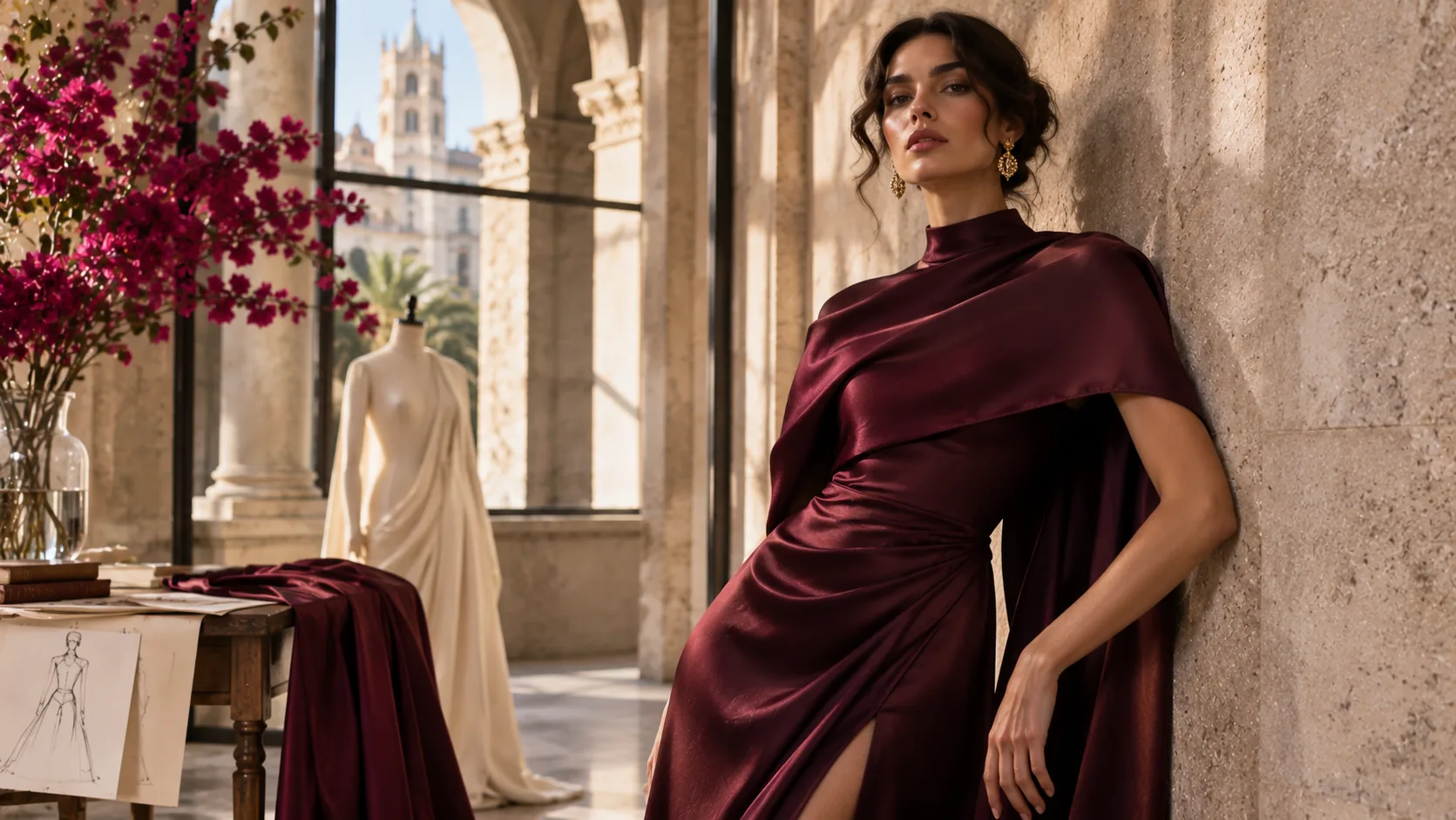
Inditex’s grown up sibling, founded in Barcelona in 1985, is the connoisseur’s pick inside the empire. Massimo Dutti sells leather jackets, tailored blazers and silk at prices a fraction of equivalent designer pieces, with material quality that regularly embarrasses brands charging three times more.
Its limited edition studio lines are where fashion editors quietly shop for themselves. If your budget is real but your standards are not negotiable, this is the Spanish door to walk through, a philosophy close to the one in our guide to French luxury fashion brands worth their price.
6. Mango: Barcelona’s Second Giant
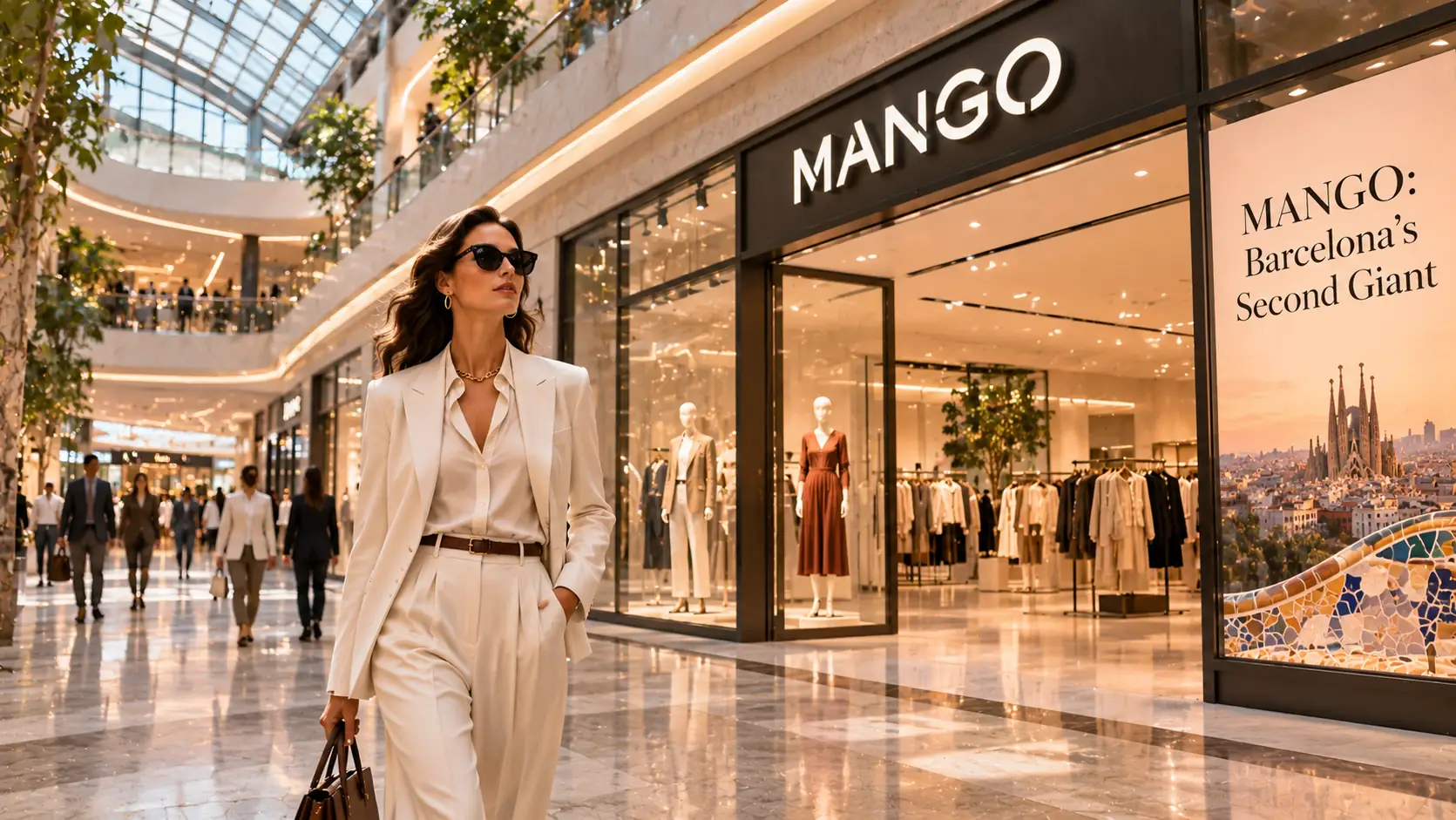
Founded by Isak Andic on Barcelona’s Passeig de Gràcia in 1984, Mango grew into a €3.34 billion business with 2,800 stores across 120 markets, the polished Mediterranean counterpoint to Zara’s trend velocity. The clothes lean timeless: tailoring, denim, leather, the Barcelona uniform.
The house is navigating a painful chapter after its founder’s sudden death in a hiking accident in December 2024, with chief executive Toni Ruiz now leading the company forward. The brand he left behind is stronger than ever, and its premium collections remain one of the best value plays in European fashion.
7. Castañer: The Espadrille That Conquered Summer
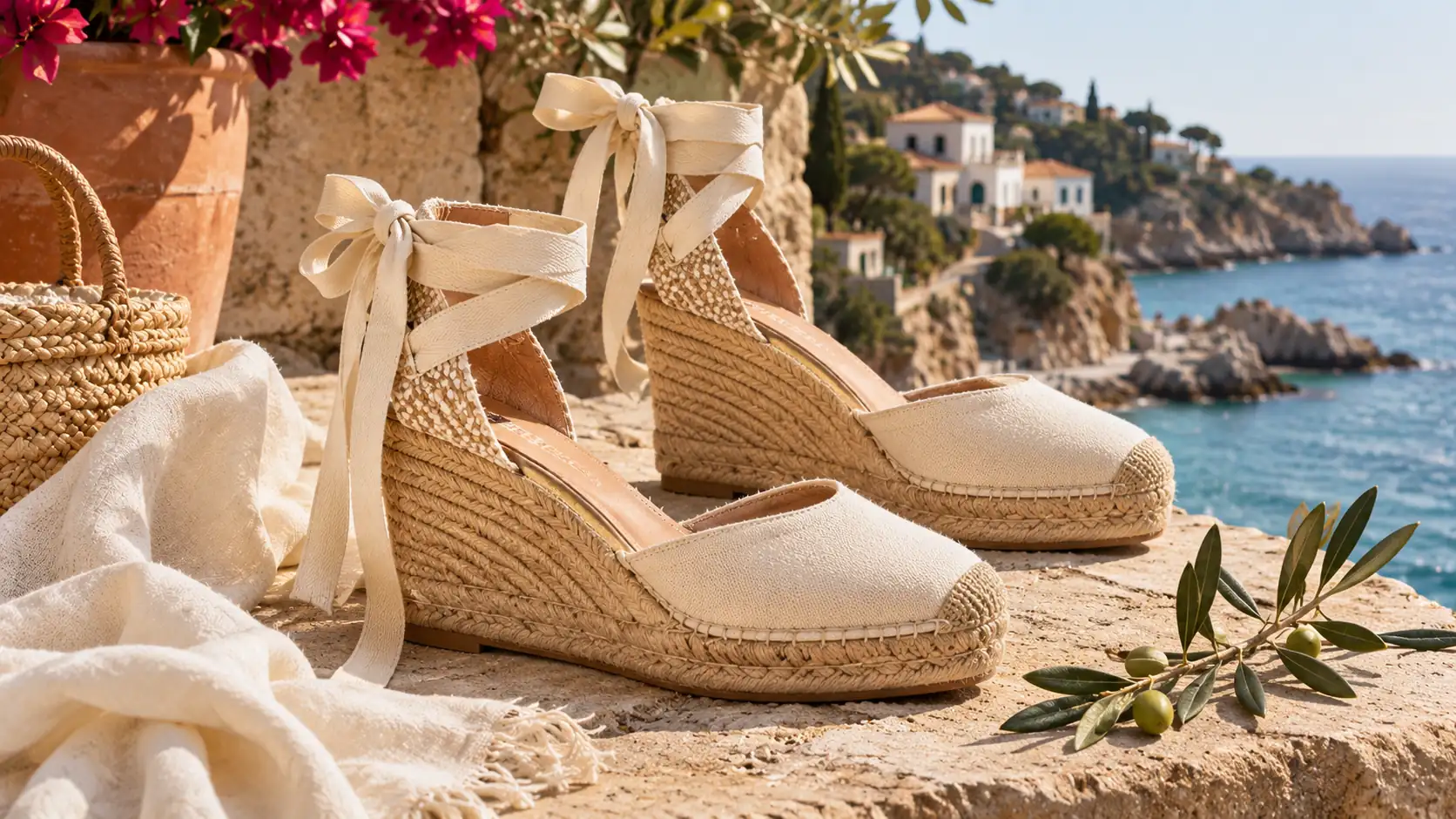
Every summer shoe you love descends from a workshop in Girona. Castañer has made espadrilles since 1927, but its legend was sealed in the 1970s when Yves Saint Laurent asked the family to build him a wedge version. The wedge espadrille, the definitive shoe of the Mediterranean summer, was born in that meeting.
Nearly a century on, the family still braids the jute and stitches the canvas in Spain. When you see espadrilles on the Riviera, in Portofino, on every chic foot in July, you are looking at Castañer’s idea. Our readers who love the heritage craft story in Italian luxury fashion brands will find the same soul here.
8. Hereu: Mallorca’s Craft Revival
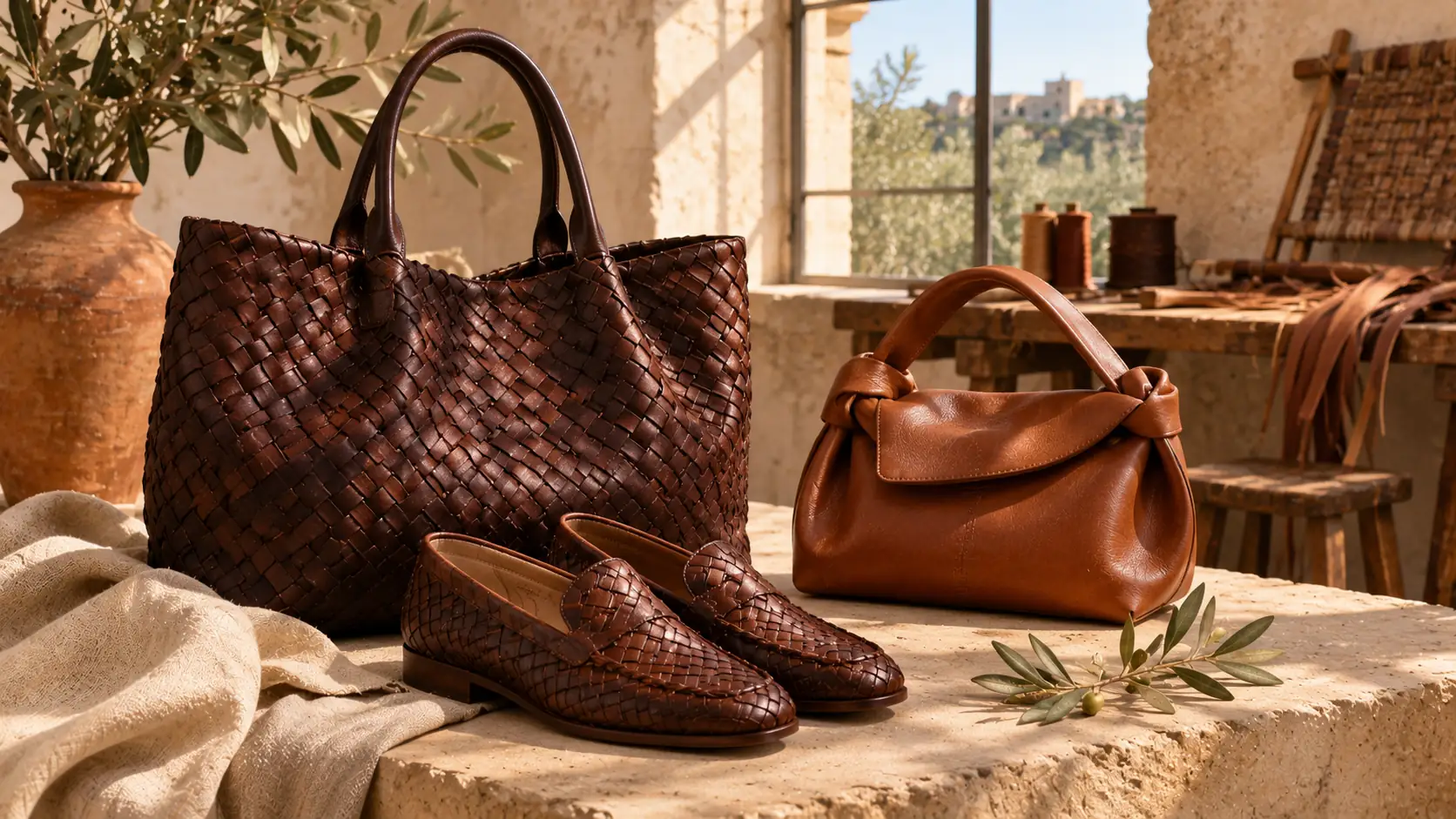
The insiders’ brand of this list. Founded in 2014 by José Luis Bartolomé and Albert Escribano, Hereu works with artisans across Spain to make handwoven leather bags and shoes that look like heirlooms from a more civilized century: interlaced loafers, woven tote bags, vegetable tanned leather in the colors of a Mallorcan afternoon.
No logos, no noise, just technique. Hereu is the name fashion people drop when they want to prove they know something you do not. Now you know it too.
9. Palomo Spain: The New Flamenco
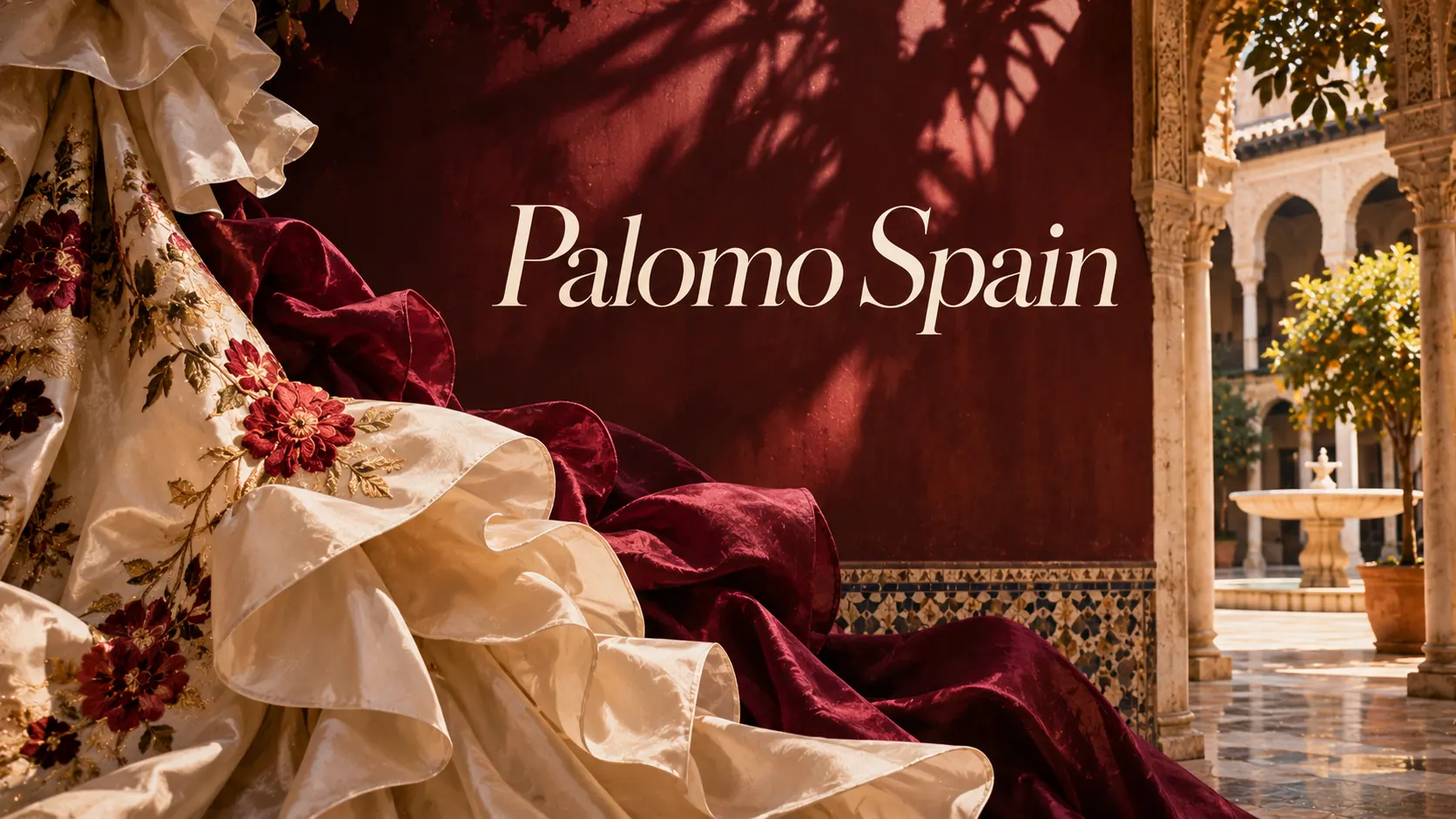
From a workshop in Palma del Río, Córdoba, Alejandro Gómez Palomo has built the most exciting young label in Spanish fashion. His clothes, ruffled, romantic, gloriously unconcerned with gender, channel a Spain of velasquez princes and flamenco drama through a completely modern lens.
Beyoncé wore him. Harry Styles’ generation claims him. He has shown in Paris and New York, but the soul of the clothes never left Andalusia. Palomo is what happens when a country’s deepest visual traditions meet a designer brave enough to wear them all at once.
10. La Veste: Barcelona in Technicolor
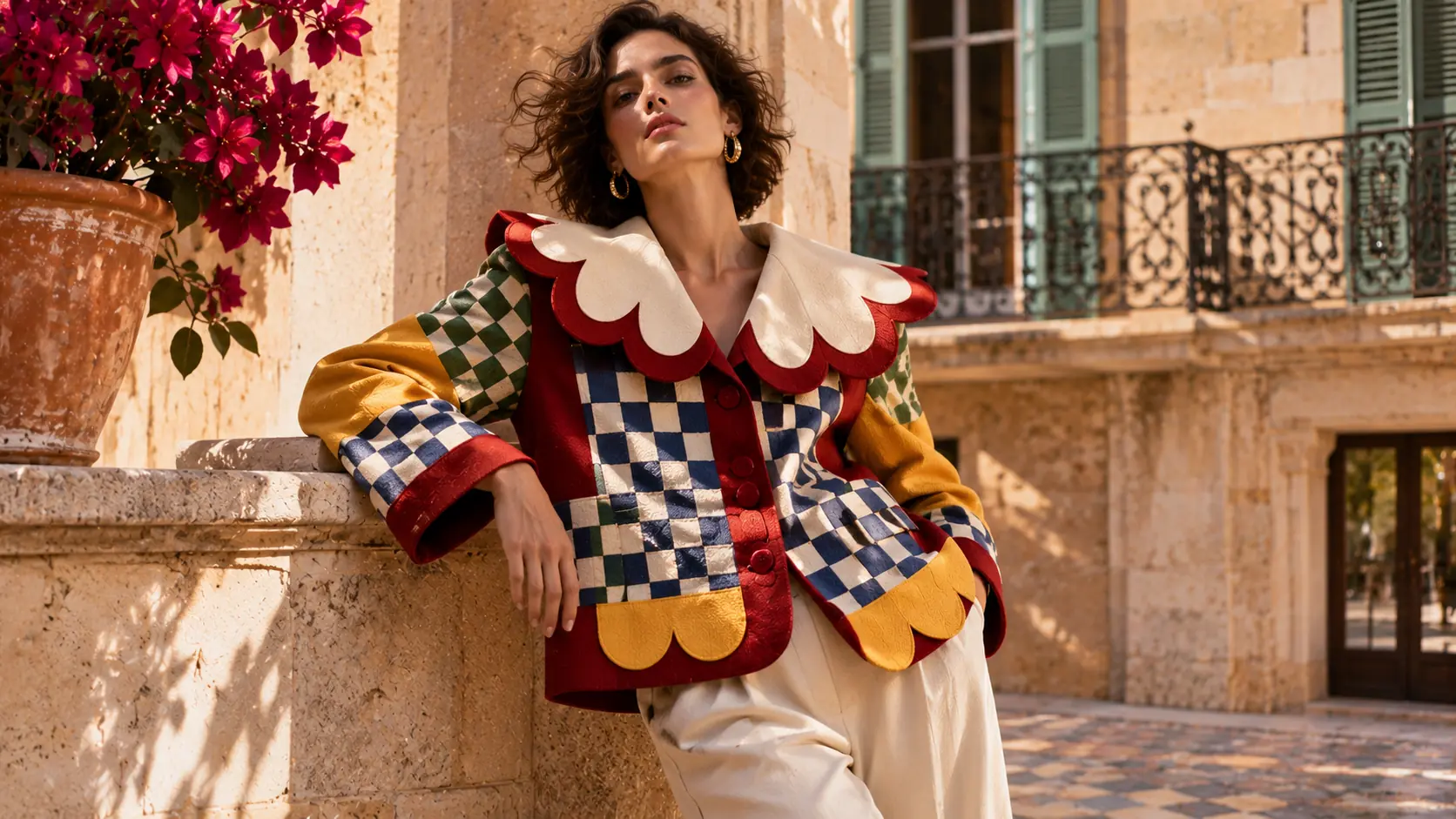
Blanca Miró, one of Spain’s most photographed dressers, co founded La Veste in Barcelona in 2019, and the brand does exactly what the name promises: statement jackets. Bold checks, scalloped collars, colors that behave like good news.
It is the antidote to a decade of beige minimalism, and it photographs like a dream, which is why it spread from Instagram niche to international stockists in a few seasons. For readers building a wardrobe with personality, this is the Spanish name to buy before everyone else does.
11. Paloma Wool: The Cult of Barcelona Cool
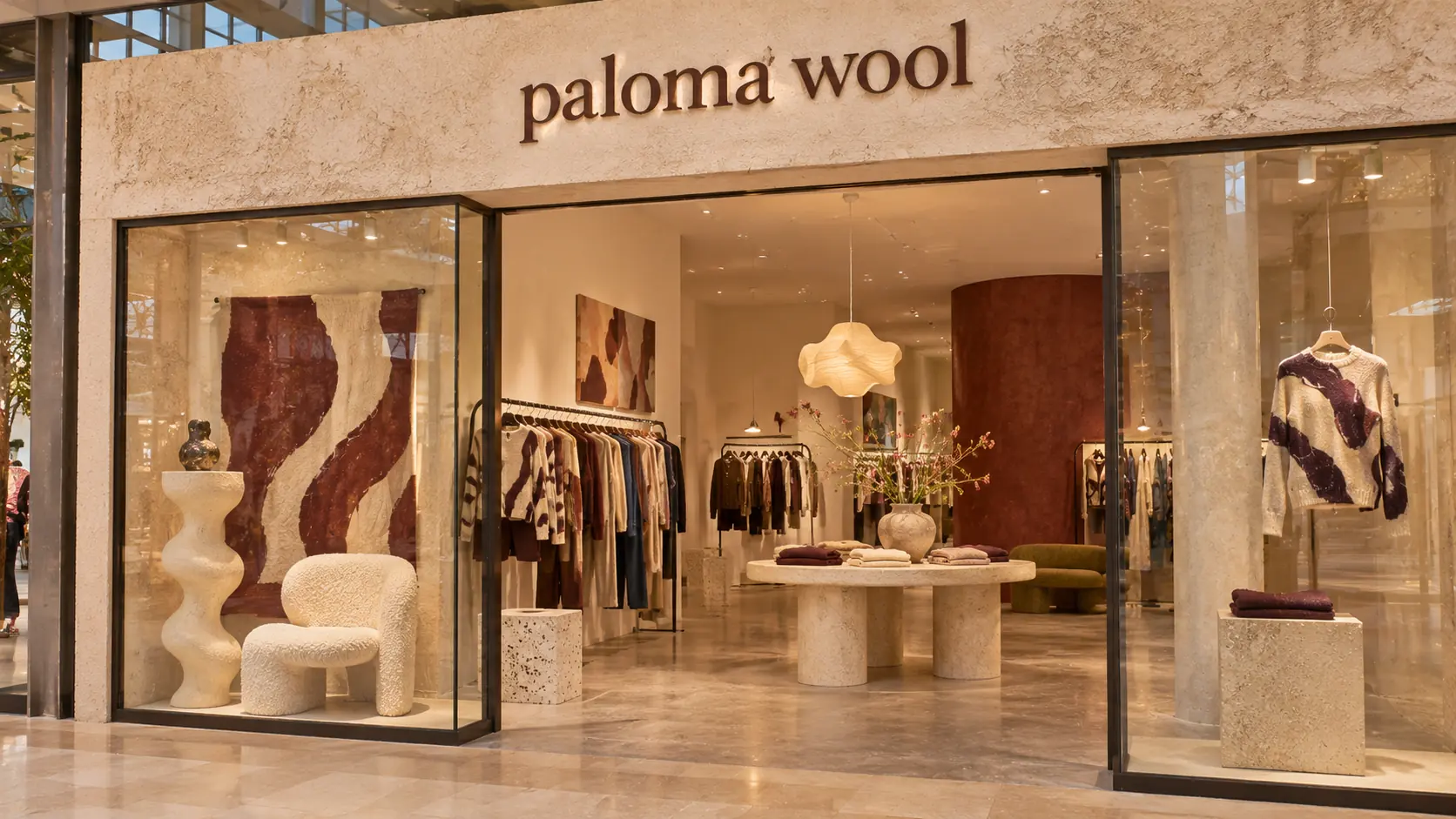
Paloma Lanna started Paloma Wool in Barcelona in 2014 as something between a brand and an art project, and it never fully chose between them. The clothes, soft knits, slinky dresses, prints made with artist friends, are sold through a community that feels more like a scene than a customer base.
This is the brand the fashion students of Europe actually wear, the one that signals taste without money and confidence without logos. Small, independent and utterly itself.
12. Tous: The Bear of Manresa
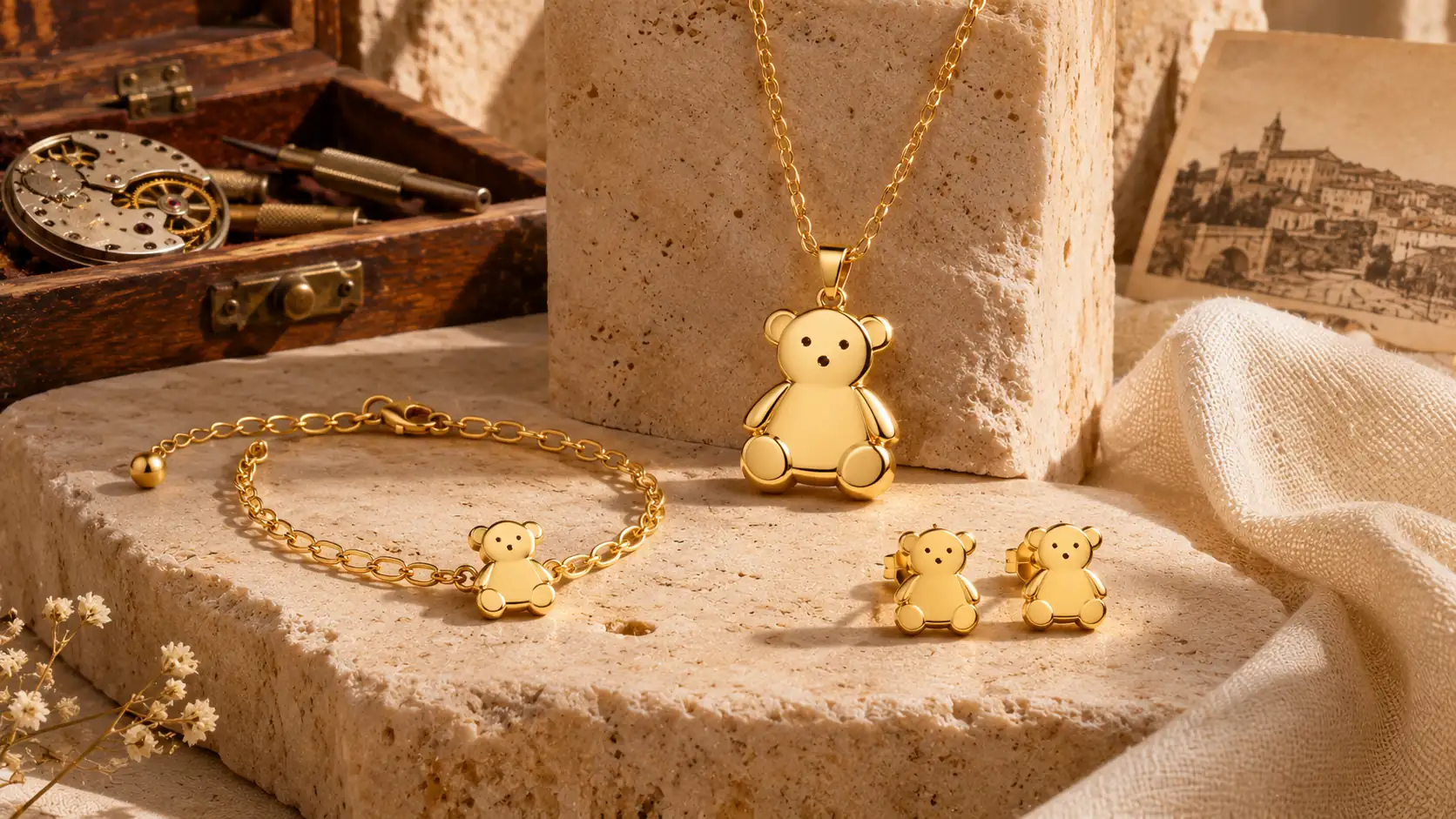
Every ranking needs one name that an entire country grew up with. In Spain, that is Tous. What began as a small watchmaking workshop in Manresa in 1920 became a jewelry house when the family pivoted, and in 1985 the brand found its emblem: a teddy bear, inspired by a soft toy spotted in a shop window.
Forty years later the bear sits on necklaces and bracelets across Spain and Latin America, the default first jewel, the graduation gift, the piece a grandmother gives a granddaughter. Not luxury in the Loewe sense, but heritage in the truest one: emotional and generational.
The Master Table
| Rank | Brand | Founded | Known For | Register |
|---|---|---|---|---|
| 1 | Loewe | 1846, Madrid | Leather craft, Puzzle and Amazona bags | Luxury |
| 2 | Balenciaga | 1919, San Sebastián | Couture architecture | Luxury |
| 3 | Manolo Blahnik | 1973, London | Handmade heels | Luxury |
| 4 | Zara | 1975, A Coruña | Speed and scale | High street |
| 5 | Massimo Dutti | 1985, Barcelona | Tailoring and leather value | Affordable luxury |
| 6 | Mango | 1984, Barcelona | Mediterranean polish | High street premium |
| 7 | Castañer | 1927, Girona | The wedge espadrille | Craft heritage |
| 8 | Hereu | 2014, Mallorca | Handwoven leather | Craft luxury |
| 9 | Palomo Spain | 2015, Córdoba | Romantic genderless fashion | Avant-garde |
| 10 | La Veste | 2019, Barcelona | Statement jackets | Contemporary |
| 11 | Paloma Wool | 2014, Barcelona | Art scene knitwear | Cult |
| 12 | Tous | 1920, Manresa | The teddy bear jewel | Heritage jewelry |
Spanish Fashion by the Numbers
1846: The year Loewe was founded, older than most of Paris.
€39.9 billion: Inditex’s fiscal 2025 sales, the largest in fashion retail.
€28 billion: Zara’s share of that number alone.
1927: The year Castañer began braiding espadrilles in Girona.
120: The markets where Mango operates.
2,800: Mango stores worldwide.
11: Years Jonathan Anderson spent transforming Loewe, ending in 2025.
1985: The year the Tous bear was born.
Frequently Asked Questions
What is the most famous Spanish fashion brand?
Zara is the most famous by reach, as the flagship of Inditex, the world’s largest fashion retailer with €39.9 billion in fiscal 2025 sales. In luxury, Loewe is Spain’s most prestigious name, a leather house founded in Madrid in 1846 and now one of the most admired brands in global fashion.
Is Loewe a Spanish brand?
Yes. Loewe was founded in Madrid in 1846 as a leather goods cooperative and remains headquartered there, though it has been owned by French group LVMH since 1996. It shows in Paris and is now designed by Americans Jack McCollough and Lazaro Hernandez, but its craft base and identity are deeply Spanish.
Is Zara a luxury brand?
No. Zara is a high street giant built on speed, scale and accessible prices, generating €28 billion a year. Its design intelligence is exceptional, but its materials, production and pricing belong to fast retail. For true Spanish luxury, look to Loewe, Manolo Blahnik or the craft houses of Mallorca.
Which Spanish brands are actually made in Spain?
Loewe produces much of its leather goods in Spain, Castañer still makes espadrilles in Girona, Hereu works entirely with Spanish artisans, and Palomo Spain produces in Andalusia. Tous manufactures significantly in Spain. Inditex brands source globally, though their design and logistics remain headquartered in Galicia and Catalonia.
What Spanish shoe brands are worth knowing?
Manolo Blahnik leads, with five decades of handmade heels. Castañer owns the espadrille, Hereu makes the woven loafers insiders love, and brands like Magnanni, founded in 1954 in La Rioja, offer excellent dress shoes. Spain has been Europe’s shoemaking heartland for generations, particularly the Alicante and Mallorca regions.
Is Spanish fashion cheaper in Spain?
Generally yes for Spanish brands. Zara, Mango and Massimo Dutti price lower domestically than abroad, often by 10 to 25 percent, and non EU visitors can reclaim VAT on larger purchases. Even Loewe tends to be priced more gently in Madrid than in New York or Asian capitals, before the tax refund.
The Bottom Line
Spanish fashion is a three story building, and most visitors only see the ground floor.
The ground floor is Zara, Mango and Massimo Dutti: the machine that taught the world to expect fashion fast and fair priced. The second floor is craft: Loewe’s leather, Castañer’s jute, Hereu’s weaving, the quiet proof that Spanish hands still make beautiful things slowly. And the top floor is imagination: Balenciaga’s ghost, Blahnik’s heels, Palomo’s ruffles, the theatrical soul that no other country quite matches.
Know all three floors and you understand not just a fashion industry but a national character: proud, tactile, sunlit and allergic to pretension. That is Spain in twelve brands. The rest is shopping.