You’ve probably had this exact moment. An email lands in your inbox: MICHAEL KORS, UP TO 60% OFF, ENDS TONIGHT. And underneath it, still unread from Tuesday: MICHAEL KORS, UP TO 50% OFF, ENDS TONIGHT. At some point, a thought crosses your mind. If it’s always on sale, was it ever really luxury? That thought is exactly why you’re here, and it deserves a real answer, not a shrug. So here it is.
Yes, “cheap luxury” is a fair description of what Michael Kors sells, and the industry actually has a proper name for it: masstige, prestige for the masses. The catch is that the word “cheap” cuts both ways. Sometimes it means smart value. Sometimes it means the price tag was a fiction all along. Knowing the difference is the entire game, and by the end of this article you’ll know it.
What “Cheap Luxury” Actually Means (It’s a Real Category)
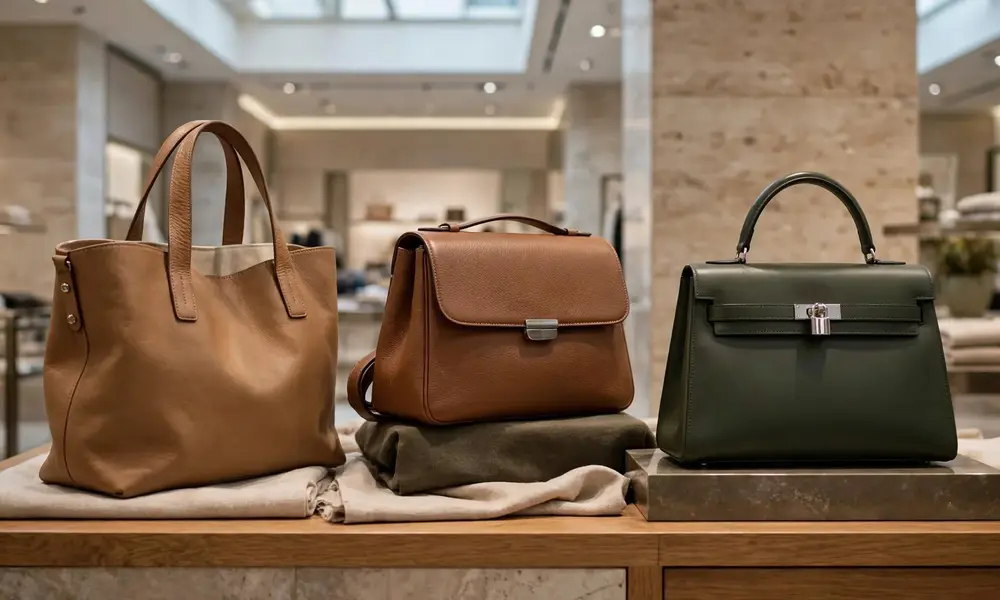
Let me introduce you to a word the fashion industry uses behind closed doors: masstige. Mass plus prestige. It describes brands engineered from day one to give you the feeling of luxury, the boutique lighting, the logo, the fashion week halo, at prices ordinary people can actually pay.
Michael Kors didn’t stumble into this category. He practically invented it. When the brand exploded in the early 2010s, it cracked the code that traditional luxury had guarded for a century: most people don’t want to spend $3,000 on a bag, but they’ll happily spend $300 to feel like the kind of person who could. That insight built a billion dollar empire and spawned an entire tier of imitators. We’ve mapped the whole category in our guide to affordable luxury brands, and Michael Kors sits at its center.
So is masstige a scam? No. It’s a legitimate trade: you give up hand craftsmanship, heritage and exclusivity, and in return you keep about 90 percent of your money. Whether that trade is smart depends entirely on one thing, and it’s not the logo. It’s the price you actually pay.
The Permanent Sale Problem (Read This Before You Ever Pay Full Price)
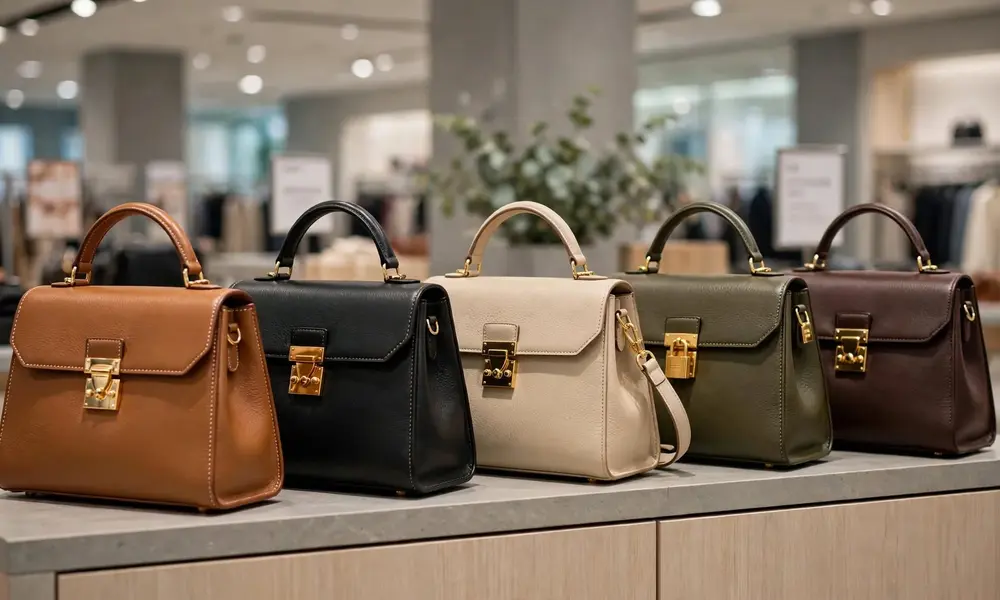
Here’s what happened to Michael Kors, and it’s the most instructive story in modern retail. Around 2013 to 2016, the brand expanded ferociously. Stores everywhere. Outlet malls everywhere. Department store racks everywhere. And to feed all those channels, the discounting started.
Then it never stopped. Analysts have a name for this too: the discount spiral. Once customers learn that everything goes 40 percent off within eight weeks, they stop paying full price. Forever. Why would you buy Tuesday what Thursday sells for $120 less?
The result is a brand where the price tag has become a suggestion nobody follows. And this creates a trap for you as a shopper, one outlet designers understand perfectly. As we covered in whether a Michael Kors bag is luxury, most outlet stock is made specifically for outlets, designed to a price point with simpler materials. The “was $398, now $129” tag compares the bag to a price it never genuinely sold at.
So is Michael Kors cheap luxury? At the outlets, it’s more precise to say it’s cheap masstige. The luxury part left the building a few markdowns ago.
What the Same Money Buys Elsewhere
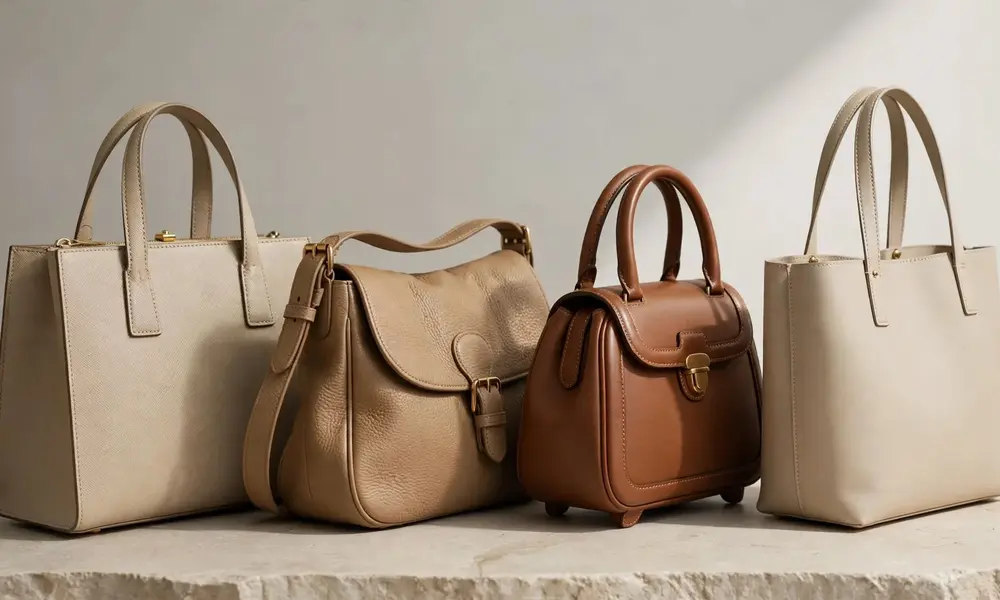
This is where “cheap luxury” gets really interesting, because the comparison cuts in Michael Kors’ favor more often than its critics admit.
| What $300 Buys You | What You Actually Get |
| Michael Kors (main line) | Real Saffiano leather bag, solid hardware, 4 to 7 years of daily use |
| Coach | Comparable or slightly better leather, best hardware in the tier |
| Kate Spade | Real leather, playful design, similar durability |
| Tory Burch | Real leather, stronger fashion credibility |
| A luxury house | A cardholder. Maybe a keychain |
Look at that last row. This is the entire argument for cheap luxury, and honestly, it’s a good one. Three hundred dollars at a luxury house buys you the souvenir shop. Three hundred dollars at Michael Kors or Coach buys you a real leather bag that carries your life for half a decade. If you want to see exactly how MK and Coach stack up head to head, our Michael Kors vs Coach breakdown covers every stitch of it.
The critics who sneer at masstige are usually comparing it to Hermès. Compare it to what your money actually buys, and it looks considerably smarter.
When Cheap Luxury Is a Great Deal (and When It’s a Trap)
After years of watching this market, here’s my honest sorting of the whole thing.
Cheap luxury is a great deal when:
- You’re buying real leather (Saffiano, pebbled) rather than coated canvas
- You pay the real market price (40 to 60 percent off “retail”), which you now know is the actual price
- You plan to use the item hard for years, not resell it
- You want the look and durability, not the status signaling
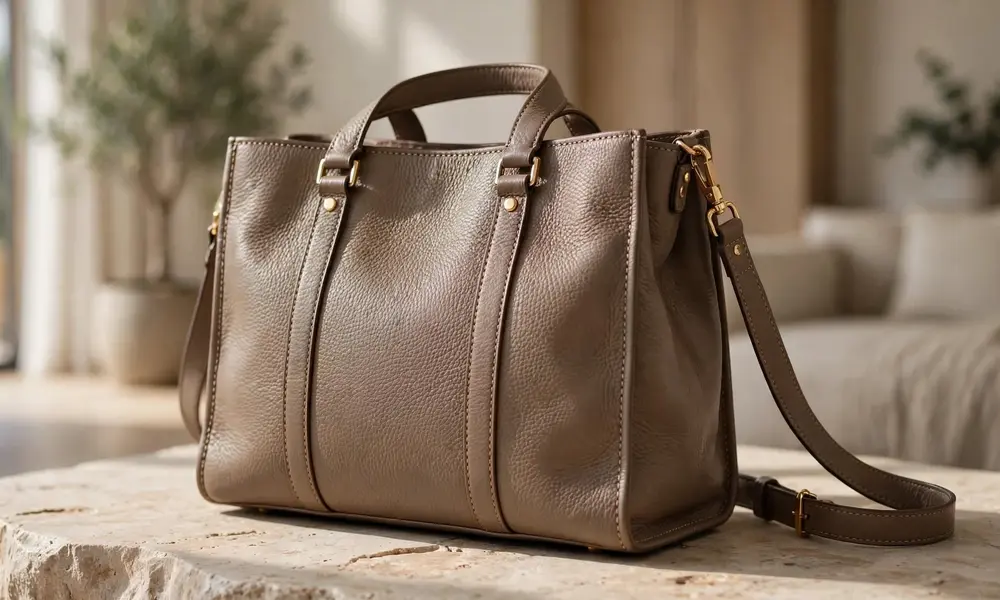
Cheap luxury is a trap when:
- You pay full boutique price in January for something that hits 50 percent off in March
- You buy outlet stock believing it’s boutique quality at a discount (it’s made that way on purpose)
- You expect luxury resale value (MK bags resell for a fraction of retail, as any quick look at resale sites will confirm)
- You’re buying the logo to impress people who’d notice the logo (the people who’d notice moved on years ago)
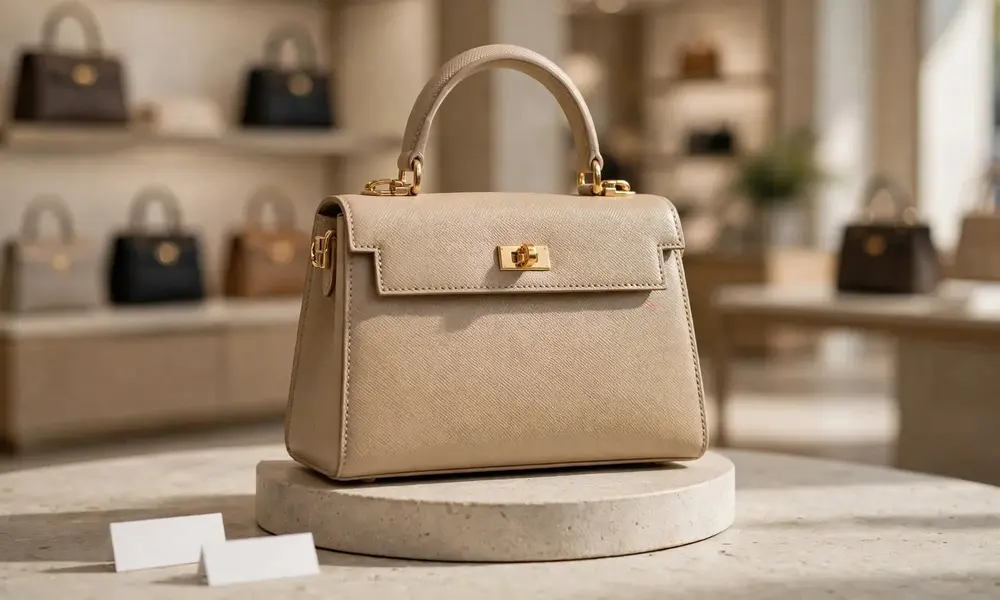
Notice what the two lists have in common: knowledge. The same bag is a smart buy or a sucker’s bet depending entirely on what you know going in. Now you know.
The One Rule That Beats the Whole System

If you take nothing else from this article, take this: never pay the first price you see for Michael Kors. Not because the brand is dishonest, but because its pricing is a calendar, not a verdict. Boutique pieces reliably hit 30 to 50 percent off within two to three months of release. Outlet pieces are priced for the markdown they already show. And the semi-annual sales (typically January and July, plus the holiday events) push the best leather pieces to their real floor.
The shoppers who feel cheated by Michael Kors paid the tag price. The shoppers who love it waited six weeks. Same bag. Same quality. Different game, and you now know how it’s played. If you want to stretch the strategy further, our guide on where to find discount codes for fashion brands stacks a few extra percent on top.
Frequently Asked Questions
Is Michael Kors considered cheap luxury?
Yes, Michael Kors is widely considered “cheap luxury“, a category the industry calls masstige or accessible luxury. It offers luxury styling and real leather at $150 to $500, far below true luxury houses. The trade is less exclusivity, machine production and minimal resale value in exchange for dramatic savings.
Why is Michael Kors always on sale?
Michael Kors overexpanded its store and outlet network in the mid 2010s, creating excess supply that forced constant discounting. Customers learned to wait for markdowns, so the cycle became permanent. Boutique items now routinely drop 30 to 50 percent within eight to twelve weeks of release.
Is outlet Michael Kors lower quality?
Yes. Most Michael Kors outlet items are manufactured specifically for outlet stores, with simpler materials, lighter hardware and less refined construction than boutique lines. They aren’t defective, but they were designed to hit outlet price points from the start rather than being discounted boutique stock.
Is cheap luxury worth buying?
Cheap luxury is worth buying when you pay the realistic sale price for genuine leather pieces you’ll use for years. A $150 to $300 Saffiano leather bag that lasts five years is excellent value. It’s a poor buy at full retail price, in coated canvas, or if you expect investment grade resale value.
What is the difference between cheap luxury and real luxury?
Real luxury (Hermès, Chanel) means hand craftsmanship, limited production, heritage and prices that exclude most buyers. Cheap luxury means machine production at volume, wide distribution, constant discounting and accessible prices. The gap shows in materials refinement, construction detail, exclusivity and resale value.
The Bottom Line
So, is Michael Kors cheap luxury? Yes, and that’s not the insult it sounds like. Cheap luxury, done knowingly, is one of the smartest corners of fashion: real leather, real durability, real designer aesthetics at a tenth of the luxury house price.
The only people who lose are the ones who pay the fiction on the tag. You’re not one of them anymore. Wait for the sale. Buy the leather. Carry it for five years. And if anyone asks whether it’s “real luxury”, smile and tell them you paid $160 for it. That’s the whole point.