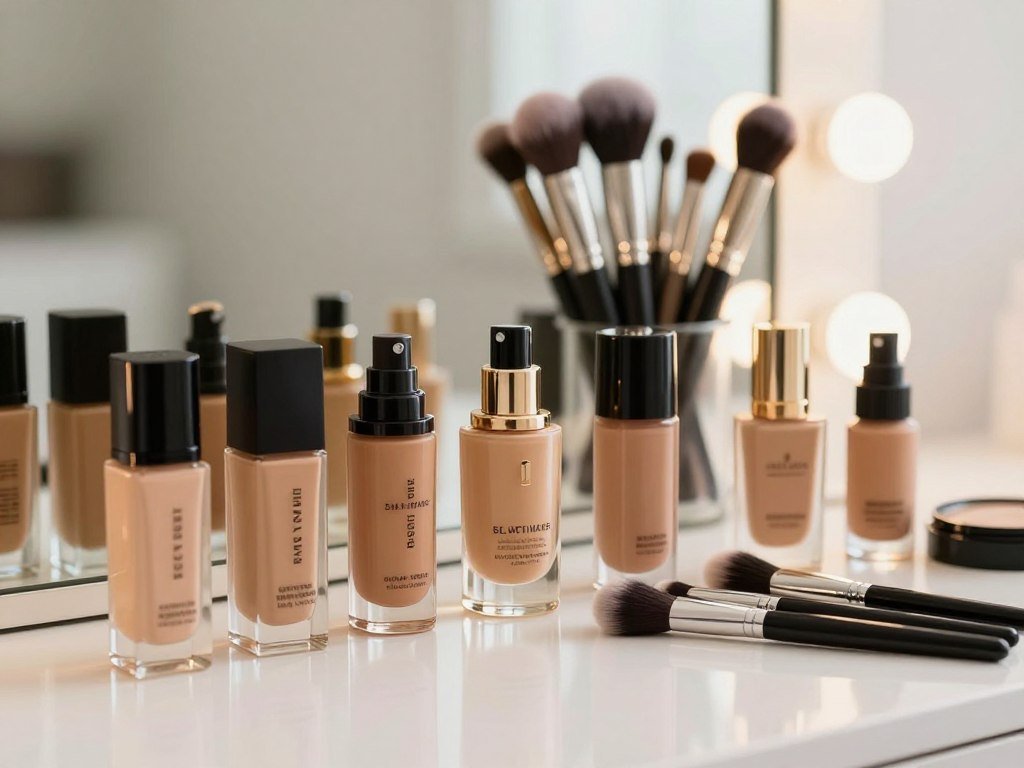
Start with the finish you want to see in the mirror, whether that is a matte base, a soft glow, or light coverage that still looks like skin. A busy day may call for a quick, flexible layer, while an evening look may need more coverage. Medium coverage evens skin tone while still allowing some natural features to show. The ten core picks below address real needs, including oil control, a natural glow, sensitive skin, and daily SPF. Each category is a useful starting point, not a promise that one formula will suit everyone. Texture, shade, and comfort can change how makeup looks and feels on your own skin. This list helps you compare those details without treating one product as a universal winner. Use your main skin concern and preferred finish to narrow the shortlist before comparing shades.
Key Takeaways
- Choose a finish that fits the look you want, from matte to radiant.
- Medium coverage evens tone while letting some natural features show.
- Skin concerns can help narrow your first few foundation choices.
- Shade, comfort, and coverage all affect how a formula wears.
- A category match is a starting point, not a guarantee of fit.
Best Foundation for Oily Skin
A matte formula is often the easiest starting point when shine is the main concern. Maybelline Fit Me Matte + Poreless is a practical everyday pick for oily skin, with a matte finish and a broad shade range. Ulta Beauty lists the foundation in 40 colors, with a displayed sale-price range of $3.00-$11.99.
The foundation has a 4.2-out-of-5-star rating from 6,577 Ulta Beauty reviews. That rating gives a useful snapshot of customer feedback, not a guarantee of how the formula will wear on your skin. A matte base can suit shine-prone areas, but it may make dry patches stand out.
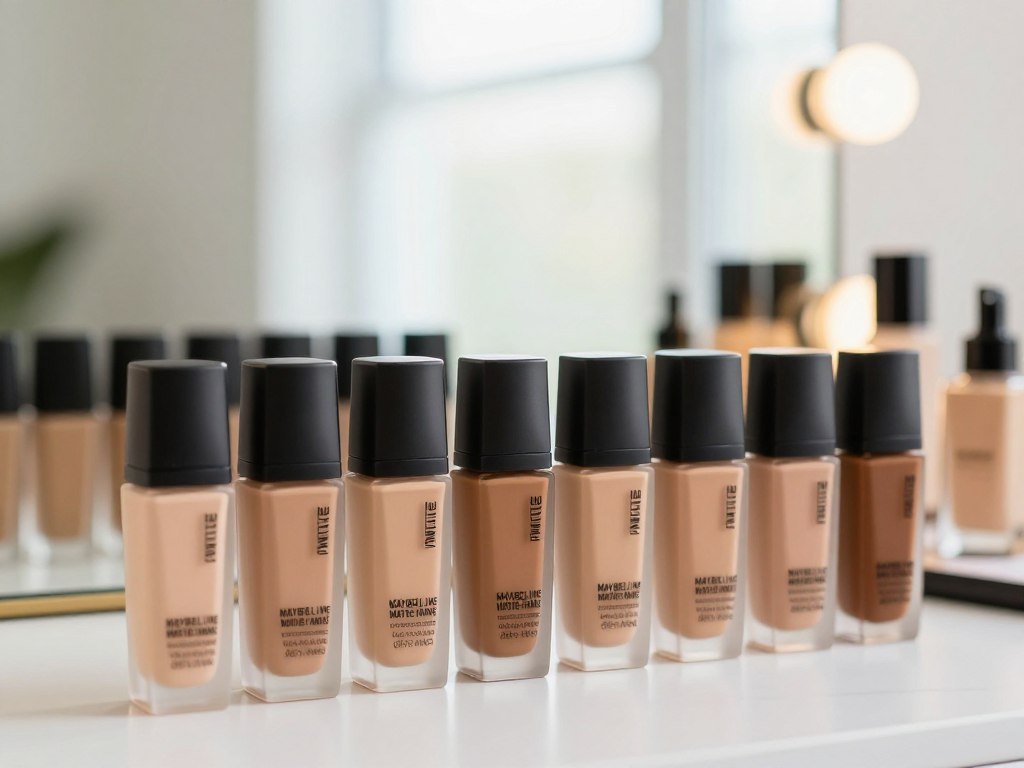
Before choosing, consider how the foundation behaves on your face rather than relying on the word matte alone. Check these three details:
- Whether the formula controls shine in the areas that usually look oily.
- Whether it sits comfortably over any dry patches.
- Whether the shade looks like a match in daylight.
Oily skin can still have dry areas, especially around the nose or mouth. A powder-heavy base may catch on those spots and make the complexion look less even. Try applying foundation only where you want coverage, then see how your skin looks before adding more product.
Keep powder concentrated on the areas that become shiny rather than applying it heavily across the whole face.
The listed price is not one fixed price: Ulta displays a range that includes sale pricing. Check the shade options and current price shown for the color you want.
Keep powder concentrated on the areas that become shiny rather than applying it heavily across the whole face.
Which Foundation Gives Skin a Natural Glow?
If you want a glow without a heavy base, medium coverage is a useful middle ground. NARS Light Reflecting Foundation gives medium coverage and a natural-looking glow, making it a strong choice for a skin-like finish. It costs $54 and comes in 46 shades.
Medium coverage sits between sheer and full coverage, and you can build it in layers. That makes it easier to even skin tone without covering every natural feature. A reflective finish can brighten the look of skin without asking for a thick coat.
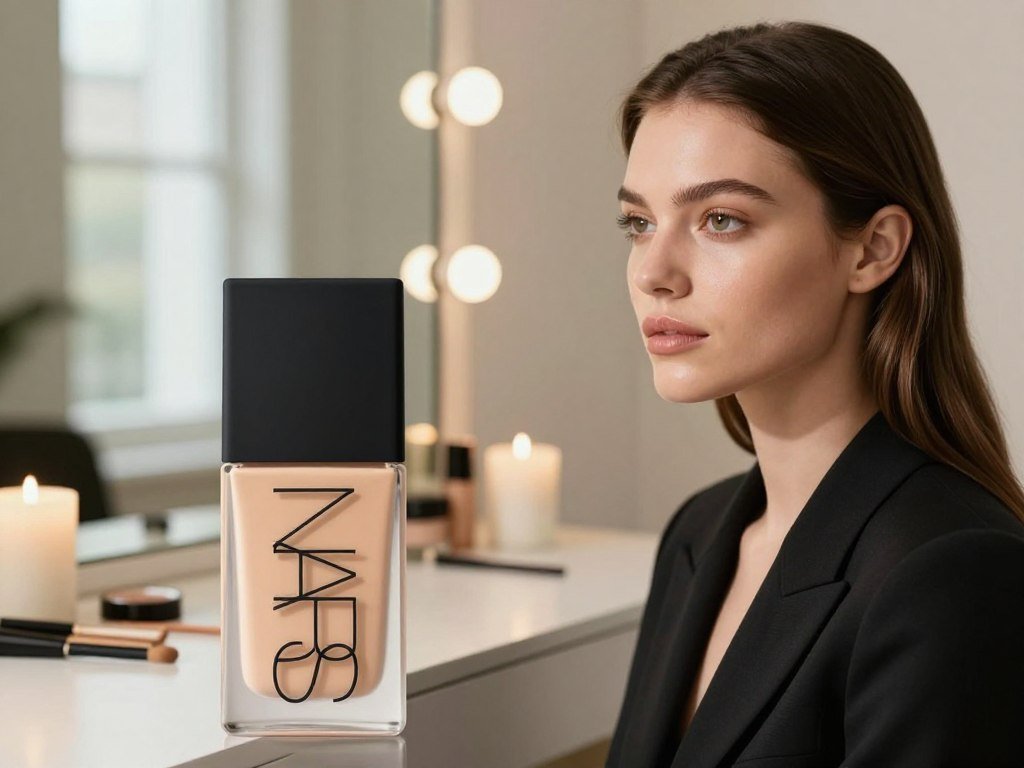
Glow can mean a soft sheen rather than glitter or excess oil. NARS Light Reflecting Foundation is a useful option when you want visible radiance with more evening-out than a sheer tint. The natural finish can still let the face look like skin.
A reflective foundation may look different from one room to another. Store lighting can be brighter and more direct than the light at home, which may make sheen seem stronger. Look closely at the finish before deciding whether it feels subtle or too shiny.
Try to view the foundation in soft daylight and indoor lighting. That comparison can show whether the glow stays even when the light changes. If you wear makeup mainly at work, check it under the kind of indoor light you face there.
Coverage also changes the effect. One light layer can soften uneven tone, while another thin layer can add coverage to specific areas. You do not need full coverage just to make a reflective formula look polished.
For a more natural result, pay attention to how the foundation looks around the center of the face and along the jaw. Those areas can reveal whether the finish blends into your skin or sits visibly on top.
Judge the sheen in the lighting where you will wear it most, not only under a bright store display.
Best Foundation for Dry Skin
For dry skin, a light layer that does not cling to flaky areas can feel more comfortable than a thick base. L’Oréal Paris True Match Nude Hyaluronic Tinted Serum offers light coverage, a lightweight feel, and hyaluronic acid. It suits days when you want an even look without much makeup.
Hourglass Veil Hydrating Skin Tint takes a different approach. It evens the complexion and gives it a luminous finish, rather than focusing on the lighter coverage of the L’Oréal serum. Choose between a sheer-looking layer and a more even, luminous complexion.
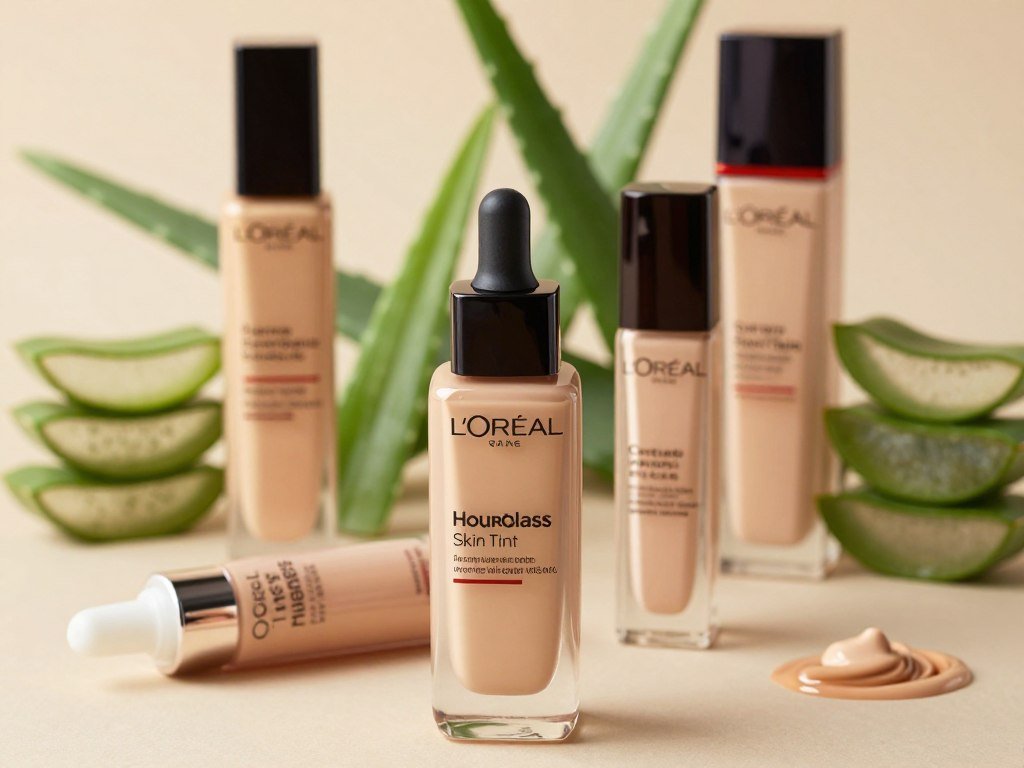
Neither a serum foundation nor a skin tint replaces moisturizer. If you skip skin preparation, flaky patches can remain visible under either formula. A light base may look more comfortable, but it cannot smooth away every dry spot.
Use only as much product as you need to even the areas that bother you. A thin layer can help the skin show through, while extra product may settle around dry areas. Let your moisturizer settle first so the base has a more even surface.
If dryness is a regular concern, a moisturizing routine for dry skin can help you prepare before makeup. Focus on how your face feels after skin care, not just how the foundation looks in its bottle.
Hyaluronic acid is a familiar ingredient in hydrating skin care, but the serum still has a makeup role. Think of it as a light complexion product, not as a replacement for the steps that keep dry skin comfortable.
Try a small amount first and check how it sits around the nose, mouth, and any flaky patches. Those areas can show whether the formula blends smoothly or needs a lighter hand.
Apply moisturizer first and allow it to settle before blending on a thin layer.
What Should Sensitive Skin Look For in Foundation?
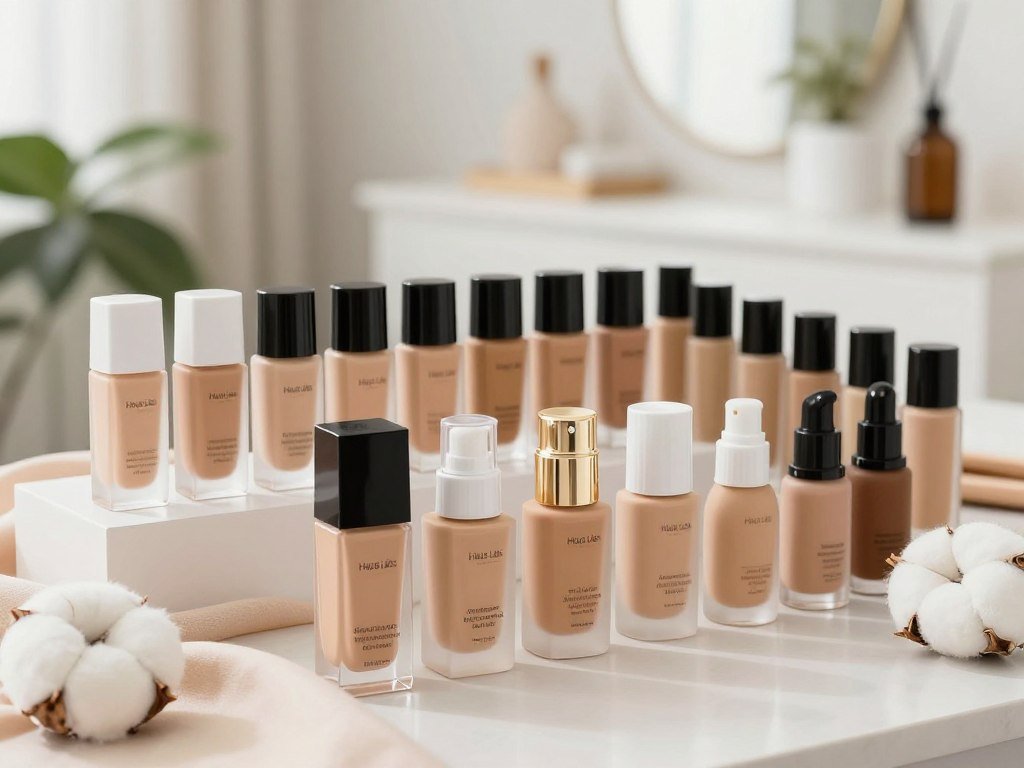
A formula marketed for sensitive skin can still feel different on each person. Haus Labs Triclone Skin Tech Foundation is a useful option to consider, with medium coverage, a natural finish, and 51 shades. It is listed at $49, but no label can promise that a formula will suit everyone.
The American Academy of Dermatology recommends testing a new product on a small area twice daily for seven to 10 days before regular use. Stop using the product if irritation develops during the test. A product category or ingredient list cannot rule out an individual reaction.
Check the test area for three signs of irritation:
- Redness that appears after applying the formula.
- Itching that was not present before the test.
- Stinging or discomfort on the skin.
Haus Labs Triclone Skin Tech Foundation also has a medium coverage level that can even tone without a full-coverage look. Its natural finish may appeal to people who prefer a less powdery appearance. Still, comfort matters more than a label or a popular shade range.
Try to assess the formula on an area that is easy to watch. Keep the test small, and note how the skin feels after each use. A reaction may not appear the first time you apply makeup.
The shade range gives shoppers many options, but it does not make every shade a fit for every undertone. If you are comparing makeup formulas, the makeup picks across complexion products can help frame how a foundation differs from a tint or concealer.
Stop the test if irritation appears, rather than extending it to see whether the reaction passes.
Best Foundation for Mature Skin
Mature skin does not automatically need the same coverage or finish, so start with the concern you want to address. Armani Beauty Luminous Silk Foundation offers a radiant option, while IT Cosmetics Bye Bye Foundation provides fuller coverage. Age alone does not decide which one will feel right.
Pick by skin concern and preferred coverage, not by age alone. Mature skin can also be oily or combination, and a person may prefer a light finish even when tone looks uneven.
| Product | Coverage or finish | Useful detail |
|---|---|---|
| Armani Beauty Luminous Silk Foundation | Medium, buildable coverage with a radiant finish | $69, 44 shades, glycerin and niacinamide |
| IT Cosmetics Bye Bye Foundation Full Coverage Moisturizer SPF 50+ | Full coverage | $47 at Ulta Beauty; only perfect smooth-looking coverage score after beating 29 other foundations |
| Clinique Even Better Clinical Serum Foundation | Serum foundation | Reader favorite for dry, uneven, or dull mature skin |
Hydration and radiance for a lighter base
Armani Beauty Luminous Silk Foundation contains glycerin and niacinamide. Its medium, buildable coverage lets you choose how much evening-out you want, while its radiant finish can give skin a more luminous look.
Clinique Even Better Clinical Serum Foundation is another option for dry, uneven, or dull mature skin. Its serum format may suit someone who wants a fluid base rather than a thicker cream. The choice depends on the finish and feel you prefer.
More coverage for uneven tone
IT Cosmetics Bye Bye Foundation Full Coverage Moisturizer SPF 50+ suits someone who wants fuller coverage. Good Housekeeping Beauty Lab testing found it beat 29 other foundations and gave it the only perfect score for smooth-looking coverage.
SPF in a foundation does not replace a separate sunscreen. Treat the product as makeup first, then choose your base according to how much coverage you want. A lighter layer can leave more natural texture visible.
Try a lighter layer first when your main goal is to even the complexion without masking its natural texture.
Which Foundation Works for Full Coverage?
For fuller coverage, IT Cosmetics CC+ Cream combines a more perfected look with a radiant finish. It has SPF 50, though that rating does not mean the product replaces sunscreen. The formula is a strong choice when you want more coverage with a less matte look.
Apply coverage only where you need it, then add more if the first layer leaves gaps. Maybelline Super Stay Full Coverage Foundation costs $11.99 and comes in 27 shades. L’Oréal Infallible Pro-Matte Liquid Longwear Foundation costs $12.99 and comes in 22 shades.
Both drugstore alternatives offer fuller coverage, but their finishes differ. Maybelline Super Stay is another full-coverage choice, while L’Oréal Infallible Pro-Matte offers a matte finish. Think about the look you want as well as the amount of tone correction.
Concealer can handle a small spot without making the whole face look more covered. A full-coverage foundation does not need to go everywhere to create an even base. Keeping product focused can also help the natural texture show through.
Use this three-step approach for a more even result:
- Apply a small amount where you want coverage.
- Blend the foundation outward from those areas.
- Add a thin second layer only where coverage is still needed.
Radiant and matte finishes can both work with fuller coverage. The main difference is the appearance you want after blending, not whether one finish covers more than the other.
Build in thin layers so coverage stays targeted instead of becoming heavy across the whole face.
What Suits Combination Skin?
Combination skin often needs balance rather than a formula that pushes every area toward matte or dewy. Chanel Les Beiges Healthy Glow Foundation gives buildable light-to-medium coverage, while e.l.f. Cosmetics Soft Glam Satin Foundation offers medium coverage. Placement can matter as much as the product label.
One formula can behave differently across an oily T-zone and drier cheeks. Make Up For Ever HD Skin Foundation also earns a place in the comparison for its easy spread, quick absorption, and smooth blending.
| Product | Coverage or application | Formula detail |
|---|---|---|
| Chanel Les Beiges Healthy Glow Foundation | Buildable light-to-medium coverage | Glycerin and meadowfoam seed oil |
| Make Up For Ever HD Skin Foundation | Spreads easily, absorbs quickly, blends smoothly | Top scores in Good Housekeeping Beauty Lab testing |
| e.l.f. Cosmetics Soft Glam Satin Foundation | Medium coverage | Soft satin finish, $8, 36 shades, hibiscus-infused |
Chanel Les Beiges Healthy Glow Foundation may suit someone who wants to build coverage gradually. Glycerin and meadowfoam seed oil are part of its formula. The light-to-medium range can provide a more flexible base than a fixed full-coverage layer.
Make Up For Ever HD Skin Foundation is a practical option when smooth blending matters. In Good Housekeeping Beauty Lab testing, it received top scores for spreading easily, absorbing quickly, and blending smoothly. Those traits can help when you apply foundation across areas with different needs.
e.l.f. Cosmetics Soft Glam Satin Foundation offers a medium-coverage formula with a soft satin finish. Its listed price is $8, and it comes in 36 shades. The finish sits between a flat matte look and a strong glow.
A foundation that suits the cheeks may feel too rich on the center of the face. Change the amount by area instead of assuming one layer must cover every part equally. That small adjustment can make the finish look more balanced.
Keep the layer light over the T-zone and add coverage only where the cheeks need it.
Best Drugstore Foundation
A good drugstore option can be chosen by matching its coverage and finish to your routine, not by price alone. CoverGirl + Olay Simply Ageless Foundation is a lightweight, blendable cream with moisturizer, while NYX Can’t Stop Won’t Stop Foundation offers full coverage and a matte finish. Price is one factor, not the whole decision.
These are category choices, not a verified global ranking. Listed prices and sale prices can differ, so compare the stated price with the texture and coverage you want.
| Product | Listed price | Stated texture or finish |
|---|---|---|
| CoverGirl + Olay Simply Ageless Foundation | $15 | Lightweight, blendable cream with moisturizer |
| NYX Can’t Stop Won’t Stop Foundation | $15 | Full coverage, matte finish |
| L’Oréal Paris Infallible 24HR Fresh Wear Foundation in a Powder | $17, with $14 displayed as a sale price | Medium-to-full coverage, matte finish |
| Milani Conceal + Perfect 2-in-1 Foundation + Concealer | $11 | Full coverage, matte finish |
CoverGirl + Olay Simply Ageless Foundation is a cream formula with a lightweight feel. Its moisturizer and blendable texture may appeal to shoppers who prefer a cream over liquid foundation. It is listed at $15.
NYX Can’t Stop Won’t Stop Foundation is another $15 option, with full coverage and a matte finish. Milani Conceal + Perfect 2-in-1 Foundation + Concealer costs $11 and also offers full coverage with a matte look.
L’Oréal Paris Infallible 24HR Fresh Wear Foundation in a Powder is listed at $17, with $14 displayed as a sale price. It has medium-to-full coverage and a matte finish. The product format may suit someone who prefers powder to liquid.
Each product brings a different texture or coverage level, so the least expensive option may not be the one you reach for most often. A finish you enjoy can matter more than a small difference in listed price.
Compare the listed price with the finish and coverage you will actually use before choosing.
Which Foundation Is Easiest for Daily Wear?
For a light everyday base, Laura Mercier Tinted Moisturizer Natural Dewy SPF 30 pairs sheer, buildable coverage with labeled sun protection. It costs $50 and comes in 20 shades. The sheer coverage suits a routine that calls for a lighter look.
Foundation users often apply too little product to rely on its labeled SPF alone. Wear a separate sunscreen underneath when sun protection is part of your daily routine.
| Product | Labeled SPF | Stated coverage or finish |
|---|---|---|
| Laura Mercier Tinted Moisturizer Natural Dewy SPF 30 | SPF 30 | Sheer, buildable coverage; natural dewy finish |
| Estée Lauder Futurist Hydra Rescue Moisturizing Makeup | SPF 45 | Medium-to-full coverage; hydrating finish |
| Shiseido Synchro Skin Radiant Lifting Foundation | SPF 30 | Radiant finish |
Laura Mercier’s tinted moisturizer may suit days when a full foundation feels like too much. Its coverage is buildable, so you can add more where you want a little extra evening-out. The product has broad-spectrum SPF 30 on its label.
Estée Lauder Futurist Hydra Rescue Moisturizing Makeup has a hydrating finish and medium-to-full coverage. Its labeled SPF is 45, which may appeal to someone who wants more coverage in a daily base. Shiseido Synchro Skin Radiant Lifting Foundation has SPF 30 and a radiant finish.
SPF describes the product’s labeled sun protection, but the amount applied matters. A thin foundation layer may not provide the protection you expect from its label. Treat sunscreen as a separate step rather than counting on makeup alone.
Consider how much coverage you want on a typical day and whether a tinted moisturizer feels like enough. A light base can be easier to wear when you want skin to remain visible.
Apply a separate sunscreen underneath when sun protection is part of your routine.
How to Choose Your Shade and Coverage
A useful match balances how much coverage you want with the undertone and depth that look natural on your face. Coverage is commonly grouped as sheer, light, medium, and full. Start with your goal, then consider how the finish fits the look you want.
Undertone means the subtle hue beneath the skin’s surface that affects shade matching. Undertones are commonly grouped as cool, warm, and neutral, but shade depth is a separate part of the match.
Match coverage and finish to the occasion
Sheer or light coverage can suit a casual day when you want skin to show through. Medium coverage can even tone while keeping natural features visible. Full coverage creates a more perfected look when that is your preference.
Finish also shapes the result. A matte formula can reduce visible shine, while a radiant finish adds a sheen. Choose based on the look you enjoy, not on a rule that every skin type needs one finish.
Check undertone and shade in daylight
Use these four checks to compare shades:
- Identify whether your undertone looks cool, warm, or neutral.
- Compare adjacent shades along the jawline.
- Inspect the match in natural light.
- Consider how your face compares with your neck.
A hand swatch may not match facial skin, since the hand can differ in shade and undertone. For more on warm and cool color cues, explore undertones and seasonal color choices, while keeping color seasons separate from basic shade matching.
Face and neck can also differ in depth, so check the transition between them rather than judging only one patch. A shade that disappears along the jaw often looks more natural than one that blends only on the hand.
Check the jawline match in natural light before deciding that a shade is right.
Check the jawline match in natural light before deciding that a shade is right.
What Do “Clean” and “Hypoallergenic” Labels Mean?
A label such as “clean” or “hypoallergenic” does not by itself establish that a formula will suit every person. The FDA does not pre-approve most cosmetics or their ingredients, with an exception for some color additives. Marketing terms do not replace safety rules or personal ingredient checks.
Cosmetic companies are responsible for marketing products that are safe and properly labeled. The responsible person is the person legally responsible for a cosmetic product’s FDA listing.
FDA oversight of cosmetics
Under MoCRA, cosmetic product manufacturers and processors must register their facilities with the FDA. They must update registration information within 60 days of a change and renew registration every two years.
The responsible person must list each marketed cosmetic product with the FDA, including its ingredients, then update that listing annually. The responsible person must also keep records that support adequate safety substantiation.
These requirements set duties for businesses, but FDA pre-approval still does not apply to most cosmetics. Some color additives are the exception. A product’s presence in stores is not the same as FDA approval.
Read claims and ingredient lists carefully
The FDA has no federal standard or definition for “hypoallergenic” in the United States. The label alone cannot tell you whether a formula will irritate your skin or suit your needs.
“Clean” is also not a substitute for checking ingredients against known sensitivities. The term does not tell every shopper which ingredients are present or how a person may respond to them. Read the full list rather than relying on front-label wording.
Ingredients can have long names that are hard to recognize at a glance. Keep track of substances you already know you need to avoid, and compare that list with the package before buying.
Check the full ingredient list for substances you already know you need to avoid.
Conclusion
The strongest starting point is the formula that fits your main skin concern and the finish you want to wear. That choice can narrow a crowded shelf without treating any one product as the best foundation for every face.
Shade and comfort matter as much as coverage. A formula may offer the right finish on paper, yet feel too heavy or look unlike your skin once applied.
Use your preferred coverage and natural-looking shade as the final checks. Ask for a sample or swatch of your leading candidate before you buy.
FAQ
Which brand of foundation is the best?
Which is the No. 1 foundation?
What is the absolute best foundation for aging skin?
What foundations do dermatologists recommend?
What is the No. 1 brand recommended by dermatologists?
What is the healthiest foundation to wear?
Which foundation has the least amount of chemicals?