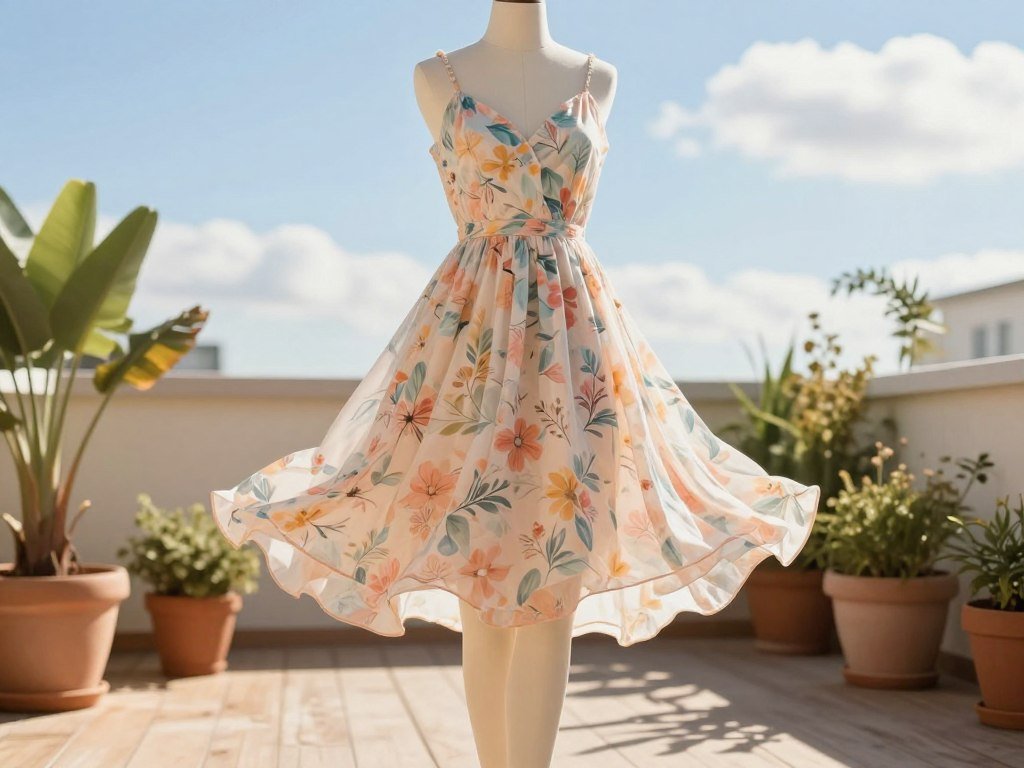
A swing dress can feel casual or polished with a change of shoes and one well-chosen layer. If your wardrobe has a favorite but you are unsure how to style a swing dress, start with the plans you have and the weather outside. A belt can shape the waist, but it is never required.
Fabric affects comfort, while fit and length shape how the outfit moves. Accessories can add a personal touch, and a light layer can help you dress for a new season. A good choice should feel easy to wear, not like a costume or a set of strict rules.
The same piece can suit a relaxed afternoon or a more polished event. Small choices make the difference, so think about comfort before adding extra details. Start with the shoes you expect to wear most, then choose a layer that suits the day.
Key Takeaways
- Shoes and layers can change the mood of a dress.
- A belt is optional, not a styling rule.
- Check comfort, fit, and length before adding accessories.
- Choose layers for the weather and the occasion.
- Try a full outfit before wearing it out.
How to Style a Swing Dress for Everyday Wear
For a low-effort daytime outfit, combine a relaxed dress with clean sneakers, a tote, and one light layer. Wearing ease is the extra room in a garment beyond the body measurements, which lets it move and drape comfortably. A swing dress for women works for everyday plans when its fit and length feel comfortable.
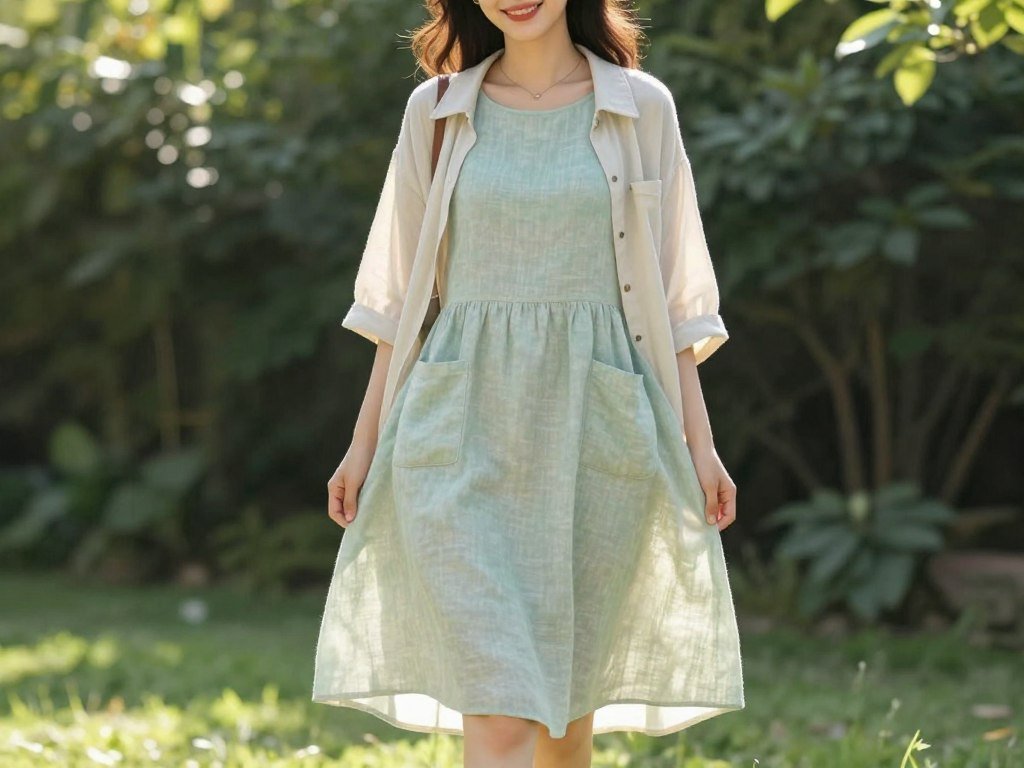
A sleeveless dress in 100% European linen breathes well in warm weather. Pair it with a light cardigan or denim jacket when an evening turns cool. A linen dress with side pockets can suit travel days or casual dinners, since you can keep small essentials close.
Build a simple daytime outfit
Keep the pieces useful and let the dress set the tone. These outfit ideas each change one part of the look, so you can match them to your plans without overthinking the details.
- Wear a sleeveless linen dress with white low-top sneakers and a canvas tote.
- Pair a cotton swing dress with flat sandals and delicate jewelry.
- Layer a simple dress with a denim jacket or utility vest, then carry a small crossbody bag.
Comfort matters as much as appearance when you plan to be out for hours. Check that the armholes let you reach freely and that the hem stays easy to walk in. For more fit ideas, browse plus-size dresses for different occasions.
A dress with pockets can spare you a bulky bag, while a light layer handles a shift in temperature. Keep jewelry simple if the fabric already has a print or texture. A swing dress outfit does not need several competing accessories to feel complete.
What to check in a 1960s swing dress pattern
A 1960s swing dress pattern can make a softer A-line shape or a fuller skirt. The word “swing” does not promise a full circle skirt, and the pattern’s cut determines how much fabric spreads from the waist.
Do not assume every 1960s pattern makes a full circle skirt; fullness depends on the drafted shape.
Look for the pattern illustration, suggested fabric, and wearing ease when comparing designs. The illustration shows the intended outline, while fabric choice can change how the skirt hangs. Wearing ease helps you judge whether the dress will move without pulling across the body.
If you sew, compare the finished measurements with your own before cutting fabric. If you are choosing a ready-made dress, try sitting and reaching before you decide it fits. Those small checks can help you find a style that suits both your plans and your comfort.
Check the pattern’s line drawing and finished measurements before choosing a size or fabric.
What Shoes Suit a 1950s Swing Dress?
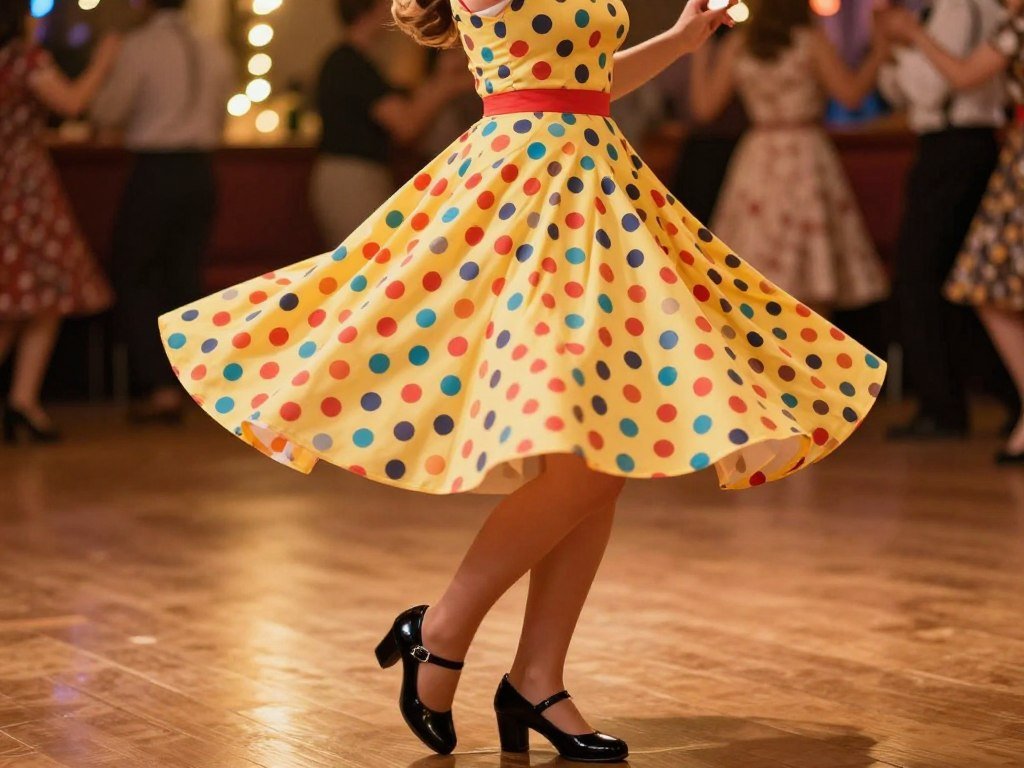
A fitted waist and a skirt that opens into pleats give a classic 1950s swing dress its recognizable shape. That contrast sets the New Look-inspired swing dress apart from many 1960s designs. A full-circle skirt gives you room to move, which can help when dancing.
The 1950s silhouette drew attention to a fitted waist and a wide skirt. Many 1960s patterns use a simpler A-line shape, with less fabric gathered or pleated below the waist. Your choice of fabric and cut can shift the look, even when both dresses have a flared hem.
How vintage swing dresses get their shape
Pleats add fullness below the waist without making the whole dress look loose. A full-circle skirt spreads out as you turn, giving the fabric space to move with you. Vintage swing dresses may use different skirt shapes, so check the cut rather than relying on the decade alone.
The New Look-inspired swing dress brings a clear waist and wide skirt into the outfit. A simple petticoat can add more volume, but it changes how the hem sits and how much room you need. Choose the shape that feels right for the event, not just the one with the most fabric.
What makes a swing dress outfit work for dancing?
Swing dress outfits for dancing work best when the skirt has room to move and your shoes stay secure. A full-circle skirt can make turns easier, while a hem that catches underfoot can spoil the fun. Check the dress while walking, turning, and taking a few dance steps.
Comfort matters over a long evening, especially if you will stand between songs. Dresses and shoes for different moods can help you think about comfort and proportion together. A shoe that feels stable is more useful than one that looks right only in a mirror.
What shoes to wear with a 1950s swing dress
Mary Janes and strappy ankle-heel shoes suit a 1950s-style New Look dress. Mary Janes or strappy ankle heels can complement the fitted waist and full skirt. Your event and comfort needs should guide the final choice.
Consider the floor, the time you will spend standing, and the dress’s hem. A low heel can feel easier for a long event, while a dressier shoe may suit a formal room. Color can tie the shoes to a bag or another small detail without matching every accessory.
Check that the hem clears your shoes when the skirt moves. Try the complete outfit on and walk or turn in it before committing to a long evening of dancing.
Can a Swing Dress Work for a Wedding or Evening Event?
A swing dress can work for a cocktail-attire wedding when its length, fabric, and accessories match the invitation. Start with the dress code, then consider the venue and weather. At a black-tie wedding, choose a floor-length gown or elegant pantsuit, not a casual sundress.
Follow the invitation’s dress code. If the level of formality is unclear, dress a little more formally or ask the couple or wedding planner. A cocktail dress often falls around knee or midi length, and a swing shape can suit that setting when its finish feels polished.
Match the dress to the wedding dress code
A cocktail-attire wedding can suit a midi- or knee-length swing dress. Fashionable flats or sandals can work if they fit the event’s formality and feel good for the venue. For more ideas, see cocktail dresses for parties and receptions.
Black tie calls for a more formal choice, such as a floor-length gown or an elegant pantsuit. A casual sundress does not meet that level of dress. For a closer look at formal options, read these black-tie dress code rules.
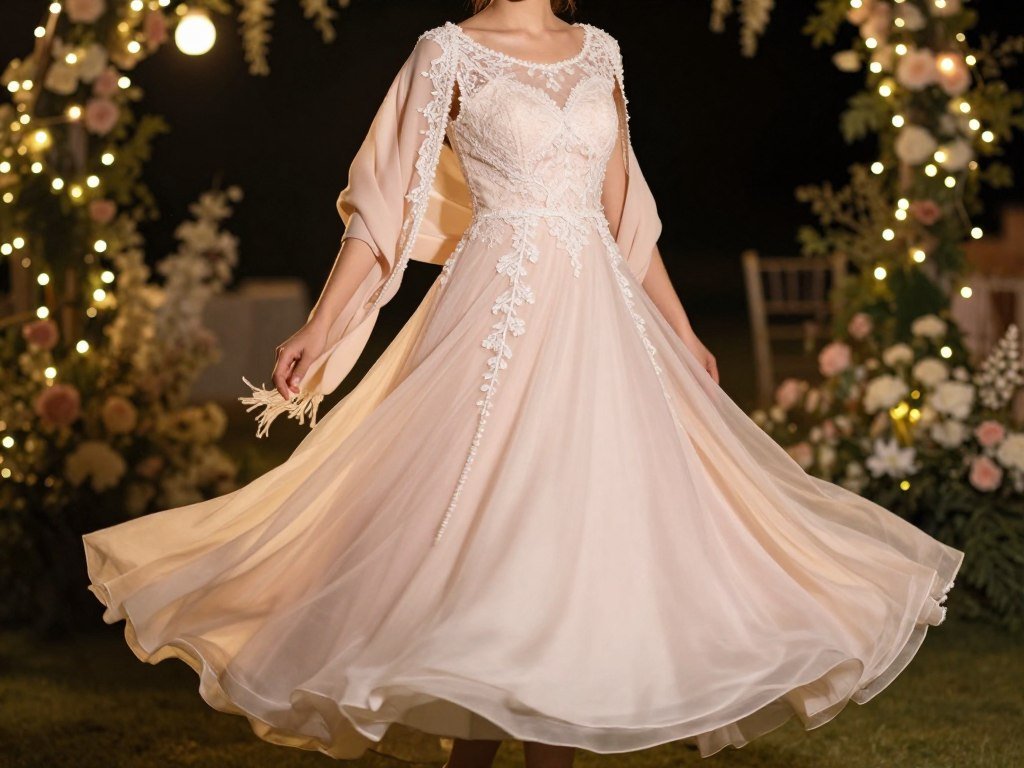
Wedding guests should avoid white and use care with champagne, cream, light gold, and tan. Venue and weather also affect the outfit: an outdoor ceremony may call for a warmer layer or shoes suited to the ground. A cardigan, shawl, or cropped jacket can add warmth without hiding the dress.
Make a swing evening dress feel polished
For an evening event, let one detail carry the polish. Earrings, a necklace, a neat bag, or a smooth wrap can add finish without crowding the look. A swing evening dress with a refined fabric and clean hem can feel dressed up without heavy accessories.
Use the setting to guide footwear. Comfortable flats or wedges can help when you expect hours of dancing. If you plan to wear heels, pack flats or sandals to change into later.
| Setting | Dress choice | Shoes | Layer or detail |
|---|---|---|---|
| Everyday dinner | Relaxed swing dress | Sandals or a dressy flat | Simple jewelry |
| Cocktail-attire wedding | Midi- or knee-length dress | Fashionable flats, sandals, or peep-toe T-strap heels | Shawl or cropped jacket |
| Black-tie wedding | Floor-length gown or elegant pantsuit, not a casual sundress | Formal shoes suited to the outfit | Polished wrap or jacket |
If the invitation leaves the formality unclear, ask the couple or wedding planner before choosing the outfit.
How Can You Layer a Swing Dress Across Seasons?
A swing dress can stay in rotation as the weather changes if you adjust the layer beneath it and the outerwear over it. Start with the forecast and the dress’s sleeves. A thin base layer, the dress, and an outer layer form a practical cold-weather setup.
A swing dress with sleeves may need no underlayer, while a sleeveless style can take a thin top beneath or a light jacket over it. A dress with a loose shape gives you room to adapt, but the added pieces should not restrict your arms.
Keep warm-weather layers light
For a cool evening in fall, try a denim jacket or a cardigan over the dress. A sleeveless cut also works with a thin shirt beneath it when you want more coverage. Keep the fabric light so the dress can still hang freely.
Recycled modal can have a sueded feel and a heavy drape. A March 19, 2024 outfit example used a recycled-modal swing dress with tights, jeans, or bare legs and boots. Those options show how the same dress can suit different temperatures and plans.
Add a base layer, tights, and boots for cold days
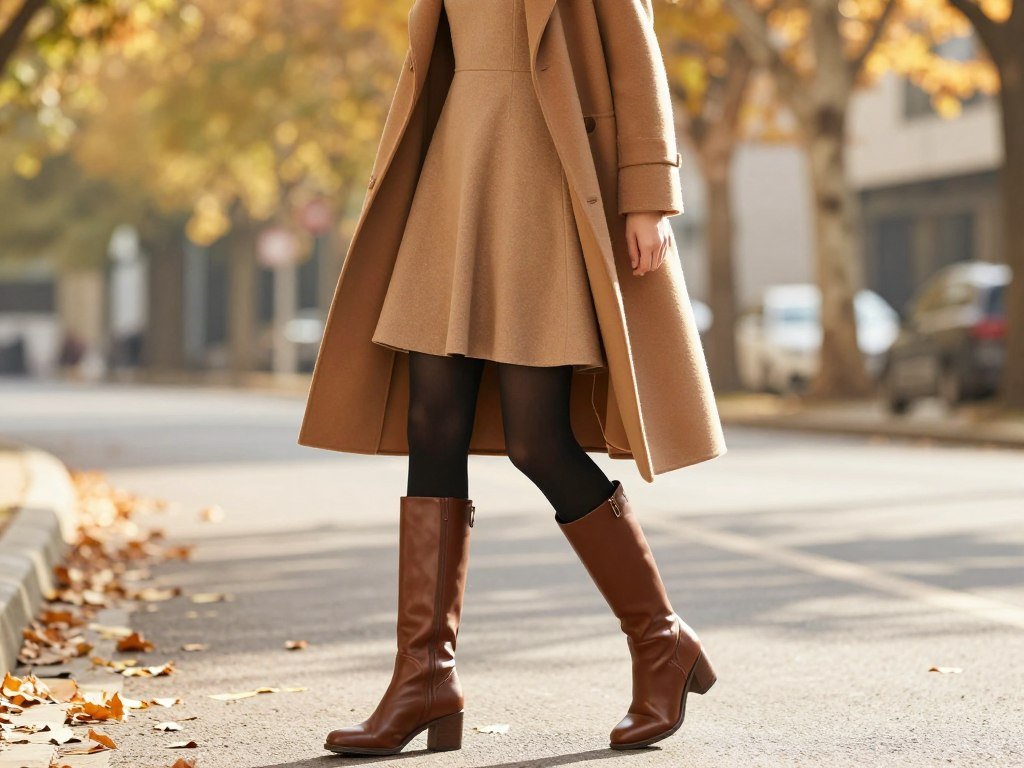
For colder days, wear a thin turtleneck under the dress with tights and boots. Add a trench coat or puffer for outdoor time, then use a wool scarf for extra warmth. A thin layer beneath the dress can feel warmer without adding much bulk.
A bulky underlayer can bunch beneath a loose dress. Choose thin fabric and check that the armholes still sit comfortably.
Check the neckline and armholes before leaving home, especially if the dress has a narrow cut. If the base layer pulls at the shoulders, try a thinner shirt or wear the warmth over the dress instead. A swing dress with sleeves may already give you enough coverage indoors.
Choose sleeves and outerwear for the forecast
Use these checks before picking the final layers:
- Check the forecast for the time you will wear the outfit.
- Make sure the armholes and shoulders leave room for layers.
- See whether tights or slim pants work with the hem.
For windy or wet days, choose outerwear that fits over the skirt rather than trapping it. A tight coat hem can catch the fabric and make walking awkward. Pick a coat with enough room for the dress to move beneath it.
Before heading out, sit, reach, and walk in the full layered outfit to check that it still moves comfortably.
Conclusion
A swing dress does not need a complicated styling formula to feel finished. Start with fit and length, then add one intentional accessory or layer that suits the day. Defining the waist is optional; the shape can look balanced without a belt.
Small changes can shift the outfit without changing the dress. For more ideas on how shoes affect a dress, explore this guide to dresses and shoes.
Pick one dress from your wardrobe and try it with two different pairs of shoes to see which version feels most like you.
FAQ
Should you wear a belt with a swing dress?
Can you wear a swing dress over a turtleneck?
What bag works best with a swing dress?
How do you keep a swing dress from billowing in wind?
Are flats appropriate for a wedding guest wearing a swing dress?
How should you choose a coat for a swing dress?