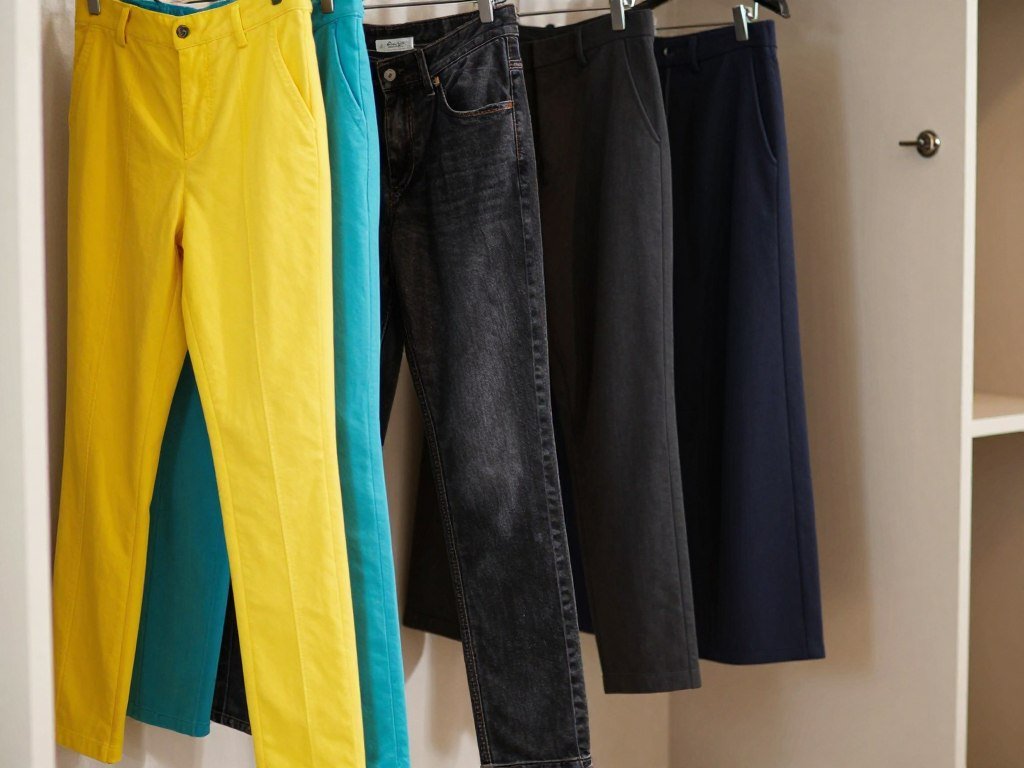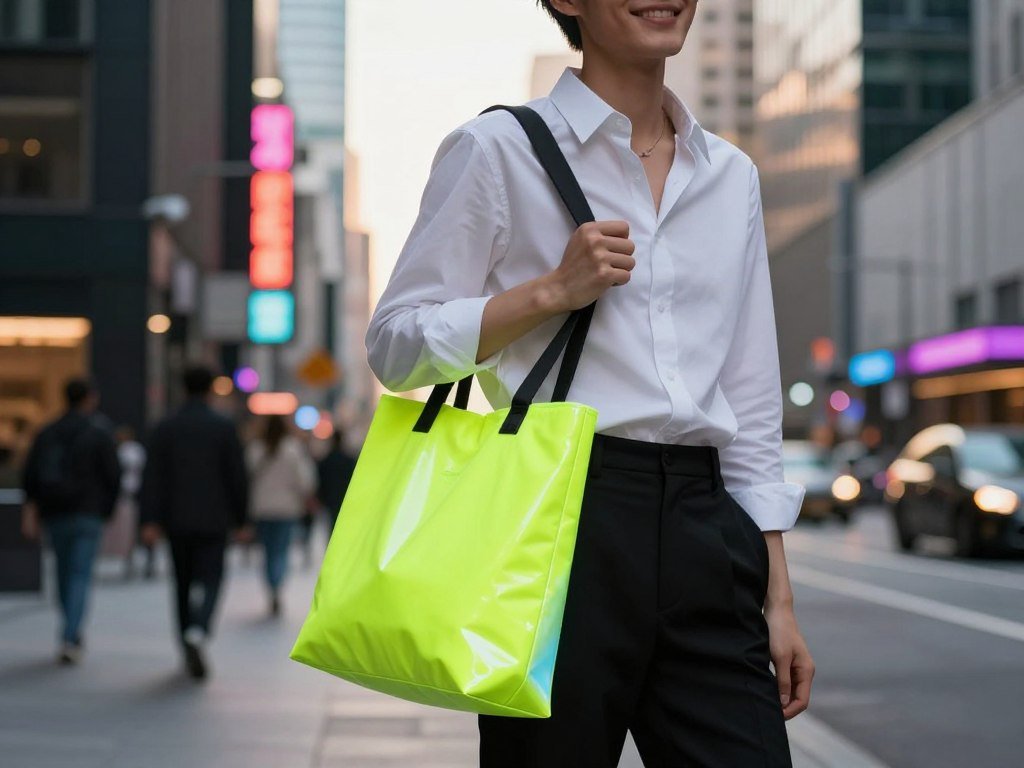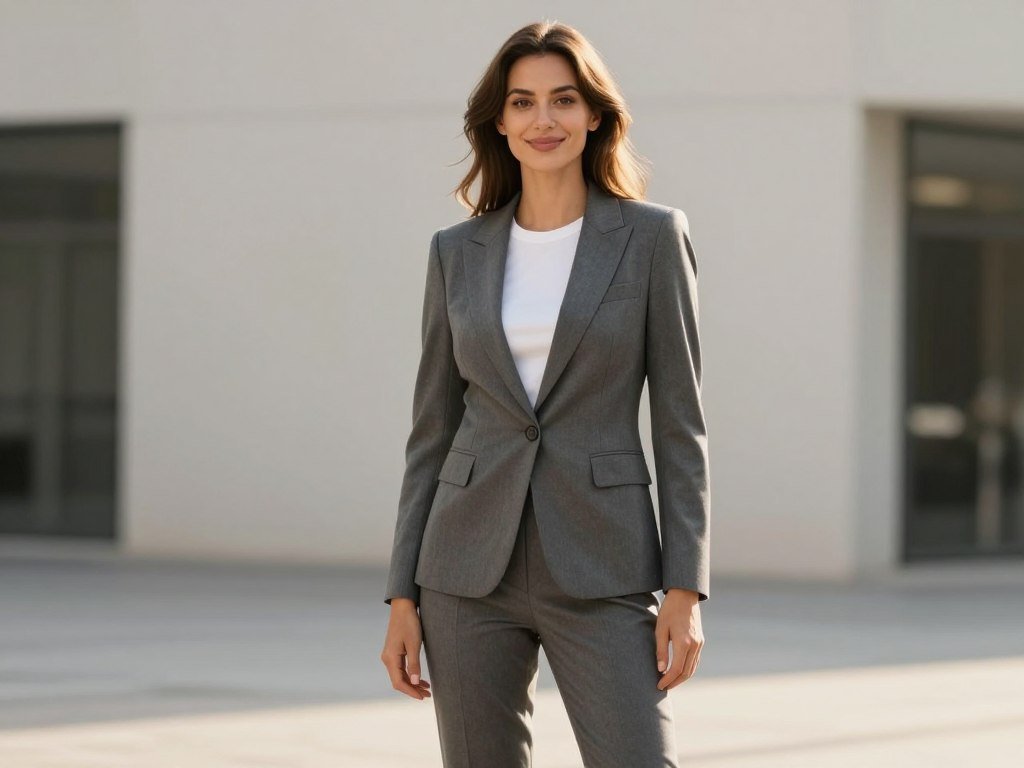
To style a pantsuit for any occasion, keep the fit polished and change the layers, shoes, and accessories to match the setting. The right choices can take you from business meetings to weekend plans without calling for a new outfit. Silhouette balance means pairing a fuller piece with a streamlined counterpart so the outfit looks intentional. That simple idea can help you shape a professional look, choose office attire, and explore fashion for special events. Comfort matters as much as appearance, so you can adjust the look to suit your plans and personal taste.
A favorite set can work across many settings. Start with pieces you enjoy wearing, then change the mood with a different layer or finish. There is no single way to wear it, and the same combination can feel polished or relaxed. A favorite pantsuit can feel entirely different when you swap its shirt for a tee or its pumps for loafers.
Key Takeaways
- Start with a comfortable fit that moves with you.
- Use matching sets for formal settings and separates for contrast.
- Balance fuller trousers with a more streamlined blazer.
- Change layers and shoes to shift the outfit’s mood.
- Let comfort and personal choice guide the final look.
Start With Fit That Feels Comfortable
A blazer that sits smoothly at the shoulders is a better starting point than one that looks sharp only while you stand still. Look for a comfortable fit through the jacket, then check the sleeves and the full outfit. A pantsuit for women can look polished without feeling tight.
Check the blazer at the shoulders and sleeves
The shoulder seams should rest near your natural shoulder edge without digging in. The blazer should skim your body, with no pulling across the chest or gaping when you close it. A well-fitting blazer feels easy at the shoulders and keeps a clean line.
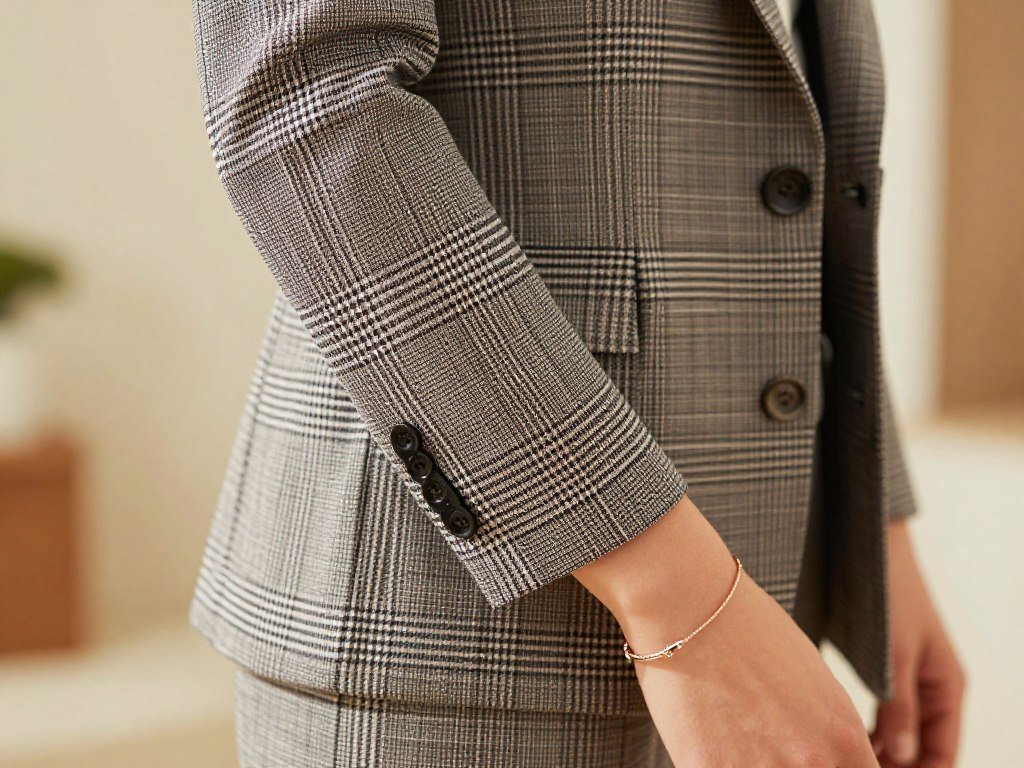
Sleeves that end near the wrist bone create a neat finish. A petite-friendly style may use clean lines and a defined waist, while a plus-size style may offer soft draping and supportive structure. The right suit is the one that feels good on your body.
For a pantsuit, women can choose a fitted or relaxed shape without treating tightness as a sign of polish. Try the jacket with the shirt or top you plan to wear. A small change in the layer can affect how the blazer sits.
Test the full outfit in motion
Fit does not end at the mirror. Sit down, reach forward, and walk a few steps in the blazer and trousers. Notice whether the waistband stays comfortable and the fabric moves without strain.
Try lifting your arms as if reaching for a shelf, then sit as you would at a desk or dinner table. If the jacket shifts sharply or the trousers pinch, try another size or cut. A small amount of ease makes a long day feel better.
The full outfit should skim your shape without pulling or gaping, whether you are standing, sitting, or moving.
A short walk can reveal details a still mirror cannot. Check the sleeve ends with your arms relaxed, since a sleeve that reaches near the wrist bone keeps the line looking intentional.
How to Style a Pantsuit Through Proportion and Matching
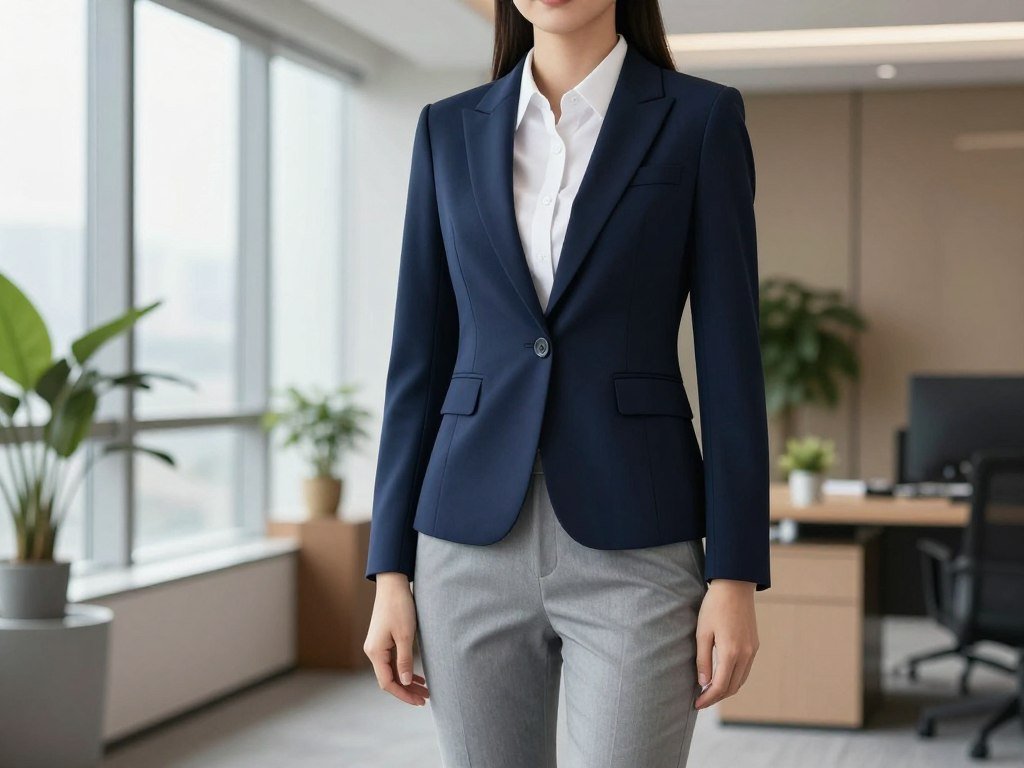
A matching set is the safest choice for a conservative interview, while separates make it easier to create a more relaxed outfit. A deliberate mix of color, fabric, and shape can make either choice feel complete. The goal is to connect the blazer and trousers rather than make them compete.
Silhouette balance pairs a fuller piece with a streamlined counterpart. That gives you room to play with proportions while keeping the outfit looking intentional. Think about the line you want before settling on color or fabric.
Choose a matching set or deliberate separates
A matching set uses a blazer and trousers cut from the same bolt of fabric. That aligns their color, weave, and sheen, which gives the suit a formal, professional feel. It works well for interviews and conservative settings.
Separates are a separate jacket and trousers, worn together by choice. They can match exactly or contrast on purpose, but similar fabric weight helps the pieces sit well together. A structured blazer with lighter trousers can look uneven if the fabrics pull in different ways.
You can also use a defined waist in an outfit as a guide when choosing where a blazer ends. A clear waistline can give a fuller lower piece a sharper frame.
Match the blazer to the trouser shape
Wide-leg trousers look elegant and fashion-forward with a cropped or fitted blazer. Straight-leg trousers create a timeless, polished line with a mid-hip blazer. Slim-cut or skinny trousers pair well with an oversized blazer.
| Trouser cut | Visual effect | Blazer pairing |
|---|---|---|
| Wide-leg | Elegant and fashion-forward | Cropped or fitted blazer |
| Straight-leg | Timeless and polished | Mid-hip blazer; trousers end at ankle bone |
| Slim-cut or skinny | Sleek and streamlined | Oversized blazer |
For more relaxed bottoms, a fuller shape with a fitted top can offer another useful proportion idea. These pairings are options, not rules; choose the line that feels like you.
What makes a pantsuit stylish for women?
Stylish pantsuits for women depend on fit and proportion working together, not on one required cut. A current silhouette pairs straight-leg trousers ending at the ankle bone with a mid-hip blazer. Fabric and color matter, too, especially when the pieces are separates.
In June 2026, suit budgets based on at least two pieces fell into four categories: budget under $300, mid-range $300-$550, investment $550-$1000, and designer $1000 or more. These ranges can help you decide whether to buy a set or build an outfit from separates.
When separates do not match exactly, make the contrast look intentional and keep their fabric weights similar.
What Works for a Professional Office Look?
For a formal office or interview, a matching navy, black, or gray set with a neat shirt or blouse is a dependable choice. A subtle pattern or jewel tone may fit a business-casual dress code. Match the suit’s formality to the workplace, then choose a layer that sits smoothly.
A crisp button-down gives a direct, classic feel, while a silk blouse softens the line. A fitted bodysuit can keep the front of the blazer neat, and a lightweight knit adds warmth without much bulk. Keep the layer comfortable enough for a full workday.
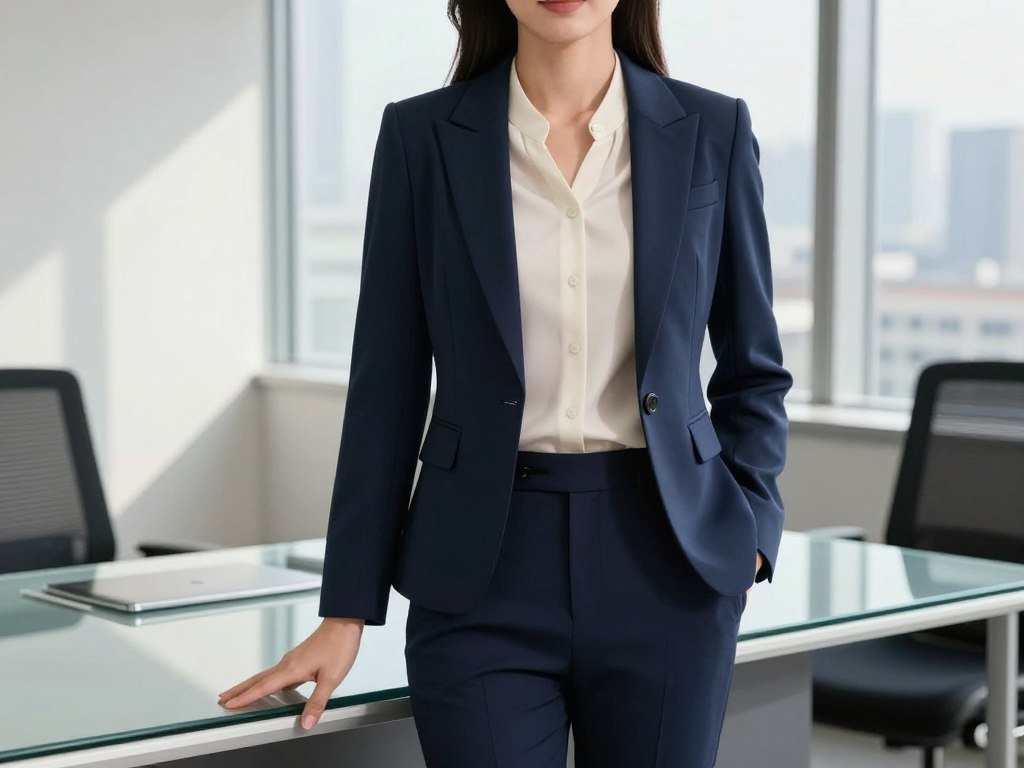
These office outfit formulas offer a few ways to change the mood:
- Button-down shirt with classic pumps.
- Silk blouse with loafers.
- Fitted bodysuit with the blazer worn open.
- Lightweight knit under the suit, with a turtleneck for cooler weather.
Business attire does not need extra layers to look finished. Bulky pieces beneath tailored clothing can disrupt a clean silhouette and make the jacket feel tight. A fine knit or light shirt often sits better than a thick sweater.
Choose a shirt or blouse that suits the office’s formality and feels easy through the day. Before leaving, check that the layer under the blazer lies flat when you button or move in it.
Make a Pantsuit Feel Casual for Weekends
A white tee and clean sneakers can take the same blazer-and-trouser set from office-ready to weekend casual. A simple top changes the tone without making the outfit feel unfinished. Casual pantsuits for women work well with a plain white tee or graphic tee and sneakers.
The blazer can also work with jeans or a skirt, while the trousers can stand on their own with a soft knit or feminine blouse. Wearing the two pieces separately gives you more combinations than treating them as a fixed set. You can borrow ideas from relaxed denim styling when you want a looser weekend feel.
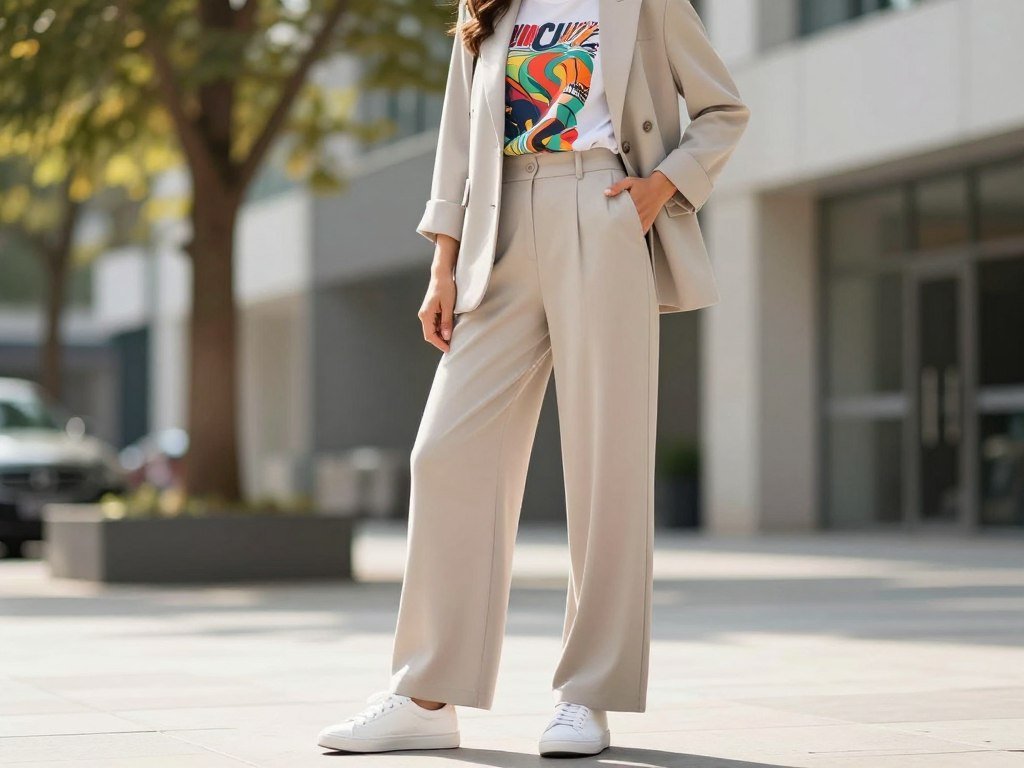
Try one of these combinations for a laid-back plan:
- Blazer with dark jeans and a tee.
- Trousers with a simple knit.
- Tailored blazer with a mini skirt and streamlined top.
- Oversized blazer with a fitted tee and sneakers.
A skirt can make the jacket feel less like business clothing, while a graphic tee brings in a playful detail. You can also wear the trousers with a blouse when you want a softer break from the set. Choose pieces that suit the day’s pace.
Keep one part of an oversized outfit streamlined so the extra volume looks deliberate.
Dress a Pantsuit for Weddings and Evening Events
A wedding or formal event calls for a polished suit with a softer or more distinctive finish than a standard office set. Choose a special fabric, detail, or shape that suits the invitation. The right ensemble can feel festive without needing a dress.
For an event, let the fabric or finish set the level of formality. A refined blouse or evening layer can change the mood of the same jacket and trousers. Consider the time and setting before choosing details.
Choose a wedding-guest look
Wide-leg trousers create an elegant line for a wedding, while chiffon or satin can add softness and movement. A structured jacket gives the outfit shape, and embellishment can bring a celebratory touch. These styles suit different kinds of ceremonies and receptions.
An all-white look is traditionally reserved for the bride, and total black can feel stark at a wedding. A colored or contrasting layer can soften either choice. Check the invitation for dress code details before you decide how formal to make the outfit.
For a black-tie event, a tailored formal suit can suit the dress code when the cut and finish feel refined. Silk, satin, velvet, and weighty crepe can give evening attire a richer look.
Shift the outfit for formal evening
Navy, black, emerald, silver, and charcoal all work for formal evening suits. Replace an office shirt with a silk camisole or another refined evening layer. That small change can make the ensemble feel less like workwear.
A structured jacket and wide-leg silhouette can suit a formal dinner or evening reception. For a softer effect, choose a draped layer; for a sharper effect, keep the lines clean. Let the event’s dress code set how much shine or detail feels right.
Special-occasion pantsuits for women
Special-occasion pantsuits for women can feel dressy through fabric, structure, or embellishment rather than requiring a dress. The jacket may carry the detail, or a smooth satin trouser can make a quiet statement. Either approach can feel festive when it fits the event.
Before choosing the final look, consider these four event decisions:
- Dress code.
- Time of day.
- Fabric.
- Whether embellishment suits the setting.
These choices help you set the right level of polish without losing comfort. For a wedding, use a colored or contrasting layer to break up an all-white or all-black effect.
Finish the Look With Shoes and Accessories
Pointed-toe pumps make a suit feel classic, while loafers, ankle boots, and sneakers move it in a more contemporary direction. Choose shoes that suit the setting and feel good underfoot. Footwear can shift the same outfit from formal to relaxed.
Match the bag and jewelry to the level of formality, not by making every piece identical. A belt worn over the blazer can define the waist and add structure. For more ideas, see how shoes can change an outfit’s mood.
| Choice | Effect | Best setting |
|---|---|---|
| Pointed-toe pumps | Timeless and elegant | Formal or polished daytime |
| Loafers | Contemporary | Work or daytime |
| Ankle boots | Contemporary | Cooler-weather daytime |
| Sneakers | Contemporary and relaxed | Casual settings |
Keep jewelry streamlined for a formal or office look. For a less formal setting, one stronger piece can add personality without crowding the outfit.
Choose the bag for the occasion, keeping a sleek top-handle style for daytime and an embellished clutch for evening.
Adapt the Silhouette to Height, Size, and Age
The most useful design choice is the one that feels comfortable and gives the outfit the shape you want. Personal style matters more than following a rule about height, size, or age. Look for details that support the way you want to move and feel.
A jacket can feel polished without being stiff, and trousers can be easy to wear without losing their shape. Choose the details that suit your comfort needs and taste. There is no single body type or age that calls for one fixed style.
Petite and plus-size proportion choices
Petite-friendly styles can use clean lines and a defined waist to give the outfit a clear shape. Plus-size styles can use soft draping and supportive structure for comfort and a smooth finish. Both are options, not limits on what you can wear.
A lighter fabric may feel easier in motion, while a firmer one can help a jacket hold its shape. You can use a belt or a waist seam if you like a more defined line. The details should work with your preference, not against it.
Casual pantsuits for older women
Casual pantsuits for older women can balance comfort with a polished jacket and refined sleeves. Look for fabrics that feel pleasant through the day, with details that match your style. These are design choices, not age limits.
You might prefer a relaxed jacket for errands or a sharper cut for lunch with friends. Either can feel current when the fabric and shape feel right to you. Comfort does not mean giving up a polished finish.
Choose the shape that lets you move easily and feels like your own style, not a rule set by age or size.
Try the jacket and trousers together in the mirror and keep the details that make movement feel easy.
Conclusion
A pantsuit earns its place in a wardrobe when it can feel right in more than one setting. Layers and styling can shift it from polished to relaxed, while comfort and deliberate proportion matter more than rigid rules.
You do not need to follow every trend or replace pieces that still work for you. A small change can show how much range your closet already offers. Wear what feels like you, and let the occasion guide only the details that matter.
For a simple next step, try the suit with a favorite layer already in your closet. Notice how the shape and mood change, then decide what feels best. Try one new combination from your closet before deciding you need another suit.
FAQ
What color shirt goes with a navy pantsuit?
Can you wear a black pantsuit to a wedding?
What shoes work best with ankle-length pantsuit trousers?
Can you wear a pantsuit to an outdoor wedding?
How can petite women wear wide-leg pantsuit trousers?
Can you wear a pantsuit without a blouse?