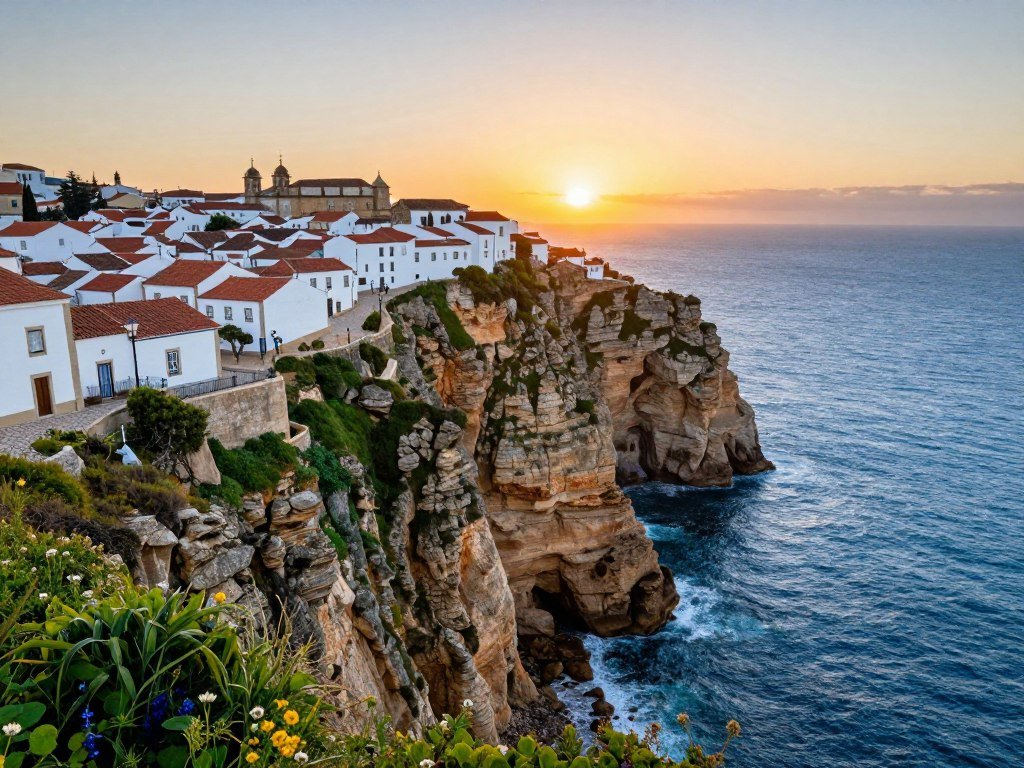
Portugal rewards a trip that pairs its historic cities with coastline, countryside or an island. You can explore old streets, Atlantic beaches, vineyard hills and volcanic landscapes within one country. The challenge is choosing what fits your days, interests and travel style.
A miradouro is a public viewpoint, often a terrace or overlook. From city rooftops to sea cliffs, these spots add memorable views without requiring a full-day tour. This selection covers 15 destinations, with options for history, food, beaches, nature and slower stays.
Use the ideas here to shape a trip around a few places that work well together. You will find options for a first visit, a city break, a beach stay or an island escape. Choose the parts of the country that match your available days and the kind of scenery you want most.
Key Takeaways
- Lisbon and Sintra make a strong first visit pairing.
- Porto, Coimbra and Braga suit history-focused city breaks.
- The Algarve offers beaches, cliffs and coastal towns.
- Évora and the Douro Valley bring different countryside experiences.
- The Azores and Madeira suit trips centered on island nature.
- Your available days and transport choices shape the best route.
Which Are the Best Places to Visit in Portugal for First-Time Visitors?
For a first Portugal trip, pair Lisbon’s urban history with Sintra’s palaces and wooded hills. Lisbon, Porto and Sintra form a practical top-three shortlist, while the top-five city list comes in section 3.
Lisbon gives you old lanes, grand landmarks and city views, while Sintra adds palace grounds and forest paths. Plan around the hills and busy sights, then leave room for a relaxed meal or café stop.
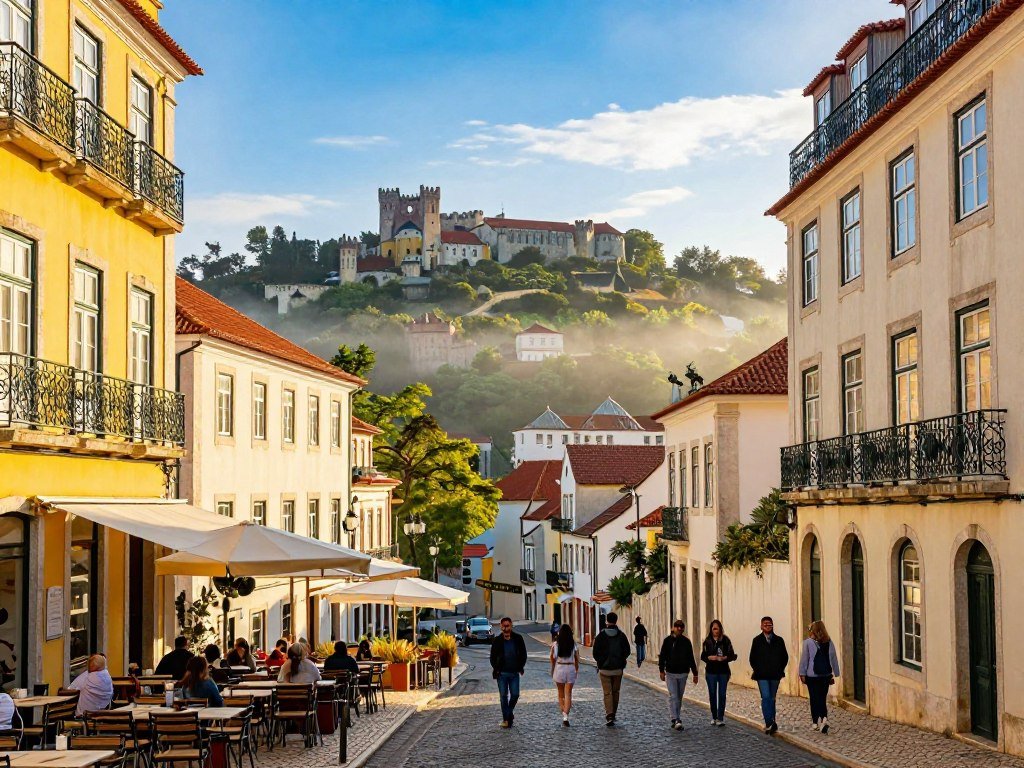
Lisbon for food, history and city views
Alfama’s lanes climb past tiled houses, while Bairro Alto brings cafés and evening spots. In Belém, visit Jerónimos Monastery and the Tower of Belém, then try a pastel de nata nearby. Tram 28 passes historic streets, though it can be crowded.
For things to do in Lisbon, Portugal, mix a landmark visit with time on foot. Choose a miradouro for broad city views, browse neighborhood streets, and pause for local food. The best places change character from one district to the next.
A Lisbon visit works better when you group nearby sights instead of crossing the city all day. Alfama and Belém offer very different days, so give each area its own focus.
Sintra for palaces and forest scenery
Sintra’s landmarks include Pena Palace, Quinta da Regaleira and the Moorish Castle. Set among wooded hills in the Sintra-Cascais Natural Park, the town feels far removed from Lisbon’s busy streets.
Reserve time for palace grounds as well as interiors, since the forest setting is part of the appeal. For autumn travel, pack comfortable shoes and a light jacket; October weather in Lisbon can bring sun or rain.
- Group Lisbon sights by neighborhood.
- Reserve time for Sintra’s palaces.
- Allow for hills and queues.
Plan for hills and queues, and avoid trying to fit every landmark into one day.
Sintra has more to offer than its palace rooms, especially when the paths lead into green hills. In Sintra, choose fewer palace interiors and leave time to enjoy the surrounding landscape.
Which Portuguese Cities Are Best for History and Urban Culture?
Porto is the best fit for a riverside city break, while Coimbra and Braga offer quieter history-focused visits. For a top-five cities list, choose Lisbon, Porto, Coimbra, Braga and Faro, each with a distinct pace and setting.
These places suit travelers who want more than one kind of city experience. Porto has river views and wine cellars, Coimbra centers on university heritage, and Braga offers a smaller historic core.
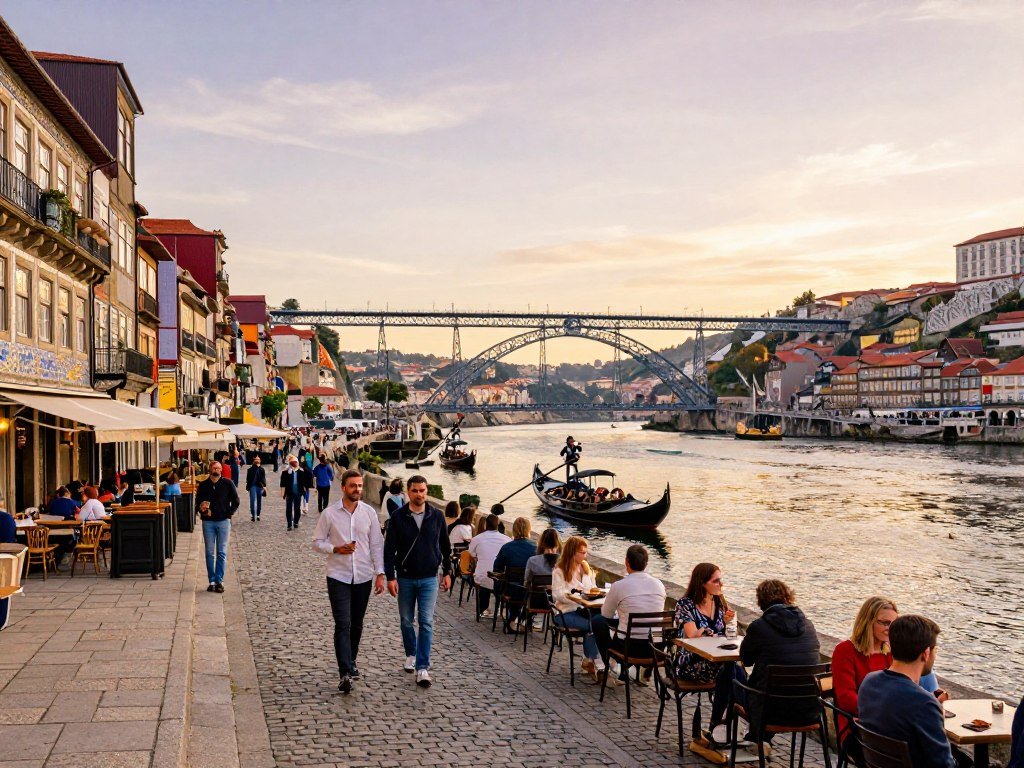
Porto’s riverside streets and wine cellars
Porto’s historic center sits beside the Douro River, with the Ribeira district lining the water. Walk the old streets toward Dom Luís I Bridge for a broad view across the river.
Across the bridge, Vila Nova de Gaia has wine cellars where you can learn about the region’s famous wine. Porto makes an easy choice if you want city sights and a tasting in the same visit.
Its steep streets reward a slower route, especially when you stop along the waterfront. The bridge itself links two city areas, so you can build a walk around both riverbanks.
Coimbra’s university heritage
Coimbra’s University was founded in 1290 and includes the Joanina Library. Its university buildings rise above the Mondego River, giving the city a strong link between daily life and academic history.
The University of Coimbra, Alta and Sofia areas form a World Heritage listing. Look for historic courtyards and library interiors, then take time to see how the old university quarter meets the river below.
Coimbra feels more compact than Portugal’s largest cities, but its steep streets can make short walks feel longer. Plan your route around the hill rather than treating each stop as flat ground.
Braga’s historic center and Bom Jesus do Monte
Braga is a smaller city stop with a clear focus on religious heritage. Its historic center has churches and plazas, while Bom Jesus do Monte stands above town with a grand stairway.
Bom Jesus do Monte joined Portugal’s World Heritage List in 2019. The site gives you a striking visit beyond the center, especially if you want a quieter city day with a major landmark.
Choose Coimbra for university heritage and Braga for a compact historic-center visit.
Where Can You Find Portugal’s Best Beaches and Coastal Scenery?
For the widest choice of beaches, cliffs and coastal towns, start with the Algarve. Choose Praia da Marinha for cliff scenery and Sagres for a wilder surf-town feel, with Lagos and Faro adding other coastal stops.
The Algarve suits a beach holiday because you can pair coves, sea views and towns in one region. Benagil Cave is a sea cave with a domed roof and a round skylight, but access depends on local conditions.
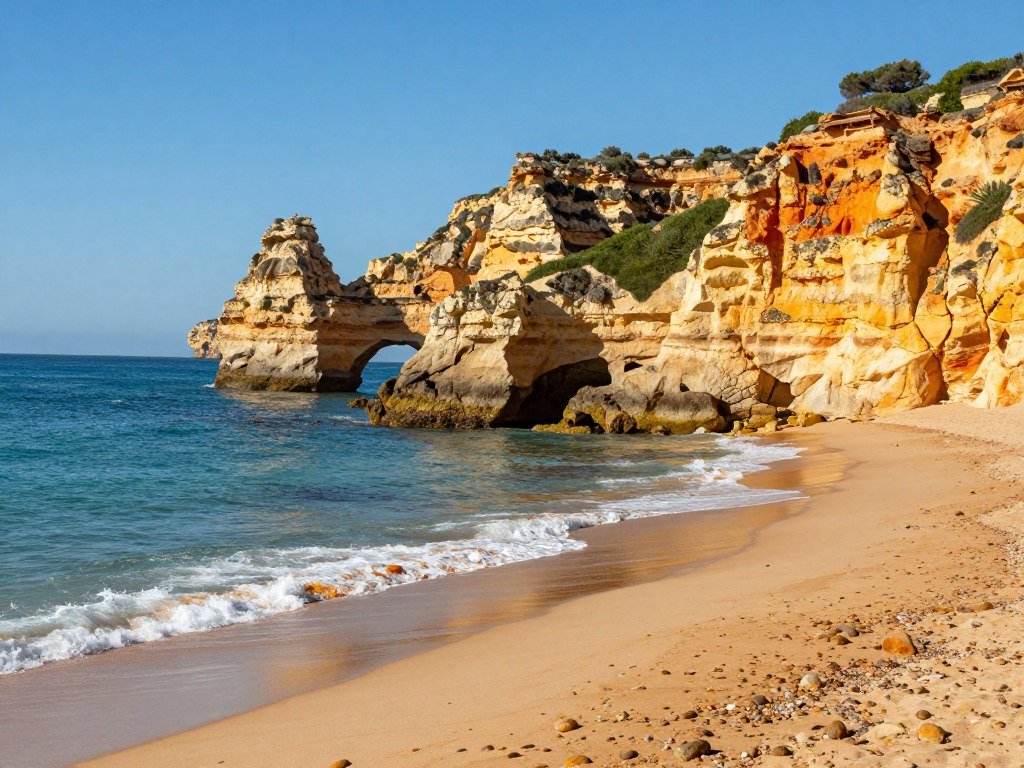
Algarve beaches and sea caves
Praia da Marinha is a cove backed by golden cliffs. It is a strong pick for dramatic views, while Lagos offers a lively base for exploring beaches and nearby coastal scenery.
Benagil Cave draws visitors for its natural roof opening, but do not assume a particular route or landing will be available. Check current access rules before planning around a cave visit.
Popular resort areas can be busy in peak summer. Quieter beaches may take extra planning, especially if you are relying on limited local transport.
Tavira for a slower coastal-town stay
Tavira offers a calmer alternative to larger resort areas, with a historic center and a slower daily pace. It works well if you want a town stay alongside time by the sea.
Choose Tavira when your ideal beach trip includes town walks and unhurried meals, rather than a packed schedule of beach clubs. It also gives you a different feel from the busier western Algarve.
Sagres for surf and Atlantic sunsets
Sagres sits near Cape Sagres, where the open Atlantic brings a more rugged edge to the coast. The town suits surfers and travelers who prefer broad horizons to resort streets.
Sunset views are a natural reason to stay late, but sea conditions can change your plans. For other coastal holiday ideas, compare Portugal’s shores with these Greek beach destinations.
Check local access and sea conditions before committing to a cave visit or remote beach.
Which Central Coast Stops Add Character to a Portugal Trip?
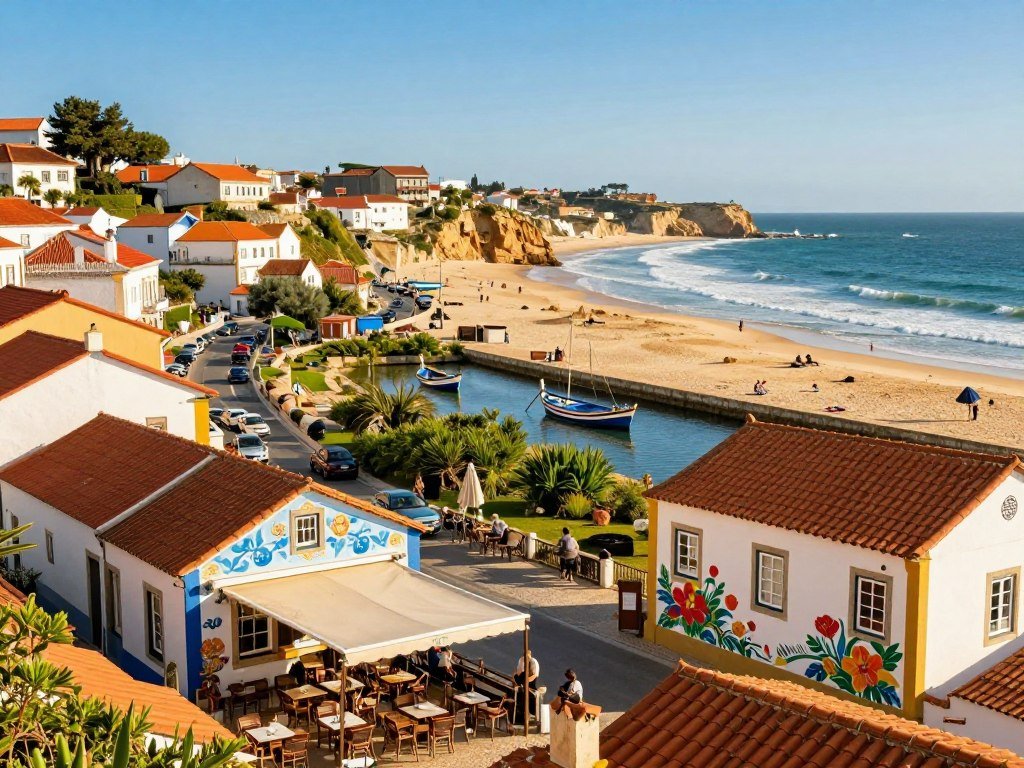
Choose Nazaré for the Atlantic and fishing-town atmosphere, Óbidos for medieval streets, or Aveiro for a relaxed canal-side stop. Each makes a different kind of pause between Portugal’s larger city visits.
These towns and cities give you three distinct reasons to stop: surf culture, a walled center and canals. They work best when you choose the one that fits your route, rather than trying to treat all three as identical stops.
Nazaré for fishing-town character and big waves
Nazaré keeps its fishing-town character alongside a strong surf scene. Its famous largest waves draw attention in fall and winter, but those conditions are seasonal, not a year-round promise.
You can enjoy the town even when the surf is smaller. Walk the waterfront, take in the ocean views and notice how fishing traditions remain part of the local setting.
The beach and town have different moods: the shore opens to the Atlantic, while the older streets feel more rooted in everyday life. Nazaré is a good choice if you want both in one stop.
Óbidos for medieval lanes and walls
Óbidos is a medieval walled town with a castle and narrow lanes. Its compact center makes it easy to explore on foot, with white houses and small shops along the way.
Walk along the walls only where access is open and safe, since the route can be narrow. The town’s charm lies in its details, so leave room to wander away from the busiest lane.
Óbidos feels especially calm before the main visitor rush or later in the day. The short distances make it a natural stop for travelers who enjoy old streets more than a long list of attractions.
Aveiro for canals and Art Nouveau
Aveiro’s canals run through the center, where moliceiro boats carry visitors along the water. Art Nouveau buildings add color and pattern to streets near the canals.
Try ovos moles, a local sweet with a soft egg filling. It is a small taste of the city’s food culture, and an easy treat to enjoy during a canal-side walk.
Aveiro has a gentler pace than a large city, with enough architecture and water views for an easy visit. Visit Óbidos early or later in the day if you want a quieter walk through its compact center.
What Makes Évora a Worthwhile Alentejo Stop?
Évora is the best Alentejo choice if you want Roman remains and a compact historic center in one visit. The Roman Temple, medieval cathedral and Chapel of Bones are all part of a walkable core.
That small center makes it easy to move between major sights on foot. Évora also connects you with the wider Alentejo, where rural estates, vineyards and regional food shape the experience.
The Roman Temple stands among the town’s most striking reminders of its past. The cathedral brings a different period into view, while the Chapel of Bones offers an unusual and memorable stop.
Beyond the main sights, the Alentejo is known for vineyards, rural estates and local wine. You can choose a countryside visit to see a quieter side of the region beyond the town center.
Local food gives you another reason to slow down. A long meal can be part of the visit, especially when you want a fuller sense of the region’s pace and flavors.
Évora works best when you leave time for a slow meal or a countryside visit, rather than treating it as a quick photo stop. The town has enough history for a full day, and the rural setting rewards a longer stay.
Reserve time to explore beyond the main square before leaving the region.
Why Add the Douro Valley to a Portugal Trip?
Choose the Douro Valley when vineyard-covered hills and river scenery matter as much as city sightseeing. The Alto Douro is a UNESCO-listed cultural landscape centered on the Douro River, with steep slopes shaped by generations of wine growing.
The region became the world’s first formally demarcated wine region. Terraced vineyards follow the hills above river bends, while quintas and villages such as Pinhão offer places to pause.
A short river excursion can show you the valley from the water. An overnight stay gives you more time for scenic views, village stops and a slower pace between visits.
Ways to experience the region include:
- Take a river cruise through the Douro bends.
- Ride a scenic train along the river.
- Book a wine tasting at a quinta.
- Walk through a vineyard with a local guide.
Each option shows a different side of the valley, from the river’s scale to the details of wine growing. An overnight stay gives you more time to experience the valley without packing every stop into one day.
What Can You Explore in the Azores?
Choose the Azores for a volcanic island trip built around lakes, springs and outdoor exploration. The archipelago has nine islands, and São Miguel is the largest, with blue and green lakes at Sete Cidades.
São Miguel also has sulfur springs and pineapple farms, giving you varied stops within one island. Its volcanic scenery suits travelers who want nature to shape the day more than city sightseeing.
Pico offers Portugal’s highest peak, a clear draw for hikers and mountain views. Terceira pairs historic buildings with natural pools, while São Jorge is known for locally made cheese.
Outdoor activities across the islands include:
- Hiking across volcanic trails.
- Taking a whale-watching trip.
- Watching birds in coastal habitats.
- Surfing Atlantic waves.
Island travel takes planning because each island has its own character and distances. If you are weighing an island-focused holiday, compare the Azores with other luxury island destinations by the kind of stay you want.
Focus your island time rather than assuming the archipelago can be covered in a single short visit.
What Makes Madeira Different From Mainland Portugal?
Madeira is the better island pick if you want a single-island trip with a capital base and mountain scenery. Funchal gives you a practical starting point, with gardens, food and city sights close at hand.
Beyond the capital, mountain roads lead to changing views and outdoor paths. Porto Moniz is known for natural pools, offering a coastal stop that feels different from a day in town.
Madeira suits travelers who want their stay to center on an island rather than another mainland city. Gardens and high slopes give the island a varied feel, even when you keep the same base.
Ways to spend your time include:
- Hike along mountain trails.
- Go birdwatching in natural areas.
- Explore Funchal’s streets and gardens.
- Visit the natural pools at Porto Moniz.
These plans work well together if you leave space between outings. A day in Funchal can balance a longer walk or drive on another day.
Outdoor plans can depend on changing local weather, so leave room to shift a hike or coastal visit. Leave room in your schedule for outdoor plans to shift with local weather.
How Many Days Do You Need for a Portugal Trip?
Three days can cover Lisbon and Sintra, while a longer trip lets you add distinct regions without rushing. Seven days is enough for Lisbon, Sintra and one additional region, but not for a relaxed tour of every major destination.
For public transport, use this ladder to match your travel time with the places you want most.
| Trip length | Recommended additions | Pacing |
|---|---|---|
| 3 days | Lisbon and Sintra | Keep the focus on two bases |
| 6 days | Algarve: Salema, Lagos and Cape Sagres | Allow time for coastal transfers |
| 10 days | Nazaré, Óbidos, Alcobaça, Batalha and Fátima | Group nearby central stops |
| 14 days | Évora and the Douro Valley | Keep room for slower days |
| More than 14 days | Tavira and unhurried time | Spend longer in fewer places |
An eight-day trip can add Coimbra and a slower pace. With 12 days, add Porto before continuing to other regions.
The 6-day route links the Algarve’s coastal stops, while the 10-day route adds several central places. For the public-transport itinerary, the 14-day route adds Évora and the Douro Valley.
Keep at least one slower day in a longer itinerary instead of treating every transfer as a sightseeing day.
Which Portugal World Heritage Sites Are Worth Knowing About?
Portugal’s heritage list includes 17 World Heritage Sites, spanning cultural landmarks and one natural site. Laurisilva of Madeira is the country’s only natural World Heritage Site; the other listed sites are cultural.
Four listings were added in 1983, including the Lisbon monastery and tower, Batalha Monastery, the Convent of Christ in Tomar and Angra do Heroísmo. Two more, Bom Jesus do Monte and the Palace of Mafra with its hunting park, joined in 2019.
| Site or group | Location | Listing year |
|---|---|---|
| Jerónimos Monastery and Tower of Belém | Lisbon | 1983 |
| Batalha Monastery | Batalha | 1983 |
| Convent of Christ | Tomar | 1983 |
| Angra do Heroísmo | Terceira, Azores | 1983 |
| Bom Jesus do Monte and Palace of Mafra with hunting park | Braga and Mafra | 2019 |
Portugal also has 11 sites on UNESCO’s tentative list. The Côa Valley and Siega Verde rock art site is shared with Spain, and two World Heritage Sites are in the Azores.
A World Heritage designation can help you spot places with historical or natural importance. It is a planning lens, not a complete ranking of the country’s best stops.
Use the listings to add historical context, then choose places according to the experience you want.
How Should You Tailor Your Portugal Route?
A public-transport trip works well between major centers, while a car gives you more flexibility for remote stops. Trains and buses serve major routes, but remote beaches and inland villages are generally easier to reach by car.
The Lisbon-to-Porto train journey takes about three hours, making rail a practical choice for that route. Compare the main options by where each one works best.
| Transport | Strongest use | Main limitation and example |
|---|---|---|
| Train | Major city links | About three hours between Lisbon and Porto |
| Bus | Routes between towns and centers | Remote beaches may need another connection |
| Rental car | Rural and remote stops | More useful for inland villages and quiet beaches |
For a top 10 places to visit in Portugal shortlist, start with Lisbon, Sintra, Porto, the Algarve and Coimbra. Add the Douro Valley, Évora, Nazaré, the Azores and Madeira to round it out.
This selection covers 15 main destinations, not 20. Five more options to consider are Tavira, Fátima, Batalha, Tomar and Cabo da Roca.
A $1,000 week can be possible when airfare is excluded and you choose budget lodging and simple meals. Peak season or a rental car can make that budget a tight fit.
Before booking, check whether your must-see places share a base and whether your budget needs to include a rental car.
Before booking, check whether your must-see places share a base and whether your budget needs to include a rental car.
Conclusion
The strongest Portugal itinerary is the one that leaves room to enjoy each stop, not the one that checks off the most names. A few well-chosen places give you time to notice the food, streets and views that make each stay feel different.
Your route can be simple without feeling limited. Pick a region that matches your interests, then decide how many days you can give it before adding another area.
Choose your preferred region and trip length before reserving transport and stays. Pick your first base and trip length, then build outward from there.
FAQ
What cities should I see in Portugal?
Is 7 days in Portugal enough?
Is Porto or Lisbon better?
Do I need more days in Lisbon or Porto?
Which is the prettiest city in Portugal?
Where to go in Portugal for first timers?
What are the 7 wonders of Portugal?
Is $1000 enough for a week in Portugal?