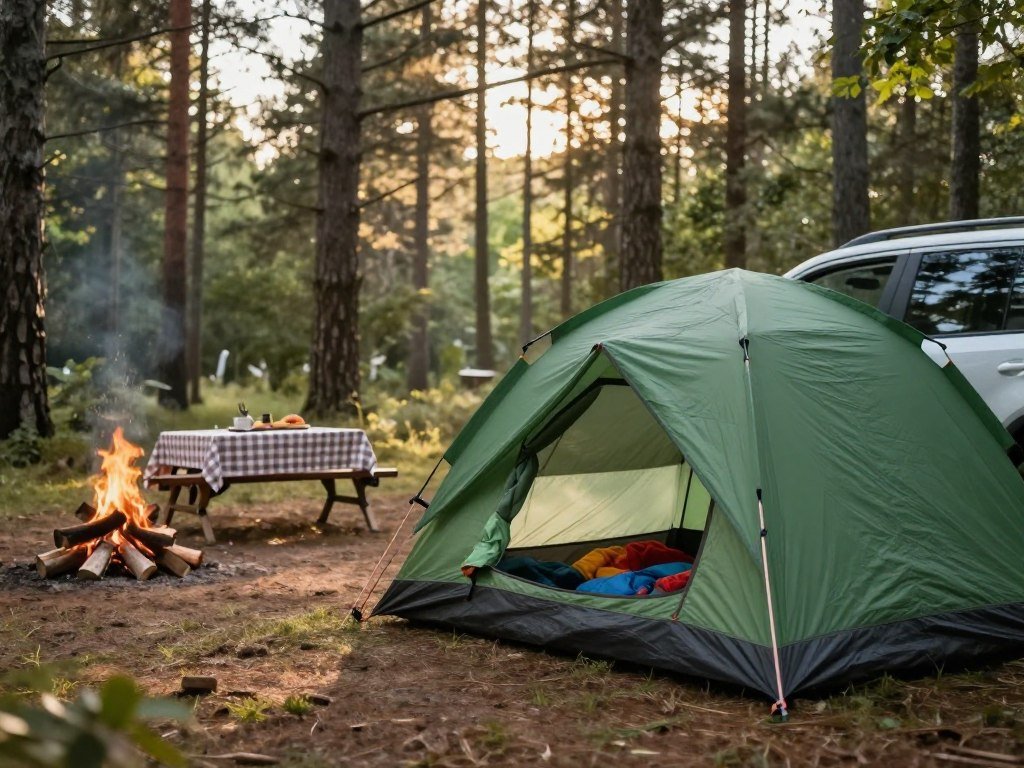
A campsite weekend with kids calls for a very different shelter than a long hike where every ounce goes on your back. The best camping tents depend on your trip, group size, expected weather, and how much gear you bring. A roomy family car-camping tent can make rainy hours easier, while a lighter shelter may feel better after miles on foot.
This comparison covers family car-camping options, quick-pitch designs, backpacking tents, and ultralight shelters. Spaciousness and portability often pull in opposite directions, so the most comfortable choice for a car may be too heavy on a trail. The picks are organized by likely use, not by one universal winner.
Key Takeaways
- Match the tent to car camping, backpacking, or a specialized trip.
- Compare floor space with the sleeping pads and gear you plan to bring.
- Check weather features, setup needs, and packed size before buying.
- A tent’s person rating does not promise roomy sleeping or living space.
- Choose a lighter shelter when hiking distance makes every pound count.
Start by deciding whether the tent will travel in a car or on your back, then use group size and expected conditions to narrow the choice.
Best Camping Tents for Every Kind of Trip
For a roomy family car-camping tent, start with The North Face Wawona 6; its 2026 overall score was 85. It earned 9.0 for space and comfort, 9.0 for family friendliness, and 8.0 for weather resistance. That mix makes it a strong all-around choice when family comfort matters.
The Zempire Evo TM V2 Inflatable Air Tent suits campers who want maximum interior space, with a 9.5 space-and-comfort score and an 86 overall score in 2026 testing. The CORE 9 Instant Cabin is a roomy, value-oriented choice, scoring 75 overall and 9.0 for space and comfort. Choose by trip fit, not overall score alone.
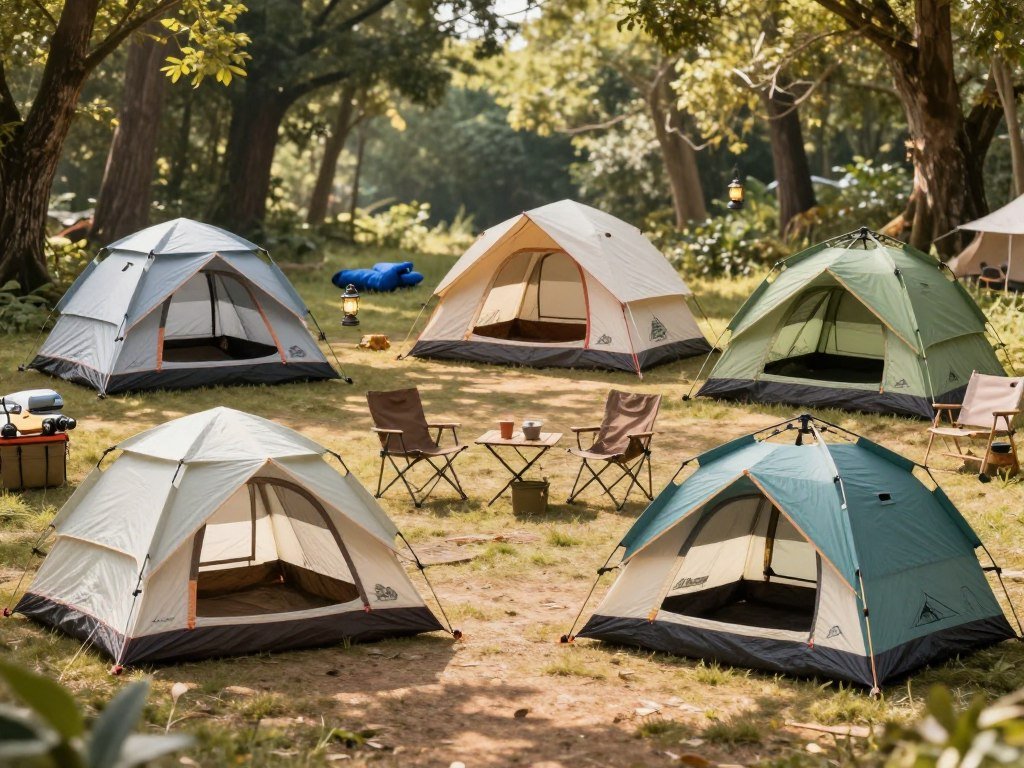
Judge each 2026 recommendation by the trip it must serve, not by its overall score alone.
The Marmot Tungsten 4 is a compact four-person option, with an 78 overall score and 9.0 for ease of setup. For backpacking, the Big Agnes Copper Spur UL3 earned an 82 overall score in 2026 backpacking-tent testing. The Durston X-Mid Pro 1 is another strong ultralight option, with its trade-offs covered in its own comparison.
Those numbers offer useful comparison points, but they measure different strengths. A high space score may matter more for a family weekend, while a lighter build can matter more on a long hike. The North Face Wawona’s space and family scores make its appeal clear, but the best choice still depends on your group and route.
Treat the highest score as a useful comparison point, not a substitute for matching the shelter to the trip.
Which Tent Type Fits Your Trip?
If the tent stays near the car, interior comfort can matter more than a few extra pounds. A car-camping tent can have a larger floor, taller peak, vestibules, and storage for shoes or bags. That extra room can make a long afternoon at camp feel much less cramped.
Start with the trip style and sleeping group. A tent’s minimum trail weight is the stated weight of its core components, generally excluding items such as stakes and the stuff sack.
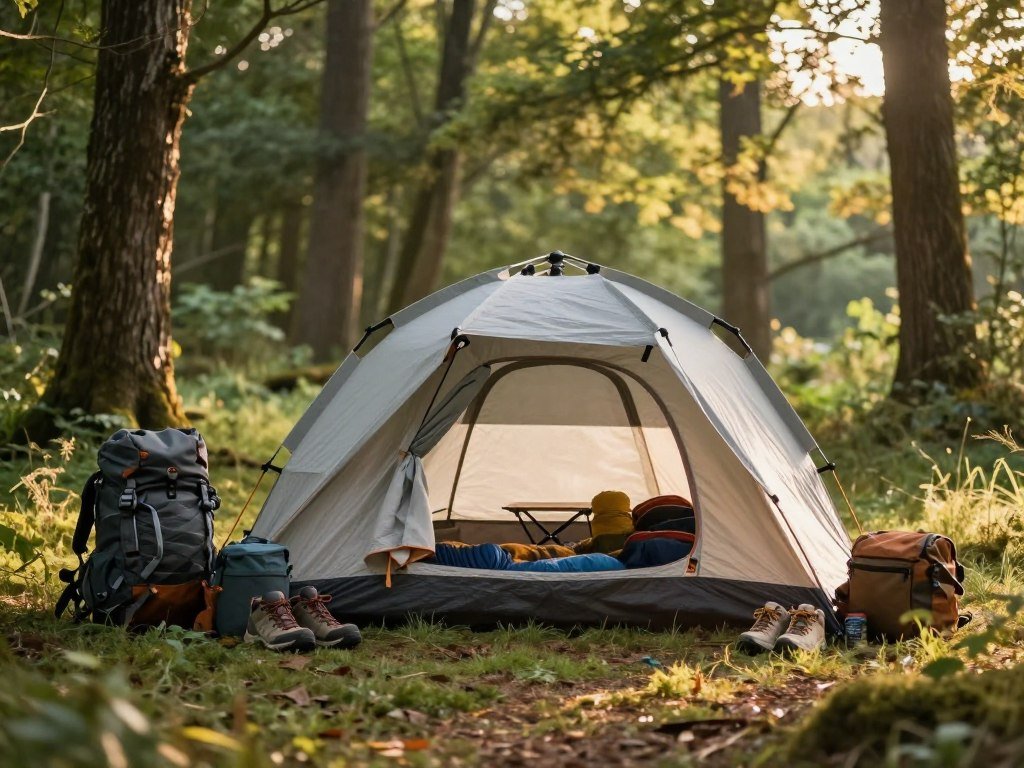
Car camping favors room and livability
With a car nearby, you can often accept more weight in exchange for space and a comfortable place to sit. Look for a layout that fits sleeping pads and leaves room for the gear you want inside. A hammock camping setup can suit a trip with proper anchor trees, while a tent works where trees are scarce.
Car camping can also be part of a trip with other activities, such as paddling. In that case, match the tent to the campsite and the rest of the gear you must transport. A roomy shelter is less useful if it crowds out the equipment you need for the day.
Backpacking makes carry weight a priority
On a hike, distance and group size shape the balance between carry weight, sleeping area, and durability. The best hiking tent is the one that fits your route, party size, and expected conditions, rather than a single model. An ordinary hiking tent suits many mild-weather routes; winter or alpine trips may call for a more specialized shelter.
For two backpackers, the MSR Hubba Hubba LT is a three-season tent. Its needs differ from a car-camping tent, where weight is less likely to define the day. When comparing the best camping tents in 2025 with a 2026 option, check the exact model generation and specifications. Similar names can cover changed designs.
Before comparing models, settle the trip type and the number of people who will actually sleep inside.
Which Family Tent Gives Your Group Enough Space?
The Wawona 6 provides 80 sq ft of floor area, while the Zempire Evo TM V2 gives a group 130 sq ft. The Zempire offers more room, but its measured weight is also much higher. For a balanced family tent, choose the Wawona; choose the Zempire when maximum space matters more than carry weight.
The CORE 9 Instant Cabin has 126 sq ft of floor area, while the Marmot Tungsten 4 has 52.7 sq ft. Those figures give a clearer picture of sleeping and gear space than a person rating alone. Yet floor area does not show headroom or how easily people can move around.
Room for sleeping and gear
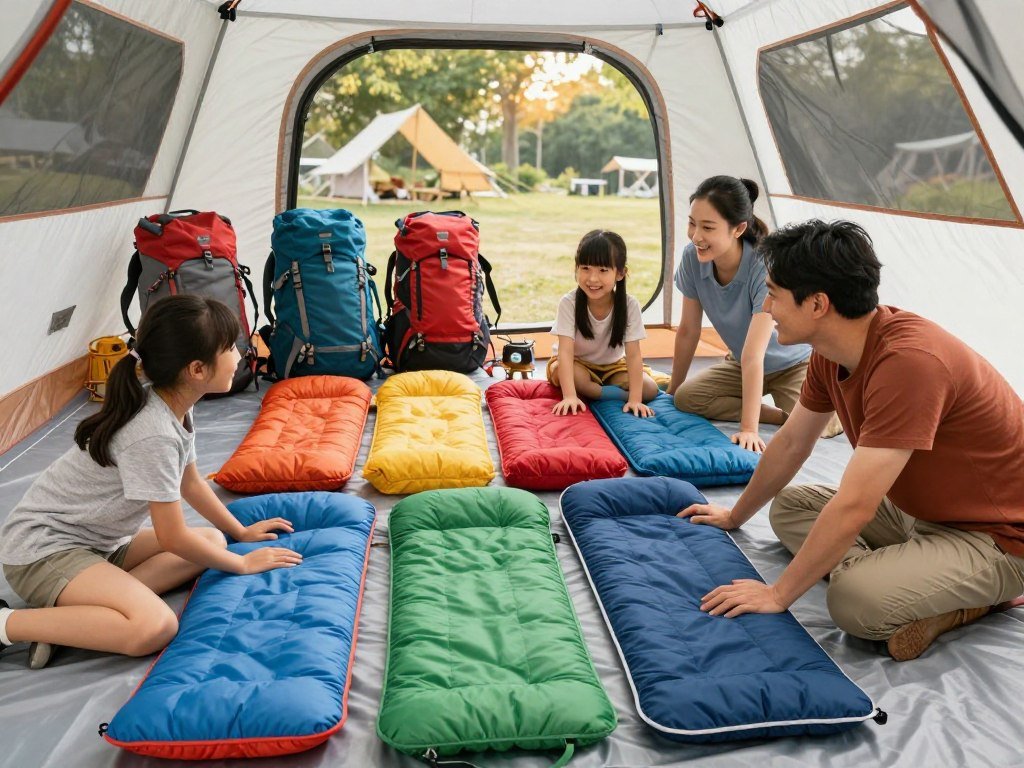
A stated capacity label does not guarantee comfortable room for bags, cots, or wide sleeping pads. Consider where your gear will go and whether people can reach the door without stepping over one another. A tent that holds the group on paper may leave little open floor for anything else.
The Wawona gives families a balance of floor space, height, and a lower measured weight than the two largest cabins here. The Zempire’s broad floor is useful when a group wants more room inside. The Marmot is a compact crossover, not a spacious family hangout.
Compare floor area with height and weight
| Model | Floor area | Measured weight | Maximum interior height |
|---|---|---|---|
| The North Face Wawona 6 | 80 sq ft | 21.9 lbs | 6 ft 4 in |
| Zempire Evo TM V2 | 130 sq ft | 53.6 lbs | 6 ft 11 in |
| CORE 9 Instant Cabin | 126 sq ft | not specified in this comparison | not specified in this comparison |
| Marmot Tungsten 4 | 52.7 sq ft | 7.9 lbs | 4 ft 4 in |
Floor area helps compare layouts, but it does not replace a look at the shape. A tall peak can make it easier to change clothes, while a compact floor saves space at the site. The Marmot’s lower weight may appeal when you want one tent for car camping and short hikes.
Compare the tent’s actual floor plan with sleeping pads and gear you intend to bring, not its person rating alone.
Which Instant Tent Is Easiest to Set Up?
Hub-style and pop-up designs reduce the number of loose poles campers have to assemble at the site. The Gazelle T4 Hub Tent was named best overall in 2026 instant-tent testing. Its four-person interior measures 90 x 90 inches, with a center height of 6 feet 4 inches.
“Instant” describes the pitching mechanism, not every part of camp setup. It does not guarantee quick teardown, a small packed size, or low weight. The Gazelle weighs 31.8 lbs, so its quick pitch still comes with a substantial load for transport.
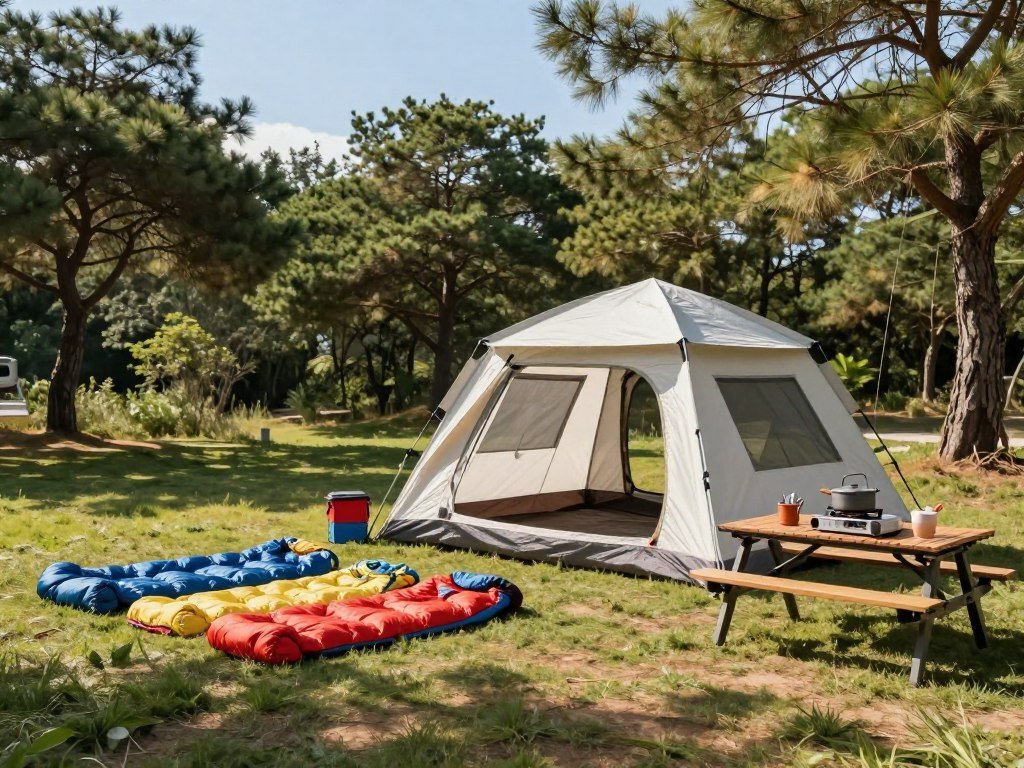
| Model | Capacity or size options | Weight or height | Standout detail |
|---|---|---|---|
| Gazelle T4 Hub Tent | 4-person | 31.8 lbs | 90 x 90 in interior |
| Coleman 4-Person Camp Burst Pop Up Tent | 4-person | 3 ft 4 in peak | Seam-sealed floor |
| Amazon Basics Instant Camping Tent | 4-, 6-, 8-, and 10-person | 8-person model weighs 30 lbs | Four size options |
The Coleman has a peak height of 3 feet 4 inches, so its quick pitch comes with less headroom. Its seam-sealed floor can help limit water entry at the seams, but it does not guarantee protection from every leak. Careful use and the full shelter design still matter.
The Amazon Basics Instant Camping Tent comes in four capacity options, from four to ten people. The 8-person model weighs 30 lbs. Match that size to the space you have for transport, rather than assuming a larger rating will suit every trip.
A quick pitch does not tell you how long it takes to take the tent down or fit it back into its bag. Test the full process at home if you want to know what packing it will involve. Check the packed length and the full rainfly setup before choosing a quick-pitch shelter.
What Helps a Tent Handle Wind and Rain?
A weather-ready pitch begins with secure stakes and taut guylines, not just a well-known model name. The REI Co-op Base Camp 6 is a weather-focused car-camping choice, with an 80 overall score and 8.5 for weather resistance. A full-coverage rainfly and a secure pitch work together to shield the tent.
Sturdy pole architecture helps the tent hold its shape, while stake points and properly tensioned guylines add support. A tent can look freestanding and still need stakes to stay secure when wind rises. Check every suitable anchoring point rather than relying on the frame alone.
Mesh panels help air move through the shelter, but exposed openings can let rain enter. A rainfly should cover the areas that need protection while leaving the designed ventilation paths clear. Good airflow and rain coverage need to work as a system.
The Base Camp 6 weighs 20.8 lbs and has 84 sq ft of floor area, a measured maximum interior height of 6 ft 2 in, and two doors. That weight can be a practical trade-off for car camping, but less so if you must carry the shelter far. A well-built tent still needs a careful pitch in exposed weather.
For other wet-weather needs, choose rain pants based on the trail and how much airflow you need while moving. A tent cannot keep clothing dry after you leave its shelter, and wet gear can affect comfort inside. Give the fly enough room to cover the tent as designed.
Secure anchoring matters for many outdoor shelters, not just tents. The same principle applies when choosing a beach umbrella for windy days: follow its weather limits and use its intended anchor.
Check the site forecast and use every appropriate stake and guy point before settling in.
How Many People Fit Comfortably in a Tent?
A tent’s person rating usually describes a tight sleeping arrangement, not a roomy place to spend a rainy afternoon. The CORE 9 Instant Cabin is rated for nine people, but its 126 sq ft floor was described as comfortable for about six adults with cots and basic gear. Sleeping capacity and all-day comfort are different needs.
The Marmot Tungsten 4 is rated for four, and two adults with two children can fit tightly. That layout may work for sleeping, but it leaves less room to spread out or keep bags inside. Plan for the people and the gear that will share the floor.
- Count the sleeping pads and check their width.
- Decide whether bags or cots must stay inside.
- Allow room for people to move around during the day.
- Plan extra space if children or pets will join you.
Those checks help turn a capacity label into a workable floor plan. A sleeping-only layout can fit more people than a tent that also needs to hold cots, bags, and daytime gear. A family may be happy with a close sleeping fit but want extra space when rain keeps everyone inside.
Shoppers seeking extra comfort should choose more floor area than a packed sleeping layout requires. Think about the shape of your pads, not only their number. Bags at the foot of each pad can take up space that a diagram does not make obvious.
Sketch the sleeping pads and gear on the advertised floor dimensions before treating the capacity label as a comfortable group size.
Which Backpacking Tent Balances Weight and Room?
For a lightweight three-person backpacking option, the Big Agnes Copper Spur UL3 combines an 82 overall score with a 3.28 lb minimum trail weight. Its two vestibules can convert to awnings with hiking poles. That makes it the strongest lightweight three-person pick in this comparison.
For two hikers, compare sleeping area with carry weight and the extras included. The REI Co-op Half Dome 2 scored 72 overall and has a 4.83 lb minimum trail weight. It has two doors and includes a footprint, which can add useful coverage without a separate purchase.
Two-person options for shared trips
The MSR Hubba Hubba LT weighs 3 lbs 4 oz and provides 29 sq ft of sleeping area. Its packed size is 19 x 4.5 in, and it is a three-season tent for two. The Nemo Hornet Elite OSMO weighs 2 lb 1 oz, with 27.3 sq ft of sleeping area.
The Nemo Dragonfly OSMO weighs 3 lbs 2 oz and offers 29 sq ft. The REI Co-op Trailmade 2 weighs 5.65 lbs and has 30.21 sq ft of sleeping area. Lighter tents reduce the load, while a wider floor can give two people more room for pads and movement.
Before choosing a tent, consider whether a hammock system suits the route and available anchor trees. The full load can include a tarp, bug net, suspension, and insulation, so compare the complete system with a tent. A camping hammock for overnight trips also depends on suitable anchor points.
Three-person tents and flexible layouts
| Model | Capacity | Minimum trail weight | Standout feature |
|---|---|---|---|
| Big Agnes Copper Spur UL3 | 3-person | 3.28 lbs | Vestibules convert to awnings |
| The North Face Stormbreak 3 | 3-person | 6.20 lbs | Three-person capacity |
| REI Co-op Half Dome 3 | 3-person | 5.11 lbs | Three-person capacity |
The North Face Stormbreak 3 scored 70 overall, while the REI Co-op Half Dome 3 scored 69 overall. Their heavier minimum trail weights may suit hikers who value a larger shelter over a lighter load. Check the packed shelter alongside your pack, sleeping gear, and any added poles.
Compare the packed shelter weight with your full carry system, including any footprint or poles you plan to add.
Which Ultralight Tent Works for One or Two Hikers?
The Durston X-Mid Pro 1 is a strong solo option, with a 1.30 lb trail weight and a measured 11 x 6.5 x 6.5 in packed size. It scored 84 overall in 2026 ultralight-tent testing. The lightest model is not automatically the best fit for every hiker.
The ZPacks Duplex Classic scored 83 overall, weighed 1.19 lbs, and packed to 12 x 7.5 x 7.5 in. The Durston X-Mid 1 scored 82 overall, with a 1.81 lb trail weight and a 13 x 6.5 x 6.5 in packed size. Their close dimensions make floor fit and setup needs worth comparing.
Solo shelters with compact packed sizes
| Model | Rated occupancy | Trail weight | Packed size |
|---|---|---|---|
| Durston X-Mid Pro 1 | 1-person | 1.30 lbs | 11 x 6.5 x 6.5 in |
| ZPacks Duplex Classic | Not specified | 1.19 lbs | 12 x 7.5 x 7.5 in |
| Durston X-Mid 1 | 1-person | 1.81 lbs | 13 x 6.5 x 6.5 in |
| 3F UL Gear Lanshan 2 Pro | 2-person | 2.45 lbs | Not specified |
The table shows the Lanshan’s measured trail weight, but not a packed size. The Duplex has no occupancy figure listed here, so do not assume its rating from its name. A small difference in weight may matter less than the shape of the floor and where your gear will go.
A two-person shelter and its setup trade-offs
The 3F UL Gear Lanshan 2 Pro is a listed two-person ultralight option, with a 2.45 lb measured trail weight. It requires seam sealing before use, which adds prep work before the first trip. That step matters if you want a shelter ready straight from the box.
Two hikers should check whether their sleeping pads fit side by side and whether bags can stay inside. A two-person rating does not mean there is extra floor for bulky gear. Setup practice can also help you judge the space before a long trip.
Include any seam-sealing work and setup practice in the decision, not only the number on the scale.
How Should You Compare Tent Prices and Value?
The listed prices span from just under $100 for the Coleman four-person pop-up to $1,200 for the Zempire air tent. The Wawona 6 lists at $585, the CORE 9 Instant Cabin at $290, and the Marmot Tungsten 4 at $449. These are listed prices, not guaranteed current offers.
A low price is poor value if the tent is too heavy, cramped, or unsuited to the weather you expect. A lower-cost shelter may need extra care or setup work, while a premium model may offer more space or specialized construction.
Judge cost against how often you camp, how you transport the tent, and which features you will use. A tent for occasional car trips has different needs from one that goes on long hikes. Paying more for unused space or a setup style you do not need may not add value.
Consider the full price of getting the tent ready for your trips. Included parts can matter, as can any gear you must add for the shelter to work as you expect. A budget choice can make sense when its size and construction fit your plans.
The best price is not always the lowest one on the shelf. Look at the cost beside the weight, setup needs, and conditions the tent must handle. Verify the current price and included components before placing an order, since either can change the value calculation.
Which Features Make a Tent More Livable?
Livability depends on details campers use all night, including airflow, a place for small gear, and a layout that gives people room. The CORE 9 Instant Cabin has a mesh ceiling and mesh along its side walls. Ventilation, storage, and privacy can change how comfortable the same floor plan feels.
Openings and windows can help air move through the shelter and let campers see outside. Mesh can support airflow, but more mesh can make a rainfly more important. A highly ventilated tent may not suit exposed, cold conditions without its fly and suitable insulation.
Ventilation and visibility
Look for openings you can adjust as weather and airflow needs change. Windows can provide a view without leaving a door open. Mesh panels can also let you see the sky when the fly is off, but they make the shelter more open to the elements.
Airflow is most useful when the rest of the setup suits the conditions. In cold or exposed weather, use the fly and insulation that match your trip. A tent with open mesh should not be treated as a warm shelter on its own.
Storage and privacy
Interior pockets help keep small items from getting lost under sleeping bags. A gear loft can hold light items overhead, leaving more floor space clear. Check where storage sits so it does not block a door or hang over someone’s sleeping area.
The CORE 9-Person Instant Cabin has an electrical access port and can be divided into two rooms. A divider can separate sleep areas, but it does not create soundproof rooms. Think about whether a simple visual boundary meets your group’s needs.
Convenience features matter most when they solve a real campsite problem. A pocket near a sleeping spot may be useful every night, while a special feature may go unused. Make a short list of must-have features before paying extra for conveniences you may rarely use.
Is a Cabin Tent the Right Choice for Your Group?
Choose a cabin layout when standing room and usable wall space matter more than a low-profile shape. The CORE 9-Person Instant Cabin is a budget-minded large-cabin option, with a 6.5-foot peak height and a 37 lb weight. Its open layout suits groups that value room over a compact carry.
The Gazelle T8 Hub Tent offers an eight-person layout, a 110 sq ft base area, and a 78 in peak height. Its hub-style design gives a large group a broad living space, while the CORE provides a tall cabin shape. Both choices need space in your vehicle as well as at camp.
Straighter walls can make floor space feel more usable because the sides rise more vertically. Those broad, upright walls can catch more wind than a lower-profile shape. Consider the campsite and how exposed the shelter may be before choosing a tall design.
The CORE is a good match for a roomy instant cabin, while the Gazelle T8 suits an eight-person hub-style layout. The right choice depends on whether your group needs standing room, a broad base, or space for several campers. A large floor plan can be useful, but it takes room to transport.
Some vehicles have limited cargo openings even when their trunks seem large. Check the campsite’s exposure and your vehicle’s cargo space before deciding that a larger cabin is the better fit.
What Should Families Consider When Camping With Kids?
A dark sleeping area can help families manage early daylight when children need a quieter place to rest. The Coleman Skydome with Dark Room Technology comes in 6-, 8-, and 10-person sizes and blocks up to 90% of sunlight. That feature reduces incoming light, but does not promise cooler temperatures or better sleep.
Family needs can shape the layout as much as the number of sleepers. A child who wakes early may need a darker place to rest, while an adult may need a clear path to the door overnight. Wet shoes and jackets also need a safe place away from bedding.
- Consider whether young children need a darker sleeping space.
- Check whether adults can reach the door easily at night.
- Choose a safe separate place for shoes and wet gear.
The Coleman Skydome’s light-blocking feature may help with early daylight, but each child’s sleep needs differ. Plan for the rest of the family’s routine, too. A darker shelter does not replace bedtime habits or a layout that lets adults move safely.
Two smaller tents can work for families who need separate bedtimes or more privacy. That choice requires two suitable pitches, so consider campsite space before packing separate shelters. It can also give adults and children more control over when they turn in.
Consider children’s sleep routines and the number of adults supervising them before settling on one shared shelter or two.
What Should You Check About Tent Construction and Brands?
A brand can narrow the shortlist, but the frame, fabric, and attachment points determine whether a particular tent fits the trip. Pole-supported frames use poles to hold the structure, while inflatable designs use air tubes. Look at the build and its match for your trip, not just the label.
The Zempire Evo TM V2 uses four air tubes instead of metal poles, and its design does not stand without stakes. That setup differs from a tent whose poles form a frame. Both designs still depend on secure connections and a complete pitch.
Frame design and materials
Check how the frame connects at corners and where it meets the fabric. Aluminum poles are one kind of support to inspect, but the attachment points matter too. Look for stitching that holds, zippers that move smoothly, stake loops that are secure, and fly coverage that suits the design.
Also check whether repair options fit the kind of trips you take. A damaged pole, torn seam, or failed zipper can affect a shelter far from home. Knowing what can be repaired helps you judge the value of the design.
Brand names do not replace a feature check
The CORE 9 Instant Cabin’s pop-up setup system contains multiple moving plastic parts. A simpler pole design has fewer parts of that kind, but this alone does not prove that either system lasts longer. Inspect the parts that move and the points that take strain.
The best tent brands depend on the model and your use. Compare products from The North Face, Zempire, CORE, Marmot, Big Agnes, and REI Co-op by their actual construction. A respected name cannot make an unsuitable shape or incomplete stake-out right for your trip.
- Check pole connections and frame joints.
- Inspect stitching, zippers, and stake loops.
- Look at rainfly coverage and repair options.
Inspect the parts most likely to see repeated strain, especially zippers, pole joints, and stake loops.
How Long Do Setup and Pack-Up Take?
The Gazelle T4 took 1 minute and 50 seconds to set up without its rainfly and stakes, but that is not the full campsite-ready pitch. The timed result describes the initial setup, not a fully secured shelter. Count the fly and stakes as part of the real setup.
Its timed pack-up took 2 minutes and 48 seconds, and the packed size is 68 x 13 x 10 in. Those numbers help you judge convenience, but practice and site selection can add time. Repacking the tent into its bag can also take longer than opening it.
An “instant” label tells you about the pitching design, not the full routine at camp. You may still need to add the rainfly, stake the tent, and arrange the inside. That work depends on the shelter and how you use it.
Setup convenience should fit your transport needs, too. A tent that opens quickly may still take up more space in a vehicle than you expect. A long packed shelter may not fit every trunk or storage area.
Try packing the tent at home before a trip, when you have time to arrange it without pressure. That also helps you learn how the parts fold and fit back into the bag. Measure the vehicle’s cargo opening against the packed tent dimensions before bringing it home.
When Do You Need a Tent for Winter or Alpine Trips?
Winter or alpine trips call for a shelter designed around exposure, not simply a larger version of a summer tent. The MSR Access 2 is identified for winter camping and alpine trips, and weighs 4 lbs 1 oz. A four-season label is a category choice, not a guarantee of safety in every storm.
The North Face Mountain 25 is a heavier two-person four-season tent, with a listed weight of 9.81 lbs. Match the shelter’s pole strength, fabric coverage, ventilation, and anchor points to the conditions you expect. Specialized designs can add weight and may be unnecessary at a mild-weather campground.
Choose the shelter for the conditions you expect, and make sure you can pitch it securely there.
Before selecting a winter shelter, work through the trip’s main demands:
- Exposure: Will the site be open or sheltered?
- Precipitation: What rain or snow may fall?
- Temperature: How cold do you expect it to get?
- Pitching: Can you anchor the shelter securely in that setting?
These checks help you compare a specialized tent with the load it adds. A shelter built for cold and exposed trips may be more than a campground weekend needs. It is also important to know how its ventilation works in the conditions you plan to face.
Choose the tent for the most demanding conditions you genuinely expect on the trip.
Conclusion
A tent is a good match when its real sleeping space and setup demands fit the trip you actually take. Balance your group’s sleeping needs with transport, setup, and the weather you expect. The best choice is the one you can carry or haul and use with confidence.
Before buying, check the exact model dimensions, packed size, and included components. Small differences can change whether your gear fits or whether the shelter suits your campsite. A quick check now can prevent a frustrating surprise at the trailhead.
Before your next outing, lay out your sleeping pads and gear and compare them with the floor dimensions of your shortlist.
FAQ
Should I buy a tent rated for more people than will sleep in it?
Is a heavier tent always better in bad weather?
Can a family use two smaller tents instead of one large tent?
Do instant tents include the rainfly in their setup-time claims?
What is the difference between trail weight and packed weight?
Is a two-person ultralight tent comfortable for two adults?
Do new tents need seam sealing before the first trip?