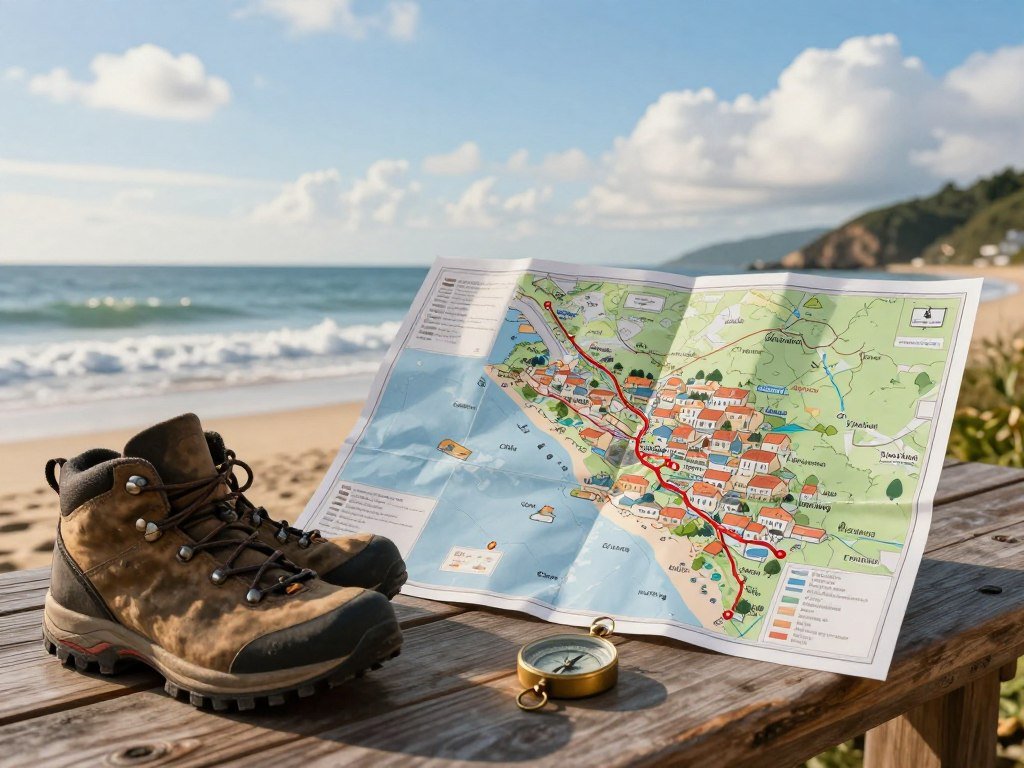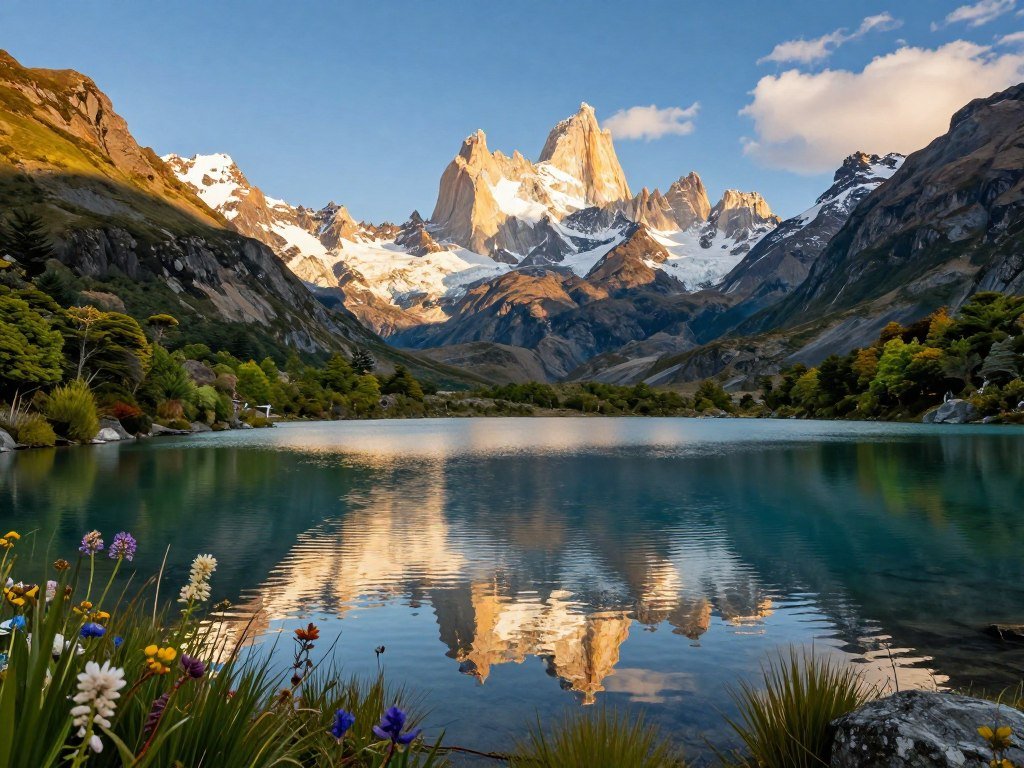
New Zealand packs volcanic landscapes, quiet beaches, alpine lakes, and deep fiords into a trip that rewards careful choices. A fiord is a deep, steep-sided sea inlet carved by glaciers. For a first visit, the best places to visit in New Zealand offer a balanced mix of volcanic country, coast, alpine scenery, and sheltered water. You can pair a day trip with a longer tour, but driving distances make priorities more useful than trying to see everything. A single route rarely covers both islands at an easy pace.
Think about the sights you most want to remember: a mountain walk, a wildlife trip, a Māori cultural visit, or time beside the sea. Then match those interests to the North Island and South Island, rather than choosing stops only because they appear on a map. This list gives you a starting point for a route that can fit your time and travel style.
Key Takeaways
- Choose the South Island for alpine and fiord scenery.
- Choose the North Island for geothermal parks and volcanic hikes.
- Allow time for long drives between many major stops.
- Use a focused route instead of trying to see both islands quickly.
- Check weather, transport, and access before locking in day plans.
Best Places to Visit in New Zealand for First-Time Travelers
For a first visit focused on dramatic scenery, start with the South Island; choose the North Island if volcanoes, geothermal areas, and Māori cultural experiences matter more. A useful first-timer shortlist depends on your interests, not a single route that fits everyone. The South Island is the strongest single choice for alpine and fiord scenery.
For the North Island, pair Auckland with Rotorua and add Wellington or the Bay of Islands if time allows. Rangitoto Island is a 20-minute boat ride from Auckland city centre, while Waiheke Island adds beaches and vineyards. Te Papa Tongarewa is New Zealand’s national museum, and Weta Workshop offers film tours in Wellington. Hobbiton is in Matamata, and the Haruru Falls walk from Waitangi is 5 km.
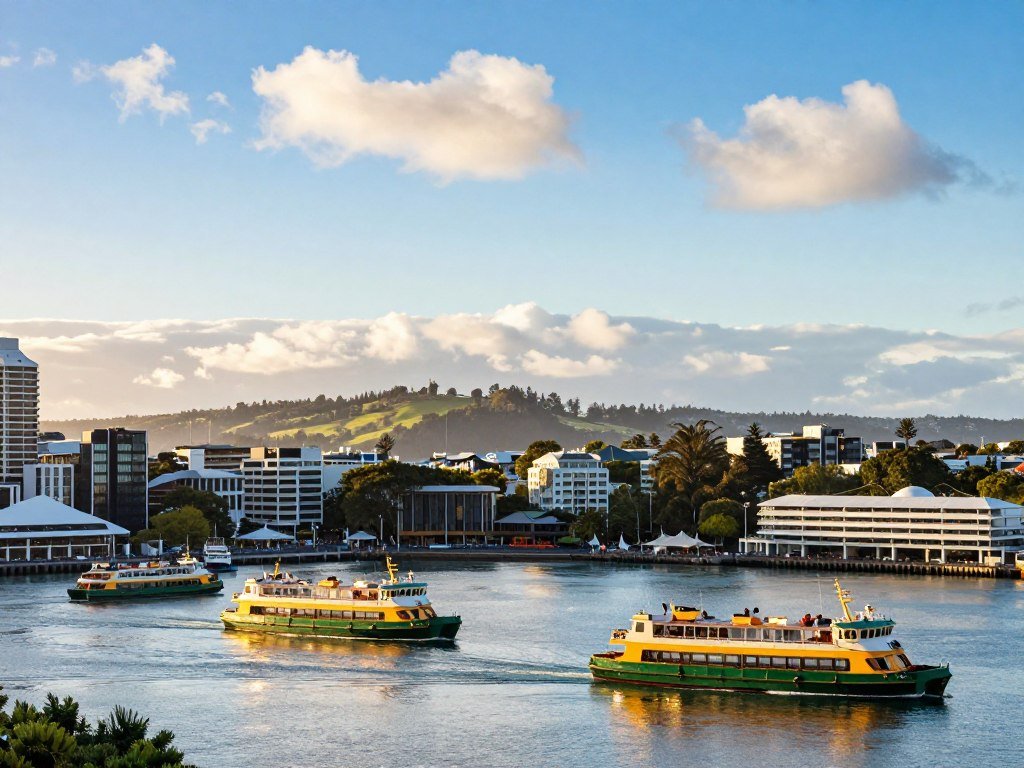
North Island alternatives
These stops can round out a North Island route without asking you to cross the country. Choose the Bay of Islands for coastal scenery, Hobbiton for film sets, or Wellington for museums and screen crafts.
Choose one island for a focused trip, or use two weeks for a selective mix of both.
Choosing between the islands
The South Island centers on alpine peaks, lakes, and Milford Sound. The North Island brings geothermal areas, Māori culture, and volcanic terrain into a more varied mix of city and nature stops.
| Area | Defining experience | Named example | Best fit |
|---|---|---|---|
| North Island | Volcanic and cultural stops | Rotorua and Tongariro | Geothermal sights and Māori experiences |
| South Island | Alpine and fiord scenery | Queenstown and Milford Sound | Mountain views and dramatic coastlines |
| Auckland add-on | Easy island escape | Waiheke Island | Beaches, vineyards, and a slower day |
| First-time two-island sampler | City, culture, and mountains | Auckland, Rotorua, Queenstown | Travelers with two weeks to spare |
Use the table to build a shortlist, then check how many travel days each area needs. Add a quieter or less famous stop only after the main route and travel time are settled.
1. Queenstown for Lake Scenery and Adventure
Queenstown is the best all-around South Island base for travelers who want mountain views, lake access, and a broad choice of activities in one stop. Lake Wakatipu sits beside town, framed by The Remarkables, Cecil Peak, and Walter Peak. Queenstown works well as a base for nearby Glenorchy and Fiordland excursions.
Active days can include hiking, biking, or a jet boat ride. For a gentler pace, take a scenic cruise on the lake or spend time in town between meals and shops. The choices make Queenstown a practical place to stay while picking activities around your energy and the weather.
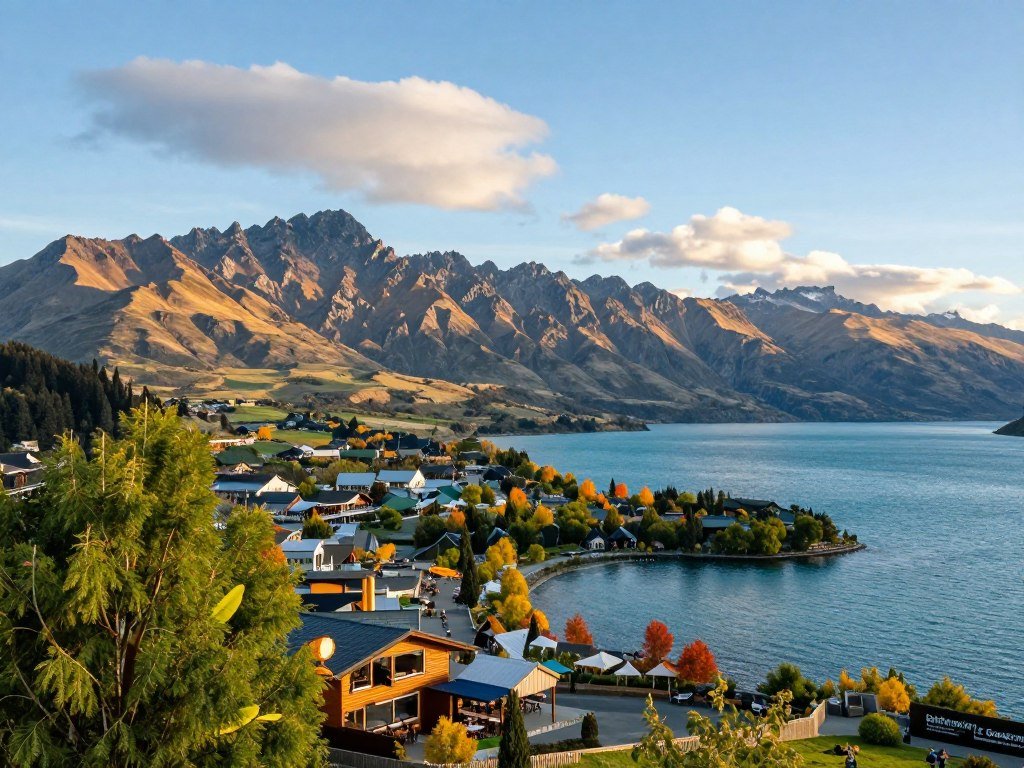
If you want more polished lodging or a private outing, compare luxury stays and experiences with a simpler base in town. A day trip can mean a short walk, a boat ride, an active outing, or a longer drive into a different landscape.
- Lakeside walk along Lake Wakatipu.
- Scenic cruise with views toward the surrounding peaks.
- Outdoor activity such as biking, hiking, or jet boating.
- Nearby landscape excursion toward Glenorchy or Fiordland.
Queenstown is popular for good reason, but you do not need to fill every hour with booked activities. A slower block gives you room to enjoy the lakefront and respond to changing plans.
Check excursion details before setting out, since nearby destinations do not all make short drives. Leave at least one unscheduled block for a lakeside walk or a weather-dependent outdoor plan.
2. Milford Sound and Fiordland National Park
Milford Sound is the clearest pick for a first Fiordland visit, while Doubtful Sound suits travelers willing to spend longer getting into a quieter fiord. A cruise is the direct way to experience Milford Sound’s cliffs, waterfalls, and water-level views. Te Anau gives you more time in Fiordland than a tightly scheduled day trip from Queenstown.
Milford Sound and Doubtful Sound are fiords in Fiordland National Park. You can drive to Milford Sound, then join a boat trip to see its steep walls from the water. The route itself is part of the visit, with viewpoints along Milford Road.
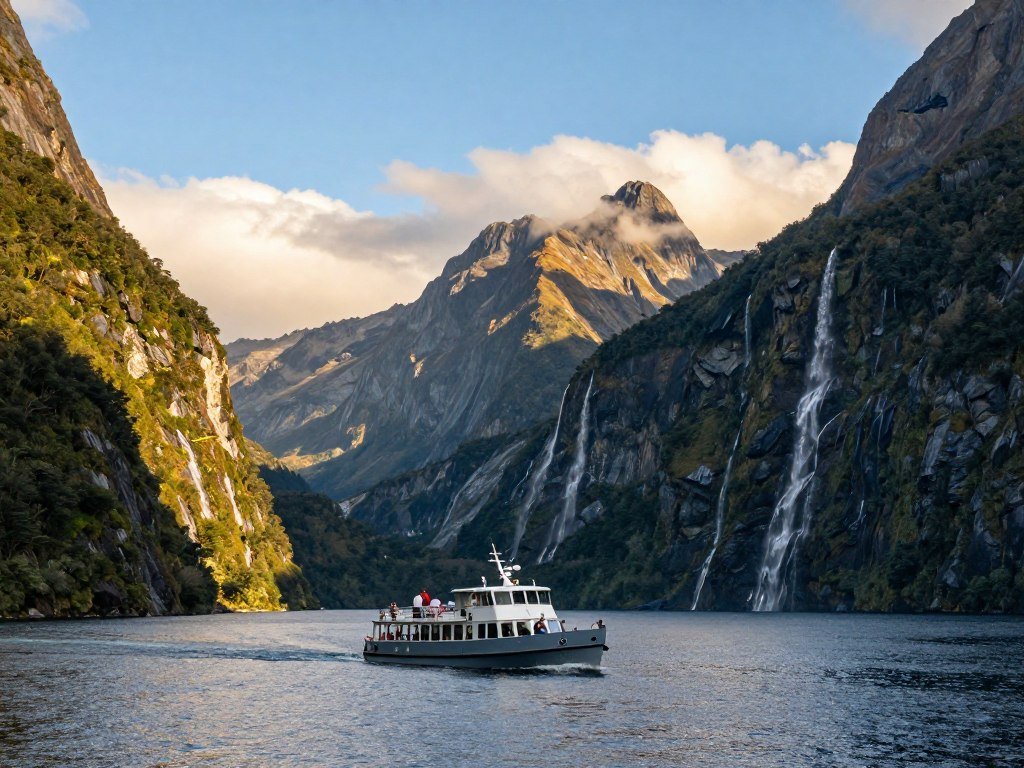
Doubtful Sound takes more planning. From Manapouri, the trip involves a boat across Lake Manapouri and a bus over a mountain pass. That extra leg makes it a good fit for travelers who can devote more time to Fiordland.
- Take a Milford cruise for close views from the water.
- Stop at viewpoints along Milford Road.
- Stay overnight in Te Anau to allow more time nearby.
- Book a Doubtful Sound excursion through Manapouri.
A Milford visit can fit a short South Island itinerary, but the long road journey can make the day feel full. Te Anau makes a useful base for exploring both the town and the national park at a steadier pace.
Choose a Te Anau overnight if you want the road journey to Milford to take up less of the day.
3. Aoraki/Mount Cook and Lake Tekapo
Aoraki/Mount Cook and Lake Tekapo make the strongest alpine pairing for visitors who want mountain views by day and a dark-sky stop after sunset. Aoraki/Mount Cook is New Zealand’s highest mountain, and its national park has a dramatic alpine and glacier setting. Lake Tekapo sits within the Aoraki Mackenzie International Dark Sky Reserve.
The two places offer different kinds of scenery. Aoraki/Mount Cook suits mountain walks and glacier views, while Lake Tekapo pairs lake shores with open night skies. For the most beautiful places to visit in New Zealand, this alpine area and Milford Sound are standout South Island choices.
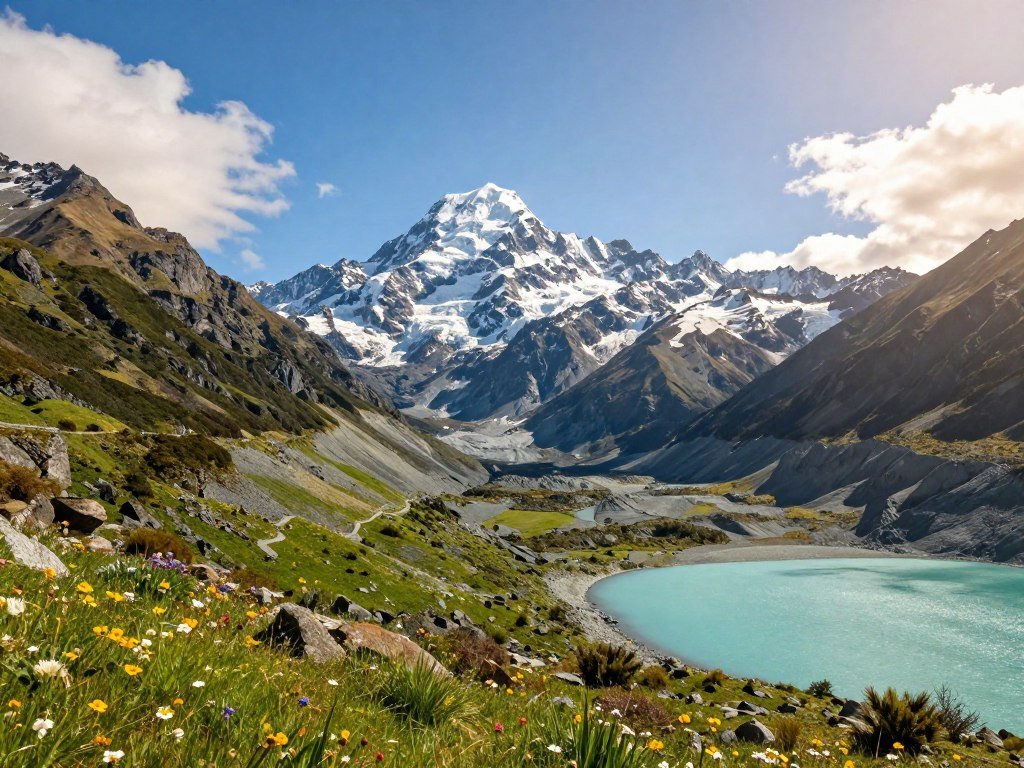
The Hooker Valley Track takes about 3 hours return, making it the more manageable choice for many visitors. Sealy Tarns Track takes around 5 hours return, with a much steeper climb. The Mueller Hut return hike takes around 7 hours, so it calls for more time and fitness.
Lake Tekapo can also work as an overnight stop between the mountain area and other South Island destinations. Give yourself time to look at the sky after dark, but do not plan a late walk unless you know the route and conditions.
These are among the best places to visit in the South Island of New Zealand if mountain scenery matters most. Pairing them with Milford Sound gives you a strong mix of alpine, lake, and fiord views without adding North Island transfers.
Match the walk to your available daylight and fitness instead of treating every trail as a casual viewpoint stroll.
4. Franz Josef Glacier and the West Coast
Franz Josef is the South Island stop where a glacier valley meets a lush, rain-fed West Coast landscape. The contrast is striking: glacier country, rainforest, and coastal views sit within the wider Westland Tai Poutini National Park. Glacier access and track conditions can change.
A short viewpoint walk gives you a ground-level look at the valley. For a closer glacier experience, you can look into a guided helicopter-access trip, which depends on current conditions. Do not assume a route or landing will be available on a particular day.
Fox Glacier is another nearby option, so you can compare the two areas when planning a stop. The West Coast also brings a different feel from the drier alpine interior, with rainforest and coastal landscapes shaping the drive.
Allow room for weather to affect an outdoor plan. If a glacier walk is closed or a flight cannot go, a nearby forest track or coastal stop may keep the day worthwhile.
Glacier viewpoints and guided trips do not offer the same access, so choose based on your comfort with changing plans. Check current track and access conditions before setting out, especially after heavy rain.
5. Abel Tasman National Park for Beaches and Trails
Abel Tasman is the best South Island pick for travelers who want sheltered beaches and coastal trails in the same stop. The coast pairs clear water and sandy coves with a well-known walking route. The full Abel Tasman Coast Track takes 4-5 days to complete.
You do not need to walk the full track to enjoy the park. Choose a short section for a day out, or plan a water-based visit by kayak or boat. A day trip from Nelson is possible, while an overnight walk gives you more time among the beaches and forest.
The Department of Conservation outlines current access, track conditions, and tidal crossings on its Abel Tasman Coast Track page. Huts and campsites need advance planning, and some crossings depend on tide conditions.
This is a strong South Island choice when you want a break from mountain scenery without giving up time outdoors. For other coastal activities, read about snorkeling destinations and marine life before deciding what kind of water day suits you.
Think about what matters most for your visit: walking between coves or spending more time on the water. Decide whether the day is mainly for walking or time on the water before choosing transport into the park.
6. Kaikōura for Coastal Wildlife
Kaikōura is the most distinctive South Island stop for travelers who want mountains, ocean, and wildlife viewing in one coastal setting. Marine life draws visitors to whale-watching trips and encounters with dolphins, seals, and seabirds. The coastal drive is part of the experience, not just a way to reach town.
The town sits where mountains meet the sea, giving even a short visit a strong sense of place. A boat tour can focus on whales, while other local outings may center on dolphins or seabirds. Seals can also be seen along the coast.
Leave time for the drive and stops along the shore. Pullouts and coastal views can make the route feel like part of the destination, especially when the sea and mountains are both in view.
Follow each operator’s instructions during wildlife trips and at viewing areas. Animals are wild, and a close approach can disturb them even when they appear calm.
Kaikōura works well for travelers who want a wildlife stop between other South Island destinations. Keep a respectful distance from wildlife and follow local instructions at viewing areas.
7. Rotorua for Geothermal Landscapes and Māori Culture
Rotorua is the North Island’s strongest all-around choice for geothermal landscapes and an introduction to Māori culture. Steaming ground, hot pools, and bubbling features give the area a vivid volcanic feel. Rotorua is a leading North Island choice for visitors seeking both geothermal sights and cultural experiences.
Kuirau Park offers a free geothermal walk within the city, while Waiotapu and Waimangu Volcanic Valley are paid attractions. Each gives you a different way to see the region’s active ground and mineral colors.
- Kuirau Park for a free city-park visit.
- Waiotapu for geothermal features and colored pools.
- Waimangu Volcanic Valley for a wider volcanic area.
Rotorua also has outdoor activities beyond its geothermal parks. You can use the town as a base for forest walks and other local stops, then set aside time for a Māori-led cultural experience.
Choose a cultural experience led by Māori hosts when learning about local traditions is a priority. Listen to the hosts’ guidance, and treat cultural practices as living traditions rather than a performance for visitors.
8. Tongariro National Park for Volcanic Hiking
Tongariro National Park is the North Island’s standout choice for travelers seeking volcanic scenery and a serious day hike. The Tongariro Crossing runs 20 km and takes around 6 hours. The full route is a demanding hike, not a short walk.
The track crosses volcanic terrain and reaches the Emerald Lakes, making it one of the North Island’s most striking hikes. Tongariro National Park includes active volcanoes, so route planning and conditions matter before you set out.
- Tongariro Crossing for a long, full-day hike.
- Taranaki Falls for a shorter walk near Mount Ruapehu.
- Tama Lakes for a longer route with volcanic views.
Weather can change the crossing plan, and shuttle arrangements affect how you reach the trail and return. Check transport timing before you commit to a one-way hike across the park.
If the crossing does not fit your day, shorter walks still give you a taste of the volcanic setting. Check the official track and weather conditions before committing to the crossing.
9. Waiheke Island for a Slow Auckland Escape
Waiheke is the easiest island escape to add to an Auckland stay, with beaches, vineyards, and walks a short ferry journey away. The ferry ride from central Auckland takes about 40 minutes. A day trip is feasible, while an overnight stay gives you a slower pace.
Once on the island, you can visit a beach, stop at a vineyard, or walk along coastal trails. Restaurants make it easy to turn the outing into a long lunch or dinner rather than a quick sightseeing loop.
Local buses connect some stops, and a preplanned tour can help you reach several places without arranging every leg yourself. Check the route before leaving the ferry terminal, since the island’s attractions are spread out.
A day visit works well if you choose only a few stops. Staying overnight lets you slow down, enjoy a meal, and fit in more walking without racing for the boat.
Island dining can run late, so plan your return before settling in for the evening. Check the return ferry schedule before planning a late island dinner.
10. Cathedral Cove and Hot Water Beach
Cathedral Cove and Hot Water Beach make the Coromandel the best North Island pick for travelers drawn to distinctive beaches. Cathedral Cove is known for its rock arch and beach setting on the Coromandel Peninsula. Hot Water Beach depends on tide timing for access to its geothermal pools.
At Hot Water Beach, visitors dig a pool in the sand where geothermal water reaches the shore. Bring a small spade if you plan to make your own pool, and expect the useful area to change with the tide.
Access to Cathedral Cove can change with track conditions. The Department of Conservation shares current information on the Mautohe Cathedral Cove track, including transport from Hahei and possible hazards.
There is no parking at the track entrance. Visitors can walk or take a shuttle from Hahei Visitor Car Park, so include that transfer in your plan.
Check current access and tide information before traveling, since conditions can affect both stops. Plan the Hot Water Beach visit around low tide, when the geothermal pools are accessible.
Is December a Good Time to Visit New Zealand?
December is a good month for warm-weather travel if you can handle peak-season crowds, higher prices, and changeable regional weather. Long summer days leave more time for outdoor plans, but December starts the busiest travel period. Book early if you want to travel in December, especially later in the month.
Summer crowds, weather, and prices
New Zealand schools break for about six weeks from mid-December. Accommodation, campsites, car rentals, and transport can cost a premium and book out in advance, with late December between Christmas and New Year’s the busiest and most expensive period.
Average December highs in the upper North Island are around 75°F-77°F (24°C-25°C), while much of the South Island is a few degrees cooler. December is wetter than other months in Dunedin, Queenstown, Invercargill, Hokitika, and Westport.
December temperatures can be cooler and wetter than later summer, and mountain snow can occur. The West Coast is the wettest region, while the area about 100 km east of the Southern Alps is the driest.
How the other seasons compare
Summer runs from December through February, autumn from March through May, winter from June through August, and spring from September through November. The summer travel season runs November through April; the winter travel season runs May through October.
| Season | Calendar months | Practical planning note |
|---|---|---|
| Summer | December-February | Long days; February and March are typically warmest |
| Autumn | March-May | February and March are typically warmer than December |
| Winter | June-August | Falls within the May-October winter travel season |
| Spring | September-November | November begins the summer travel season |
December is a poor fit if quiet places or lower prices matter more than summer daylight. If flexible dates matter more than a summer trip, February or March are typically warmer than December.
Getting Around New Zealand by Bus, Ferry, and Car
A rental car gives you more control over remote stops, while InterCity offers a useful two-island option for travelers connecting main tourist routes. In 2026, InterCity’s nationwide network covers both islands and most main tourist routes. Typical InterCity point-to-point fares are around NZD 20-90 per leg in 2026.
Driving lets you stop at viewpoints and small towns along the way, but long distances can make a day behind the wheel tiring. Intercity buses work well between larger towns and popular routes, though they do not reach every remote stop.
The Interislander ferry links Wellington and Picton, so you can connect the islands by bus and ferry. FlexiPass is an hours-based pass for InterCity buses and selected GreatSights New Zealand, Gray Line, and awesomeNZ services. It also includes Interislander travel.
FlexiPass remains valid for 12 months from activation, which begins when you start booking travel with the pass. InterCity does not serve Milford Sound directly; you need a separate shuttle from Te Anau.
| Route | Advance one-way fare | Journey time | Planning note |
|---|---|---|---|
| Auckland-Rotorua | NZD 25-45 | 4h15 | Connects Auckland with geothermal country |
| Auckland-Wellington | NZD 55-90 | 8-9 hours | Long North Island trip between major cities |
| Christchurch-Queenstown | NZD 55-90 | 6h30 | Connects the South Island’s largest city with a lake base |
| Christchurch-Dunedin | NZD 40-70 | 5h15 | Useful for a southern city route |
Other 2026 InterCity journey times include Christchurch to Greymouth in 4h30 and Auckland to Paihia in 3h45. Compare the time spent in transit with the number of stops you want to make before choosing a car or bus.
How to Plan a One-Week or Two-Week New Zealand Trip
Seven days is enough for a South Island highlights trip, but not enough to see both islands without rushing. A focused route gives you time to enjoy a few places instead of spending the week changing bases. Plan one island for a one-week trip.
One week on the South Island
A seven-day route can start in Queenstown and finish in Christchurch. Add Milford or Doubtful Sound, Aoraki/Mount Cook, and Lakes Pukaki and Tekapo as anchor stops.
That plan can cover major scenery, but it leaves little room for detours or long stays. Choose either Milford or Doubtful Sound, then keep the other overnight bases simple.
Two weeks across both islands
A two-week route can include Auckland, Waiheke Island, Hobbiton, Rotorua, Wellington, Nelson, Franz Josef, Wanaka, Queenstown, Milford Sound, Aoraki/Mount Cook, and Christchurch. It is a packed plan with several transfers, not a slow visit to every stop.
Travel between the islands adds another leg, and each extra overnight base takes time to reach. A trip longer than three weeks is more realistic for driving the length of both islands at a comfortable pace.
| Trip length | Route shape | Anchor stops | Main tradeoff |
|---|---|---|---|
| Seven days on the South Island | Queenstown to Christchurch | Milford Sound, Mount Cook, Tekapo | Highlights, few detours |
| Two weeks across both islands | Auckland to Christchurch | Rotorua, Wellington, Queenstown | More variety, frequent transfers |
| More than three weeks for a full-length drive | Drive the length of both islands | Auckland, Nelson, Franz Josef, Dunedin | More road time, wider coverage |
Keep the route to a few overnight bases so the trip leaves time for the places you chose.
What Does a New Zealand Trip Cost, and When Should You Book?
For a modest independent two-week trip, use NZD 2,800-5,600 per person before international airfare as a starting budget, then adjust for lodging and transport choices. That estimate gives you a planning range, not a fixed price for every travel style. International airfare is not included.
Lodging, rental-car choice, intercity transport, meals, and paid activities move the total. A trip built around free walks, beaches, and parks can cost less than one with frequent tours and private rooms.
Think about costs together rather than pricing one part in isolation. A rental car may help reach remote stops, while bus travel can suit a route built around connected towns. The best choice depends on your overnight plans and how often you want guided activities.
For flights from the United States, May is a reasonable lower-demand month to compare after the summer peak. Airfare depends on route, booking timing, and the year, so compare dates rather than relying on one month alone.
InterCity recommends booking bus travel further in advance during peak travel periods. Compare the total cost of lodging, transport, and paid activities together rather than judging a trip by airfare alone.
Entry Rules and What to Declare at the Border
U.S. travelers need to arrange an NZeTA before departure and should leave time for processing. The New Zealand Electronic Travel Authority, or NZeTA, is required for eligible U.S. travelers on short visits. Processing can take up to 72 hours.
The listed 2026 NZeTA fee is NZD 17-23 (USD 10-14). Visitors also pay the International Visitor Conservation and Tourism Levy of NZD 100 (USD 62) when registering for an NZeTA.
Use the New Zealand Traveller Declaration to report uncertain items. Some goods are prohibited entirely, while restricted items may need permits or exemptions.
- Check NZeTA eligibility for your visit.
- Apply for the NZeTA before departure.
- Allow up to 72 hours for processing.
- Account for the International Visitor Conservation and Tourism Levy.
- Complete the New Zealand Traveller Declaration.
- Declare items when you are unsure about the rules.
If you are unsure whether an item is allowed or needs a permit, declare it and check current official guidance.
Entry approval and border declarations are separate steps, so complete both before your trip. Keep your travel details handy when filling out forms, and use current official guidance for item rules.
Declare an uncertain item rather than risk bringing it in without the required permission.
Conclusion
A memorable New Zealand trip comes from choosing a few places that fit your time, not from collecting the longest possible list. The best route is the one that matches the landscapes you most want to see and the days you have available.
Start by choosing one island or writing down a short list of anchor stops. Then check the travel time and availability between them before adding side trips or extra bases.
Keep some room in the schedule for weather shifts and a slower day. Choose your anchor stops and check current transport and accommodation availability before booking the rest of the route.
FAQ
Where should I go for the first time in New Zealand?
Is 7 days enough for New Zealand?
What to beware of in New Zealand?
What not to carry to New Zealand?
How much money will I need for 2 weeks in New Zealand?
Do I need a visa to visit New Zealand if I’m a US citizen?
What month is the cheapest to fly to New Zealand?
What is cheaper in New Zealand?