
You do not need to time creatine perfectly around a workout to use it consistently. Creatine helps your muscles make quick energy for short, intense exercise, such as a set of heavy lifts or a fast sprint. ATP means adenosine triphosphate, the molecule cells use to supply energy for muscle contractions.
Taking it every day matters more than choosing a perfect training window. That simple rule can help you focus on your strength routine instead of watching the clock. The best time to take creatine is the time that fits your day and makes the habit easy to keep.
Whether you train in the morning, after work, or on different days each week, you can build a routine around a cue you already follow. The goal is steady creatine supplementation, not a last-minute performance trick. The choices below can help you make that routine practical.
Key Takeaways
- Choose a daily time you can remember.
- Taking creatine before or after exercise can both fit your routine.
- Most people can start with 5 grams per day.
- A loading phase is optional, not required.
- Creatine monohydrate has the strongest research support.
What Is the Best Time to Take Creatine Before or After a Workout?
If you can take creatine either before or after training, choose the option you will remember every day. Both timing choices can work, while daily consistency matters more than the workout window. The best time to take creatine before or after a workout is the time that fits your schedule.
Absorption and blood flow offer possible reasons to study timing, but they do not prove one window works better. After a 5-gram dose, absorption can take up to 2 hours, and blood levels can peak for up to 4 hours. Exercise-related blood flow may stay elevated for 30 minutes or longer after exercise.
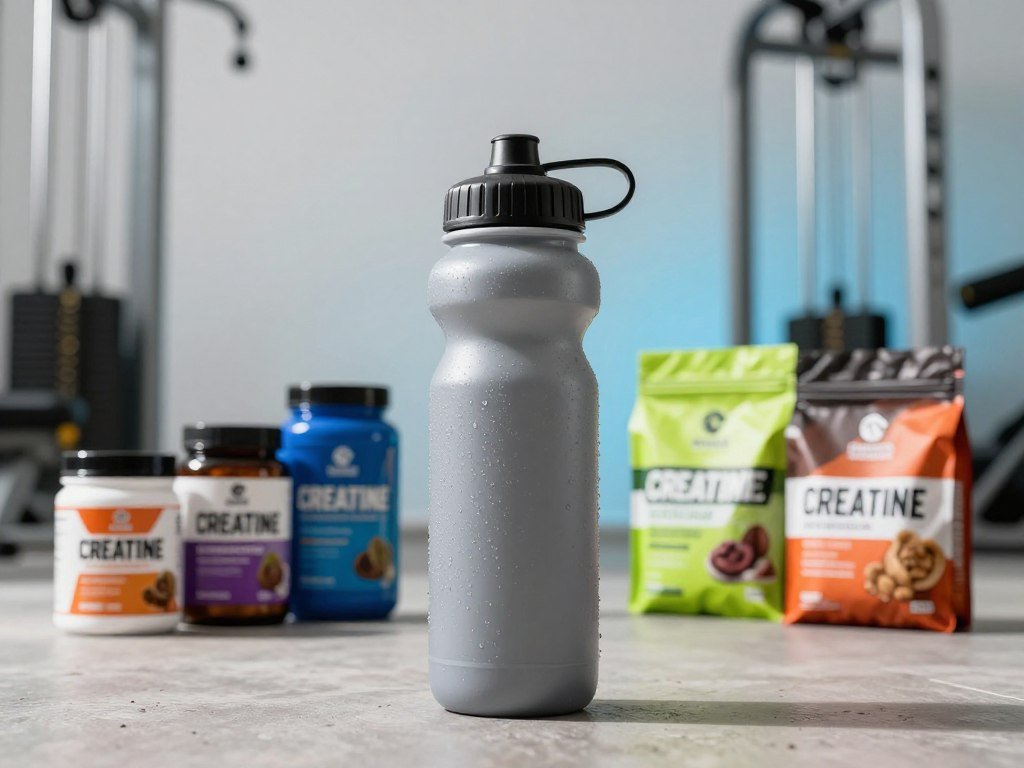
Use the timing that makes daily use easiest, not a narrow workout window.
Taking Creatine Before or After Exercise
A 2022 review found no consensus on ideal timing around exercise. It noted that claims of greater benefits after exercise had limits in the study methods. Those findings do not settle when you should take creatine for best results.
A 2022 study gave people 5 grams within 1 hour before or after resistance training. After 8 weeks, both groups had similar muscle gains. That result supports either option, rather than a universal timing advantage for muscle gain.
When Your Workout Is Not the Timing Cue
A 2006 10-week study compared a combined creatine, carbohydrate, and protein supplement taken near workouts with one taken in the morning and evening. Since the supplement combined several ingredients, the study cannot show that creatine timing alone caused any difference.
| Option | Practical timing | What the evidence supports |
|---|---|---|
| Before exercise | Within 1 hour before resistance training | Similar muscle gains to after-training use in an 8-week study |
| After exercise | Within 1 hour after resistance training | No proven universal advantage; a review found no consensus |
| Another convenient daily time | Morning or evening, away from the workout | A combined-supplement study does not prove a creatine-only timing effect |
Treat a pre- or post-workout dose as a convenience, not a requirement for muscle gain.
How Much Creatine Should You Take Per Day?
For most people, 5 grams per day is a straightforward starting dose. People close to or above 200 pounds may benefit from 10 grams per day, though that amount should be individualized. Your body size and health needs can affect which amount suits you.
Taking creatine per day without a loading phase can build muscle stores over time. Loading is one way to start, not a condition for getting benefits. A healthcare provider or registered dietitian can help you choose an amount that fits your needs.
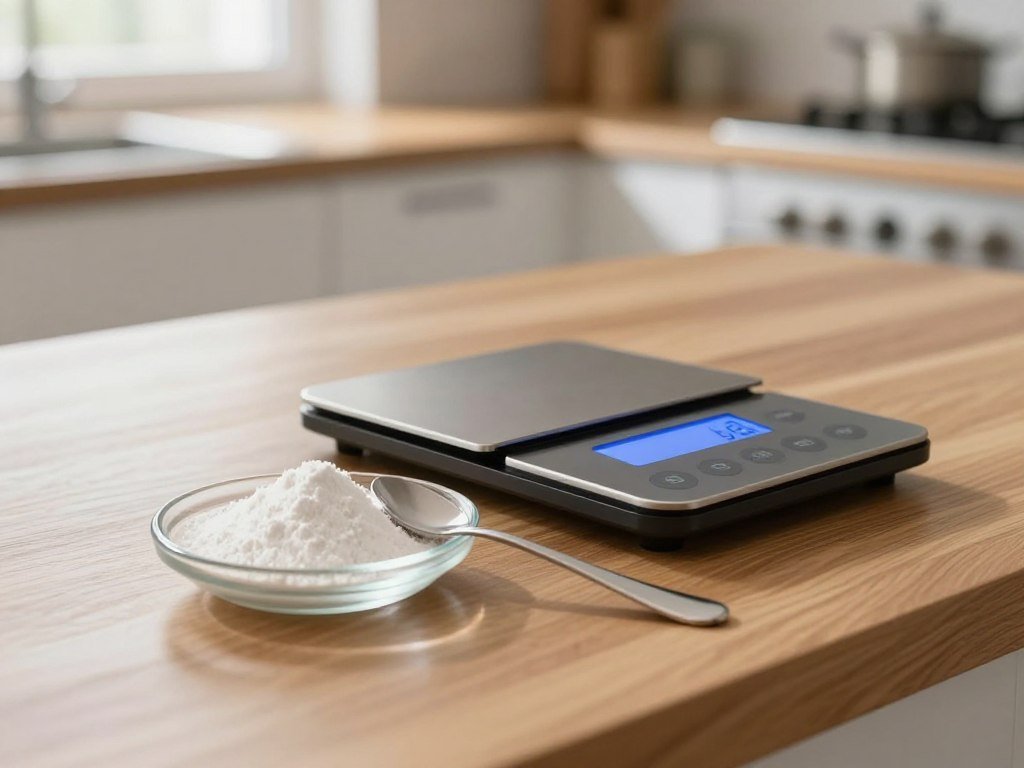
A Daily Dose for Most Adults
For most adults, the usual daily amount is 5 grams. If you weigh close to or above 200 pounds, 10 grams may be worth discussing with a health professional. A larger amount is not automatically right for everyone at that weight.
| Approach | Amount | Who or when it applies |
|---|---|---|
| Typical daily dose | 5 grams per day | Most people |
| Dose to discuss | 10 grams per day | People close to or above 200 pounds |
| Optional loading approach | About 20 grams per day, split into smaller doses, for 5-7 days | People who choose a loading phase |
Is a Loading Phase Necessary?
No, a loading phase is not necessary. You can take a steady daily dose instead, and muscle stores rise over time. If you choose loading, the common approach is about 20 grams per day in smaller doses for 5-7 days.
Keep these three dosing pitfalls in mind:
- Do not treat loading as mandatory.
- Do not assume everyone near or above 200 pounds needs the larger amount.
- Do not change an individual dose without professional guidance.
Ask a healthcare provider or registered dietitian to personalize the amount if your size or health needs call for individual guidance.
How Long Does Creatine Take to Work?
Without loading, creatine generally takes about 3 to 4 weeks to fully saturate muscle cells and begin showing benefits. Regular use over several weeks, not one dose, supports those changes. You should not expect an immediate effect during a single workout.
Creatine can be taken before bed, in the morning, or at another convenient time. There is no separate timing rule for women in general daily-use guidance. Pick a cue that already belongs in your day.

Can You Take Creatine Before Bed?
Yes, you can take creatine before bed if that is a time you can keep. It does not need to match your exercise schedule. The same goes for a morning dose or another steady daily cue.
A dependable daily health habit can help you remember supplements alongside other routines. Choose a cue that does not depend on whether you train that day.
Is Morning or Night Better?
Neither morning nor night is better for everyone. Daily use, including on rest days, supports consistent muscle creatine stores. You can try one of these practical cues:
- Take it with breakfast.
- Add it to an evening routine.
- Keep the same rest-day habit each week.
Keep the same daily cue on rest days so the habit does not depend on your training schedule.
How Do You Take Creatine Monohydrate With Water?
Creatine monohydrate is the best-supported form to choose when you want a simple daily routine. It has stronger research support than other creatine forms. That does not mean other forms are proven ineffective; they have not been studied as thoroughly.
Creatine monohydrate is typically taken once daily and can be mixed with water or another liquid. Its timing follows the same daily-consistency principle as other forms. The Harvard Health overview describes monohydrate as the most studied form.

In the United States, the FDA does not approve dietary supplements or most supplement labels before they reach the market. Manufacturers and distributors are responsible for product safety and label compliance. The FDA explains these rules in its dietary supplement questions and answers.
Independent testing can add a useful quality check, though it does not replace careful product choice. NSF is an independent third-party testing certification. Check for a recognizable independent testing certification on the product label before using a supplement.
Is Creatine Safe, and Who Should Check With a Healthcare Provider?
Healthy adults generally tolerate creatine when they use it as recommended, though some effects are worth planning for. A temporary gain of about 3 to 5 pounds can come from water retention. That water moves into muscle cells and does not mean creatine raises your fluid needs or causes dehydration.
Some people have diarrhea or muscle cramping. If you have kidney disease or another medical condition, consult a healthcare provider before taking a creatine supplement. A clinician can consider your health and other medicines.

Common Effects to Expect
The early weight change is linked to water in muscle cells, not a greater need to drink. Creatine does not increase the body’s fluid needs. Still, paying attention to your usual fluid intake matters when a medicine can affect fluid balance.
The Cleveland Clinic overview discusses creatine’s use for short, intense exercise and possible side effects. It also advises people with certain health conditions to check with a healthcare provider before use.
Health Conditions, Medications, and Blood Tests
Hydrochlorothiazide and other diuretics need clinician guidance, especially if fluid intake may be inadequate. The combination could increase dehydration risk. Tell your care team about medicines that affect fluid balance.
Creatine supplements can raise creatinine, a blood marker, and that result may be misread as kidney dysfunction. An elevated creatinine result alone does not prove kidney dysfunction, so tell the clinician reviewing your test that you take creatine.
Before starting, raise these three points with a clinician:
- Any kidney disease or other relevant health condition.
- Diuretics, including hydrochlorothiazide.
- Creatine use before kidney-related blood tests.
Tell the clinician interpreting a kidney-related blood test that you take creatine.
What Foods and Drinks Can You Combine With Creatine?
Red meat and seafood are the main dietary sources of creatine. Your body also makes about 1 gram each day, while a typical meat-eater gets about 1 to 2 grams from food. Eggs and plant foods provide essentially no creatine.
A typical meat-eater’s food intake can vary, but these food groups show where dietary creatine comes from:
- Red meat provides dietary creatine.
- Seafood provides dietary creatine.
- Eggs provide essentially none.
- Other plant foods, including fruit, provide essentially none.
Most research indicates that caffeine does not cancel out creatine’s effects or reduce its effectiveness. The research on caffeine and creatine supports that point, but it does not show that combining them boosts results. Red meat and seafood remain the meaningful food sources, as noted in this summary of dietary creatine.
Do not rely on eggs, fruit, or other plant foods to provide meaningful dietary creatine.
What Does the Evidence Say About Creatine for Tendon Pain?
Creatine is not a proven treatment for tennis elbow or tendon repair. Evidence for tendon pain or repair is limited, with few direct human studies of tendon outcomes. Its use as a sports supplement does not make it an established tendon therapy.
Do not rely on creatine to treat tennis elbow or repair a tendon.
Creatine can support short, intense exercise and muscle strength, but that does not show it relieves tendon pain. The limited human research does not establish a benefit for tendon repair. A review of tendon outcomes reflects how little direct evidence exists.
Get persistent tendon pain assessed by a healthcare professional rather than relying on creatine.
Conclusion
A reliable creatine routine is built around a daily habit, not a perfect workout window. Choose a time you can repeat, then follow the product’s routine consistently. That approach keeps the focus on steady training rather than precise timing.
If your body size or health needs call for a different amount, ask a healthcare provider or registered dietitian for guidance. You can build the habit around a cue that already fits your day, as described in these ideas for sustainable health habits.
Choose a consistent time and check with a qualified health professional if your medical history or medications call for personalized advice.
FAQ
Why did I gain 10 pounds after taking creatine?
Do and don’ts with creatine?
Can I take hydrochlorothiazide with creatine?
Can creatine help with tennis elbow?
What should you never mix with creatine?
How much creatine is in 2 eggs?
How much creatine for a 200 lb man?
Which fruit contains creatine?