Hermès is the clearest answer when “most expensive” means rare handbag prices or the highest 2026 fashion-brand value. The price of a particular item still depends on its model and materials. If you are weighing luxury buying decisions, the difference matters: a brand’s status does not tell you what every product costs.
This comparison looks at Hermès, Louis Vuitton, Chanel, Dior, Gucci, Prada, and Cartier. It separates brand value from the price of a new item, an auction result, or a resale estimate. Those measures can point to different answers, so you can use the one that fits your plans as a U.S. shopper.
Some buyers want a daily bag; others are drawn to couture, jewelry, or a label’s place in the fashion world. Price versus status is only one part of that choice. The useful comparison is the one that matches what you plan to buy or measure.
Key Takeaways
- Hermès leads the 2026 fashion-brand value index.
- Rare Hermès handbags have set major auction records.
- Brand value and retail price measure different things.
- Louis Vuitton offers a broad range of bags and goods.
- Chanel and Dior are known for distinct fashion signatures.
- Cartier is the jewelry and watch pick in this group.
What Is the Most Expensive Designer Brand by Price or Value?
Hermès leads the available 2026 fashion-brand value ranking, but the highest-priced individual piece answers a different question. Expensive can mean one rare item, a typical retail price, or an estimate of a brand’s financial worth.
Brand value is an estimate of a brand name’s financial worth, not the retail price of one item or the total value of its parent company. Hermès leads by brand value, while a rare auction piece can set a different record. The measure changes which label comes out on top.
Decide what you want to compare before naming a winner: one rare item, a new product, or a brand’s estimated worth.
A luxury fashion brand hierarchy or luxury brand pyramid in 2025 is an informal way to group labels by price, exclusivity, and category. It is not a single official ranking, so it cannot establish one winner for every shopper. A jewelry label and a clothing label also cannot be fairly compared by one product’s price alone.
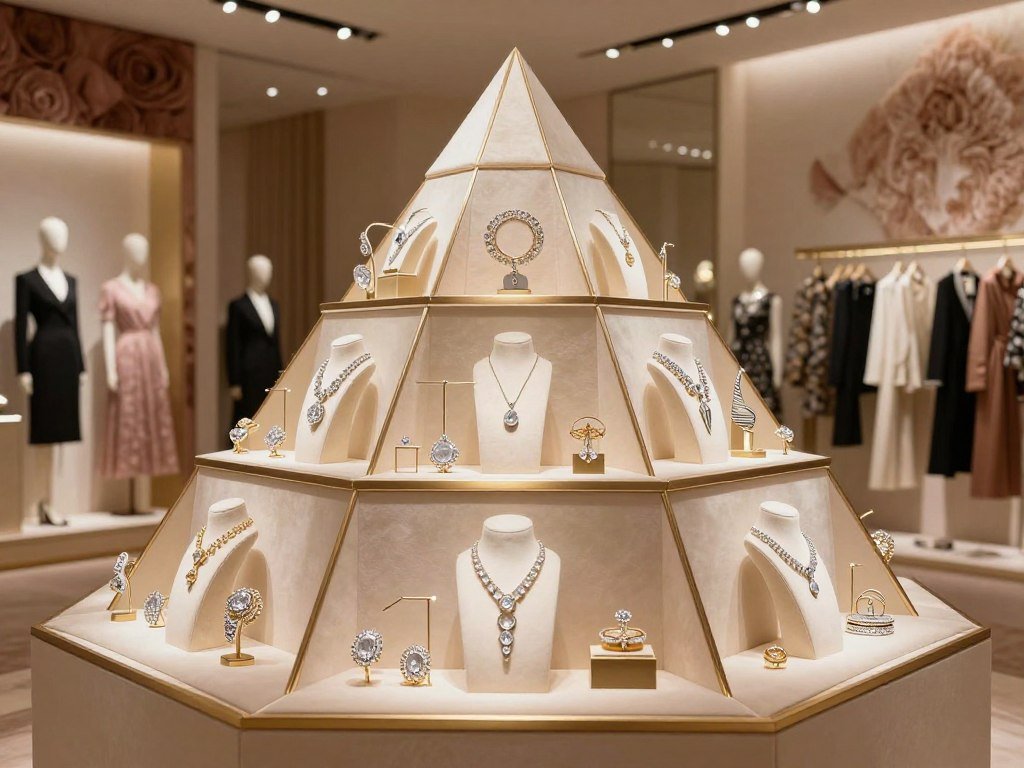
The phrase most expensive clothing brand in the world can point to a ready-to-wear item, a couture gown, or a brand-value estimate. Ready-to-wear means clothing made in standard sizes for sale, rather than to a client’s measurements. Couture uses a different process and should not stand in for the price of every product from a fashion house.
For more context on brand value, you can read this comparison of rich fashion brands. It separates estimated brand worth from revenue and company net worth. Before comparing labels, decide whether you care most about one rare item, the price of a new purchase, or the brand’s estimated financial worth.
What Makes a Luxury Label So Expensive?
A luxury price can reflect skilled labor and scarce materials, but a high price alone does not guarantee better construction. Handwork may add hours of expert work, while rare leather can raise cost and limit supply.
Five common price drivers are handwork, materials, construction complexity, limited availability, and market demand. Haute couture garments are made to individual clients’ measurements, which calls for specialist fitting and tailoring. A ready-to-wear jacket follows a different production path.
- Handwork: Skilled makers may spend many hours on one piece.
- Material: Alligator leather and lizard skin can cost more and be harder to source.
- Construction complexity: Detailed linings, seams, and shapes take added work.
- Limited availability: Small runs or scarce materials can restrict supply.
- Market demand: Buyers may pay more when a style is highly sought after.

A label’s heritage can add meaning for buyers who value its history and established designs. Limited production can also make a piece harder to find, though scarcity does not prove that it will last longer. Those are distinct qualities, even when they appear in the same item.
Logo recognition can affect what a shopper is willing to pay, since a familiar mark carries status and visual identity. It does not independently establish quality, durability, or resale value. A subtle logo also says little about how a bag or coat is made.
Compare the seam finish, lining, hardware, and material on the exact piece when those details matter to you. For a fair comparison, look at the material and construction of the specific piece, not only the label on it.
Hermès: The Strongest Pick for Rare, High-Value Pieces
Hermès stands out for leather goods whose appeal rests on artisanal work and a long equestrian heritage. That history began in 1837, when the house started as a saddlery business.
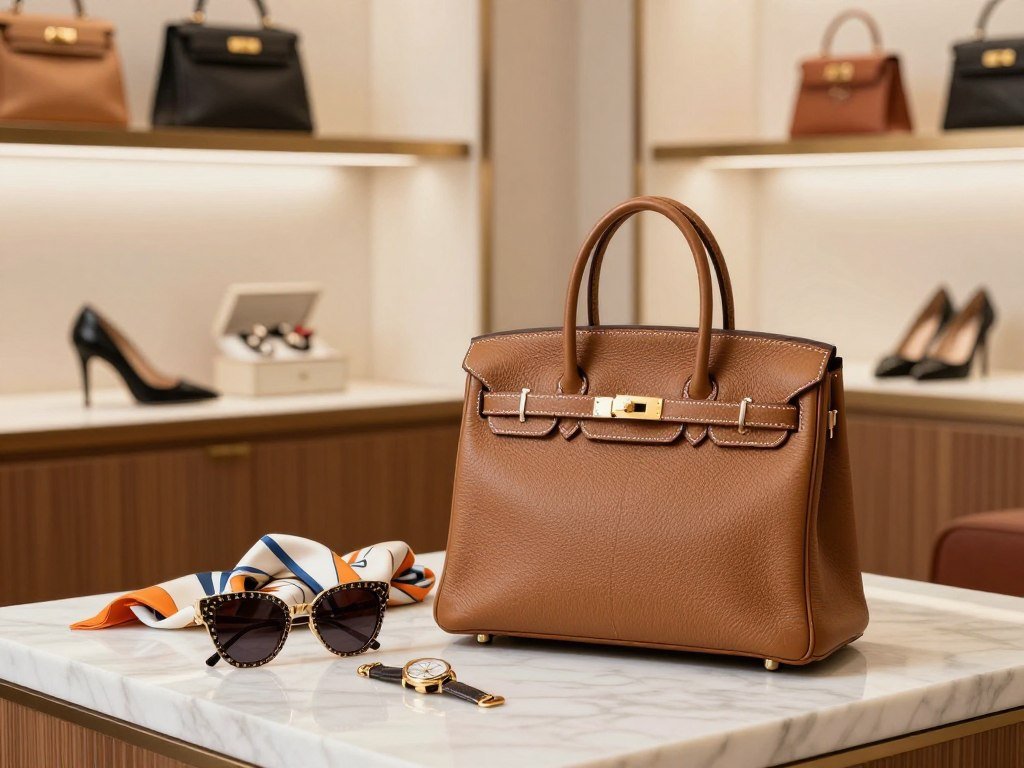
Its leather focus and recognizable Birkin and Kelly bags make Hermès a leading choice for shoppers drawn to exceptional handbags. The bags carry a restrained look, with design details that do not rely on a large logo. The house’s name and craft traditions are part of their appeal.
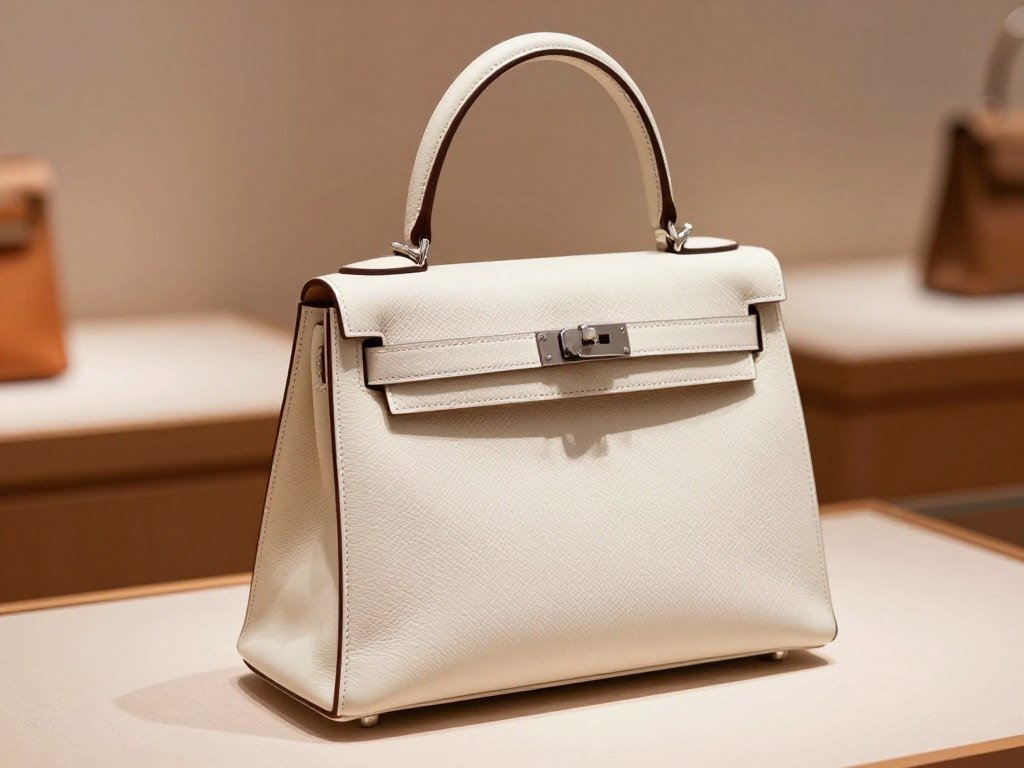
Hermès grew from making equipment for horses into a fashion house with leather goods at its core. That origin still shapes how many people see its bags, belts, and small leather items. The equestrian connection is a real part of its heritage, not simply a current design theme.
The Birkin and Kelly are signature designs, but that does not mean every Hermès product is equally rare or costly. Scarcity and price vary across models and materials. A scarf, shoe, or smaller leather good is not interchangeable with a rare handbag.
The quiet visual style may suit you if you prefer fine materials and recognizable shapes over prominent branding. It can also feel understated beside labels built around bold prints or visible logos. That judgment is about style, not a measurable claim about quality.
For everyday wear, judge a specific piece by its size, leather, and intended use rather than its status alone. A compact bag may suit light errands, while a larger design can carry more, but its weight and shape matter too.
Louis Vuitton: Heritage With Broad Everyday Recognition
Louis Vuitton pairs a travel-goods heritage with a monogram that has become one of fashion’s most recognizable signatures. Travel shaped the house from its founding in 1854.
The monogram, luggage, and wide range of bags make the label easy to recognize across many product types. Georges Vuitton introduced the monogram canvas in 1896. The design helped distinguish the house’s goods from imitations, and it remains tied to its visual identity.
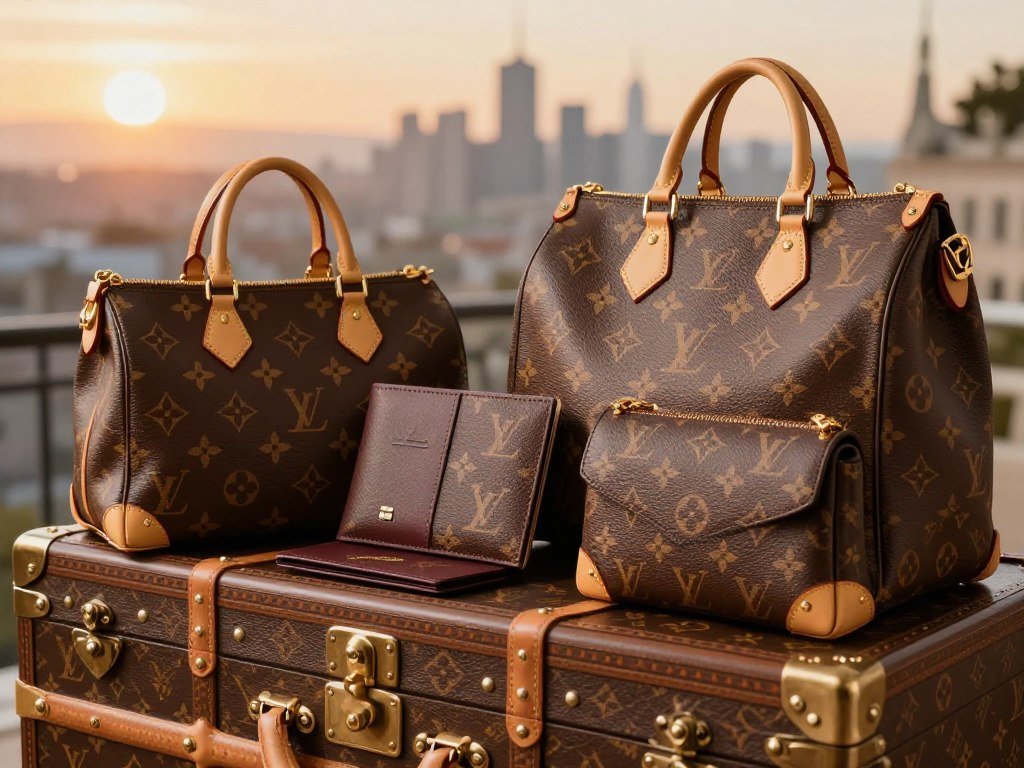
The house’s travel beginnings connect its luggage, leather goods, and everyday bags. The Neverfull and Speedy are signature styles, with different shapes and uses. A handbag made for daily errands does not serve the same role as a travel bag.
A history of Louis Vuitton handbags traces how the monogram and bag designs have changed over time. That history includes the Speedy, Alma, Neverfull, and other well-known styles. Collaborations have also brought new art and colors to classic shapes.
A familiar logo can make the brand’s products easy to spot, while its broad range covers different styles and price points. Recognition alone does not tell you whether a particular bag suits your routine. Check its size, straps, closure, and capacity against what you plan to carry.
Choose a piece for its function first, especially if you expect to use it regularly. A travel case, a small shoulder bag, and a roomy tote each solve a different problem.
Chanel: The Pick for Classic Parisian Style
Chanel’s strongest appeal is its consistent design language, from tweed tailoring to the 2.55 bag. That continuity makes the house a clear choice if you value classic Parisian style.
The tweed suit and 2.55 bag remain among Chanel’s best-known design signatures. Founded in 1910, the house helped shape women’s fashion through polished lines and clothing designed for movement. Its familiar black-and-white visual vocabulary also gives many pieces a distinct look.
Tweed jackets and suits can create a dressed look without relying on elaborate decoration. The house’s handbags and accessories carry that identity into smaller pieces. The style may feel classic to one shopper and too formal to another.
Chanel sells ready-to-wear clothing as well as couture. Ready-to-wear comes in standard sizes for sale, while couture is made to a client’s measurements. Their production and fitting needs differ, so one category should not stand in for the other.
A wardrobe built around simple colors may make a Chanel jacket easier to pair with other clothes. A bright or highly detailed piece can have a stronger effect and may be harder to wear often. Those are style choices, not a ranking of quality.
If you want a piece to work across outfits, focus on cut, color, and how often you will wear it. A jacket that fits your usual clothes may serve you better than a striking piece that stays in its garment bag.
Dior: The Pick for Couture and Feminine Silhouettes
Dior’s New Look made a sharply defined waist and full skirt central to the house’s fashion identity. The silhouette remains a strong reference for shoppers drawn to dresses and gowns.
Dior offers couture, ready-to-wear, leather goods, fragrance, and beauty, so one item cannot represent the whole house. Founded in 1946, Dior built a lasting design identity around the New Look. Its influence can still be seen in formal clothes shaped around the waist.
Couture garments are made to an individual client’s measurements, while ready-to-wear clothing comes in standard sizes. A couture dress and a store-bought jacket differ in fit and construction. A gown’s work also cannot describe the production of a beauty product or small accessory.
Dior’s collections span dresses, jackets, bags, shoes, and other accessories. That range lets you choose between a full look and one statement piece. The best fit depends on what you want to wear and how often it will leave your closet.
The New Look is a fashion reference, not a rule that every Dior design must follow. Current collections can take different directions while still drawing on the house’s history. That gives shoppers a range of styles, from structured gowns to simpler everyday pieces.
Look at the specific collection and category before comparing Dior with another label. A ready-to-wear dress, a couture gown, and a leather bag answer different needs and have different price points.
Gucci: The Pick for Bold, Recognizable Design
Gucci’s appeal comes from designs that make their identity visible, from bold prints to equestrian-inspired details. Expression is central to the house’s fashion style.
Gucci suits you if you enjoy statement pieces, visible logos, and strong patterns. Founded in 1921, the house offers clothing, bags, shoes, and accessories. Its designs can be vivid and trend-forward, or more restrained in shape and color.
The Horsebit Loafer and Jackie bag are recognizable signatures with a different feel from a bold printed jacket. The Horsebit detail draws on equestrian style, while the shoe can work with a range of outfits. These icons offer a quieter option within a label known for expressive looks.
A bright logo or all-over pattern can make an outfit feel personal and distinct. It can also be less versatile if most of your wardrobe uses plain colors. That depends on how you dress, not on a fixed measure of a design’s worth.
Gucci’s bags, shoes, and clothing cover different price points and uses. A small accessory may add a visible detail without changing your whole wardrobe. A statement coat makes a larger style choice and needs more thought about fit and repeat wear.
Consider whether a statement piece fits your existing wardrobe before paying a premium for its logo. If you often wear simple clothes, one bold item may be enough to change the look.
Prada: The Pick for Modern Minimalism
Prada is a natural fit for shoppers who prefer clean lines and a quieter kind of luxury. Its minimalism works through shape, material, and careful details rather than a large logo.
Prada’s mix of nylon bags and architectural lines gives its designs a modern, practical edge. Founded in 1913, the house has built a distinct place in fashion through clothing, leather goods, shoes, and accessories.
Prada’s use of nylon challenged older ideas about which materials belonged in luxury fashion. The Vela backpack brought nylon into the house’s designs, and Re-Nylon later used Econyl yarn made from waste materials. A history of Prada nylon bags follows that shift.
Nylon can feel light and practical, while leather offers a different hand and finish. The exact design affects how either material works in daily use. A restrained look does not automatically make a bag more durable or more versatile.
Prada’s clean shapes can suit shoppers who want an understated piece with a fashion-forward cut. A bag with few visible marks may blend into more outfits, but its color, size, and straps still matter. Minimal branding alone does not settle the question of value.
Compare the materials and finish on the exact piece, especially when choosing between nylon and leather. Check how the seams, lining, handles, and closures are made before deciding what suits your use.
Cartier: The Pick for Fine Jewelry and Watches
Cartier is the clearest pick in this list for someone seeking jewelry or a watch rather than clothing. Its category sets it apart from the six fashion houses focused on clothing or leather goods.
Cartier is known for fine jewelry and watches, including the Love bracelet and Panthère motif. Founded in 1847, the house has built a strong design identity through pieces that can be recognized by their shape and details.
The Love bracelet is a well-known jewelry design, while the Panthère motif appears across the house’s designs. Both show how a repeated shape can become a signature without relying on clothing or a handbag. A jewelry piece also serves a different purpose from a fashion accessory.
Cartier offers jewelry and watches in varied forms, so one item cannot represent every price or material. A bracelet, a watch, and a ring are not direct matches. Their materials and designs shape how they look and feel when worn.
Comparing one bracelet with one dress or handbag is not an apples-to-apples judgment. A clothing label may have expensive accessories, while a jewelry house focuses on precious items. Category matters before price can help you compare.
Compare jewelry within its own category, paying attention to the materials and design you will actually wear. A watch should suit your daily habits, while a bracelet may depend more on fit and comfort.
How Does the 2026 Luxury Brand Ranking Compare?
Hermès ranks first in the 2026 fashion-brand index, ahead of Louis Vuitton and Chanel. The ranking compares estimated brand value, not the price of a particular fashion item.
Hermès has an estimated brand value of $45.2 billion, while Prada ranks 19th at $4.8 billion. The numbers offer one way to compare the seven labels, but they do not measure every part of a shopping decision.
The seven labels in the fashion-brand index
FashionUnited’s 2026 index places the labels at the following ranks and estimated values. The fashion brand wealth comparison also explains how brand value differs from revenue and company net worth.
| Rank | Brand | 2026 estimated brand value |
|---|---|---|
| 1 | Hermès | $45.2 billion |
| 2 | Louis Vuitton | $36.7 billion |
| 3 | Chanel | $29 billion |
| 7 | Cartier | $14 billion |
| 10 | Dior | $9 billion |
Gucci ranks 11th, with an estimated brand value of $7.4 billion. Prada ranks 19th, with an estimated value of $4.8 billion. These positions give a direct view of how the seven brands compare within this fashion-brand index.
What brand value does and does not measure
Brand value estimates the financial worth assigned to a name and its associated business. It is not the same as annual revenue, the value of a parent company, or the retail price of one bag. Private companies may disclose limited information, so estimates can involve added uncertainty.
- Check whether the figure measures brand value or a product price.
- Check whether the company is privately held.
- Check whether the list covers fashion brands or all luxury businesses.
An estimate does not directly measure an item’s retail price, craftsmanship, or resale return. Use the ranking to compare brand scale, not to decide which specific item is best made or best suited to you.
Where Does Hermès Sit in the Designer Bag Hierarchy?
Hermès occupies the top end of the luxury handbag hierarchy, with auction records far beyond ordinary retail comparisons. Rare examples can reach sums that do not describe the price of a typical bag.
Auction results and secondary-market valuations are different kinds of evidence. An auction records a completed sale, while a resale value is an estimate of what an item may command on the secondary market. Neither guarantees what a future buyer will pay.
Record-setting Jane Birkin auctions
Jane Birkin’s original Hermès Birkin sold for $10.1 million at Sotheby’s in July 2025. The sale set the auction record for the most expensive handbag sold at auction. It was a historic personal item, not a regular retail comparison.
In December 2025, Jane Birkin’s personal Birkin 40, Le Birkin Voyageur, sold for $2.9 million at Sotheby’s Abu Dhabi. That auction result was also tied to the bag’s history and owner. It should not be treated as a standard price for a Birkin 40.
Rare Birkin models and secondary-market values
Secondary-market estimates vary by model and materials. A Diamond Himalaya Birkin is valued at $150,000-$450,000 or more, and a Birkin Faubourg at $160,000-$300,000 or more. Other rare configurations also carry broad ranges.
| Bag type | Secondary-market value |
|---|---|
| Diamond Himalaya | $150,000-$450,000+ |
| Faubourg | $160,000-$300,000+ |
| Diamond Birkin, not Himalaya | $65,000-$200,000+ |
| Birkin 20 Matte Alligator Sellier | $75,000-$115,000+ |
| Metallic Birkin | $55,000-$100,000 |
An Ombré Lizard Birkin has a secondary-market value of $40,000-$80,000. Diamond Himalaya Birkins remain the highest-valued regular-production Hermès handbags. The word “regular-production” separates them from one-off personal items that can set auction records.
These rare models do not define the whole ranking of luxury brands for bags. A shopper comparing everyday styles faces a different market from a collector seeking a scarce configuration. Treat a secondary-market valuation as a market range for a specific rare configuration, not a guaranteed sale price.
How Do Louis Vuitton Bag Prices Compare With Prada?
A specific Prada Saffiano handbag price example is close to Louis Vuitton’s listed Neverfull prices, but the exact model changes the comparison. In the United States in 2026, Louis Vuitton lists several Neverfull and Speedy bags at different prices.
The Prada Saffiano example is $2,200, close to the listed Neverfull MM at $2,240. That comparison does not make one brand the more expensive choice overall. The bag model and type matter.
| Model | U.S. listed price in 2026 |
|---|---|
| Neverfull PM | $2,160 |
| Neverfull MM | $2,240 |
| Neverfull GM | $2,310 |
| Speedy Bandoulière 25 | $1,980 |
| Speedy Bandoulière 30 | $2,040 |
The Neverfull BB lists at $2,900, and the OnTheGo GM at $3,550. The Coussin MM is approximately $5,600, while the Keepall Bandoulière 60 is approximately $2,850. Each figure applies to a named model, not every bag from the house.
The Prada example and the Neverfull MM are close in listed price, but a different Louis Vuitton model changes the result. A Speedy Bandoulière 25 lists below the example, while the OnTheGo GM and Coussin MM list above it. A Saffiano handbag also may differ in size and design from a Neverfull.
- Compare the same product category.
- Compare similar materials.
- Separate new retail prices from resale prices.
Those checks make a price comparison more useful than a brandwide claim. Compare like-for-like models and confirm the current U.S. price before making a purchase.
Which Designer Bags Are Gaining Resale Value?
Recent resale figures show notable results for bags from The Row, Hermès, Gucci, Bottega Veneta, Loewe, and Louis Vuitton. Each result describes a specific bag and measure, not a promise for every item from that label.
Resale-value growth, value retention, and sale price as a share of retail are different measures. A bag can rise in resale value over a year, sell for a share of its retail price, or retain more than its original price. Those figures should not be compared as if they meant the same thing.
Recent increases across luxury labels
Reported results cover several labels and methods. The table names the bag and the measure used, so a percentage increase is not confused with a share of retail price.
| Bag | Reported resale measure | Reported result |
|---|---|---|
| The Row Margaux | Year-over-year resale-value change | Rose 92% |
| The Row N/S Park Tote | Value retention | 146% |
| Bottega Veneta Andiamo | Average sale price as share of retail | 90% |
| Gucci Jackie | Year-over-year resale-value change | Rose 47% |
| Hermès Kelly 28 | Year-over-year resale-value change | Rose 22% |
Vestiaire Collective reported a 72% rise in resale value for the Loewe Puzzle bag. The same marketplace reported a 76% increase for the Louis Vuitton Speedy. Rebag reported that the Louis Vuitton Favorite commanded 178% of its original retail price.
Hermès resale performance
Hermès bags also posted results above or near their original retail prices, depending on the measure and model. The RealReal reported that the Mini Kelly sold for an average of 285% of its manufacturer’s suggested retail price. Rebag reported that the Kelly Mini II retained 282% of its original retail value.
Vestiaire Collective reported a 3% increase in resale value for the Birkin 25. Rebag reported that the Birkin Sellier retained 183% of its original value. Those figures describe separate models and reporting methods, not one shared return for all Birkin bags.
Retention is not the same as a guaranteed return
A figure above 100% may reflect an item’s reported sale price or retention compared with its original price. It does not account for every owner’s buying price, sale timing, condition, or transaction costs. A rise over one year also says nothing certain about a later year.
Condition and the exact model can affect what buyers will pay, while demand can shift. Past market results offer context, but they cannot tell you what your own bag will sell for. Treat any resale percentage as a past market measure, not a promise of what your own bag will sell for.
Which Luxury Brands Are Gen Z Wearing?
Gucci, Louis Vuitton, and Dior were the top three luxury brands favored by U.S. Gen Z and millennial consumers in 2025. Gucci led the stated preference result, followed by Louis Vuitton and Dior.
A stated liking for a brand does not show ownership, spending, or product quality. It describes preference within the measured groups, not every young shopper in the country. Personal taste, budget, and access still shape what people choose.
The three leading labels in that U.S. preference result were:
- Gucci
- Louis Vuitton
- Dior
The result offers a snapshot of brand appeal among Gen Z and millennial consumers. It does not mean that all members of either generation own these labels or plan to buy them. A liking score and sales figures answer different questions.
Age-group differences also appeared in the reported numbers for Armani. In 2025, 22% of U.S. Gen Z consumers expressed a liking for Armani, compared with nearly 40% of millennials. The difference does not explain why people in either group felt that way.
Those figures should not stand in for all younger shoppers or every market. A person may like a label’s designs but prefer another brand’s fit, price, or materials. Use age-group preference as a clue to brand visibility, not as a substitute for your own taste or budget.
How to Choose a Luxury Brand in the U.S.
For U.S. shoppers, Hermès ranks highest by the 2026 fashion-brand value measure, while a purchase decision should start with the item and budget. That ranking does not make every Hermès product the right choice for every shopper.
Set your budget, pick a category, and compare the construction of the exact item. The answer to what is the most expensive designer brand in the U.S. depends on the measure. By 2026 fashion-brand value, Hermès ranks first; a particular item’s price depends on its category and model.
A brand ranking can narrow your comparison, but it cannot tell you whether a specific piece fits your budget, wardrobe, or daily needs.
Match the label to your budget and wardrobe
A luxury brand pyramid can help you sort labels by price and exclusivity, but it is an informal shopping tool. It does not set an official order for every product. A coat, handbag, and pair of shoes from one label can have very different prices and uses.
Try the category that fits your routine first. A handbag should hold what you carry, while a jacket should fit over the clothes you wear most. A high price does not make an item easier to use or more suited to your style.
Use three steps to make a grounded comparison:
- Set a budget that fits your plans.
- Choose a product category, such as a bag, coat, or watch.
- Compare the exact item’s materials and construction.
Use a separate tier for jewelry
A luxury brand pyramid for jewelry is a shopper’s informal comparison within that category, not a universal ranking. Cartier’s jewelry and watches belong beside similar jewelry and watch houses. Comparing a Cartier bracelet with clothing prices does not show which brand is more expensive in a useful way.
Jewelry has its own materials, designs, and uses. A bracelet, watch, and pair of earrings are different purchases, even when they come from one house. Compare similar pieces rather than treating all luxury goods as one market.
Where Armani fits beside Gucci
Armani is a luxury fashion house with several labels and price positions. Armani Exchange is generally its more accessible line. Its name covers more than one product range, so a single item does not represent the full house.
The 2026 FashionUnited fashion-brand index estimates Armani’s brand value at $3.3 billion and ranks it 31st. Gucci ranks higher in that index, but brand value does not show which label makes the better item for you. Both names cover different kinds of clothing and accessories.
For Gucci versus Armani, compare the same category, material, construction, and intended use. A tailored jacket should be compared with another jacket, not a handbag or pair of shoes. Pick the label whose particular piece fits your budget and wardrobe, then compare its materials and construction before buying.
Conclusion
Hermès is the clearest overall answer when the comparison centers on the highest brand value and exceptional handbag prices. That answer does not settle which item will work best for your daily life.
Your choice depends on category, design, and budget, as well as the specific piece’s construction. A label’s status can draw you in, but the item still needs to earn its place.
Start by naming the category you want, then compare the exact model’s materials and current price. Choose the specific piece that earns its place in your wardrobe, not just the label that tops a ranking.
FAQ
Which is the most expensive luxury brand?
What brand is Gen Z wearing?
Is Prada or Louis Vuitton more expensive?
Is Armani a luxury brand?
What is more expensive, Gucci or Armani?
What is the cheapest Armani brand?
Is Armani as good as Gucci?