Key Takeaways
- True flavor profile of authentic fresh roots
- Difference between imitation wasabi paste and real plants
- Proper culinary uses across classic Japanese cuisine
- Cultural etiquette for sushi condiments at the table
Wasabi: Flavor, Uses and Japanese Dining Culture
Have you ever taken a bite of fresh sushi, felt an instant rush of heat straight up your nose, and wondered what just happened?
That sharp, fiery kick comes from wasabi, one of the most famous, prized, and misunderstood plant roots in the world of food.
At its core, wasabi is a plant belonging to the Brassicaceae family, cultivated primarily in clear mountain riverbeds across Japan.
It provides a unique, short-lived heat that clears your sinuses instantly without burning your tongue like spicy chili peppers do.
Whether you are enjoying a casual sushi night or exploring traditional recipes, understanding this vibrant green root changes how you eat.
AI Overview
Wasabi is a traditional Japanese root renowned for its fresh, pungent flavor and fleeting nasal heat. Unlike horseradish substitutes, real wasabi offers a sweet, complex herbal kick that elevates authentic dishes. Understanding its role enhances your Japanese dining experience.
What Does Real Wasabi Actually Taste Like?
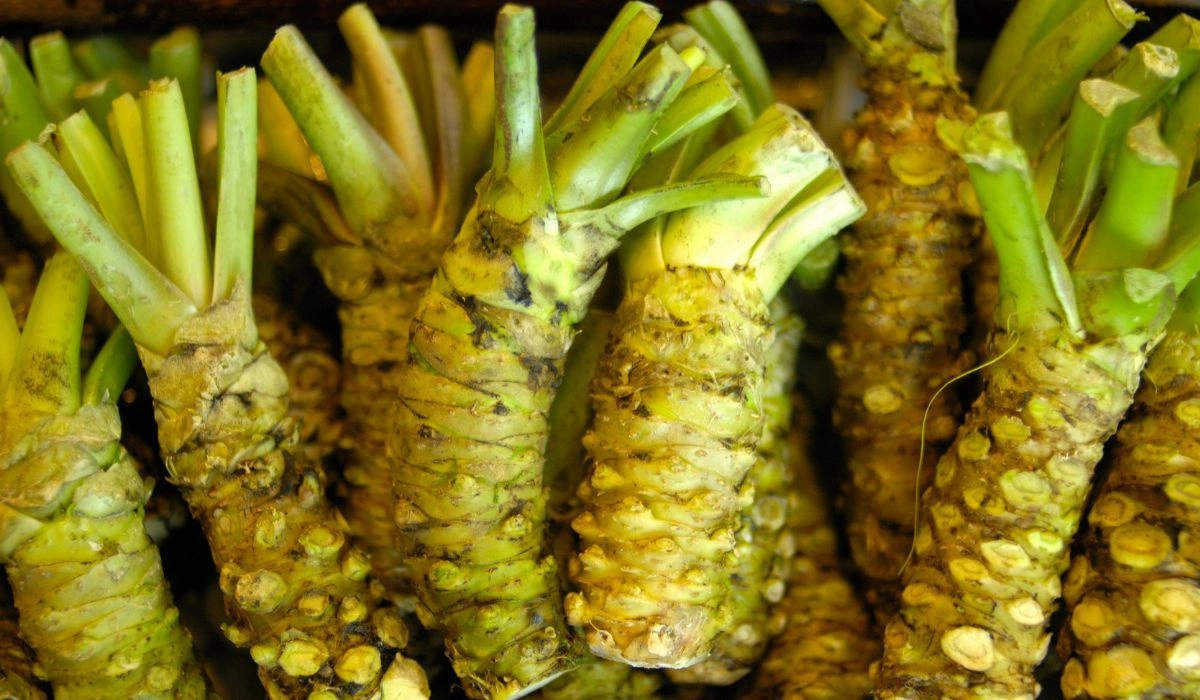
If you have only eaten green paste from a plastic tube, you might think this famous condiment is just pure, aggressive fire.
Real wasabi is actually surprisingly delicate, sweet, and herbal when freshly prepared right before a meal.
| Feature | Real Fresh Wasabi | Western Wasabi Paste |
| Ingredients | 100% Grated Rhizome | Horseradish, Mustard, Dye |
| Heat Profile | Fleeting, smooth heat | Harsh, long-lasting burn |
| Flavor Notes | Herbal, sweet, vegetal | Bitter, pungent, salty |
| Peak Freshness | 15 to 20 minutes | Months (preservatives) |
| Texture | Gritty, juicy, grate-fresh | Dense, smooth, thick paste |
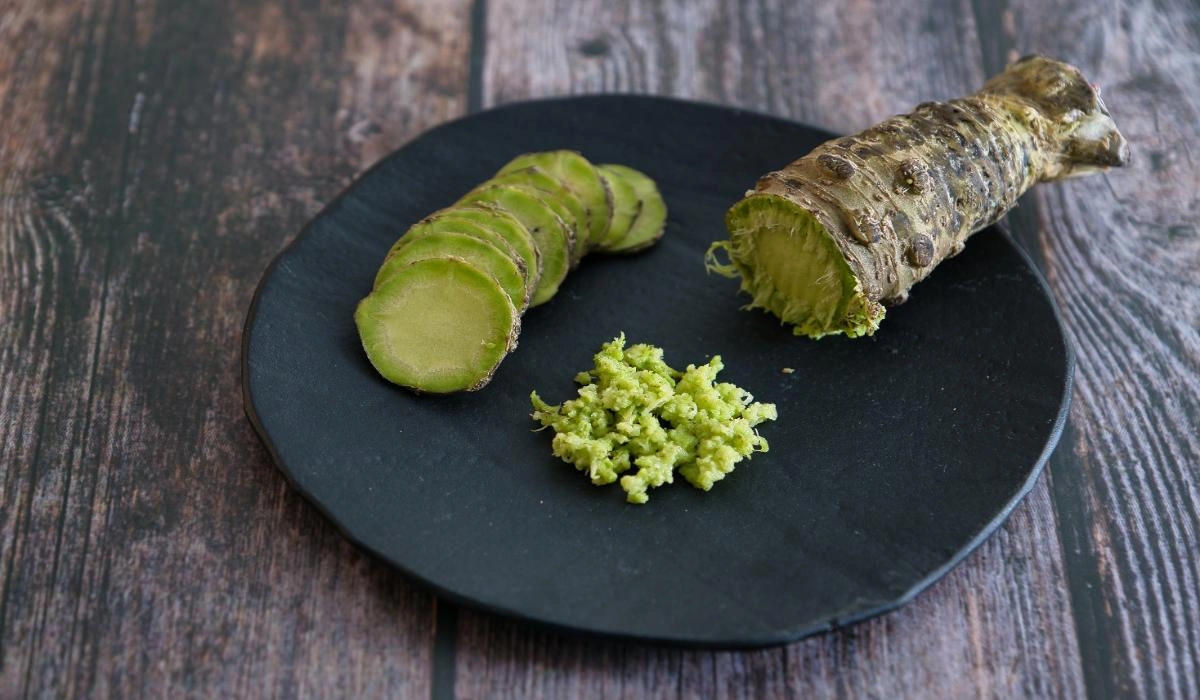
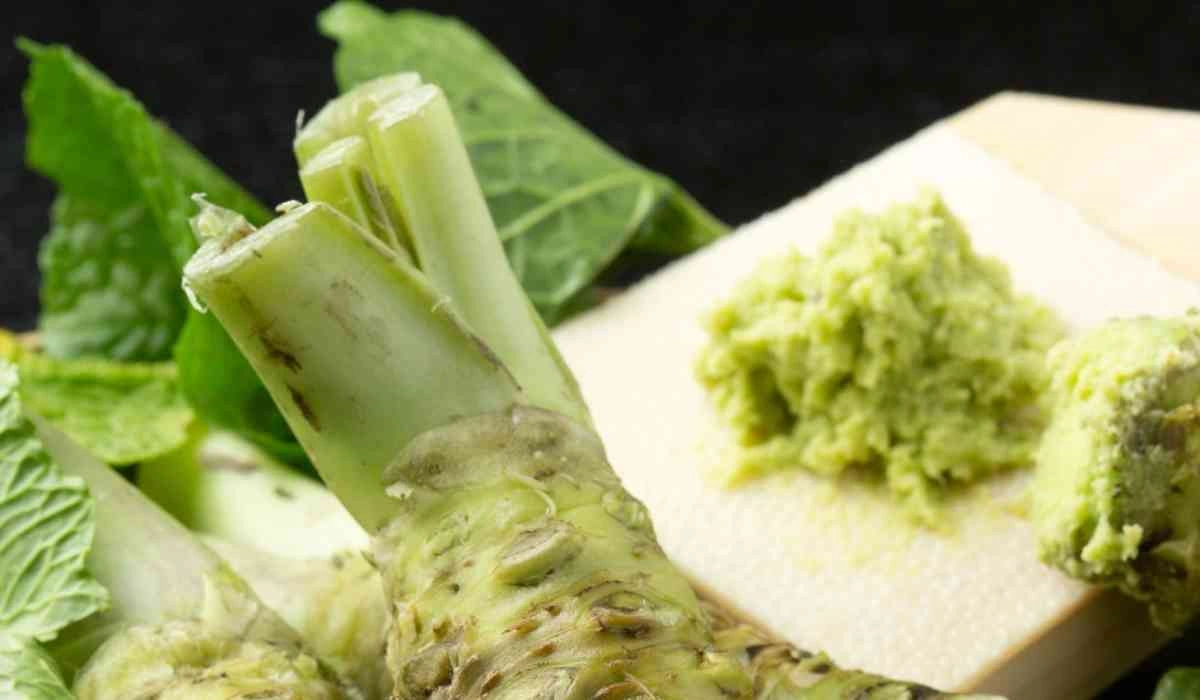
When grated fresh on sharkskin or fine metal graters, the plant cells break down to release volatile organic compounds.
The primary compound responsible for the heat is called allyl isothiocyanate, which forms rapidly after the plant tissue breaks.
This compound creates that signature nose-tingling aroma that peaks after about five minutes and gradually fades within twenty.
Because the flavor is so fleeting, high-end chefs only grate small portions at a time right as each dish is served.
The Big Secret: Real Wasabi vs. Wasabi Paste
Here is a fun fact to share with your friends at dinner tonight: most people outside Japan have never tried the actual plant!
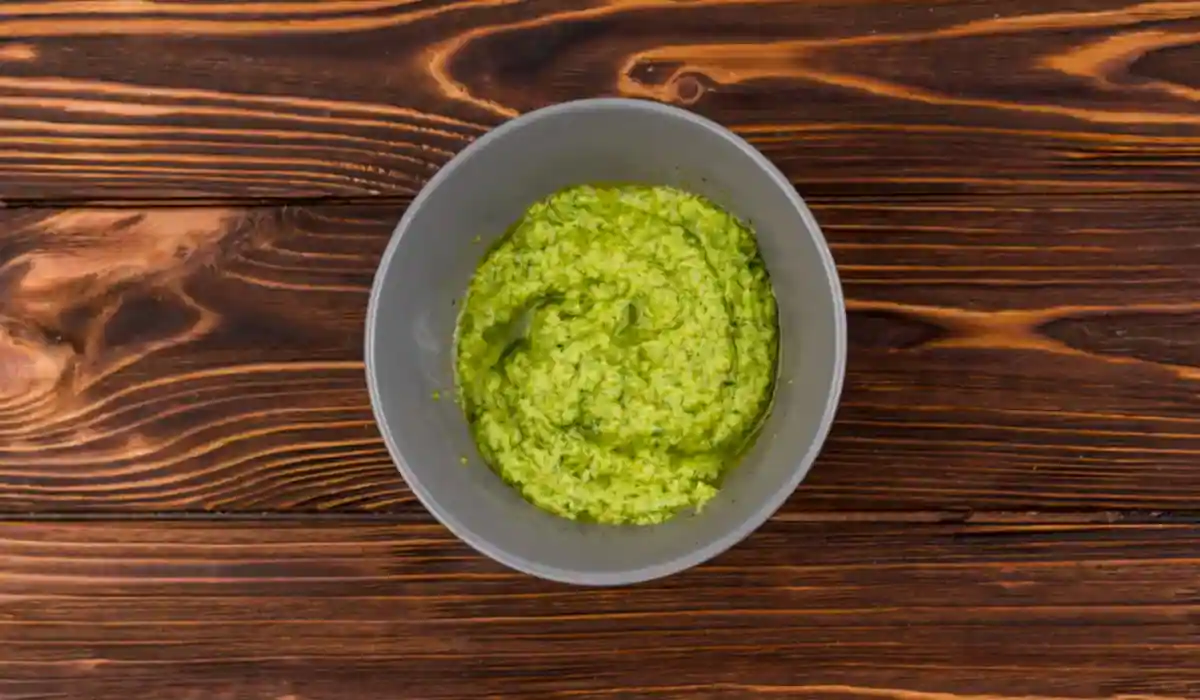
The common wasabi paste served in standard sushi spots is generally a mixture of grated horseradish, mustard seed extract, and green dye.
Why the Substitute Is Everywhere
Growing the actual plant is extraordinarily difficult because it requires cold, running mountain water and specific shade conditions.
The plant takes up to two full years to reach maturity, making it one of the most expensive crops on the market.
Because of this high cost and delicate shelf life, commercial restaurants turn to manufactured wasabi paste to keep dining affordable.
At PraviCeler, we love exploring authentic culinary traditions and bringing genuine food clarity right to your home kitchen.
Knowing the clear difference between imitation paste and real wasabi makes you a far more conscious eater when ordering Japanese cuisine.
Understanding these details helps you appreciate why specialized ingredients carry such immense culinary value across the globe.
The Agricultural Journey: How Wasabi Is Cultivated
The process of growing true rhizomes is an art form that has been perfected over centuries in rural Japanese mountain regions.
Farmers rely on cold, mineral-rich spring water flowing continuously over gravel beds, a method known as tatami-ishi cultivation.
The Perfect Growing Environment
- Water Quality: Clean, running spring water kept between 10 and 15 degrees Celsius year-round.
- Shade Conditions: Mountain valley canopies that protect delicate leaves from direct, harsh sun rays.
- Soil Drainage: Loose gravel beds that allow constant water flow without causing root rot.
Because the environmental requirements are so strict, expanding farms outside traditional Japanese valleys remains exceptionally difficult.
Every harvest requires manual labor, careful weeding, and constant monitoring of water clarity to yield healthy, full-flavored roots.
When you taste authentic fresh roots, you are experiencing years of patient agricultural care and natural mountain hydrology.
How Wasabi Elevates Japanese Cuisine
In authentic Japanese cuisine, this bright green root does far more than just add a sharp kick to your favorite dish.
Historically, it was valued for its natural antimicrobial properties, helping keep raw seafood safe before modern refrigeration existed.
| Dish | Ideal Application | Culinary Purpose |
| Nigiri Sushi | Dabbed directly between fish and rice | Accentuates raw fish oils |
| Sashimi | Placed lightly on top of raw fish slices | Complements pure protein flavor |
| Soba Noodles | Dissolved gently into dipping sauce | Adds fresh herbal finish |
| Ochazuke | Swirled into hot green tea broth | Balances warm savory rice |
The Balance of Flavors
Japanese chefs treat sushi condiments as essential tools to balance rich, fatty fish like bluefin tuna or salmon belly.
The natural sharpness cuts right through ocean oiliness, leaving a clean, refreshing finish on your palate after every single bite.
Without this pungent contrast, heavy seafood courses can quickly overpower your tastebuds during extended tasting menus.
The root acts as a flavor bridge, highlighting the natural sweetness of raw seafood without masking its original character.
Traditional Dining Etiquette and Sushi Condiments
Using condiments properly shows respect for the chef’s hard work and preserves the deliberate balance of the dish.
Common Mistakes to Avoid
- Do not mix your green paste directly into soy sauce until it turns into a cloudy soup.
- Avoid slathering large amounts of condiment over delicate white fish or fresh shellfish.
- Do not dunk the rice side of your sushi into soy sauce; dip the fish side lightly instead.
Proper Application Steps
- Place a tiny dab of fresh grated root directly onto the top of the fish slice.
- Dip only the fish lightly into high-quality soy sauce to avoid breaking the rice ball.
- Enjoy the entire piece in one bite to experience all the harmonized flavors together.
Mastering these basic table manners allows you to experience sushi exactly as master chefs intended when crafting each piece.
The Health Benefits of Authentic Wasabi Roots
Beyond its culinary brilliance, real fresh rhizomes offer a surprising range of potential health benefits backed by research.
The natural compounds that generate its famous nose-clearing heat also contribute to cellular health and digestive wellness.
Key Wellness Properties
- Antimicrobial Support: Natural isothiocyanates help inhibit foodborne bacteria growth, preserving fresh seafood.
- Anti-Inflammatory Effects: Plant compounds help reduce overall inflammatory responses throughout your digestive system.
- Digestive Stimulation: The gentle pungent oils stimulate digestive enzymes, aiding smooth digestion after rich meals.
While imitation horseradish paste offers sharp heat, it lacks the specific concentration of beneficial plant compounds found in real roots.
Incorporating genuine culinary ingredients into your routine brings both rich flavor and natural health benefits to your table.
Beyond Sushi: Creative Culinary Uses

You do not have to limit yourself to traditional sushi rolls when using this versatile flavor enhancer in daily cooking.
At PraviCeler, we encourage home cooks to experiment with global ingredients to elevate simple home meals easily.
Try These Unique Culinary Pairings
- Stir a tiny spoon of fresh paste into mayonnaise for a zesty, elevated sandwich spread.
- Whisk grated root with rice vinegar, soy sauce, and sesame oil for steak salad dressings.
- Rub a small amount onto roasted beef or pork loin right before carving and serving.
- Blend a touch of paste into creamy potato soup or warm mashed potatoes for an unexpected twist.
Using real wasabi in home dressings adds complex depth without swiping away delicate meat or vegetable flavors.
The key to successful pairing is restraint; use just enough to add an intriguing back-note without overpowering the primary ingredient.
Understanding the Culture Behind the Plant
In Japan, eating is a mindful practice deeply rooted in seasonality, local ecology, and deep respect for raw ingredients.
When you sit down for a formal omakase meal, the chef carefully places exact amounts of wasabi onto each piece.
Trusting the chef’s balance allows you to fully appreciate how Japanese cuisine highlights natural flavors without overwhelming your senses.
The subtle heat of real fresh roots cleanses your palate, preparing your mouth fully for the next exciting course.
Taking time to enjoy these small food details turns a basic lunch into a meaningful cultural journey right at your table.
Every element on your plate tells a story of landscape, tradition, and centuries of refined culinary philosophy.
How to Source and Store Fresh Wasabi at Home
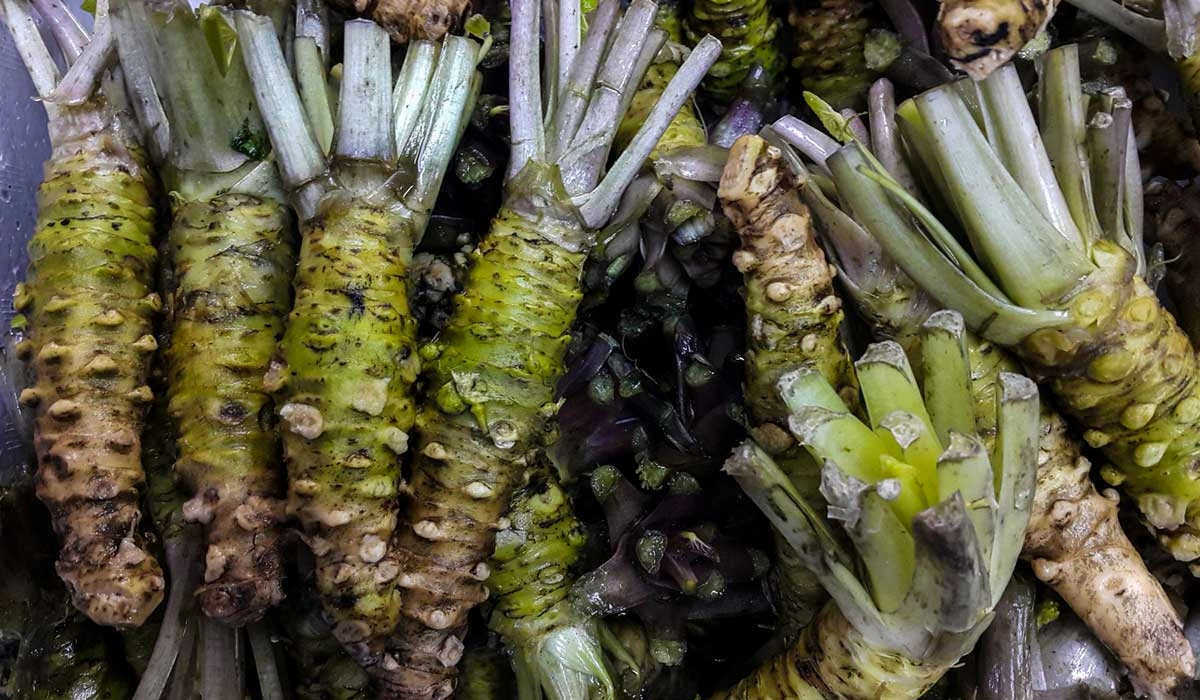
If you want to purchase authentic roots for home cooking, knowing how to select and store them is essential.
Because fresh rhizomes are perishable, proper handling ensures you get the most flavor out of your investment.
Purchasing Tips
- Look for firm, heavy roots with bright green tops and no soft spots.
- Buy from reputable specialty grocers or direct-from-farm importers who ship in refrigerated packaging.
- Avoid limp or dried-out roots, as their essential moisture and volatile oils have already degraded.
Proper Storage Methods
- Wrap the unpeeled root tightly in damp paper towels to preserve moisture balance.
- Place the wrapped root inside an open plastic bag in the coldest part of your refrigerator.
- Wash the root in cold water every two days, rewrapping it with a fresh damp towel each time.
Stored properly, fresh roots will stay flavorful for up to two to three weeks in your home kitchen refrigerator.
Frequently Asked Questions
Why does wasabi burn your nose instead of your tongue?
The heat comes from volatile compounds called allyl isothiocyanates. These vapors vaporize quickly in your mouth and travel straight up into your nasal passages rather than binding to heat receptors on your tongue like chili capsaicin does.
Can you grow real wasabi at home in your garden?
It is extremely difficult to grow at home because the plant requires very specific growing conditions, including shaded areas, constant cool air temperatures, and clean, running water. Most home gardeners struggle to recreate these precise mountain stream environments successfully.
How can you tell if wasabi paste is fake?
Check the ingredients list on the back of the package. If the first ingredients listed are horseradish, mustard powder, and artificial colorings like Blue 1 and Yellow 5, it is an imitation product rather than authentic grated fresh rhizome.
How long does fresh grated root retain its heat?
Freshly grated root reaches its peak flavor and heat after about five minutes. The sharp nasal kick gradually fades within twenty to thirty minutes as the volatile compounds break down when exposed to oxygen.
Is real wasabi always green?
Yes, the natural rhizome has a pale to vibrant light-green color inside. However, imitation pastes often use artificial food dyes like Yellow 5 and Blue 1 to achieve an unnaturally vivid, neon green shade.
Exploring authentic ingredients changes the way we enjoy traditional dishes every single day.
Whether you are dining out at a top restaurant or cooking at home with PraviCeler, understanding proper sushi condiments makes every meal far more satisfying.