The world’s most expensive coffees divide into two families that share nothing but their price. The first is the luxury of craft: rare varieties, celebrated farms, and auction lots where exceptional lots of Panama’s Geisha have traded at over $1,000 per pound, bought by roasters who intend to sell the cups at $75 and more.
The second is the luxury of process: the beans that have passed through an animal, the civet, the elephant, or the jacu bird, their prices built on scarcity, story, and a digestibility the marketers describe in terms borrowed from wine. Here are the seven that define the ceiling.
1. The Gesha Auction Records: $1,000 and Above Per Pound
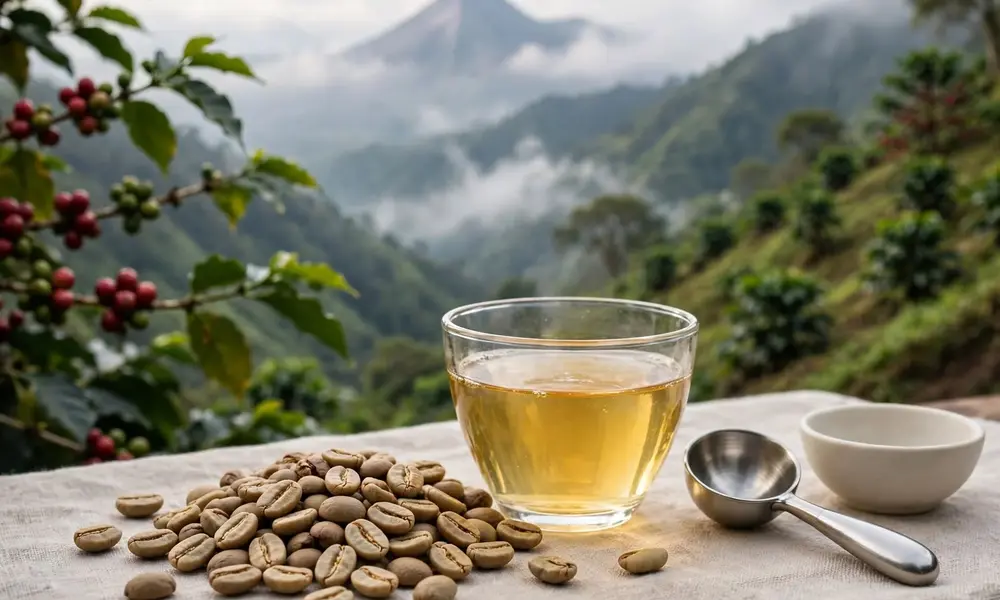
Panama’s Hacienda La Esmeralda and its imitators have pushed the Geisha variety’s auction lots past $1,000 per pound repeatedly, with the best of the Best of Panama auctions setting records that the trade press covers like wine.
The variety’s jasmine and bergamot aromatics, discovered in Ethiopia but perfected on Panama’s volcanic slopes, justify the prices in the cup, and the category’s buyers are serious roasters and cafés whose clientele will pay the cup premium. This is the credible ceiling: coffee priced as agriculture of the highest distinction.
2. Kopi Luwak: $100 to $600 Per Pound
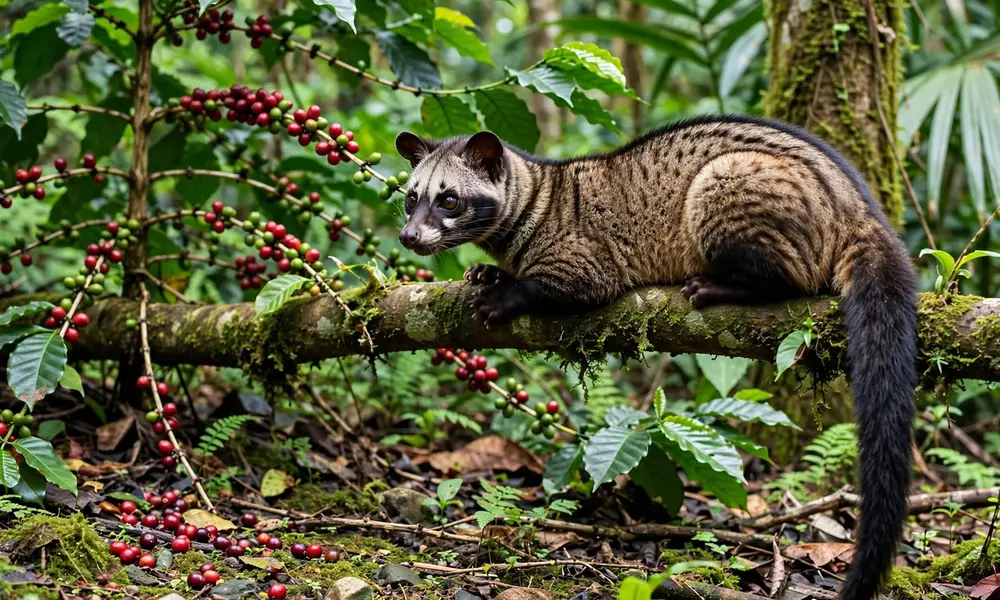
The civet coffee of Indonesia, its cherries eaten by the Asian palm civet, fermented in the animal’s digestion, and collected from the forest floor: the original luxury of process, priced on scarcity and story, and shadowed by the industry it created.
Authentic wild sourced kopi luwak is genuinely rare; most of the market is farmed under conditions that the ethical consumer cannot inspect, and the category’s defense is that the cup, earthy and smooth, is rarely the point of the purchase. The buyer pays for the sentence, civet digested, more than the flavor.
3. Black Ivory: $1,000 to $2,000 Per Pound
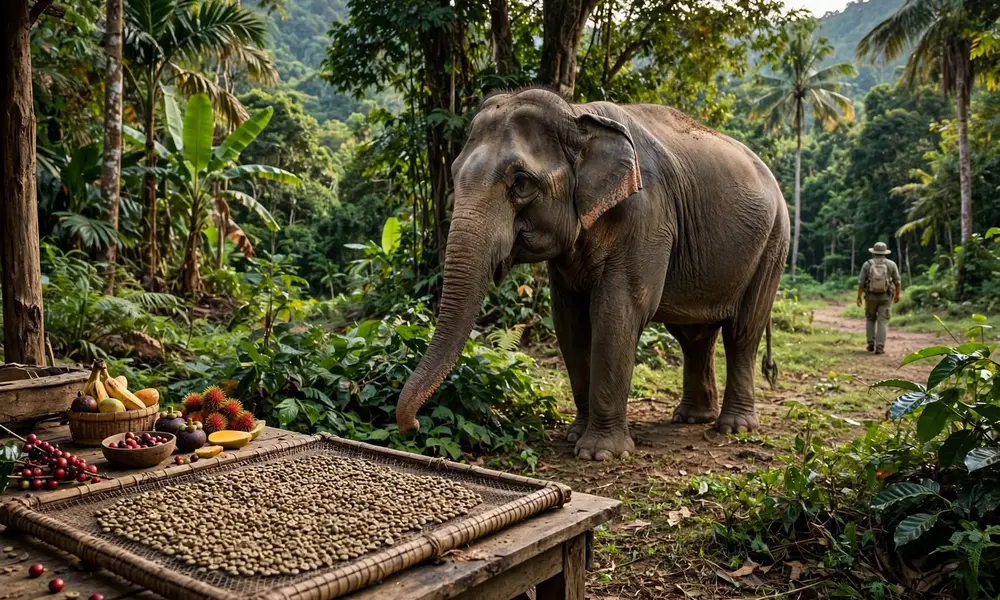
The Thai process that replaced the civet with the elephant: cherries fed to elephants at the Golden Triangle Asian Elephant Foundation, retrieved from the dung after digestion, and processed in tiny quantities that price among the world’s most expensive.
The elephant’s digestion breaks down the coffee’s proteins in ways the cup describes as chocolate and cherry without bitterness, and the operation’s conservation funding gives the purchase a philanthropy the marketing leads with. Black Ivory is the process luxury’s most defensible iteration: expensive, rare, and pointed at a purpose.
4. El Injerto and the Guatemalan Grand Crus
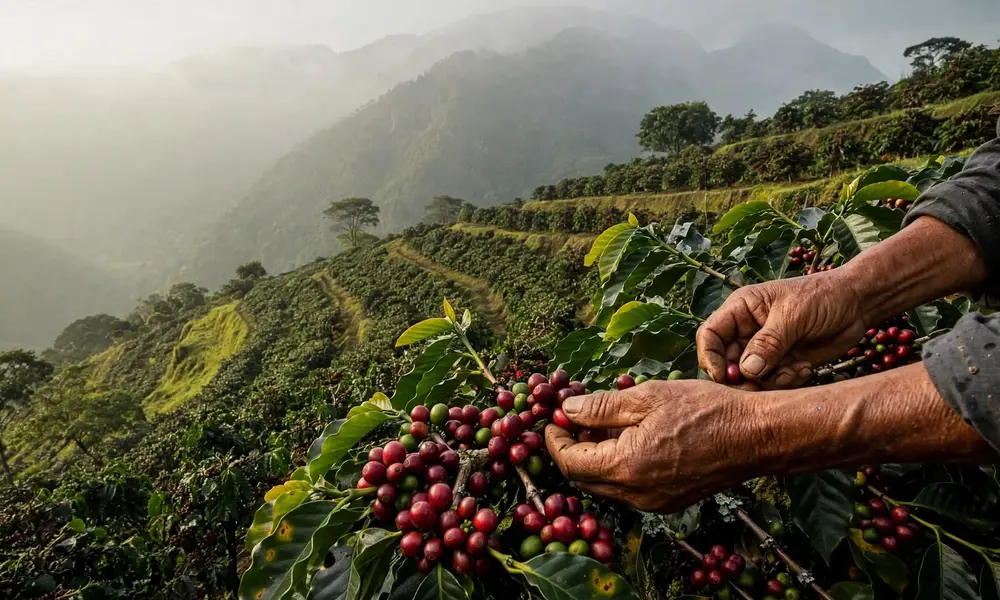
The Guatemalan farm’s auction lots have repeatedly challenged the Geisha records, with legendary lots of its Pacamara and Bourbon varieties passing $500 and approaching $1,000 per pound at the Cup of Excellence auctions.
El Injerto’s prices certify that the auction market has matured beyond a single variety, and the farm’s volcanic micro lots represent coffee’s terroir argument at its most articulate: that a specific slope, processed with obsessive specificity, produces a cup no other address can.
5. Saint Helena: $80 to $150 Per Pound
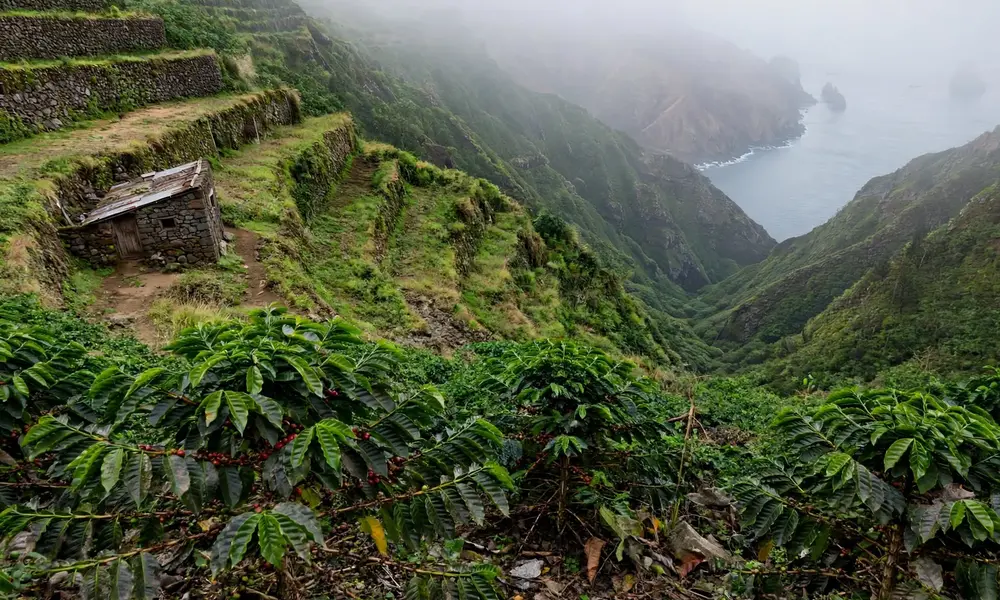
The coffee of Napoleon’s exile, grown on the remote South Atlantic island where the emperor reportedly asked for it on his deathbed: the variety, a green tipped Bourbon brought from Yemen in the eighteenth century, survived on Saint Helena in isolation, and the island’s tiny production prices on the story and the genuine cup quality in roughly equal parts.
The logistics, everything imported and exported by the island’s ship schedule, keep production small and the romance intact.
6. Finca Elida and the Panama Micro Lots
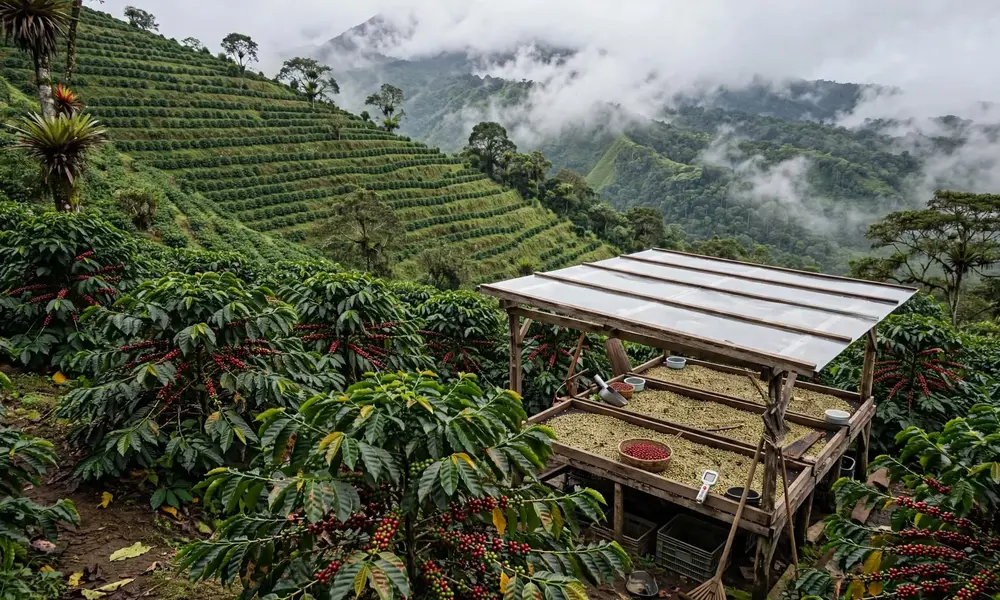
The farm that shares the Geisha fame with La Esmeralda, its high altitude lots from the Volcán Baru slopes setting auction records of their own and certifying that the Geisha premium reflects the farms as much as the variety.
Elida’s lots represent the auction market’s maturation: multiple farms, multiple records, and a buyer community of roasters who cupped the lots blind before bidding, the discipline that separates coffee’s top tier from the process coffees’ story pricing.
7. The Cup as Destination
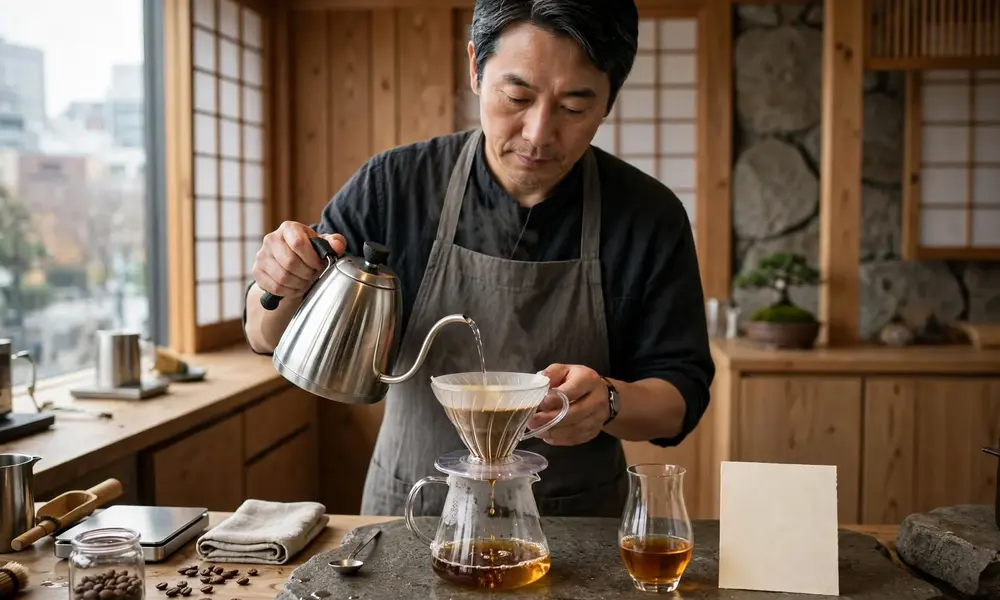
The seventh entry is the service itself: the cafés in Tokyo, Dubai, and New York serving the record lots at $75 to $150 per cup, brewed one at a time in glass, with the lot’s farm, altitude, and auction price printed on the menu card.
The cup has become a destination the way the tasting menu did, and the clientele crossing town for a $100 cup of coffee is the same clientele that books the three stars, purchasing distinction in the smallest denominations luxury offers.
What the Prices Teach
The seven compress into the category’s central distinction: coffee that is expensive because of what it is, the Geisha and micro lot auctions, and coffee that is expensive because of what happened to it, the civet, elephant, and bird processes.
The first family appreciates with the market’s education; the second depends on the story’s durability. The serious cuppers’ advice, to drink the auction lots first and the process coffees once, is also the investor’s: in luxury, as in everything else, the content outlasts the anecdote.
FAQs
1. What is the most expensive coffee in the world?
The Geisha auction lots of Panama, which have passed $1,000 per pound at the Best of Panama auctions, hold the credible record, with Black Ivory and authentic wild kopi luwak pricing high on process scarcity.
2. Is kopi luwak ethical?
Authentic wild collected kopi luwak is rare; much of the market is civet farming under conditions difficult to verify. Ethical buyers prefer the transparent processes or avoid the category, and the certification schemes remain imperfect.
3. Is elephant coffee real?
Yes: Black Ivory operates in Thailand with a documented process, feeding cherries to elephants and processing the retrieved beans in tiny batches, with proceeds supporting elephant conservation.
4. What does Gesha coffee taste like?
Jasmine, bergamot, stone fruit, and a tea like clarity that reviewers describe as unlike other coffee: the aromatics, first noted in Ethiopia, that the Panama farms perfected and the auctions priced.
5. Why are these coffees so expensive?
Scarcity, auction competition among specialist roasters, and in the process coffees, story and labor costs. The Geisha lots are agriculture of distinction; the process coffees are luxury goods wearing agriculture’s clothes.
6. Can you buy these coffees retail?
The auction lots appear at specialty cafés as brewed service more often than as beans, and the process coffees sell through luxury channels; at these prices, the supply chain prefers the cup to the shelf.
7. Is expensive coffee worth it?
The auction lots reward the palate in proportion to their quality, per the cuppers who bid blind. The process coffees reward the anecdote. The distinction is the category’s whole lesson.
8. What should a first buyer try?
A cup of a named Geisha lot from a roaster who prints the farm and altitude, served as a filter brew: the education in what the top of the category actually tastes like, at a price that buys the cup rather than the legend.