Key Takeaways
- Oral posture technique resting the entire tongue against the palate.
- Popularized online as a non-surgical way to redefine facial aesthetics.
- Claims include sharper jawlines, improved nasal breathing, and better alignment.
- Scientific proof remains limited; professional orthodontic guidance is recommended.
Have you ever caught yourself staring at your profile in the mirror and wondering how to sharpen your jawline without expensive treatments? You are definitely not alone.
Social media feeds are flooded with viral transformation videos showcasing mewing, a simple tongue-posture habit that claims to completely redefine your lower face.
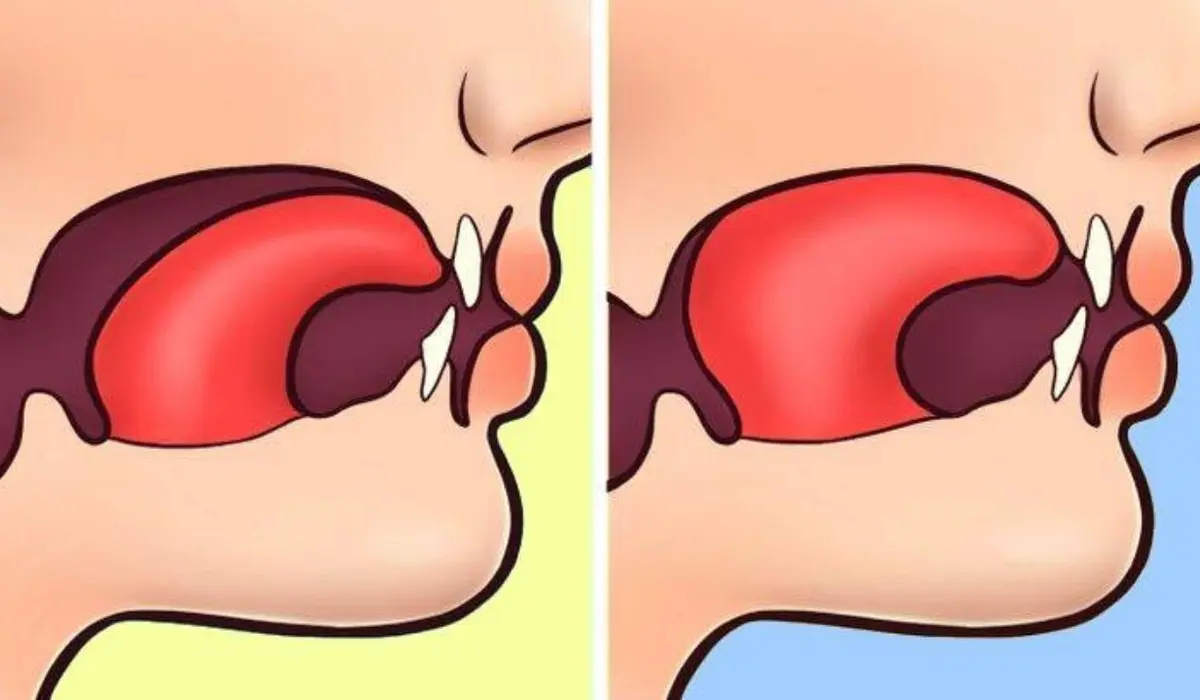
At its core, mewing is the practice of resting your entire tongue, including the back portion, flat against the roof of your mouth while keeping your lips sealed and teeth gently touching.
Originally developed in the field of orthotropics, this habit has exploded across digital platforms as one of the biggest viral jawline trends of the decade.
At PraviCeler, we love diving into popular lifestyle trends to unpack what is real, what is hype, and what you actually need to know before trying it yourself.
AI Overview
Mewing is a technique focused on maintaining proper oral posture by resting the entire tongue flat against the roof of the mouth. Popularized online as a DIY approach to enhance facial aesthetics, proponents claim it reshapes the jawline and improves breathing. While it encourages good posture, evidence supporting dramatic structural changes in adults is limited, making realistic expectations essential.
The Origins Behind the Craze
Where did this viral practice actually come from before it dominated social media algorithms? The technique traces back to Dr. John Mew and his son, Dr. Mike Mew, two British orthodontists who practiced a concept known as orthotropics.
Orthotropics focuses on guiding facial growth in children by altering mouth posture, chewing habits, and swallowing patterns.
Traditional orthodontics typically relies on braces or aligners to move crooked teeth into straight positions. In contrast, orthotropics attempts to expand the upper jaw naturally by training the tongue to exert continuous outward pressure.
When internet communities discovered these principles, the idea transformed almost overnight.
Short-form videos turned complex dental theories into easy-to-digest viral challenges. Suddenly, teenagers and adults worldwide were practicing proper tongue placement in hopes of achieving a chiseled profile.
At PraviCeler, we find it fascinating how niche medical concepts quickly morph into massive global cultural movements.
How Proper Tongue Posture Works
Understanding the basic mechanics makes it much easier to evaluate whether this habit fits into your daily routine. Proper posture is less about pushing hard and more about building a consistent, natural rest state for your mouth.
| Posture Element | Incorrect Habit | Proper Rest State |
| Tongue Position | Resting on the floor of the mouth | Pressed flat against the palate |
| Back of Tongue | Dropped down toward the throat | Engaged against the soft palate |
| Lips State | Slightly parted or open | Gently sealed together |
| Teeth Alignment | Clenched tightly or far apart | Lightly touching without pressure |
| Breathing Route | Habitual mouth breathing | Consistent nasal breathing |
Finding the Right Spot
To find the correct position, say the word “sing” and hold the sound at the very end. Notice how the back third of your tongue automatically lifts up against the roof of your mouth.
That contact point is where your tongue should comfortably rest all day long.
Your teeth should remain lightly together or slightly apart, but never clenched tightly. Clenching your jaw can create unnecessary muscle tension, leading to headaches and joint pain over time.
Nasal Breathing Benefits
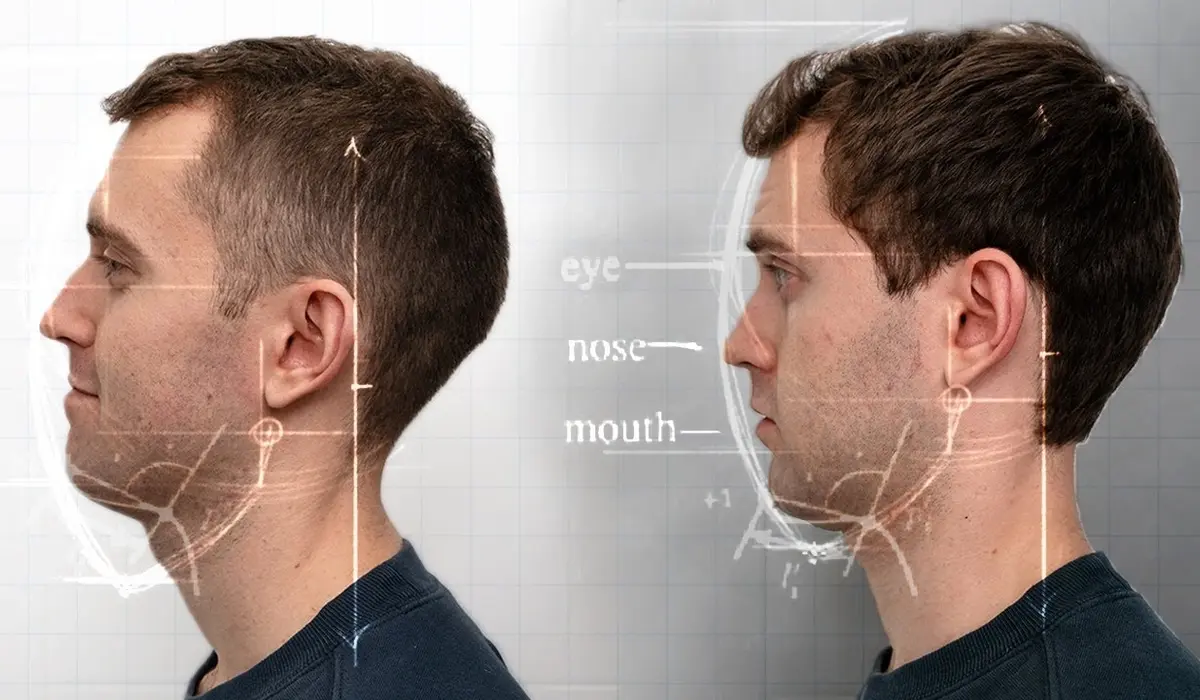
One of the biggest advantages of maintaining this posture is that it naturally forces you to breathe through your nose instead of your mouth.
Nasal breathing filters incoming air, humidifies oxygen, and boosts overall respiratory efficiency.
Switching away from habitual mouth breathing supports overall oral health by keeping your mouth moist, which helps prevent dry mouth, bad breath, and cavity formation.
Understanding the Claimed Mewing Benefits
Why are so many people committed to re-training their tongue position every single day? Proponents point to several potential physical and health improvements.
The primary driver behind its popularity is the promise of enhanced facial aesthetics. People hope that constant upward tongue pressure will push the maxilla, the upper jawbone, upward and forward over extended periods.
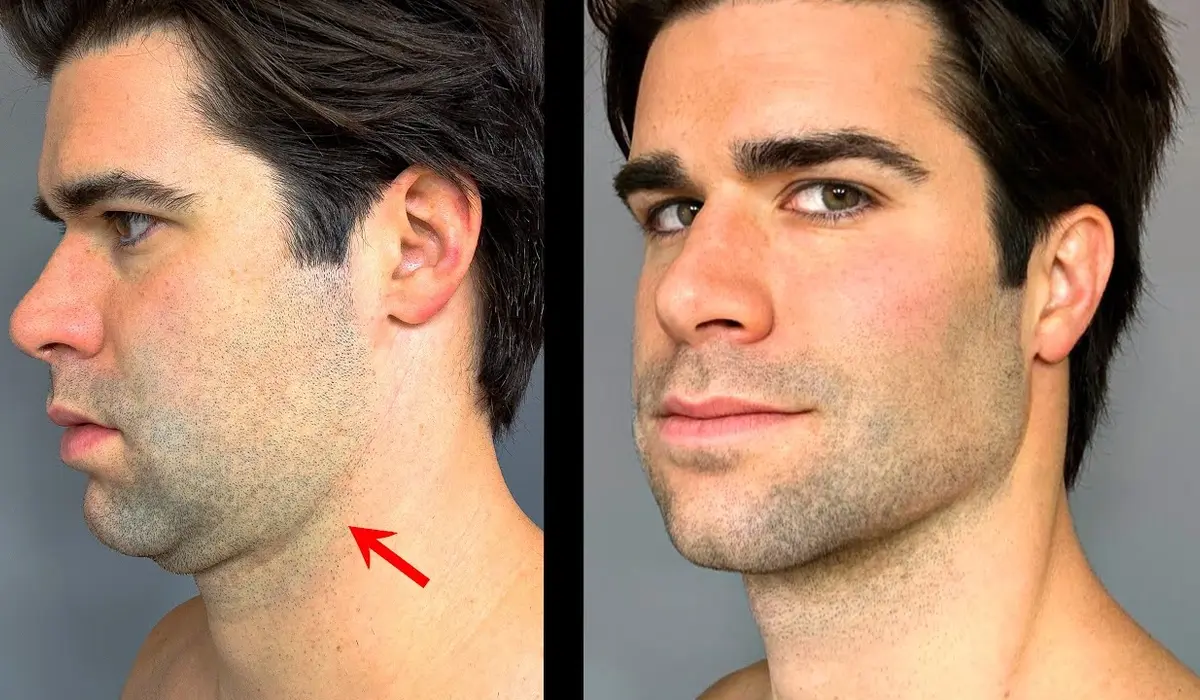
- Defined Jawline: Tightening the muscles under the chin creates an immediate visual lifting effect on your side profile.
- Cheekbone Prominence: Supporting the upper jaw structure may help lift facial features visually.
- Improved Breathing: Encouraging consistent nose breathing clears airway passages and improves airflow.
- Better Swallowing: Training the tongue to push against the palate restores natural swallowing mechanics.
While these claimed mewing benefits sound incredibly appealing, it is important to separate immediate muscle engagement from permanent bone movement.
The instant tightening you see under your chin when you lift your tongue is simply muscle activation, much like flexing a bicep in the mirror.
Reality Check: What Does Science Say?
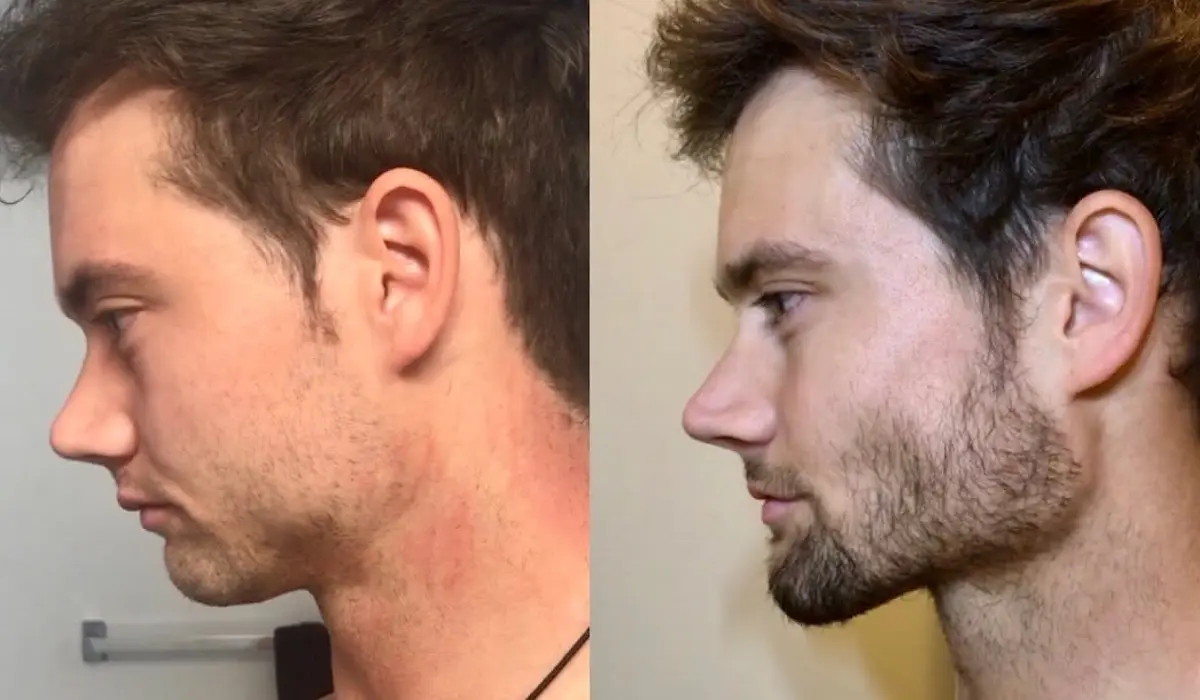
Can adults actually change their underlying facial bone structure just by changing where their tongue rests? Based on available data, the scientific consensus suggests significant caution regarding dramatic physical changes.
During childhood and early adolescence, facial bones are still growing and highly malleable.
During these formative years, consistent tongue posture and proper chewing habits generally influence how the jaw and dental arches develop.
Once you reach adulthood, however, your facial bones fuse and become largely set in place.
| Age Category | Bone Malleability | Expected Structural Impact | Primary Mechanism |
| Children (under 12) | High | Potential bone growth guidance | Natural development & orthotropics |
| Teens (13-18) | Moderate | Minor guidance possible | Active growth phase |
| Adults (19+) | Very Low | Minimal to no bone movement | Soft tissue & muscle tone only |
For adults, estimated changes in underlying bone structure through posture alone are extremely minimal.
Most dramatic transformation photos shared online are generally attributed to lighting angles, natural weight loss, maturity, or subtle camera tricks rather than bone reshaping.
That does not mean practicing good posture is useless. Maintaining proper oral habits is always beneficial for your health, but expecting surgery-like results as an adult is simply unrealistic.
At PraviCeler, we believe in providing honest, clear insights so you can make informed decisions about your wellness routine.
Master the Step-by-Step Mewing Technique
If you want to try improving your oral posture safely, following the correct mewing technique is essential to avoid jaw strain or neck fatigue.
First, close your lips gently while keeping your jaw completely relaxed. Your upper and lower teeth should lightly touch or rest just millimeters apart without any grinding force.
Next, flatten your entire tongue against the roof of your mouth. Make sure you are engaging the back part of the tongue, not just pressing the tip against your front teeth.
Keep the tip of your tongue slightly behind your front teeth without actually touching them. Pressing directly against your front teeth can push them outward over time, creating unwanted gaps or misalignments.
Finally, breathe smoothly through your nose. Maintain this soft, comfortable hold throughout your daily activities until it becomes an automatic habit.
Common Mistakes and Potential Risks
Trying too hard or using incorrect form can easily lead to discomfort, tooth displacement, or joint issues.
One major mistake people make is applying excessive physical force against the palate. Mewing is meant to be a light, steady rest position, not an intense strength workout for your mouth.
Pushing too hard can cause temporomandibular joint (TMJ) strain, leading to jaw clicking, facial soreness, and chronic headaches.
Another frequent error is pressing the tongue directly against the front teeth rather than the hard palate behind them.
Over time, this constant forward pressure can push teeth out of alignment, creating issues that require professional orthodontic care to fix.
If you ever experience pain, stiffness, or joint discomfort, stop immediately and consult an orthodontist or dental specialist.
How It Compares to Other Jawline Trends
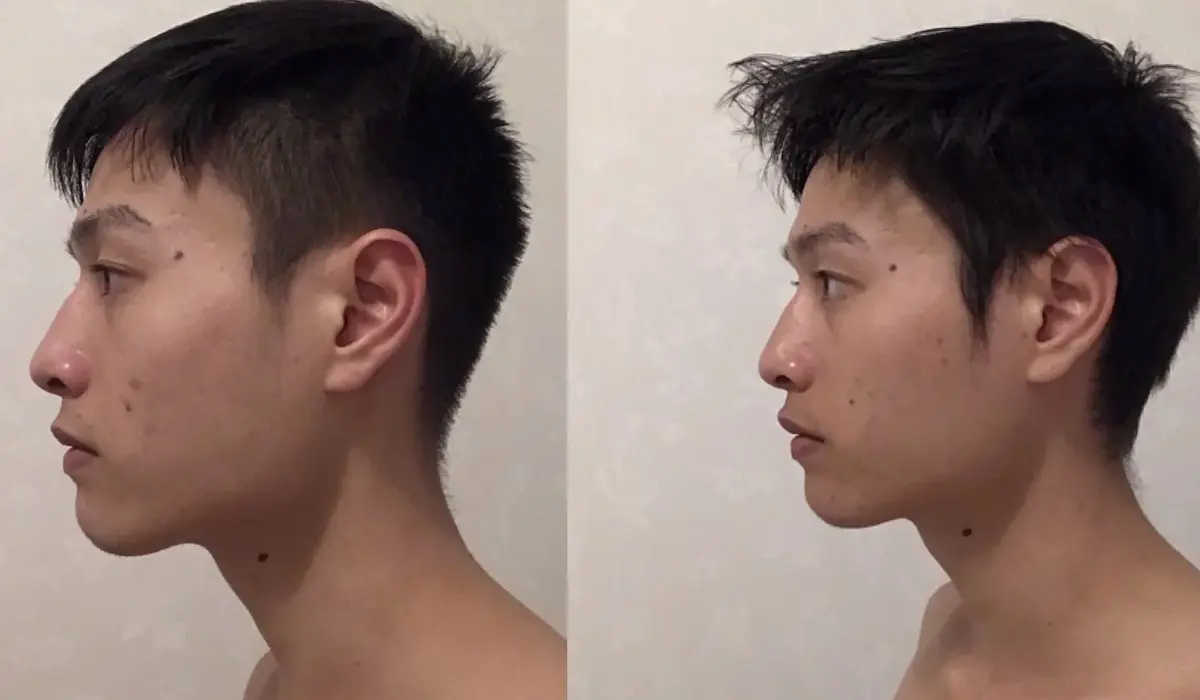
With so many cosmetic hacks circulating online, how does tongue posture stack up against rival jawline trends currently taking over social media feeds?
| Trend / Technique | Cost Level | Time Commitment | Scientific Backing |
| Oral Posture Training | Free | Daily ongoing practice | Limited for adults |
| Jaw Exercise Gum | Low | 10-20 mins daily | Mixed; risks TMJ strain |
| Guasha & Massage | Low | 5-10 mins daily | Temporary lymphatic drainage |
| Dermal Fillers | High | Every 6-12 months | Proven clinical results |
| Orthodontic Surgery | Very High | One-time procedure | Proven structural change |
Chewing hard jawline gum has become another massive viral craze. While it builds the masseter muscles along the sides of your jaw, overusing heavy gum frequently causes joint inflammation and painful teeth grinding.
Facial massage tools like Guasha stones offer temporary cosmetic benefits by reducing facial puffiness through lymphatic drainage.
However, massaged tissues quickly return to their normal state once fluid reaccumulates.
Surgical options and clinical fillers remain the only proven methods for making rapid, dramatic alterations to adult jaw structures.
Choosing natural posture habits is certainly safer and cheaper, provided your expectations remain grounded in reality.
The Verdict on Oral Posture
So, what should you take away from the ongoing conversation around mewing? Practicing proper tongue posture is undeniably a healthy, positive habit that supports natural nasal breathing and keeps your mouth aligned.
However, viewing it as a magic bullet for dramatic structural transformation will likely lead to disappointment.
Enjoying better oral posture, improved breathing, and subtle muscle engagement is great, but real structural changes in adults generally require professional medical intervention.
Focus on building healthy daily habits, listen to your body, and always consult a qualified dental professional when exploring major structural goals.
Frequently Asked Questions
What is the main purpose of mewing?
Mewing aims to improve oral posture by resting the tongue against the palate. Practitioners hope it enhances facial structure, jaw definition, and nasal breathing.
How long does it take to see results?
Visible changes depend on age, consistency, and genetics. Minor muscle tone improvements may appear in months, but adult structural changes are generally minimal.
Can mewing cause jaw pain or teeth damage?
Yes, pressing too hard or pushing against front teeth can cause joint strain, TMJ issues, head pain, and dental misalignment. Always use soft pressure.
Is mewing backed by scientific evidence?
While proper tongue posture supports health, scientific evidence proving it reshapes adult facial bones is limited. Most experts advise consulting an orthodontist first.