
Key Takeaways
- Edible capelin fish eggs popular in Japanese cuisine
- Mild salty flavor with a light crunchy texture
- Packed with omega-3 fatty acids and protein
- Versatile garnish for rolls, bowls, and pasta dishes
Have you ever ordered a California roll and wondered what those tiny bright orange specks rolled all over the outside were? You are definitely not alone! Those tiny, colorful beads are masago, an extremely popular ingredient that adds texture, color, and a subtle oceanic crunch to your favorite Japanese dishes.
Simply put, masago is the edible roe (eggs) of the capelin fish, a small ocean fish found in the cold waters of the North Atlantic and Pacific Oceans. It has a mild, slightly salty taste with a faint sweetness that complements savory dishes beautifully without overpowering them. At PraviCeler, we love exploring culinary ingredients that bring restaurant-quality flair right into your home kitchen!
AI Overview
Masago is the edible roe harvested from capelin fish, widely used across Japanese cuisine. Known for its small size, pale orange hue, and delicate crunch, it serves as a versatile accent for sushi rolls, rice bowls, and creamy sauces. Rich in omega-3s and lean protein, it provides a easy way to elevate home meals with vibrant visual appeal and mild oceanic flavor.
What Exactly Is Masago Roe?
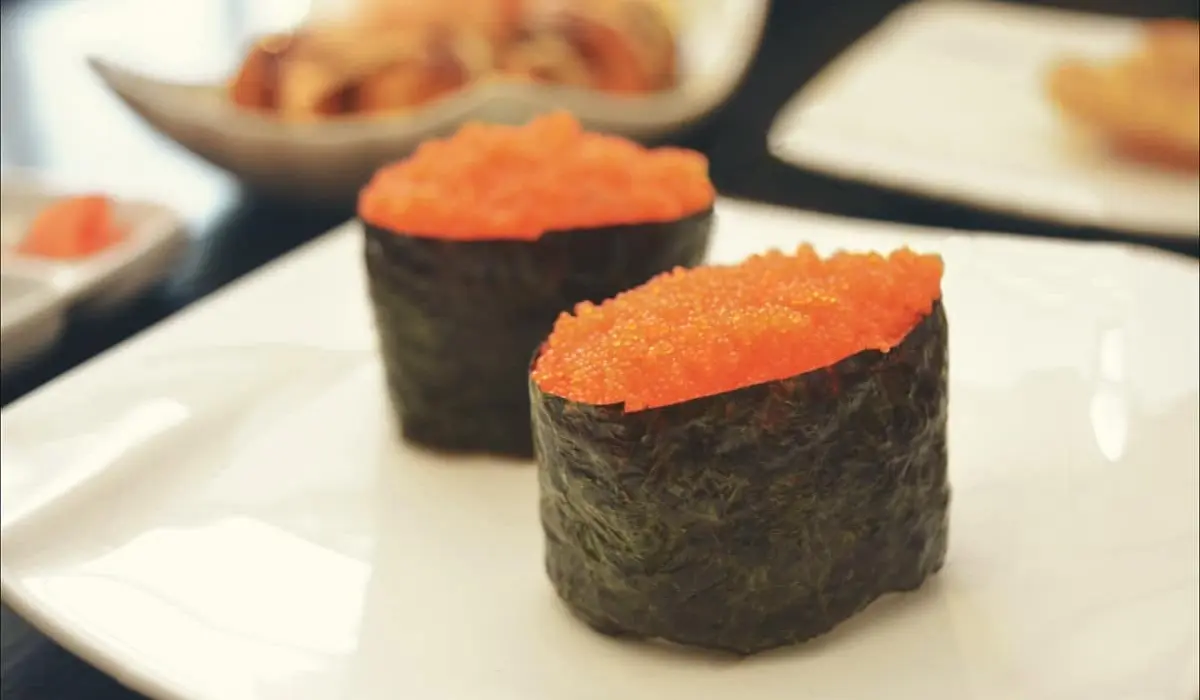
To really understand this ingredient, it helps to know where it comes from. The capelin fish belongs to the smelt family. Because these fish are abundant in northern ocean waters, harvesting their eggs is sustainable and affordable compared to other types of caviar.
In its natural state, masago roe actually has a very pale yellow or clear appearance. The bright orange, red, or even black colors you see at restaurants come from natural food dyes added during processing. Chefs use these vibrant colors to make rolls pop on the plate.
When you take a bite, you will notice the eggs are quite small much smaller than salmon roe (ikura). They offer a soft, subtle pop rather than a dramatic burst of liquid.
Masago vs Flying Fish Roe vs Other Varieties
It is super common to confuse different types of fish eggs when dining out. Many people mistake masago roe for tobiko, which comes from flying fish. While they look similar at a glance, they have distinct differences in size, texture, and price.
| Feature | Masago | Tobiko (Flying Fish Roe) | Ikura (Salmon Roe) |
| Fish Source | Capelin (Smelt family) | Flying fish | Salmon |
| Egg Size | Very small (1 mm) | Medium (1.5–2 mm) | Large (5–8 mm) |
| Texture | Light, delicate crunch | Firm, distinct snap | Juicy, explosive pop |
| Flavor Profile | Mildly salty, faint sweetness | Smoky, salty, slightly sweet | Rich, savory, deeply oceanic |
| Cost | Budget-friendly | Moderate | Premium |
Understanding these differences helps you choose the right ingredient for your home cooking projects. While flying fish roe offers a bigger crunch, capelin eggs provide a gentler texture that blends seamlessly into sauces and toppings.
The Role of Masago in Sushi Creation
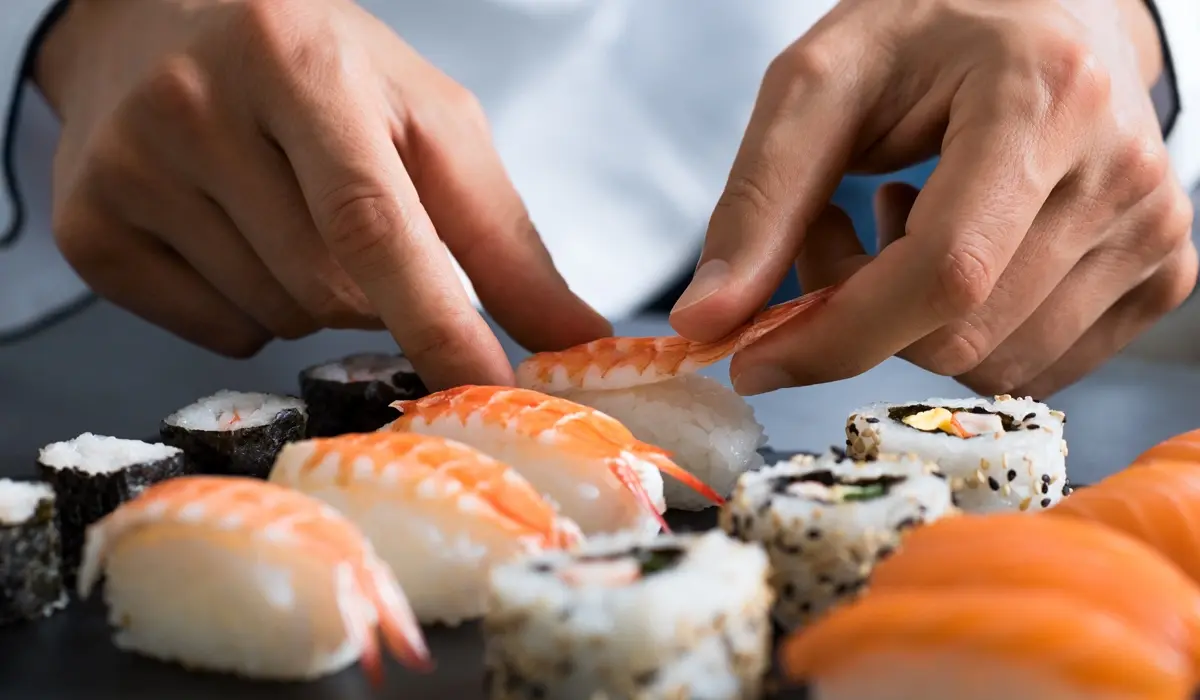
If you love making rolls at home, you already know how important presentation is. Using masago sushi techniques can instantly elevate a plain roll into a showstopping dish.
It is commonly used on “inside-out” rolls (uramaki), where the rice is on the outside. Rolling the warm sushi rice through a tray of tiny eggs coats the exterior evenly, adding vibrant color and preventing the rice from sticking to your fingers.
It also serves as an iconic topping for gunkan maki (battleship sushi), where a strip of seaweed wraps around a rice ball to form a cup that holds a spoonful of fresh toppings.
Creative Ways to Use Masago at Home
You do not need to master rolling raw fish to enjoy this tasty ingredient in your daily routine. Here are simple ways to incorporate it into everyday meals:
- Spicy Mayo Topping: Stir a spoonful into a mixture of Japanese mayonnaise and sriracha. The eggs add a delicious crunch to the creamy, spicy sauce.
- Poké and Rice Bowls: Sprinkle a generous spoonful over warm jasmine rice, sliced avocado, cucumber, and fresh tuna or tofu.
- Gourmet Pasta Dishes: Stir it into a warm cream sauce or garlic butter pasta just before serving for a Japanese-Italian fusion dish.
- Stuffed Avocado Halves: Fill pitted avocado halves with spicy crab salad and top with a scoop of eggs for an easy, low-carb snack.
Adding these colorful eggs to simple home meals adds both texture and eye-catching style with zero extra cooking time.
Popular Sushi Topping Choices Compared
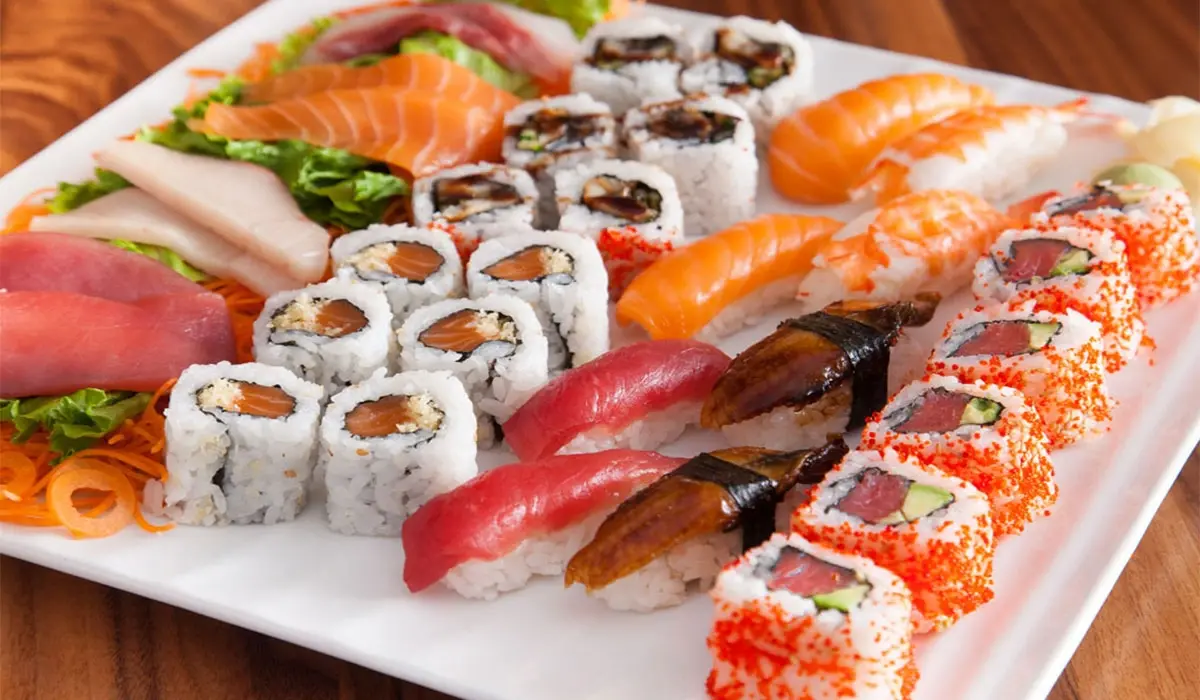
When customizing your order at a restaurant or assembling a DIY station at home, you have several sushi toppings to consider.
- Crab Salad (Kani Kama): Shredded imitation crab mixed with mayo provides a creamy, sweet base that pairs wonderfully with crunchy toppings.
- Tempura Flakes (Tenkasu): Bits of fried batter offer a deep, crispy crunch, though they absorb moisture quickly compared to fresh roe.
- Sliced Avocado: Adds rich, buttery smoothness that balances out salty or spicy flavors across various sushi toppings.
- Seared Spicy Tuna: Offers a warm, savory protein layer that contrasts nicely with chilled, crisp toppings.
Combining creamy elements like avocado or spicy mayo with crunchy sushi toppings creates that satisfying contrast everyone loves in Japanese cuisine.
Nutritional Benefits and Health Considerations
Is this vibrant ingredient good for you? Generally speaking, yes! Based on available nutritional data, fish eggs are surprisingly nutrient-dense for their tiny size.
They are packed with high-quality protein, essential vitamins like B12, and healthy omega-3 fatty acids that support heart and brain health. Because you usually consume them in small quantities as a garnish, they offer a quick boost of nutrients without adding heavy calories.
However, there are a few things to keep in mind:
- Sodium Content: Cured roe is typically processed with salt and soy sauce, so it contains moderate sodium levels.
- Added Ingredients: Commercial brands may include small amounts of high-fructose corn syrup or artificial dyes for color.
- Allergies: Anyone with a shellfish or fish allergy should strictly avoid all varieties of fish roe.
In most cases, enjoying a couple of tablespoons as part of a balanced diet is a delicious and healthy choice.
How to Buy, Store, and Handle Fish Roe
Finding fresh roe at your local grocery store can feel tricky if you do not know where to look. Here is a simple guide to buying and storing it properly:
- Check Asian Supermarkets: Look in the freezer section of Japanese or East Asian grocery stores, where it is usually sold in small plastic tubs.
- Inspect the Package: Ensure the tub is tightly sealed without excess frost buildup inside, which can signal freezer burn.
- Thaw Gently in the Fridge: Move the container from the freezer to the refrigerator overnight. Never thaw fish eggs in warm water or the microwave.
- Use Within Three Days: Once thawed, keep it refrigerated in an airtight glass jar and consume it quickly for optimal freshness.
If you purchase a large container, you can spoon portion-sized amounts into ice cube trays and freeze them. That way, you only thaw what you need for a single dinner!
Why Flying Fish Roe and Capelin Roe Rule the Culinary World
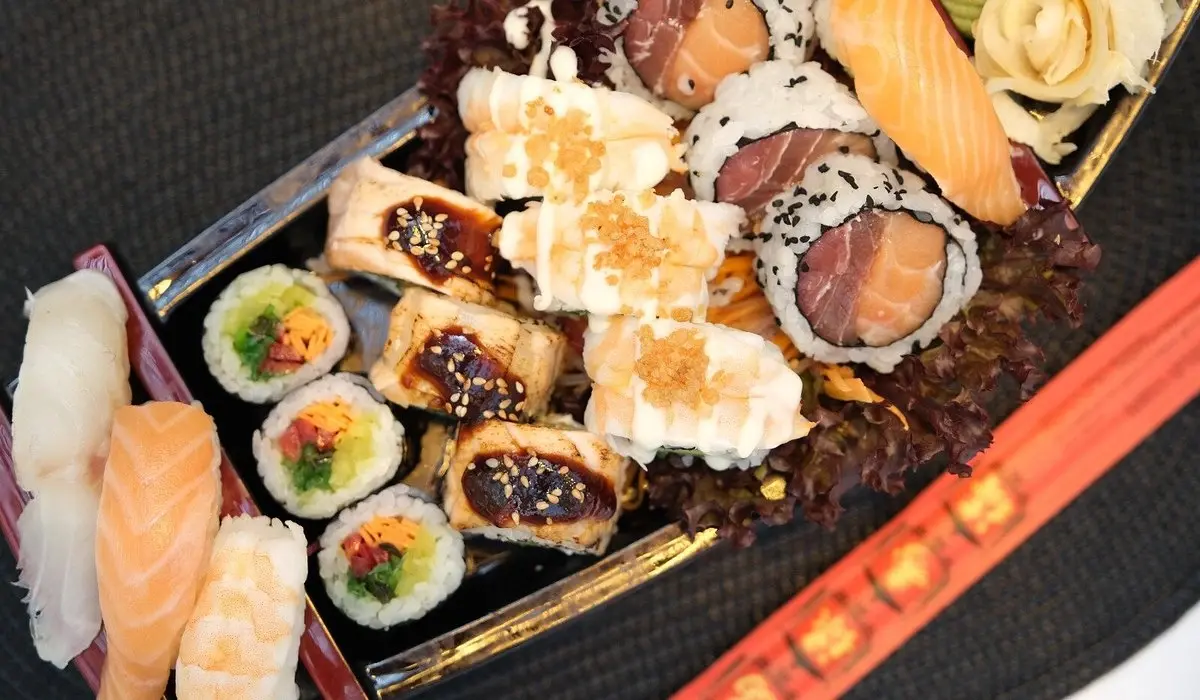
Both flying fish roe and capelin roe have conquered menus worldwide because they bridge the gap between luxury and everyday dining. Traditional sturgeon caviar can cost hundreds of dollars per ounce, making it an impractical choice for casual weeknight dinners.
Capelin roe provides that luxurious caviar aesthetic at a tiny fraction of the price. Restaurant chefs rely on it to make dishes visually stunning, while home cooks love how easy it is to use without special training.
At PraviCeler, we believe that exploring new ingredients keeps cooking fun and inspiring. Trying out new sushi toppings at home is a fantastic way to stretch your culinary comfort zone without spending a fortune.
Conclusion
Understanding what masago is opens up a world of fun, colorful cooking ideas right in your own kitchen. Whether you are rolling homemade masago sushi, garnishing a poké bowl, or mixing up a spicy mayo sauce, this versatile ingredient brings bright color and delightful texture to every plate.
Stock up on your next trip to the market, experiment with your favorite sushi toppings, and let PraviCeler guide you toward your next delicious culinary adventure!
Frequently Asked Questions
What does masago taste like?
It has a mild, slightly salty flavor with a faint hint of sweetness and a clean, light oceanic taste.
Is masago the same as tobiko?
No, masago comes from capelin fish and is smaller, while tobiko comes from flying fish and has a firmer crunch.
Can you eat masago raw?
Yes, it is traditionally cured and safe to eat raw straight from the package on sushi, bowls, or salads.
How long does masago last in the fridge?
Once thawed, it stays fresh in an airtight container in the refrigerator for about three to four days.