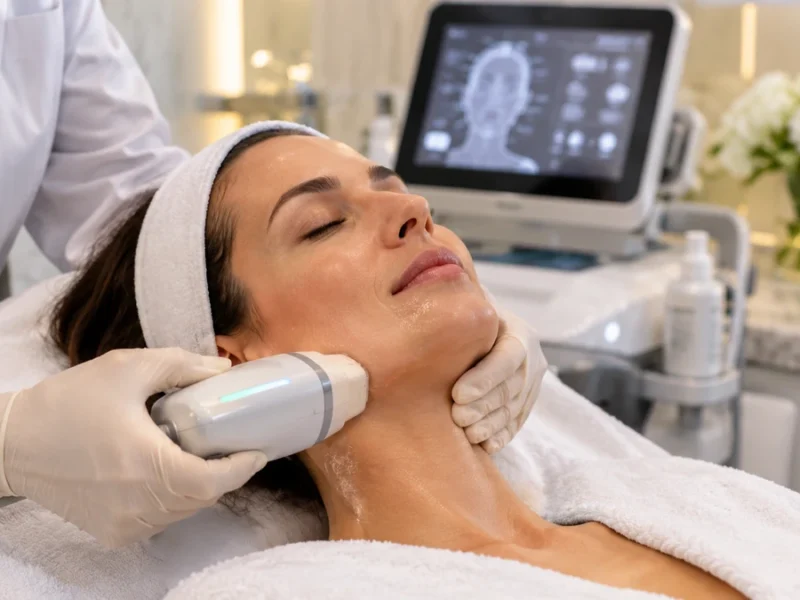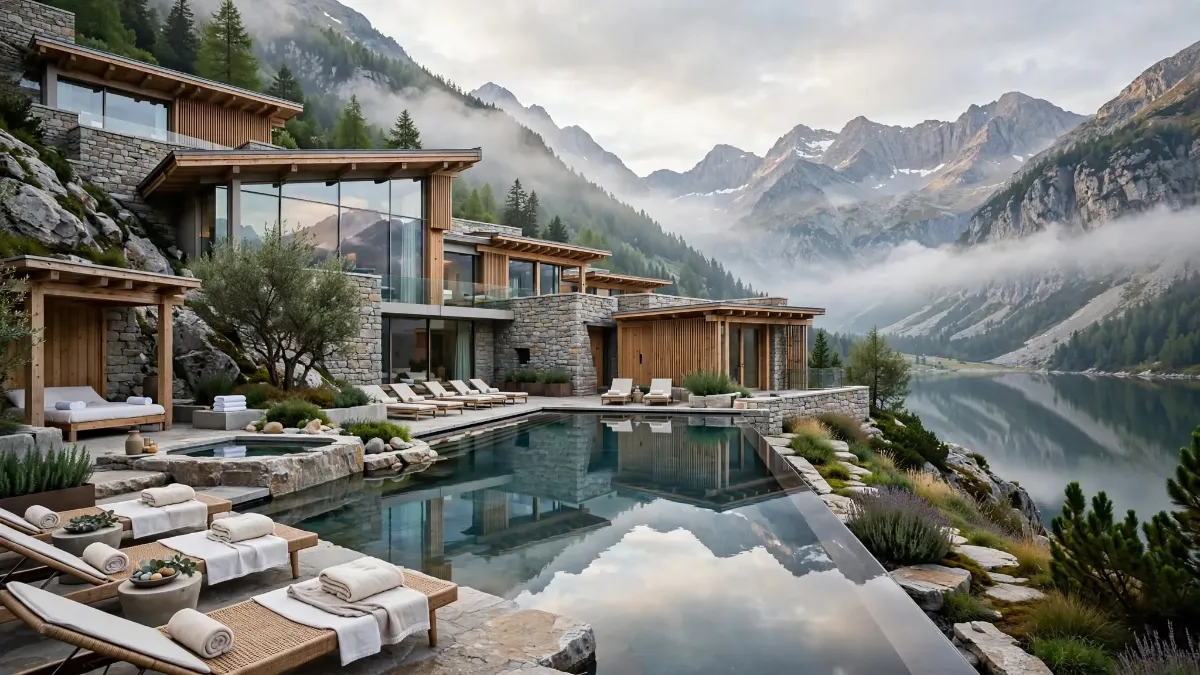
Luxury wellness retreats have become the modern pilgrimage, the place where the world’s most driven people go when the spreadsheet of their life stops balancing. A founder I know describes his annual retreat week with the reverence others reserve for religious observance.
I do not go to be pampered, he told me. I go to be disassembled and reassembled, and I return with blood panels, a sleep protocol, and the unsettling knowledge of exactly what my stress was doing to me.
His description captures the category’s evolution: today’s great retreats are medical grade institutions wrapped in resort luxury, where doctors, nutritionists, and therapists outnumber the massage tables, and where the typical guest arrives exhausted and leaves with data. These seven represent the global summit of the reset, each with a distinct philosophy, and each worthy of the journey.
1. Clinique La Prairie, Montreux, Switzerland
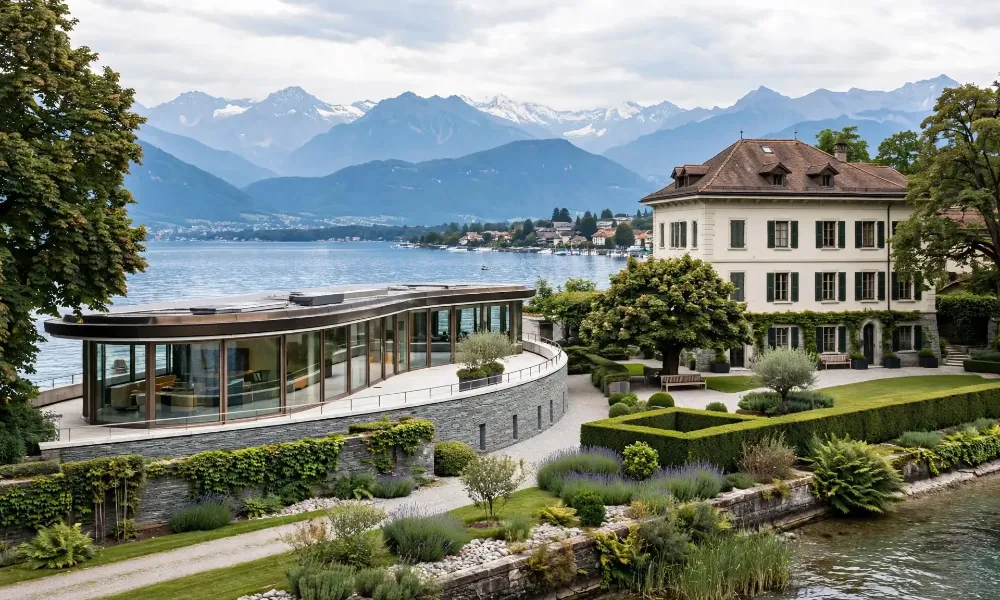
Clinique La Prairie is the original longevity clinic, founded in 1931 on the shores of Lake Geneva and famous since for its cellular therapy and its clientele of monarchs, artists, and heads of state.
The modern institution blends a full medical center with a luxury hotel: week long programs combine comprehensive diagnostics, genomic and longevity assessments, medical supervision, nutrition protocols, and spa therapies, all delivered with Swiss precision and discretion.
Programs run from roughly 10,000 to over 30,000 dollars for the signature revitalization weeks, accommodation and treatment inclusive, and the waiting list reflects a reputation built over nine decades. For guests whose reset is as much medical as spiritual, La Prairie remains the reference, and it anchors any wellness journey through the grand destinations of European luxury travel.
2. SHA Wellness Clinic, Spain and Mexico
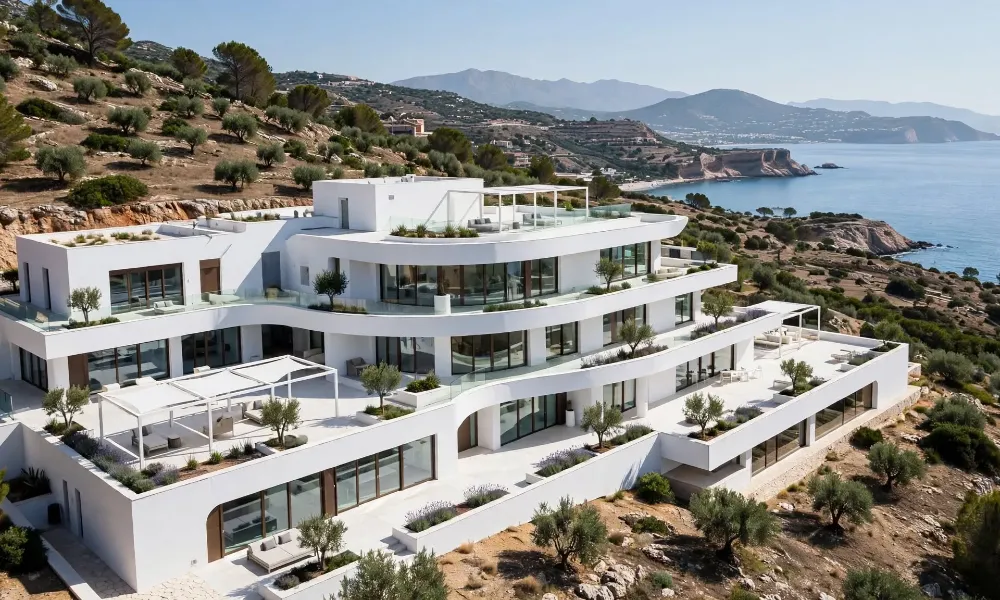
SHA, founded on Spain’s Costa Blanca and now with a celebrated sister property on Mexico’s Riviera Maya, built its reputation on the integration of Western diagnostics with Eastern practice.
Guests arrive for programs targeting weight management, detox, sleep, stress, or longevity, and receive a protocol built from medical testing, macrobiotic inspired cuisine, acupuncture, and a schedule that keeps days full and phones pocketed.
The architecture alone resets the nervous system: white curves above the Mediterranean and, in Mexico, mangrove wrapped towers of sustainable design. Weekly programs typically run from around 5,000 to 15,000 dollars depending on intensity, excluding accommodation, and SHA’s methodology, teaching guests the habits rather than merely delivering the treatments, produces the category’s most devoted alumni.
3. Lanserhof, Austria and Germany
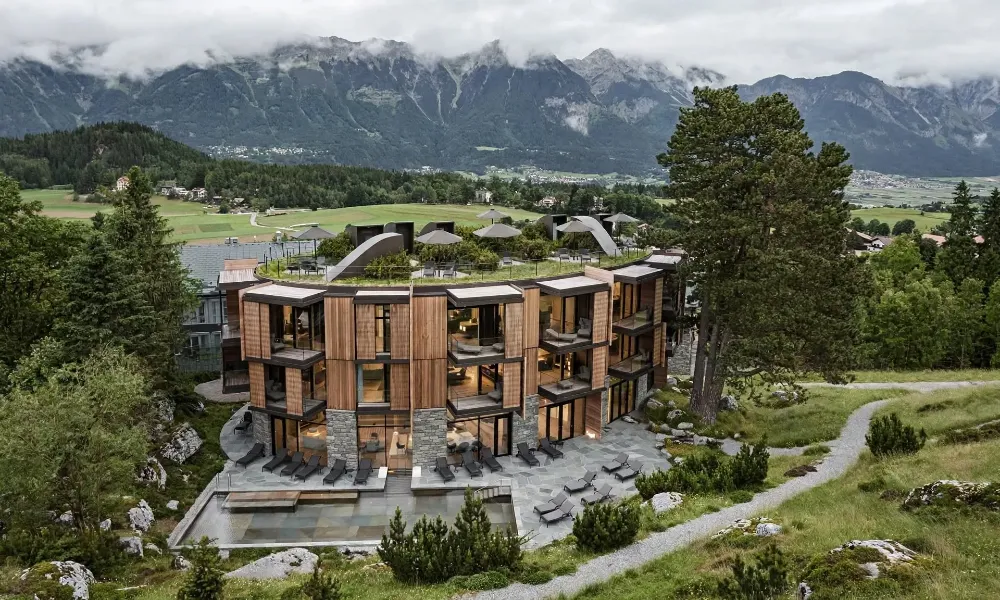
Lanserhof approaches the reset as medicine, full stop. The group’s clinics, led by the Lans in the Tyrol and the striking Sylt and Tegernsee properties, practice the Lans Med Concept, a modern evolution of the Mayr cure centered on gut health, fasting, and regeneration under full medical supervision.
Days begin with blood work and doctors’ rounds, continue through therapies, movement, and carefully rationed cuisine, and end in silence and early nights.
The discipline is genuine: caffeine and alcohol vanish, meals are sparse by design, and guests describe the first three days as a trial and the seventh as a revelation. Weekly programs with accommodation typically run from around 8,000 to 20,000 dollars. Lanserhof attracts executives and athletes who want their reset administered like a prescription, because that is exactly what it is.
4. Chenot Palace Weggis, Switzerland
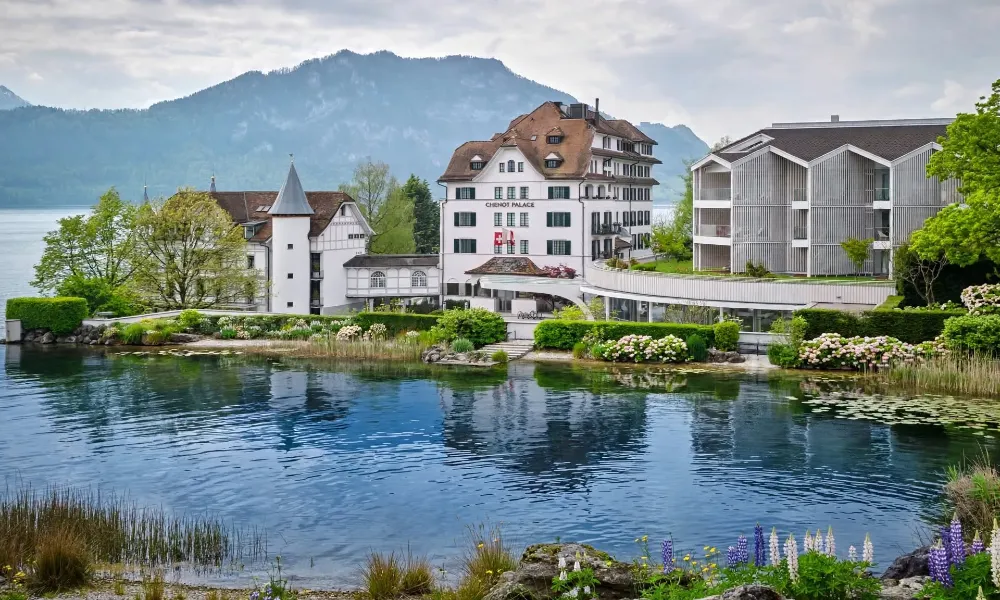
Chenot Palace on Lake Lucerne represents the newest standard in detox science, a purpose built palace where the Chenot Method combines diagnostics, hydro and cryotherapy, and a plant based detox diet calibrated to the gram.
The property is unabashedly luxurious, with suites overlooking the lake and a medical wellness department that functions like a research institute, measuring everything from metabolic age to arterial stiffness.
Week programs typically run from around 10,000 to 25,000 dollars all inclusive. Chenot’s distinction is intensity: the detox is real, the measurements are clinical, and the results, guests report, are visible on the scale, the skin, and the blood panel. It suits the data driven guest who wants their transformation quantified.
5. The Golden Door, California
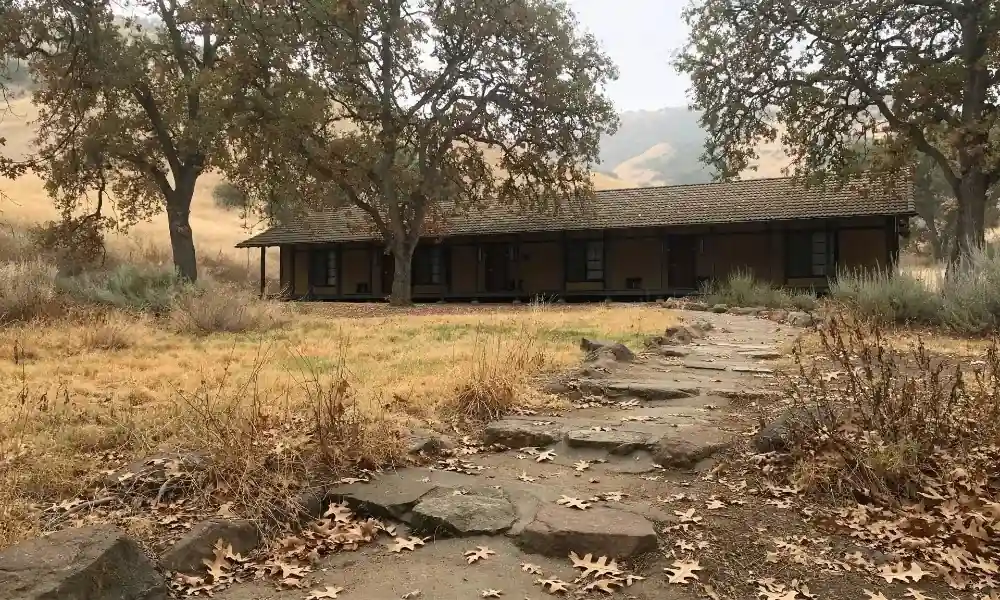
The Golden Door in Escondido, California, is the American original: a Japanese inspired retreat on 600 acres that has hosted Hollywood and power since 1958. The all inclusive week assigns every guest a personal trainer, daily massages, farm to table cuisine grown on the property, hikes at dawn, and a schedule of mindfulness and movement that fills each day completely.
Groups are capped at forty guests, and the men only, women only, and co ed weeks create distinct communal bonds.
The week runs around 10,000 dollars all inclusive, and the Golden Door’s particular magic is its culture: guests describe arriving as strangers and leaving as something closer to a graduating class. For Americans seeking the great reset without the long haul flight, it remains the benchmark, easily reached from the finest hotels in New York and Los Angeles alike.
6. Amanpuri, Phuket, Thailand
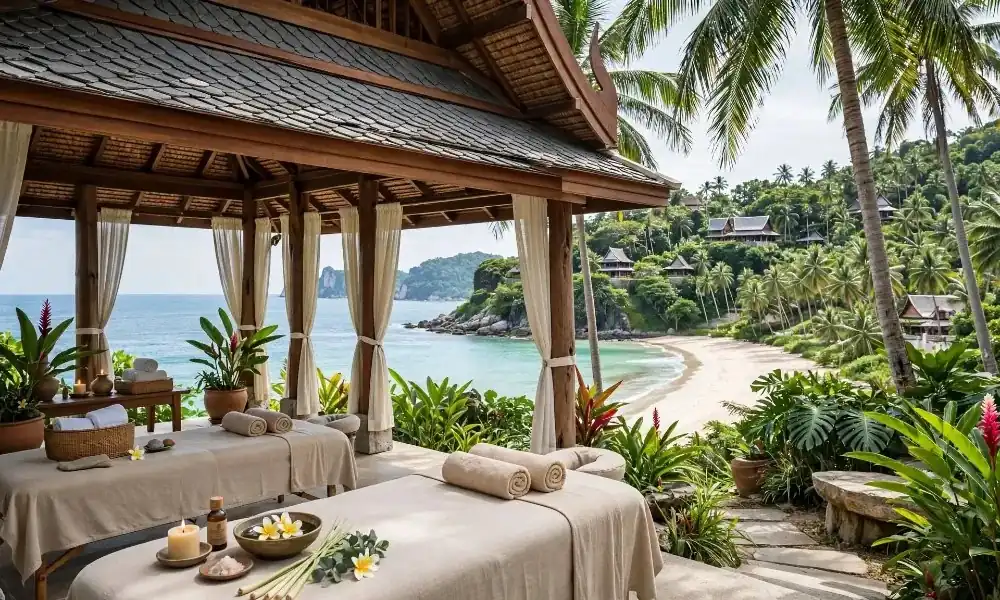
Amanpuri, the original Aman, has layered serious wellness onto its legendary serenity through its medical led immersion programs. Set among coconut palms above Pansea Beach, the retreat’s programs range from wellness immersion weeks to medically supervised intensives with diagnostics, IV therapies, and movement protocols, all delivered in a property that many consider the most beautiful resort in Asia.
Programs vary widely in price, with full immersions running into five figures, and the Aman service philosophy elevates every element: treatments in open salas, cuisine tailored to each protocol, and the brand’s famous anticipatory care.
Amanpuri suits the guest who wants the reset without the clinic’s austerity, transformation delivered with grace. The private island standard it set connects naturally to the world’s great private island experiences.
7. Kamalaya, Koh Samui, Thailand

Kamalaya completes the list as the category’s soulful conscience: a wellness sanctuary built around a cave once used by Buddhist monks, where programs addressing stress, burnout, sleep, and emotional balance blend Eastern healing with Western diagnostics at prices notably gentler than the European clinics. Weekly programs with accommodation typically run from around 3,000 to 8,000 dollars.
The atmosphere is monastic luxury: no alcohol in the restaurant, a hillside of tropical quiet, and therapists trained in traditions from Traditional Chinese Medicine to Ayurveda.
Kamalaya attracts repeat guests in remarkable numbers, including burned out executives who tried the clinics and discovered they needed the sanctuary. It proves the reset’s final lesson: the deepest restorations are measured not in biomarkers but in the return of calm.
FAQs
What is the most famous luxury wellness retreat?
Clinique La Prairie in Montreux, Switzerland, founded in 1931, is the most famous, known for its longevity programs and a century of royal and celebrity guests. The Golden Door in California holds the equivalent status in America, and SHA leads the integration of Eastern and Western methods.
How much does a luxury wellness retreat cost?
Weekly programs range from around 3,000 dollars at sanctuaries like Kamalaya to 30,000 dollars or more at Clinique La Prairie, with most flagship clinics running 8,000 to 25,000 dollars including accommodation. The spread reflects medical intensity: diagnostics and physician supervision price above spa and retreat models.
What happens at a luxury wellness retreat?
Typical days combine medical or wellness assessments, personalized nutrition, movement sessions, treatments from massage to cryotherapy, and education on sleep and stress. Medical clinics add diagnostics, blood work, and physician supervision, while sanctuary retreats emphasize healing traditions and rest.
Which wellness retreat is best for burnout?
Kamalaya in Thailand specializes in stress and burnout programs blending Eastern healing with Western diagnostics at accessible prices. Clinique La Prairie and Lanserhof approach burnout medically, while The Golden Door addresses it through structure, community, and complete digital disconnection.
How long should a wellness retreat be?
The standard unit is one week, the minimum most programs accept for meaningful results. Medical clinics recommend seven to fourteen days for measurable physiological change, and many guests of the great retreats return annually, treating the week as scheduled maintenance.
Do wellness retreats have doctors?
The medical clinics do: Clinique La Prairie, Lanserhof, SHA, and Chenot operate with full physician teams, diagnostics, and supervised programs. Sanctuary retreats like Kamalaya and The Golden Door employ wellness practitioners and therapists, with medical support available but not the program’s core.
Can you drink alcohol at wellness retreats?
Policies reflect philosophy. Medical clinics like Lanserhof prohibit alcohol and often caffeine during programs, sanctuaries like Kamalaya keep the restaurant alcohol free, and resort based programs like Amanpuri’s offer flexibility. The strictest resets deliver the strongest results, which is the trade each guest chooses.
Are wellness retreats worth the money?
Guests consistently report the highest value from programs matching their actual need: medical issues belong in clinics, exhaustion belongs in sanctuaries, and habit change belongs in methodology focused programs like SHA. The common verdict of alumni is that a well chosen week delivers returns measured in years.