Luxury private submarines offer a rare kind of underwater escape. There is a moment, a little below the surface, when the sound of the world above simply stops. The engines fade, the wind goes quiet, and the water closes over the dome in a blue so deep it seems lit from within.
Private submarines properly, submersibles have quietly become the superyacht world’s most coveted toy and its most serious instrument at once.
They are carried in yacht garages, launched from stern platforms, and used to visit reefs, wrecks and walls that no diver and no glass-bottomed boat could ever reach in such comfort. This guide looks inside them: what they are, who builds them, what a dive feels like, and what it takes to travel below the surface in safety.
The Yacht’s Quietest Tender
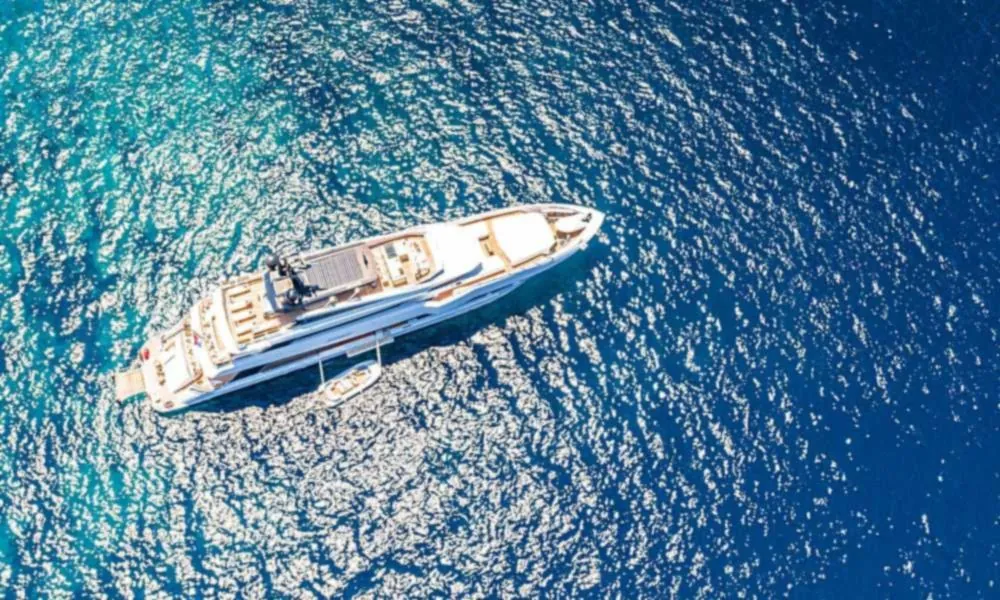
A superyacht is, among other things, a floating garage. Tenders, jet skis, diving gear and helicopters all compete for space in it, and in recent years the submersible has joined them — the largest and most demanding item on the list, and the one guests ask about most.
Where a tender takes you across the water, a submersible takes you through it, and that difference changes the whole shape of a day at anchor.
The appeal is easy to understand. From the deck of even the finest yacht, the sea is a surface: beautiful, but flat. A submersible turns it into a volume, a three-dimensional landscape with valleys, walls and weather of its own.
Owners who have already sailed the familiar routes the Mediterranean in summer, the Caribbean in winter find that the water below their usual anchorages still holds places they have never seen.
The yacht remains the base, the hotel and the way home; the submersible is the excursion. Among superyacht tenders, it is the only one that leaves the surface behind altogether, and it sits naturally alongside the craft on our list of the world’s most expensive yachts, several of which were designed with a submersible in mind.
Submersible, Not Submarine
The first thing to get right is the word. Almost everything in this world is a submersible rather than a submarine: a craft that depends on a larger vessel, the mothership, for transport, launch and recovery, and that returns to the surface after each dive rather than staying down for days.
A true submarine is self-sufficient, with its own crew, provisions and power for long passages. A private submersible is something smaller and more deliberate a viewing room with thrusters, built for hours rather than weeks.
That modesty is the point. A submersible carries a pilot and, usually, one or two guests. Its cabin is a clear acrylic dome or a pressure hull fitted with large viewports, so that the view, rather than the machinery, is the centre of the experience.
The pilot drives with a joystick, the guests sit in ordinary clothes no wetsuit, no tank, no training and the whole craft moves at the unhurried pace of a walk. It is, in effect, a small room that happens to travel underwater.
The Builders
U-Boat Worx: The Dutch Workshop
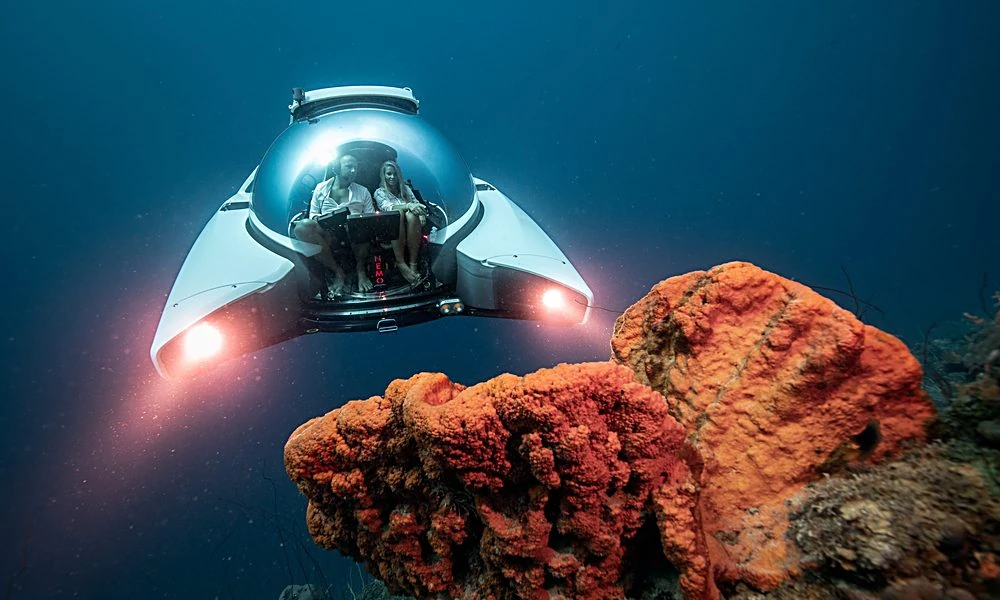
The best-known name in private submersibles is U-Boat Worx, a Dutch company founded in 2005 that has built dozens of craft for yacht owners, resorts and research groups. Its range runs from the two-person Nemo, the smallest craft it makes, to larger three-person models designed to live aboard a superyacht and launch from its garage.
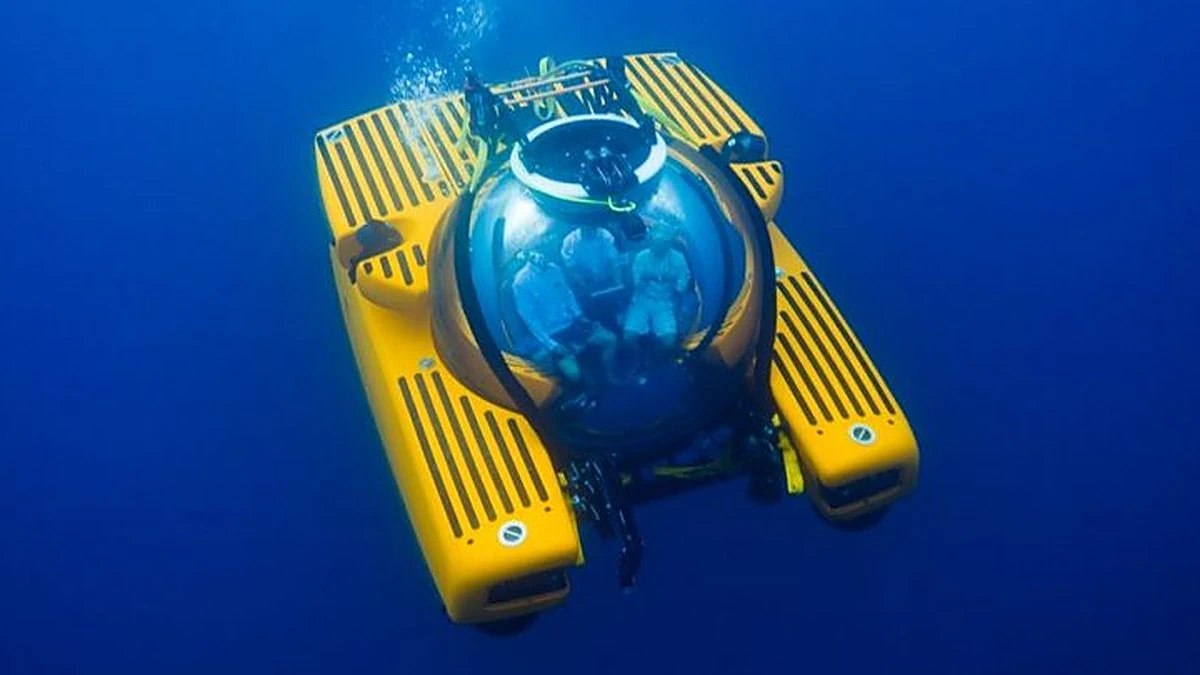
The company’s signature is the clear acrylic dome: a single curved window that gives the pilot and guests an almost uninterrupted view in every direction, including straight up.
The Nemo, shown above hovering over a reef, is the entry to the world: compact enough to be handled by a yacht’s crew, simple enough to be driven after a short briefing, and quiet enough it is battery-powered to approach marine life without disturbing it.
Larger models add depth, endurance and room, but the idea is the same throughout the range: a calm, dry, well-lit cabin from which to watch the ocean at close quarters.
The Super Sub: Speed, At Last
For years, the quiet complaint about private submersibles was that they were slow. Most cruise at around three knots, a walking pace that suits looking but not covering ground.
U-Boat Worx’s answer is the Super Sub, a three-person craft that its maker describes as an underwater supercar and the figures give the claim some weight. It is reported to reach nine knots, roughly three times the pace of its stablemates, and to dive to 300 metres, propelled by tilting thrusters and small hydrofoils that let it climb and bank rather than simply sink and rise.
The Super Sub completed sea trials off Curaçao and received certification from DNV, the independent classification society, before its first delivery a step that matters more than any performance figure, as the safety section below explains.
It is listed at $5.75 million, which places it well beyond the price of the company’s smaller craft, and it carries 96 hours of life support, a safety buoy and an automatic system that prevents it from exceeding its rated depth. Speed, in this world, is not about thrill. It is about keeping up with the life below dolphins, currents and reefs that do not wait for a slow craft to catch up.
Triton and Project Neptune
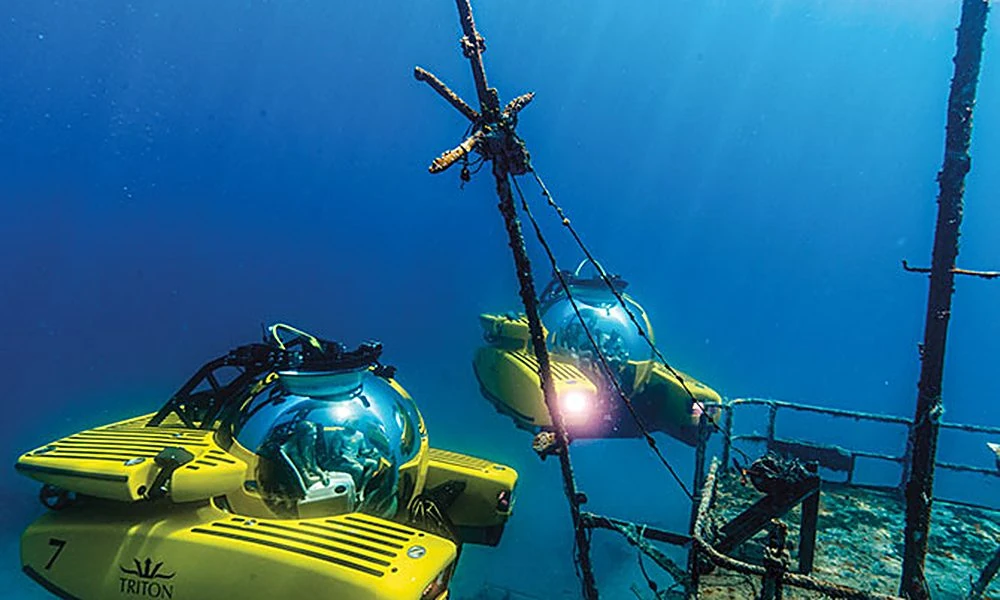
Across the Atlantic, Triton Submarines of Florida builds the other half of the market. Triton’s craft are the workhorses of the deep: its three-person models are rated to 500 metres and can stay down for up to 12 hours, and the company also builds larger submersibles for research, filming and expedition work.
Where U-Boat Worx leans towards the yacht garage, Triton leans towards the expedition its yellow craft are a familiar sight at shipwrecks and on scientific dives.
The most famous Triton is one that few people have ever seen in the water.
Project Neptune, announced in 2017, is a collaboration with Aston Martin that takes Triton’s three-person 1650/3 platform and dresses it in the carmaker’s design language the same sculpted lines as its Valkyrie hypercar, a hand-stitched leather and carbon-fibre cabin, and a low, sleek profile that looks fast even standing still.
It was reported at its announcement to cost around $4 million, in a limited edition, and it remains the clearest example of what happens when a luxury brand treats a submersible as a design object rather than a piece of equipment.
Neptune’s importance is not its speed a little over five knots, by the maker’s account but its statement of intent. It showed that a submersible could be considered in the same terms as a grand tourer: proportion, materials, the feel of the cabin, the way the light falls through the dome.
Other builders have followed that lead, and the cabins of new submersibles are now designed with the same care as the salons of the yachts that carry them.
What It Feels Like Down There
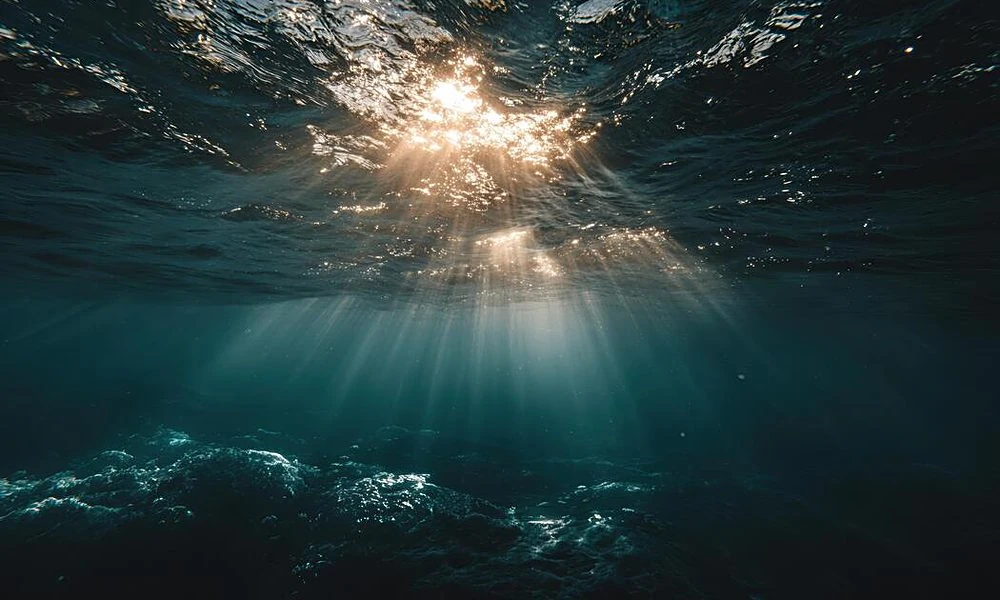
Ask anyone who has dived in a private submersible what they remember, and the answer is rarely a single sight. It is the quality of the light. Near the surface, sunlight arrives in shafts, broken by the waves above into moving patterns on the reef.
As the craft descends, the colour changes: the reds go first, then the oranges, until the world is left in shades of blue and green, and the submersible’s own lights take over, picking out coral and fish in colours the sun can no longer reach.
The second thing is the quiet. A battery-powered submersible makes little more noise than its thrusters, and inside the dome the sound is closer to a library than a machine room.
Fish behave differently around it than around a diver: they come closer, they stay longer, and they seem, for want of a better word, unbothered. It is the closest most people will come to being a guest in the ocean rather than an intruder in it.
What You Actually See
Reefs
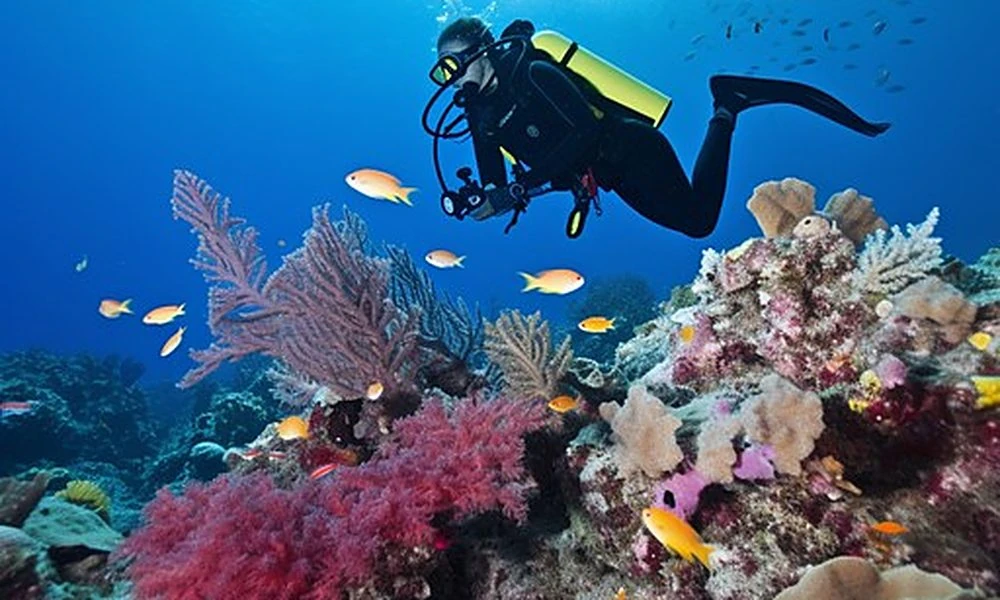
The first destination for almost every private dive is a reef, and the reason is simple: no other landscape on earth packs so much life into so little space. A healthy reef is a city in miniature, with fish in the streets, coral for buildings and a constant, unhurried traffic of creatures going about their business.
From inside a dome, with no bubbles and no effort, you can watch it for an hour without disturbing a thing something a scuba diver, however skilled, can never quite do.
The Life That Comes to You
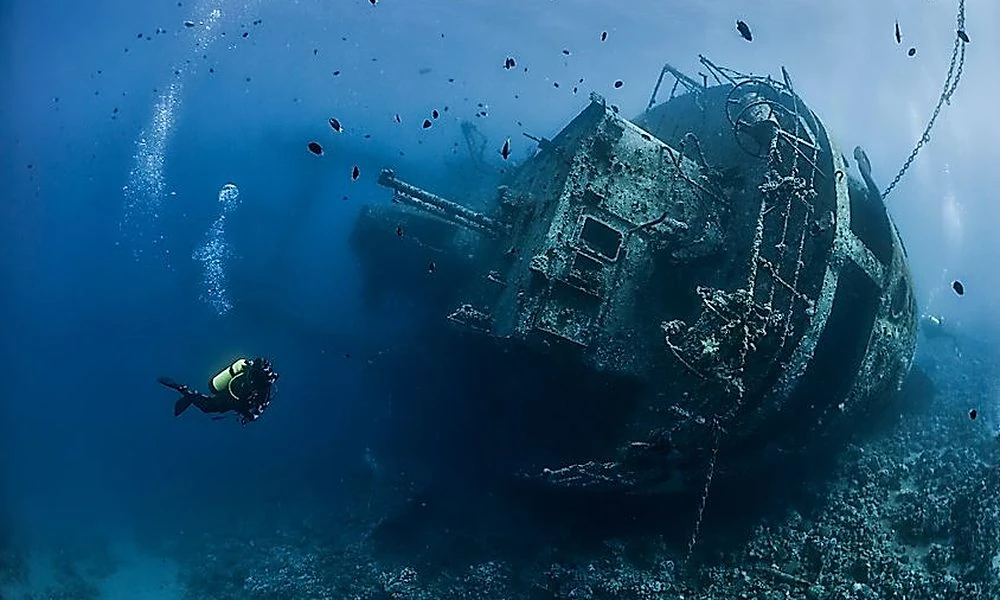
Reefs reward patience. Sit quietly above a coral head and the life comes to you: clouds of small orange fish, a turtle on its slow rounds, a ray passing underneath like a shadow with somewhere to be.
The submersible’s lights, used gently, reveal colours that daylight at depth has already taken away the pinks and purples of a sponge, the sudden yellow of a fish that was grey a moment before. It is the underwater equivalent of a private viewing, and it is the part of the experience owners describe most often when they come back up.
Wrecks
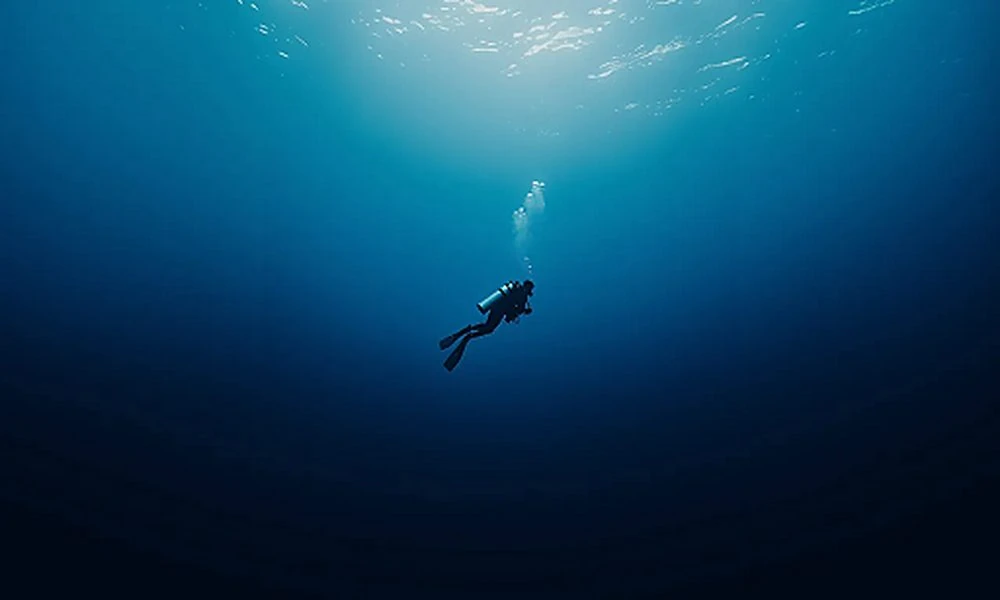
Wrecks are the other great destination, and they offer a different kind of pleasure: history, resting quietly where it fell. A shipwreck on the seabed becomes a reef of its own, colonised by coral and patrolled by fish, and a submersible can circle it slowly, peering into holds and along decks that a diver could only visit in stages.
The best-known wrecks lie in warm, clear water, and the craft that visit them are careful the rules of the sea, and of the countries that guard these sites, are respected, and nothing is taken but the view.
Depth, Safety, and the Questions Worth Asking
Depth is the part of this world that deserves the most respect. A few hundred metres down, the pressure is many times what it is at the surface, the water is cold and dark, and there is no margin for improvisation.
That is why the serious builders submit their craft to independent classification DNV is the name most often cited and why the certificate matters more than the brochure. It means the pressure hull, the life-support systems and the emergency procedures have been tested by people whose job is to find fault, not to admire the interior.
The questions to ask before any dive are straightforward ones.
Who certified this craft, and when? How many hours of life support does it carry? What happens if the pilot cannot respond does the craft surface by itself? The Super Sub, for example, is fitted with a dead-man’s switch that brings it up automatically, and with a drop-weight that can be released by hand.
Since the loss of the submersible Titan in 2023, owners and charterers ask these questions more sharply, and they are right to. A beautiful cabin means nothing without a tested way home.
None of this should frighten anyone away from the experience.
The private submersibles in regular service have strong safety records, precisely because they operate within strict limits: modest depths, short dives, a support vessel overhead, and a pilot who has done it many times before.
The risk, such as it is, sits with the experimental and the uncertified and that, in a world of this price, is a choice no one needs to make.
The Dreamers: Migaloo and the Submersible Yacht
At the far edge of the market sit the dreamers, and none dreams bigger than Migaloo, an Austrian studio that designs private submersible yachts not submersibles carried by a yacht, but yachts that are themselves submarines.
Its best-known concept, the M5, is a 165.8-metre vessel with a helipad, a swimming pool, a gym and a cinema, designed to descend to 250 metres and remain submerged for up to four weeks. The reported price is $2 billion.
It is important to be plain about what the M5 is: a concept. No prototype has been built, and no delivery date exists. What Migaloo sells is a design and a vision of a vessel that can disappear beneath the surface when its owner wants privacy, weather or simply quiet, and resurface in another ocean as if nothing had happened.
The studio’s earlier concepts ranged from 72 to 225 metres, and each has been refined over more than a decade of conversations with would-be owners. Whether one is ever built, the M5 has already changed the conversation: the question is no longer whether a yacht can carry a submarine, but whether the yacht could be one.
Buying, Chartering, and the Honest Arithmetic
For most people, the sensible way into this world is not to buy a submersible but to charter a yacht that carries one. A growing number of explorer yachts and large charter yachts list a submersible among their tenders, and a dive can be arranged as part of a charter in the right waters, with a trained pilot and a support crew included.
It is the same logic as chartering the yacht itself: the experience, without the garage, the maintenance and the crew to run it.
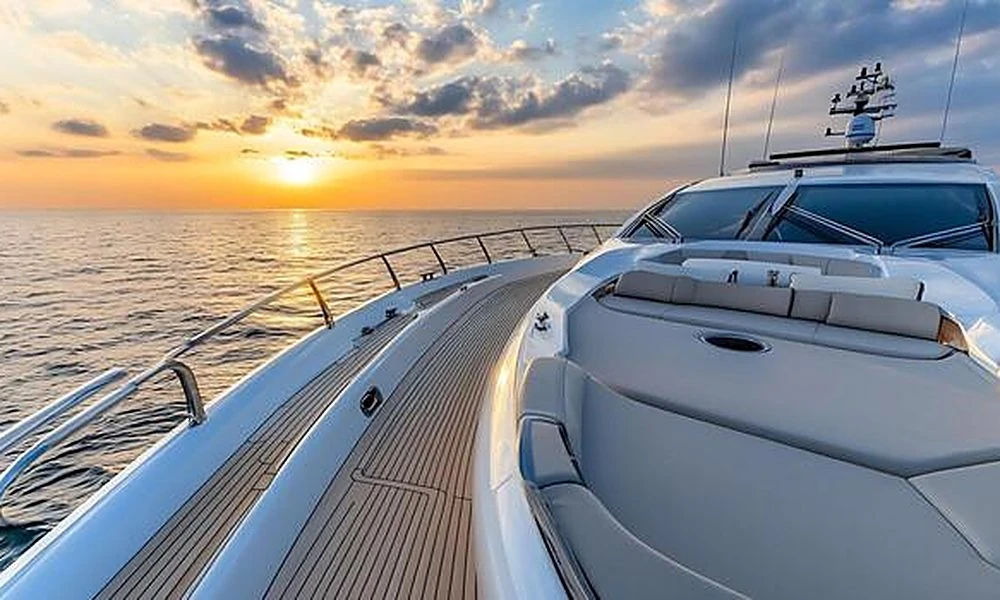
The bow deck of a yacht at sunset, with the sun low over a calm sea
Buying is a different matter. Triton submersibles are reported to cost from around $5 million, and the more capable models rise well above that before the cost of the yacht to carry it, the crew to operate it, and the maintenance that salt water demands of everything it touches.
For most travellers, the sea is still best met from the surface, and the world’s most luxurious cruise journeys offer their own version of the same promise: the ocean, at close quarters, without owning any of it. A private submarine is for the few who want to go further and who are prepared to pay for the privilege of looking up at the surface from below.
The ocean keeps its finest rooms unlit and unhurried, and perhaps that is why they stay with us long after we return to the surface. If a quiet hour below the water ever finds its way into your plans, we hope it is a gentle one, full of light, colour, and the kind of silence that is easy to carry home.
Thank you for joining us below the surface we hope to welcome you back soon, wherever your curiosity takes you next.