
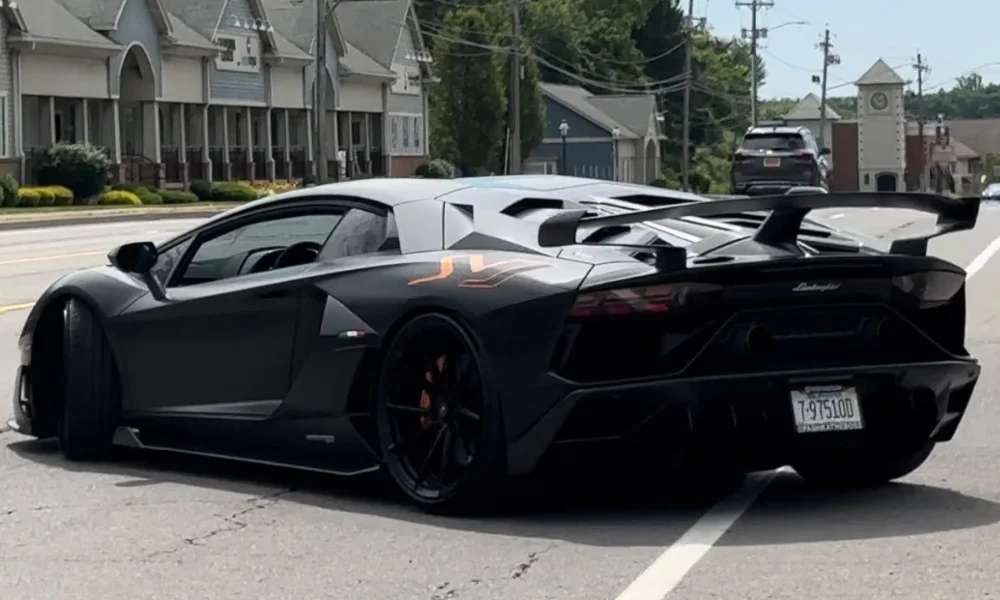
Nobody tells you the full story on this Lamborghini Aventador Price upfront.
The Lamborghini Aventador price in the USA was never really one number. Lamborghini listed $393,695. That was the website number, the clean figure that looked reasonable in a tab you had open at 11pm. What happened at the actual dealership was a different conversation entirely. Options added up fast, a specific yellow paint color alone could run $18,000, forged carbon interior trim was another chunk, upgraded wheels on top of that and most buyers ended up somewhere around $460,000 by the time the paperwork was done. Some paid more without much drama about it.
Then there’s the dealer markup question, which nobody in the press release mentions. During the years when demand was high, certain dealers in LA and Miami were adding $30,000 to $60,000 on top of whatever the car stickered at. Not for additional equipment. Just because buyers were standing there with the money.
Production stopped in 2022. So if you’re reading this and thinking about buying one, you’re shopping used, which means you’re dealing with the collector market rather than a configurator. Different animals.
This piece covers the actual Lamborghini Aventador Price by variant right now, what the specs mean when you’re sitting in the car rather than reading a brochure, fuel numbers that owners actually report, and what the thing is like to live with after the first week when the novelty hasn’t worn off yet but reality has started creeping in.
Lamborghini Aventador Price USA: What Each Variant Costs on the Used Market
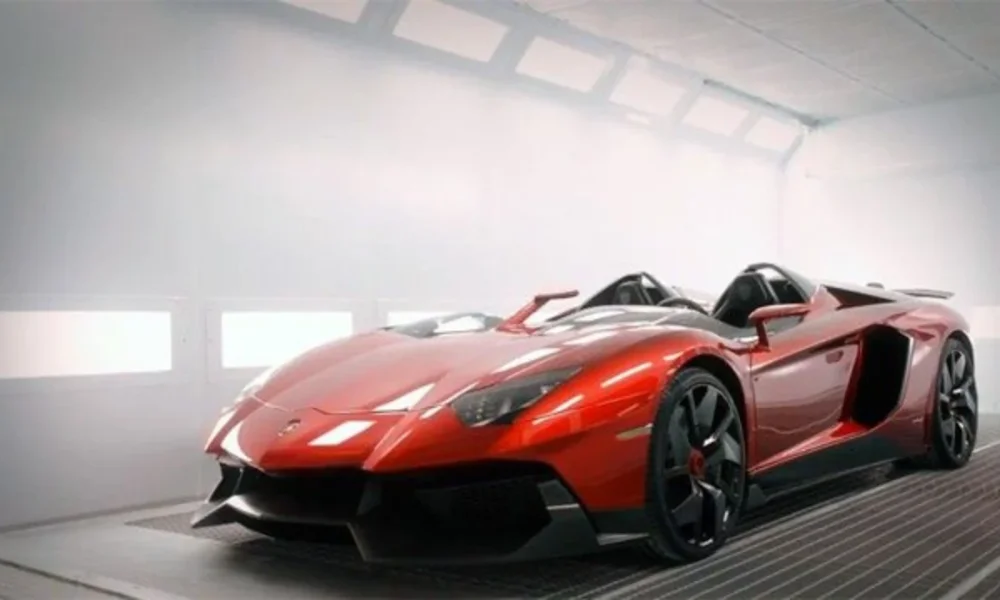
LP 780-4 Coupe This was the base Lamborghini Aventador Price, $393,695 from the factory. Used examples in clean condition with sensible mileage are sitting somewhere between $285,000 and $360,000 right now. Calling it the base model still feels strange given what it does.
LP 780-4 Ultimae Coupe Originally $507,353. This was the last naturally aspirated Aventador coupe Lamborghini ever built, full stop, and the market has priced it accordingly. Clean ones are holding Lamborghini Aventador Price at $490,000 to $560,000 and not really budging.
LP 780-4 Ultimae Roadster $530,966 new. Same end-of-the-line status, roof removed. Tracks the coupe pricing closely, occasionally above it.
SVJ Coupe $517,770 original MSRP. This is the car that ran 6:44.97 at the Nurburgring in 2018, at the time the fastest production car ever around that track. ALA 2.0 active aero, 770 horsepower, genuinely track-developed. Used market is $440,000 to $530,000 for clean examples.
SVJ Roadster $573,966 new, fewest units built, and secondhand pricing rarely drops below what these originally cost. If anything some have gone the other direction.
One thing worth doing before you negotiate on any used Aventador, get the original build sheet or window sticker. A heavily optioned car with Ad Personam paint and a full carbon interior is worth noticeably more than a plain-spec car at the same mileage. The gap isn’t trivial.
Why These Aren’t Cheap Used Cars
First generation LP700-4 Aventadors depreciated the way most exotics do, dropped hard in year one, leveled out later. The LP 780-4 generation didn’t follow that curve at all. Part of it is that Lamborghini has been straightforward about what comes next: the Revuelto uses a hybrid system. A pure naturally aspirated V12 Lamborghini is not coming back. Collectors understood what that meant early and set a floor on the final variants that has mostly held since production ended.
That’s not a guarantee of anything. Collector cars go sideways for plenty of reasons. But it’s why you’re not finding Ultimae coupes at $300,000.
For a broader look at where the Aventador fits in the current supercar market: Praviceler Supercar Guide
Aventador Specs: What the Car Actually Has
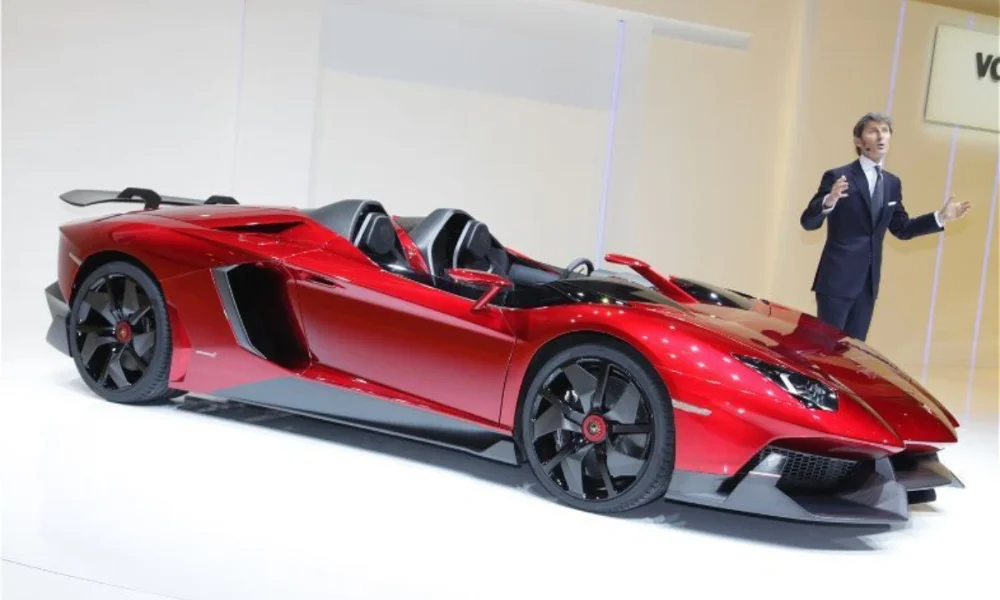
The Engine This Is the Whole Point
6.5-liter V12. Naturally aspirated, which means no turbos, no supercharger, no electric motor doing any of the work. 769 horsepower in the LP 780-4, one more in the SVJ for whatever reason. Torque peaks at 531 lb-ft at 6,750 rpm. Redline is 8,500 rpm and the engine is mounted just behind your left shoulder.
Here’s the thing about a naturally aspirated engine at this power level that numbers don’t capture well, there’s no lag in Lamborghini Aventador Price. None. Push the throttle at 2,000 rpm, push it at 6,000 rpm, push it anywhere in the rev range and the car responds right then. No turbo spooling up, no moment where you’re waiting for power to arrive. At 7,500 rpm approaching the redline the intake noise coming from directly behind your head stops being something you can process calmly. It becomes a physical thing.
Owners who’ve driven turbocharged supercars alongside this, 812s, 720Ss, GT2 RSes, consistently say the Aventador feels faster than it actually is. What they’re describing is throttle response. That instant connection is what most of them were actually buying when they chose this car over something quicker on a timing sheet.
Full Specs
- Engine: 6.5L naturally aspirated V12, mid-mounted
- Power: 769 hp (LP 780-4) / 770 hp (SVJ)
- Torque: 531 lb-ft at 6,750 rpm
- 0-60 mph: 2.9 sec / 2.8 sec (SVJ)
- Top speed: 217 mph / 218 mph (SVJ)
- Redline: 8,500 rpm
- Gearbox: 7-speed ISR single-clutch automated manual
- Drivetrain: AWD, rear-biased under hard throttle
- Weight: 3,472 lbs
- Chassis: Carbon fiber monocoque tub
The Gearbox The One Thing Everyone Argues About
Single-clutch ISR transmission. This generates more discussion in Aventador owner communities than literally anything else on the car, and the opinions split pretty cleanly depending on how people use it.
In slow traffic, in parking lots, anywhere under about 20 mph, it hesitates. First to second at low speed has a pause that throws new owners off badly enough that some of them call the dealer wondering if something is broken. Nothing is broken. That’s just a gearbox that was engineered for wide-open throttle being asked to manage a 3 mph crawl through a parking structure. It doesn’t like it and doesn’t pretend to.
Get it properly above 4,500 rpm with real throttle and that same transmission does something that dual-clutch units specifically tune out. Full throttle upshifts have a weight and a mechanical crack to them. Some buyers drove both this and the Ferrari 812, felt the ISR at full load, and picked the Lamborghini specifically because of it. Others drove the same comparison, experienced the parking lot behavior, and bought the Ferrari. Genuinely both reasonable outcomes depending on what you care about.
SVJ Aero System
The ALA 2.0 system on the SVJ is more sophisticated than the spec sheet suggests. The flaps in the front splitter and rear wing don’t just open and close — left and right sides operate independently from each other. Mid-corner, the system can push asymmetric downforce to load the outside wheel and help rotation. At high speed it reduces drag. Result is 40 percent more downforce than the previous SV generation with no top speed penalty, which is the specific combination that made the Nurburgring lap time possible.
Lamborghini Mileage: What Owners Actually See
EPA figures: 9 mpg city, 16 highway, 11 combined. Tank is 23.8 gallons. Fuel requirement is 93 octane, 91 minimum.
Real owner numbers are all over the place. Steady highway driving with actual restraint on the throttle some people report 16, occasionally 17 mpg. That same owner leaving a Sunday morning meetup with a crowd watching the exit gets maybe 5 or 6 mpg for the next ten minutes. Track days are where the tank really disappears fast; 23 gallons at sustained high throttle doesn’t last long.
A full tank right now at US premium prices runs $78 to $92 depending on where you are. Drive 400 miles a week and you’re filling it two or three times — somewhere around $700 to $900 a month just on fuel. That’s real money in any other context. It’s also probably not the thing that made anyone hesitate after already committing to a $450,000 purchase.
What It’s Actually Like to Drive and Own
Getting Into the Car
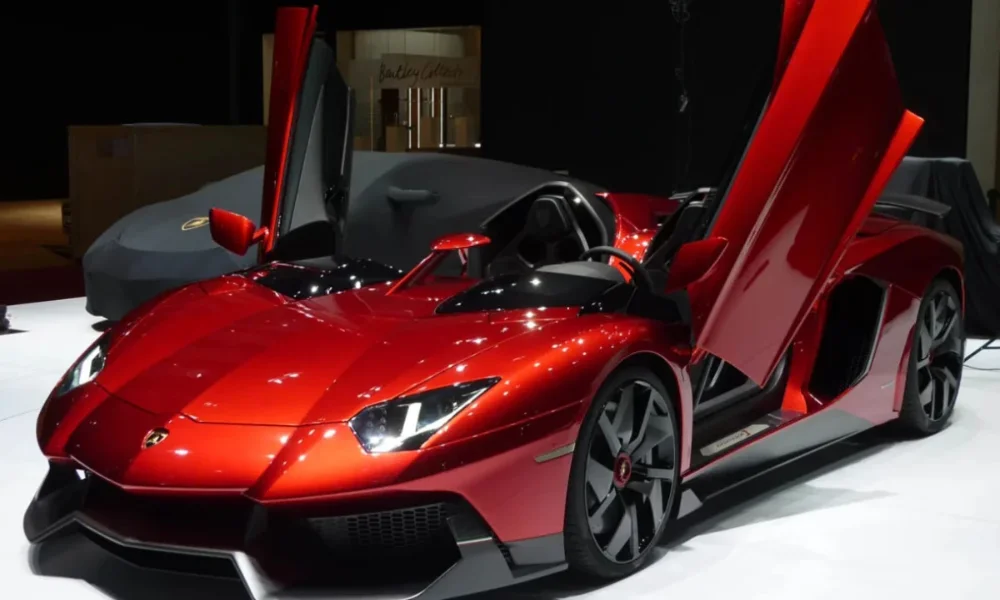
Doors open upward. There’s a wide carbon fiber sill you step over. The seat sits 14 inches off the ground and the roofline is low enough that you’re lowering yourself into the cockpit rather than just sitting down takes a minute to develop the muscle memory for it. Once you’re in, the driving position is genuinely good, pedals are well placed, and you can see forward clearly. Rearward visibility is close to nothing. The backup camera gets used every single time, by every owner, without exception.
Drive Modes and What They Actually Do
Strada is the city setting. Suspension softens, throttle response eases back, the AWD system manages power conservatively. You can get through urban traffic without the car constantly working against you. The exhaust is still loud by any reasonable standard and the ISR still does its slow-speed thing, but it’s manageable day to day in a way the other modes aren’t.
Sport is where most owners spend most of their time back roads, weekend drives, anything involving corners and some space to breathe. Shifts sharpen up noticeably, throttle quickens, suspension firms without crossing into punishing territory.
Corsa is for track use or a very specific type of empty road where you know exactly what’s coming. Suspension hardens considerably, the rear gets more aggressive with power, and the throttle stops being forgiving about sloppy inputs. A full pull from 3,500 rpm to the 8,500 rpm ceiling in Corsa on an open road is not something a review can really describe. You either understand why this car costs what it costs in that moment or you’ve been making a very expensive mistake.
The Stuff That Doesn’t Make It Into the Launch Review
Ground clearance. Every Aventador owner community online has ongoing threads about this. The front splitter is low and speed bumps require an approach angle the car, go slowly, know where the nose actually ends. Owners in cities with bad roads or steep parking garage entries deal with this constantly. The nose lift system stops being an optional extra within the first week.
The infotainment screen works. CarPlay is on later production cars. But anyone stepping out of a current Porsche or a recent Ferrari and getting into the Aventador will notice the gap in cabin technology pretty immediately. Nobody chose this car for the screen that’s genuinely fine and the flip cover over the engine start button still makes every single startup feel like a small event. Nobody has ever complained about that part.
What Ownership Actually Costs Beyond the Purchase Price
- Annual scheduled dealer service: $4,000 – $12,000
- Oil change at dealer (dry-sump system): $800 – $1,500
- Rear tires installed: $1,800 – $2,800
- Full set of four tires: $3,500 – $5,500
- Full brake job at dealer: $5,000 – $8,000
- ISR clutch replacement: $10,000 – $15,000 when it eventually comes due
- Annual insurance: $5,000 – $15,000 depending on state and driving record
The V12 itself is not where the problems tend to come from in well-maintained cars. Engine failures are rare. What shows up repeatedly in owner forums is electrical stuff sensors acting up, small gremlins, trim issues. Annoying rather than catastrophic. The engine holds up when it’s looked after. Run it cold regularly, skip oil changes, or decide 91 octane is close enough and the story changes.
Total annual cost for someone putting real miles on one: $25,000 to $50,000 beyond the purchase price. That’s the honest number.
How It Compares to the Main Alternatives
vs Ferrari 812 Superfast
Better daily Lamborghini Aventador Price dual-clutch handles city driving without ISR drama, rear-wheel steering adds precision in corners, cabin tech is more current. The Aventador has AWD and stops traffic in a way the 812 quietly doesn’t. These two suit genuinely different personalities and there’s no objectively right answer. Depends entirely on what you actually want from it.
vs McLaren 720S
Faster in most real-world tests, lighter, better aerodynamics, dual-clutch, easier on tires, cheaper. The 720S is the more technically accomplished performance car that’s pretty hard to argue. What it doesn’t have is a naturally aspirated V12. Owners who’ve spent real time in both usually say the McLaren is the better machine and the Lamborghini is the one they think about more. Those aren’t measuring the same thing.
vs Porsche 911 Turbo S
Different problem being solved entirely. The 911 Turbo S is quicker from a stop, comfortable enough for daily commuting, works in cold and wet weather without anxiety, easy to park. If one car needs to do everything, the Porsche answers it better. The Aventador was never designed to do everything and doesn’t apologize for it.
Who Should Buy One and Who Shouldn’t
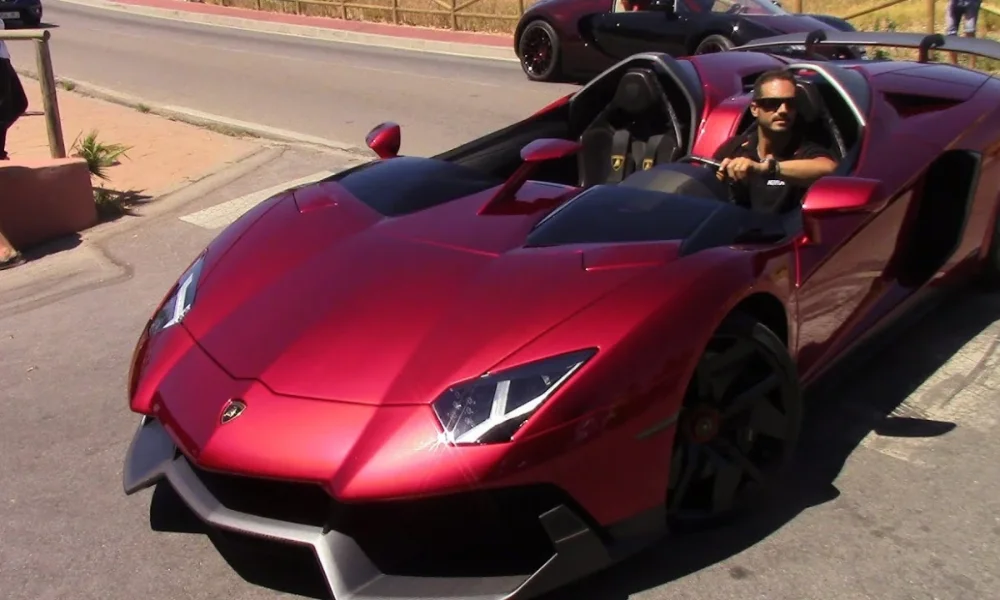
Buy it if the naturally aspirated V12 experience is what you’re specifically after and you’ve accepted that Lamborghini isn’t making this anymore. For collector value the SVJ and Ultimae are the variants to focus on those have held price better since production ended. The base LP 780-4 has softened the most and is the most accessible way in if you just want to own and drive one.
Skip it if you need a genuine daily driver, if your city has rough roads or tight parking, or if modern cabin technology actually matters to you in a car. These aren’t minor inconveniences when you’re living with the car week after week rather than just driving it on a Saturday.
Common Questions
What is the Lamborghini Aventador price in the USA?
Factory MSRP started at $393,695 for the base LP 780-4 coupe before options. Most delivered cars came in significantly higher. On the used market now, base models start around $285,000 and SVJ or Ultimae variants in good condition run from $490,000 to well over $600,000.
What does it cost to maintain annually?
Dealer service alone is $4,000 to $12,000 per year. Add fuel, tires, brakes, and insurance and a regular driver is looking at $25,000 to $50,000 on top of the purchase price every year.
What is the real fuel economy?
Entirely depends on driving style. EPA says 11 mpg combined. Owners report 16 to 17 on calm highway driving and 5 to 6 on track or aggressive use. Tank is 23.8 gallons, takes 93 octane.
Is it still being made?
No. Last car built in 2022. The Ultimae was the final variant. The Revuelto replaced it using a hybrid V12 setup. No return to pure naturally aspirated format is planned.
How fast is the SVJ?
0 to 60 in 2.8 seconds, 218 mph top speed. Set the Nurburgring Nordschleife production car lap record in September 2018 at 6:44.97.
Can you daily drive it?
Technically yes. Most owners stop within a few weeks. Ground clearance demands constant attention, ISR in traffic is draining, rear visibility is nearly zero, and the car is wide enough that urban parking requires genuine focus every time. Most people end up keeping something else for daily use pretty quickly.
What engine does it have?
6.5-liter naturally aspirated V12, mid-mounted behind the driver. No turbos, no hybrid assistance. 769 hp in the LP 780-4, 770 in the SVJ, redline at 8,500 rpm. The instant throttle response at any point in the rev range is the primary reason most buyers chose this over alternatives that are objectively faster.
Final Word: Lamborghini Aventador Price
The Lamborghini Aventador price in the USA is serious money. The fuel economy is what it is. Nothing in the spec sheet fully explains why someone picks this over a car that beats it in every timed test.
The engine is the answer specifically what it feels like to have 769 horsepower with zero lag at any rpm, with the intake screaming directly behind your head at 8,000 rpm. Lamborghini Aventador Price moved on from that with the Revuelto. The hybrid system in the new car is more powerful and more capable in almost every measurable way. It’s also a different experience. Buying an Aventador now means deliberately choosing the last version of something that no longer exists in current production. For some people that’s exactly the point. If you’re one of them, you already knew that before you started reading.
Full current supercar market at praviceler.com
