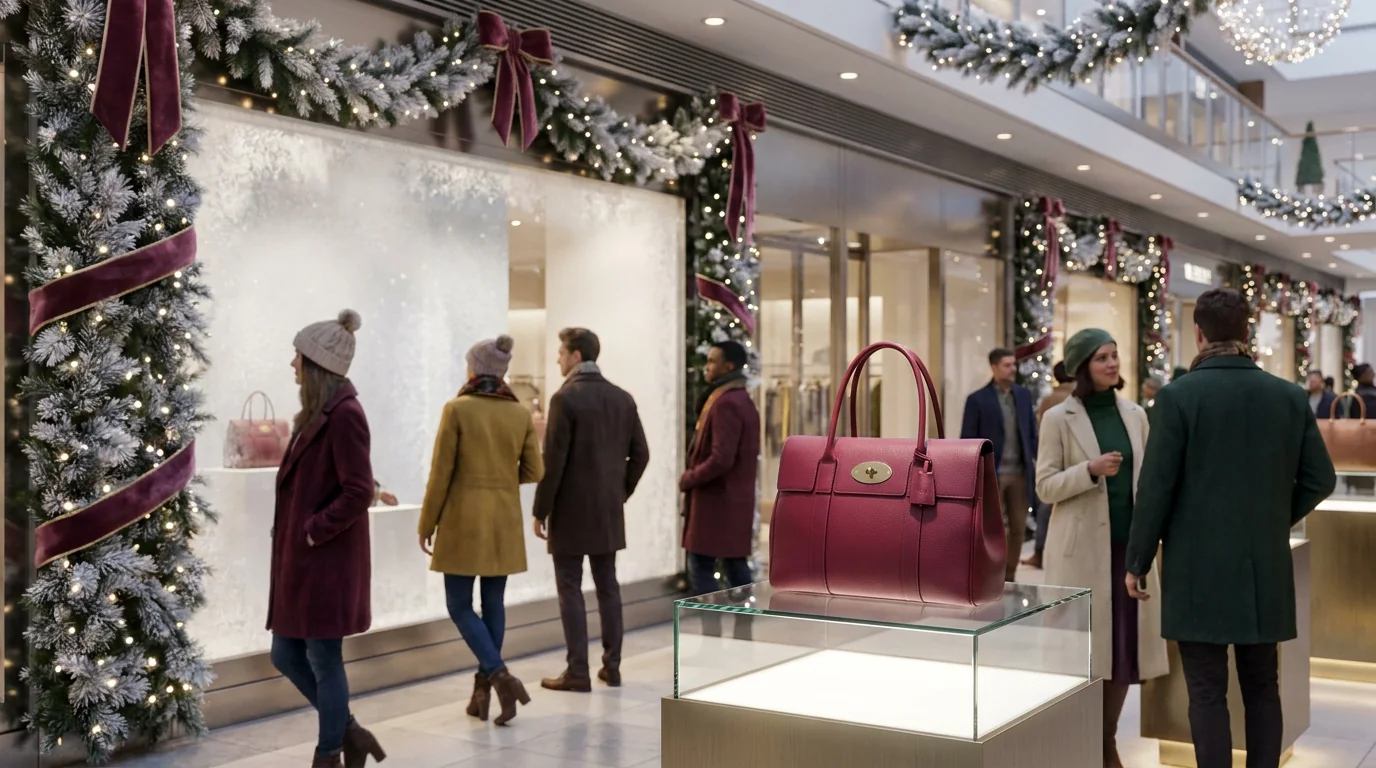
A good Mulberry bag does not shout. It sits in the crook of your arm with old leather, brass hardware, and English weather in its story. Then you see the Postman’s Lock and ask yourself: Is Mulberry a Luxury Brand, and what makes it stand out in the world of designer handbags?
Yes, Mulberry is a genuine British luxury brand. It is not apex luxury like Hermès or Chanel, but it sits clearly above accessible labels such as Coach, Michael Kors and Kate Spade. Somerset manufacturing, heritage leather, iconic bags, lifetime repairs and prices above $1,000 give it real luxury credentials.
The confusion comes from scale. Mulberry is smaller, quieter and less globally dominant than the French giants. But quiet is not the opposite of luxury. Sometimes, it is the whole point.
The Short Answer
Mulberry is best described as British heritage luxury.
It is more luxurious than the American accessible designer brands because it charges more, makes many of its bags in England, repairs them for life and has a stronger connection between product and place. It is not as luxurious as Hermès, Chanel or Louis Vuitton because it lacks their global scarcity, elite price architecture and exceptional resale power.
If you want the one sentence version: Mulberry is real luxury with mud on its boots, not red carpet fantasy.
That is exactly why people who love it tend to love it for years.
Luxury Starts in Somerset, Not on a Billboard
Mulberry began in 1971 at Roger Saul’s kitchen table in Somerset. He had £500 from his mother, Joan, a belief in good leather and a name inspired by the mulberry trees he passed on the way to school. His sister designed the tree logo, which is still one of the gentlest symbols in luxury.
The first products were buckled leather belts. Bags and womenswear followed, drawing from a very specific English tension: town and country, polish and practicality, London energy and Somerset calm. Mulberry called the mood “Le Style Anglais”, but the phrase only works because the products backed it up.
This matters because luxury is not only about expense. It is about a product coming from somewhere. A Mulberry bag still carries the feeling of the English countryside: saddle leather, weatherproof textures, brass that looks ready for rain, and shapes designed to be used rather than worshipped.
For readers building a wider map of the category, our guides to British handbag brands and British fashion brands show why Mulberry holds such a specific place in the national style story.
The Craft Argument Is Stronger Than the Logo
Here is where Mulberry separates itself from many brands people casually call luxury.
Mulberry remains the largest manufacturer of luxury leather goods in the UK. Around half of its bags are made in its two Somerset factories, The Rookery and The Willows, by a team of roughly 600 craftspeople. That is not a marketing mood board. That is a working industrial base.
The company also offers lifetime repairs through its Somerset restoration team. They renew more than 10,000 bags a year and keep an archive of materials and hardware going back more than 35 years. If your bag needs a handle, lock or edge restored, the brand has built an entire service around keeping it alive.
That is one of the strongest luxury signals a leather goods brand can offer. True luxury does not treat wear as failure. It expects a product to age, then gives you a way to care for it. Mulberry’s Exchange programme goes further by authenticating and buying back pre loved bags, restoring them and placing them with new owners.
In an industry addicted to novelty, a repair bench is a kind of moral position. Mulberry is saying the bag should outlive the trend.
The Bags That Built the Reputation
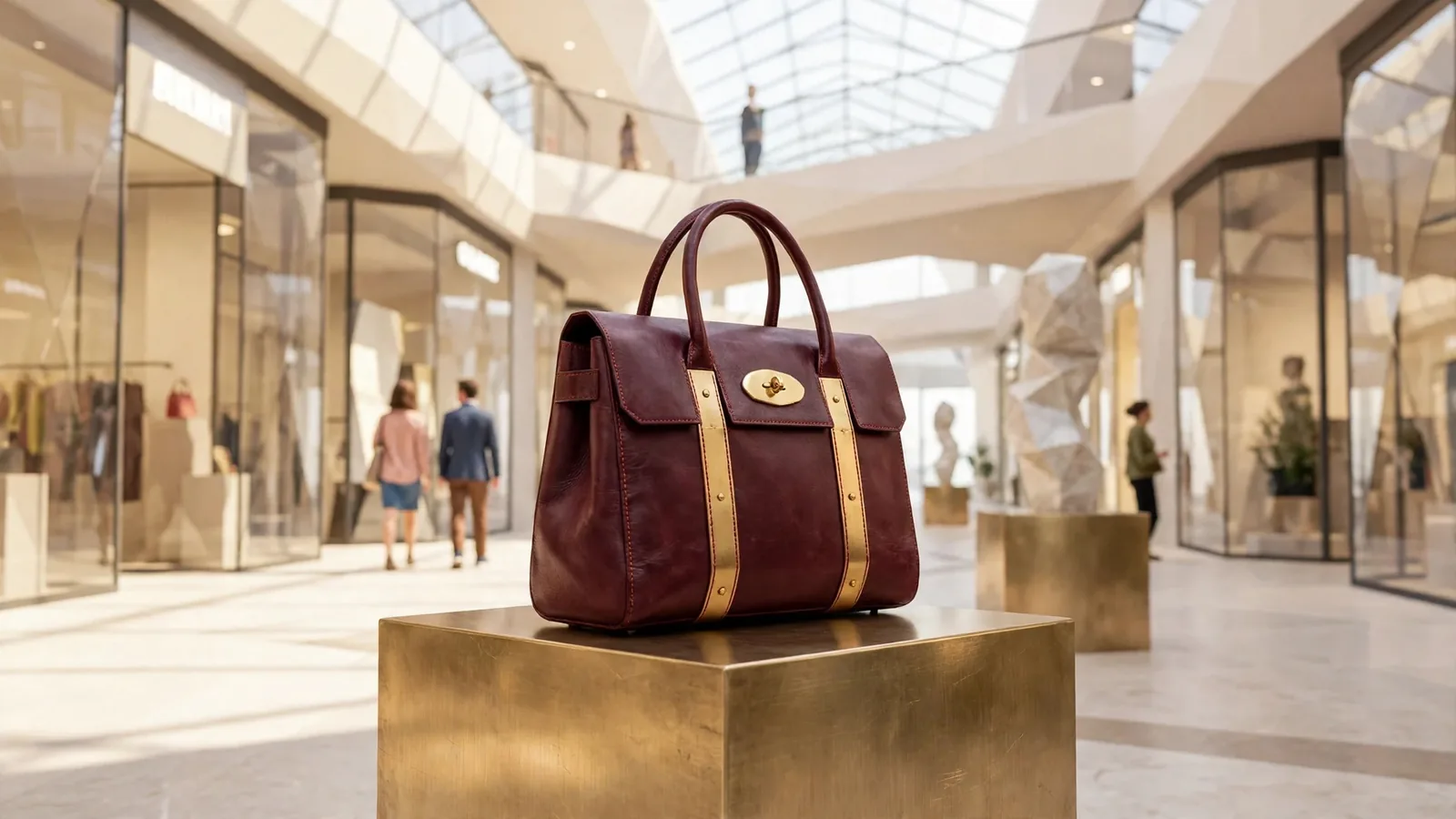
Every credible luxury brand needs icons. Mulberry has several, but two did the heavy lifting.
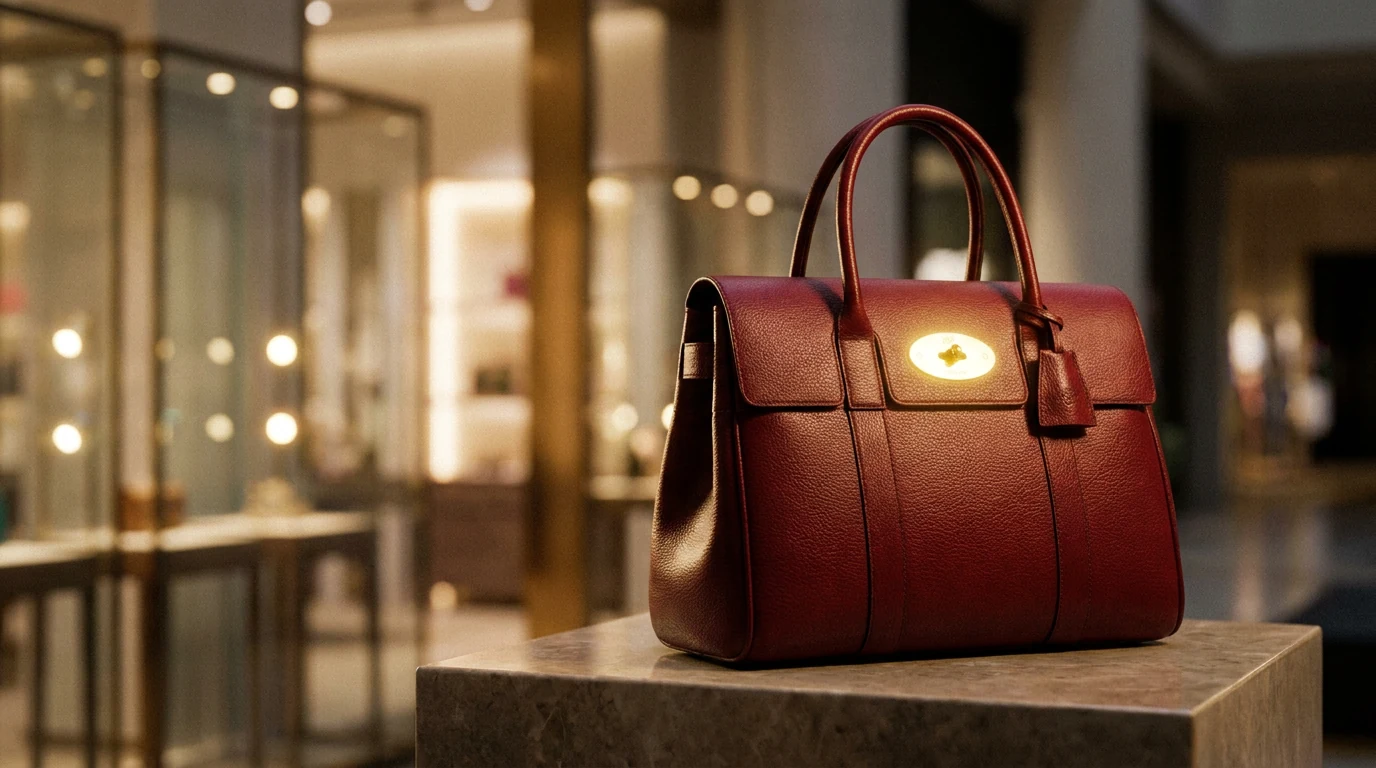
The Bayswater, launched in 2003, became the definitive British It bag without ever looking fragile. Its clean shape, curved handles and Postman’s Lock made it feel practical enough for daily life and polished enough for a front row. More than twenty years later, it still looks like itself, which is harder than it sounds.
The Alexa, launched in 2010 and inspired by Alexa Chung, took the brand’s satchel heritage and made it feel younger, softer and more ironic. The 2020 revival worked because the shape had never truly disappeared from fashion memory.
Then there is the Lily, with its chain strap and evening polish, and the broader family of Darley, Amberley and Iris designs. Not every Mulberry bag becomes an icon, but the strongest ones share the same handwriting: functional shapes, substantial leather, a lock you can recognize across a table.
This is also why Mulberry keeps appearing in conversations about quiet luxury brands. The logo is present, but the real signal is the material.
Where Mulberry Sits on the Luxury Ladder
The fairest answer is not a simple yes without context. Mulberry belongs to a specific luxury tier, and naming that tier helps you shop it properly.
| Luxury test | Mulberry evidence | Verdict |
|---|---|---|
| Heritage | Founded in Somerset in 1971, with more than 55 years of history. | Strong |
| Craft | Around 50% of bags made in two Somerset factories. | Strong |
| Materials | Heavy-grain leather, brass hardware and heritage Scotchgrain. | Strong |
| Price | Core Bayswater family roughly $1,195–$1,695. | Luxury entry point |
| Longevity | Lifetime repairs and a restoration archive more than 35 years old. | Strong |
| Scarcity | Widely available online and through selected luxury retailers. | Moderate |
| Global prestige | Respected, but smaller and less dominant than French mega-brands. | Moderate |
| Resale value | Selective; Bayswater and Alexa perform best. | Moderate |
That table is the whole story. Mulberry passes the craft and heritage tests with ease. It passes the price test for entry luxury. It only partially passes scarcity, prestige and resale.
So yes, it is luxury. It is simply not apex luxury.
That difference matters most when you are deciding between a heritage leather house and a louder global label. Mulberry’s authority comes from the product first, not the noise around it.
Why Mulberry Feels More Luxury Than Coach or Michael Kors
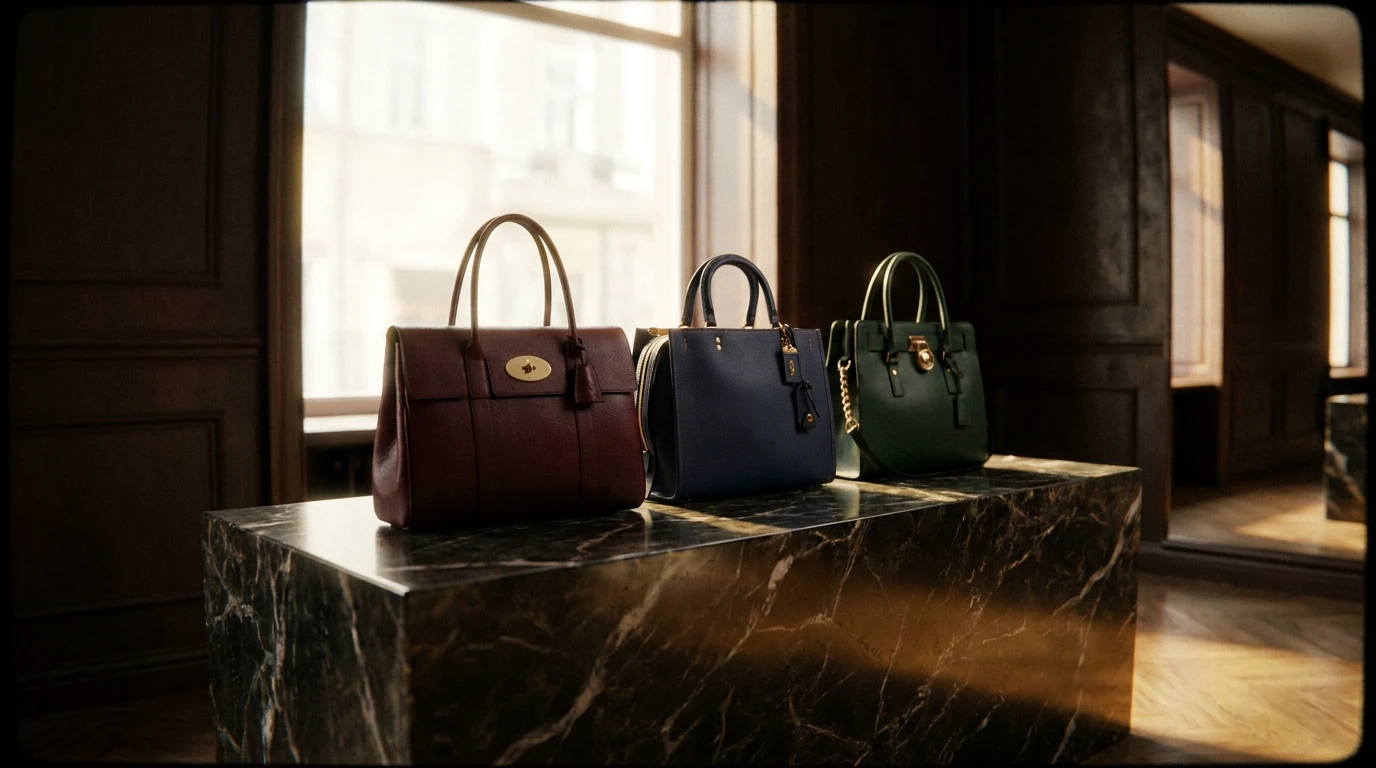
This comparison is useful because many shoppers meet these brands in the same department store.
Coach, Michael Kors and Kate Spade are accessible designer brands. They make good products at reachable prices, but much of their business depends on scale, outlets, licensing or trend cycles. Mulberry plays a smaller, more concentrated game.
A classic Mulberry Bayswater starts around $1,195, while many core Coach, Michael Kors and Kate Spade bags sit several hundred dollars lower. Mulberry also maintains a direct manufacturing story in Somerset, while the American brands generally outsource production and rely more heavily on brand image.
That does not mean Coach cannot offer excellent leather, or that Michael Kors lacks design history. It means Mulberry’s product structure is closer to traditional luxury: fewer icons, higher entry prices, more emphasis on making and repairing.
Our guides to where Coach ranks among luxury brands and whether Michael Kors is a luxury brand show why both sit lower on the ladder. Mulberry’s answer is stronger because the bag in your hand is more directly tied to the workshop that made it.
Why Some People Still Hesitate to Call It Luxury
If the craft case is so good, why does the question exist?
Mulberry is quieter than its peers. It does not dominate social feeds the way Louis Vuitton or Gucci does. In modern fashion, silence can be mistaken for absence.
The brand went through difficult years. Mulberry’s fiscal 2025 was painful, with heavy losses and reduced revenue. Some shoppers saw discounting and assumed the luxury position had weakened.
The prices sit between worlds. At $1,195 to $1,695, Mulberry is expensive enough to demand scrutiny but not expensive enough to create automatic mystique. That middle territory is always harder to explain.
Resale is selective. A classic Bayswater or Alexa in a desirable color can perform respectably, but most Mulberry bags should not be bought as financial assets. The same is true of almost every designer bag outside a tiny group of apex icons.
None of those caveats erase the craft. They simply explain why Mulberry is a connoisseur’s luxury brand rather than a status shortcut.
The 2026 Comeback Makes the Answer More Interesting
Mulberry’s current story is not a museum piece. It is a turnaround.
For the 52 weeks ended March 28, 2026, Mulberry generated £125.5 million in revenue, up 4 percent from the previous year. Gross margin recovered to roughly 72 percent, while the reported pre tax loss narrowed to £8.9 million from £32.2 million. The company also returned to positive underlying EBITDA.
Under chief executive Andrea Baldo, the strategy is called “Back to the Mulberry Spirit”. The phrase sounds like marketing until you look at what it means: fewer promotions, more full price discipline, renewed focus on craft, stronger storytelling and a return to fashion week energy.
Christopher Kane is now creative director of women’s ready-to-wear, with his first Mulberry collection shown at London Fashion Week in September 2026. That appointment matters because Kane understands the same thing Mulberry understood in 1971: British style works best when polish and eccentricity are allowed to sit at the same table.
A luxury brand is not only what it made twenty years ago. It is what it still has the courage to make next.
How to Buy Mulberry the Smart Way
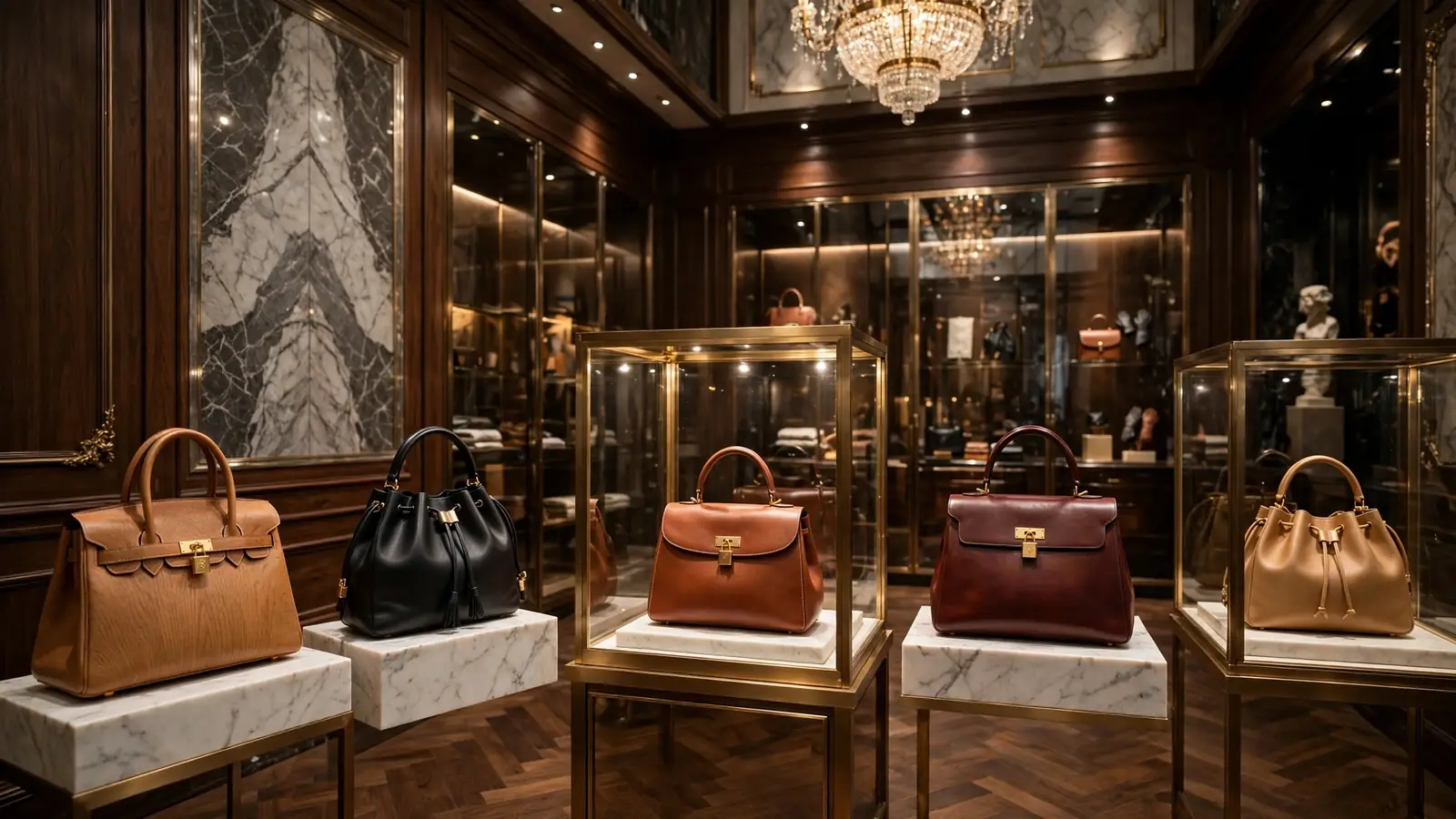
If you are buying your first Mulberry, start with the icons.
The Bayswater is the safest choice. Choose black, oak, Mulberry green or another restrained color if you want maximum wear. It fits the brand’s heritage, works for daily life and has the strongest recognition.
The Alexa is the softer choice. It feels more casual and youthful, especially in smaller sizes, but still carries the satchel DNA that made the original famous.
The Lily is the dressier choice. It is the one to consider if you want Mulberry for dinners, events and evenings rather than work.
If value matters, look at authenticated pre loved classics. Mulberry’s own Exchange programme and the wider vintage market can offer beautiful older bags at meaningful discounts. Our guides to best luxury handbags for everyday use and vintage designer handbags worth collecting can help you compare the options before you spend.
And if your real goal is financial retention rather than daily pleasure, be honest about that. Mulberry is better bought for use, patina and repairability than for profit. Our ranking of designer handbag brands worth the investment separates emotional value from resale strength.
Mulberry by the Numbers
1971: The year Roger Saul founded Mulberry in Somerset.
£500: The original backing from Saul’s mother, Joan.
55: The brand’s approximate age in 2026.
2: Somerset factories, The Rookery and The Willows.
50 percent: The approximate share of Mulberry bags made in England.
600: The approximate number of craftspeople in Mulberry’s UK manufacturing team.
10,000: The number of bags Mulberry’s repair team renews each year.
35 years: The depth of the brand’s material and hardware archive.
$1,195 to $1,695: The current core price range for many Bayswater bags.
£125.5 million: Mulberry’s fiscal 2026 revenue.
Those are not the numbers of a trend label. They are the numbers of a working leather house.
Frequently Asked Questions
Is Mulberry considered a luxury brand?
Yes. Mulberry is considered a British luxury brand because of its heritage, leather craftsmanship, Somerset manufacturing, iconic designs and lifetime repair service. It sits below apex houses like Hermès and Chanel but above most accessible designer labels for most shoppers.
Where are Mulberry bags made?
Around half of Mulberry bags are made in the brand’s two Somerset factories, The Rookery and The Willows. Other products are made with partner factories abroad. Mulberry remains the largest manufacturer of luxury leather goods in the UK by scale.
Why is Mulberry so expensive?
Mulberry bags are expensive because they use substantial leather, brass hardware and skilled construction, with many pieces made in England. The brand also supports lifetime repairs, restoration archives and responsible sourcing, all of which add cost beyond the visible materials.
Is the Mulberry Bayswater still worth buying?
Yes. The Bayswater remains Mulberry’s strongest luxury icon, more than twenty years after its 2003 launch. It is practical, recognizable and made to age well. Choose a classic leather and restrained color for the best long term value for most buyers.
Is Mulberry more luxury than Coach or Michael Kors?
Yes, Mulberry generally sits higher because it has higher entry prices, stronger British manufacturing credentials, lifetime repairs and a more direct connection between workshop and product. Coach offers excellent leather value, while Michael Kors has stronger runway visibility on luxury markers.
Do Mulberry bags hold their value?
Mulberry bags hold value selectively. Classic Bayswater and Alexa styles in good condition perform best, while seasonal colors and less recognized designs depreciate more. Buy Mulberry for craftsmanship, daily use and repairability rather than expecting investment level resale over time.
The Bottom Line
Is Mulberry a luxury brand? Yes. Not because it behaves like a Parisian giant, but because it behaves like a British leather house with a memory.
It began at a kitchen table with £500 and grew into a brand that still makes bags in Somerset, still repairs them by hand and still understands that real luxury should survive real life. The Bayswater did not become an icon by being delicate. It became one by looking better after the rain.
Mulberry will never be the loudest name in the room. Honestly, that is part of its charm. It is a luxury for someone who does not need the room to notice immediately, because the person carrying the bag already knows.