A Kate Spade bag rarely enters a room quietly. It might be lemon yellow, finished with a gold spade and carried by someone who chose happiness on purpose. Then someone asks: “Cute bag, but is it actually designer?”
Yes, Kate Spade is a genuine designer brand. It was founded by a named designer with a clear vision, launched with original handbags, recognized twice by the CFDA and still operates under professional creative leadership. It is not old world luxury in the Hermès or Chanel sense.
That distinction is where most of the confusion begins. Designer is a question of authorship. Luxury is a question of craft, scarcity, heritage and price. Kate Spade passes the first test cleanly, even while sitting in a more accessible tier.
What “Designer Brand” Actually Means
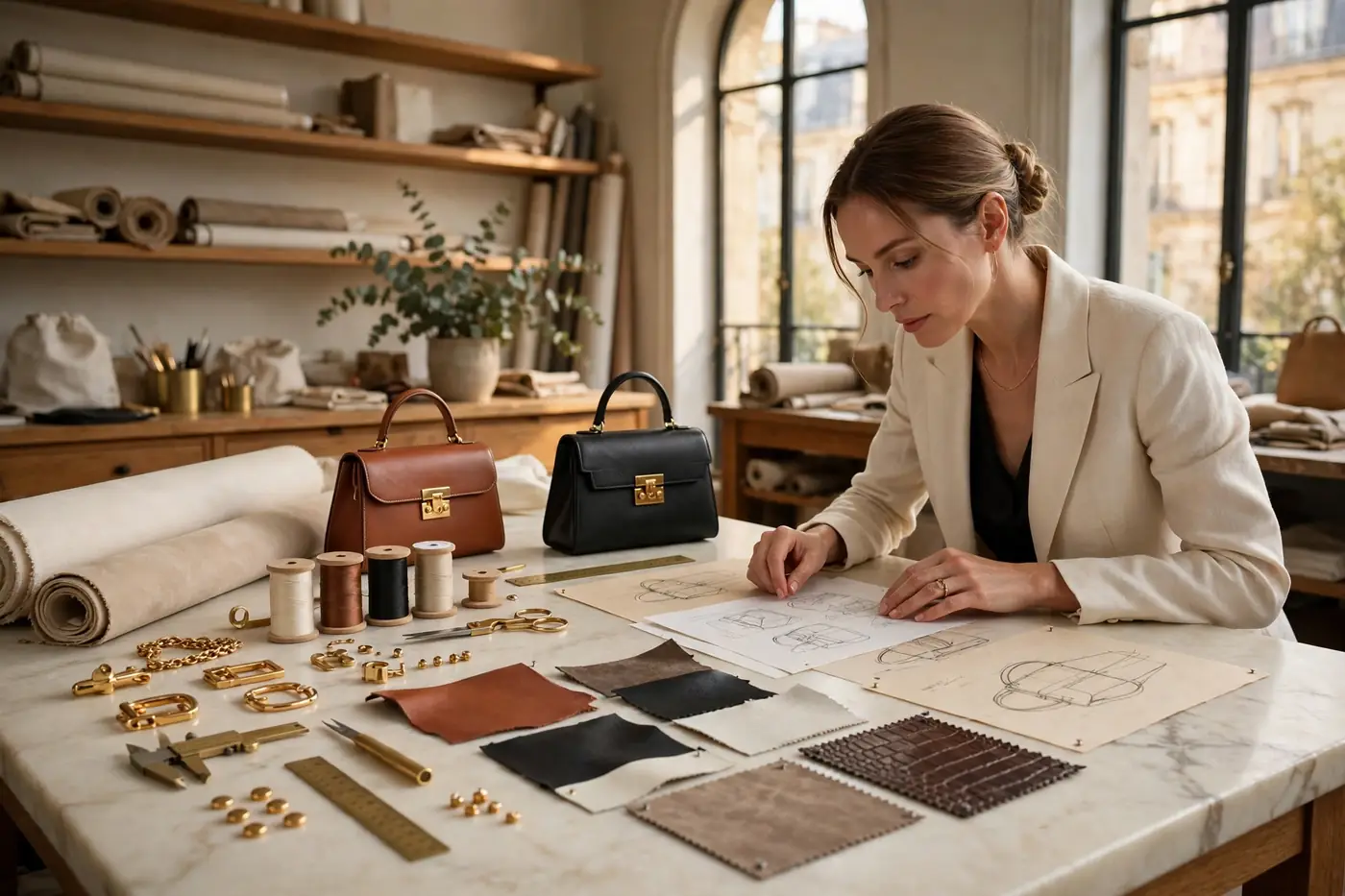
The phrase gets used so loosely that it can start to mean “anything expensive”. That is not the real test. A designer brand needs evidence of design authorship, not just a logo and a glossy store.
There are five proofs that matter.
A real creative founder. Someone with a name, a point of view and a reason for making the product.
An original product idea. Not a copy of what the market already sold, but a silhouette or design language that did not exist in quite that form before.
Industry recognition. The fashion business has to acknowledge the work through awards, press, buyers or editorial credibility.
A recognizable visual identity. You should be able to spot the brand without reading the label.
Continuing creative authority. A designer brand cannot live forever on a founder’s biography. Someone still has to shape the collections.
Kate Spade meets all five. The route is different from a runway house such as Michael Kors, because Kate Spade began as an accessories label rather than a fashion week powerhouse. But accessories brands do not need a couture calendar to be designer brands. They need authorship, and Kate Spade has plenty of it.
The Fashion Editor Who Built the Bag She Could Not Find
Kate Spade began with a frustration. Before she was a founder, Kate Brosnahan Spade was an accessories editor at Mademoiselle, spending her days around handbags that were often beautiful but impractical, or practical but joyless. She wanted a bag that could carry real life and still look sharp.
The famous part is that she did not initially consider herself a handbag designer. She reportedly said as much, until Andy Spade, then her boyfriend and later her husband, encouraged her to try anyway. So she did what any good editor would do: she made a prototype. She cut shapes from construction paper, refined the proportions and took the idea to a pattern maker.
In 1993, Kate Spade New York launched with six essential handbags. The most enduring was the Sam, a clean, boxy nylon bag with simple handles and almost no decorative noise. It looked modern because it removed things rather than adding them. In a market full of heavy hardware and status signaling, the Sam felt like a practical little manifesto.
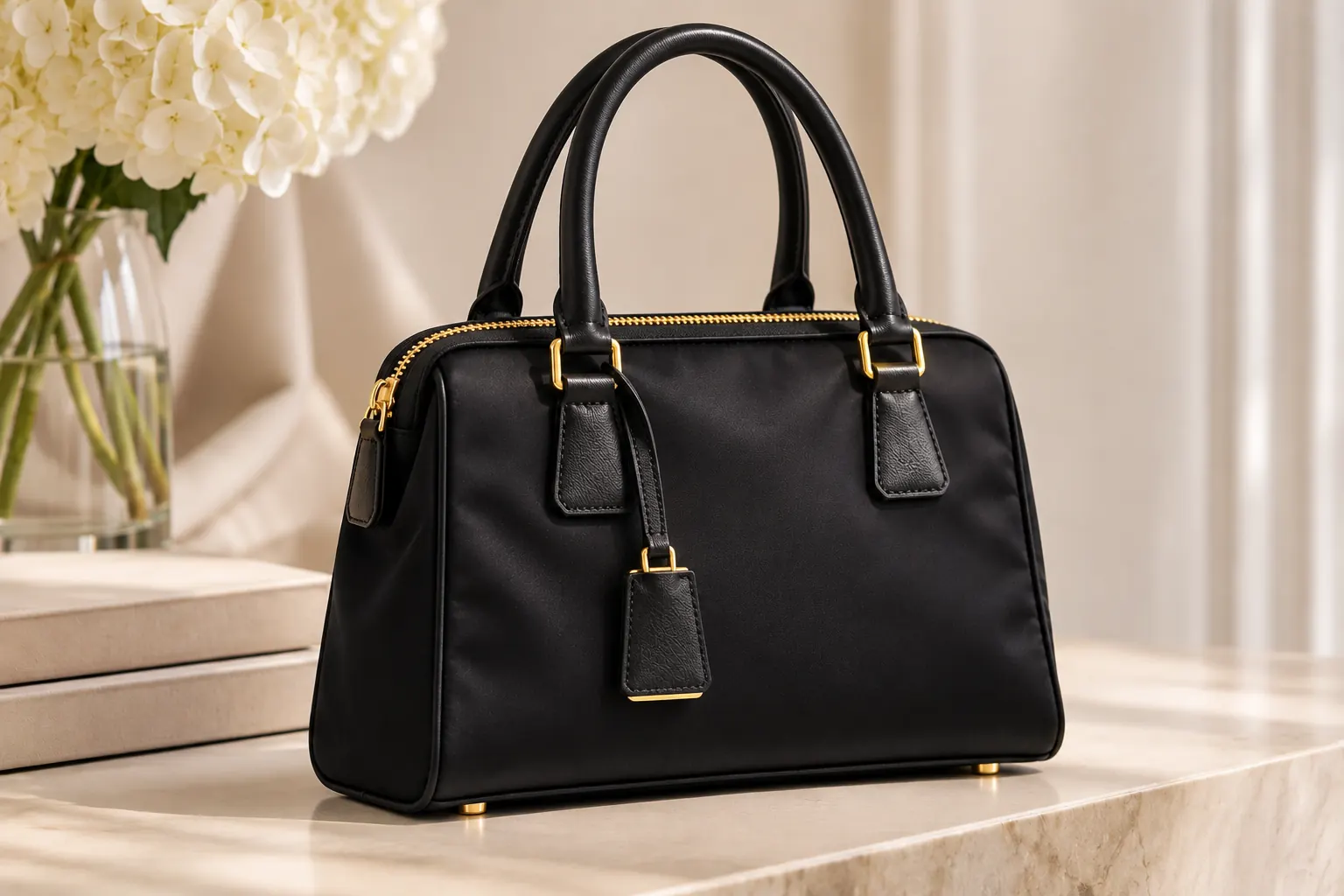
That origin matters. A designer brand does not have to begin in an atelier with pins and muslin. It can begin with an editor who understands the gap between what women are offered and what they actually need. Kate Spade’s first design solved a real problem, then gave the solution personality.
The Awards That Settle the Argument
If the industry thought Kate Spade was merely a mall brand with good marketing, the record would look very different.
In 1995, Kate Spade won the CFDA’s Perry Ellis Award for New Fashion Talent. In 1997, she won the CFDA’s Accessory Designer of the Year award. These are not influencer trophies or magazine popularity polls. The Council of Fashion Designers of America is the professional body of American fashion, and its awards are voted on by people whose job is to know the difference.
That second award is especially important. Accessory Designer of the Year means the industry was not treating Kate Spade as a cute retail success story. It was recognizing the design work itself, in the category where the brand made its name.
This is why the “designer” question has a firmer answer than the “luxury” question. Luxury can be argued over forever. Industry recognition is documented. Kate Spade has it twice.
A Design Language You Can Spot Across a Room
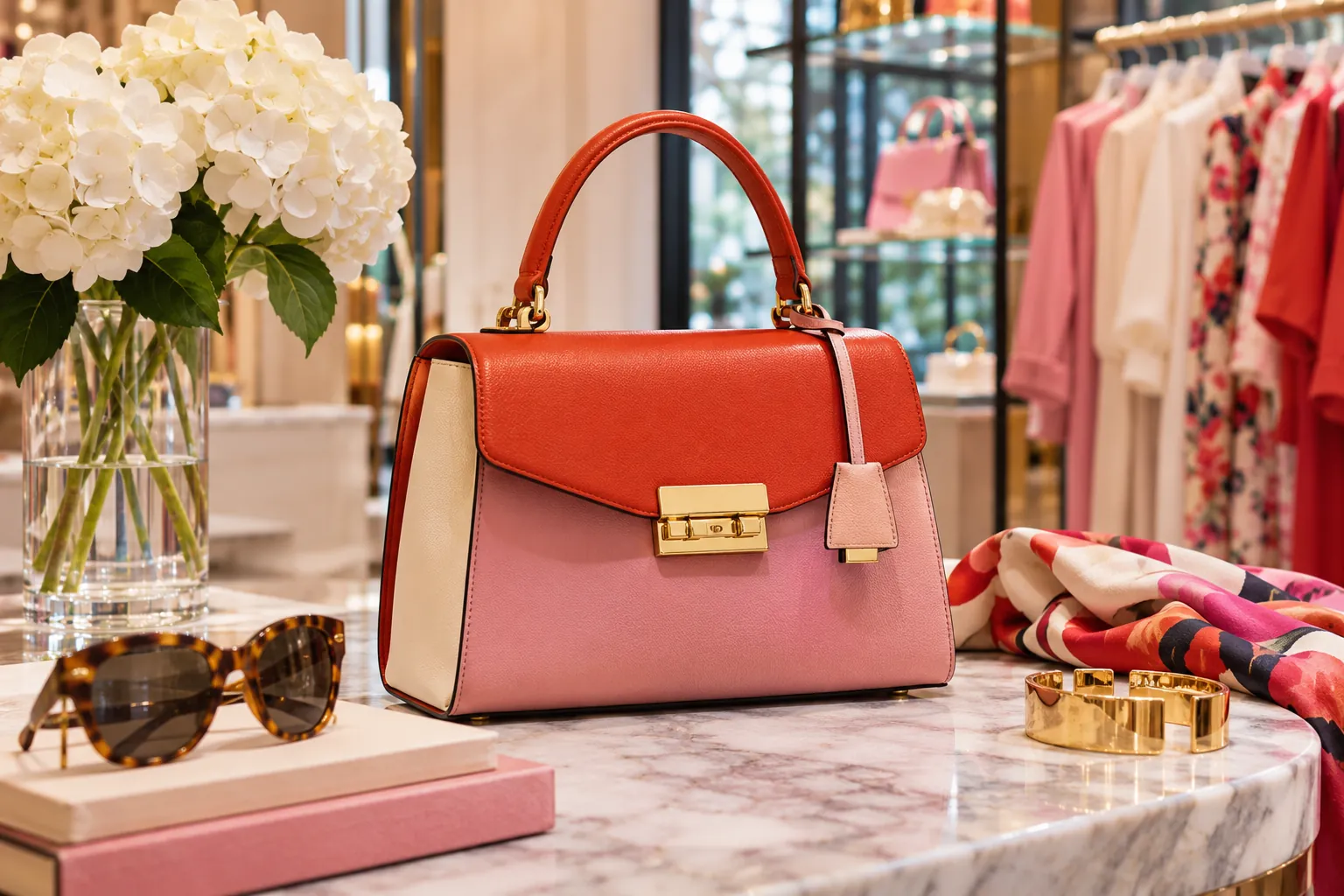
Some brands communicate through monogram. Others communicate through hardware, quilting, canvas or a particular shade of red sole. Kate Spade communicates through wit.
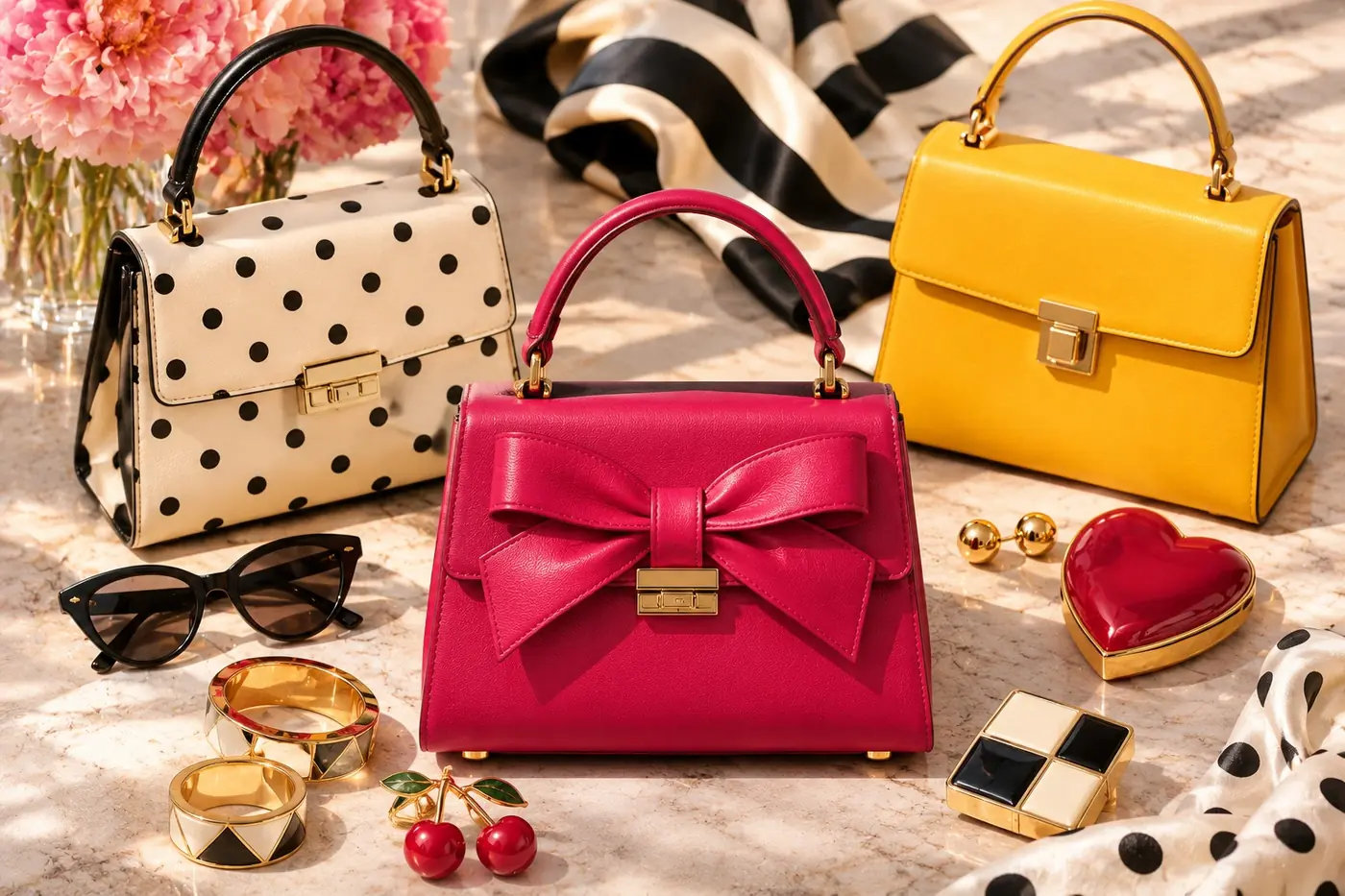
The house codes are bright color, tidy proportions, playful prints, bows, novelty shapes, polished hardware and that small spade. Even when the logo is subtle, the attitude is not. A Kate Spade bag usually looks like it is in on the joke.
That is a design language, and it is harder to build than it looks. Plenty of brands can make a good black tote. Far fewer can make color feel polished rather than childish, or novelty feel intentional rather than gimmicky. Kate Spade’s best work lives right on that line.
The brand also understood something luxury often forgets: fashion can be charming. A handbag does not have to look like a boardroom decision. It can look like a taxi, a cherry, a book, a piece of candy or a very good mood. That does not weaken its designer credentials. It proves that someone made a creative choice.
For a wider map of how labels like this fit into the market, our guides to designer brands and affordable designer brands separate design authorship from luxury pricing.
Who Designs Kate Spade Now?
A founder’s vision can start a designer brand, but it cannot sustain one forever. The modern Kate Spade story has moved through several owners and creative teams.
Neiman Marcus bought a majority stake in 1999 for $33.6 million. Liz Claiborne acquired the company in 2007 for $124 million. Tapestry, the parent company of Coach, bought it in 2017 for $2.4 billion. That corporate history sometimes makes people assume the design part disappeared. It did not.
Today, Jonathan Saunders leads the brand as executive creative director. Tapestry announced his appointment in July 2026, with the role effective in late August. His resume includes Alexander McQueen, Diane von Furstenberg, Calvin Klein, Tiffany & Co., Pucci and & Other Stories, which is exactly the sort of professional pedigree you look for when asking whether a real designer is still steering the ship.
The timing matters. Kate Spade’s business is in reset. In Tapestry’s 2026 fiscal year, Kate Spade generated $1.0749 billion in revenue and operated 326 directly operated stores, but sales declined by 10 percent on a reported basis. That is a commercial challenge, not an identity erasure.
If anything, bringing in Saunders confirms the point. You do not hire a designer with that background to run a label you consider a generic accessories business. You hire one because design is the rescue plan.
Designer, Premium and Luxury Are Three Different Verdicts
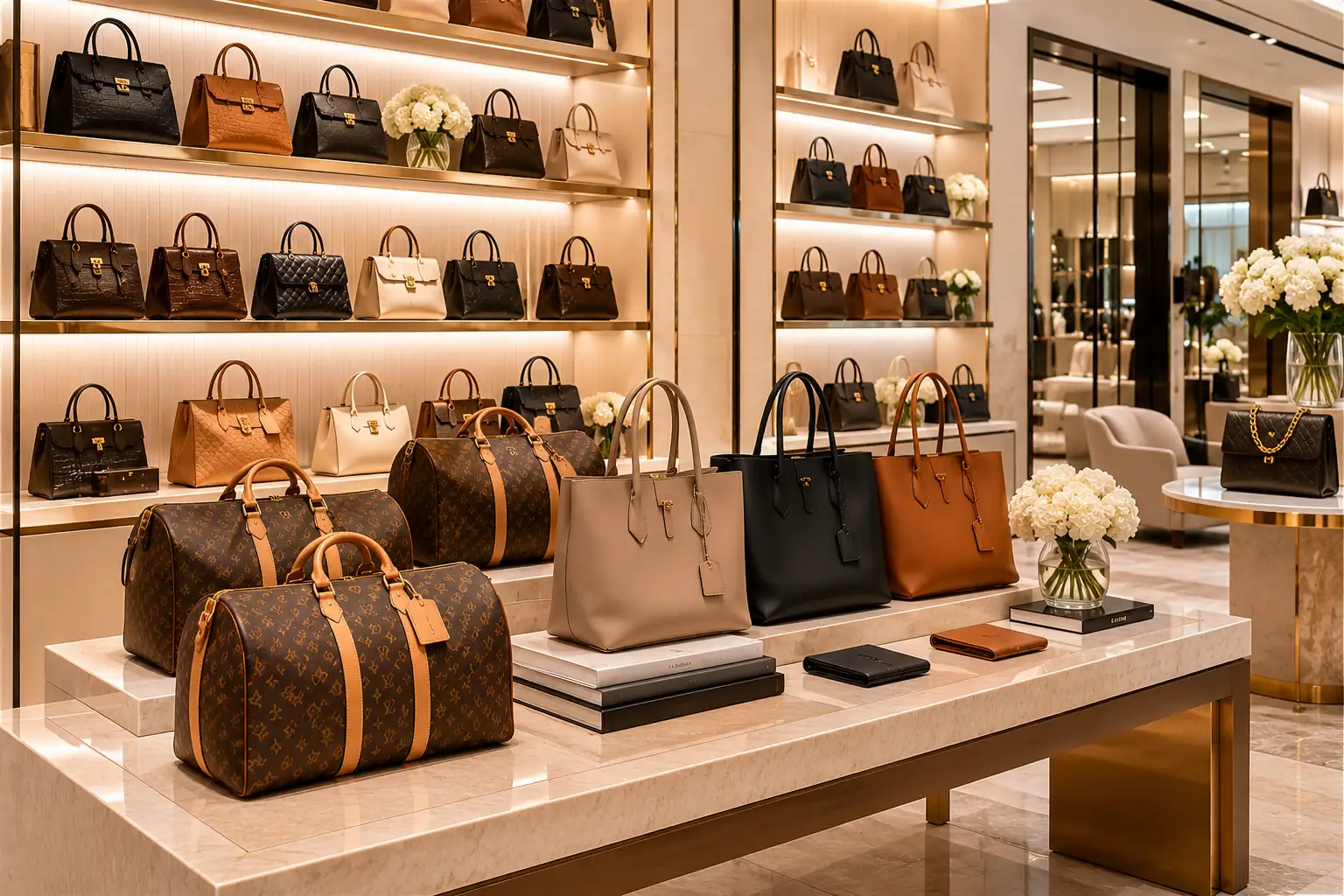
The internet loves to collapse these labels into one argument. They are separate questions, and Kate Spade answers each one differently.
| Label | The Real Test | Kate Spade Verdict |
|---|---|---|
| Designer brand | Founder vision, original design, awards, creative leadership | Yes, clearly |
| Premium brand | Better materials and design than standard high street | Yes, comfortably |
| Accessible luxury | Aspirational price and polish without true exclusivity | Yes, in its best mainline pieces |
| True luxury | Deep heritage, rare craft, high scarcity, elite price structure | No |
This table is the calmest way to answer the question. Kate Spade is designer. It is also premium and accessible luxury. It is not trying to compete with the old European houses on heritage or hand craftsmanship.
That is also why the brand makes such a useful first step into the category. It has designer credibility without four figure entry prices. If you are weighing it against its closest sibling, our Kate Spade or Coach verdict compares style, leather, durability and resale value head to head.
Why People Still Doubt It
If the evidence is this clear, why does the question keep coming back?
The price feels too reachable. Most Kate Spade bags sit roughly between $200 and $450, with outlet pieces often lower. Some shoppers have been trained to believe “designer” must start above $1,000. That is wrong. Price is part of luxury positioning, not the definition of design authorship.
The outlets blur the message. Kate Spade operates a large outlet business, and outlet products are designed to meet different price expectations. Seeing the logo heavily discounted makes some people question the whole brand. The same thing has happened to Coach and Michael Kors.
The name sounds playful. There is a lingering snobbery that says serious fashion should be quiet, European and faintly miserable. Kate Spade is bright, American and amused. That confuses people who think a designer label must whisper.
People are really asking about luxury. When shoppers ask “is Kate Spade designer?”, they often mean “will other people read this as expensive?” That is a different question. Our guide to whether Coach is a luxury brand shows how even Kate Spade’s stronger sister brand sits below true luxury.
What the Designer Label Means When You Shop
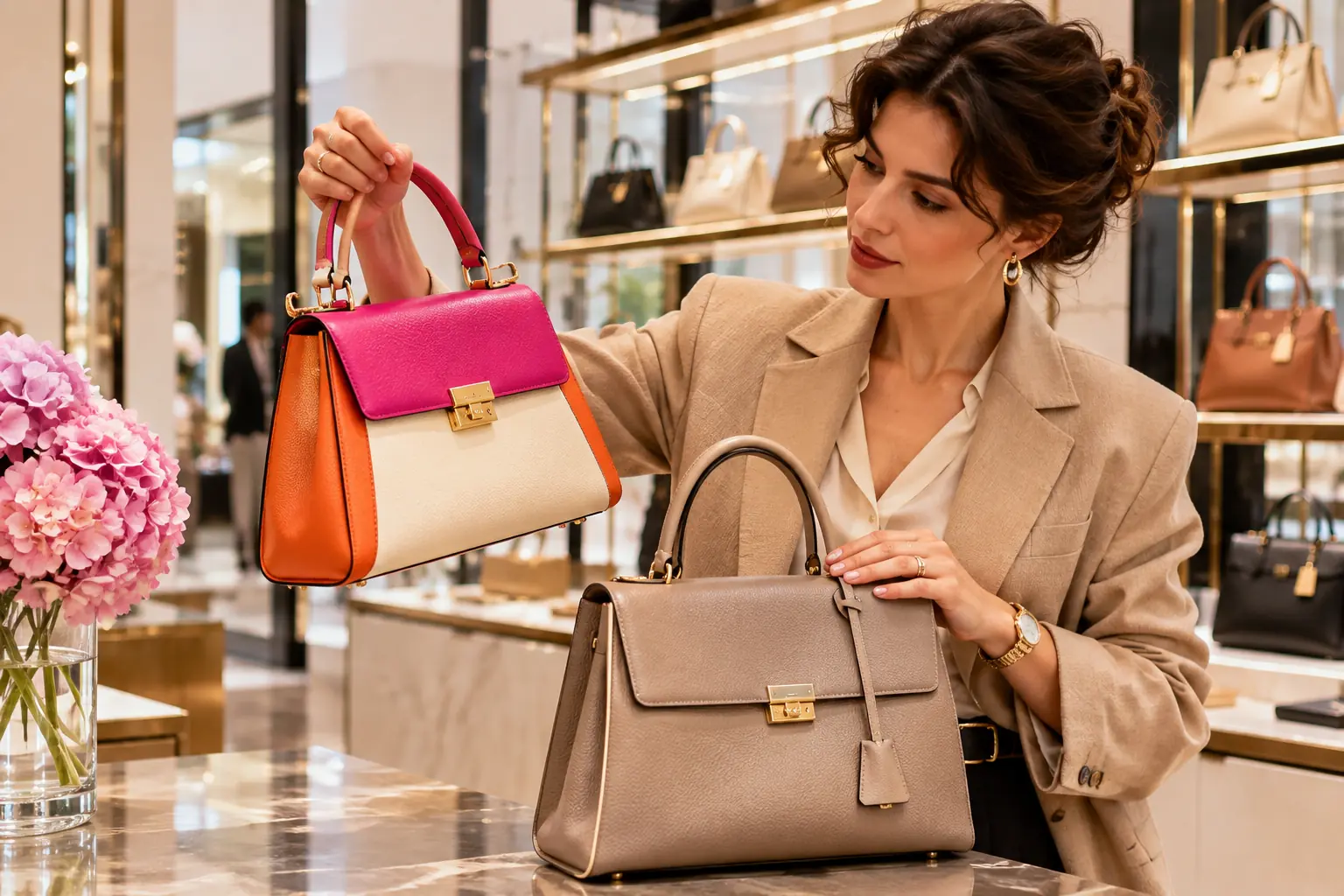
Here is the practical translation. When you buy Kate Spade, you are paying for a real design point of view, recognizable house codes and materials that sit above ordinary high street bags. You are not paying for heirloom construction, artisanal scarcity or strong resale value.
That means the smartest Kate Spade purchases are the pieces where the design identity is the whole point. A structured Sam or another clean silhouette in a signature color makes sense. A novelty bag that makes you laugh every time you see it makes sense. A plain black bag bought only because the label seems prestigious makes less sense, because Coach usually offers the stronger leather for similar money.
For occasion bags, color and personality, Kate Spade is one of the easiest designer labels to recommend. For daily wear, resale and long term leather quality, it is worth comparing it against Coach and Tory Burch before spending.
If your goal is a bag that may retain value, designer status alone is not enough. Our ranking of designer handbag brands worth the investment separates recognizable design from pieces with stronger secondhand demand.
Kate Spade by the Numbers
1993: The year Kate Spade New York launched in New York.
6: The number of essential handbags in the debut collection.
2: CFDA Awards won by Kate Spade, in 1995 and 1997.
$33.6 million: The price Neiman Marcus paid for a majority stake in 1999.
$2.4 billion: The amount Tapestry paid to acquire the brand in 2017.
$1.0749 billion: Kate Spade’s fiscal 2026 revenue.
326: Directly operated Kate Spade stores at the end of fiscal 2026.
Those numbers describe a real fashion business with a documented design history. They do not describe a fleeting label built only on licensing.
Frequently Asked Questions
Is Kate Spade considered a designer brand?
Yes. Kate Spade is considered a designer brand because it was founded by a real designer, introduced original handbag silhouettes, won two CFDA Awards and maintains professional creative leadership. It sits in the accessible designer tier rather than the high luxury tier.
Who founded Kate Spade?
Kate Spade was founded in New York in 1993 by Kate Brosnahan Spade and Andy Spade. Kate was a former Mademoiselle accessories editor who wanted a fashionable but practical handbag. She created construction paper prototypes before launching the brand with six essential bags.
Did Kate Spade win fashion awards?
Yes. Kate Spade won the CFDA’s Perry Ellis Award for New Fashion Talent in 1995 and the CFDA’s Accessory Designer of the Year award in 1997. These awards confirmed the American fashion industry’s professional recognition of her original design work.
Who is the creative director of Kate Spade now?
Jonathan Saunders is Kate Spade’s executive creative director. Tapestry announced his appointment in July 2026, and the role became effective in late August. He oversees product design and visual identity, bringing experience from Alexander McQueen, Calvin Klein, Tiffany & Co. and other major labels.
Is Kate Spade a luxury brand or a designer brand?
Kate Spade is a designer brand and, at its best, an accessible luxury label. It is not true luxury in the same category as Hermès, Chanel or Louis Vuitton because it lacks their heritage depth, scarcity, artisanal production and elite pricing structure.
Is Kate Spade better than Coach?
Kate Spade is better for playful design, color and novelty, while Coach is generally stronger for leather quality, durability, resale value and brand momentum. The better choice depends on whether personality or long term construction matters more in the bag you are buying.
The Bottom Line
Is Kate Spade a designer brand? Yes, and not by a technicality. It began with a named founder solving a design problem, earned the American fashion industry’s top accessory award, built a visual language people recognize instantly and still places creative direction in professional hands.
The confusion comes from expecting every designer brand to behave like a luxury house. Kate Spade never did. It made fashion friendlier, brighter and easier to enter, then paid the price among people who mistake solemnity for seriousness.
But a lemon yellow bag with a spade charm can be designed just as deliberately as a black one with a famous monogram. Kate Spade’s genius was understanding that women did not need another bag that looked expensive. They needed one that looked like life might actually be fun.