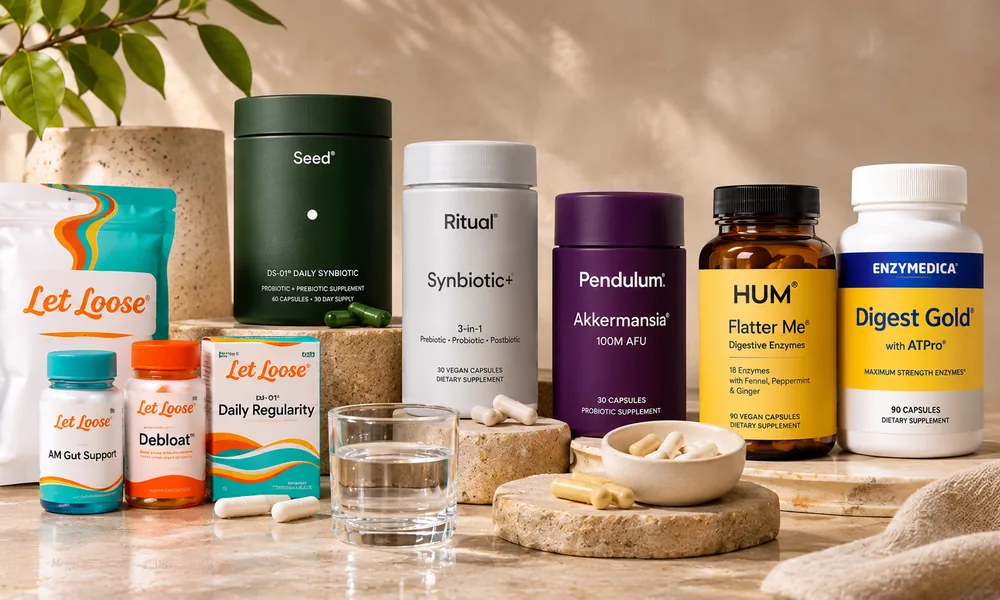
Long dinners, travel days and back-to-back celebrations tend to show up in the same place first: your stomach.
Bloating after a rich meal, or a few sluggish days once your schedule shifts, is something most people simply put up with.
The gut health aisle has changed, though. Brands no longer sell one generic probiotic and hope for the best. Some build a full routine around the day, some focus on a single hard-to-find strain, and others target the moment you sit down to eat.
This guide sorts six well-known brands by what they actually do, so you can match the approach to the problem you have.
Key Takeaways
- Our top pick builds a complete women-focused routine, with separate formulas for morning, mealtimes and night.
- Seed Health and Ritual both use nested capsule-in-capsule designs built to protect their probiotics on the way through the gut.
- Pendulum centres its range on Akkermansia muciniphila, a strain it describes as a keystone of the gut.
- HUM Nutrition and Enzymedica focus on digestive enzymes taken with meals, which suits occasional post-meal bloating.
- Check with a doctor before starting any supplement, especially if you take medication or have a medical condition.
Probiotics, Enzymes and Magnesium: What Is the Difference?
Most gut health products fall into three groups, and they work at different points in digestion.
Probiotics and synbiotics add live bacteria to your gut. A synbiotic pairs those bacteria with a prebiotic, the fibre that feeds them. These are daily, long-game products.
Digestive enzymes help break down protein, fat, carbohydrates and fibre in the food you eat. You take them with meals, and they suit people who feel heavy or bloated after eating.
Magnesium formulas focus on regularity. Some forms draw water into the bowel to soften stool, which is a gentler mechanism than stimulant laxatives that make the bowel muscles contract.
Knowing which group you need saves money and guesswork. A probiotic will not do much for bloating after one large dinner, and an enzyme will not fix irregularity on its own.
How We Chose These Brands
We only included brands that publish clear information about their formulas on their own websites or official product listings. For each one, we looked at:
- The type of formula and how it is designed to be taken
- Named strains, enzyme counts or key ingredients, where the brand discloses them
- Testing or certification claims the brand makes publicly
- Who the range is built for
We left out promotional pricing, which changes often, and avoided health claims that a brand does not support on its own pages. This is an informational comparison, not medical advice.
The 6 Gut Health Brands to Know
1. Let Loose: Best for a Complete Day-Long Routine
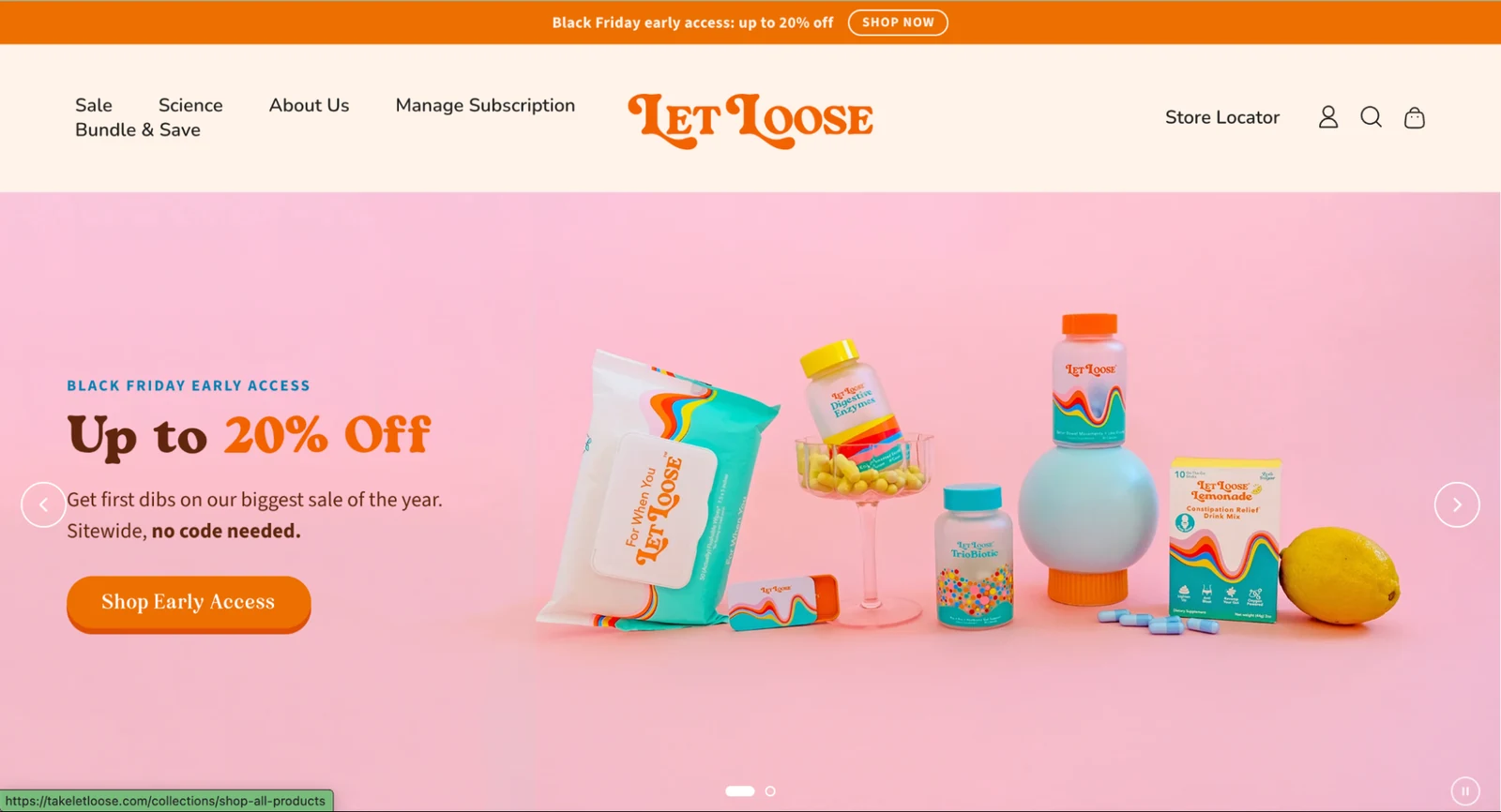
Let Loose builds its range for women around the full day rather than a single capsule. The routine starts with a morning pre-, pro- and postbiotic formula, adds Debloat with every meal, which contains 16 koji-fermented enzymes, and finishes with Daily Regularity at night, made with ozonated magnesium that draws water and oxygen into the bowel to soften stool.
The products are third-party clean ingredient tested, and the medical team includes gastroenterologist Dr. James H. Tabibian, MD, PhD.
Who it suits: Women dealing with both bloating and irregularity who prefer a non-stimulant approach.
2. Seed Health: Best for a Broad-Spectrum Daily Synbiotic
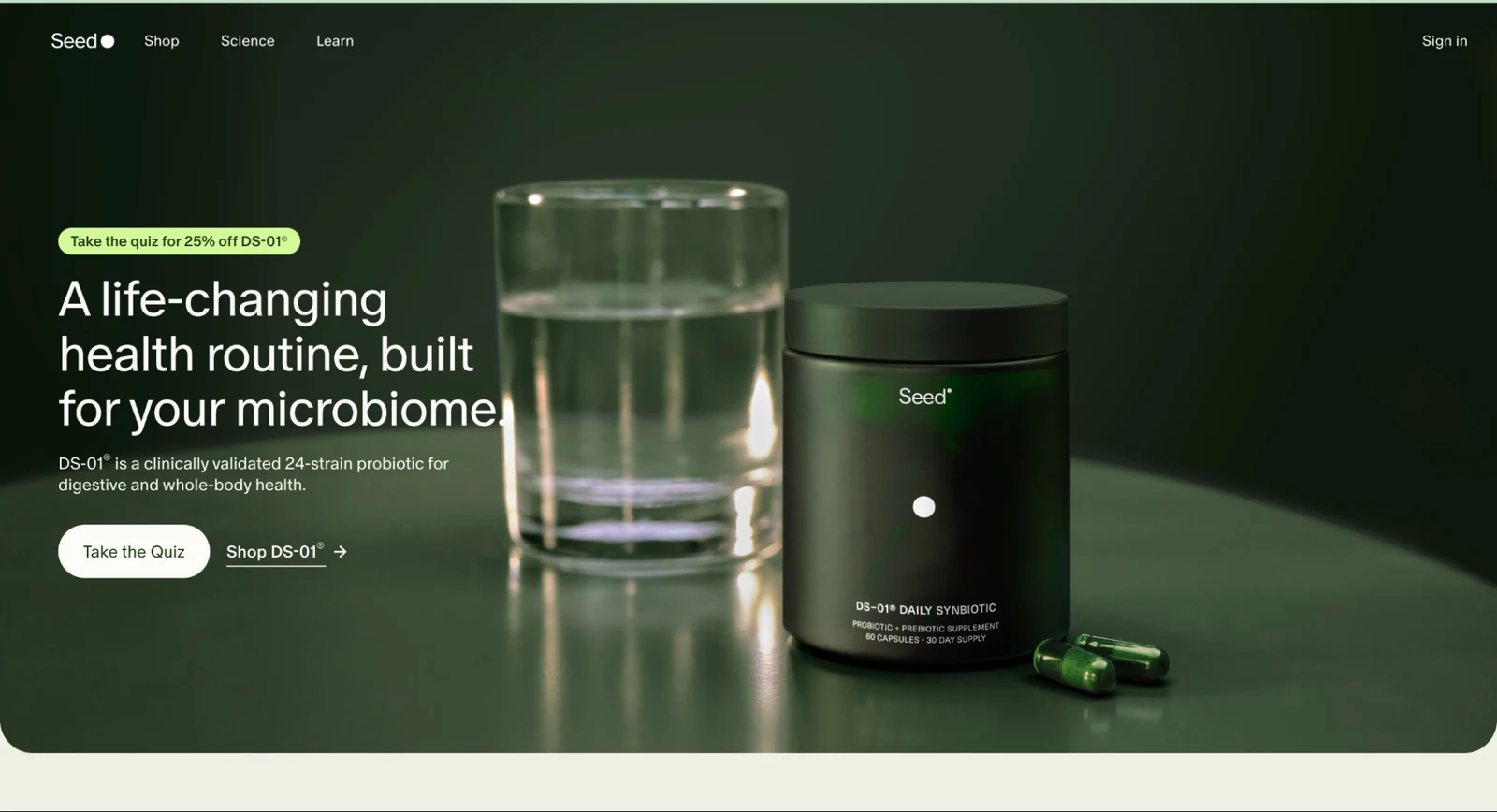
Seed Health is known for DS-01 Daily Synbiotic, which combines 24 probiotic strains with a prebiotic in a capsule-in-capsule design. The prebiotic outer capsule releases in the small intestine, and the formula delivers 53.6 billion AFU without needing refrigeration.
A 30-day supply is 60 capsules, shipped first in a refillable glass jar and then in refill packets. The brand offers free US shipping and flat-rate international delivery.
Who it suits: Adults who want one daily product with a wide strain range and less packaging waste.
3. Ritual: Best for a Simple One-Capsule Habit
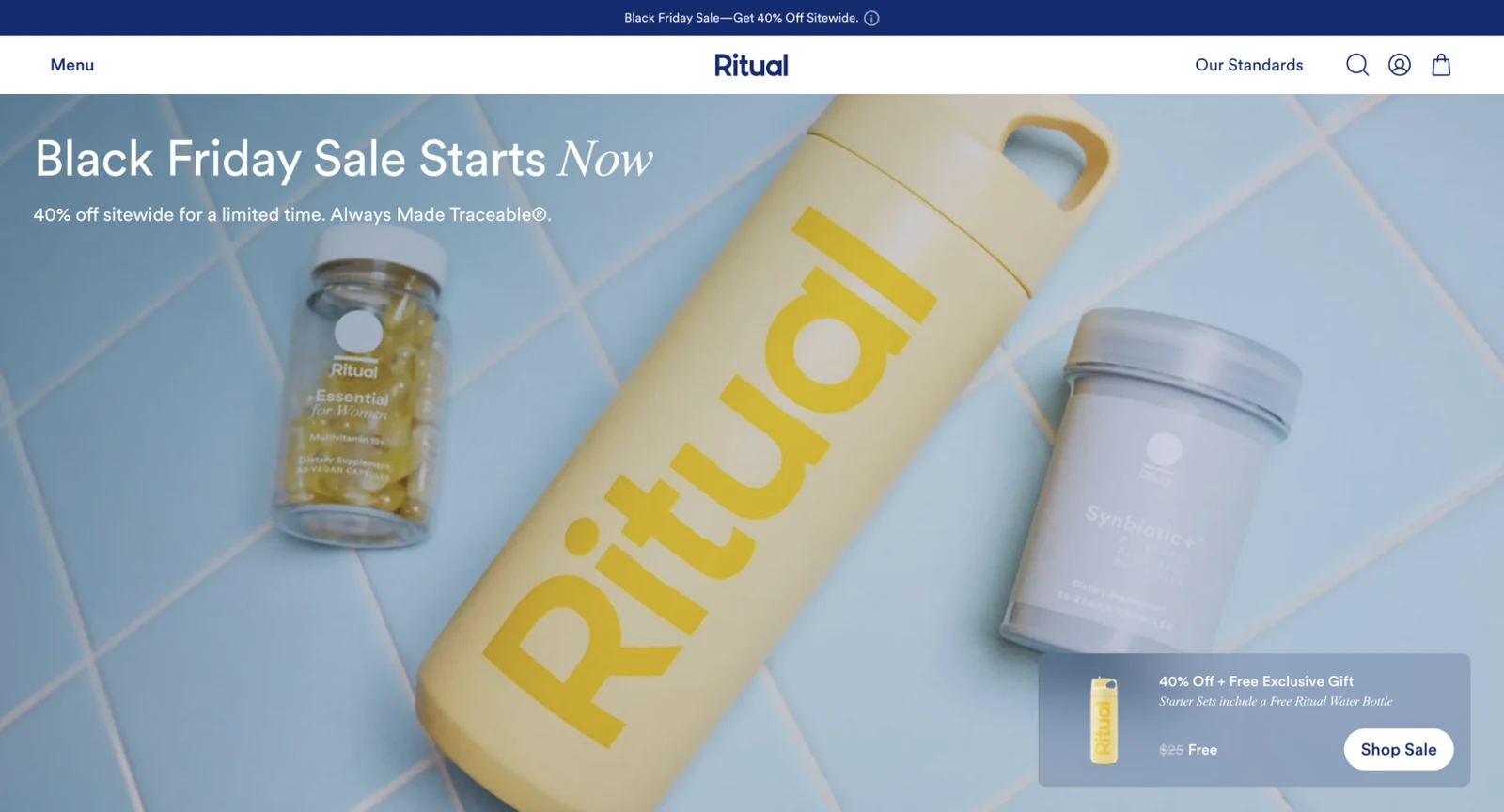
Ritual makes Synbiotic+, a 3-in-1 formula combining a prebiotic, probiotics and a postbiotic in one vegan capsule. The probiotic blend provides 11 billion CFU from two well-studied strains, LGG and BB-12, while the prebiotic is PreforPro.
A nested, delayed-release capsule is designed to reach the colon rather than the stomach. You take one capsule a day, with or without food, and no refrigeration is needed.
Who it suits: People who want a low-effort daily habit and like knowing where ingredients come from.
4. Pendulum: Best for Akkermansia Support

Pendulum focuses on Akkermansia muciniphila, a gut strain the company describes as a keystone strain. Its Akkermansia product provides live Akkermansia at 100 million AFU per capsule.
Metabolic Daily pairs Akkermansia with four other strains in a 5-strain probiotic, and a separate Polyphenol Booster is designed to support Akkermansia growth.
Who it suits: Readers already familiar with the gut microbiome who want a targeted strain rather than a general blend.
5. HUM Nutrition: Best for Mealtime Bloating

HUM Nutrition built its reputation on Flatter Me, a vegan digestive enzyme formula with 18 full-spectrum enzymes, including bromelain, papain and lactase, plus fennel, peppermint and ginger.
It is taken with meals to help break down protein, fat, carbohydrates, fibre and dairy. Flatter Me Plus adds prebiotics and 3 billion CFU of probiotics for regularity. HUM says its products are triple tested and third-party validated for purity and quality.
Who it suits: People whose bloating shows up mainly after meals.
6. Enzymedica: Best for High-Potency Enzymes

Enzymedica calls itself the leading US seller of digestive enzymes, and Digest Gold with ATPro is its flagship. Its Thera-blend enzymes are formulated to stay active across the digestive tract’s changing pH levels, and the brand says one capsule breaks down up to 34 g of fat, 16 g of protein and 86 g of carbohydrates.
ATPro adds ATP, magnesium citrate, phytase and CoQ10. The capsules are vegan and kosher, taken one per meal.
Who it suits: People who want stronger enzyme support for large or rich meals.
How to Choose the Right Gut Health Brand for You
Start with the symptom, not the label. If bloating hits within an hour of eating, a mealtime enzyme is the logical first step. If the problem is irregularity over days, look at magnesium or a probiotic routine instead.
Next, think about how many products you will realistically take. A single daily capsule is easier to stick with than a three-step routine, but a routine can address more than one issue at once.
Look at what is already in your supplement cabinet, too. If you take other supplements for hormone support, such as DIM supplements, ask your doctor or pharmacist how a new gut product fits alongside them. Some supplements are best taken with food, and stacking several at once can make it hard to tell which one is helping.
Finally, check what the brand publishes. Named strains, disclosed enzyme counts and clear testing claims are a better sign than vague promises.
Final Thoughts
Gut health is personal, and the right brand depends on whether your issue is post-meal bloating, irregularity or long-term microbiome support. Probiotics play the long game, enzymes work meal by meal, and magnesium focuses on regularity.
Give any new product a few weeks of consistent use before judging it, and keep the basics in place. Fibre, water, sleep and regular movement still do much of the work.
FAQ
What is the difference between a probiotic and a synbiotic?
A probiotic contains live bacteria, while a synbiotic combines those bacteria with a prebiotic fibre that feeds them.
Do digestive enzymes help with bloating?
Digestive enzymes help break down food during a meal, which can ease bloating that comes from eating, especially after large or rich meals.
Can I take a probiotic and a digestive enzyme together?
Many people do, since they work differently, but check with your doctor or pharmacist first if you take medication.
Is magnesium a laxative?
Some forms of magnesium draw water into the bowel and can have a laxative effect, so start with the label dose and ask a doctor first if you have kidney disease.
How long do gut health supplements take to work?
Enzymes act during the meal you take them with, while probiotics and synbiotics are usually judged over several weeks of daily use.