Rintaro is the most versatile starting point for a full Japanese meal in San Francisco, while a sushi counter, ramen shop, or grill may be a better fit for a specific craving. This shortlist covers San Francisco, but the closest good match depends on where you are and how far you want to travel. Omakase is a meal in which the diner leaves the selection of dishes to the chef.
A nearby choice can make the difference between a relaxed dinner and a long trip across town. Your best fit also depends on the cuisine, the occasion, and the time you have. You will find practical options for sushi, noodles, barbecue, and casual dining, without assuming one restaurant suits every night.
A special meal may call for a chef-led counter, while a quick lunch might work better at a takeout spot. Use the cuisine and neighborhood that suit your plans to narrow the shortlist.
Key Takeaways
- Choose by meal style first: sushi, ramen, grilled skewers, or shared plates.
- Use the neighborhood to judge whether a restaurant is truly nearby.
- A chef-selected omakase meal suits a planned dinner, not every quick stop.
- Check current menus and hours before leaving home.
- A casual lunch and a special night out may call for different places.
Best Japanese Restaurant Near Me: Which San Francisco Picks Belong on Your Shortlist?
Start with Rintaro for a broad izakaya meal, or choose a specialist if you already know you want sushi, ramen, or grilled skewers. These ten San Francisco restaurants offer different formats, from a chef-led counter to takeout sushi and noodle bowls. Start with your craving, then weigh the neighborhood and meal length.
This is a city shortlist, not a live distance ranking. A special dinner can be a great match for one night and the wrong choice for a quick lunch. Addresses help you compare each spot with your starting point.
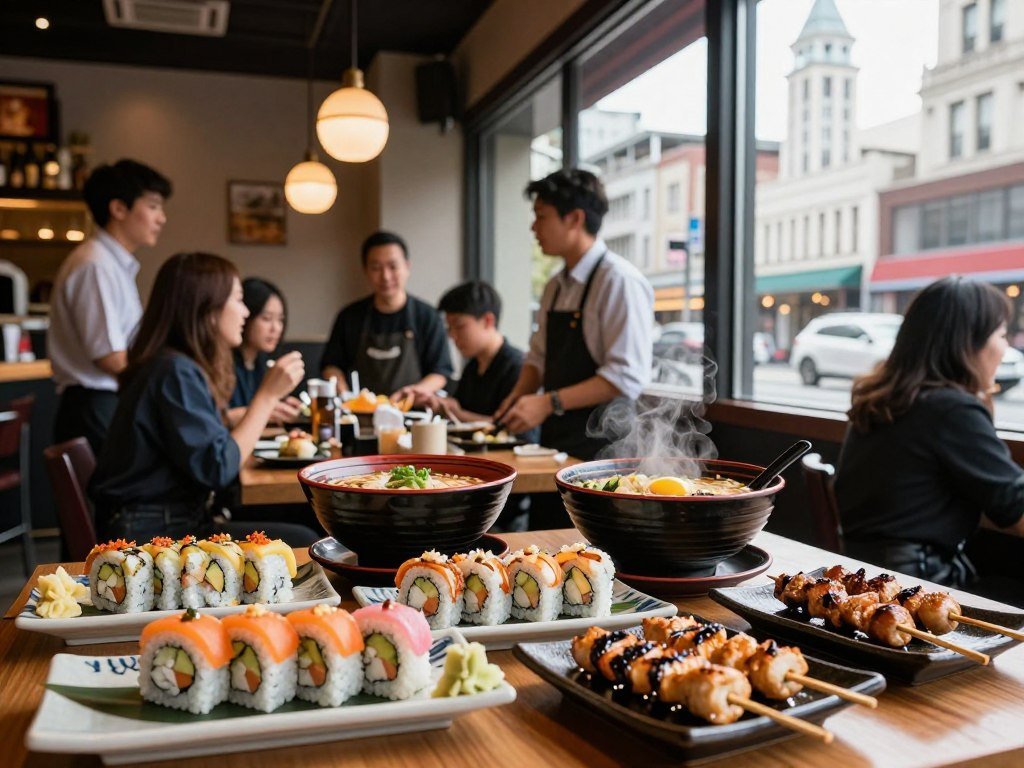
- Ken, at 252 Divisadero St in Lower Haight, suits fish-focused omakase. Its small, chef-led format makes the fish the center of the meal.
- Rintaro, at 82 14th St in the Mission, fits an izakaya dinner. Choose it when you want a range of Japanese pub-style dishes rather than one specialty.
- Mensho, at 676 Geary St in the Tenderloin, is a ramen pick. Its menu includes classic toripaitan and less usual broth choices.
- Aji Kiji, at 359 Kearny St in FiDi, works for takeout sushi. Its options include chirashi, nigiri, and seared salmon.
- TBD, at 431 Bush St in Union Square, offers inventive izakaya plates. It suits diners who want to share several dishes in a central neighborhood.
- Komeya No Bento, at 3137 Laguna St in the Marina, focuses on bento. A boxed meal can be a practical choice when you want several items together.
- Moku Yakitori-Ya, at 312 8th Ave in the Richmond, is a yakitori and snack stop. Its skewers and small bites suit a relaxed meal.
- Yuji, at 1700 Post St in Japantown, serves kappo. Expect a chef-led style of Japanese cooking rather than a standard takeout format.
- Taniku, at 1035 Geary St in the Tenderloin, pairs ramen with handrolls. That combination gives you a choice between a warm bowl and a quick sushi bite.
- Saru Handroll Bar, at 2206 Polk St in Russian Hill, specializes in temaki. The hand-rolled cones suit a focused, made-to-order sushi meal.
Match the pick to your neighborhood and the time you have for the meal.
The right restaurant depends on more than its cuisine label. A counter with a set sequence may suit a date, while a bento shop can serve a short lunch break. Your route matters, too: a nearby specialist can be more useful than a famous spot across town.
Think about whether your group wants to linger, share plates, or eat on the move. A restaurant’s format can shape the pace of the night as much as its menu does. Match the pick to your neighborhood and the time you have for the meal.
Which San Francisco Sushi Style Fits Your Meal?
A handroll counter suits a quick, made-to-order sushi meal better than a long chef-led tasting. San Francisco has options for a set sequence, a few rolls, and takeaway sushi. Choose the format before you choose the fish.
Composed courses are not the best fit for a quick, flexible meal. A sushi bar may serve nigiri and sashimi, while a takeout counter may package food for eating elsewhere. These formats are related, but they are not interchangeable.
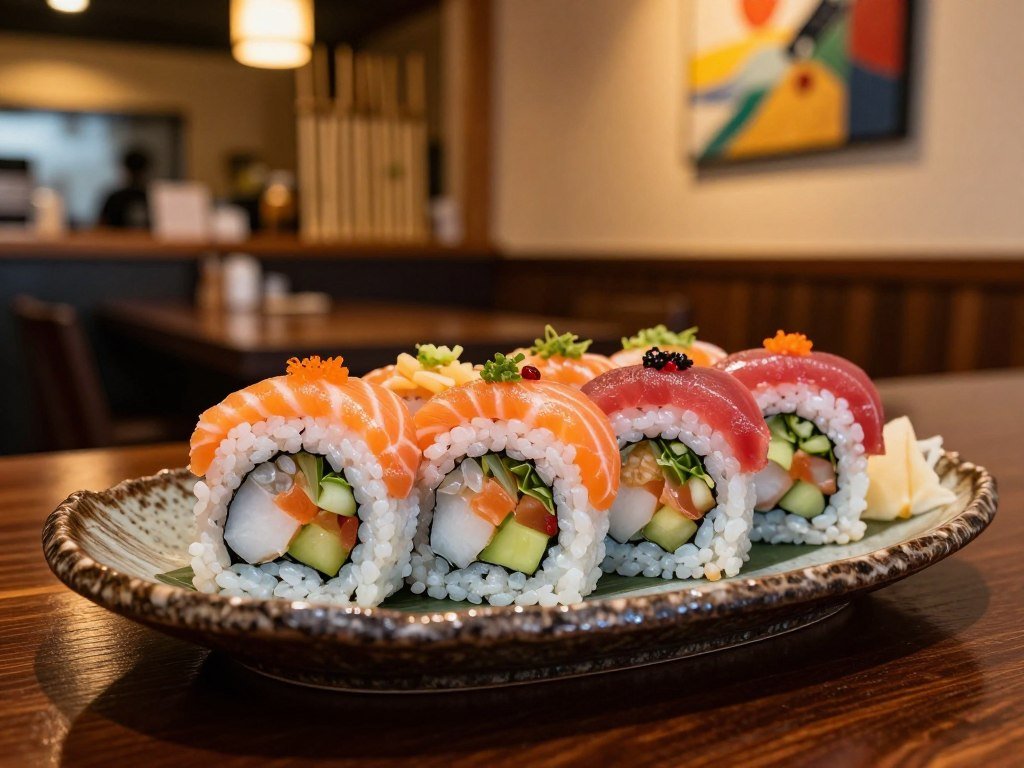
Chef-led omakase and kappo
Omakase leaves the dish selection to the chef, often as a sequence of courses. Kappo is a chef-prepared style of seasonal Japanese cooking, and it can include more than sushi. Yuji in Japantown has nine seats and serves 14 courses, including seven pieces of nigiri.
That small seating setup makes Yuji a distinct choice for diners who want the chef’s sequence to shape the meal. Traditional sushi counters may also serve sashimi, which is sliced fish without rice. Nigiri pairs a topping with a small mound of rice, so it offers a different bite and balance.
If you want to compare more local formats, this guide to nearby sushi choices explains how reviews and service style can help narrow your options. A chef-led meal rewards attention to the order of courses, while a casual counter can feel easier to fit into a busy day.
Handrolls and takeout sushi
Saru Handroll Bar offers sets of four or five temaki rolls. A temaki is a hand-rolled sushi cone, often eaten soon after it is made. The format works well when you want several bites prepared for you without committing to a long tasting.
Aji Kiji offers chirashi, nigiri, and seared salmon for takeaway. Chirashi is sushi rice served with toppings, often in a bowl, while boxed sushi gives you a packaged meal to carry away. Check which format a shop serves, since a box and a just-made roll suit different plans.
For “sushi near me,” choose the closest place that serves the style you want, then check its current menu and service format. If you are short on time, a set of handrolls or a ready-to-carry box can be easier than a composed course meal. Decide first whether the meal is about a chef’s sequence, a few rolls, or a box to take away.
Where Can You Find Ramen, Udon, and Soba in San Francisco?
For a rich broth, Mensho’s classic toripaitan is the clear ramen choice in this group. Its creamy style stands apart from udon and soba, which offer different noodle textures and serving options. Pick by broth or noodle to find the bowl that fits your craving.
Mensho does not take reservations, and its line moves quickly. That can make a queue manageable, though a nearby backup may be more practical at a busy time. A long wait at a small noodle shop does not always make sense for one particular bowl.
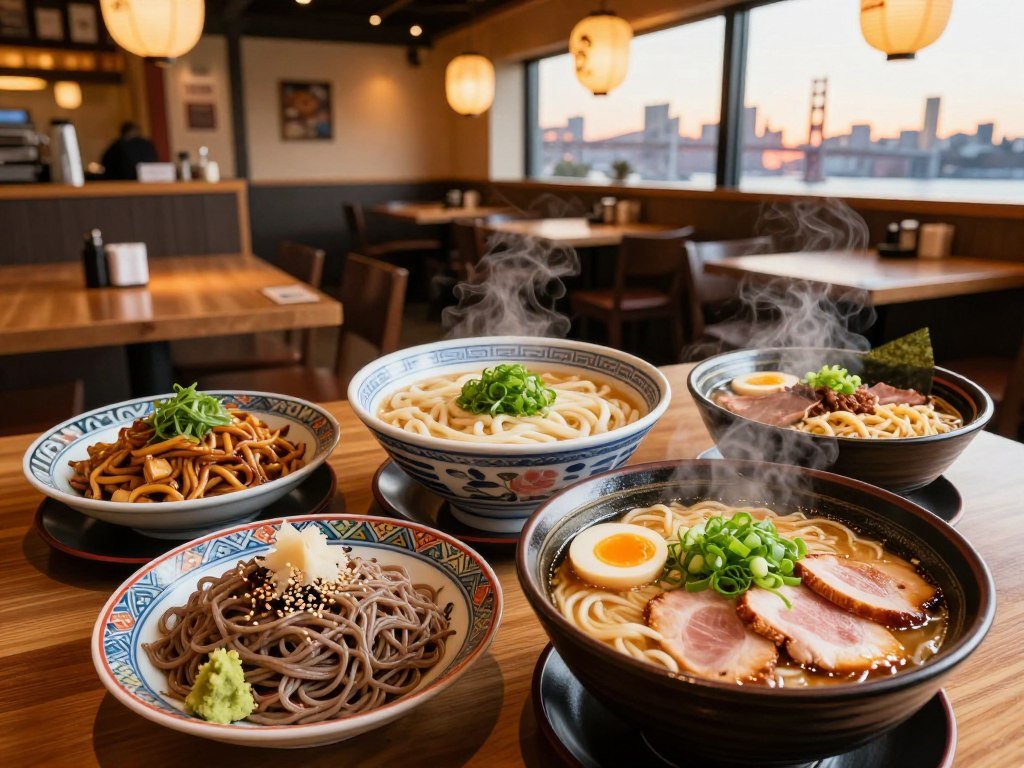
Rich broth and ramen
Mensho serves classic toripaitan, a creamy chicken broth, as well as GKO with five types of garlic. It also offers a matcha-broth option for diners who want a less familiar flavor. The range makes it useful when your group wants ramen but not everyone wants the same bowl.
Ramen often feels like a full lunch on its own, especially when the broth is rich. If you want a particular style, read the menu details rather than choosing by the word “ramen” alone. Broth can change the whole feel of the dish.
Buckwheat noodles and udon
Katsuo + Kombu is at 559 Divisadero St and serves kake udon and sesame miso udon with pork rib. Udon has thick, soft noodles, while soba uses buckwheat noodles. The two offer a clear contrast when you are choosing a bowl by texture.
A Japantown soba shop at 1700 Laguna St serves noodles hot or cold. Cold soba can feel lighter than a hot bowl, while hot soba gives you a warm option. That choice makes the shop useful across different moods and days.
Sora Soba Dining is a nearby alternative when the Japantown soba line is too long. A nearby backup can save time when a small shop has limited room. If the Japantown soba queue is too long, check whether Sora Soba Dining has room before changing neighborhoods.
Where Should You Go for a Casual Japanese Meal?
Taniku is the strongest fit here for a casual meal that may run late, while the Valencia Street cafe suits a slower daytime stop. Shoji offers a mix of cafe and restaurant service. Choose the pace that fits your day, not just the dish.
Taniku’s happy-hour prices only help if you arrive between 4:30 and 5:30 p.m. The restaurant serves happy hour daily, with $3 cups of sake, $2.50 handrolls, and ramen discounts of up to $8. It is open until midnight Wednesday through Saturday.
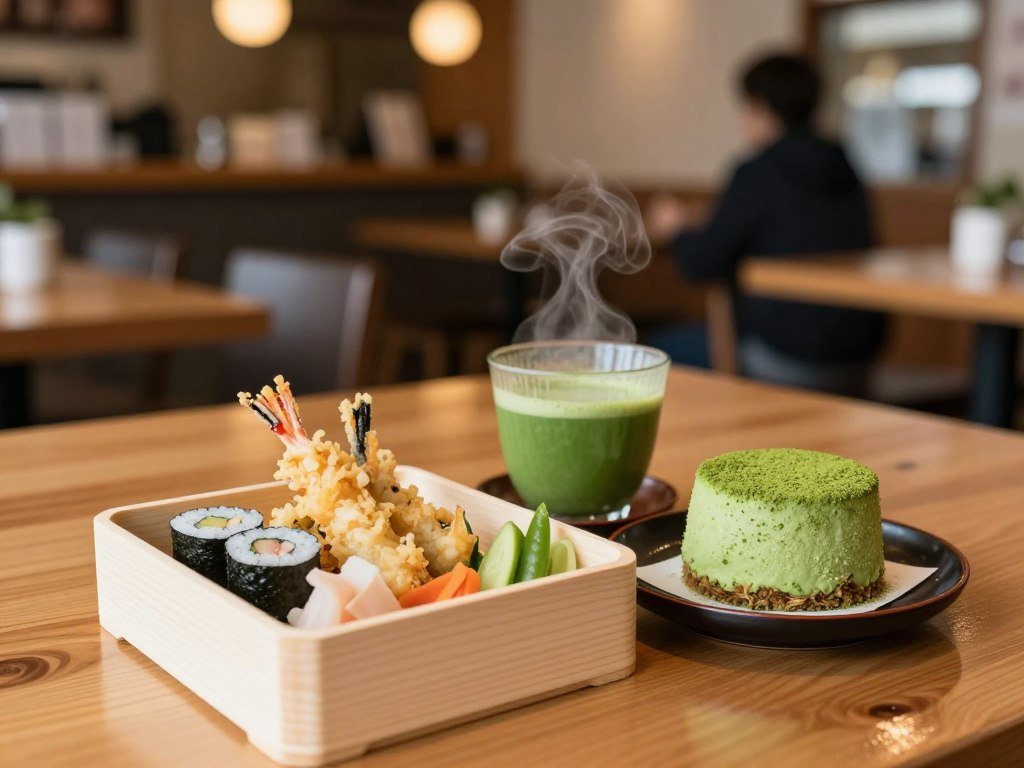
Those offers make Taniku a useful option for an early evening meal, while its later hours can suit a dinner that runs behind schedule. A discount outside its stated window is not part of the deal, so plan your arrival around the time listed.
Shoji is at 140 New Montgomery St and combines cafe and restaurant service. That mix may work when you want a more relaxed stop without making the meal feel like a formal event. Check the menu to see whether its current offerings suit a full meal or a lighter visit.
A cafe at 561 Valencia St serves curry, a rose matcha latte, and matcha cream pie. Curry can make the stop filling, while the latte and pie give you a lighter option or dessert. It is a good fit when you want a slower daytime break.
For “best Japanese restaurant near me open now,” check the current day’s hours directly before you travel. A saved listing or old review may not reflect a changed schedule. Hours can affect a casual meal as much as the menu does.
Think about whether you need a place for lunch, a quick bite, or a late dinner. A cafe stop and a ramen meal have different rhythms, even when both feel informal. Check the day-specific hours before setting out, especially for a late meal.
Which Japanese BBQ, Hot Pot, or Katsu Meal Suits the Occasion?
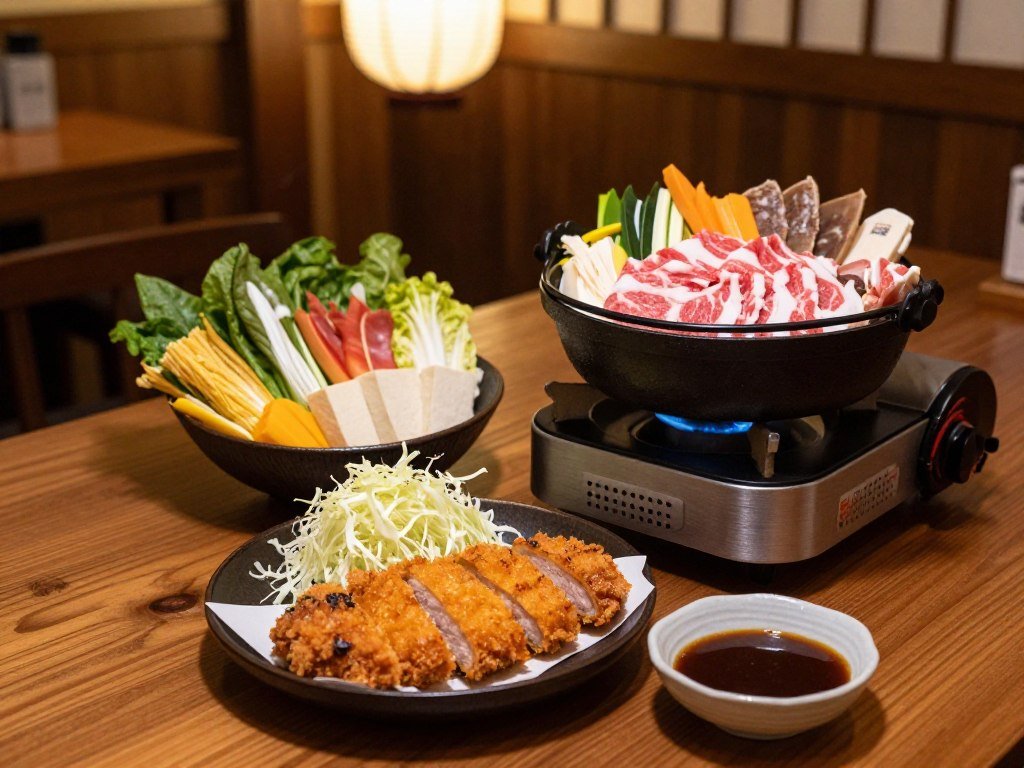
Shabu Club is the group-friendly hot pot choice, while Showa and Yakiniku Shodai are better suited to a planned special meal. The formats differ in pace, price, and how much the meal is set in advance. Match the format to the group and occasion.
An all-you-can-eat group meal and a fixed tasting menu serve different appetites and schedules. Yakiniku is Japanese grilled-meat dining, while hot pot centers on cooking food at the table. A katsu tasting menu follows a set series of courses.
| Restaurant | Meal style | Price or course count | Best-fit occasion |
|---|---|---|---|
| Yakiniku Shodai | Wagyu-focused yakiniku | $150-225 tasting menu | Planned special dinner |
| Shabu Club | All-you-can-eat hot pot | $46 option | Shared group meal |
| Showa | Katsu-focused tasting menu | About 12 courses | Set-course dinner |
Yakiniku Shodai’s tasting menu costs $150-225. It suits diners who want a wagyu-focused meal with a planned sequence. For a familiar point of comparison, Gyu-Kaku Japanese BBQ is known for the Japanese BBQ format, but it is not a local recommendation in this shortlist.
Shabu Club’s $46 all-you-can-eat option offers a more open-ended group meal. Guests can share the table and spend time eating together, rather than following a fixed tasting sequence. It may suit a group with different appetites better than a course menu.
Showa serves about 12 courses focused on fried meat. That set format can make the dinner feel like an occasion, but it asks diners to follow the meal’s sequence. A group with varied schedules may prefer the more flexible hot pot plan.
A Japanese steakhouse in the Design District at 61 Division St is another A5 wagyu grill option. Its name and price are not needed to understand the format: it offers another choice for diners seeking grilled wagyu. That makes it distinct from a shared hot pot meal.
The familiar Gyu-Kaku Japanese BBQ style comparison may help you picture table grilling, but the local options differ in price and service. If your group wants to talk and eat at its own pace, hot pot is the more flexible format. Choose hot pot for a shared, flexible meal and a tasting menu when the set sequence is part of the occasion.
Which Izakaya Is Best for Sharing Plates at Night?
Rintaro is the better choice for a complete izakaya dinner, while Moku Yakitori-Ya fits a spontaneous drink-and-snack stop. TBD offers inventive share plates in Union Square. Choose the room and pace that fit your group.
A casual counter or snack-focused spot may not suit a quiet, formal dinner. Rintaro is at 82 14th St in the Mission, TBD is at 431 Bush St in Union Square, and Moku is at 312 8th Ave in the Richmond.
A full izakaya dinner
Rintaro’s izakaya format works when you want a sit-down meal built around shared Japanese dishes. It gives a group room to order across the menu rather than focusing on a single bowl or skewer. The Mission location also helps you judge the trip before choosing it for the night.
TBD offers inventive izakaya plates, which makes it a fit for a group that wants to compare several small dishes. Its Union Square address may suit an evening that starts or ends nearby. A shared-plate dinner can feel social, but the group should agree on how to order.
Skewers, snacks, and drinks
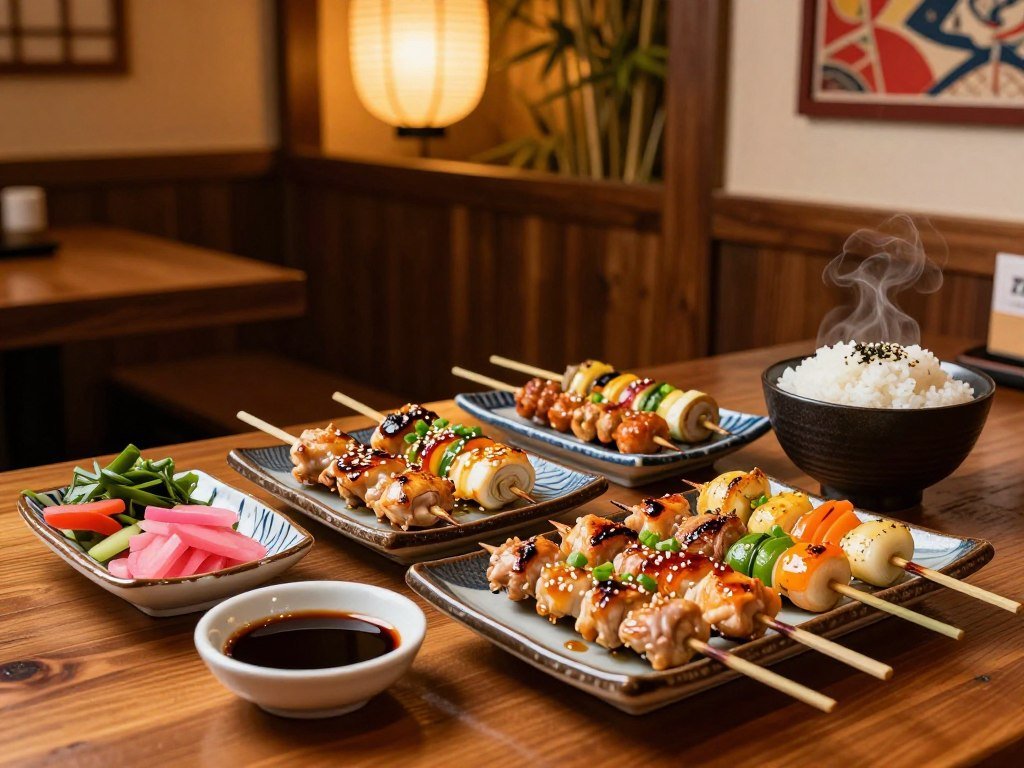
Moku Yakitori-Ya is more casual, with skewered grilled chicken and other snacks. Its menu includes charred pork belly skewers, fried mochi, and takoyaki. These choices suit a lighter stop when you want a few small bites rather than a full dinner.
Yakitori often centers on grilled chicken skewers, though Moku’s listed snacks reach beyond chicken. Fried mochi and takoyaki add different textures to the meal. That mix can work well for a spontaneous night out, especially when your group wants to keep the order small.
Choose the style that fits the mood, not just the word “izakaya.” A full dinner gives you more reason to settle in, while a skewer stop can be shorter and less formal. For a group that wants to share several small plates, check that everyone is comfortable ordering across the table.
How Far Ahead Should You Book a Special Japanese Dinner?
Start with Showa’s 30-day booking window for a one-seating-per-night dinner, and plan further ahead if that is the target. Ken releases reservations 21 days ahead, while Shoji often has options a day ahead. Use the release window that matches your restaurant.
Showa has one seating each night and does not accept solo reservations. Reservation details differ by place, so a useful booking plan starts with the restaurant’s actual release time and seating rules.
| Restaurant | Reservation release or lead time | Seating or availability detail |
|---|---|---|
| Showa | 30 days ahead at 12 p.m. on Tock | One seating nightly; no solo reservations |
| Ken | 21 days ahead at 11 p.m. on Resy | Seven seats inside; two seatings nightly |
| Shoji | Often available a day ahead | Before 7 p.m. or after 9 p.m. |
Showa’s single seating means your preferred dinner date needs a plan. Its reservations open on Tock 30 days in advance at 12 p.m. The restaurant does not take solo reservations, so a one-person plan will not fit its stated booking rules.
Ken releases reservations on Resy 21 days ahead at 11 p.m. It has seven seats inside and two seatings nightly. That small counter gives you a clear reason to keep the release time in mind when the date matters.
Shoji reservations are often available a day ahead before 7 p.m. or after 9 p.m. That day-before option does not mean every preferred time will be available. It can still help if your plans are flexible around the evening’s peak hours.
Check for cancellations when the booking system allows them, especially if your date is close. A cancellation can open a seat, though it cannot promise the exact time or party size you want. Set a reminder for the release time that matches the restaurant you actually want.
Where Can You Get Japanese Lunch or Takeout in San Francisco?
Aji Kiji suits a sushi-focused takeaway, but its quick sellouts make backup options useful. For lunch, San Francisco also has bento, udon, and counter-service choices. Pick by carrying needs as well as cuisine.
Confirm whether your order is meant for immediate eating or can travel without losing the texture you want. A crisp cutlet and a sushi meal may not hold up the same way on a long trip.
- Aji Kiji, at 359 Kearny St, offers chirashi, nigiri, and seared salmon. It suits a sushi-focused takeaway, but it can sell out quickly.
- Komeya No Bento, at 3137 Laguna St, is the bento choice. A boxed meal can be easy to carry when you need lunch away from the table.
- Katsuo + Kombu, at 559 Divisadero St, serves udon. Choose it when a hot noodle bowl matters more than a meal designed to travel.
- A panko-focused counter-service spot at 236 Townsend St, near Oracle Park, serves chicken katsu, korokke, egg salad sando, or spicy tuna don.
If Aji Kiji sells out, Dining Yamamoto and Yoeechee are alternatives. Having a second sushi option can save a trip when the first counter has run through its popular items. Their names give you a practical backup to consider nearby.
The Townsend Street counter offers several types of lunch, from chicken katsu to spicy tuna don. Korokke is a fried croquette, while an egg salad sando is a sandwich. Those choices can suit different appetites within one group.
Think about the distance between the counter and where you plan to eat. A bowl of udon is best suited to a meal at the shop, while a boxed order is designed to travel. The dish’s texture may change during the trip.
A takeout order can be a good fit when you have a clear place to eat it. For sushi or fried items, consider how long the food will sit before serving. Decide whether you need a ready-to-carry meal or a dine-in bowl before heading to the counter.
What Should You Check Before Choosing a Nearby Restaurant?
The most useful review is one that describes the dish and visit you are planning, not just a star rating. Recent comments can help you judge the food and service. Look for useful details, not just a score.
Ratings and review counts are snapshots, not guarantees of a particular visit. A good comment about a ramen bowl may tell you more than a broad claim that the whole restaurant is great.
- Read recent reviews for comments on the specific dishes and service.
- Verify the address and today’s hours.
- Confirm whether the place takes reservations, walk-ins, or takeout.
Reviews can point to details that matter for your meal, such as whether a service style feels quick or relaxed. Guest photos may also show the size and presentation of dishes. A rating alone cannot tell you whether the menu fits your plans.
Old reviews can mislead you about current opening hours. A restaurant may change its schedule after a diner posts a comment, so rely on the current listing for the day you plan to go. This matters most when you are traveling across town.
Service format can also affect your visit. Mensho, at 676 Geary St, does not take reservations. Aji Kiji, at 359 Kearny St, can sell out quickly, while Moku Yakitori-Ya is a casual drop-in spot.
| Restaurant | Address | Practical access detail |
|---|---|---|
| Mensho | 676 Geary St | Does not take reservations |
| Aji Kiji | 359 Kearny St | Can sell out quickly |
| Moku Yakitori-Ya | 312 8th Ave | Casual drop-in spot |
Use the same approach when comparing two restaurants: look at recent comments tied to the meal you want, then check the basic visit details. You can also use a nearby restaurant search approach to compare hours and location for a different meal.
Do not rely on an old review for current opening hours. Recheck the listing’s address and hours on the day you go.
How Can You Find Japanese Food Open Near You?
A nearby result is only useful if it is open for the meal you want and close to where you will be. San Francisco’s options span Japantown, the Mission, the Tenderloin, the Richmond, and Russian Hill. Start with your location, not a citywide ranking.
“Open now” needs a current check for the day and time you plan to eat. A spot that is nearby on a map may still be too far from your actual starting point or closed when you arrive.
- Set the map to the neighborhood where you plan to eat.
- Filter by Japanese cuisine and current hours.
- Confirm the menu and service format before traveling.
Compare the address with your location instead of treating every San Francisco listing as equally nearby. Mensho is at 676 Geary St, while Saru Handroll Bar is at 2206 Polk St. Your best choice depends on which address works for your route.
A search for “hibachi near me” needs a separate menu check. Confirm that the local venue offers hibachi-style grill service rather than assuming a Japanese grill or yakiniku listing is the same thing. Similar labels can describe different dining formats.
Current hours matter because a saved listing may be out of date. A map filter can narrow the choices, but it does not replace checking the restaurant’s own details. Pick a result that serves the meal you want at the time you can arrive.
Use the neighborhoods as a way to narrow the map, not as a citywide score. Japantown may suit one route, while the Mission or Richmond may be closer to another starting point. Confirm the exact location and current hours before leaving.
What Is the Proper Way to Eat Sushi?
For sushi with soy sauce, turn the topping toward the sauce so the rice does not soak up too much and crumble. You can eat sushi by hand or with chopsticks, while sashimi is eaten with chopsticks. Keep the rice intact when dipping.
Sushi is designed to be eaten in one bite, but you can ask the chef for a smaller piece. Do not force an uncomfortable bite just to follow a norm. A smaller piece is a simple request.
Soy sauce, wasabi, and ginger
A topping-side dip limits how much soy sauce the rice absorbs. That can help keep a piece from becoming soggy or falling apart. Use a light touch rather than soaking the rice.
Some sushi already has wasabi between the rice and topping. Ask for “sabi-nuki” if you want sushi without wasabi. The term lets the staff know your preference clearly.
Gunkan maki can be hard to dip because its topping sits above the rice. Use a piece of pickled ginger to brush a little soy sauce onto the topping. That keeps the seaweed-wrapped piece easier to handle.
Hands, chopsticks, and timing
Both hands and chopsticks are fine for sushi. Sashimi is eaten with chopsticks, since it is served without rice. Use whichever method feels steady for nigiri or rolls.
A sushi piece is usually intended as one bite. If the size feels too large, ask the chef to make a smaller piece instead of splitting it awkwardly. Comfort matters more than forcing a bite.
At a high-end sushi counter, eat each piece soon after it arrives. The chef may serve pieces in sequence, and waiting can make them lose flavor or texture. For more dining phrases and customs, see this guide to Japanese phrases for travelers. At a high-end counter, eat each piece soon after it arrives so it does not sit and lose flavor.
What Do Japanese Restaurant Menu Terms Mean?
A menu label such as izakaya or yakiniku tells you more about the meal format than a single dish name does. Kappo describes chef-prepared seasonal cooking, while yakitori commonly means grilled chicken skewers. Read the style label as a clue to the meal.
A restaurant’s style term signals a format, not a guarantee that every dish or atmosphere will match your expectations. Check the menu for the food and service details that matter to your group.
Yuji in Japantown offers kappo, a chef-prepared style of seasonal Japanese cooking. Kappo can put the chef’s choices and the season at the center of your meal. It does not mean every kappo restaurant follows the same course plan.
Rintaro serves izakaya dishes. Izakaya means Japanese pub-style dining, often suited to shared plates and a relaxed night. A menu may still vary from one restaurant to another, so the label gives you a starting point rather than a full description.
Moku Yakitori-Ya serves yakitori, or skewered grilled chicken, along with snacks such as fried mochi and takoyaki. The name points to skewers, but the menu can include other small dishes. That makes it useful to read beyond the headline term.
Yakiniku means Japanese grilled-meat dining. Yakiniku Shodai is one San Francisco example, while Gyu-Kaku Japanese BBQ gives many diners a familiar comparison for table grilling. These terms describe a style of meal, not a promise about price or mood.
A fine-dining restaurant at 2316 Polk St serves a 13-course seasonal meal. That course count gives a clearer idea of the meal’s shape than a broad label alone. It also differs from a casual izakaya dinner.
Use the style term to narrow the menu, then check the dishes that matter to your group.
Seasonal multi-course dining can also take forms such as kaiseki, which centers on a sequence of seasonal dishes. A guide to high-end dining in Japan can help explain that wider dining context. Use the style term to narrow the menu, then check the dishes that matter to your group.
Conclusion
The right San Francisco pick is the one that fits both your craving and the kind of meal you want today. Your best fit depends on cuisine, occasion, and distance from where you are. A specialist may suit a strong craving, while a more flexible restaurant can work for a mixed group.
Check the chosen spot’s current menu, address, and hours before you set out. That quick step can prevent a long trip for a closed door or a meal that does not suit your plans. Choose a nearby option, confirm its current details, and make your plan.
FAQ
Is Japanese food healthy?
What is a small Japanese restaurant called?
What is the proper way to eat sushi?
What is Americanized Japanese called?
What does "suki" mean in Japanese?
Is it rude to not finish your rice in Japan?