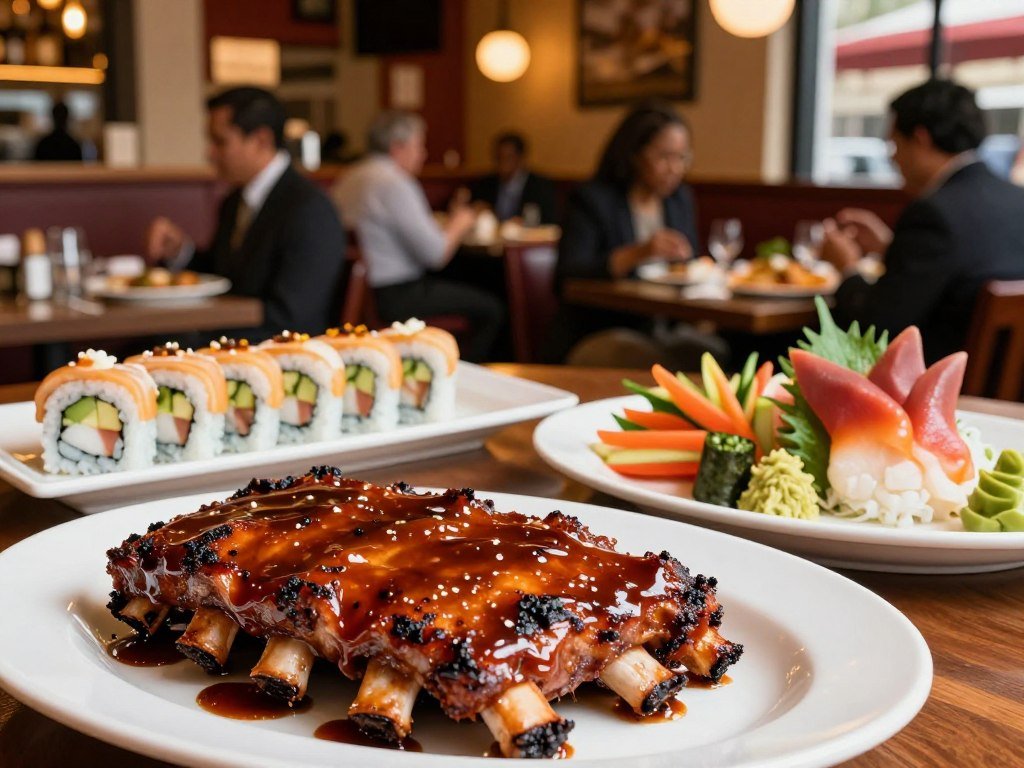
A first Minneapolis meal can be a neighborhood dinner, a tasting menu or a plate rooted in a culinary tradition from far beyond Minnesota. The city gives you choices for a quick lunch, a long celebration and everything between. Local ingredients meet cooking traditions from across the world, so your best pick depends on the food and feel you want that day. A seasonal menu is a menu that changes to reflect ingredients available at different times of the year.
This shortlist focuses on Minneapolis city dining, with nearby Twin Cities choices kept distinct. It aims to help you find a place that suits your appetite, schedule and group, whether you want a relaxed meal or a special occasion. Use the Minneapolis sections for city dining and the St. Paul section when you are ready to widen the map.
Key Takeaways
- Choose by cuisine and meal style, not name recognition alone.
- Minneapolis offers neighborhood meals, farm-focused cooking and tasting menus.
- Hmong, Laotian, Native American and other traditions each have a distinct voice.
- Nearby St. Paul restaurants are Twin Cities options, not Minneapolis picks.
- Check the current menu, address and booking details before you go.
Best Restaurants Minneapolis for a First Visit
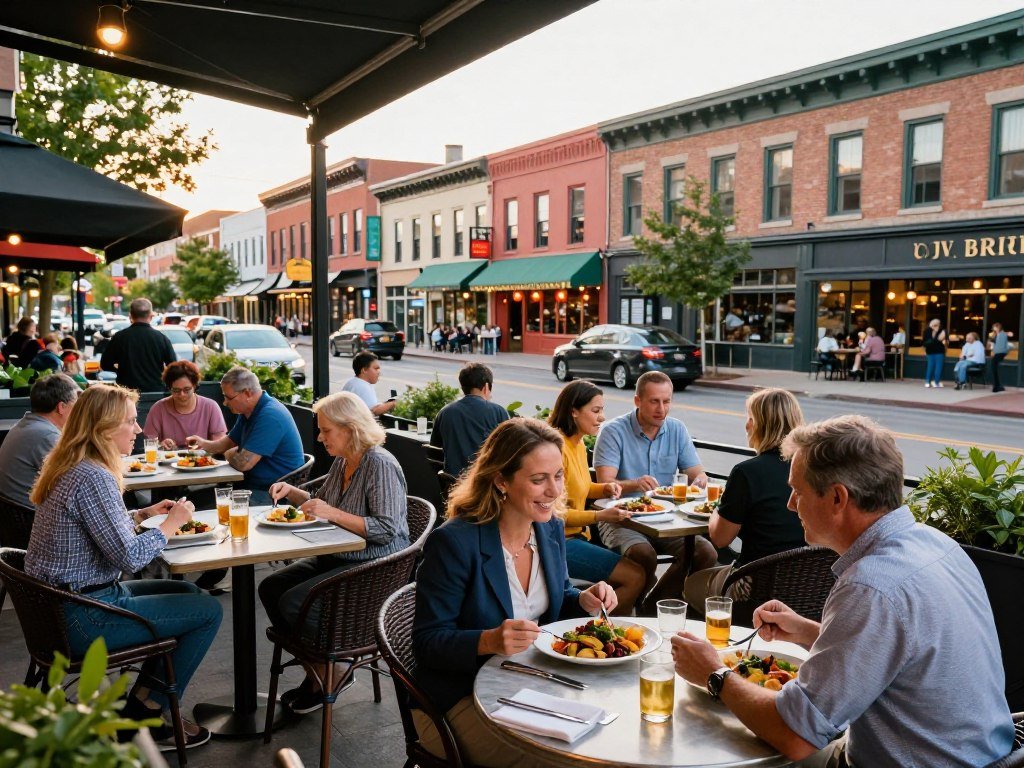
For a first Minneapolis dinner, choose Bûcheron for a strong sense of local cooking, then use the other picks to match a specific cuisine or occasion. That is the broadest starting point if you want thoughtful cooking with a neighborhood feel. A visitor looking for a seasonal multi-course meal, Hmong food or Italian-Japanese flavors may prefer another fit.
This is a starting shortlist, not a claim that one restaurant suits every budget or palate. Out-of-town diners should choose by cuisine and occasion rather than awards alone. A familiar name may be less useful than a meal style you know you will enjoy.
| First-visit priority | Restaurant | Reason to choose it |
|---|---|---|
| A French-Minnesotan meal | Bûcheron | Neighborhood warmth with fine-dining technique |
| A seasonal multi-course experience | Alma | A hotel, restaurant and coffee shop in one place |
| Hmong food and pastry | Diane’s Place | A menu that brings both together |
| Italian-Japanese fusion | Sanjusan | A menu that combines the two cuisines |
Pick the meal that fits your appetite and plans, not the name with the most familiar award.
Alma suits a visit built around a slower, planned dinner, while Diane’s Place gives you both savory dishes and pastry. Sanjusan is a good choice when you want two cooking traditions to meet on one menu. Each place offers a different way to get to know the city through food.
These restaurants are all in Minneapolis proper, so you can keep your plans within the city rather than crossing into St. Paul. Check the current menu and dining format before choosing, especially when your group has different tastes. Pick the restaurant that fits the meal you want, not simply the one with the most familiar accolade.
What Makes Bûcheron a Standout Minneapolis Restaurant?
Bûcheron pairs fine-dining technique with the warmth of a neighborhood restaurant, making it an especially strong pick for a celebratory meal that still feels relaxed. Its local character comes through in French methods matched with Minnesota ingredients. The restaurant is at 4257 Nicollet Ave in Minneapolis.
Bûcheron was named the James Beard Awards’ best new restaurant of 2025. That recognition adds context, but the menu’s mix of familiar forms and regional ingredients gives you a reason to go. Chef-driven details sit alongside dishes that feel suited to a welcoming neighborhood room.
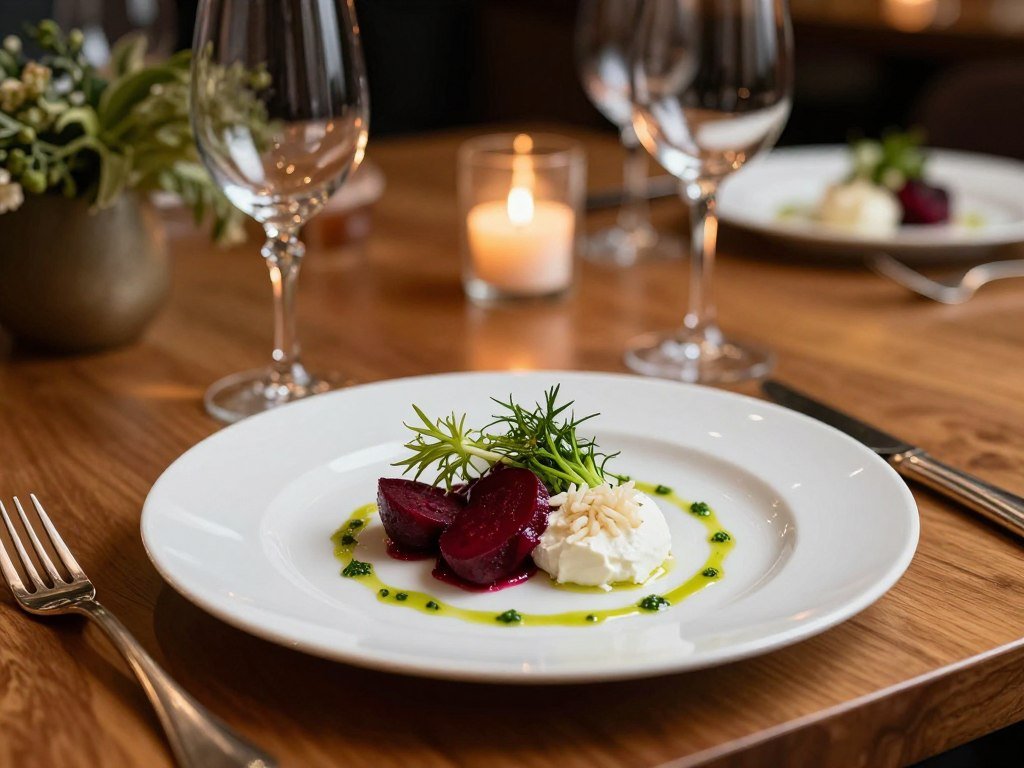
Venison tartare arrives with spruce tips and rye chips, a pairing that brings woodland flavor and crunch to the plate. Pappardelle with rabbit ragout shows a more classic French-leaning approach. Halibut with a chamomile crust and spring chicken with maple glaze and wild rice offer different takes on local flavor.
Other examples include celery root tortelloni in acorn-chicken broth and Minnesota-raised Wagyu steak with potatoes. A corn-based dessert combines corn cakes, grilled peaches and plums, popcorn, corn ice cream and caramel. The range moves from savory, earthy flavors to sweet corn in several textures.
These are menu examples, not a promise that every dish stays available. Check the current menu before you choose a particular plate. That is especially helpful when you are planning around an ingredient, a dietary need or a favorite course.
Bûcheron works well when the group wants polished cooking without a stiff mood. The chef’s use of local ingredients keeps the food connected to Minnesota, while French technique gives each dish a clear shape. For a meal that shows the restaurant’s local character, look for a dish that puts a Minnesota ingredient at the center of a classic technique.
Hmong and Southeast Asian Restaurants to Try
For Hmong food and pastry in Northeast Minneapolis, start at Diane’s Place; for open-fire cooking, choose Vinai. For Laotian food, Gai Noi offers another distinct path through Southeast Asian dining. The cuisines share a broad region, but Hmong and Laotian food are not interchangeable.
Choose each restaurant for its own tradition and cooking style. A shared table can make it easier to try different dishes, rice preparations and sauces without treating them as one cuisine. Ask about a dish’s flavor and heat if you are unsure what suits your group.
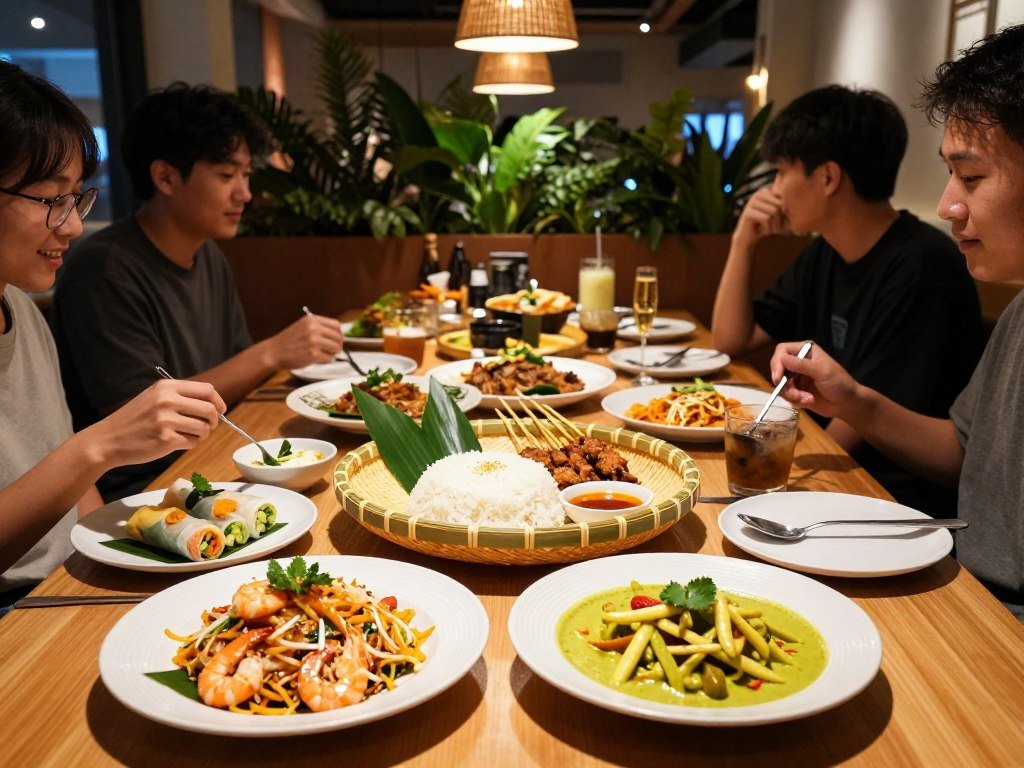
Hmong cooking at Diane’s Place and Vinai
Diane’s Place, at 117 14th Ave NE, pairs Hmong dishes with pastries. Hmong sausage with rice gives you a savory starting point, while pandan croissants bring a fragrant pastry option.
Owner Diane Moua previously worked as head dessert chef at La Belle Vie. That background helps explain why pastry has a clear place alongside the savory menu. Vinai takes a different route, led by chef Yia Vang and centered on open-fire grilling.
Vinai’s menu includes ginger-and-coconut Hilltribe grilled chicken, tamarind lemongrass pork chop and fried catfish. The open fire gives its cooking a distinct focus from the mix of dishes and baked goods at Diane’s Place.
Laotian flavors at Gai Noi
Gai Noi serves Laotian food, including lemongrass chicken skewers and Panang spaghetti. Its shareable dishes and lively feel can suit a group that wants to order several plates. Sticky rice may be part of your order, depending on the dishes you choose.
When sharing, try a mix of flavors and cooking styles rather than ordering several similar plates. Order at least one dish whose flavor or cooking method is new to everyone at the table. That gives the group a reason to compare notes as the food arrives.
If you are sharing a table, order at least one dish whose flavor or cooking method is new to everyone in your group.
Mexican and Indigenous Cooking with a Minneapolis Point of View
For a corn-centered meal, Oro by Nixta is the clearest first pick, while Owamni offers a different Indigenous culinary perspective. Start with the tradition you want to explore, then compare the dishes on each menu. These restaurants present distinct food histories, not one broad category.
Mexican, Indigenous and Latin American cooking are not interchangeable. Corn-based dishes also vary in texture and preparation, so a tortilla, gordita and cachapa are not the same thing. Read each dish description instead of guessing from the main ingredient.
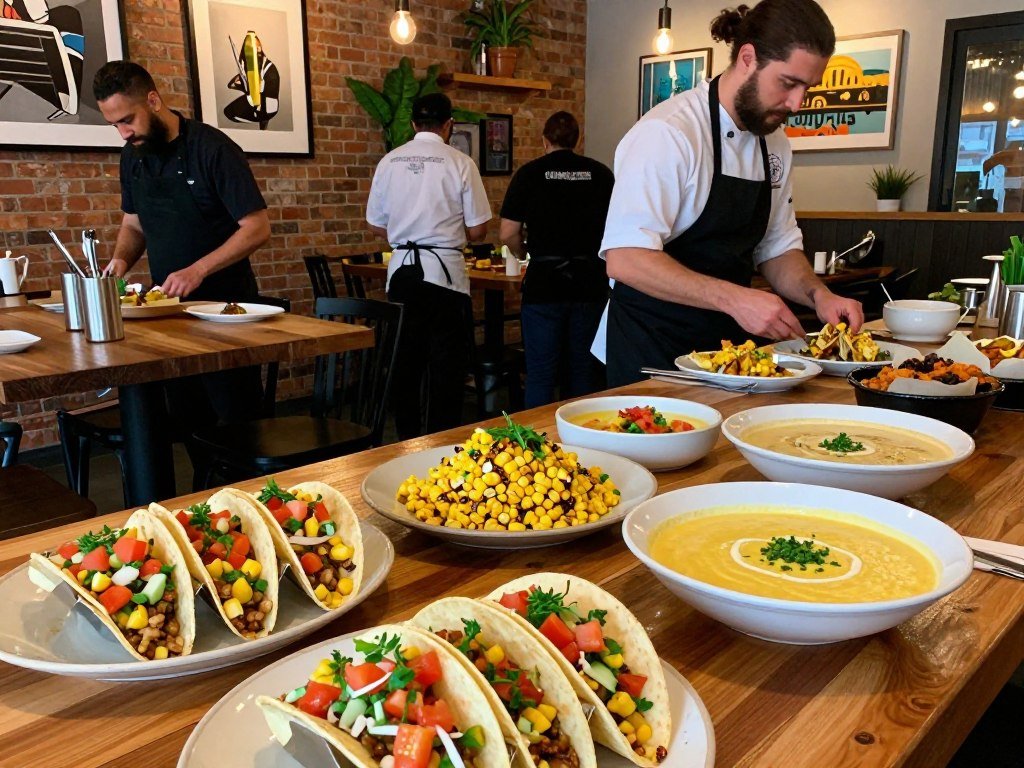
- Oro by Nixta centers just-ground heirloom-corn tortillas and Indigenous Mexican cuisine. Gustavo and Kate Romero lead the restaurant.
- Owamni serves Native American cuisine with a focus on non-colonized ingredients.
- El TacoTorro serves gorditas associated with Aguascalientes, along with mole tacos.
- Crasqui serves Venezuelan cachapas, offering another distinct way to enjoy corn.
Oro by Nixta puts the corn itself near the center of the meal, while Owamni brings Native American cuisine and non-colonized ingredients into focus. The two offer different perspectives and should be approached on their own terms.
El TacoTorro’s Aguascalientes-style gorditas and mole tacos give you a specific regional reference point. Crasqui’s Venezuelan cachapas provide a different corn-based option. The dishes can differ in texture, preparation and the role corn plays on the plate.
When a menu uses words you do not know, reading the description can help you pick a dish that suits your appetite. Let the specific tradition and dish guide your choice instead of treating all Latin American or Indigenous cooking as one cuisine. That approach makes room for each restaurant’s own point of view.
Italian-Japanese Fusion and Other Distinctive Plates
Sanjusan is the choice for an Italian-Japanese dinner, with an arancini that pairs enoki mushrooms and furikake with a soft-boiled egg. The North Loop restaurant brings the two cuisines together in one menu. A fusion label, though, does not mean every dish blends both traditions equally.
Read the dish descriptions when you want one influence to stand out. That helps you tell whether a plate combines methods and ingredients or leans more clearly toward one cuisine. You can also look beyond the blocks around a downtown hotel for a meal with a more specific focus.
A fusion dinner at Sanjusan
Sanjusan is at 33 N 1st Ave in the North Loop. Its Italian-Japanese menu makes it a distinctive restaurant choice for a downtown dinner, especially when you want a dish that plays with both traditions.
The arancini gives a concrete example: Italian rice balls meet enoki mushrooms, a soft-boiled egg and furikake. That mix can make a familiar dish feel new without requiring you to know every detail of either cuisine. The menu offers a useful way to explore a fusion approach one plate at a time.
For a longer evening, Sanjusan’s bar and cocktails can make dinner feel like a full night out. Still, do not assume every dish has the same balance of Italian and Japanese cooking. The specific ingredients and preparation tell you more than the fusion label alone.
Banh mi and Italian-American classics
iPho by Saigon serves Vietnamese-French banh mi, including The Special Sandwich with four types of pork. A mock-duck banh mi gives you another option. These sandwiches offer a direct contrast with the Italian cooking at Bar La Grassa.
Bar La Grassa is known for Italian dishes such as gnocchi and bruschetta. Its food gives you a more classic route than a menu built around fusion. The two restaurants suit different cravings, even though both can make a memorable downtown meal.
Downtown diners can gain more choice by looking beyond the nearest blocks, especially when they want a particular dish or cooking style. Read the dish descriptions closely when you want a particular culinary influence to come through clearly.
Seasonal Menus and Farm-Focused Minneapolis Dining
For a farm-focused meal, Herbst is a strong pick; choose All Saints when you want vegetables to share the spotlight with meat and fish. Myriel suits a slower meal built around seasonal tasting-menu cooking. Each restaurant uses ingredients in a different way, so “local” does not mean one fixed style.
Vegetable-forward does not mean vegetarian. It describes a menu that gives vegetables a leading role, though meat and fish may still appear. Local farms and seasonal ingredients can shape a menu without making every restaurant’s approach identical.
| Restaurant | Style | Specific menu example |
|---|---|---|
| Herbst | Farm-focused American cooking | Rush Creek Reserve risotto |
| Myriel | Seasonal tasting-menu cooking | Duck confit |
| All Saints | Vegetable-forward cooking | Salt-and-pepper mushrooms with scallion dip |
Herbst shows how local ingredients can appear in an American menu. Rush Creek Reserve risotto makes cheese part of the dish, while grilled fennel with kumquat vinaigrette brings a bright, sharp note. Le Puy lentils offer another earthy option.
Myriel’s menu includes duck confit and a tasting-menu format. That pace lets the kitchen build a sequence around the season, rather than asking one main plate to carry the whole meal. All Saints takes a vegetable-forward approach, with salt-and-pepper mushrooms and scallion dip among its examples.
Seasonal menus change as ingredients come and go, but the dining room and meal format matter too. One restaurant may build a progression of courses, while another offers a more direct dinner. The food’s source is only one part of the experience.
Think about how much time you have and what kind of main dish would satisfy you that day. Check whether a seasonal menu still offers the kind of main dish and pace you want for the occasion.
Fine Dining for a Special Occasion
Choose Alma for a seasonal tasting menu, Demi for a drawn-out sequence of small plates, or P.S. Steak for a steakhouse evening. Myriel is another tasting-menu option for a meal shaped by the season. The best format depends on whether you want dinner itself to be the evening’s main event.
A long tasting menu suits diners who want a slow, multi-course meal. A steakhouse or lounge dinner offers a different pace and more room for a shorter evening. Decide together before booking so the table shares the same idea of a special night.
Tasting menus at Alma, Demi and Myriel
Alma is at 528 University Ave SE and combines a hotel, restaurant and coffee shop. Its fine-dining restaurant serves a seasonal tasting menu. The mix of spaces makes Alma a place to stay, eat and get coffee under one roof.
Demi serves a several-hour progression of small dishes. Examples include wild rice porridge and duck breast, with each course forming part of a longer dinner. Myriel also offers a tasting menu, giving diners another option for a paced meal.
Alma, Demi and Myriel each offer a tasting-menu approach, but a multi-course evening can take up much of your night. It suits a group that wants the chef’s sequence to be the focus, not diners hoping for a quick table. The room and pace are part of the choice.
Steakhouse dinners and classic service
P.S. Steak serves steaks and cocktails in its main dining room. For a less formal meal, its lounge menu includes the La Belle Vie lamb burger. You can choose between a classic steakhouse dinner and a more casual meal with drinks.
That difference matters when you are planning a celebration with people who prefer different levels of formality. A tasting menu asks everyone to settle in for the same pace, while a lounge meal can feel more flexible. The chef’s style matters, but so does the kind of evening your group wants.
For ideas on how to prepare for a fine-dining experience, think about timing, dress guidance and any needs you should share before the meal. Before booking a multi-course meal, make sure the whole group wants the same pace and level of formality.
South Minneapolis Neighborhood Favorites
For a casual South Minneapolis outing with a choice of savory food and ice cream, pair World Street Kitchen with Milkjam Creamery next door. That is the clearest relaxed pick when your group wants both dinner and dessert. The creamery is a separate business, not part of the restaurant.
Choose the stop that matches the group’s main craving. World Street Kitchen offers a curry-filled burrito, while Mama Safia’s Kitchen brings Somali dishes and Pizzeria Lola serves wood-fired pies. Each can turn a different kind of day into a satisfying meal.
- World Street Kitchen and Milkjam Creamery suit a casual meal followed by ice cream next door.
- Mama Safia’s Kitchen serves Somali food, including malawah, lamb shoulder and biryani rice.
- Pizzeria Lola is a good pick for wood-fired pizza, including Korean barbecue and My Sha-Roni.
World Street Kitchen is the easiest choice for a mixed-craving outing because savory food and ice cream sit side by side. The curry-filled burrito makes the meal more than a quick stop for a basic sandwich. Milkjam Creamery is nearby, but you order from it separately.
Mama Safia’s Kitchen offers a different meal, with Somali dishes such as lamb shoulder and biryani rice. Cardamom-laced malawah gives you a sweet, spiced option. At Pizzeria Lola, wood-fired pies include Korean barbecue and My Sha-Roni.
For more ways to compare pizza styles, this guide to New York pizzerias explains how crust and cooking methods can shape a pie. Check the route between your chosen stops before setting out, especially if you plan to visit more than one place.
North Loop Restaurants and Bars
In the North Loop, Sanjusan pairs an Italian-Japanese dinner with a Japanese whiskey bar upstairs. That gives you a natural dinner-and-drink plan in one building, though the bar is a separate stop from your table. The neighborhood also has choices for small plates, pizza and fine dining.
Neighborhood convenience and meal style are separate decisions. A nearby restaurant may fit your route but not your appetite, while a bar close by may not have room when you arrive. Plan the meal and drinks as two parts of the night.
Sanjusan’s upstairs Japanese whiskey bar offers a possible second stop after dinner. The bar is owned by the same people as the restaurant, making the pairing easy to picture. Still, do not assume you can get a bar table just because you have dinner nearby.
112 Eatery serves classic small-plate favorites, including foie gras meatballs, Parmesan-dusted gnocchi and butterscotch budino. Wrecktangle Pizza gives you a more casual route, with Detroit-style pizza. Both can work when you want a straightforward meal rather than a long tasting menu.
Demi is the fine-dining option in the area, with a multi-course meal for a longer evening. The North Loop is walkable from central downtown, and Meet Minneapolis’s North Loop visitor details cover local bus connections and area logistics.
The neighborhood’s mix helps downtown visitors look beyond the nearest hotel blocks without leaving Minneapolis. Confirm your dinner and drinks plan separately so a full dining room does not derail the evening.
Worthwhile Twin Cities Dining Beyond Minneapolis
If you are willing to cross the river, Meritage is a strong St. Paul pick for a French brasserie meal. Stay in Minneapolis for Jax Cafe, a classic supper-club experience. These are separate city choices within the Twin Cities, not Minneapolis restaurants sharing one neighborhood.
Check which city you are booking in before setting out. St. Paul brings its own range of classic dining rooms and global food, making the extra trip worthwhile when a specific meal catches your interest. A 2025 dining search can frame the year of Bûcheron’s James Beard recognition, not a formal ranking of every restaurant.
St. Paul classics and special-occasion rooms
Meritage is a French brasserie in downtown St. Paul, with an oyster and wine bar as a specific draw. It offers a different feel from Jax Cafe, the Minneapolis supper club. Choose the former for French brasserie dining and the latter for a classic Twin Cities supper-club setting.
That distinction can help when your group is choosing between a polished city meal and a familiar supper-club night. Jax Cafe remains in Minneapolis, while Meritage takes you across the river. Both are part of the wider Twin Cities dining picture.
Global flavors across St. Paul
St. Paul’s restaurants reflect a range of immigrant cuisines. Juche serves Korean food, Bole Ethiopian Cuisine offers Ethiopian dishes, and Pinoy Fusion serves Filipino food. Chimborazo, known for Ecuadorian food, also has a satellite location in St. Paul.
| St. Paul-area restaurant | Cuisine or style | Specific draw |
|---|---|---|
| Meritage | French brasserie | Oyster and wine bar |
| Juche | Korean | Beef dumplings and dakgalbi |
| Bole Ethiopian Cuisine | Ethiopian | Sampler of vegetable dishes |
| Chimborazo | Ecuadorian | Seco de pollo and llapingachos |
Juche’s beef dumplings and dakgalbi offer a Korean meal, while Bole’s sampler brings several vegetable dishes to the table. Pinoy Fusion gives you a Filipino option. Chimborazo’s seco de pollo and llapingachos provide another way to explore Ecuadorian cooking.
These St. Paul choices add range to the Twin Cities without changing the focus of a Minneapolis stay. Check the city and neighborhood before booking so a St. Paul destination does not become an accidental Minneapolis detour.
Brunch, Casual Meals and Something Sweet
For brunch with both sweet and savory choices, Lynette is a practical first pick. Its menu suits more than one appetite, with stuffed French toast and a focaccia BLT. Band Box Diner is a better fit when you want classic diner food.
Keep a meal destination separate from a dessert add-on. Cafe Latte is a dedicated dessert stop in St. Paul, outside Minneapolis, while Lynette and Band Box Diner suit a full casual meal. That distinction can save you an unnecessary trip across the city.
- Lynette works for brunch or a casual breakfast-counter stop, with rhubarb cream-cheese-stuffed French toast, a focaccia BLT and free soft-serve cones.
- Band Box Diner serves classic diner food, including burgers, thin fries and pancakes.
- Cafe Latte in St. Paul is a separate dessert stop for cakes, tortes and cheesecakes.
Lynette offers sweet and savory options in the same meal, so it can work for people who do not want the same thing. Its French toast brings fruit and cheese together, while the focaccia BLT is a more savory choice. The free soft-serve cones add a casual finish.
Band Box Diner keeps the menu familiar, with pancakes as well as burgers and thin fries. Cafe Latte is different: it focuses on desserts and sits in St. Paul, not Minneapolis. Treat it as a planned stop rather than a nearby add-on to a Minneapolis meal.
When dessert is the main event, the hours of the dessert shop matter more than a dinner reservation. If dessert is the main event, plan the trip around the hours of the dedicated dessert stop.
How to Plan a Minneapolis Dinner
Start with the neighborhood you will be in, then confirm that your dinner choice is actually there and open at your planned time. That first check keeps a nearby map result from sending you across Minneapolis or into St. Paul by mistake. A good plan matches the place, the hour and the meal.
Verify the address and current hours before you set out. For example, Bûcheron is at 4257 Nicollet Ave, while Sanjusan is at 33 N 1st Ave in the North Loop. Those addresses serve different parts of the city and different dinner plans.
- Choose a neighborhood that fits your plans.
- Confirm the restaurant’s current address and hours.
- Check the current menu and dietary details.
- Book directly through the restaurant’s reservation channel.
A restaurant near your hotel may still be in another neighborhood or even across the river. A few minutes spent checking the map can help you avoid a longer route than expected. Make sure the dining room will be open at the time you have in mind.
Check the menu for the food you want, as well as details that matter to anyone in your party. Bûcheron opens bookings monthly on the first for the following month. That release date can help you plan ahead for a table there.
Book through the restaurant’s own reservation channel, and keep the verified address with the booking.
For North Loop visitors, the neighborhood is walkable from central downtown, with bus routes serving the area. Put the reservation date and the verified address in your calendar before you leave home.
Conclusion
Minneapolis rewards a meal chosen for its own character, whether that means a relaxed neighborhood table or a carefully paced tasting menu. Your best fit depends on the cuisine you want and how much time you want to spend at dinner. The wider Twin Cities offer more choices when you are ready to travel beyond Minneapolis.
Start with one neighborhood, then check the current menu and reservation availability for a restaurant that fits your appetite. Pick one place that fits tonight’s appetite, check its current details, and make the reservation.
FAQ
How far ahead should I book a popular Minneapolis dinner?
Do Minneapolis restaurants have vegetarian options?
Can Minneapolis restaurants accommodate food allergies?
What should I wear to fine dining in Minneapolis?
Is Minneapolis dining seasonal?
How do I choose a restaurant near my hotel?