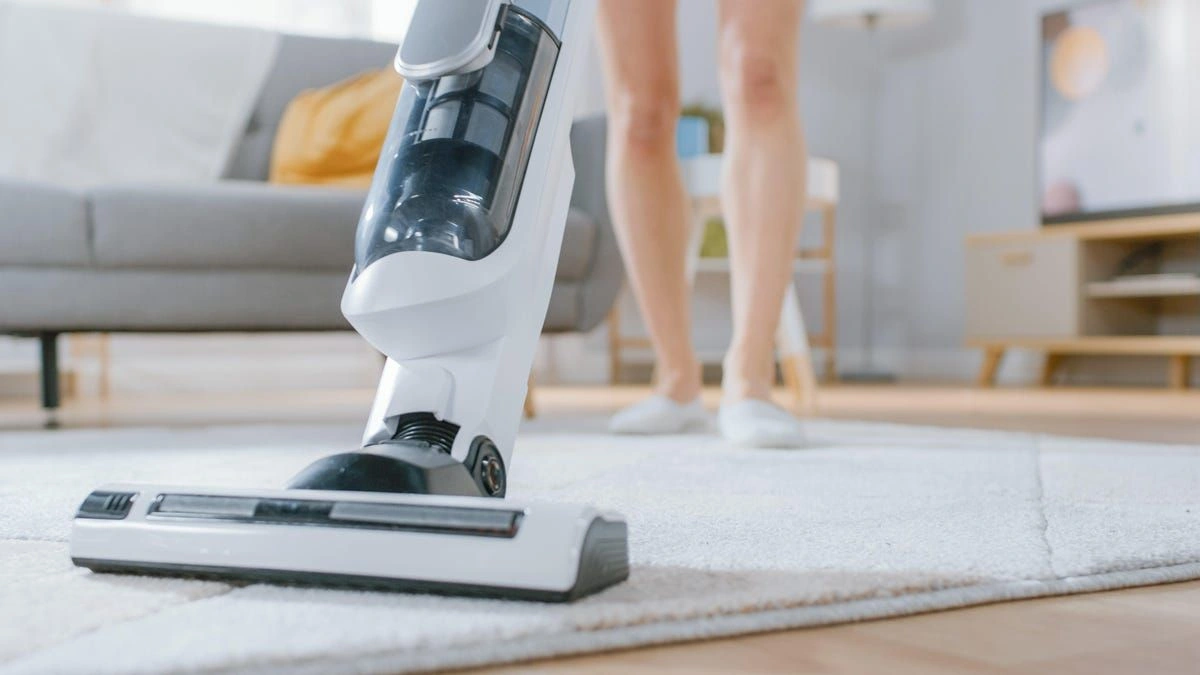
There is a particular kind of frustration that comes with vacuuming a room, stepping back to admire the clean floor, and then noticing dust gathered along the edges or crumbs still hiding beneath the sofa. You have done the work, but the result does not quite match the effort.
Often, the problem is not your cleaning routine. It is the vacuum cleaner itself.
Choosing the best cleaning vacuum cleaner means finding a machine that suits your floors, handles the dirt you encounter most often, and is easy enough to use regularly. Strong suction matters, but so do filtration, attachments, maneuverability, and the cost of maintaining the machine.
The right vacuum does not need the longest feature list or the highest price. It needs to make cleaning easier and deliver consistent results in your home. A clean floor is the foundation of a polished space. For ideas on styling the rest of your home, explore these modern luxury interiors.
Start With the Type of Vacuum Cleaner You Need
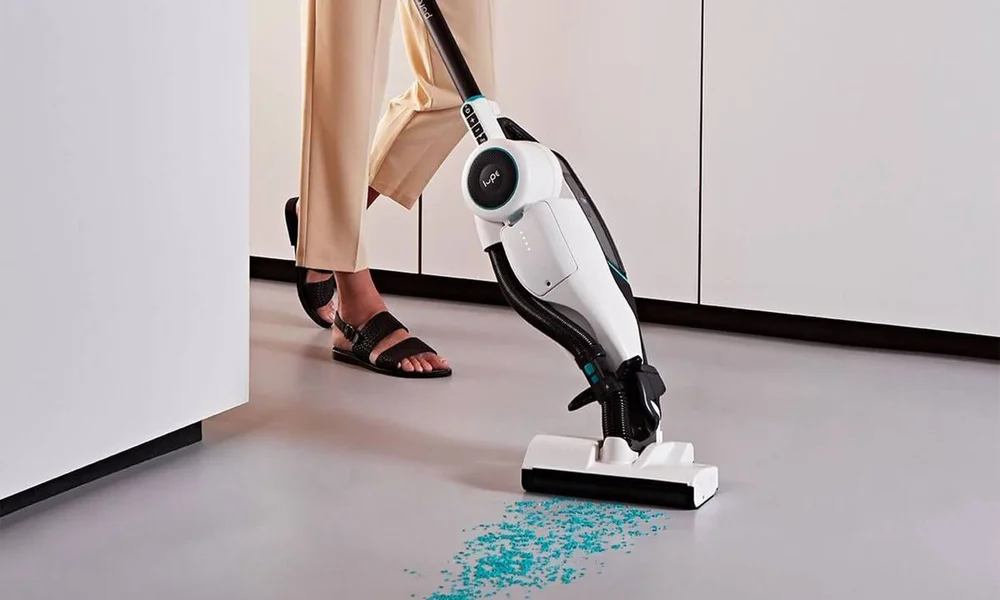
Before comparing brands and specifications, consider where you will use your vacuum most. A machine designed for deep carpet cleaning may be unnecessarily bulky for a small apartment with tiled floors. A lightweight cordless model may be convenient for quick cleanups but less suitable for long cleaning sessions if its battery runs out too quickly.
Upright Vacuum Cleaners
Upright vacuums are worth considering if your home has wall-to-wall carpeting or several thick rugs. Many models use a powered brush roll to loosen dirt embedded in carpet fibers.
They can also work on hard floors when equipped with the appropriate settings or attachments. However, their weight may make them less convenient for stairs and multistory homes.
Consider an upright vacuum if: You need a primary cleaner for carpets, rugs, and larger floor areas.
Canister Vacuum Cleaners
Canister vacuums separate the main motor and dust container from the cleaning head. A hose and wand connect the two, allowing you to move the cleaning head around furniture and reach under beds.
They are particularly useful for hard floors, detailed cleaning, and homes where versatile attachments are important.
Consider a canister vacuum if: Your home has mostly tile, hardwood, or laminate floors, or you need flexibility for cleaning different surfaces.
Cordless Stick Vacuum Cleaners
Cordless stick vacuums are designed for convenience. Their slim shape makes them easy to store, and their lightweight construction can make quick cleaning sessions less of a chore.
The trade-off is battery life, dust capacity, and the performance available at different power settings. Some models are capable of more demanding cleaning, while others are better suited to everyday dust and crumbs.
Consider a cordless stick vacuum if: You want easy storage, quick access, and less hassle with power cords.
Robot Vacuum Cleaners
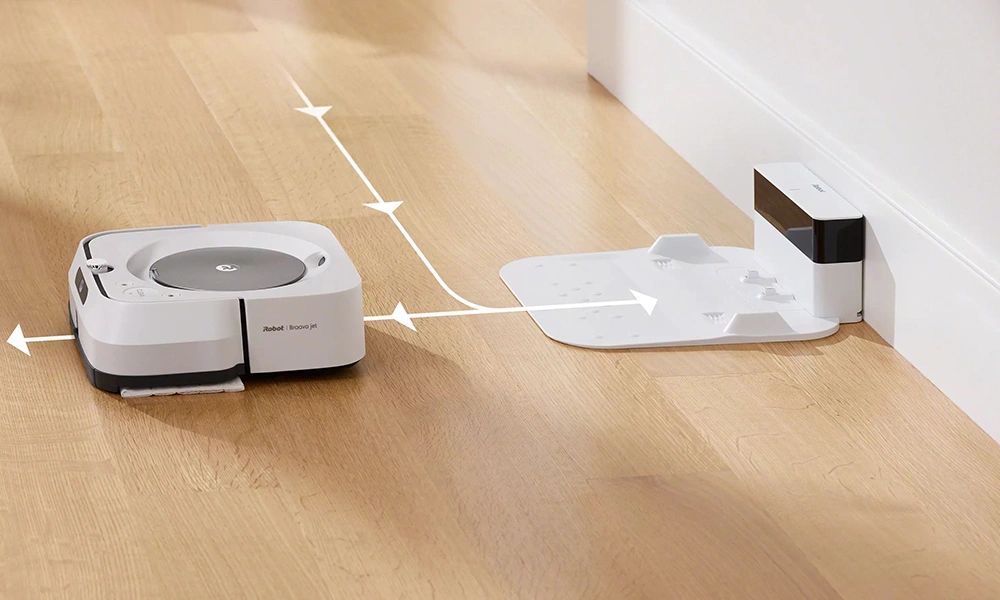
Robot vacuums can clean floors on a schedule and help manage everyday dust between deeper cleaning sessions. Depending on the model, they may offer mapping, obstacle detection, automatic charging, and self-emptying docks.
They are not a complete replacement for every cleaning task. Stairs, upholstery, curtains, and some difficult corners still require other tools or manual attention.
Consider a robot vacuum if: You want regular floor maintenance with less hands-on effort. Robot vacuums are part of a wider move toward connected home tech, from cleaners to AI smart mirrors.
7 Features to Look for in the Best Cleaning Vacuum Cleaner
Once you know which type suits your home, focus on the features that affect cleaning performance and everyday convenience.
1. Effective Suction and Real Cleaning Performance
Suction is one of the first specifications shoppers notice, but a single power figure does not tell the whole story.
A vacuum must lift dirt from the surface, move it through the cleaning head and airflow system, and retain it in the dust container or bag. The design of the brush roll, nozzle, filtration system, and airflow path all influence the final result.
When comparing models, look for independent cleaning tests where available. Check performance on the surfaces you actually have rather than relying on impressive marketing numbers alone.
For carpets, a powered brush roll can help loosen embedded debris. For hard floors, a suitable cleaning head should collect dust without scattering it around the room.
2. Filtration That Keeps Dust Contained
A vacuum cleaner should collect dust without unnecessarily releasing it back into the room.
If household members have allergies or are sensitive to airborne particles, pay particular attention to the filtration system and how well the machine is sealed. A genuine HEPA filter can be a useful feature, but the overall design matters too.
Also, check whether filters are washable or replaceable, how frequently they require maintenance, and whether replacements are readily available.
A good filtration system is most useful when it works as part of a well-designed machine and is maintained according to the manufacturer’s instructions.
3. The Right Cleaning Head for Your Floors
Imagine using a stiff, aggressive brush on a delicate rug or a poorly designed nozzle that pushes crumbs across a tiled floor instead of collecting them. The wrong cleaning head can make an otherwise capable vacuum frustrating to use.
Look for a floor head suited to your main surfaces.
- Carpets: A powered brush roll can help lift dirt from carpet fibers.
- Tile and laminate: A suitable hard-floor head can collect dust and debris without scattering it.
- Hardwood: A soft brush or floor attachment designed for delicate surfaces may help reduce the risk of scratches.
- Area rugs: Adjustable brush settings or suction controls can help protect delicate fibers.
- Pet hair: A motorized brush or specialized upholstery tool can help remove hair from carpets and furniture.
If your home has a mixture of flooring, a vacuum that switches easily between surfaces may be more useful than a model optimized for just one.
4. Battery Life or Cord Length
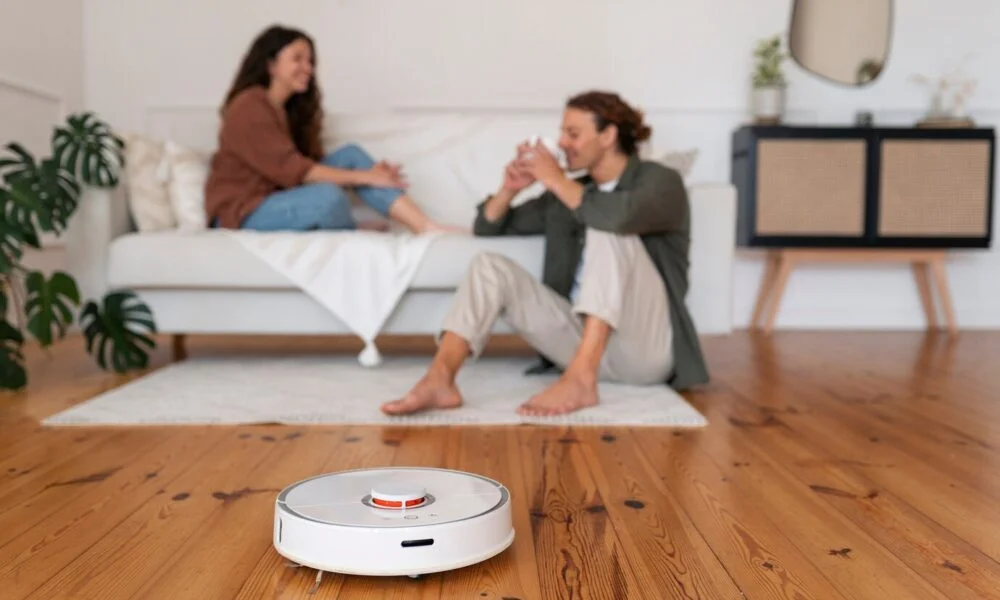
A vacuum cleaner is only convenient when it can finish the job.
With a cordless model, check the advertised runtime and understand that higher power settings and motorized attachments may reduce it. Consider whether the battery is replaceable and how long a full charge takes.
For corded vacuums, look at cord length, the available cleaning radius, and how easily the cable can be stored. A short cord can turn a simple room-cleaning session into a series of interruptions.
Think about your home as a whole. A small apartment may need relatively little runtime, while a large house could benefit from a corded machine or a cordless model with a removable battery.
5. Weight and Maneuverability
Cleaning becomes harder when a vacuum is difficult to push, lift, turn, or carry.
Swivel steering can help navigate furniture, while a lightweight body may be more convenient for stairs and overhead cleaning. Check whether the machine stands upright, fits into your storage space, and reaches comfortably beneath furniture.
If possible, try the vacuum before buying it. Pay attention to the handle, balance, wheel movement, and how much effort it takes to turn the cleaning head.
These details may seem minor in a product description, but they can determine whether you enjoy using the machine or avoid it until the dust becomes impossible to ignore.
6. Dust Capacity and Emptying
A small dust container may be acceptable for quick daily cleaning but inconvenient in a large home. A larger container can reduce interruptions, although it may add weight or bulk.
You should also consider how the collected dirt is emptied.
Bagless models avoid the recurring cost of replacement bags, but emptying the container can release dust if the design is not well contained. Bagged models require replacement bags but may be more convenient for people who want to minimize contact with collected debris.
Neither system is automatically better. Consider the ongoing cost, availability of consumables, and how comfortable you are maintaining the machine.
7. Useful Attachments and Easy Maintenance
A good vacuum should handle more than the middle of an empty floor.
A crevice tool can reach narrow gaps, an upholstery attachment can clean sofas and chairs, and a dusting brush can help with shelves and other surfaces. Homes with pets may benefit from a dedicated hair-removal tool.
Maintenance deserves equal attention. Check how easily you can remove tangled hair from the brush roll, clean the filters, clear blockages, and obtain replacement parts.
A vacuum that is simple to maintain can remain useful for years, while an inconvenient design may become frustrating even if its initial cleaning performance is impressive.
Which Vacuum Cleaner Is Best for Different Homes?
The right choice becomes clearer when you match the machine to your everyday routine.
| Your home or needs | Vacuum type to consider |
| Mostly carpeted rooms | Upright or a suitable canister with a powered floor head |
| Mostly tile or hard floors | Canister or cordless stick with a suitable hard-floor attachment |
| Small apartment | Lightweight stick or compact canister |
| Pets and shedding hair | Model with effective hair pickup and specialized tools |
| Multiple floors and stairs | Lightweight canister or a manageable cordless model |
| Frequent quick cleanups | Cordless stick or handheld vacuum |
| Automated daily floor maintenance | Robot vacuum, with a separate solution for detailed cleaning |
These are starting points rather than strict rules. Individual models vary considerably, so check the actual performance and attachments before deciding. Once the floors are spotless, these luxury home decor ideas can help finish the room.
Bagged vs. Bagless: Which Is Better?
This decision often comes down to maintenance preferences.
Bagged vacuum cleaners collect debris in a replaceable bag. They can offer convenient disposal with less direct contact with dust, depending on the bag and design. However, you will need to purchase compatible replacement bags.
Bagless vacuum cleaners collect debris in a reusable dust container. They avoid ongoing bag purchases, but the container needs regular emptying and cleaning, and filters may require frequent attention.
If minimizing contact with dust is a priority, look closely at how each model seals and empties its collection system. Do not assume that every bagged or bagless vacuum provides the same level of filtration.
Common Mistakes to Avoid When Buying a Vacuum Cleaner
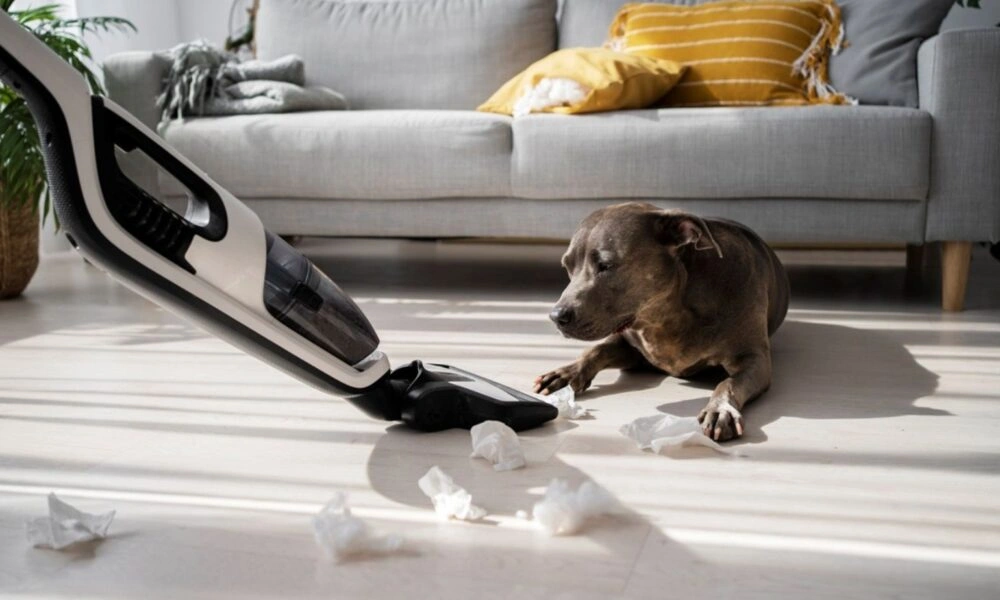
A few purchasing mistakes can turn a promising appliance into an expensive inconvenience.
Choosing the highest power rating without checking performance: Motor power alone does not establish how well a vacuum cleans. Compare real-world results and the cleaning head design.
Ignoring your flooring: A vacuum optimized for carpet may not be the most convenient option for delicate hard floors.
Underestimating maintenance costs: Filters, bags, batteries, and replacement brush rolls can add to the long-term expense.
Buying cordless without checking runtime: Consider the cleaning area and whether the vacuum can finish a typical session at the power setting you need.
Overlooking weight and storage: A bulky machine can be difficult to use in small homes or on stairs.
Paying for features you will not use: Smart controls and specialty accessories may be helpful, but only if they solve a real problem in your routine.
The goal is not to buy the most sophisticated vacuum available. It is to find one that handles your most common cleaning tasks reliably.
How to Choose a Vacuum Cleaner on Your Budget
A sensible budget starts with your needs rather than a brand name. Making a home feel high-end does not require a high budget, as our guide to a luxury lifestyle on a budget explains.
If you live in a small home with mostly hard floors, a compact vacuum with a suitable floor head and good filtration may be all you need. If your household has multiple carpets, pets, and several rooms to clean, spending more on a powered brush, larger capacity, and better maneuverability may be worthwhile.
Before buying, compare the total cost of ownership. Include the purchase price, replacement filters or bags, battery replacement if applicable, and the availability of repairs.
If you are shopping in Pakistan, also check local warranty coverage, compatible accessories, and replacement-part availability. A discounted imported vacuum may seem attractive, but it is less appealing if the battery, filter, or repair service is difficult to obtain.
Frequently Asked Questions
What is the most important feature in a vacuum cleaner?
Effective cleaning performance is the priority, but it depends on the surface being cleaned. Suction, brush design, airflow, filtration, and the cleaning head work together to determine how well a vacuum picks up dirt.
Is a cordless vacuum powerful enough for a whole house?
Some cordless models can handle whole-house cleaning, but performance and runtime vary. Check independent test results, battery specifications, dust capacity, and whether the battery can be replaced.
Is a HEPA filter worth it?
A HEPA filter can be useful for trapping fine particles, particularly for households concerned about airborne dust and allergens. Check the exact filtration specification and how effectively the complete vacuum contains collected debris.
Which vacuum cleaner is best for pet hair?
Look for a model that performs well on the flooring you have, with a motorized brush or specialized pet-hair attachment. A well-sealed filtration system can also help contain collected dust and dander.
How often should a vacuum cleaner be maintained?
Follow the manufacturer’s instructions. Dust containers may need emptying after each session or when full, while filters and brush rolls require periodic cleaning. Replace consumable parts at the intervals specified for your model.
Are expensive vacuum cleaners always better?
No. A premium model may offer better convenience, filtration, accessories, or cleaning performance, but the value depends on your needs. A simpler vacuum can be a better purchase if it cleans your floors effectively and is easy to maintain.
Final Thoughts: Choose the Vacuum That Fits Your Life
The best cleaning vacuum cleaner is not necessarily the one with the most powerful motor, the cleverest technology, or the highest price. It is the one that fits your home, handles your floors properly, and makes routine cleaning feel manageable.
Start with your flooring, consider the size of your home, and decide which features will genuinely make a difference. Then compare cleaning performance, filtration, maintenance, and long-term costs.
A little thought before buying can save you from years of frustration and help turn cleaning from a chore you keep postponing into a task you can finish with confidence. The same thinking applies to styling your space, so see these luxury home decor ideas on a budget.
Disclaimer: This article is intended for informational purposes only.