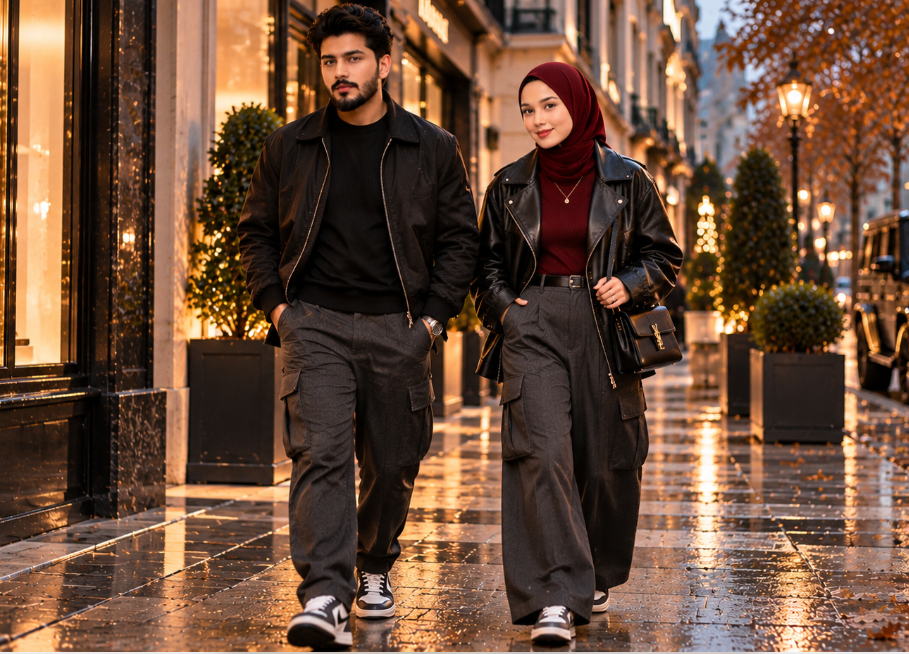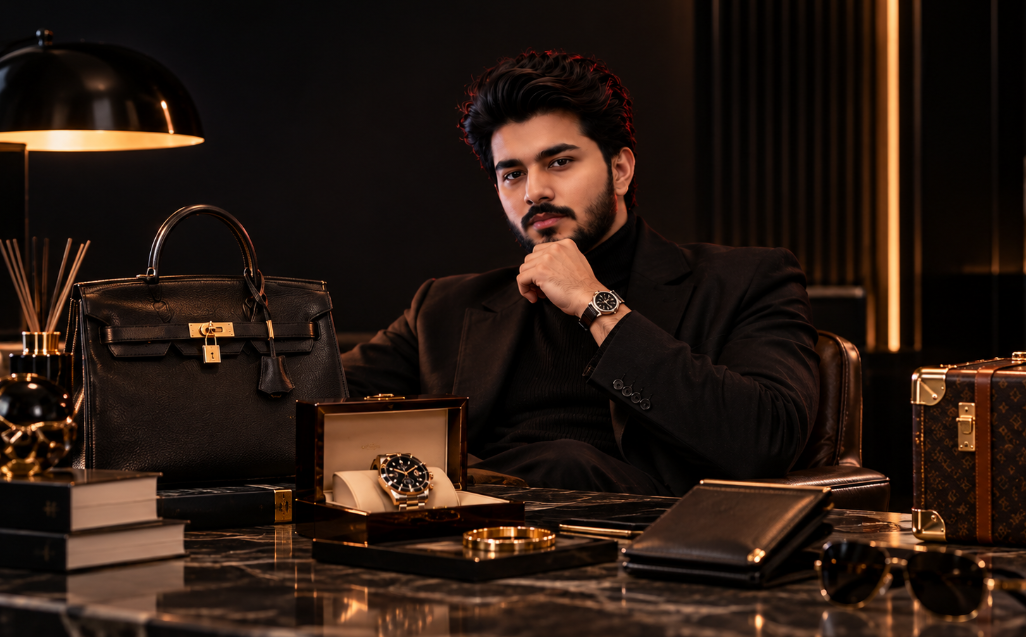
There is something special about owning a luxury piece that feels just as beautiful years later as it did on the day you bought it. Perhaps it is a beautifully crafted handbag carried from one season to the next, a watch that becomes part of your everyday identity, or a piece of fine jewellery that eventually holds sentimental meaning.
Luxury shopping becomes more interesting when personal style meets long-term thinking. Rather than spending on every new trend, some buyers choose carefully selected pieces that offer lasting craftsmanship, timeless design and potential resale value.
However, one important distinction matters: an expensive luxury item is not automatically a good investment. Most designer products are not guaranteed to appreciate, and resale prices depend on demand, rarity, condition, authenticity and the original purchase price.
The smartest approach is to choose something you genuinely love while understanding what may influence its value over time.
What Makes a Luxury Item Worth Investing In?
Before purchasing a designer piece, look beyond the logo and retail price. Several factors can influence whether an item remains desirable in the years ahead.
- Timeless design: Classic silhouettes are often easier to wear across changing trends.
- Craftsmanship: Durable materials and careful construction can help a product last longer.
- Brand heritage: Established names may benefit from recognition and a strong collector community.
- Rarity: Limited availability can increase desirability, although scarcity alone does not guarantee value.
- Condition: Scratches, stains, missing components and poor storage can reduce resale appeal.
- Resale demand: What buyers are willing to pay on the secondary market matters more than the original price tag.
A luxury purchase should make sense even if its resale value never increases. That way, you can enjoy the item without depending on an uncertain financial outcome.
1. Designer Handbags That Transcend Trends
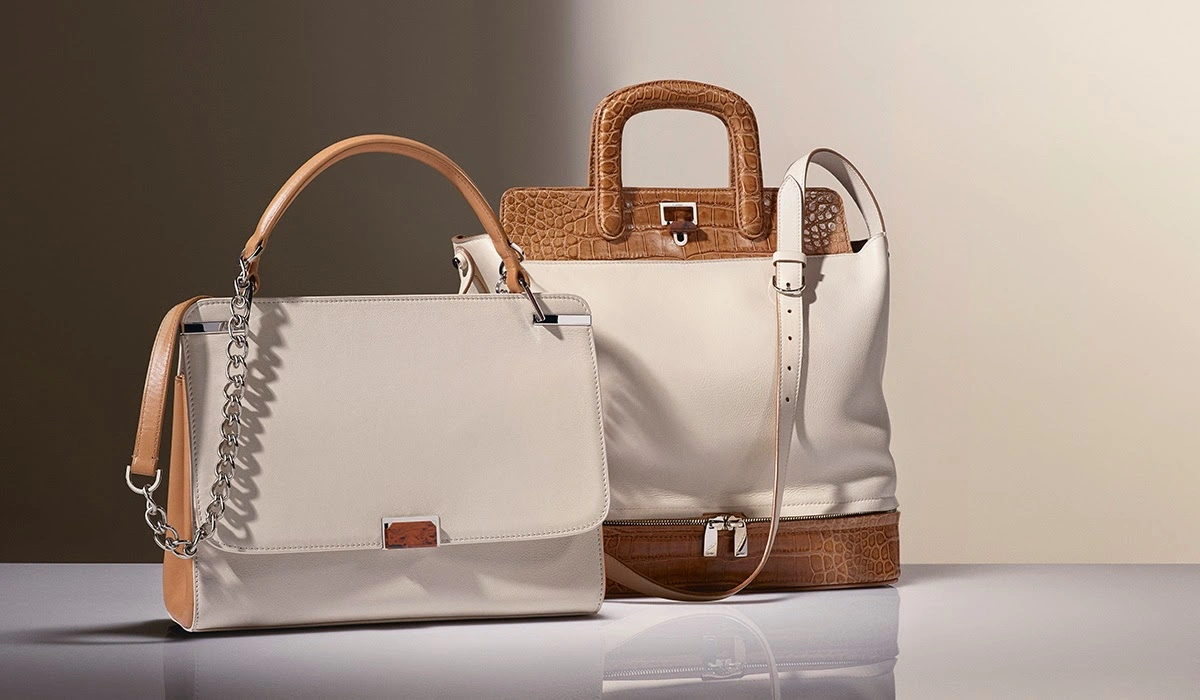
Few luxury accessories combine personal expression and collector interest quite like a designer handbag. A well-made bag can become a signature part of a wardrobe, moving effortlessly between everyday outfits, business meetings and special occasions.
The Hermès Birkin and Kelly are admired for their craftsmanship and distinctive silhouettes. The Chanel Classic Flap has maintained a recognisable place in designer fashion, while the Louis Vuitton Speedy offers a more casual, everyday aesthetic. The Dior Lady Dior is another classic option for those who appreciate structured designs.
What matters most is the specific bag rather than the brand name alone. Certain models, sizes, colours and materials may attract stronger demand than others.
Classic shades such as black, brown and tan can offer styling versatility, while unusual colours or seasonal editions may appeal to a more specific audience. Neither choice guarantees better resale performance.
Before buying, research recent resale listings and completed sales where available. Check the bag’s authenticity, condition, purchase documentation and any included accessories.
For more inspiration, explore our guide to luxury accessories and learn how to incorporate statement pieces into a balanced wardrobe.
2. Luxury Watches With Enduring Appeal
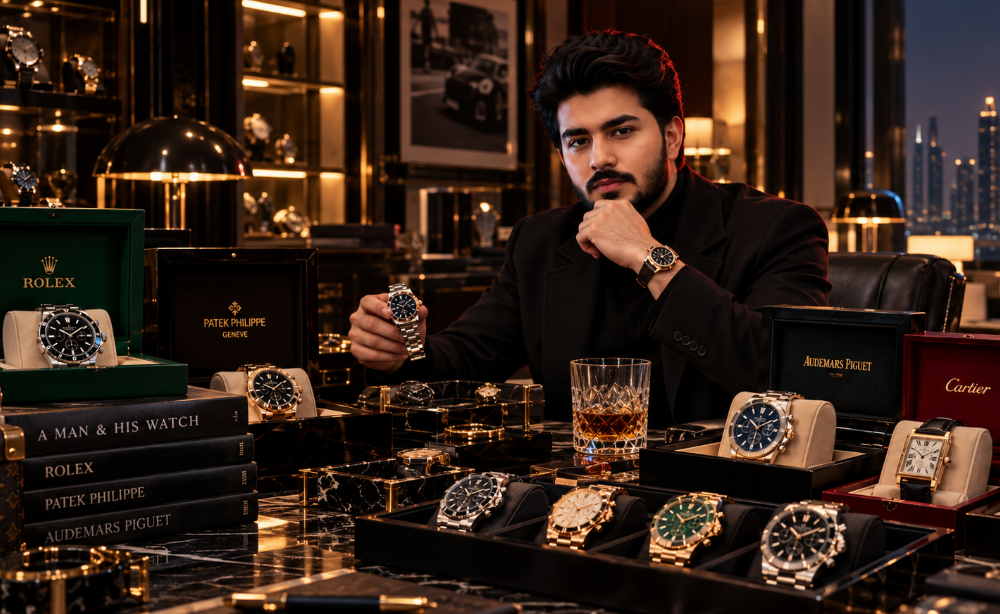
A luxury watch can be both a functional accessory and a meaningful personal purchase. Unlike an item bought for one particular season, a well-chosen timepiece may be worn for decades, passed between generations or become part of a collector’s story.
Brands such as Rolex, Patek Philippe and Audemars Piguet have models that attract considerable collector interest. The Rolex Submariner, for example, is recognised for its sporting heritage, while the Patek Philippe Nautilus and Audemars Piguet Royal Oak have distinctive designs associated with luxury watch collecting.
Still, the watch market is highly model-specific. Some references sell above their original retail prices, while others depreciate. Prices can also change as production, collector preferences and broader market conditions shift.
If you are considering a watch for potential long-term value, investigate its reference number, production year, condition, service history and authenticity. Original documentation and packaging may also be helpful when reselling.
Remember to account for maintenance and insurance. A watch that requires costly repairs may not deliver the ownership experience or financial outcome you expected.
3. Fine Jewellery That Carries Personal Meaning
Fine jewellery has an appeal that extends beyond fashion. A gold bracelet, diamond earrings or carefully selected necklace can become a regular part of your style rather than an accessory reserved for special occasions.
Gold jewellery has an additional consideration: the value of its metal content. However, the price of a finished piece also reflects craftsmanship, design, gemstones, brand positioning and retail margins. These additional costs may not be fully recovered when selling.
Certain signed pieces from established jewellery houses can attract collectors, especially when their designs remain recognisable over time. Yet not every branded bracelet, necklace or ring will be appreciated.
When choosing jewellery, consider material quality, hallmarking, gemstone documentation where relevant, condition and repair requirements. Keep receipts and certificates in a safe place.
The most satisfying purchase is often a piece that feels personal enough to wear frequently and well made enough to keep for years.
4. Premium Leather Goods for Everyday Use
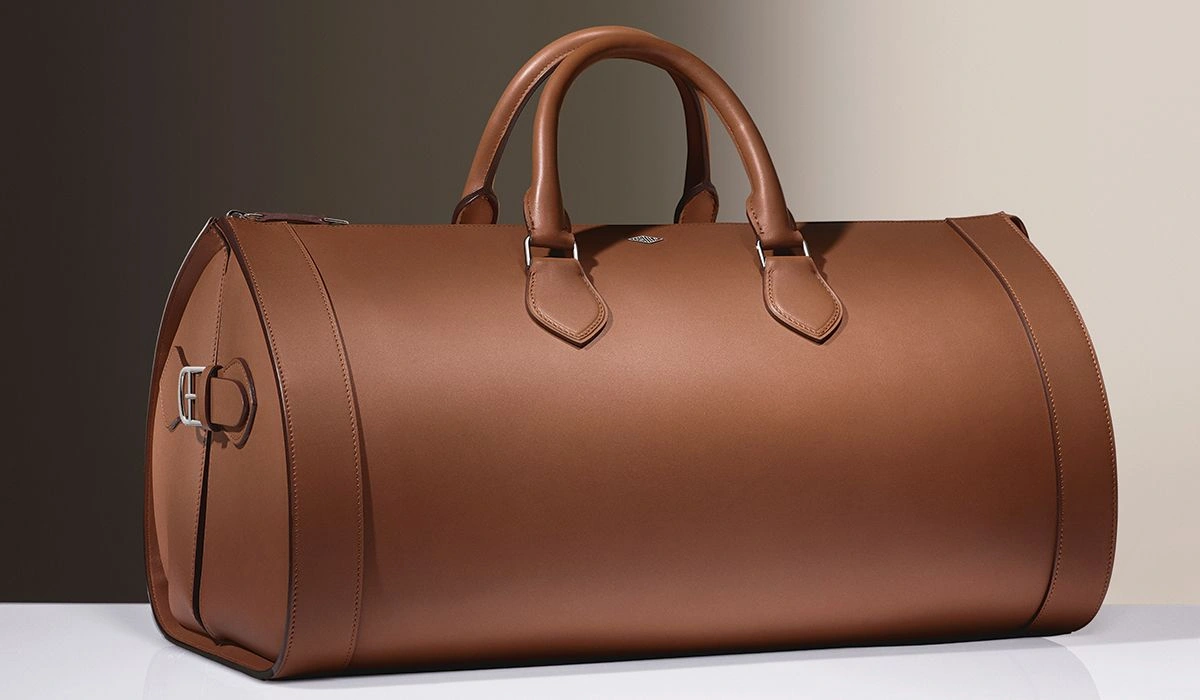
Not every worthwhile luxury purchase needs to cost thousands. Smaller leather goods, including wallets, cardholders, belts and document holders, can offer a more accessible introduction to premium craftsmanship.
A thoughtfully made leather accessory can be used almost every day. That frequent use makes durability particularly important: neat stitching, quality leather, reliable hardware and a design that suits your routine can all contribute to long-term satisfaction.
Resale values vary considerably in this category, and many smaller accessories lose value after purchase. Their strongest advantage may therefore be practical rather than financial.
Think about how often you will use the item, whether it works with your existing wardrobe and whether the design will remain relevant beyond the current season.
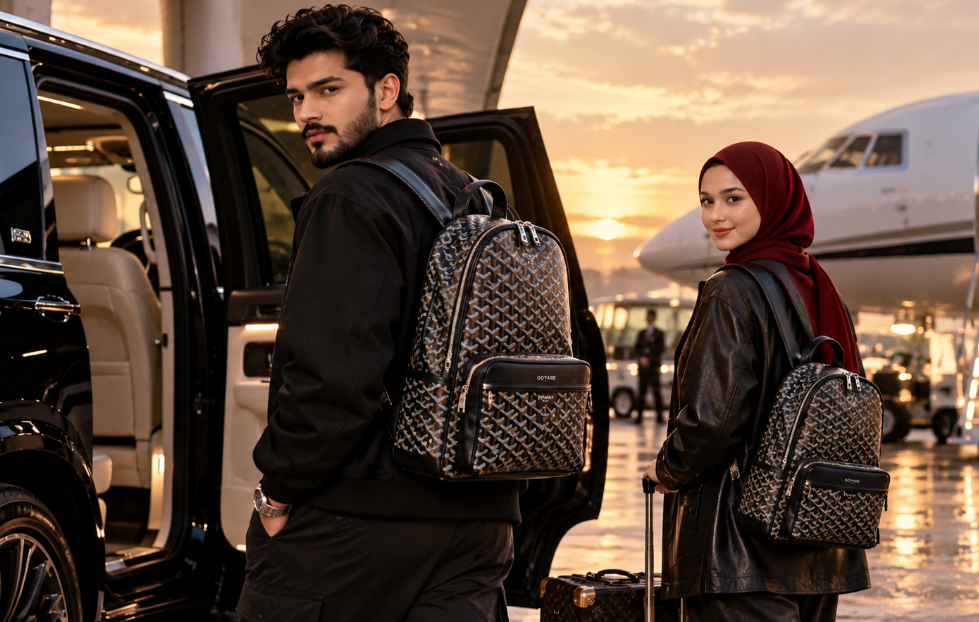
5. Luxury Luggage Built for Frequent Travel
For someone who travels regularly, premium luggage can be a practical investment in the experience of travelling. Strong construction, useful compartments, smooth wheels and repairable components may make a meaningful difference over years of use.
Classic travel bags and well-designed suitcases can also offer a polished appearance without relying on seasonal trends. Before purchasing, compare weight, capacity, durability, warranty coverage and the availability of replacement parts.
However, luggage is usually better evaluated through longevity and cost per use than resale appreciation. Travel-related wear can affect its condition, and even prestigious brands do not guarantee strong second-hand prices.
If travel is part of your lifestyle, our guide to luxury travel offers more inspiration for making every journey feel considered.
6. Designer Shoes That Earn Their Place in Your Wardrobe
Luxury footwear can bring craftsmanship and character to an outfit, but it is important to distinguish timeless staples from trend-driven purchases.
Classic leather loafers, understated boots and well-constructed formal shoes may remain useful for years when cared for properly. Their value comes largely from wearability, comfort and durability rather than a promise of resale profit.
Before purchasing, check the fit carefully. Examine the sole, stitching, leather quality and construction, and find out whether the shoes can be professionally repaired or resoled.
Footwear is also particularly sensitive to condition. Heavy wear, damaged heels and worn interiors can make resale more difficult.
A pair you wear confidently for years may be a better purchase than a rare design that stays in its box.
7. Timeless Outerwear and Investment Pieces
A beautifully tailored coat or versatile leather jacket can transform an outfit without requiring an entirely new wardrobe. Outerwear is especially useful when its cut, colour and material work across different occasions.
Neutral colours and classic silhouettes often provide greater styling flexibility than highly distinctive seasonal designs. That does not mean bold fashion is a mistake; it simply serves a different purpose.
For most buyers, the financial case for luxury clothing rests on longevity and cost per wear rather than resale value.
For example, a well-made coat worn regularly for several winters may offer more practical value than an expensive statement piece worn only once. Choosing versatile clothing can also help reduce unnecessary purchases.
Our luxury capsule wardrobe essentials guide explores how to build a wardrobe around pieces that work together.
8. Collectible Accessories and Limited Editions
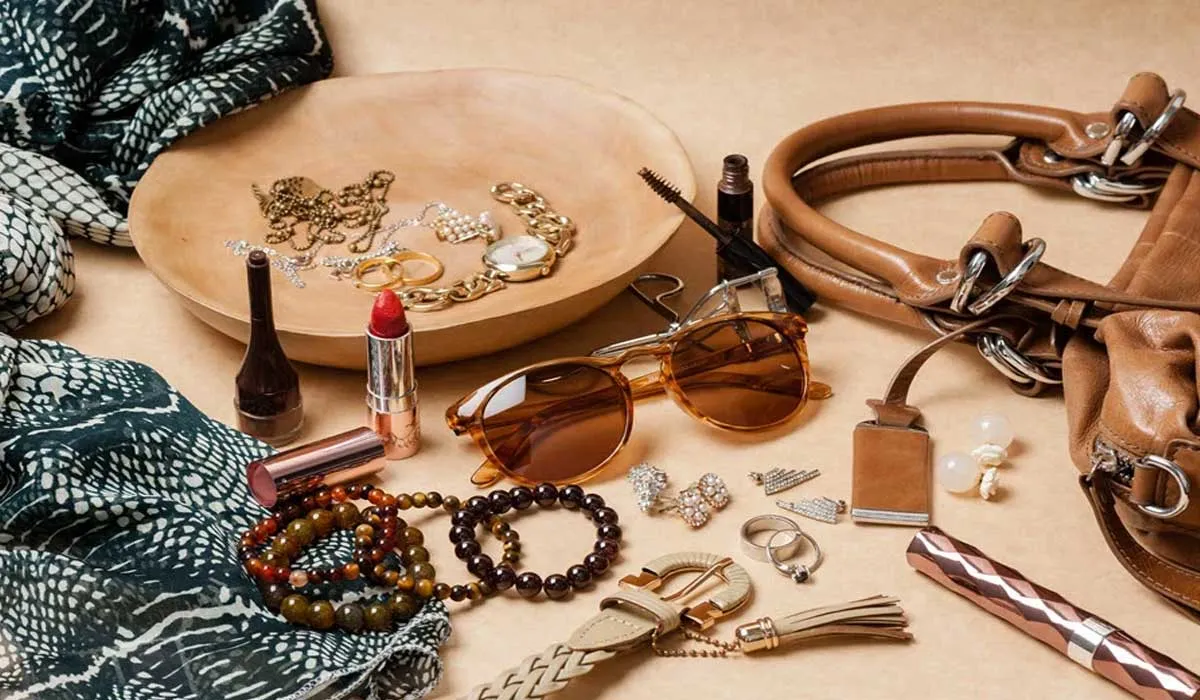
Silk scarves, distinctive designer accessories and selected limited-edition pieces can appeal to collectors when they have an identifiable design, a strong following or genuine scarcity.
Yet the word limited edition should never be treated as proof of investment potential. A product can be rare because demand is low, and a popular item can lose momentum when trends change.
Before buying a collectible, investigate its history, authenticity, production details and actual resale activity. Avoid paying a large premium simply because a seller describes the piece as rare or exclusive.
Collectibles tend to require more patience and market knowledge than everyday luxury purchases. They are best suited to buyers who understand the category and are comfortable holding an item without knowing when, or whether, they will be able to sell it profitably.
How to Choose the Right Luxury Purchase
The most useful decision is not necessarily choosing the most prestigious brand. It is choosing the right item for your budget, lifestyle and expectations.
Use this checklist before committing to a purchase:
- I understand the difference between retail price and resale value.
- I have checked recent market prices for the exact model.
- The item is authentic, and its condition has been assessed.
- I can afford the purchase without compromising essential expenses or savings.
- I have considered insurance, servicing, storage or repair costs.
- I would still be happy owning it if its resale value fell.
- I know how I will care for it and preserve any supporting documents.
Buying pre-owned can also be worth considering. It may provide access to discontinued designs or reduce the initial cost, but authentication and careful inspection remain essential.
How to Protect the Value of Your Luxury Collection
Careful ownership can help preserve a product’s condition, even though it cannot guarantee a particular resale price.
Store handbags in a clean, dry place away from direct sunlight and excessive humidity. Avoid overfilling them, and follow the manufacturer’s guidance for cleaning and storage.
Keep watches serviced according to their requirements, and retain service records. Fine jewellery should be stored securely, with regular checks for loose settings or damaged clasps.
For leather goods and footwear, use appropriate care products and avoid exposing materials to unnecessary moisture or heat. Keep receipts, authenticity documentation, original packaging and other relevant accessories together.
If you eventually decide to sell, compare reputable resale platforms, consignment services and specialist dealers. Understand their fees and payment terms before agreeing to a sale.
Are Luxury Items Better Investments Than Traditional Assets?
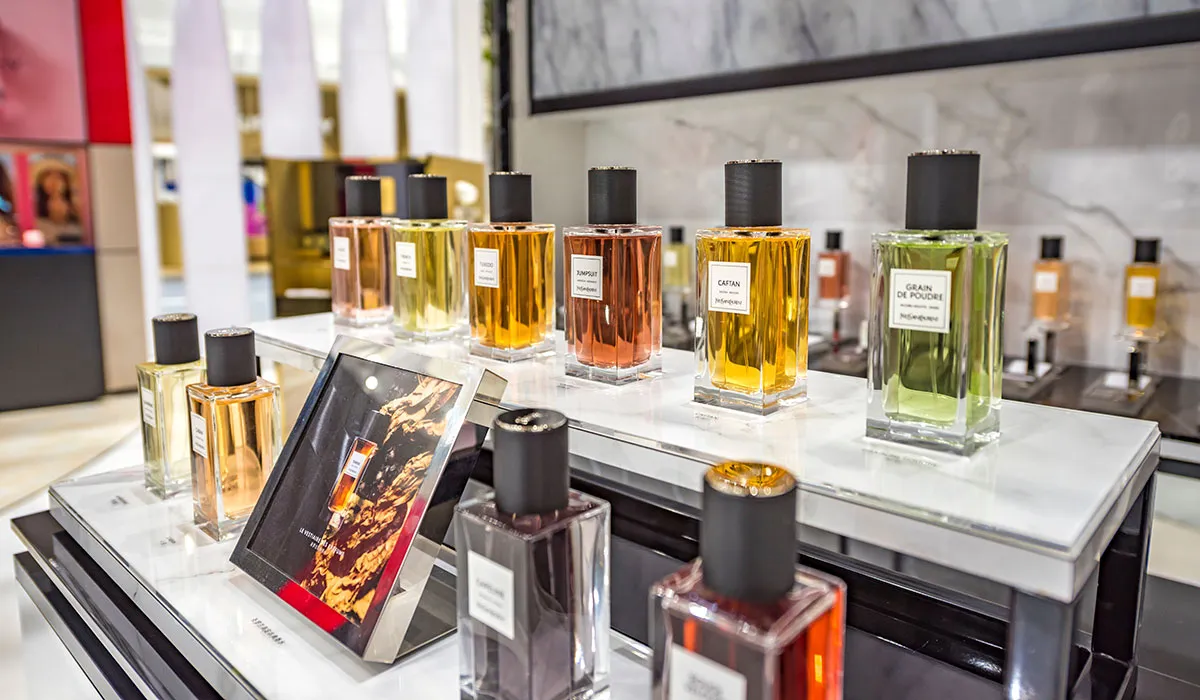
Luxury products and traditional financial investments serve different purposes.
Stocks, bonds and other financial assets can form part of a structured investment strategy. Luxury goods, by contrast, generally do not produce income simply by being owned. Their value depends on finding a future buyer willing to pay the right price.
Selling can also involve authentication costs, commissions, insurance, storage and time. An item may appear valuable in online listings but still be difficult to sell at that price.
For this reason, luxury purchases should not replace emergency savings or a diversified financial plan. Anyone considering luxury goods primarily for financial returns should understand the risks and seek qualified financial advice when needed.
Frequently Asked Questions
What are the best luxury items to invest in?
Iconic handbags, selected luxury watches, fine jewellery and certain collectible accessories may attract sustained resale demand. However, performance varies by model, condition, rarity and market conditions. No category guarantees a profit.
Do designer handbags increase in value?
Some models have sold above their original retail prices, but many handbags depreciate. A bag’s resale value depends on its exact model, condition, authenticity, materials and current buyer demand.
Are luxury watches a safe investment?
No luxury watch is a guaranteed or risk-free investment. Certain models attract strong collector demand, but prices fluctuate, and servicing, insurance and selling costs can reduce returns.
Is buying pre-owned luxury worth it?
Pre-owned luxury can offer lower entry prices and access to discontinued designs. Buy from a reputable seller, verify authenticity and condition, and compare the asking price with recent resale transactions.
How can I maintain the value of luxury items?
Protect items from avoidable damage, follow appropriate care instructions, arrange necessary servicing and keep original receipts and documentation. Good maintenance supports conditions but does not guarantee future resale value.
Should I buy luxury items only for investment?
It is generally wiser to buy luxury goods primarily for their quality, usefulness and personal appeal. Treat possible resale value as an added benefit rather than a guaranteed financial return.
Final Thoughts
The appeal of luxury lies in more than a label or price tag. It can be found in the feel of carefully finished leather, the engineering of a mechanical watch, the detail of a handcrafted accessory or the confidence that comes from wearing something that feels unmistakably your own.
When choosing luxury items with long-term value in mind, focus on craftsmanship, timelessness, authenticity and realistic market demand. Research before buying, care for what you own and resist the temptation to confuse exclusivity with guaranteed appreciation.
The best purchase is one that fits your life today and continues to feel worthwhile years from now even if its financial value never rises.
Disclaimer: This article is intended for informational purposes only.