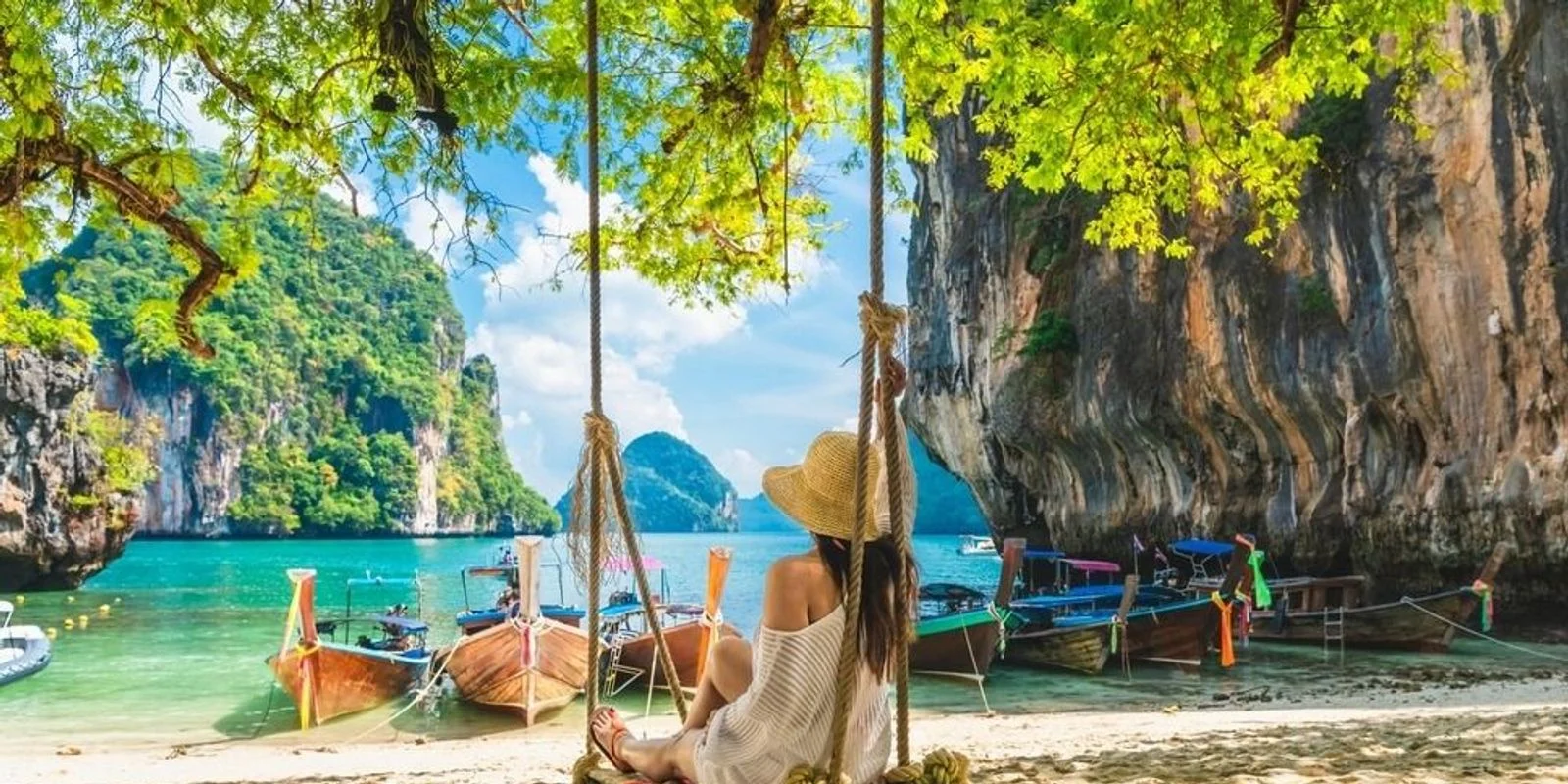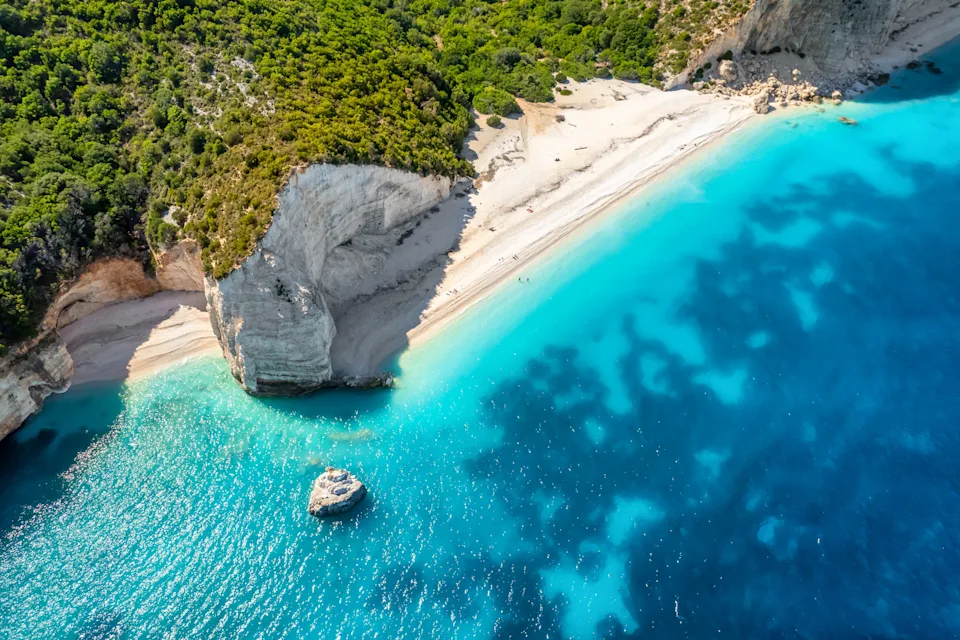
There is a moment on a Greek beach when everything seems to slow down. The water turns an impossible shade of blue, the sun warms the rocks, and the only thing on your schedule is deciding whether to swim again or find a shady table for lunch.
That is part of what makes Greece such a special beach destination. Its coastline offers everything from pale pink-tinged sand and shallow turquoise lagoons to dramatic white cliffs, volcanic shores, and lively beaches where the day continues long after sunset.
The best beaches in Greece depend on the kind of holiday you want. Elafonisi and Balos are unforgettable choices for lagoon scenery, Myrtos is known for its striking cliffs and blue water, and Mykonos offers a more social beach experience. Other beaches reward travelers who are happy to walk, take a boat, or explore beyond the busiest resort areas.
Here are 12 Greek beaches worth adding to your travel plans, along with what makes each one special and what to know before you go.
1. Elafonisi Beach, Crete
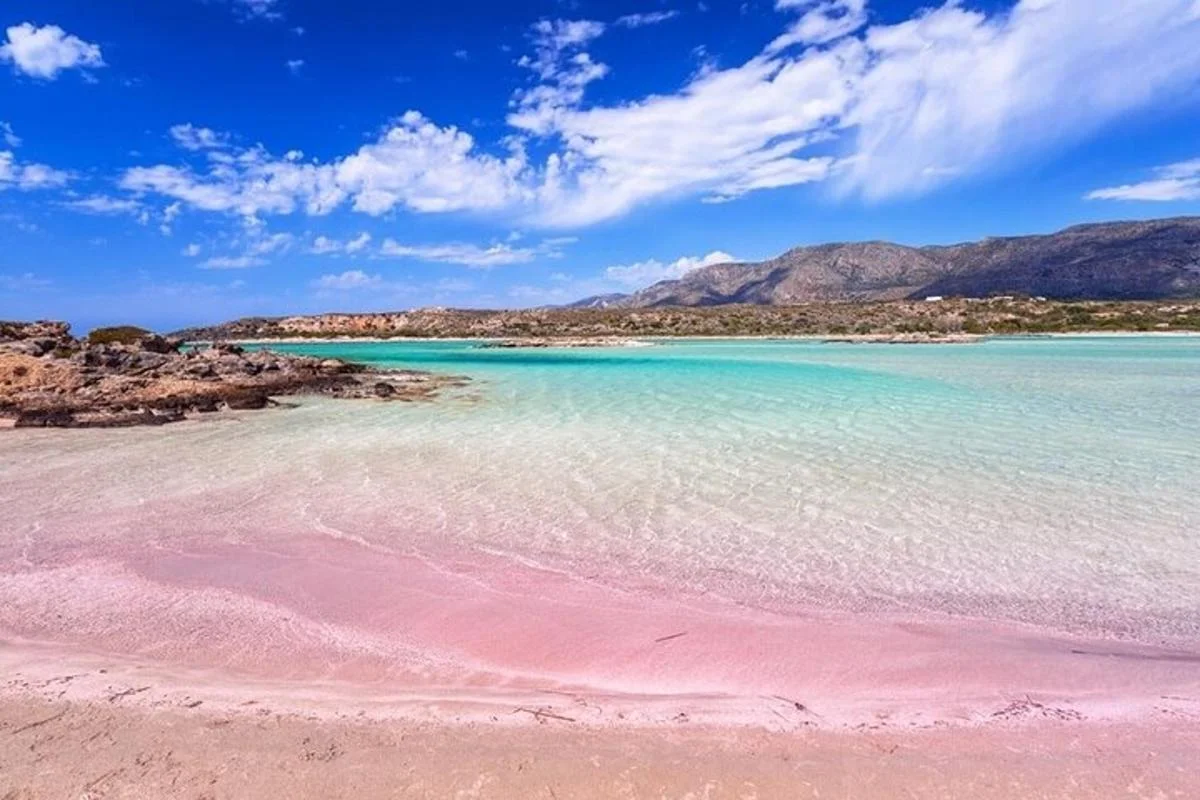
Elafonisi is one of the most distinctive beaches in Greece. Located in southwestern Crete, it is known for shallow turquoise water, pale sand with pink tones in some areas, and a landscape that can feel almost tropical.
The pink color comes from fragments of shells mixed with the sand. It varies by location and conditions, so do not expect the entire beach to look bright pink.
The shallow lagoon makes Elafonisi appealing for relaxed swimming and paddling, although conditions can change with the weather. During the summer, its beauty attracts large numbers of visitors, so arriving early can make the experience more peaceful.
Best for: Lagoon swimming, families, photography, and a relaxed beach day.
Travel tip: Elafonisi is in a protected natural area. Leave shells, sand, and plants where they belong, and bring sun protection for the exposed shoreline.
2. Balos Lagoon, Crete
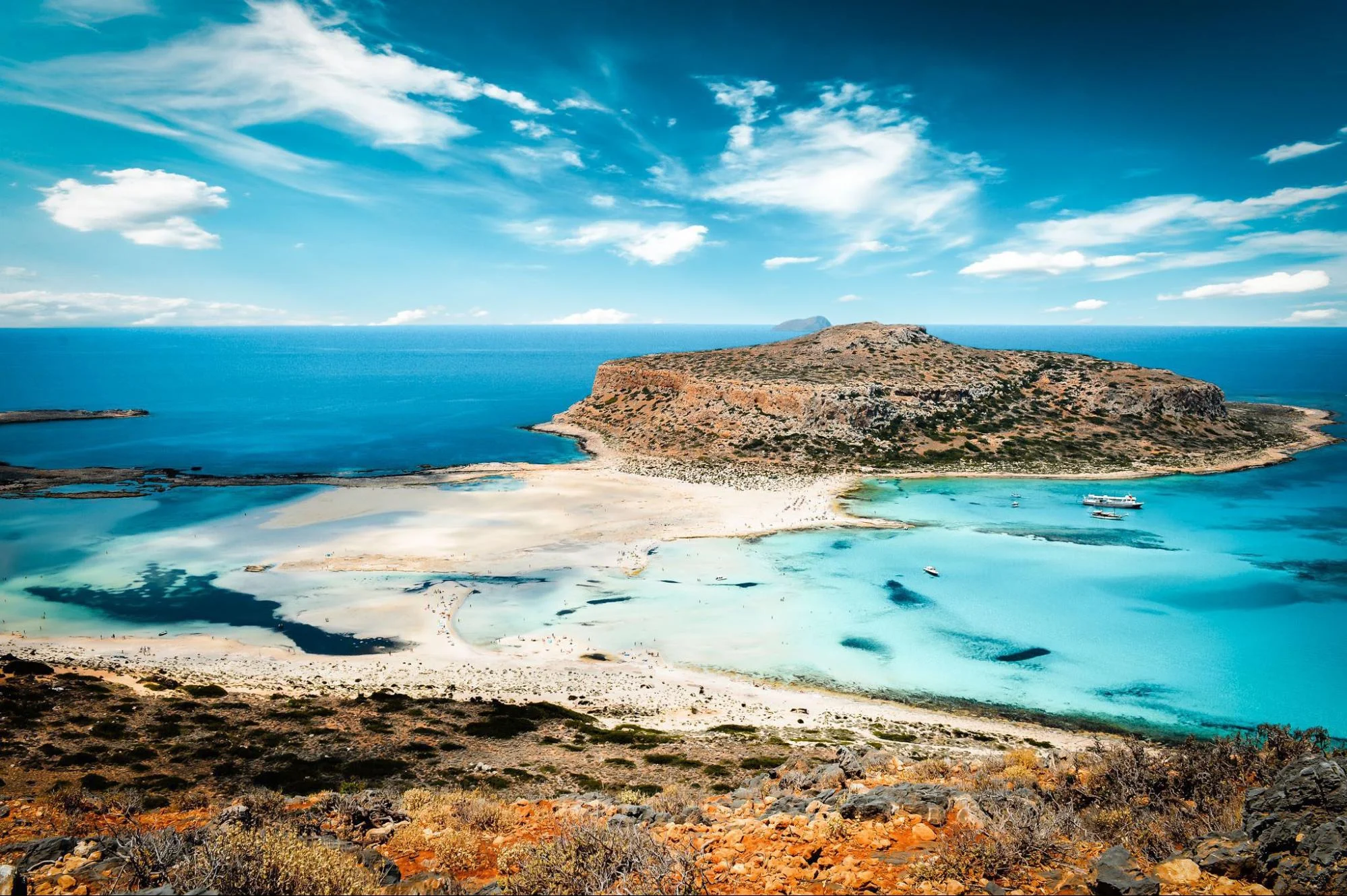
Balos is the kind of place that makes you stop and look before reaching for your camera. The lagoon, located in northwestern Crete, combines shallow turquoise water, pale sand, and a rugged landscape around Cape Tigani and Gramvousa.
From above, the different shades of blue and green create an extraordinary view. Once you reach the shore, the shallow areas are ideal for wading when conditions are suitable.
You can reach Balos by boat from Kissamos or by road, followed by a walk. The driving route includes an unpaved section, so check local conditions before setting out.
Best for: Dramatic scenery, photography, boat trips, and nature lovers.
Travel tip: Facilities are limited compared with a developed resort beach. Carry water, sunscreen, suitable footwear, and anything else you need for several hours outdoors.
3. Myrtos Beach, Kefalonia
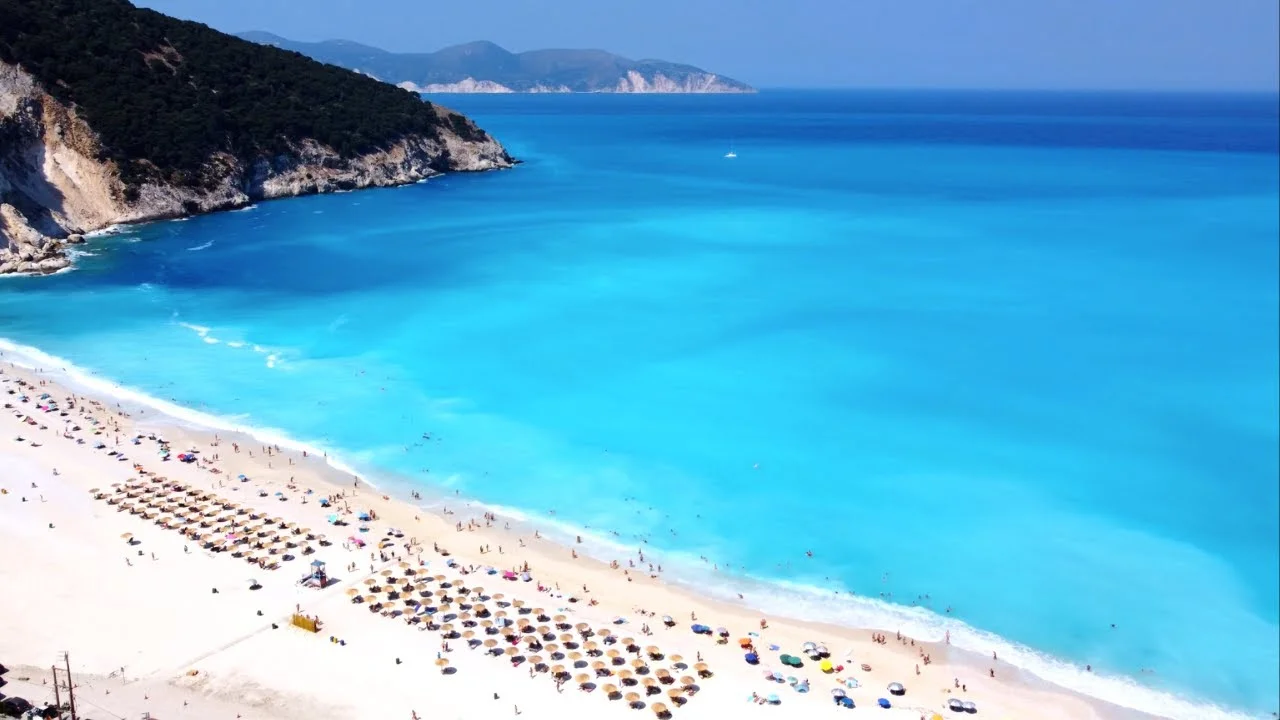
Myrtos is famous for its brilliant blue water, pale pebbles, and tall cliffs that frame the coastline. Located on the island of Kefalonia, it is one of the most striking beach landscapes in the Ionian Islands.
The view from above is especially memorable, but the beach itself is worth experiencing if sea conditions allow. Unlike a shallow lagoon, Myrtos can have deep water and strong waves, so it is important to pay attention to local warnings.
The pebbled shoreline also means that water shoes may be more comfortable than walking barefoot.
Best for: Scenic drives, photography, dramatic coastal views, and swimming on suitable days.
Travel tip: Check the sea conditions before entering the water. Myrtos is not always the best choice for inexperienced swimmers or families looking specifically for shallow water.
4. Porto Katsiki, Lefkada
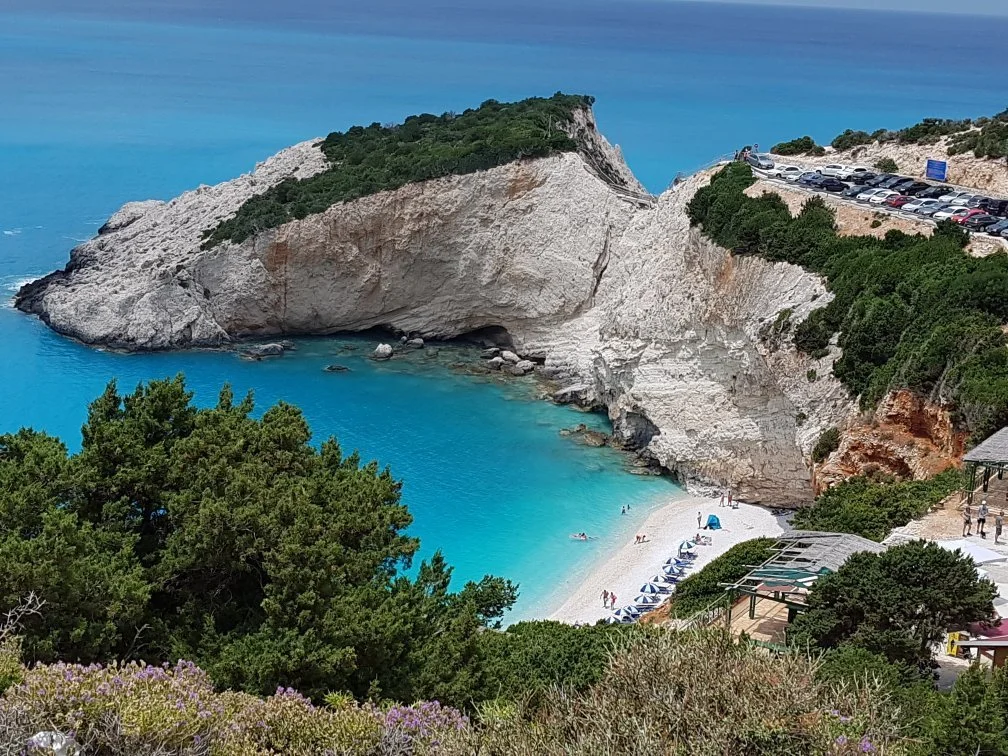
Porto Katsiki is known for its white cliffs, pale pebble beach, and striking blue sea. The contrast between the limestone landscape and the water makes it one of Lefkada’s signature coastal sights.
The beach sits below a steep cliff, and access traditionally involves descending steps from the parking area. The return climb can feel demanding in the heat, particularly during the middle of the day.
For many visitors, the reward is worth the effort: an impressive landscape and clear water that looks different throughout the day.
Best for: Photography, dramatic scenery, and travelers who enjoy exploring beyond easy-access beaches.
Travel tip: Wear sturdy sandals or walking shoes for the descent, bring water, and check local access information before visiting.
5. Navagio Beach, Zakynthos
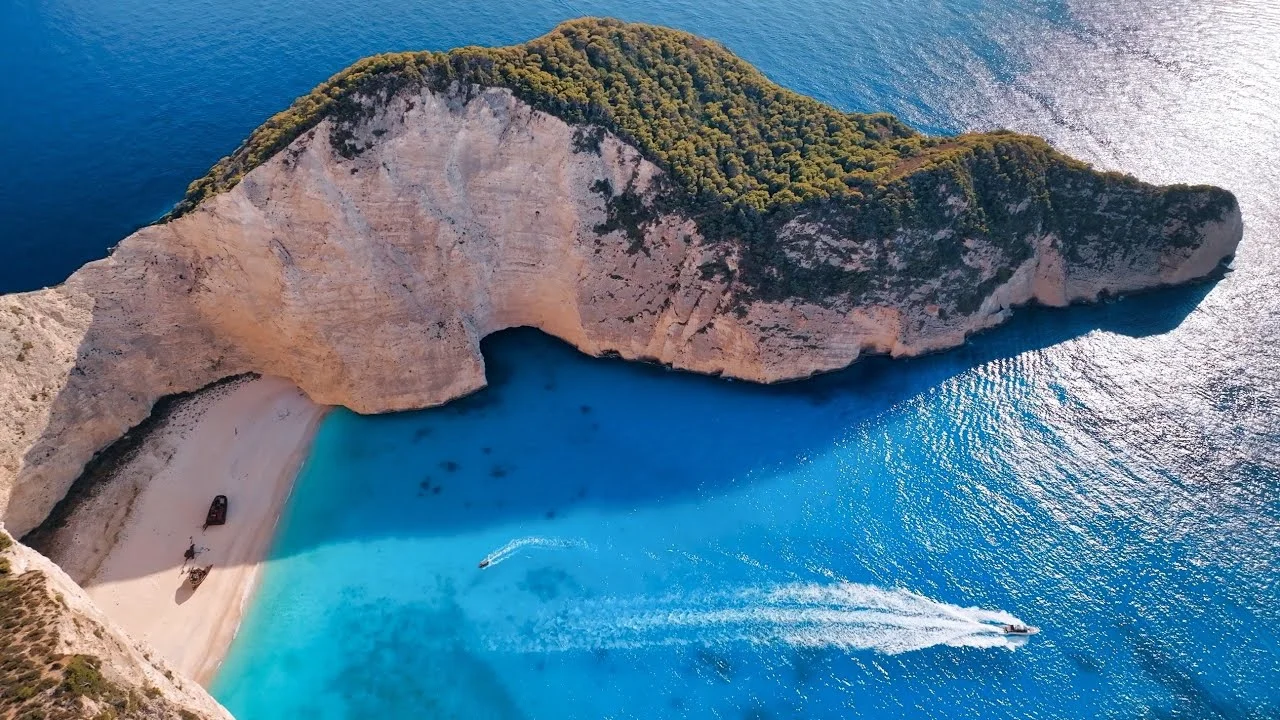
Navagio, often called Shipwreck Beach, is among Greece’s most recognizable coastal landscapes. White cliffs surround a small cove, while the remains of the ship Panagiotis have long been part of its famous view.
It is important to distinguish between seeing the beach from a viewpoint and actually stepping onto the sand. Navagio has been reported closed to beach access for safety and maintenance reasons. Restrictions can change, so check official local guidance before planning a visit.
Even when landing is prohibited, the surrounding landscape remains a major reason travelers are drawn to this part of Zakynthos.
Best for: Dramatic coastal scenery and photography, subject to current access rules.
Travel tip: Do not assume a boat tour includes permission to land. Confirm the current restrictions with local authorities or your licensed tour operator.
6. Sarakiniko Beach, Milos
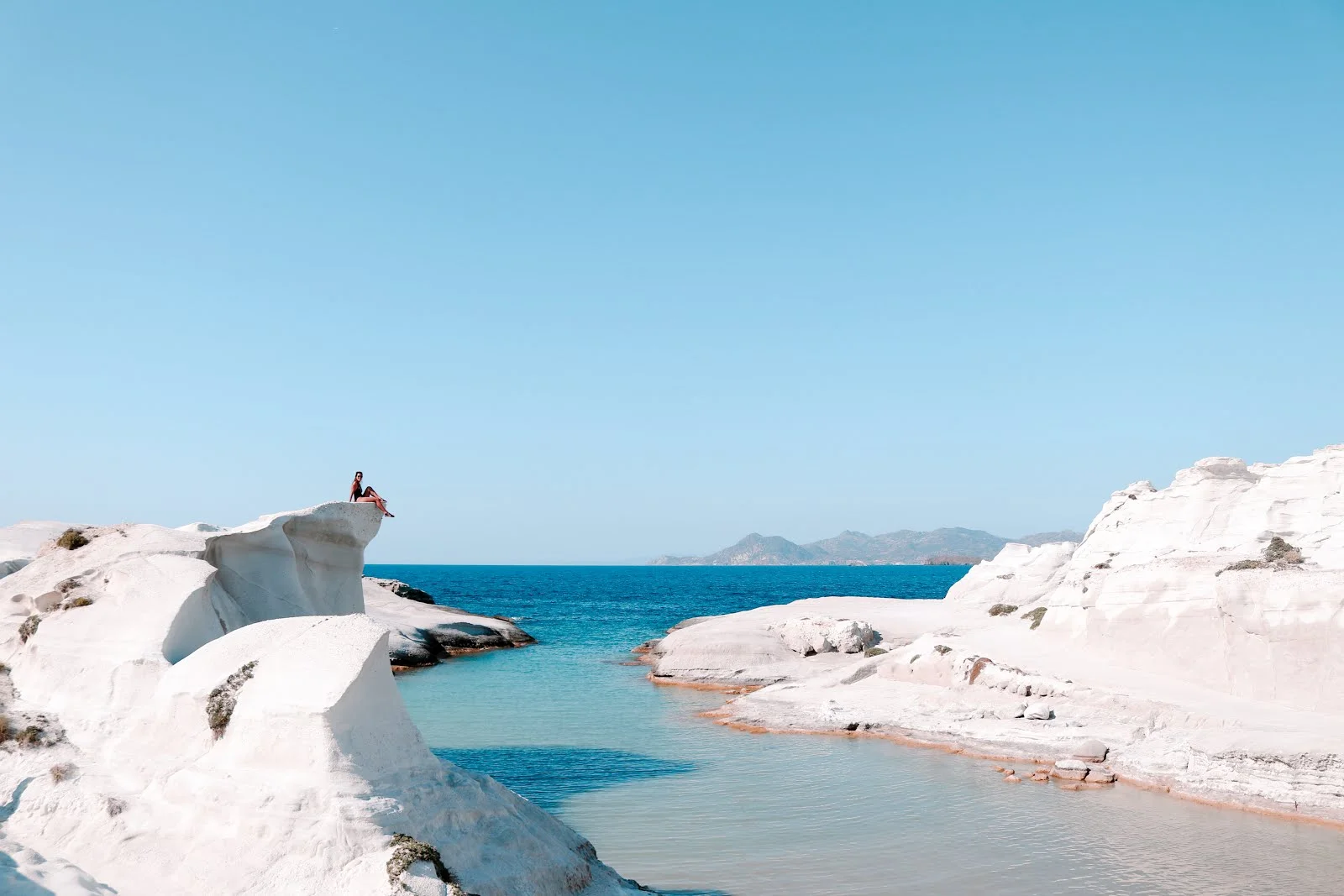
Sarakiniko looks unlike many other Greek beaches. Instead of a conventional sandy shoreline, it features pale volcanic rock sculpted into smooth curves, ledges, and formations that resemble a lunar landscape.
The white rock against the deep blue Aegean creates a striking contrast, particularly in bright daylight. Visitors come to walk, photograph the landscape, and enjoy the unusual coastal setting.
However, Sarakiniko is not a typical sandy beach with broad, comfortable areas for sunbathing. The rock can be slippery, and exposed edges require care.
Best for: Photography, unusual landscapes, and travelers who enjoy exploring natural formations.
Travel tip: Wear shoes with good grip and avoid jumping from rocks into water unless the depth and conditions are known to be safe.
7. Super Paradise Beach, Mykonos
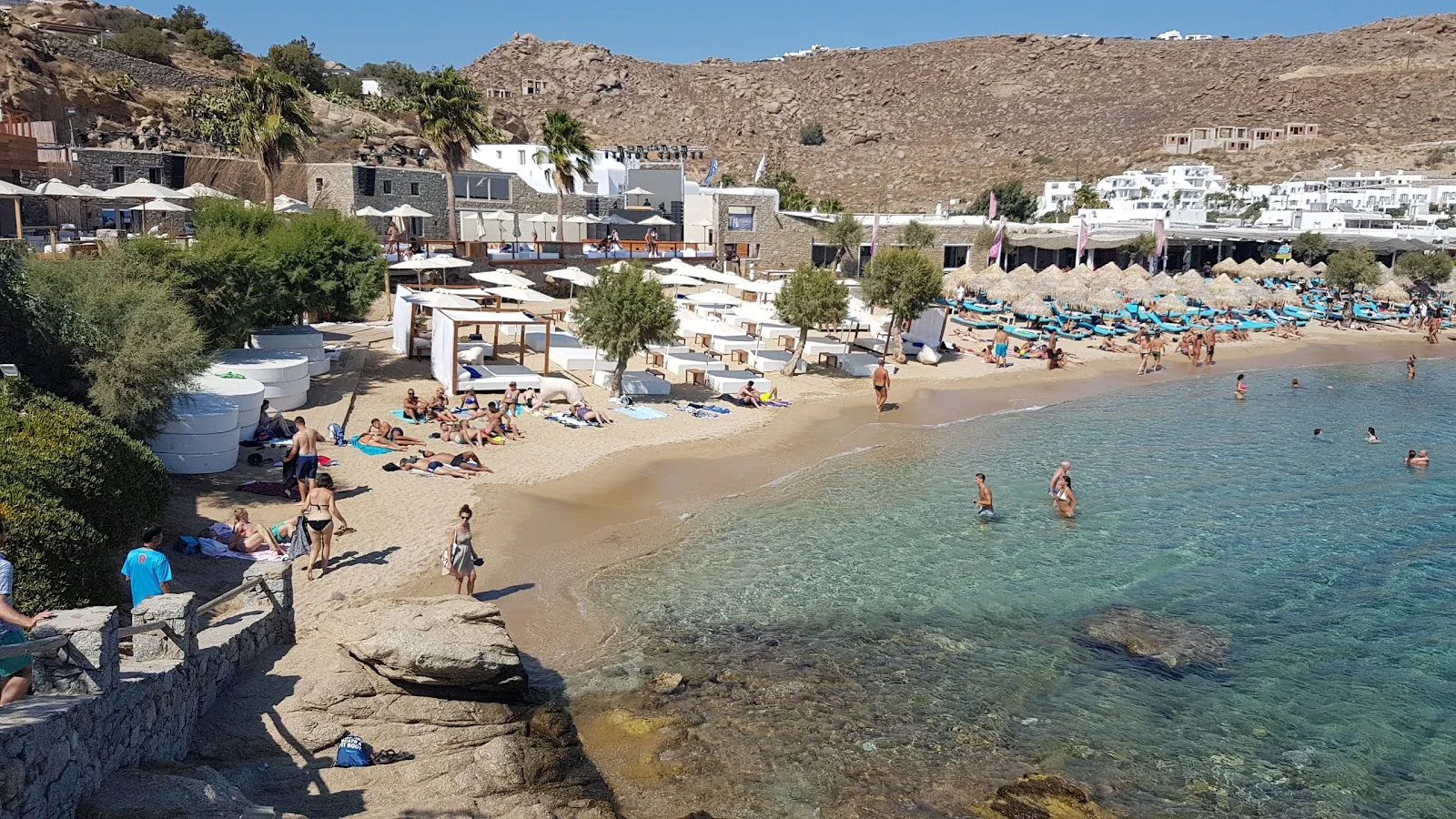
Not every great Greek beach is about silence and secluded coves. Super Paradise on Mykonos offers a more social atmosphere, combining a beautiful shoreline with beach clubs, music, dining, and a lively summer scene.
It suits travelers who want to spend the afternoon swimming and relaxing before moving into a more energetic evening. The atmosphere can vary considerably depending on the season, time of day, and venue.
If you prefer a quieter experience, visit earlier and choose your spot carefully.
Best for: Social beach days, beach clubs, dining, and nightlife.
Travel tip: Check venue prices and transport arrangements in advance, particularly during peak summer dates.
8. Paleokastritsa Beach, Corfu
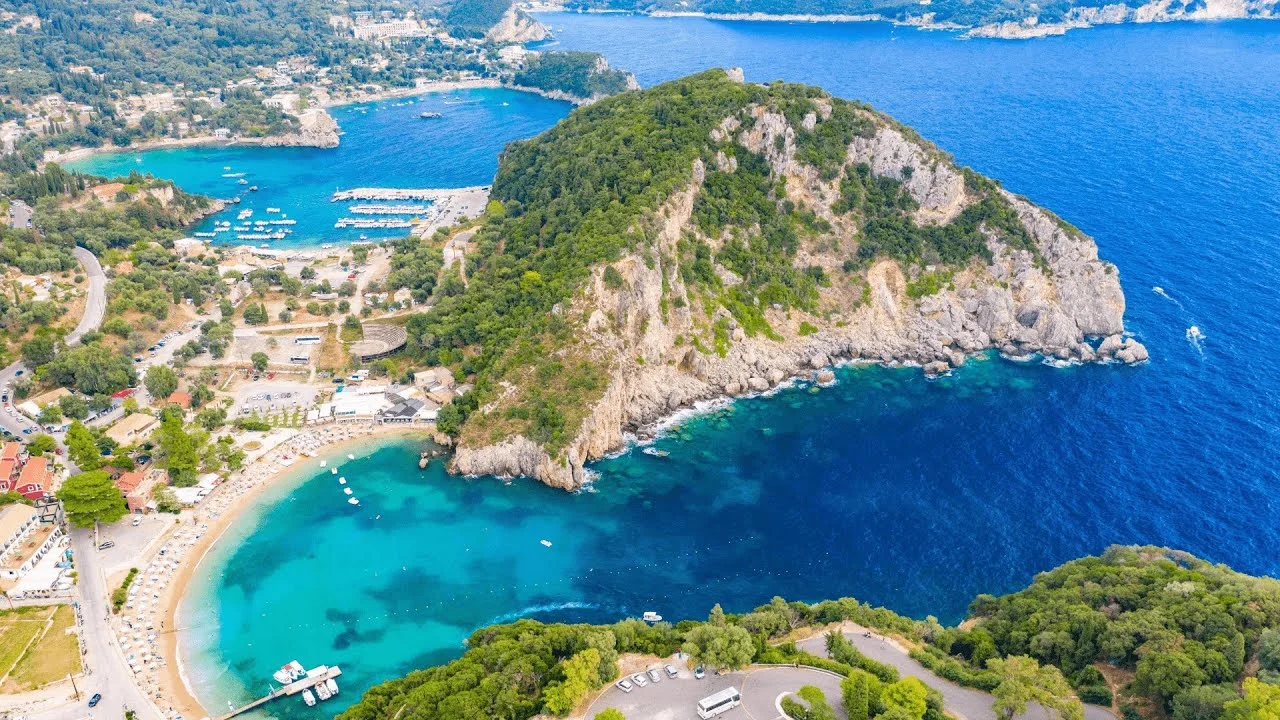
Paleokastritsa is known for its green hills, rocky coves, and clear water along the western side of Corfu. Rather than one long stretch of sand, the area offers several small beaches and bays, creating opportunities to explore different swimming spots.
The scenery is a major part of its appeal. Hills rise above the coastline, and boat excursions can take visitors to nearby coves and sea caves when conditions permit.
It is a good option if you want a beach holiday that includes more than sunbathing.
Best for: Boat trips, swimming, snorkeling when conditions allow, and scenic coastal exploration.
Travel tip: Popular coves can become busy in summer. Consider an early start or a boat trip to explore the coastline from the water.
9. Voutoumi Beach, Antipaxos
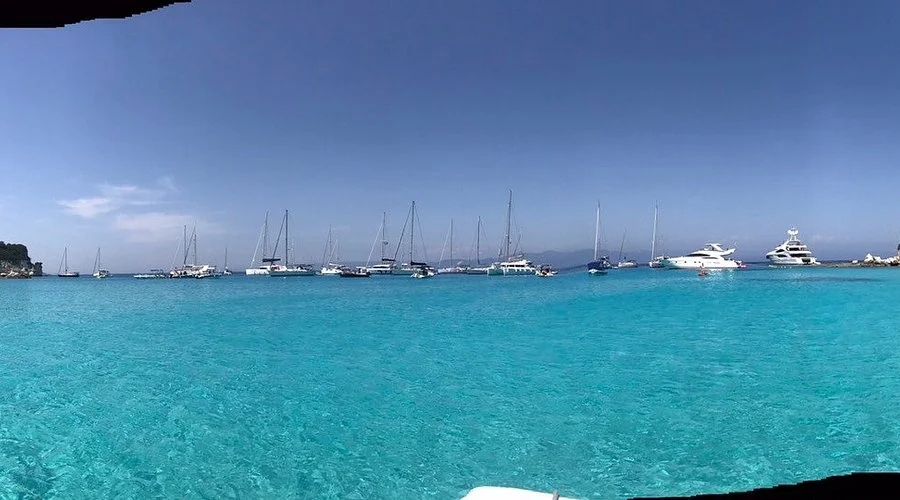
Antipaxos is a small island near Paxos in the Ionian Sea, and Voutoumi is one of its most celebrated beaches. The water is remarkably clear, with shades of blue that can resemble a swimming pool against the pale shoreline.
Green hills and trees frame the bay, creating a softer, more secluded atmosphere than some of Greece’s larger resort beaches.
Many visitors reach Antipaxos by boat from Paxos, making Voutoumi a natural stop on a day trip.
Best for: Clear-water swimming, boat excursions, and a peaceful island atmosphere.
Travel tip: Boat trips are weather-dependent. Check return arrangements and bring essentials rather than assuming every beach service will be available.
10. Simos Beach, Elafonisos
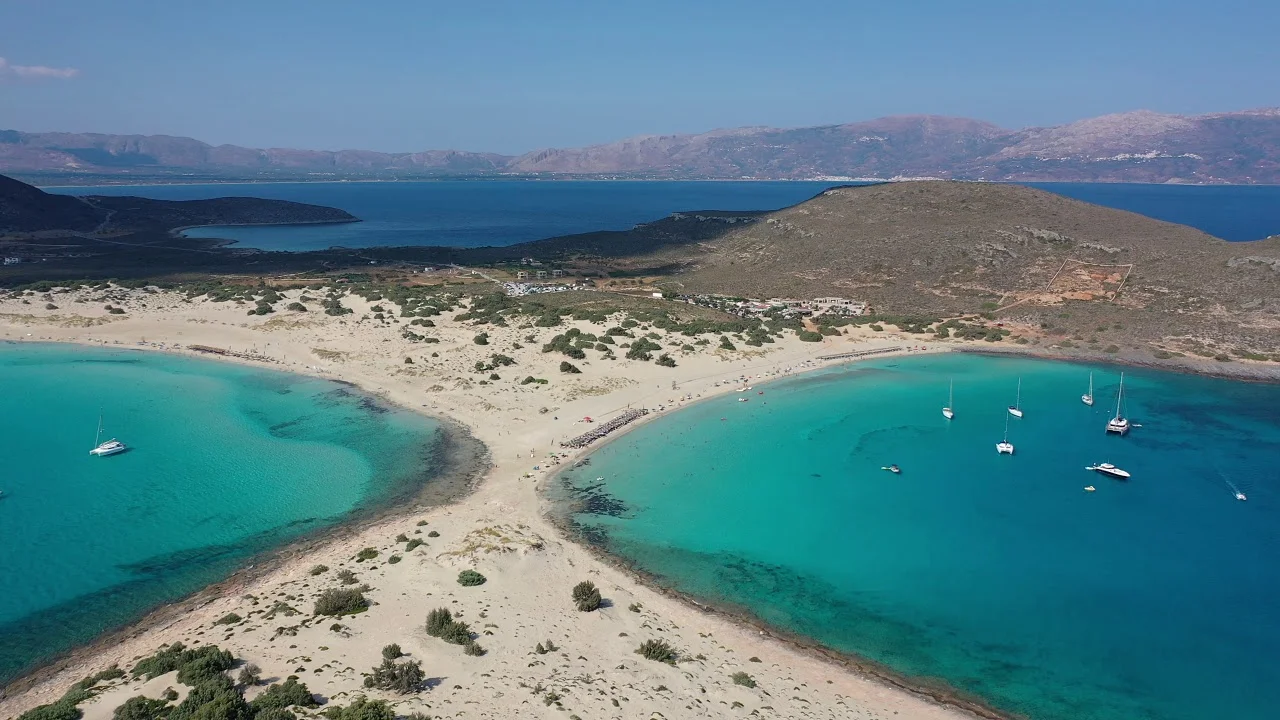
Simos Beach, on the small island of Elafonisos in southern Greece, is known for its golden sand, turquoise water, and distinctive coastal setting. The beach has two main stretches separated by a sandy peninsula, creating a landscape that feels expansive despite the island’s small size.
The water can be wonderfully clear, and the beach is popular with visitors exploring the southern Peloponnese.
Getting there involves traveling to the mainland ferry departure point and crossing to Elafonisos, so it is worth planning transport before setting off.
Best for: Sandy beaches, swimming, summer escapes, and travelers exploring southern Greece.
Travel tip: Simos is popular in peak season. Arrive early if you want a quieter spot, and check ferry schedules before your trip.
11. Voidokilia Beach, Peloponnese
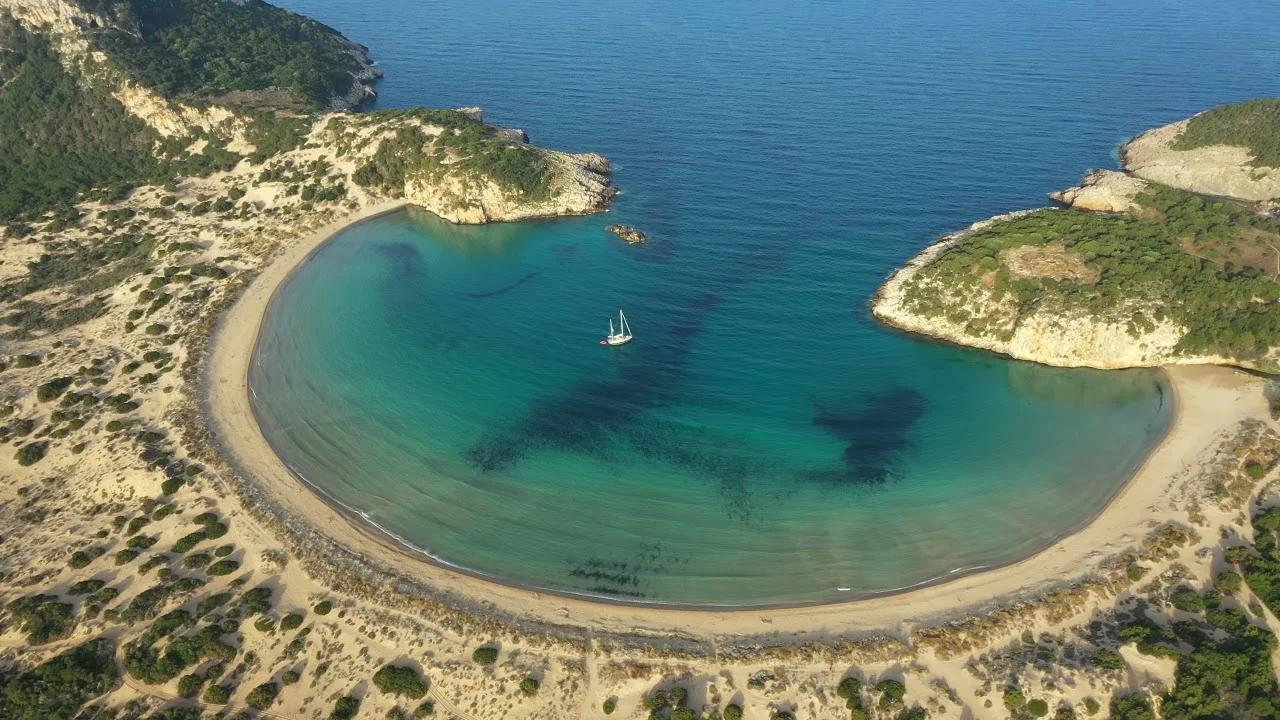
Voidokilia is famous for its near-perfect horseshoe shape. The curved bay, pale sand, and surrounding natural landscape make it one of the most distinctive beaches on the Greek mainland.
Unlike some island beaches that require a boat or a steep descent, Voidokilia can be a practical option for travelers exploring the Peloponnese by car. Its natural setting is part of the appeal, and the area is important for wildlife and conservation.
Facilities are more limited than at developed resort beaches, so visitors should plan accordingly.
Best for: Natural scenery, peaceful beach walks, and travelers who prefer the mainland to island-hopping.
Travel tip: Bring your own water, snacks, and sun protection, and respect the surrounding protected habitats.
12. Egremni Beach, Lefkada
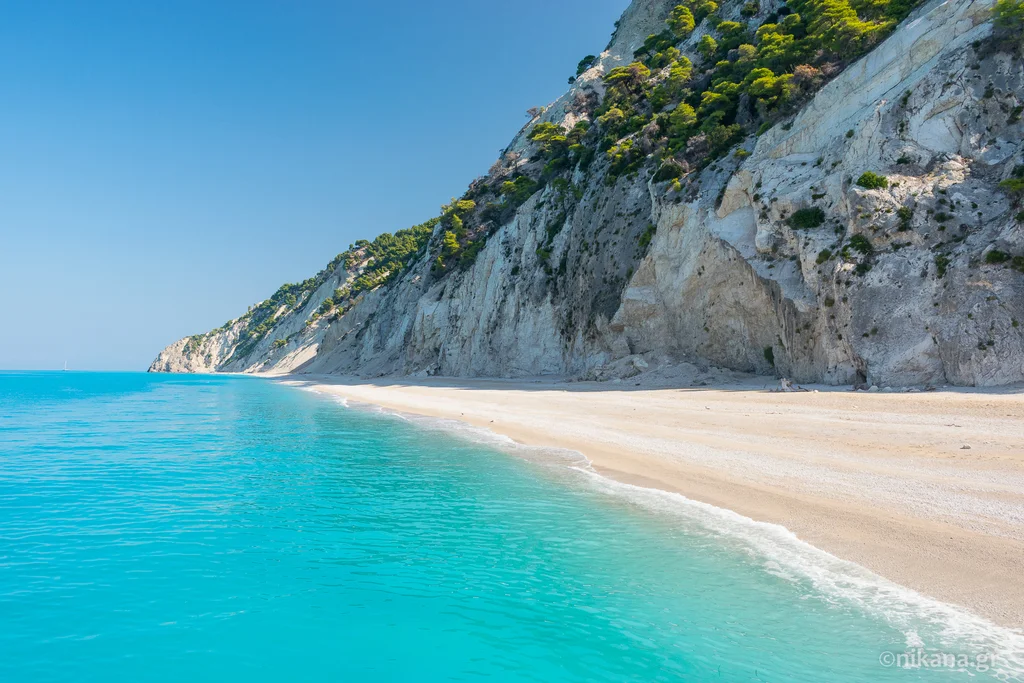
Egremni is another spectacular beach on Lefkada’s western coast. Its long shoreline, pale pebbles, and imposing cliffs create a sense of scale that is difficult to appreciate from photographs alone.
Access has traditionally involved a long descent down steps, followed by a demanding climb back up. Boat trips can offer an alternative way to see the coastline, depending on the operator and sea conditions.
The effort required makes planning important, especially in hot weather.
Best for: Dramatic coastal landscapes, long beach days, and travelers comfortable with challenging access.
Travel tip: Check current access arrangements, carry enough water, and avoid the steep route if the conditions or physical demands are unsuitable for you.
Which Greek Beach Should You Choose?
The best beach depends on the experience you want, not simply which one looks most impressive in a photograph.
| If you want… | Consider visiting |
| Shallow turquoise water | Elafonisi, Crete |
| A spectacular lagoon | Balos, Crete |
| Dramatic cliffs and blue water | Myrtos, Kefalonia |
| White cliffs and coastal views | Porto Katsiki, Lefkada |
| A famous shipwreck landscape | Navagio, Zakynthos, subject to access restrictions |
| Unusual volcanic rock formations | Sarakiniko, Milos |
| Beach clubs and a social atmosphere | Super Paradise, Mykonos |
| Green hills and hidden coves | Paleokastritsa, Corfu |
| Clear water reached by boat | Voutoumi, Antipaxos |
| Golden sand in southern Greece | Simos, Elafonisos |
| A distinctive horseshoe-shaped bay | Voidokilia, Peloponnese |
| A long, dramatic shoreline | Egremni, Lefkada |
When Is the Best Time to Visit the Beaches in Greece?
For many travelers, late May, June, and September offer an appealing balance of warm weather and fewer visitors than the busiest part of summer. July and August are popular for classic beach holidays, but expect greater demand, higher accommodation prices in many destinations, and more crowded shores.
Conditions vary between islands and regions, so consider what matters most to you.
- May and early June: A good choice for exploring, sightseeing, and enjoying beaches with fewer summer crowds, though the sea may feel cool.
- Late June through August: Best suited to travelers who want the classic hot Greek summer and a lively holiday atmosphere.
- September: Often appealing for swimming and a slower pace, with warm conditions lingering in many areas.
- October: Can be lovely for coastal walks and quieter travel, but weather and sea temperatures become less predictable.
Always check local forecasts, sea conditions, transport schedules, and beach access before setting out.
How to Plan a Greek Beach Holiday
Greece has so many islands that it can be tempting to squeeze several into one trip. In practice, spending more time in one region often creates a more relaxing holiday.
Crete is a strong option if you want to explore several famous beaches from one island base. Lefkada and Kefalonia work well for travelers interested in dramatic Ionian coastlines. Mykonos suits those who want beach clubs alongside dining and nightlife, while Milos is appealing for unusual geological landscapes.
If your plans center on island-hopping and memorable coastal stays, our guide to the best luxury island destinations can help you explore more possibilities.
A little planning makes a difference. Book accommodation early for peak summer, check how far your chosen beach is from your base, and avoid assuming that every famous cove is easy to reach.
Most importantly, leave room for unplanned discoveries. A small beach you find on a quiet afternoon may become the place you remember long after the holiday ends.
Frequently Asked Questions
What is the most beautiful beach in Greece?
Beauty is subjective, but Elafonisi and Balos in Crete, Myrtos in Kefalonia, and Porto Katsiki in Lefkada are among Greece’s most celebrated beaches. Each offers a different combination of water color, landscape, and beach experience.
Which Greek island has the best beaches?
Crete offers remarkable variety, including Elafonisi and Balos. Lefkada and Kefalonia are known for dramatic Ionian coastlines, while Milos stands out for unusual volcanic formations and Mykonos for its social beach scene.
Are the best beaches in Greece sandy or pebbly?
Both. Elafonisi, Simos, and Voidokilia are known for sandy shores, while Myrtos and several beaches on Lefkada have pebble-covered shorelines. Checking the beach surface before visiting can help you choose appropriate footwear.
What is the best month for a beach holiday in Greece?
June and September are excellent options for many travelers who want warm weather without the full intensity of peak summer crowds. July and August offer the classic summer atmosphere but can be hotter and busier.
Are Greek beaches suitable for families?
Many are, especially beaches with shallow water, easy access, and nearby facilities. Elafonisi can be a good option when conditions are suitable. However, not every famous beach is family-friendly: steep access, deep water, waves, or limited facilities can make some locations challenging.
Is Navagio Beach open to visitors?
Navagio’s access restrictions have changed over time, and official tourism information has reported the beach closed to disembarkation for safety and maintenance. Check current local guidance before planning a visit, and do not assume you will be permitted to land.
Final Thoughts
The best beaches in Greece are not all beautiful in the same way. Some invite you to spend the day floating in shallow turquoise water. Others reward a steep walk with a dramatic view, or offer a lively afternoon that turns into dinner and music by the sea.
Choose a destination that fits the holiday you want, plan around access and conditions, and give yourself time to enjoy the coastline rather than rushing between famous names.
Because a Greek beach holiday is not only about finding the most photographed stretch of sand. It is about the water, the light, the long afternoons, and the feeling that for a little while, there is nowhere else you need to be.
Disclaimer: This article is intended for informational purposes only.