There are some things you buy because you need them.
And then there are things you buy because you want a little more joy in your everyday life.
A ukulele belongs firmly in the second category.
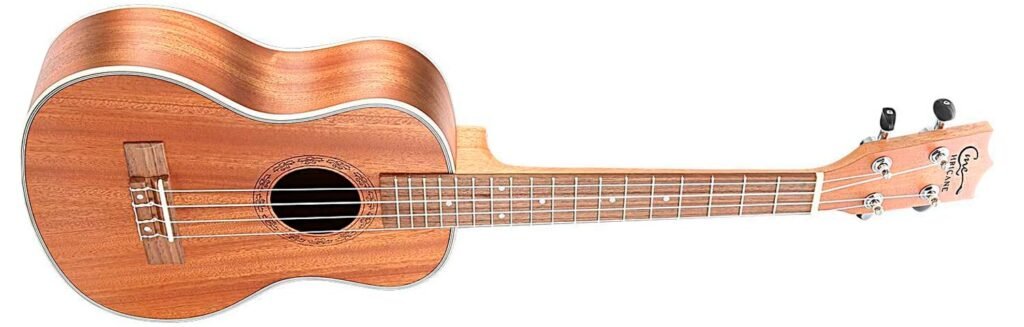
It’s small enough to keep beside a sofa, beautiful enough to leave on display, and approachable enough to pick up without feeling like you’ve committed to becoming a professional musician.
If you’re searching for the best ukulele for beginners, I’d look beyond the cheapest starter kit or the instrument with the longest list of accessories. Your first ukulele should feel good in your hands, sound pleasant enough that you actually want to practice, and look like something you’d be happy keeping around.
Because a hobby can be practical and beautiful at the same time.
First, Choose the Right Ukulele Size
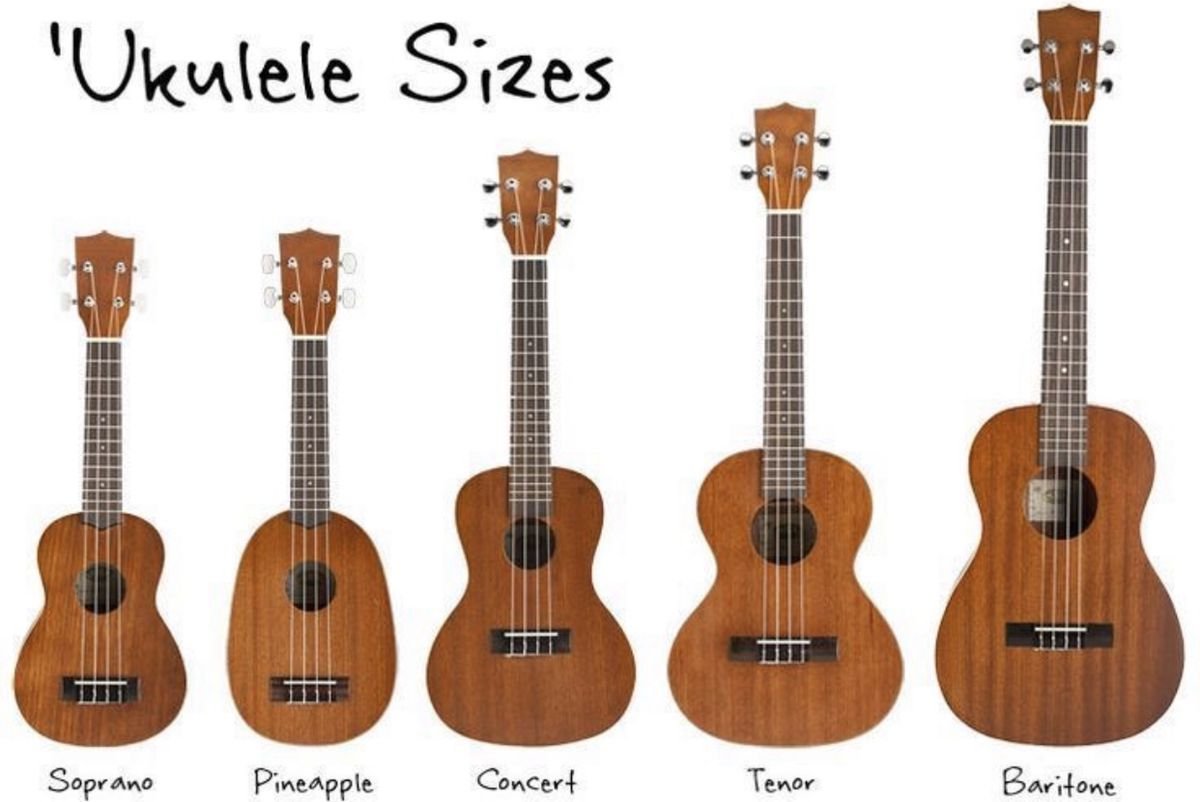
Ukuleles come in several sizes, and this is one of the first decisions worth making.
1. Soprano: The Classic Little Ukulele
The soprano is the smallest of the common ukulele sizes.
It has that bright, traditional ukulele character many people immediately associate with the instrument.
For beginners, its compact size can be appealing, particularly if you have smaller hands or want something genuinely portable.
Luxury tip: Look for clean finishing, comfortable fret edges and attractive natural wood rather than choosing purely by decoration.
2. Concert: The Elegant Middle Ground
A concert ukulele gives you a little more room without becoming bulky.
For many beginners, that’s an appealing compromise.
You still get the portability that makes the ukulele charming, but the slightly larger body and longer neck can provide a more comfortable playing experience.
Luxury tip: A beautifully finished concert ukulele can double as part of your room’s decor when displayed properly.
3. Tenor: When You Want More Room
Tenor ukuleles are larger again.
They can offer more space across the fretboard and are popular with players who want a fuller playing experience.
If you already know you’re likely to stick with the instrument, a tenor can be worth considering.
Luxury tip: Think of the instrument as something you’ll keep for years rather than a temporary beginner purchase.
4. Baritone: A Different Experience
The baritone is the largest common ukulele size and has a deeper character.
It is tuned differently from soprano, concert and tenor ukuleles, so it’s worth understanding that before buying one as your first instrument.
For someone who specifically likes a deeper sound, though, it can be fascinating.
What Actually Makes a Beginner Ukulele Good?
The phrase best ukulele for beginners can make it sound as though there is one obvious model everyone should buy.
There isn’t.
I’d pay attention to five things instead.
Comfort
Hold it.
If the neck feels awkward or the body doesn’t sit comfortably against you, you’re going to notice it every time you practice.
Build Quality
Look for clean construction, smooth fretwork and a neck that feels properly finished.
Small manufacturing details can make a surprisingly big difference.
Tuning Stability
A beautiful instrument that constantly goes out of tune is not particularly enjoyable.
Reliable tuning hardware is worth paying attention to.
Sound
You don’t need the most expensive ukulele in the shop.
But you should like the sound.
That matters because enjoying the instrument makes you want to pick it up again.
Materials
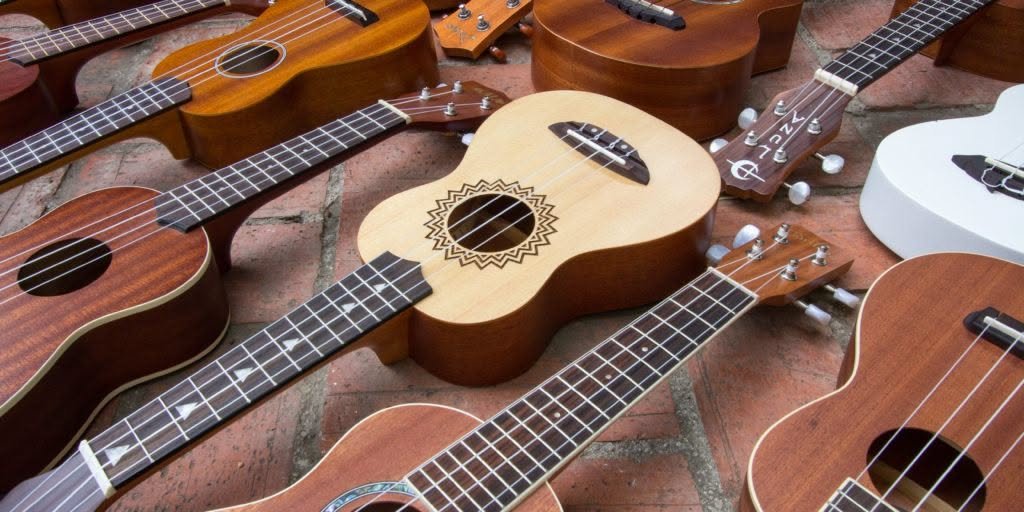
Different woods can influence appearance, resonance and overall character.
Mahogany, koa and spruce are among the woods you’ll encounter across different instruments, although construction varies considerably between models.
5 Beginner Ukulele Styles I’d Consider
Instead of obsessing over one universal winner, I’d think about the kind of experience you want.
1. The Minimalist Ukulele
Simple finish.
Clean lines.
No unnecessary decoration.
This is the one I’d choose for a modern home where everything has a place.
Luxury angle: Natural wood and restrained design tend to age beautifully.
2. The Traditional Ukulele
Classic proportions and a familiar warm aesthetic.
It feels connected to the history of the instrument without trying too hard.
Luxury angle: Look for craftsmanship rather than excessive ornamentation.
3. The Travel Ukulele
Small, durable and easy to carry.
This makes sense if you imagine playing on weekends away, holidays or quiet evenings at a hotel.
Luxury angle: Pair it with a structured protective case instead of throwing it loose into luggage.
4. The Premium Wood Ukulele
This is where the instrument starts becoming more than a beginner accessory.
Higher-end construction and carefully selected materials can make the instrument feel like something worth keeping.
Luxury angle: Buy fewer things, but buy something you’ll still enjoy years later.
5. The Statement Ukulele
Maybe the finish is unusual.
Maybe the wood has beautiful natural figuring.
Maybe the design simply makes you smile.
There’s nothing wrong with choosing an instrument partly because you love looking at it.
Luxury angle: Personal taste is part of luxury.
Build a Little Ukulele Corner
This is where I’d take the idea further.
You don’t need a music room.
A small corner can become a surprisingly beautiful part of your home.
Put the ukulele on a proper stand.
Add a comfortable chair.
Use warm lighting.
Keep a small notebook nearby for chords or ideas.
Maybe add a few music books.
Suddenly, practicing doesn’t feel like another task.
It feels like a ritual.
What Should You Buy With Your First Ukulele?
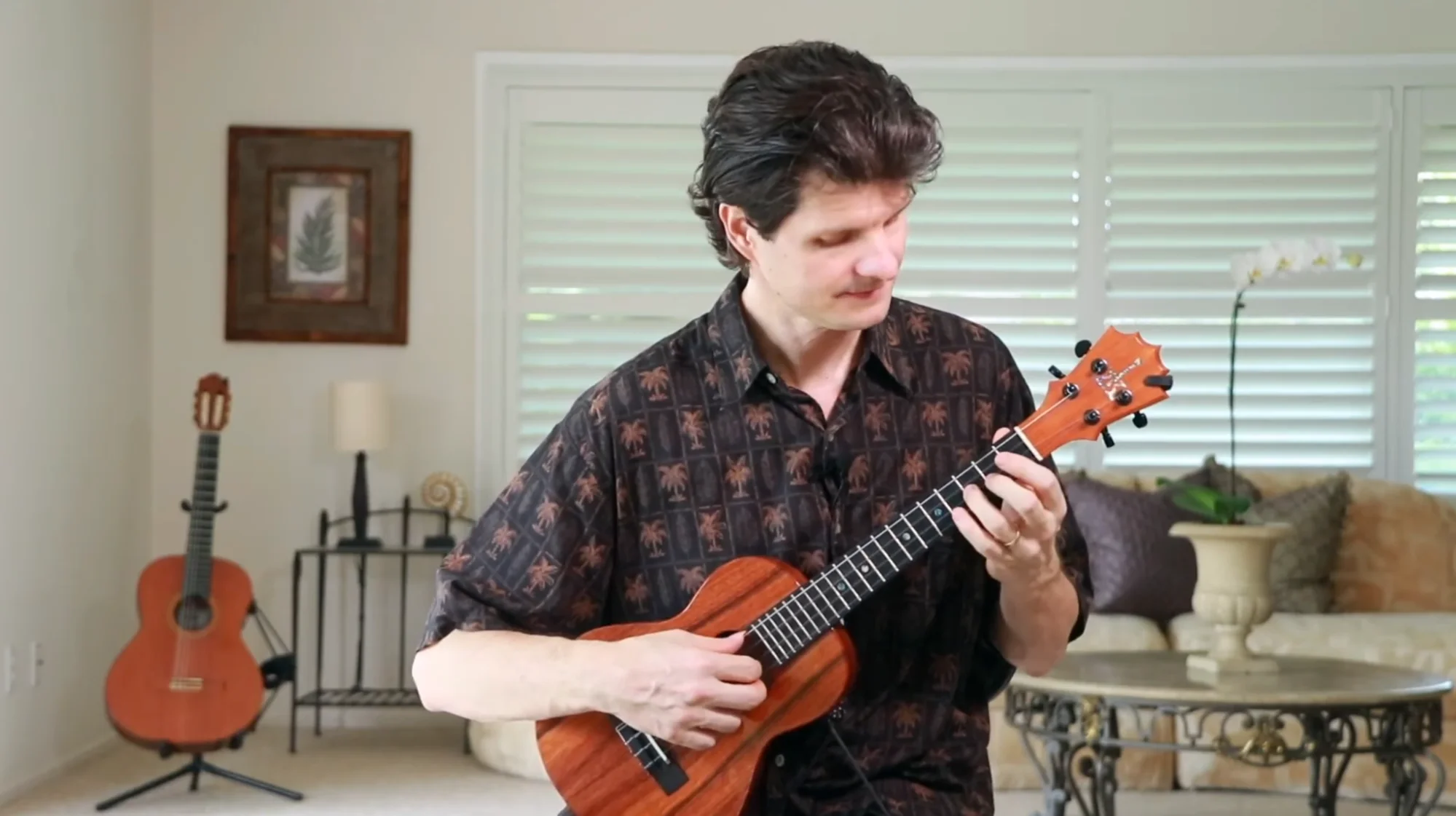
You don’t need a giant starter bundle.
I’d keep it simple:
- A good ukulele
- Protective case or gig bag
- Reliable tuner
- Spare strings
- Comfortable strap if you prefer using one
- Cleaning cloth
- Proper stand
That’s enough.
The goal is to create a setup that makes playing easy.
A Beginner’s First-Week Routine
Don’t make your first week unnecessarily ambitious.
Day 1: Get Comfortable
Hold the instrument.
Learn how to tune it.
Learn how to hold it properly.
Day 2: Learn a Few Chords
Start with simple chord shapes rather than trying to learn everything at once.
Day 3: Practice Changing Chords
Slowly.
Accuracy first.
Speed later.
Day 4: Learn a Simple Rhythm
Even a basic strumming pattern can make the instrument suddenly feel musical.
Day 5: Play Something Familiar
Choose a simple song you actually enjoy.
Motivation matters.
Weekend: Play Without Studying
This is important.
Just pick it up.
Experiment.
Make noise.
Enjoy it.
A hobby should still feel like a hobby.
How to Make the Experience Feel More Luxurious
Luxury doesn’t have to mean buying the most expensive ukulele.
It can mean creating a better experience around it.
Keep it visible.
If it’s hidden in a cupboard, you’ll probably play it less.
Give it a proper place.
A beautiful stand is better than leaning it against furniture.
Keep the area uncluttered.
A calm environment makes the ritual feel more intentional.
Use warm lighting.
Especially if you tend to play in the evening.
Choose accessories you actually like.
Even something as small as a well-made case can make the experience feel more considered.
The Ukulele I’d Choose for a Beginner
If I were building a beginner setup from scratch, I’d probably choose a concert ukulele as the starting point.
Not because it is universally the best choice—it isn’t—but because it sits comfortably between the compact soprano and larger tenor.
I’d pair it with a quality tuner, a protective case and a simple stand.
Then I’d stop buying things.
Play first.
Upgrade later if the hobby becomes something you genuinely love.
The Best Ukulele for Beginners Is the One You Want to Pick Up
That’s really the whole point.
A beginner instrument doesn’t need to be the most expensive thing in your home.
It needs to make you curious.
It needs to feel comfortable.
It needs to sound good enough that you want to hear it again.
And ideally, it should be beautiful enough that you don’t mind leaving it somewhere you can see it.
Because the real luxury isn’t owning an impressive instrument.
It’s having a small part of your day that belongs entirely to you.
FAQs
What size ukulele is best for beginners?
Concert ukuleles are a popular middle-ground option because they provide more room than soprano ukuleles while remaining relatively compact. Soprano can also be a good choice if you prefer the smallest traditional size.
Is a soprano or concert ukulele easier for beginners?
It depends on the player. Soprano is smaller and highly portable, while concert offers a little more physical space. Comfort should be a major part of the decision.
How much should a beginner spend on a ukulele?
There isn’t one correct budget. Focus on build quality, tuning stability, comfortable playability and sound rather than choosing solely by price.
Do I need a case for my ukulele?
A case or protective gig bag is a sensible investment, especially if you’ll travel with the instrument.
What accessories do beginners actually need?
A tuner, protective case, spare strings and a stand are useful basics. You don’t need a huge collection of accessories to start playing.
Can a ukulele be part of a luxury home?
Absolutely. A well-crafted wooden instrument can work beautifully as both a musical object and a decorative piece when displayed thoughtfully.