Key Takeaways
- Strategic product direction and goal alignment
- Clear communication bridge for cross-functional teams
- Flexible, living framework over rigid schedules
- Outcome-driven prioritization over feature lists
- Measurable customer value and business growth
Ever felt like you’re driving through a dense fog without a GPS?
That’s exactly what building a product feels like without a plan.
So, what is a product roadmap?
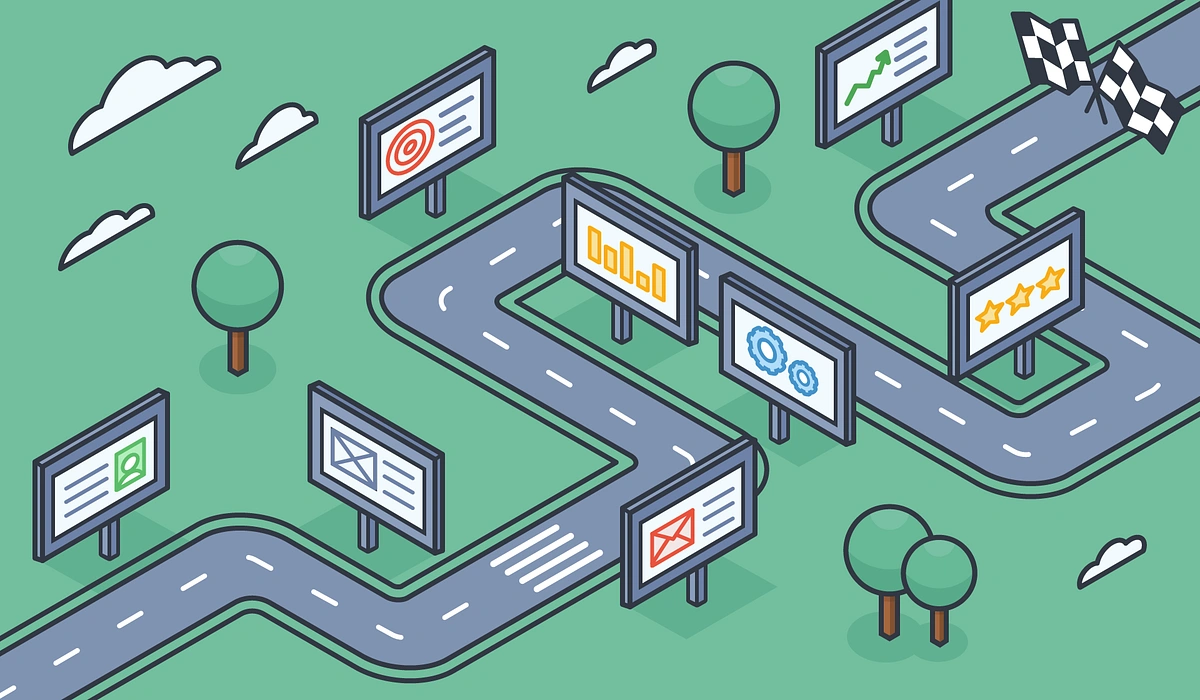
At its core, a product roadmap is a visual, strategic summary that outlines the vision, direction, and progress of your product over time.
It explains why you are building something, not just what you are building.
It keeps your team aligned and focused on real business outcomes.
Whether you run a startup or manage an enterprise product team, a solid product roadmap keeps everyone pulling in the same direction.
At PraviCeler, we see it as the ultimate communication tool that turns big ideas into clear action steps.
AI Overview
A product roadmap is a strategic document that outlines the vision, priorities, and timeline of a product’s evolution. It communicates the rationale behind product goals to team members and stakeholders. By linking high-level strategy with daily execution, it keeps engineering, design, and marketing teams aligned. Rather than acting as a fixed project plan, it serves as an adaptable framework for delivering user value.
Why Every Product Needs a Strategic Direction
Imagine handing a building blueprint to ten different carpenters without a project manager.
Everyone builds a different room. None of the doors line up.
That happens in software development every single day.
Engineers build what is easiest. Designers build what looks prettiest.
Sales reps promise features that do not exist yet.
A clear direction solves this chaos instantly.
It acts as a single source of truth for the entire company.
It shows internal teams where the product is headed right now.
It gives external stakeholders confidence in your long-term growth.
Most importantly, it prevents wasted time on features nobody actually wants.
The Core Components of a Successful Product Roadmap
Every product roadmap relies on core elements to stay clear and useful.
Without these pieces, your roadmap quickly turns into a messy wish list.
1. Product Vision and Goals
Your vision is your north star. It defines where your product wants to be in two or three years. Goals translate that vision into measurable targets, like boosting user retention or entering a new market segment.
2. Strategic Themes
Themes group related work into high-level categories. Instead of focusing on tiny fixes, themes focus on big outcomes like “improving customer onboarding” or “enhancing mobile performance.”
3. Timeline and Milestones
Timelines offer a broad sense of timing without trapping you into unrealistic deadlines. Milestones highlight major progress markers, such as a public beta release or an API launch.
4. Features and Epics
Epics represent major functional areas, while features are the specific tools built to deliver user value. These components connect your day-to-day work directly back to your primary goals.
Product Roadmap vs. Project Plan: Key Differences
People often mix up a product roadmap with a project plan.
While they sound similar, they serve completely different purposes.
A product roadmap focuses on strategy, value, and overall direction.
A project plan focuses on execution, tasks, resources, and strict dates.
| Feature / Aspect | Product Roadmap | Project Plan |
| Primary Focus | Strategy, goals, and outcomes | Execution, tasks, and outputs |
| Target Audience | Executives, stakeholders, full team | Project managers and dev teams |
| Flexibility | High (adapts to market changes) | Low (strict deadlines and scope) |
| Time Horizon | Long-term (months to years) | Short-term (weeks to months) |
| Core Question | Why are we building this? | How and when do we build it? |
Understanding this difference keeps your product roadmap clean and easy to follow.
Major Types of Product Roadmaps
Not all roadmaps look the same because different audiences need different information.
Here is how common roadmap formats stack up across real workplace scenarios:
- Goal-Oriented (Outcome) Roadmaps: Ideal for executive leadership and product strategy updates. They organize items around business goals rather than specific deliverables.
- Now-Next-Later Roadmaps: Perfect for agile engineering teams and dynamic environments. They group work by priority and certainty instead of rigid calendar dates.
- Feature-Based Roadmaps: Best suited for sales enablement, customer support, and external communications where users expect specific functionality updates.
- Release Roadmaps: Tailored for marketing and operations teams needing exact coordination around upcoming software deployment cycles.
Choosing the right structure helps you present the right depth of detail to each audience.
Step-by-Step Guide: Building Your Roadmap from Scratch
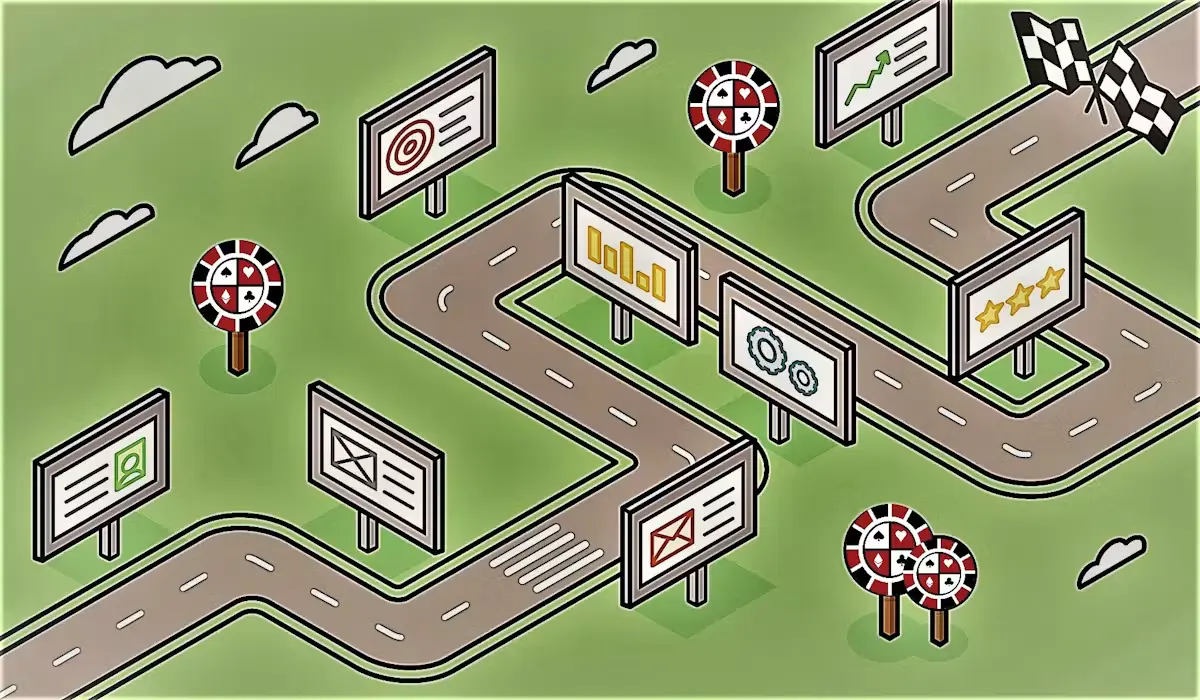
Creating a product roadmap from scratch does not have to feel overwhelming.
Follow these practical steps to build a strategic, realistic framework.
Step 1: Define Your Strategy and Business Objectives
Start with your business goals before looking at software tools. What business problem are you solving? What metrics define success? Write these down clearly first.
Step 2: Gather Input from Customers and Stakeholders
Talk directly to your users, sales staff, and support engineers. Collect real feedback, review user analytics, and identify major user pain points.
Step 3: Prioritize Ideas Based on Real Impact
You cannot build everything at once. Use prioritization frameworks like RICE (Reach, Impact, Confidence, Effort) or MoSCoW (Must-have, Should-have, Could-have, Won’t-have) to score ideas.
Step 4: Group Features into High-Level Themes
Organize your prioritized ideas into logical strategic themes. This step prevents your plan from turning into an endless list of unrelated software features.
Step 5: Share and Refine with Your Team
A product roadmap is a collaborative document. Present it to leadership and development teams, listen to feedback, and refine your timeline together.
At PraviCeler, we recommend updating your roadmap quarterly to adapt to market shifts.
Common Mistakes to Avoid When Roadmapping
Even experienced product managers fall into simple traps.
The biggest mistake is treating a product roadmap like a rigid contract.
Market conditions change, user needs evolve, and tech stacks shift.
Your strategy must stay flexible enough to pivot when real data demands it.
Another common pitfall is overpromising features on tight, exact calendar dates.
When you commit to hard deadlines too early, team burnout spikes and build quality drops.
Focus on communicating outcomes rather than fixed delivery dates.
Finally, avoid building your product roadmap in a hidden silo.
If sales, support, and engineering do not contribute, they will not buy into your vision.
How to Align Teams Around Your Product Roadmap
Creating a great plan is only half the battle.
Getting your team to actively use it is where the real work begins.
To build alignment, present your strategy clearly across every department.
Explain the business reasoning behind every major decision you make.
Show sales teams how upcoming features solve real customer pain points.
Help engineering teams see how their daily code contributes to company goals.
Keep the document accessible in a shared digital workspace so anyone can check it.
Regular check-ins keep everyone informed and reduce friction across teams.
Clear communication turns a passive document into an active engine for growth.
Conclusion
Understanding what a product roadmap is transforms how teams build software.
It turns abstract business goals into a clear, visual plan everyone can follow.
By focusing on outcomes over feature lists, you keep your team aligned and agile.
A great roadmap evolves alongside your market, customer feedback, and business targets.
Ready to streamline your product development journey and build scalable products?
Connect with PraviCeler today to elevate your product strategy and drive real growth.
Frequently Asked Questions
What is a product roadmap used for in software development?
A product roadmap communicates strategy, aligns cross-functional teams, guides feature prioritization, and tracks product progress toward long-term goals.
Who is responsible for creating and maintaining the product roadmap?
Product managers primarily own and maintain the product roadmap, working closely with engineering, design, marketing, and company leadership.
How often should a team update their product roadmap?
Teams generally review product roadmaps monthly and make formal strategic updates every quarter based on fresh market feedback.
Can a public product roadmap help with customer growth?
Yes, sharing a public roadmap builds trust, showcases active development, engages users, and gathers early feature feedback from prospective buyers.