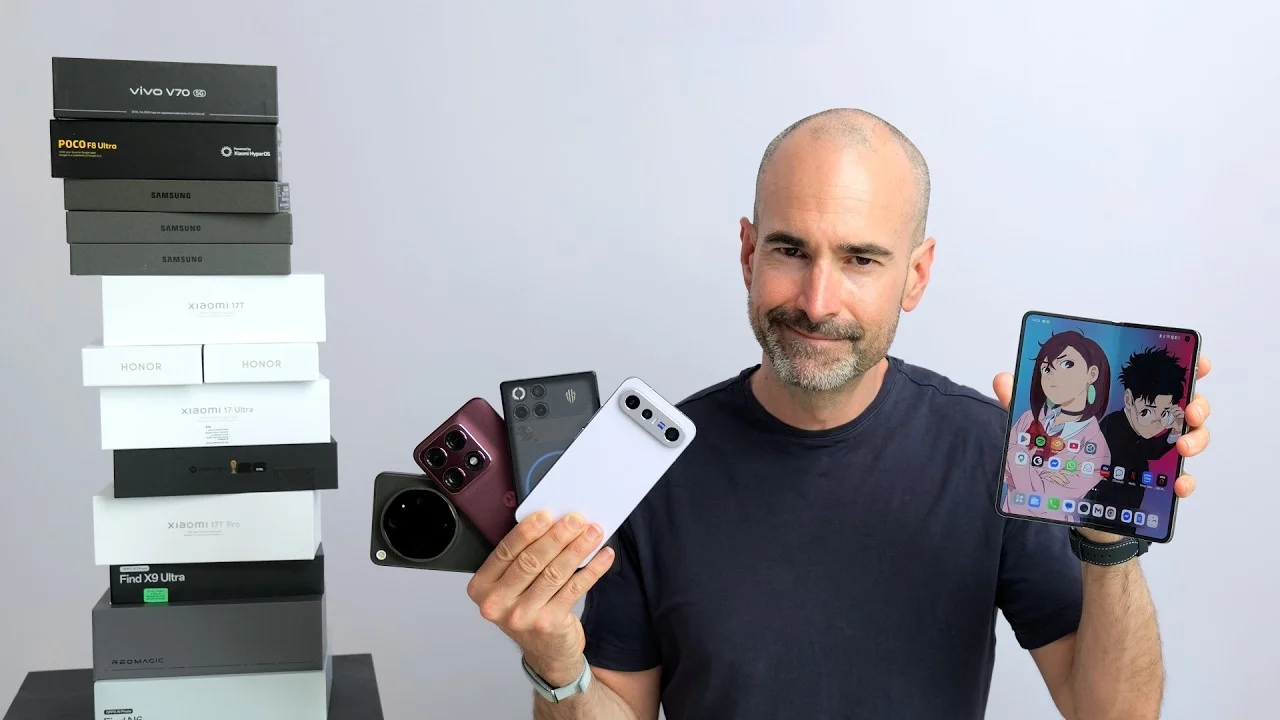
There is a strange little ritual that happens when you’re thinking about buying a new phone. You tell yourself you’re only going to compare a few models. Then suddenly you’re watching camera tests at midnight, comparing battery charts, reading arguments between people who have never met, and wondering whether you really need the most expensive phone ever made just to answer messages and take pictures of your coffee.
I’ve done it too. And after a while, I realized something. Choosing the best smartphone isn’t really about finding one phone that wins every category. It’s about finding the phone that fits the way you actually live. The phone you carry through airports. The one you use to photograph dinner.
The one that becomes your map when you’re lost in a new city. The one you reach for when the sunset suddenly turns pink and you have three seconds to capture it.
The one you use for work in the morning and music in the evening.
And, increasingly, the little computer you carry everywhere. So instead of pretending there is one perfect smartphone for everyone, let’s look at what actually makes a phone worth choosing in 2026.
What Is the Best Smartphone Right Now?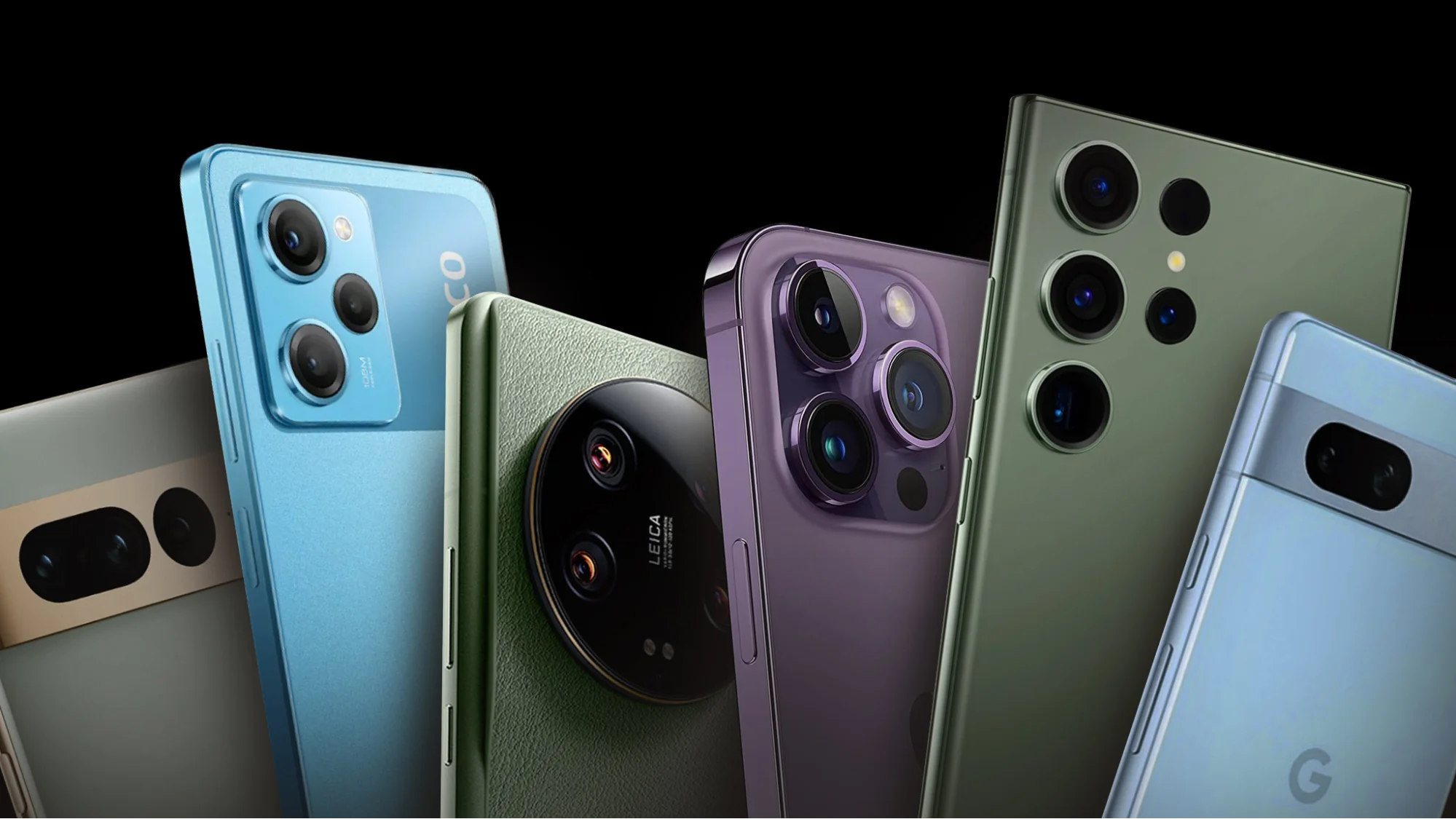
If you’re looking for a premium phone in September 2026, the conversation currently centers around Apple’s latest iPhone generation, Samsung’s Galaxy S26 Ultra, OnePlus 15, Google’s newest Pixel models and several high-end phones from brands such as OPPO and Vivo. Current buying guides differ in their overall picks because they prioritize different things, including cameras, battery life, software, AI, display quality and ecosystem.
That tells us something important.
There isn’t one universally best smartphone.
There is a best phone for photography.
- A best phone for battery life.
- A best phone for Android lovers.
- A best phone for people already deep inside Apple’s ecosystem.
- A best phone for someone who wants a huge display.
And a best phone for someone who simply wants a beautiful device that doesn’t get in the way. That’s how I’d approach the decision.
The Best Smartphone for People Who Love Photography
Some people buy a phone for the camera. And I completely understand that. A phone camera has become the camera most of us actually have with us. You don’t plan for the perfect photograph.
You’re walking through a street in Barcelona and suddenly the light hits an old building perfectly. You’re sitting beside the sea and the sky changes color.
Your friend laughs at dinner. Your dog does something ridiculous. Your coffee arrives looking almost too beautiful to drink. You don’t have time to go home for a proper camera.
You pull out your phone. Samsung’s Galaxy S26 Ultra is currently one of the major camera-focused flagships, while Apple’s latest Pro iPhones remain heavily positioned around advanced photography and video. Current reviews also highlight OPPO’s high-end phones for camera performance.
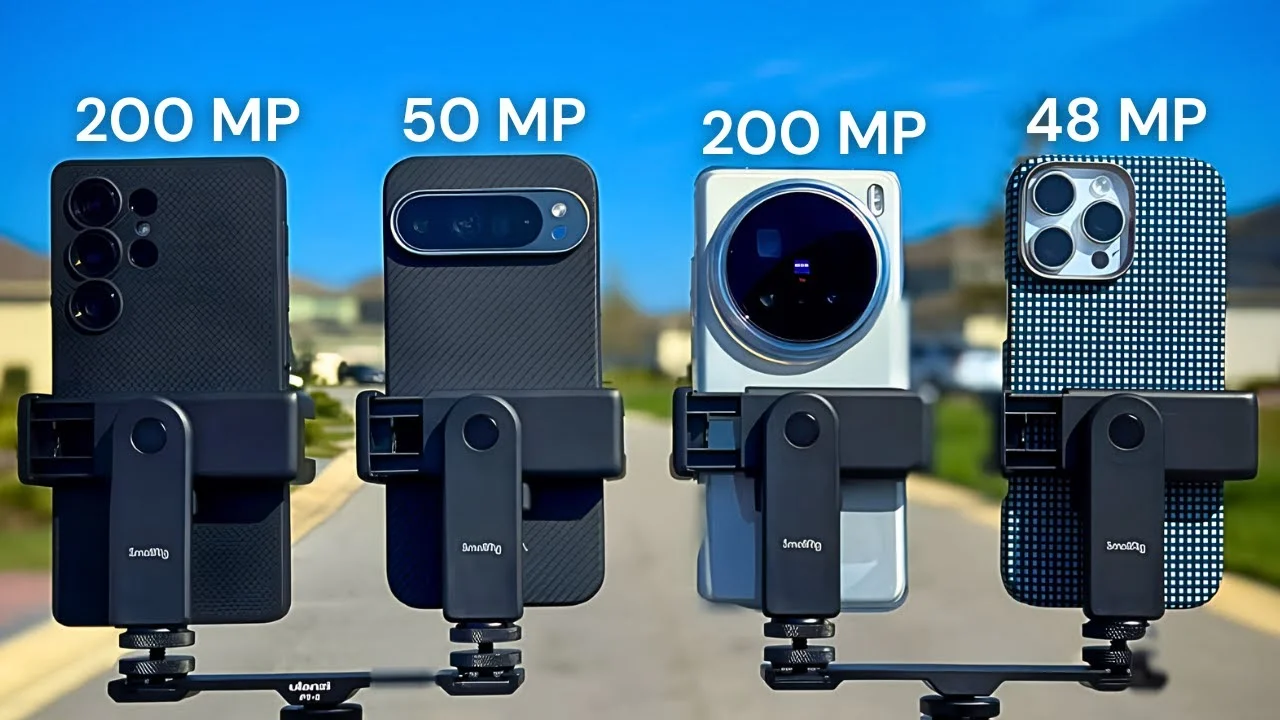
But don’t make the mistake of choosing a phone because one camera has the biggest megapixel number. Photography is much more complicated than that.
Look at:
- Low-light performance
- Skin tones
- HDR
- Portrait photography
- Zoom quality
- Video stabilization
- Autofocus
- Color consistency between lenses
- How quickly the camera opens
And perhaps the most important question:
Do you actually like the photographs it produces?
That’s the test.
The Best Smartphone for Travel
Now we’re talking about something I care about. A travel phone needs to do almost everything.
- Maps.
- Translation.
- Tickets.
- Hotel bookings.
- Boarding passes.
- Photos.
- Video.
- Banking.
- Messaging.
- Entertainment.
And occasionally rescuing you when you’ve somehow taken the wrong train. Battery life becomes particularly important. A beautiful phone that dies halfway through a day of exploring isn’t very beautiful anymore.
Current 2026 phone guides highlight the OnePlus 15 for particularly strong battery performance, while other flagships compete on cameras, displays and overall performance. For travelers, I’d also pay attention to charging speed, storage and connectivity.
Because running out of storage while you’re photographing a beautiful destination is one of those tiny tragedies nobody warns you about.
The Best Smartphone for Battery Life
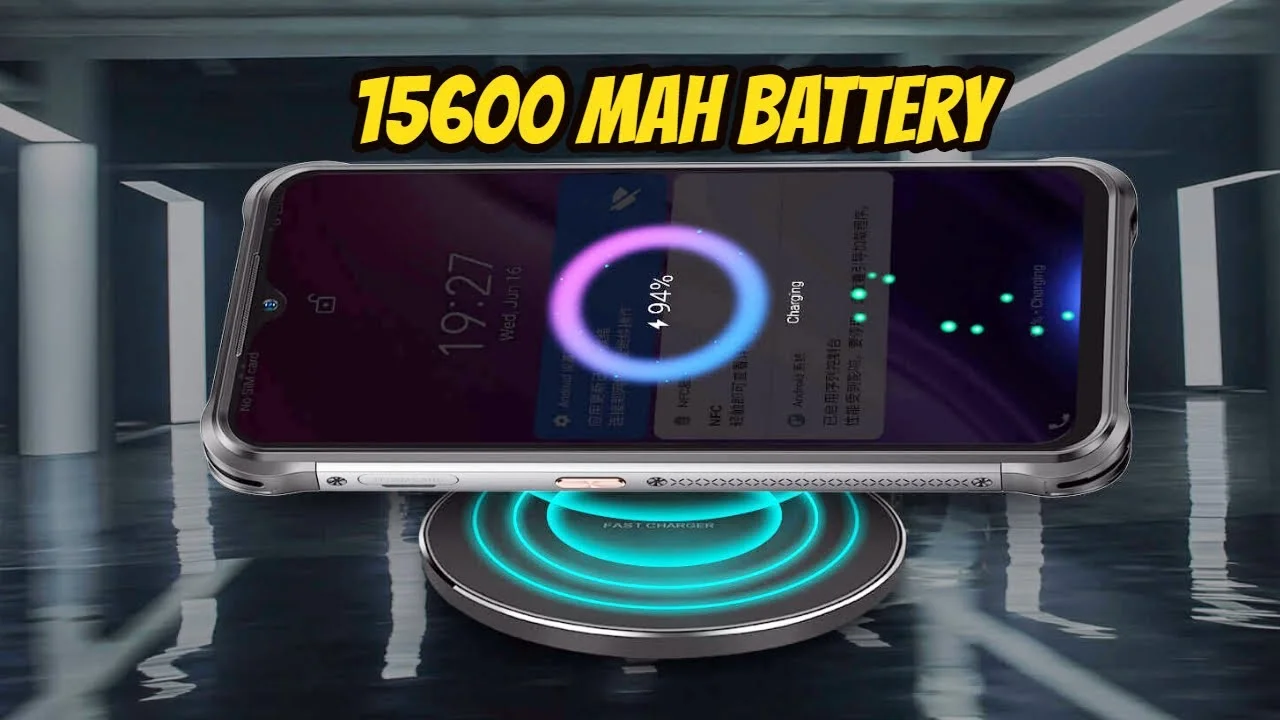
Battery anxiety is real. You know the feeling. You’re at 18%. You have dinner reservations. Your taxi is coming. Your maps are open.
And suddenly you start turning off everything you don’t absolutely need. Brightness down. Bluetooth off. Background apps closed. Phone goes into survival mode. A strong battery changes that experience.
Current 2026 coverage specifically highlights the OnePlus 15 for battery endurance, while other large flagship models such as Apple’s and Samsung’s latest phones are also designed for heavy daily use. But remember that battery life isn’t just about the battery itself.
Screen brightness, processor efficiency, software optimization, cellular connection and how you use the phone all matter. Someone who spends six hours watching video needs a different battery profile from someone who mostly messages and takes photographs.
The Best Smartphone for Android
Android isn’t one experience.
That’s part of its charm.
- Samsung feels different from Google.
- OnePlus feels different from both.
- OPPO, Vivo, Xiaomi and Motorola each bring their own ideas to the table.
Samsung’s Galaxy S26 Ultra sits firmly in the premium flagship conversation in 2026, while the OnePlus 15 has received attention for its performance and battery life. Google’s latest Pixel generation emphasizes AI and computational photography. So don’t just ask:
“Which Android phone is best?”
Ask:
“Which Android experience do I actually enjoy living with?”
Because you’ll interact with the software every single day.
The Best Smartphone for iPhone Lovers
If you’ve spent years using Apple devices, the decision isn’t just about the phone.
It’s the ecosystem.
- Your Mac.
- Your AirPods.
- Your watch.
- Your photographs.
- Your messages.
- Your apps.
- Your passwords.
- Your existing habits.
That convenience is difficult to put into a specification table. Current 2026 guides place Apple’s latest Pro models prominently among premium smartphone choices, with the iPhone 18 Pro Max receiving strong overall marks in some current reviews.
And there is something else worth considering. Sometimes the best technology is the technology you don’t have to think about.
You pick it up. It works. You know where everything is. You don’t have to relearn your entire digital life. That has value.
What About AI?
This is where smartphones are becoming much more interesting. AI is no longer just a strange little feature buried somewhere in a settings menu.
It’s increasingly being integrated into photography, writing, search, translation, editing, productivity and everyday assistance.
Google’s current Pixel line is particularly focused on AI and computational photography, while Apple and Samsung are also building AI features deeper into their flagship experiences.
But here’s the question I’d ask:
Will you actually use the AI features six months after buying the phone?
That’s more important than how impressive the launch presentation sounds. A feature that saves you ten minutes every day is valuable. A feature you try once and forget about isn’t.
Does the Most Expensive Smartphone Mean the Best Smartphone?
Not necessarily. And this is where smartphone shopping becomes interesting. The premium models can offer incredible cameras, displays, processors and materials. But you may not need all of them.
If you mostly message, browse, take casual photographs and watch videos, spending significantly more may not transform your everyday experience.
On the other hand, if photography, gaming, video creation or professional productivity are central to your life, the additional hardware may genuinely matter.
Buy the experience you need, not the specification sheet you want to brag about.
What Size Smartphone Should You Buy?
This is surprisingly personal.
A large phone is wonderful for:
- Movies
- Editing photographs
- Gaming
- Reading
- Multitasking
But a smaller phone can feel much nicer when you’re walking around with it all day. Try imagining the phone in your hand rather than looking at its dimensions on a website.
- Can you comfortably reach the top of the screen?
- Can you use it one-handed?
- Does it fit into the bag you actually carry?
- Will it fit into your pocket?
These details sound boring. Until they annoy you every day.
How Much Storage Do You Really Need?
If you take lots of photographs and video, don’t underestimate storage. Especially if you’re someone who travels frequently.
A single beautiful trip can generate hundreds or thousands of photographs.
- Then there are videos.
- Downloaded shows.
- Music.
- Apps.
- Documents.
- Messages.
And suddenly the phone that seemed to have plenty of storage doesn’t. If you’re the person who constantly receives the “storage almost full” warning, your next phone probably needs more space. Trust me. It’s not a notification you want to meet while standing in front of something beautiful.
What Makes a Smartphone Feel Luxurious?
This is one of my favorite questions because luxury isn’t simply price. A phone can feel luxurious because of:
- The materials.
- The weight.
- The screen.
- The cameras.
- The software.
- The tiny details.
Even the sound of the vibration or the smoothness of an animation can influence how a device feels. But there’s another kind of luxury I value more. Reliability. A phone that works beautifully when you need it. A camera that captures the moment.
A battery that gets you through the day. A screen that is beautiful to look at. Technology becomes luxurious when it quietly makes life easier.
The Question Nobody Asks Before Buying a Phone
Here’s mine:
“What do I want my phone to help me experience?”
- Not what do I want it to have.
- What do I want it to help me do?
- Travel more?
- Take better photographs?
- Create content?
- Run a business?
- Stay connected?
- Watch films?
- Play games?
- Work from anywhere?
Once you answer that, choosing becomes much easier. Because suddenly the specifications have a purpose.
So, Which Smartphone Should You Buy?
Start with your life.
- If photography is your obsession, prioritize cameras.
- If travel is your thing, look at battery, cameras, storage and connectivity.
- If you’re deeply invested in Apple, the ecosystem matters.
- If you want Android flexibility, compare Samsung, Google, OnePlus and other flagship options.
- If battery life is your biggest frustration, make that your first filter.
And if you simply want the most enjoyable premium phone experience, look beyond the numbers. Current 2026 comparisons show just how different the leading phones are: Apple’s latest Pro models, Samsung’s Galaxy S26 Ultra, OnePlus 15 and Google’s latest Pixel phones each emphasize different strengths rather than converging into one identical “perfect” device.
The Phone You’ll Actually Love
After all the specifications, benchmarks and camera samples, I think buying a smartphone comes down to something surprisingly simple. You pick it up. It feels right.The screen makes you smile. The camera captures the way you remember things.
The battery doesn’t make you nervous. The software doesn’t frustrate you. And six months later, you’re still happy to reach for it That’s the phone I’d call the best. Not because somebody put a number beside its name.
Not because it won a comparison chart. But because it quietly became part of your life. And perhaps that’s the strangest thing about smartphones.
We buy them as technology. Then they become the little glass rectangle through which we remember where we’ve been, who we love, what we’ve seen, and where we’re going next.
Disclaimer
All content on Pravi Celer is provided for informational and editorial purposes only. We share independent opinions, reviews, and recommendations to help readers explore and make informed choices. Unless clearly stated, mentioning a brand, product, or service does not mean we are promoting, endorsing, or affiliated with it.