
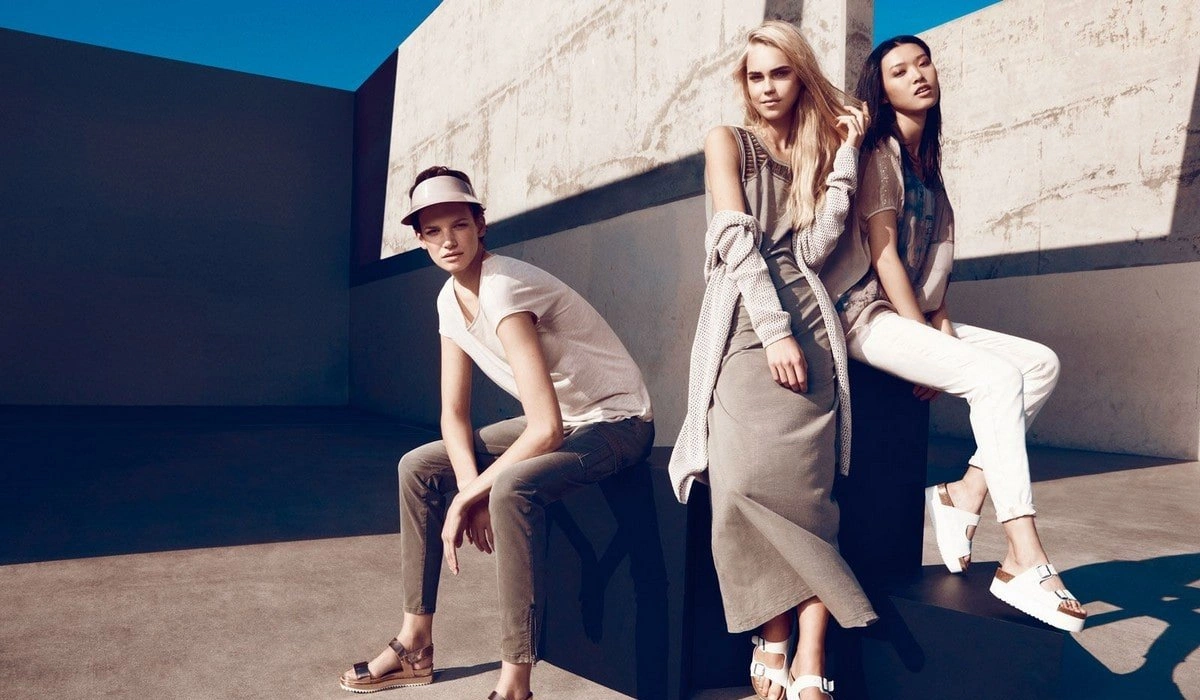
A luxury lifestyle is rarely represented by a single product.
It is a world of fashion, travel, automobiles, watches, hospitality, beauty, dining, design, technology, and experiences all connected by the pursuit of exceptional quality and distinctive identity.
The brands operating across these categories help define what luxury means at a particular moment.
Pravi Celer explores this world through the brands, products, destinations, and experiences shaping modern luxury.
What Is a Luxury Lifestyle Brand?
A luxury lifestyle brand is a brand that extends beyond one individual product and becomes associated with a broader way of living.
Instead of selling only a handbag, car, watch, hotel room, or piece of furniture, a luxury lifestyle brand can represent a particular taste, identity, experience, and culture.
That is what makes luxury lifestyle brands different from ordinary premium brands.
A luxury lifestyle brand can influence:
- What people wear
- Where they travel
- Which cars they drive
- Where they stay
- What they eat
- Which watches they collect
- How they design their homes
- Which experiences they seek
- How they express personal identity
What Makes a Luxury Brand?
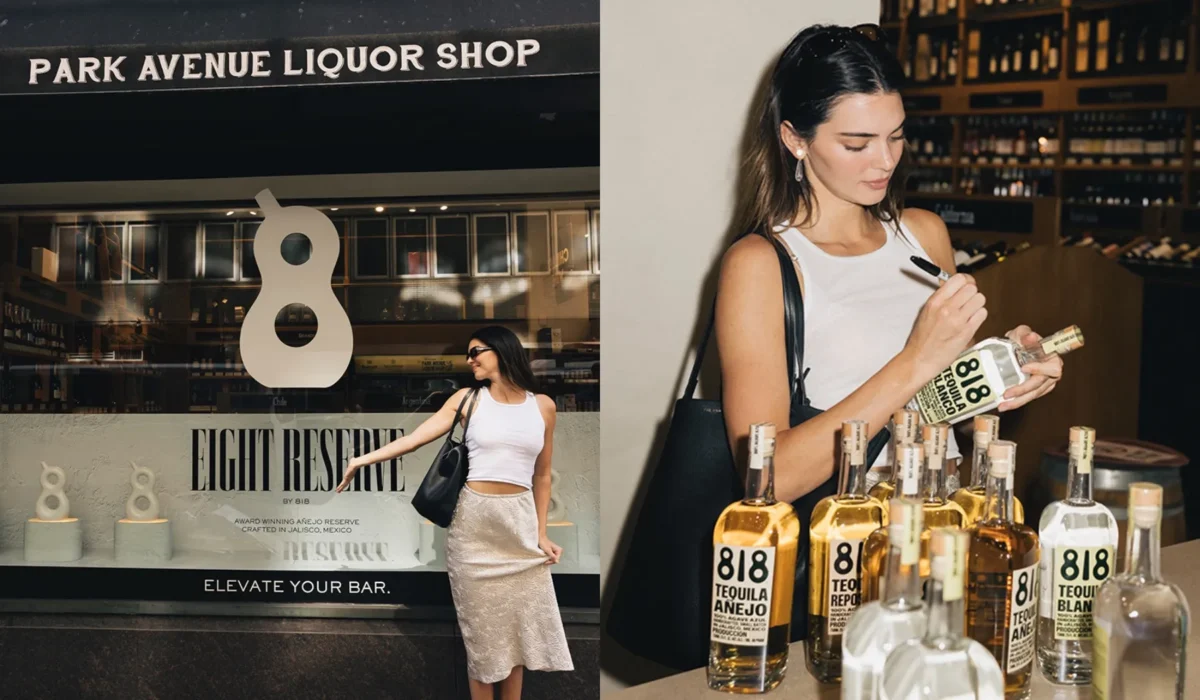
There is no universal checklist, but several characteristics repeatedly appear across established luxury businesses.
Heritage
History can create credibility and emotional value.
A brand with decades or centuries of development may have accumulated recognizable traditions, techniques, designs, and cultural associations.
Craftsmanship
Luxury often depends on details that are difficult to reproduce at scale.
Materials, construction, finishing, engineering, tailoring, watchmaking, culinary technique, and hospitality can all contribute to perceived quality.
Design
A recognizable design language helps a luxury brand become identifiable.
It might be minimalist, dramatic, traditional, architectural, sporty, artistic, or highly experimental.
Exclusivity
Limited availability can increase desirability.
Exclusivity can come from limited production, private access, geographic availability, customized products, or carefully controlled distribution.
Service
Luxury is not only about what is purchased.
It is also about how the customer experiences the purchase.
Personalized service, knowledgeable staff, concierge access, private appointments, and hospitality can all shape the relationship between a customer and a luxury brand.
Story
The most recognizable luxury brands often have stories that extend beyond their products.
Founders, designers, craftsmen, locations, cultural moments, innovation, and heritage can become part of a brand’s identity.
The Major Categories of Luxury Lifestyle Brands
Luxury is now a broad global ecosystem.
Luxury Fashion Brands
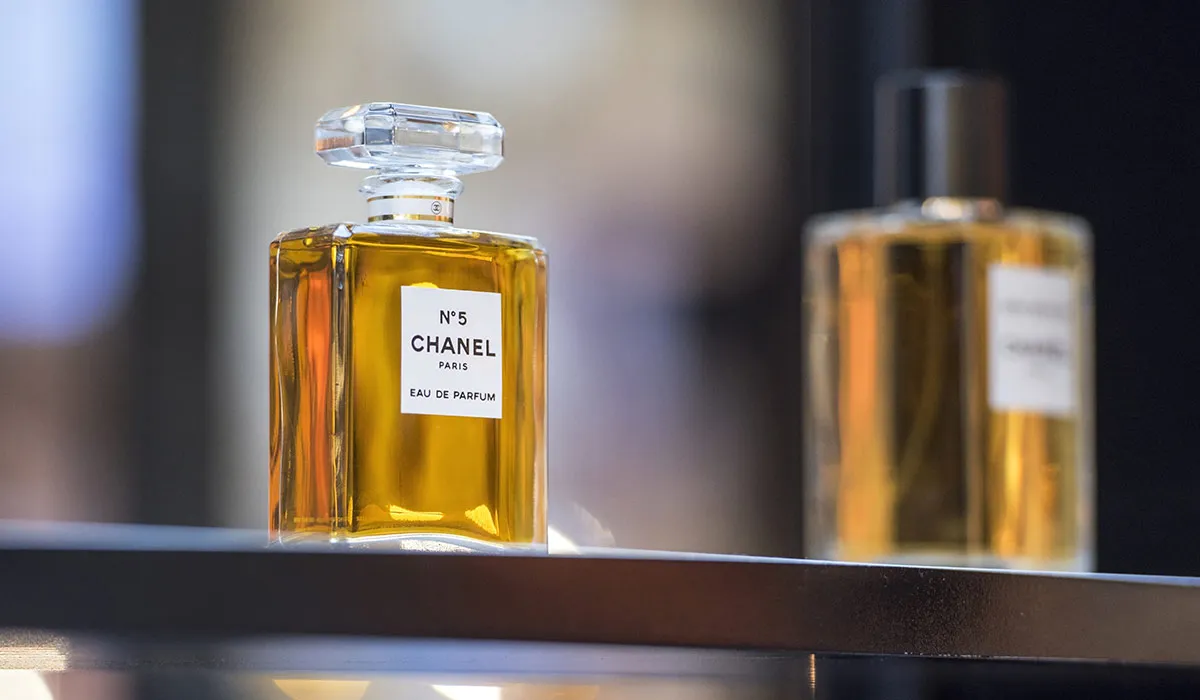
Fashion remains one of the most recognizable parts of luxury.
Luxury fashion includes:
- Haute couture
- Designer ready-to-wear
- Handbags
- Shoes
- Accessories
- Bespoke tailoring
- Beauty
- Fragrance
- Jewelry
Fashion houses often build their identities through a combination of design, heritage, craftsmanship, creative leadership, and cultural influence.
A luxury fashion brand can therefore become much larger than its clothing collections.
Its visual identity may influence advertising, interiors, accessories, hospitality, collaborations, and popular culture.
Luxury Watch Brands
Watches combine engineering and artistry in a way few other consumer products do.
High-end mechanical watches can involve specialized craftsmanship, complicated movements, precious materials, hand finishing, and long-established traditions.
Collectors may be interested in:
- Mechanical movements
- Complications
- Heritage
- Limited editions
- Materials
- Design
- Rarity
- Independent watchmaking
The watch itself may be small, but the world around it is enormous.
Luxury Automobile Brands
Luxury automobile brands combine engineering with design and identity.
The category includes:
- Luxury SUVs
- Executive cars
- Grand tourers
- Sports cars
- Supercars
- Hypercars
- Electric performance vehicles
- Bespoke automobiles
What distinguishes a luxury automobile can include its performance, engineering, interior craftsmanship, materials, technology, customization, heritage, and ownership experience.
The automobile therefore becomes part of a broader lifestyle.
Luxury Hotel Brands
Luxury hotels represent another major form of lifestyle branding.
The strongest hotel brands do more than provide accommodation.
They build an identifiable experience through:
- Architecture
- Interiors
- Service
- Restaurants
- Wellness
- Locations
- Concierge experiences
- Rooms and suites
- Brand culture
A luxury hotel brand can become associated with a particular standard of hospitality and a particular way of traveling.
Luxury Travel Brands
Travel companies increasingly compete through experiences rather than transportation alone.
Modern luxury travel can include:
- Private aviation
- Yacht charters
- Luxury cruises
- Safari experiences
- Private villas
- Exclusive tours
- Luxury rail journeys
- Bespoke travel planning
The defining feature is often personalization.
Instead of following a standardized itinerary, travelers may expect experiences created around their individual preferences.
Luxury Jewelry Brands
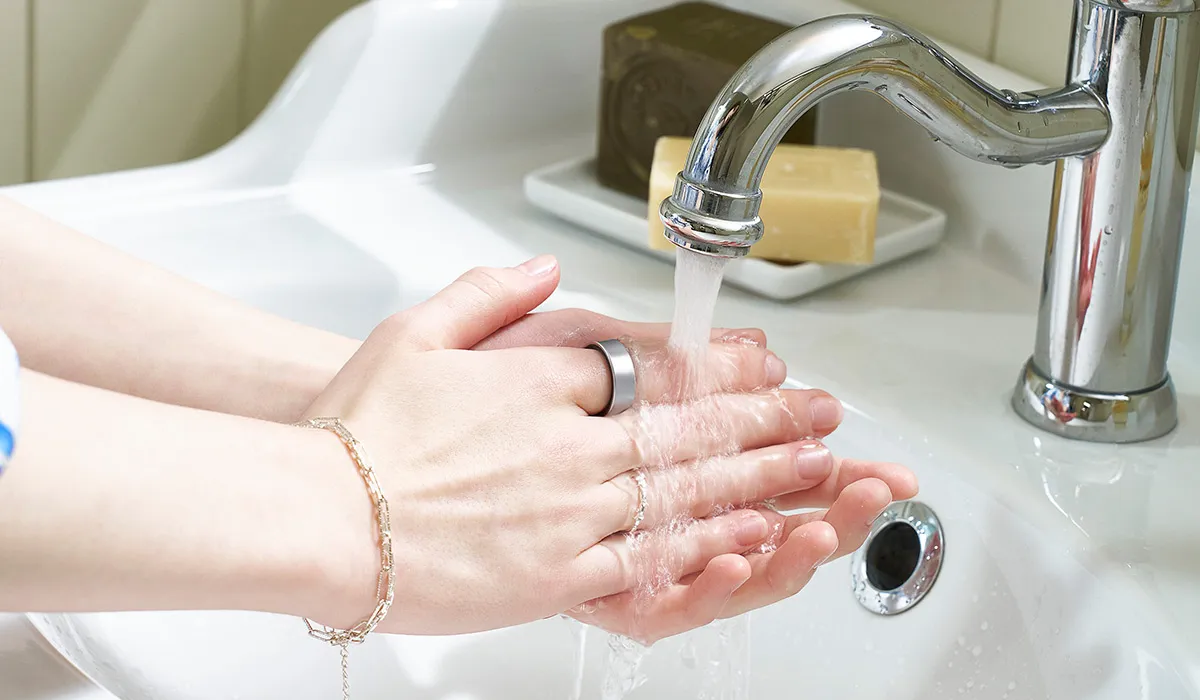
Fine jewelry combines materials, artistry, craftsmanship, design, and symbolism.
Luxury jewelry can include:
- Fine jewelry
- High jewelry
- Engagement jewelry
- Gemstone collections
- Bespoke pieces
- Watches
- Collectible designs
The history and provenance surrounding a piece can be nearly as important as the materials themselves.
Luxury Beauty Brands
Luxury beauty extends across:
- Skincare
- Fragrance
- Makeup
- Haircare
- Personal care
- Spa products
Premium beauty is increasingly connected to design, ingredients, packaging, sensory experiences, personalization, and heritage.
Luxury Home and Interior Brands
Luxury is also expressed through the home.
Furniture, lighting, textiles, kitchen systems, bathrooms, art, architectural materials, and technology all contribute to luxury residential design.
Luxury interior brands frequently collaborate with architects and designers to create distinctive environments rather than simply selling individual products.
Luxury Technology Brands
Technology has become a growing part of luxury lifestyle.
The category can include:
- Premium audio
- Smart homes
- Luxury displays
- High-end appliances
- Connected vehicles
- Personal devices
- Home automation
- Hospitality technology
The most successful luxury technology often combines sophisticated engineering with simple user experiences.
What Is the Difference Between Premium and Luxury?

Premium and luxury are related, but they are not identical.
A premium product may offer better performance, materials, or features than an ordinary product.
Luxury generally adds additional dimensions such as identity, exclusivity, heritage, craftsmanship, desirability, and emotional value.
For example, a premium automobile may provide excellent engineering and comfort.
A luxury automobile may additionally carry significant heritage, bespoke customization, exclusive design, and a highly differentiated ownership experience.
The boundary is not always fixed.
Brands can move between premium and luxury depending on their positioning, products, audience, and market.
Why Brand Identity Matters in Luxury
Luxury purchasing is rarely purely functional.
Two products can perform similar tasks while carrying completely different meanings.
A watch can tell time.
A car can provide transportation.
A hotel can provide a room.
A handbag can carry personal belongings.
But luxury customers may also purchase:
Story
Design
Craftsmanship
Heritage
Recognition
Exclusivity
Experience
This is why brand identity matters so much.
Quiet Luxury and the Changing Luxury Market

Quiet luxury has become one of the most discussed approaches to contemporary luxury.
The concept generally emphasizes understated design, quality materials, craftsmanship, fit, and subtle branding.
But quiet luxury is only one expression of modern luxury.
Other consumers prefer:
- Bold logos
- Dramatic fashion
- Highly visible automobiles
- Statement jewelry
- Colorful interiors
- Experimental design
- Limited-edition products
Modern luxury is broad enough to accommodate very different tastes.
Why Experiences Matter More in Modern Luxury
One of the most important developments in luxury is the growing importance of experiences.
Luxury consumers may spend on:
- Private travel
- Extraordinary restaurants
- Wellness retreats
- Cultural experiences
- Luxury hospitality
- Exclusive events
- Yacht charters
- Adventure travel
An experience can create something that a physical product cannot always provide:
a memory.
This is why luxury lifestyle brands increasingly operate across several categories.
A hotel can offer restaurants and wellness.
A fashion brand can operate hospitality spaces.
An automobile company can create branded experiences.
A luxury travel company can build a lifestyle community.
The boundaries between categories continue to blur.
How Luxury Brands Build Desire
Luxury brands do not simply sell products.
They create perceptions around those products.
Scarcity
Limited quantities can make an item feel harder to obtain.
Consistency
A recognizable visual and service identity can reinforce brand recognition.
Storytelling
A strong narrative can transform a product into something culturally meaningful.
Community
Customers can become part of a shared identity around a brand.
Experience
Retail environments, hospitality, events, packaging, service, and digital experiences all contribute to perception.
Innovation
Luxury brands must evolve while preserving enough of what makes them recognizable.
The Role of Craftsmanship in Luxury
Craftsmanship remains one of the strongest foundations of luxury.
Consider a tailored garment.
The final product depends on measurements, fabric selection, construction, finishing, and the skill of the people involved.
The same principle applies to:
- Mechanical watches
- Fine jewelry
- Leather goods
- Furniture
- Automobiles
- Yachts
- Architecture
- Haute cuisine
Craftsmanship creates a connection between the finished object and the process used to create it.
Luxury Is Becoming More Personal

Modern luxury is increasingly individualized.
One person may want a minimalist wardrobe.
Another may collect vintage watches.
Another may prefer adventurous travel.
Someone else may care more about cars, architecture, food, or wellness.
That means there is no single formula for luxury.
The modern luxury lifestyle is increasingly about personal curation.
Personalization in Luxury Travel
Travel is particularly suited to personalization.
An itinerary can be designed around:
- Food
- Art
- Architecture
- Nature
- Adventure
- Shopping
- Wellness
- Motorsport
- Culture
- Privacy
The more closely the experience reflects the traveler, the more distinctive it can become.
How Pravi Celer Covers Luxury Brands
Pravi Celer approaches luxury brands as part of a larger lifestyle ecosystem.
The brand examines not only individual products but also the worlds surrounding them.
That includes the destinations people travel to, the hotels where they stay, the cars they drive, the fashion they wear, the watches they collect, the restaurants they visit, and the technology they use.
This perspective connects the different elements of luxury into one editorial destination.
Pravi Celer’s Luxury Brand Categories
Pravi Celer’s coverage spans:
Luxury Travel — destinations, hotels, resorts, private travel, and exceptional experiences.
Luxury Cars & Yachts — automobiles, supercars, luxury SUVs, yachts, and marine lifestyle.
Fashion & Style — designers, fashion houses, personal style, accessories, and trends.
Designer Brands — established and emerging luxury labels.
Fine Dining — restaurants, chefs, culinary experiences, and dining culture.
Watches & Jewelry — watchmaking, jewelry, collecting, craftsmanship, and design.
Luxury Technology — premium devices, smart living, automotive technology, and innovation.
Wellness — luxury retreats, spas, beauty, and elevated wellbeing experiences.
These categories build upon the existing Pravi Celer editorial structure, which already includes Luxury Travel, Luxury Cars & Yachts, Fashion & Style, and related luxury coverage.
What Is the Future of Luxury Lifestyle Branding?
The future of luxury is unlikely to be defined by price alone.
Brands will continue competing through:
- Experience
- Personalization
- Design
- Craftsmanship
- Innovation
- Heritage
- Service
- Cultural relevance
- Community
- Exclusivity
Luxury is becoming increasingly connected.
A traveler may discover a destination through a hotel brand, experience a new vehicle there, visit a designer boutique, dine at a renowned restaurant, and share the journey through technology.
One experience leads to another.
That interconnected ecosystem is where luxury lifestyle brands can become especially powerful.
Frequently Asked Questions
What is a luxury lifestyle brand?
A luxury lifestyle brand is a brand associated with a broader way of living rather than only one product. It can operate across areas such as fashion, travel, automobiles, hospitality, watches, jewelry, beauty, dining, technology, and design.
What are the main types of luxury lifestyle brands?
Major categories include luxury fashion, automobiles, watches, jewelry, hotels, travel, beauty, home design, technology, fine dining, wellness, and private experiences.
What makes a luxury brand different from a premium brand?
Luxury can involve premium quality but often adds elements such as heritage, exclusivity, craftsmanship, desirability, personalization, identity, and distinctive customer experiences.
What is modern luxury?
Modern luxury is a broader interpretation of luxury focused on exceptional quality, design, craftsmanship, personalization, experiences, privacy, convenience, and individual taste.
What does Pravi Celer cover?
Pravi Celer covers modern luxury across travel, cars, yachts, fashion, designer brands, hotels, fine dining, watches, technology, wellness, and premium experiences.
Is Pravi Celer a luxury lifestyle brand?
Yes. Pravi Celer is positioned as a modern luxury lifestyle brand and editorial publication, bringing together information and inspiration across the major categories of contemporary luxury.
Pravi Celer and the World of Modern Luxury
Luxury is no longer a single category.
It is a connected world of brands, destinations, products, craftsmanship, hospitality, design, technology, culture, and experiences.
Understanding that world requires looking beyond individual products and seeing the relationships between them.
That is the perspective behind Pravi Celer.
From a luxury hotel to a designer label, from a supercar to a mechanical watch, from a private journey to an unforgettable meal, Pravi Celer explores the many ways modern luxury is created, experienced, and interpreted.
Pravi Celer the essence of modern luxury.
