Key Takeaways
- Salt-cured Italian pork belly
- Rich, deeply savory flavor
- Unsmoked unlike standard bacon
- Perfect base for sauces
- Available rolled or slabbed
Have you ever wondered why your home-cooked pasta sauces do not quite have that deep, rich restaurant flavor? The secret ingredient standing between a good dinner and an incredible meal might just be pancetta, the traditional salt-cured pork belly that Italian cooks rely on every single day to build incredible flavor bases.
Pancetta is an authentic Italian cured meat made from high-quality pork belly that is seasoned with sea salt, cracked black pepper, garlic, and aromatic spices like juniper berries. Unlike American bacon, it is never smoked over wood, which means it delivers a clean, intensely savory, and silky fat base when rendered down slowly in a warm skillet.
At PraviCeler, we believe that understanding your kitchen components makes everyday cooking far more rewarding, intuitive, and fun. Learning how to select, prep, and cook with authentic Italian pancetta gives you total control over building rich, mouth-watering flavors in your favorite soups, stews, and classic pasta dishes at home.
AI Overview
Pancetta is a traditional Italian cured pork belly seasoned with salt, pepper, and herbs. Because it is unsmoked, it brings a pure, savory meatiness to dishes without overpowering them with campfire smoke. You can use it diced to start pasta sauces or sliced thin for charcuterie boards. Knowing how to render its fat slowly unlocks authentic Italian cooking right in your home kitchen.
What Is Pancetta and How Is It Made?

Have you ever looked at the deli counter and wondered what makes this cured meat so special compared to other cured meats? Pancetta comes directly from the belly of the pig, which gives it rich alternating layers of lean red meat and creamy white fat that melt beautifully during the cooking process.
The curing process draws out moisture while infusing the pork belly with deep herbal notes and savory undertones over several weeks. Based on available data, traditional artisan producers across Italy have used this exact salt-curing method for centuries to preserve meat while enhancing its natural richness.
| Curing Factor | Details and Process |
| Pork Cut | High-quality pork belly with balanced fat-to-meat ratio |
| Seasoning Mix | Sea salt, cracked black pepper, garlic, nutmeg, and juniper berries |
| Curing Time | Dry-cured in a cool, controlled space for three to four weeks |
| Final Format | Sold tightly rolled (arrotolata) or flat (stesa) |
Because it is preserved through dry-curing rather than cooked with heat or liquid smoke, it develops a deep ruby red color and a buttery texture that melts on your tongue. It is an estimated reality that keeping a small slab of this cured pork in your refrigerator can transform quick weeknight dinners into gourmet culinary experiences.
Understanding how this ingredient is made helps you appreciate why it holds such a prized position in Italian home kitchens. When you start your recipes with cured pork belly, you are tapping into centuries of culinary tradition that turns simple ingredients into unforgettable feasts.
The Real Difference: Pancetta vs Bacon
It is super easy to confuse these two pork cuts because they come from the exact same part of the pig! However, the main distinction in the pancetta vs bacon debate comes down entirely to how the meat is cured and processed after initial butcher prep is complete.
Bacon gets bathed in heavy wood smoke after curing, which gives it that signature smoky aroma and bold campfire flavor we all associate with weekend breakfasts. In contrast, unsmoked cured pork belly keeps its delicate balance of fat and sea salt without adding overwhelming smoke notes to your pan.
| Feature | Italian Pancetta | American Bacon |
| Smoking Process | Never smoked; strictly dry-cured | Almost always smoked over wood hickory or applewood |
| Flavor Profile | Pure pork flavor, salty, herbal | Heavy smoke, salty, often sweet with brown sugar |
| Shape & Presentation | Sold in round slices or small diced cubes | Sold in long, flat rectangular strips |
| Primary Kitchen Use | Flavor base for sauces, pasta, and risottos | Breakfast sides, sandwiches, or crispy toppings |
In most cases, using heavily smoked bacon in a delicate Italian recipe can completely overpower subtle ingredients like fresh basil, sweet garlic, or heavy cream. The strong hickory notes quickly take over the dish, masking the true flavors of your other fresh ingredients.
When you want pure, rich, savory depth without adding a smoky campfire taste to your sauces, choosing authentic Italian ingredients makes all the difference in your final meal. Knowing when to use each cut gives you complete confidence as a home cook.
Different Styles of Pancetta You Will Find at the Market
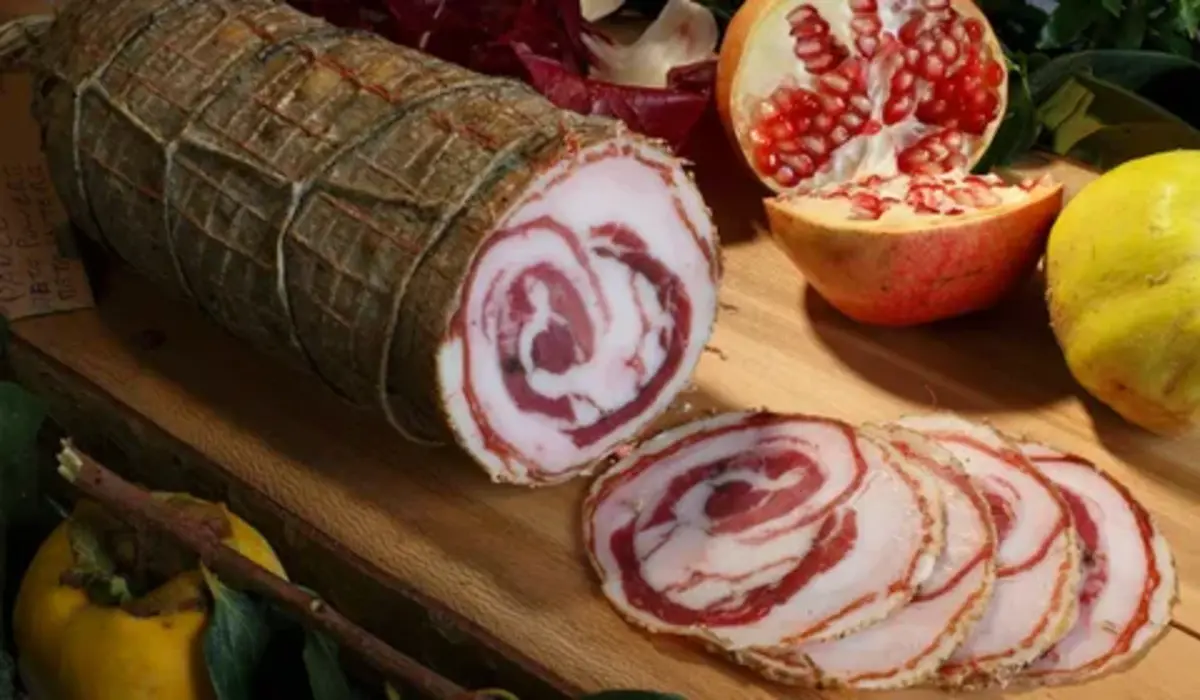
When you head to the butcher shop or specialty grocery store, you will generally see two main physical styles available. Understanding these forms helps you pick the right cut for your specific recipe needs, ensuring you get the exact texture and appearance you want in your final dish:
- Pancetta Arrotolata (Rolled): This is the classic pinwheel design where the pork belly is tightly rolled into a neat cylinder before curing, making it ideal for slicing paper-thin and serving as cold charcuterie alongside artisanal cheeses and fresh fruits.
- Pancetta Stesa (Flat): This version is cured flat like traditional bacon, keeping the natural slab shape intact, which makes it much easier to chop into thick, uniform cubes or strips for rendering down in cooking pans.
Both styles use similar sea salt rubs and seasoning blends, but their physical shape dictates how you use them in the kitchen every day. If you are slicing it wafer-thin to serve on an appetizer platter alongside crusty bread and wine, the rolled style is your absolute best choice for presentation.
If you plan to crisp up small cubes to kick off a slow-simmered tomato sauce or a rich vegetable soup, flat block cuts work like a charm. Flat cuts allow you to achieve neat, consistent square shapes that cook evenly across the surface of your warm pan.
At PraviCeler, we recommend asking your local butcher for a whole slab chunk rather than pre-sliced pieces whenever possible. Having a solid block in your fridge lets you slice, dice, or cube it to your exact recipe specifications whenever culinary inspiration strikes.
How to Cook and Render Pancetta Properly
Cooking this cured meat correctly is the real secret to releasing its incredible flavor and golden crispiness into your home-cooked meals. The biggest mistake most home cooks make is turning the burner up too high right at the start, which scorches the meat before the delicious fat can melt.
To render the fat properly, place your diced pork into a completely cold skillet before turning on the stove, and then set the burner to low or medium-low heat. As the pan warms up slowly, the solid white fat melts gracefully into a clear, liquid gold cooking oil without burning the meat fibers.
Once the fat melts completely into the pan, the lean red meat crisp up gently, turning a rich golden brown while maintaining its tender bite inside. This low-and-slow rendering method creates two incredible components: crunchy golden meat pieces and a deeply seasoned cooking fat that coats the pan.
You can then scoop out the crispy rendered bits with a slotted spoon to use as a crunchy finishing topping for salads, pasta, or roasted vegetables. Meanwhile, leave the liquid fat in the skillet to sauté your diced onions, garlic, celery, and herbs, infusing your entire dish with deep savory goodness right from the start.
Essential Pancetta Recipes and Cooking Applications
If you are looking for simple ways to bring this ingredient into your weekly meal rotation, start with classic Italian pasta recipes that rely on cured pork for their main flavor profile. Exploring these tried-and-true pancetta recipes shows you just how easy it is to elevate simple everyday meals with minimal effort:
- Authentic Pasta Carbonara: Sauté diced pork belly until crisp, then toss with hot spaghetti, fresh egg yolks, grated Pecorino Romano cheese, and plenty of cracked black pepper for a rich, creamy sauce without any cream.
- Classic Pasta all’Amatriciana: Render crispy pork cubes in a skillet, then add sweet San Marzano tomatoes, crushed red pepper flakes, and a splash of dry white wine for a spicy, soul-warming Roman pasta dinner.
- Savory Soup Foundations: Use rendered pork fat as your starting base for Minestrone, Tuscan white bean soup, or creamy potato soup to build an amazing depth of background flavor before adding broth.
- Roasted Vegetable Enhancer: Toss halved Brussels sprouts, fresh asparagus, or cubed butternut squash with diced pork and olive oil before roasting in a hot oven until caramelized and crispy.
- Salad Tops and Warm Dressings: Crisp up small pieces to add a salty, crunchy bite to wilted spinach salads, fresh arugula, or warm grain bowls tossed with lemon vinaigrette.
Whether you are cooking a quick ten-minute weeknight pasta or a slow-simmered Sunday meat sauce for the family, this cured pork brings instant culinary depth. You will quickly find that it acts as a secret weapon in your kitchen, making simple sauces taste like they simmered all day long.
Remember that a little bit goes a very long way when working with cured meats; even two or three ounces can transform an entire pot of soup or pasta sauce. Keep a small portion on hand, and you will never have to worry about bland dinners again.
How to Store and Preserve Your Cured Meats

Proper storage keeps your cured pork tasting fresh and prevents its natural fats from turning rancid over time when exposed to air. Because it is preserved with sea salt and spices, it stays fresh longer than raw pork belly, but it still requires careful handling once cut open.
If you buy a large block from your local deli, pre-dicing it into small quarter-inch cubes saves tons of valuable prep time on busy weeknights later on. Pre-portioned ingredients make getting a flavorful dinner on the table faster and completely stress-free after a long day at work.
| Storage Method | Shelf Life | Best Practices |
| Unopened Vacuum Pack | Up to 2 months | Keep refrigerated in original sealed plastic packaging |
| Opened Fresh Slice | 3 to 5 days | Wrap tightly in butcher paper or beeswax wrap |
| Diced Cubes (Refrigerated) | 5 to 7 days | Store in an airtight glass container near back of fridge |
| Frozen Slab or Cubes | Up to 3 months | Wrap tightly in plastic wrap then seal in a freezer bag |
To freeze diced pieces without them clumping together into a solid ice block, spread the cubes out in a single layer on a parchment-lined baking sheet and freeze for one hour. Once the individual pieces are frozen solid, transfer them into an airtight freezer bag so they remain loose and separate.
At PraviCeler, we love this simple freezer hack because it lets you scoop out a single handful whenever you need to start a skillet sauce without thawing an entire block. It keeps your ingredients fresh, reduces food waste, and keeps your kitchen stocked for spontaneous cooking sessions.
Common Myths About Cured Pork
There are plenty of misunderstandings circulating online and among beginner cooks regarding cured pork products. Let us set the record straight on a few popular myths so you can shop and cook with total clarity and confidence every day.
Myth 1: You must cook all styles before eating.
This is actually false. High-quality rolled versions that are properly dry-cured for long periods by professional butchers can be sliced paper-thin and eaten raw, just like prosciutto on a charcuterie platter.
Myth 2: It is completely interchangeable with regular bacon.
While you can swap them in an emergency, standard bacon adds a heavy wood-smoke flavor that completely alters the intended flavor profile of authentic Italian recipes.
Myth 3: You need lots of olive oil when frying cubes in a pan.
Not at all! The pork contains plenty of natural, high-quality fat that renders out smoothly into the pan as it warms up slowly on your stove.
Elevating Your Everyday Home Cooking
Cooking incredible, restaurant-quality food at home does not require complicated culinary techniques or expensive professional kitchen gear. Instead, it comes down to sourcing high-quality staple ingredients that do the heavy lifting for you by building complex layers of natural flavor automatically.
Using authentic Italian cured pork belly gives your daily dishes a rich foundation of mouth-watering flavor without needing artificial seasonings or excessive added salt. It adds subtle complexity to everything it touches, elevating simple vegetables, grains, and pastas into memorable meals.
The next time you plan your weekly dinner menu, grab a small piece from your local market or specialty Italian butcher shop and experiment with rendering it down slowly. Your kitchen will fill with an incredible aroma, and your family will wonder how your home cooking suddenly tasted so amazing!
Conclusion
Mastering this classic ingredient is one of the easiest ways to bring authentic flavor into your daily home kitchen. Its unique balance of sea salt, natural herbs, and unsmoked fat makes it an indispensable tool for building rich pasta sauces, hearty winter soups, and crispy salad toppings. By rendering the fat on low heat and pairing it with fresh ingredients, you can turn simple recipes into memorable dinners. Grab a slab on your next grocery run and enjoy the rich, savory difference it brings to your dinner table!
Frequently Asked Questions
What is pancetta?
It is a traditional Italian cured pork belly seasoned with salt, pepper, and herbs.
Can you substitute bacon for pancetta?
Yes, but bacon adds a smoky flavor that may change the authentic taste of your dish.
Do you need to cook pancetta before eating it?
Thinly sliced cured versions can be eaten raw, but diced cubes are usually cooked to render fat.
What are the best pancetta recipes?
It works best in pasta carbonara, amatriciana sauce, white bean soups, and roasted vegetables.