
Key Takeaways
-
French Alps host region
-
Eco-friendly venue plan
-
Sustainable winter sports
-
Feb 1 to Feb 17 schedule
Ever wondered where the world’s biggest winter sports festival is heading next?
Well, grab a warm drink because the 2030 winter olympics is officially set to light up the majestic French Alps.
It is going to be an incredible display of athleticism, snowy peaks, and modern sustainability.
Whether you are a casual fan or a dedicated sports lover, planning ahead makes all the difference.
At PraviCeler, we love breaking down massive global events so you can sit back and enjoy every single highlight.
AI Overview
The 2030 Winter Olympics will take place in the French Alps from February 1 to February 17, 2030. This event focuses heavily on regional sustainability, using existing world-class venues across Haute-Savoie, Savoie, and Nice. Fans can expect top-tier ice events, alpine skiing, and modern eco-friendly sports infrastructure.
The Journey to the French Alps
Getting the host bid for a major global event is no easy task.
Several regions across the globe put their names forward to host the 2030 winter olympics.
However, the International Olympic Committee ultimately chose the French Alps due to their rich sports history and existing infrastructure.
France has hosted winter games before, but this time the approach is completely modern.
The focus has shifted away from building massive, temporary venues that sit empty after the games finish.
Instead, the entire region is uniting to offer an eco-conscious model for future host nations.
When you look at the mountain ranges across France, you see decades of winter sports culture.
Locals in these regions live and breathe snow sports every single season.
That passion is going to translate into an unforgettable experience for visitors and athletes alike.
Where Are the 2030 Winter Games Taking Place?
If you love crisp mountain air and world-famous ski slopes, you are in luck.
The host proposal spans across beautiful regions in southern and eastern France.
Instead of concentrating everything in a single massive city, the venues are spread naturally across established mountain hubs.
This decentralized approach helps distribute the economic benefits across several local communities.
It also keeps traffic manageable and reduces the stress placed on any single city’s infrastructure.
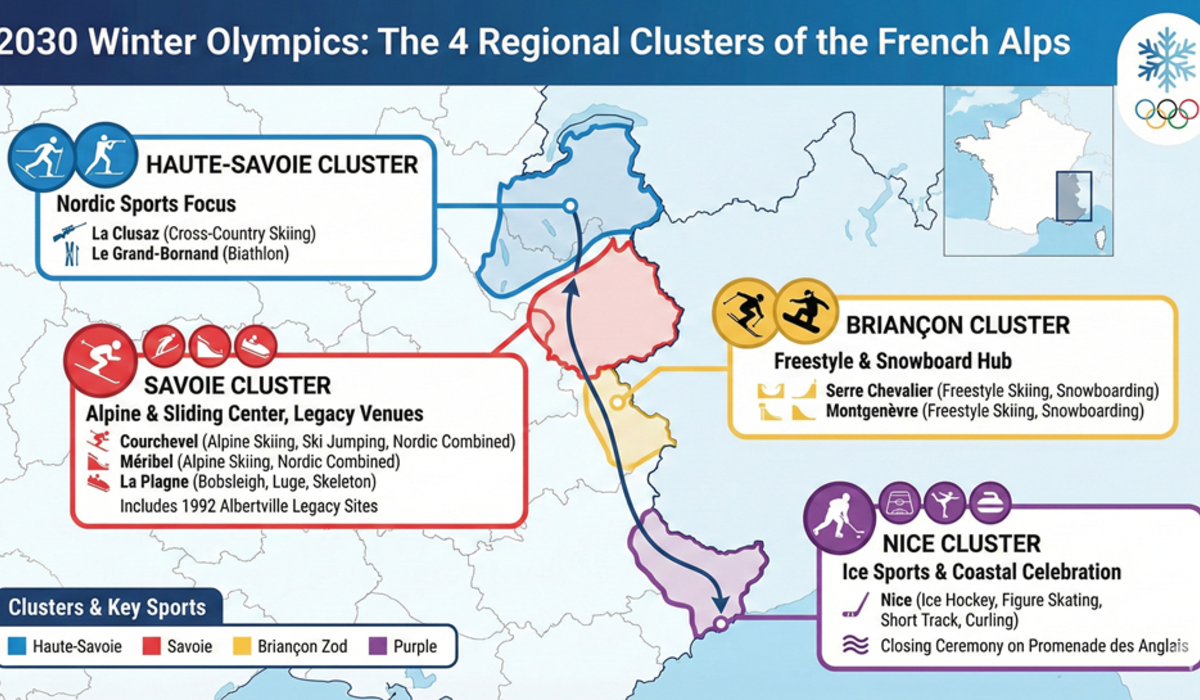
Let us break down how the primary clusters are organized for the competition.
The Mountain Clusters
-
Haute-Savoie: Perfect for cross-country skiing, biathlon, and Nordic combined events.
-
Savoie: Home to world-renowned alpine skiing tracks and high-speed downhill courses.
-
Briançon: Ideal for freestyle skiing, moguls, and snowboarding competitions.
-
Nice: Coastal host city for all major indoor ice sports, sliding sports, and closing ceremonies.
Why Sustainability Is the Main Focus
Have you noticed how big sports events are changing lately?
The French organizers are doubling down on green initiatives for the 2030 winter olympics.
They aim to reuse nearly 95% of existing or temporary venues for all competitions.
That means less construction noise, lower carbon emissions, and a much smaller environmental footprint overall.
By using infrastructure that already hosts world cup events every year, organizers save billions in public funds.
It also ensures that nature stays protected in these fragile alpine ecosystems.
Climate change is a real concern for winter sports, and this plan addresses those challenges directly.
In addition to venue reuse, local transit networks are getting a major green upgrade.
Electric trains and shuttle systems will connect the host hubs, keeping private car usage to a minimum.
Comparing Host Features
| Feature | French Alps 2030 | Traditional Past Games |
| Existing Venues | ~95% reused | 50% – 70% reused |
| Primary Focus | Climate action & regional unity | Mass urban expansion |
| Transport | Electric rail networks | Heavy vehicle shuttles |
| Construction Impact | Minimal temporary additions | Extensive new builds |
The Economic and Local Community Impact
Planning a massive international event always brings up questions about budget and local impact.
How will local towns handle the surge of visitors during peak winter season?
Fortunately, host towns in the French Alps already welcome millions of tourists every winter.
Their hospitality industries are fully equipped to handle large crowds, cozy accommodations, and busy dining scenes.
By hosting the 2030 winter olympics, these regions will see upgrades to public transportation and digital connectivity.
These long-term improvements will benefit local residents long after the closing ceremony ends.
At PraviCeler, we believe that smart planning creates long-lasting value for local towns.
Rather than creating temporary hype, this event builds a foundation for cleaner regional tourism.
How to Prepare for the Big Event

Planning a trip to see snow sports live requires a bit of early homework.
Ticket demand is generally sky-high, and accommodations in peak resort towns fill up very fast.
If you want to experience the thrill in person, starting your research early is essential.
Using smart digital planning tools like those reviewed by PraviCeler can help you track travel schedules, budget properly, and lock in tickets early.
You should also keep an eye on transportation options between the mountain clusters.
Since events take place in different zones, staying near a central train hub will make traveling much easier.
Quick Travel Checklist
-
Set up ticket alerts on official channels at least two years prior.
-
Map out train connections between regional mountain hubs and Nice.
-
Book eco-friendly lodges early to avoid inflated surge pricing.
-
Pack layered, extreme-weather clothing for high-altitude zones.
What Sports Can You Expect to See?
All your favorite classic snow and ice events will be front and center during the 2030 winter olympics.
From daring figure skating routines to high-speed downhill skiing, the thrill is unmatched.
Ski jumping, bobsledding, and speed skating will draw massive crowds from around the globe.
Athletes train for years just to get one shot at taking home a gold medal.
Organizers are also working to include newer, youth-focused extreme sports.
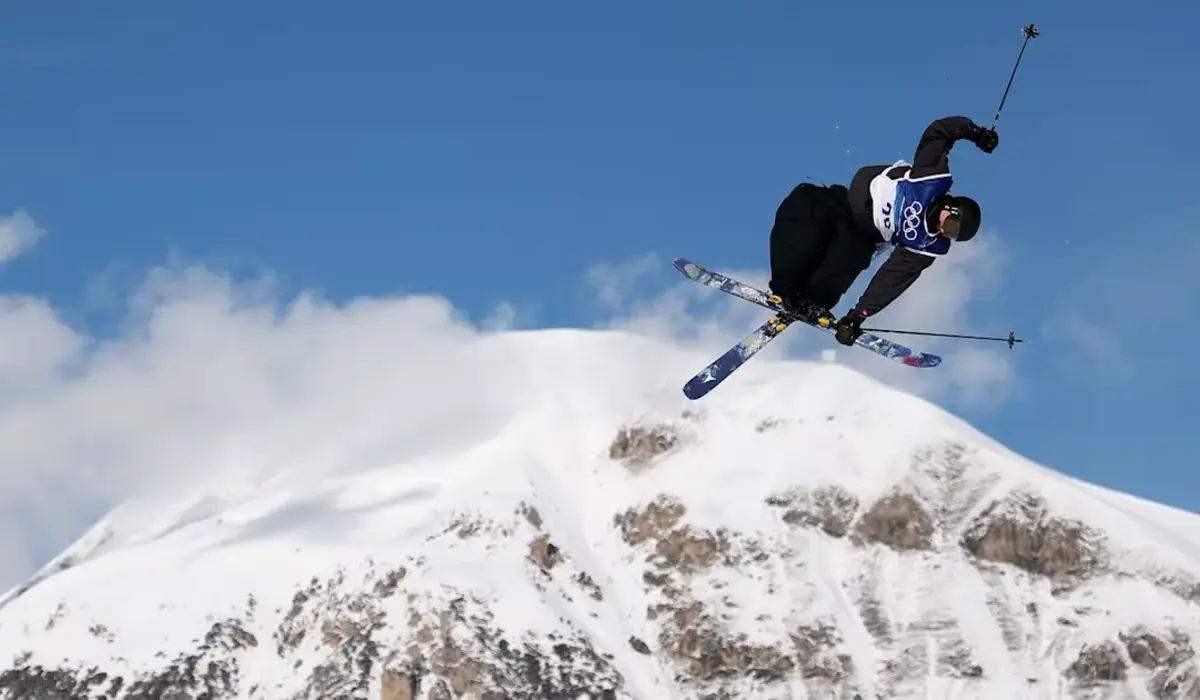
Events like big air snowboarding and slopestyle bring an energetic, youthful vibe to the schedule.
This blend of traditional heritage and modern action keeps the overall experience fresh and exciting for fans of all ages.
Technological Advances in Winter Sports
Technology plays a huge role in modern athletic performance and broadcast coverage.
By 2030, camera technology and real-time data tracking will transform how we watch live events.
Viewers at home will enjoy ultra-high-definition feeds, instant speed metrics, and immersive virtual views.
You will be able to see exact angles, jump heights, and velocity as athletes fly down the slopes.
Our team at PraviCeler always looks forward to seeing how modern technology improves live sports broadcasting, making you feel like you are right on the slopes.
In addition to broadcasts, snowmaking technology is becoming far more energy-efficient and water-conscious.
This guarantees safe, fair competing surfaces for athletes while minimizing water consumption.
Volunteering and Fan Engagement Opportunities
Did you know you do not have to be an elite athlete to participate in the games?
Thousands of volunteers are needed to help run an event of this scale smoothly.
Volunteers assist with spectator navigation, translation services, media coordination, and team logistics.
It is a fantastic way to experience the event from the inside while making international friends.
Applications for volunteer programs usually open two to three years before the opening ceremony.
If you speak a bit of French or English, it is an opportunity worth looking into.
For fans staying at home, digital fan zones and interactive apps will offer remote ways to cheer on your country.
A Historic Tradition in the Making
Winter sports have a long, storied history that spans back over a century.
Returning to a classic European mountain setting honors that rich legacy in a deep way.
The French Alps have produced some of the greatest winter champions in history.
Competing on these famous slopes gives every race and match an extra layer of prestige.
It reminds us of the power of international sports to bring people together in peace and friendly competition.
Whether you are watching from a cozy chalet or your living room sofa, the atmosphere will be electric.
Final Thoughts
The upcoming French Alps celebration for the 2030 winter olympics marks a fresh, eco-friendly chapter for international athletics.
By relying on historical ski hubs and smart transport, it sets a wonderful benchmark for future global gatherings.
At PraviCeler, we look forward to sharing more updates as official plans continue to unfold.
Keep your eye on official updates, start saving early, and get ready for an unforgettable snowy adventure!
Frequently Asked Questions
When exactly will the event take place?
The Games are estimated to run from February 1 through February 17, 2030, followed closely by the Paralympic Winter Games in the same regional venues.
Which city serves as the main hub?
While the sports are spread across mountain zones, Nice serves as the primary coastal hub for indoor ice sports, media centers, and official ceremonies.
How do organizers plan to protect the climate?
Organizers are using existing ski resorts, relying on 100% renewable energy for operations, and prioritizing public rail transit over newly built road networks.