
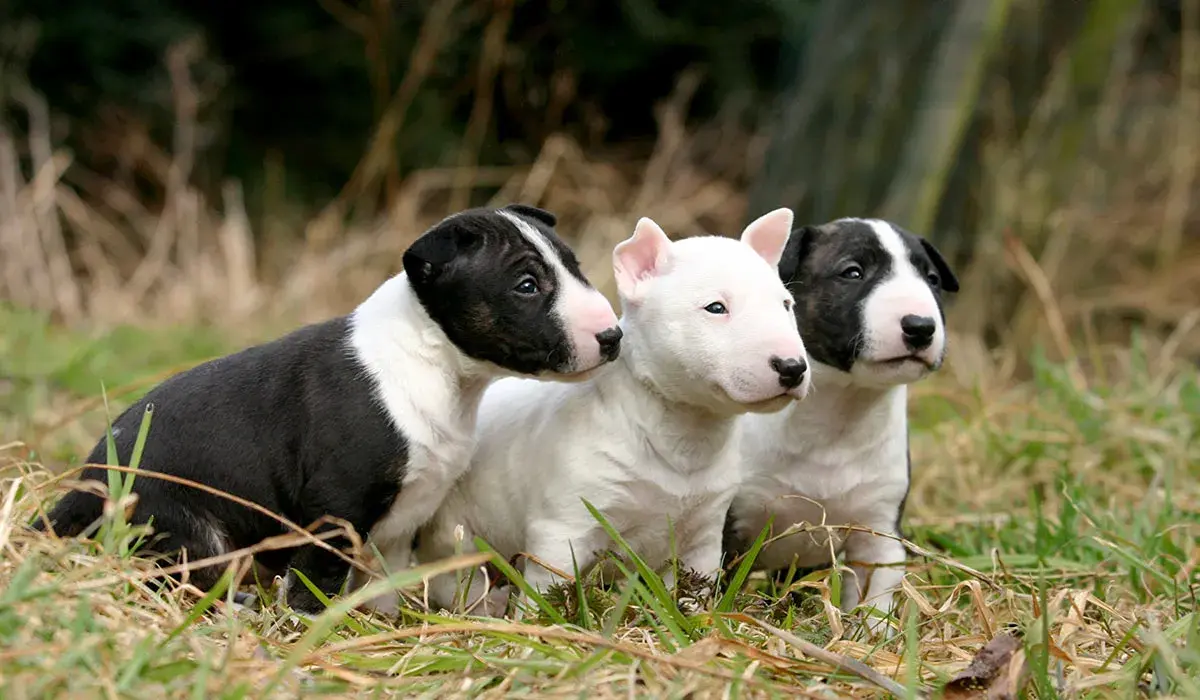
Key Takeaways
-
Compact size (25–50 lbs) perfect for apartments or houses
-
Gentle, loving temperament combined with high intelligence
-
Low-shedding coat requires regular bernedoodle grooming
-
Needs moderate daily exercise to stay happy and healthy
Ever wondered what happens when you cross a majestic Bernese Mountain Dog with a clever Miniature Poodle? You get the irresistible mini bernedoodle!
The mini bernedoodle is a hybrid dog breed crossing a Bernese Mountain Dog with a Miniature Poodle, typically weighing 25 to 50 pounds and standing 18 to 22 inches tall. Known for their low-shedding coats and affectionate nature, they make ideal companions for families and apartment dwellers alike.
If you are looking for a loyal, fluffy companion, this dog breed guide covers everything you need to know!
AI Overview
The mini bernedoodle is a popular hybrid cross between a Bernese Mountain Dog and a Miniature Poodle. Generally weighing 25–50 pounds, these dogs combine the goofy, affectionate nature of the Bernese with the intelligence and low-shedding coat of the Poodle. They adapt well to various living spaces, require moderate daily exercise, and thrive on human companionship, making them ideal family pets.
What Is a Mini Bernedoodle?
Thinking about adding a fluffy bundle of joy to your home?
The mini bernedoodle is a designer crossbreed that brings together the best traits of two beloved purebreds.
You get the calm, gentle loyalty of the Bernese Mountain Dog mixed with the whip-smart intelligence of the Miniature Poodle.
At PraviCeler, we often see families fall head over heels for these pups because of their friendly dynamic and low-allergen potential.
Understanding Generations (F1, F1b, F2)
Not all mini bernedoodle puppies inherit the exact same trait split. It all depends on their generation!
-
F1 (First Generation): 50% Bernese Mountain Dog and 50% Miniature Poodle. Coat types vary widely here.
-
F1b (Backcross): 75% Miniature Poodle and 25% Bernese. These pups are usually curlier and more allergy-friendly.
-
F2 (Second Generation): A cross between two F1 Bernedoodles. Their coats can be a bit unpredictable!
Here is a quick breakdown to help you compare:
| Generation | Parent Mix | Coat Type | Shedding Level |
| F1 | Bernese x Mini Poodle | Straight, Wavy, or Curly | Low to Moderate |
| F1b | F1 Bernedoodle x Mini Poodle | Curly or Tight Wavy | Very Low / Hypoallergenic |
| F2 | F1 Bernedoodle x F1 Bernedoodle | Varies Greatly | Unpredictable |
Mini Bernedoodle Size: How Big Do They Get?
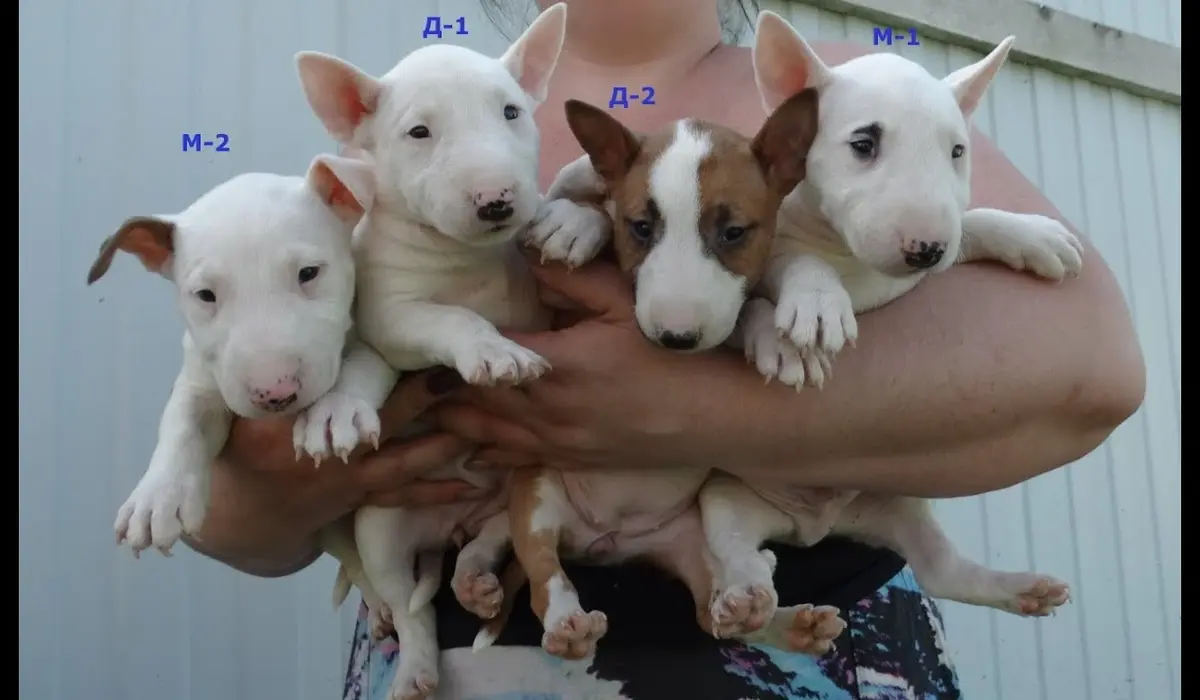
One of the most common questions prospective owners ask relates directly to bernedoodle size.
Because the parent breeds vary so drastically in weight, predicting final size takes a bit of estimating.
In most cases, an adult mini will land right in the medium-dog sweet spot.
Height and Weight Expectations
Generally, an adult will weigh anywhere from 25 to 50 pounds.
They usually stand between 18 and 22 inches tall at the shoulder.
Compare that to a Standard Bernedoodle, which can easily top 70 to 90 pounds!
Growth Chart Overview
Wondering how fast your tiny pup will grow?
Here is a general timeline based on standard observational data:
| Age | Estimated Weight Range |
| 2 Months | 6 – 10 lbs |
| 4 Months | 15 – 25 lbs |
| 6 Months | 22 – 35 lbs |
| 12 Months (Full Size) | 25 – 50 lbs |
Temperament and Personality
What is it actually like to live with one of these fluffballs?
In short, they are absolute sweethearts with a playful streak!
They inherit the easygoing nature of the Bernese alongside the high intellect of the Poodle.
Family Friendly and Social
Are you looking for a dog that gets along with kids and other pets?
These pups generally adore children and love participating in family activities.
They form strong bonds with their human companions and prefer not to be left alone for long stretches.
At PraviCeler, we always emphasize that early socialization builds a confident, friendly adult dog.
Intelligence and Trainability
Thanks to their Poodle heritage, these dogs are wicked smart!
They catch onto basic commands quickly and love puzzle toys.
However, they can occasionally inherit a touch of Bernese stubbornness.
Positive reinforcement and treat-based rewards work wonders during training sessions.
Exercise and Daily Care
Do you need to run marathons to keep up with this breed?
Not at all!
Their energy levels are balanced, making them adaptable to different lifestyles.
Physical Activity Needs
In general, about 30 to 60 minutes of daily exercise keeps them happy.
A brisk morning walk, a game of fetch in the yard, or a casual trail stroll works great.
Mental enrichment is just as vital as physical movement!
Try using snuffle mats or interactive treats to keep their brains sharp.
Living Conditions
Do they do well in small living spaces?
Yes! Thanks to their manageable bernedoodle size, they adapt nicely to apartment living provided they get daily walks.
A fenced backyard is a nice bonus, but certainly not a strict requirement.
Bernedoodle Grooming & Coat Care
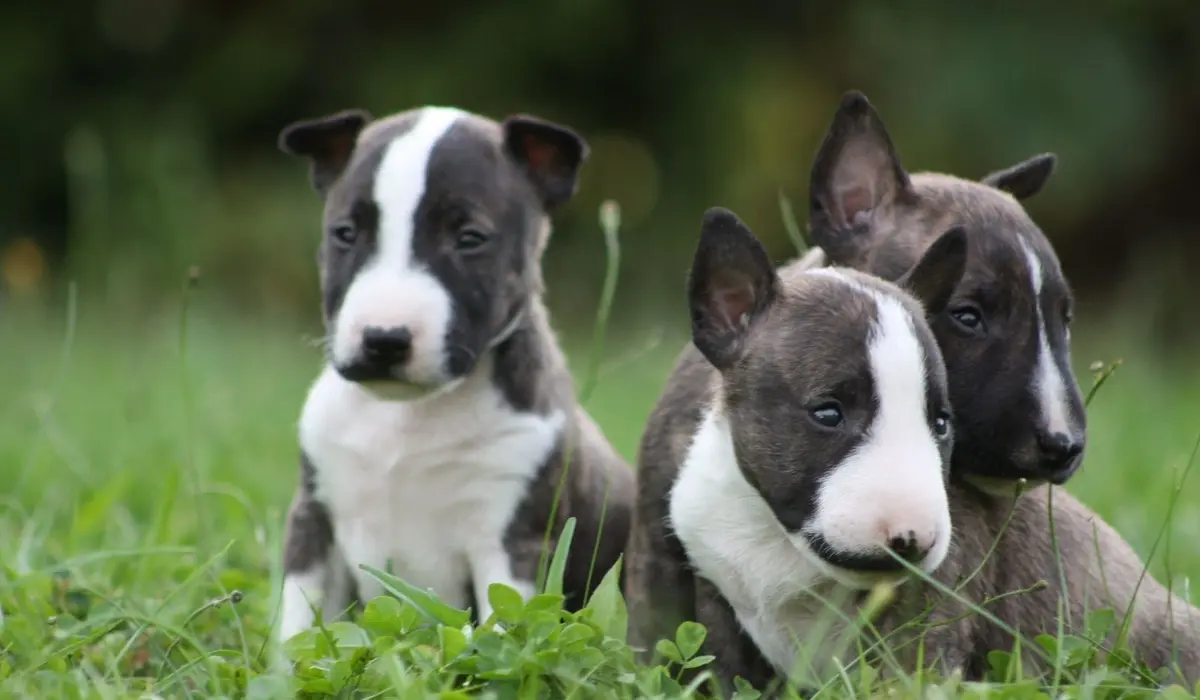
Let’s talk fur, because keeping that coat healthy requires commitment!
Proper bernedoodle grooming is essential to prevent painful mats and tangles.
Coat Types and Shedding
They come in three main coat styles: straight, wavy, or curly.
Wavy and curly coats are fantastic for allergy sufferers because shedding is minimal.
However, low-shedding fur traps loose hairs, which quickly form mats if unbrushed.
Grooming Checklist
Want to keep that teddy-bear look intact?
-
Daily Brushing: Use a slicker brush and metal comb to keep mats away.
-
Professional Grooming: Schedule a trip to the groomer every 6 to 8 weeks.
-
Bathing: Wash them every 3 to 4 weeks using a mild dog shampoo.
-
Ear Cleaning: Check ears weekly for moisture, as floppy ears trap dirt easily.
Health and Lifespan
How long will your furry best friend be by your side?
On average, a healthy mini lives between 12 and 18 years!
Crossbreeding often grants “hybrid vigor,” meaning they may inherit fewer genetic issues than purebred ancestors.
Common Health Concerns
Based on available veterinary data, you should monitor for a few potential issues:
-
Hip and Elbow Dysplasia: Joint issues common in larger ancestor lines.
-
Progressive Retinal Atrophy (PRA): An eye condition inherited from Poodle genes.
-
Skin Allergies: Sensitive skin can cause itching or coat dryness.
Regular checkups and balanced nutrition help prevent most issues before they start.
Feeding and Nutrition Requirements
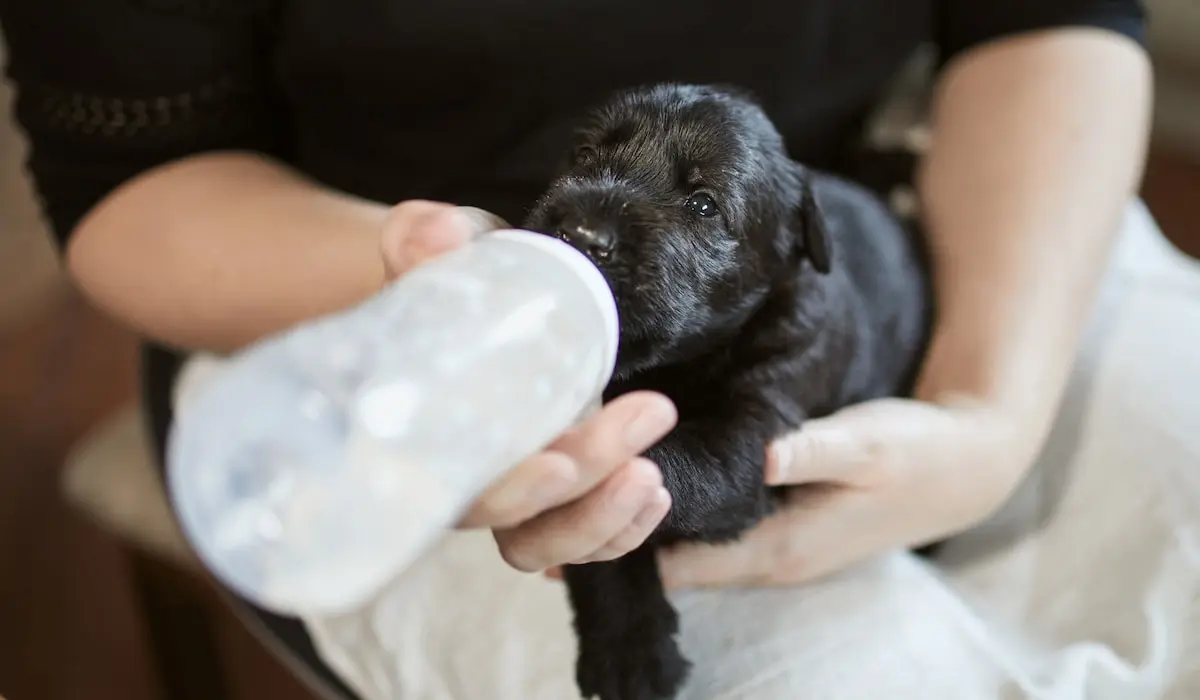
What should you put in your pup’s bowl?
High-quality dog food tailored for medium breeds is usually best.
Looking for tailored advice on healthy feeding routines? Check out our complete pet care resources at PraviCeler!
Daily Intake Guidelines
-
Puppies: Need calorie-dense food split into 3–4 small meals daily.
-
Adults: Require about 1.5 to 2.5 cups of quality kibble split into two meals.
-
Seniors: Benefit from lower-calorie formulas with added joint support like glucosamine.
Always monitor weight closely, as these food-loving pups won’t hesitate to ask for extra treats!
Is a Mini Bernedoodle Right for You?
Still weighing your options?
Let’s break down the pros and cons to see if this breed fits your routine.
Great Fits
-
Families wanting a medium-sized, gentle companion.
-
People seeking a low-shedding dog for mild allergies.
-
First-time owners ready for regular grooming commitments.
Less Ideal Fits
-
Owners away from home for 8+ hours every day.
-
Individuals unwilling to invest time or money into professional grooming.
Conclusion
The mini bernedoodle brings together the affectionate loyalty of a Bernese Mountain Dog and the smart, low-shedding traits of a Miniature Poodle. Their manageable size makes them versatile for apartments or houses, while their loving personality ensures they fit right into almost any family.
While bernedoodle grooming takes consistent effort, the reward is a devoted, fluffy companion for up to 18 years. If you are exploring options for your next pet, following a reliable dog breed guide and establishing strong pet care habits will ensure your new pup lives a happy, healthy life.
Frequently Asked Questions
Do Mini Bernedoodles shed a lot?
No, they generally shed very little, especially those with wavy or curly coat types inherited from the Poodle parent.
How big does a Mini Bernedoodle get fully grown?
Fully grown adults typically weigh between 25 to 50 pounds and stand 18 to 22 inches tall at the shoulder.
Are Mini Bernedoodles good for first-time dog owners?
Yes, their friendly temperament, high intelligence, and eager-to-please nature make them fantastic choices for first-time owners.