
Key Takeaways
-
Match bin size to project scope
-
Know weight limits before loading
-
Compare dumpster rental options early
-
Keep construction waste properly sorted
-
Reserve roll off container space beforehand
Are you tackling a huge home renovation, clearing out a packed garage, or managing a busy job site?
If so, you are probably staring at a massive pile of debris wondering where it will all go.
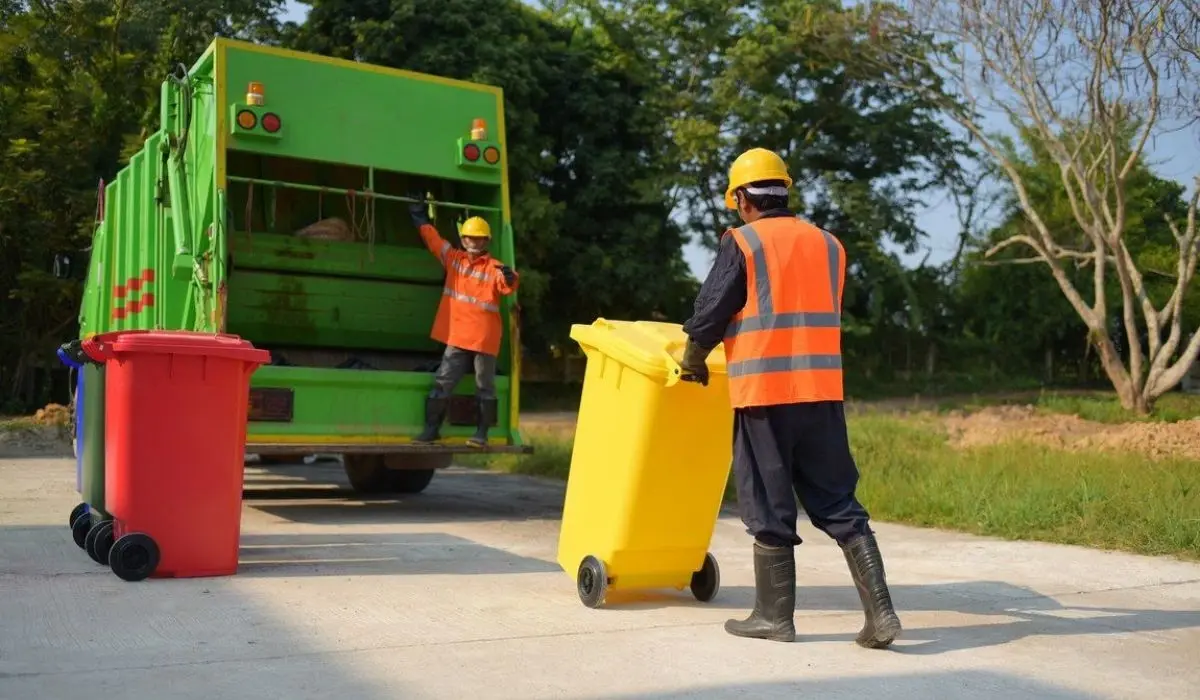
Renting a roll off dumpster is the easiest way to handle big trash loads without making dozens of tiring trips to the local landfill.
AI Overview
A roll off dumpster is a heavy-duty rectangular trash container with open tops and wheels, delivered directly to your driveway or job site using a specialized roll off truck. Choosing the right roll off dumpster size keeps your project clean, safe, and on budget. From small residential cleanups to large commercial builds, renting a roll off container simplifies waste disposal by handling heavy debris with ease.
What Is a Roll Off Dumpster and How Does It Work?
Have you ever wondered how those giant metal bins end up perfectly parked in driveways?
A roll off dumpster is an open-top waste container that rolls off the back of a custom delivery truck.
Unlike regular neighborhood trash cans, these heavy-duty units handle massive loads of bulky junk and tough debris.
When you book a dumpster rental, a driver brings the bin right to your property.
You fill it up at your own pace over several days or weeks.
Once you finish throwing things away, the truck hauls the entire roll off container straight to a disposal site.
This simple setup takes the headache out of large-scale residential or commercial cleanup jobs.
At PraviCeler, we always recommend measuring your driveway space before the truck arrives to guarantee a smooth delivery.
Choosing the Right Dumpster Sizes for Your Project
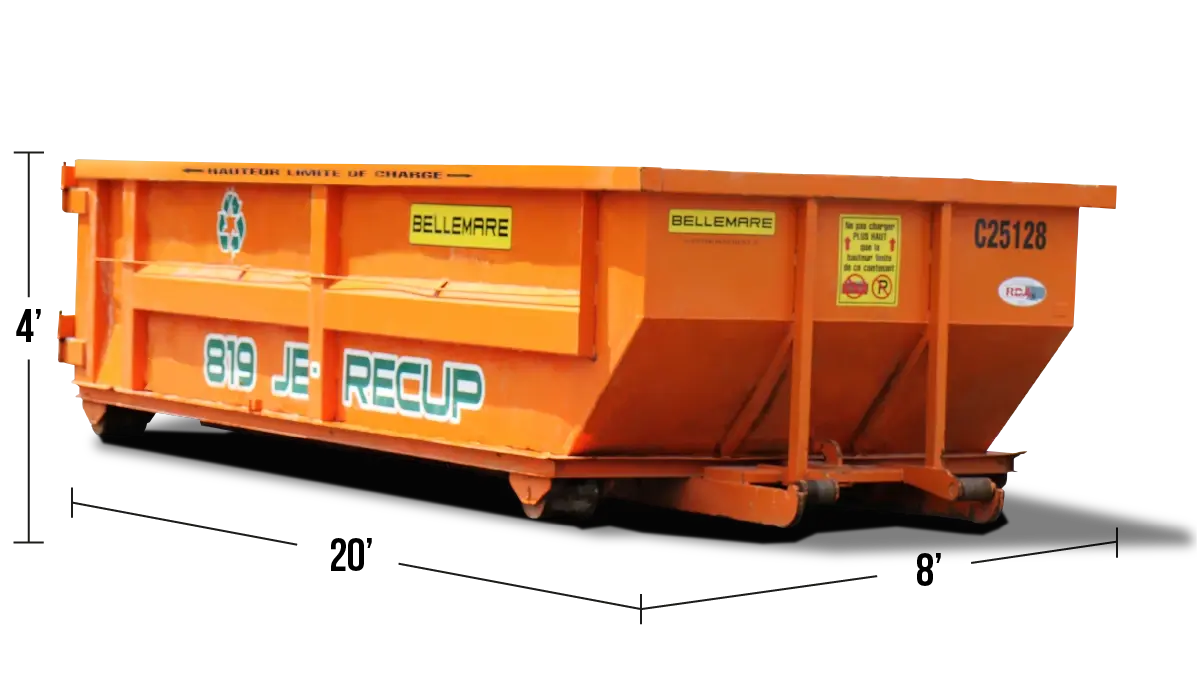
Picking the wrong size bin is one of the easiest ways to throw money away during a cleanup.
If you get a container that is too small, you will pay for extra haul-offs.
If you choose one that is too big, you pay for empty space you never use.
Let’s break down the standard options available for your next dumpster rental project.
| Dumpster Size | Dimensions (LxWxH) | Holds Approx. | Ideal Projects |
| 10-Yard | 12′ x 8′ x 3.5′ | 3 Pickup Loads | Small yard waste, attic cleanout, half-bath remodel |
| 20-Yard | 22′ x 8′ x 4.5′ | 6 Pickup Loads | Carpet removal, deck demo, roof shingle replacement |
| 30-Yard | 22′ x 8′ x 6.0′ | 9 Pickup Loads | Major home addition, estate cleanup, siding overhaul |
| 40-Yard | 22′ x 8′ x 8.0′ | 12 Pickup Loads | Commercial builds, full demolition, big construction waste |
10-Yard Roll Off Dumpster: Small Household Cleanups
The 10-yard bin is the smallest option on the market.
It fits comfortably in almost any standard residential driveway.
This size works best for small-scale junk clearing.
Think about cleaning out a small garage, decluttering a spare room, or clearing minor yard debris.
It is easy to load because the low walls allow you to toss items over the sides without straining.
20-Yard Roll Off Dumpster: The Home Improvement Choice
The 20-yard roll off container is the most popular size for everyday homeowners.
It offers a great balance between size and storage capacity.
It easily handles carpet removal for a whole house, medium kitchen remodels, or clearing out a basement.
It is short enough to walk items into using the swinging rear door while offering plenty of volume.
30-Yard Roll Off Dumpster: Large Renovations
When you step up to a 30-yard unit, you are dealing with substantial projects.
This bin handles large volumes of materials from major home renovation efforts.
If you are replacing a roof, tearing down a garage, or gutting multiple rooms, this size is ideal.
It holds bulky pieces like framing timber, large cabinetry, and tall furniture pieces effortlessly.
40-Yard Roll Off Dumpster: Commercial and Construction Sites
The 40-yard option is the giant of the waste management industry.
It is designed for heavy trade work, large commercial updates, and massive tear-downs.
Generally, you will see these parked outside active commercial developments or full home construction sites.
It handles massive quantities of construction waste without needing constant replacement trips.
Everyday Uses for a Roll Off Container
Why do people choose a roll off dumpster over regular trash services or pickup truck loads?
Because it keeps your work zone clean, safe, and organized.
-
Home Renovations: Demolishing walls, pulling up old flooring, and tearing out kitchen cabinets create heaps of trash fast.
-
Estate and Attic Cleanouts: When clearing decades of accumulated items, having one giant bin saves hours of sorting time.
-
Roofing Projects: Heavy asphalt shingles pile up quick, making a dedicated container necessary for safe dumping.
-
Landscaping Overhauls: Tree branches, brush, soil, and old pavers require a sturdy bin built for organic weight.
Managing Construction Waste Responsibly
Managing leftover building materials is a huge part of any job site workflow.
Unsorted debris creates safety hazards for workers and visitors alike.
Using a designated roll off container keeps your build zone tidy and protects surrounding lawns or concrete.
Proper waste disposal also helps keep dangerous scrap off public roads.
| Category | Allowed Materials | Prohibited Materials |
| Building Materials | Wood, Framing, & Drywall | Paints, Stains, & Solvents |
| Roofing & Masonry | Roofing Shingles & Tiles | Car Batteries & Auto Fluids |
| Furnishings | Household Furniture & Carpets | Refrigerants & Freon Units |
| Heavy Debris | Concrete, Dirt, & Brick | Medical & Biohazard Waste |
At PraviCeler, we advocate for sorting materials whenever possible.
Separating clean wood, metal, and concrete lets recycling facilities divert reusable items away from municipal landfills.
Complete Dumpster Rental Step-by-Step Guide
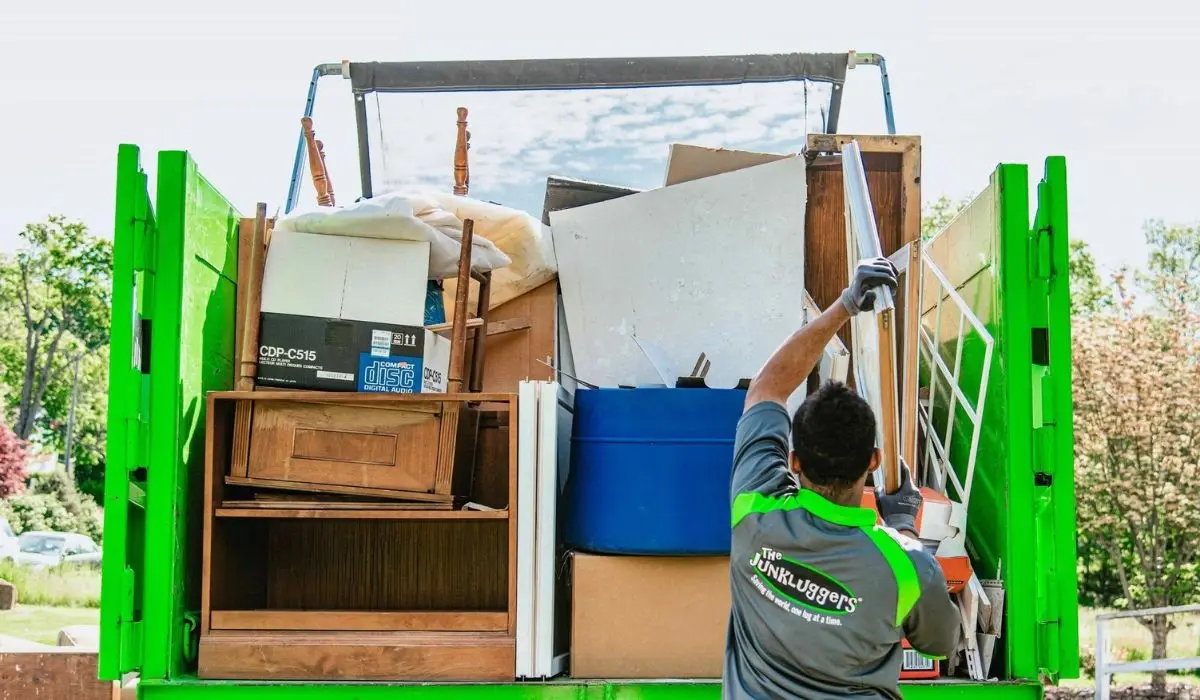
Renting a bin for the first time might seem confusing, but the process is actually straightforward.
Follow these easy steps to ensure your rental goes off without a hitch.
1. Determine Your Material Type and Volume
Important Rules for Safe Waste Disposal
Knowing what you can and cannot throw away saves you from paying costly penalty fees.
Local rules and environmental laws govern what landfills can accept.
Most everyday materials like wood, drywall, furniture, yard trash, and carpeting are completely fine.
However, hazardous liquids, car batteries, paint cans, propane tanks, and tires are strictly banned from standard containers.
If you throw restricted materials into your bin, the driver may refuse to haul it away until you remove them.
When in doubt, always ask your dumpster rental provider before throwing away questionable items.
Cost Factors to Consider Before Booking

How much does a roll off container cost to rent?
The final price tag depends on several key details specific to your location and job scope.
-
Bin Size: Larger containers cost more to rent than smaller ones due to equipment sizes and dumping fees.
-
Debris Weight: Exceeding your agreed weight limit results in overage fees charged per additional ton.
-
Rental Duration: Standard agreements run 7 to 10 days; keeping the bin longer adds daily flat rates.
-
Location: Permit costs, local landfill fees, and fuel charges vary depending on where you live.
Understanding Load Capacities and Weight Limits
One critical factor when renting a roll off container is understanding weight allowances.
Every bin comes with a strict weight capacity enforced by state transportation laws.
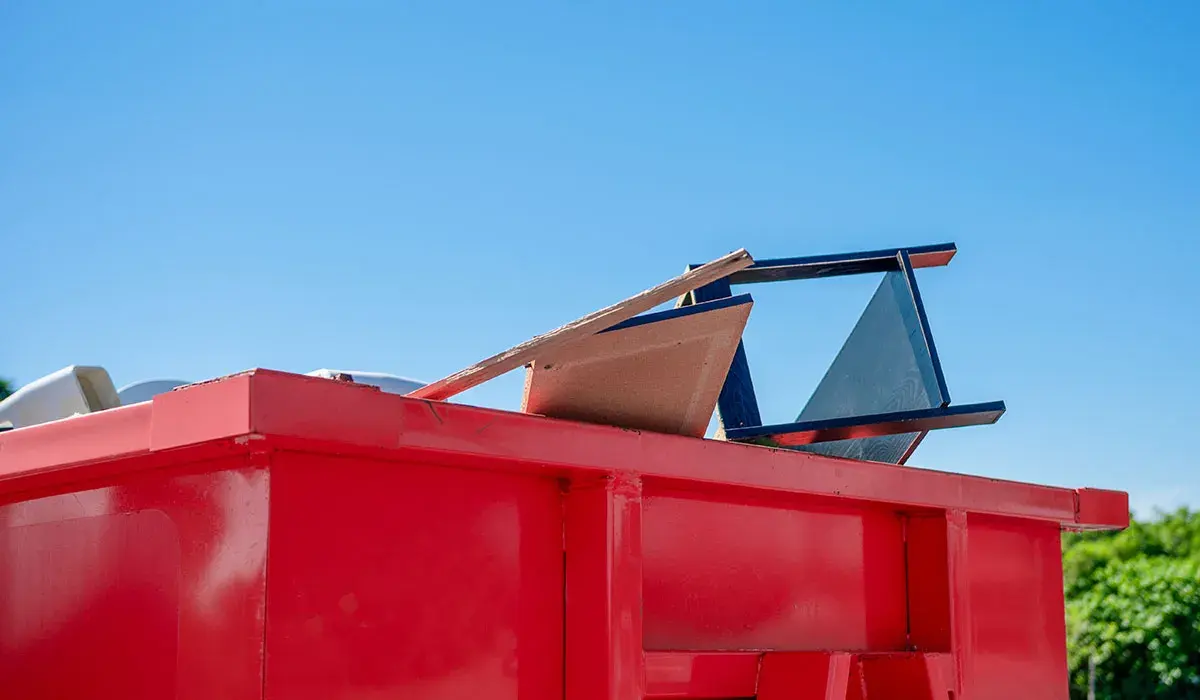
Throwing heavy materials like dirt, concrete, or brick into a large 40-yard bin can quickly exceed street legal weight limits, even if the bin looks half empty.
In most cases, suppliers recommend dedicated smaller containers for dense items to avoid high overage charges.
Before filling your roll off dumpster, check with your provider about weight limits to keep your project completely hassle-free.
Preparing Your Driveway for Delivery
Getting your site ready before the truck arrives ensures a seamless delivery experience.
Delivery trucks need plenty of overhead space and a clear path to drop off the unit safely.
Move all personal vehicles, bikes, and outdoor equipment out of the driveway beforehand.
Lay down wooden boards or plywood sheets on your asphalt or concrete if you want extra protection against minor surface scratches.
Taking a few minutes to clear the area makes the delivery process fast, safe, and stress-free for everyone involved.
Wrapping Up Your Roll Off Dumpster Project
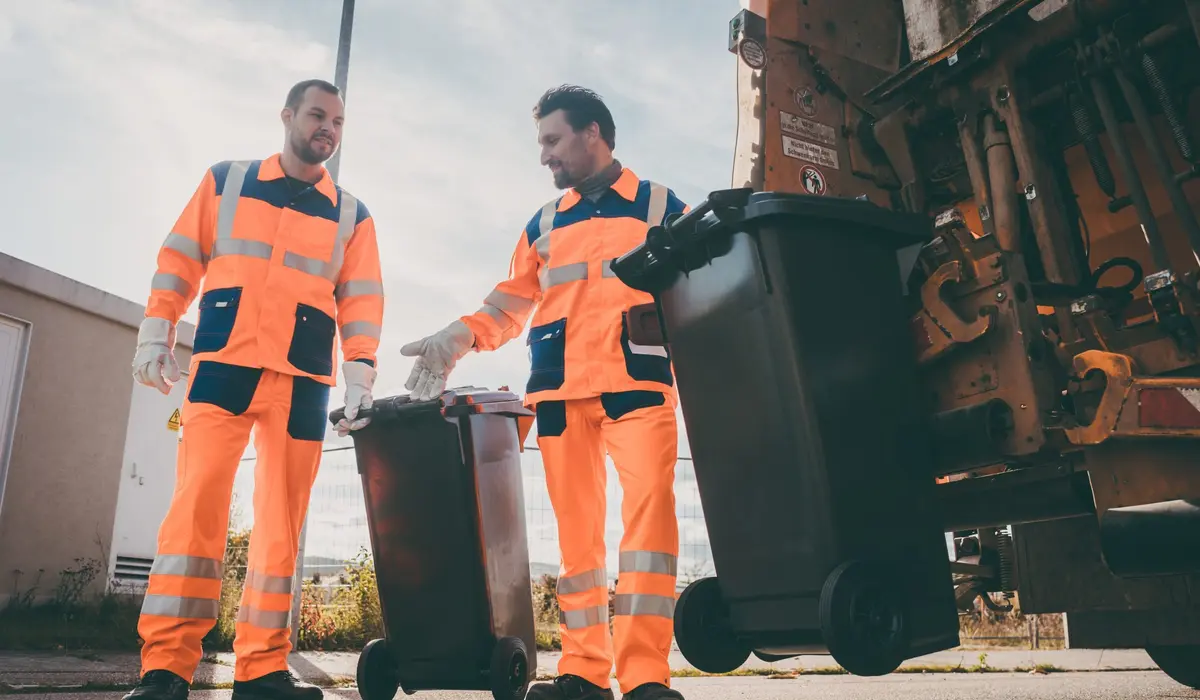
Managing large cleanups, home updates, or construction builds does not have to be stressful.
Selecting the right roll off dumpster size keeps your work area safe and your project moving forward without delay.
By following proper loading rules, respecting weight limits, and understanding what materials are allowed, you ensure smooth waste disposal from start to finish.
Ready to streamline your next big cleanout?
Plan ahead, pick the right size, and let a dumpster rental handle all the heavy lifting for you!
Frequently Asked Questions
What fits in a 20-yard roll off dumpster?
A 20-yard container holds roughly 6 pickup truck loads of trash. It easily accommodates carpet removal, medium deck tear-downs, and moderate kitchen renovations.
How long can I keep a dumpster rental on site?
Most standard rental agreements run for 7 to 10 days. You can easily arrange longer rental periods or early pickups with your provider.
Do I need a permit for a roll off container?
Permits are generally required if placing the container on public streets, sidewalks, or alleyways. Driveway placement usually does not require special city permits.
What happens if I overload the roll off dumpster?
Overfilled containers cannot be safely transported on highways. You may face extra fees or have to unload debris sitting above the top edge.