AI Summary
This article is a practical guide to what a magnifying glass is used for, covering 15 real-world uses across reading and low-vision assistance, jewelry and coin inspection, collectible authentication (stamps, watches, antiques, art), electronics repair, sewing and needlework, model building, scientific and nature observation, medical and skin inspection, botanical and insect identification, map reading, print quality checking, survival fire-starting, and everyday tasks.
It explains how a convex lens actually works, decodes magnification levels (2x through 30x+), maps common magnifications to their appropriate uses in a reference table, walks through how to choose the right magnifier based on task and format (handheld, stand-mounted, head-worn, lighted), and covers care and maintenance to extend the lens’s lifespan.
The Short Version
A magnifying glass is a simple convex lens that makes small objects appear larger, and it’s used for far more than the cartoon-detective image most people picture. From reading small print and inspecting jewelry to hobby crafts, science experiments, electronics repair, and even starting fires in survival situations the same basic tool serves dozens of practical purposes. This guide walks through the 15 most common real-world uses of magnifying glasses, how the tool actually works, and how to choose the right one for what you actually want to do with it.
Key Takeaways
- A magnifying glass is a convex lens that produces a magnified, upright image when an object is closer than the lens’s focal length.
- Magnification is expressed as “x” values most household magnifiers fall in the 2x–5x range, while specialized ones for jewelry, watches, or electronics reach 10x–30x or higher.
- Higher magnification means smaller field of view and shorter working distance a 20x magnifier is powerful but only shows a tiny area at a time.
- The 15 most common uses span reading, jewelry inspection, coin and stamp collecting, electronics repair, first-aid inspection, nature observation, model building, needlework, watchmaking, botanical identification, map reading, survival fire-starting, art and antique authentication, print quality checking, and countless everyday tasks.
- Choose format based on the task handheld for reading, stand-mounted or head-worn for crafts and repair, magnifying lamps (with built-in light) for detail work in low light.
- Glass lenses beat acrylic for image clarity and scratch resistance, though acrylic is lighter and cheaper.
- A 3x–5x magnifier covers 95% of household needs going higher only helps for specialized tasks like jewelry or electronics work.
- A magnifying glass can genuinely start a fire by focusing sunlight, making it a useful backup skill for outdoor survival situations.
What a Magnifying Glass Actually Is
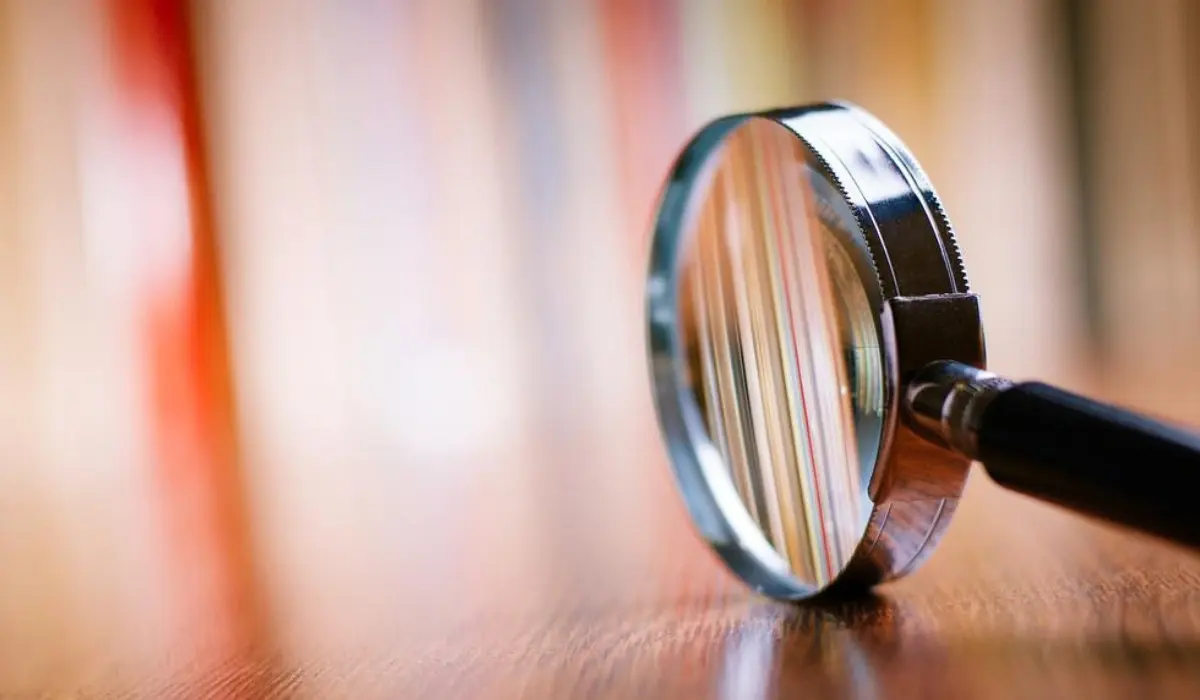
A magnifying glass is a convex lens (curved outward on both sides, or on one side with a flat back) mounted in a handle or frame. When you look at an object through the lens with the object closer than the lens’s focal length, the lens produces a magnified, upright image.
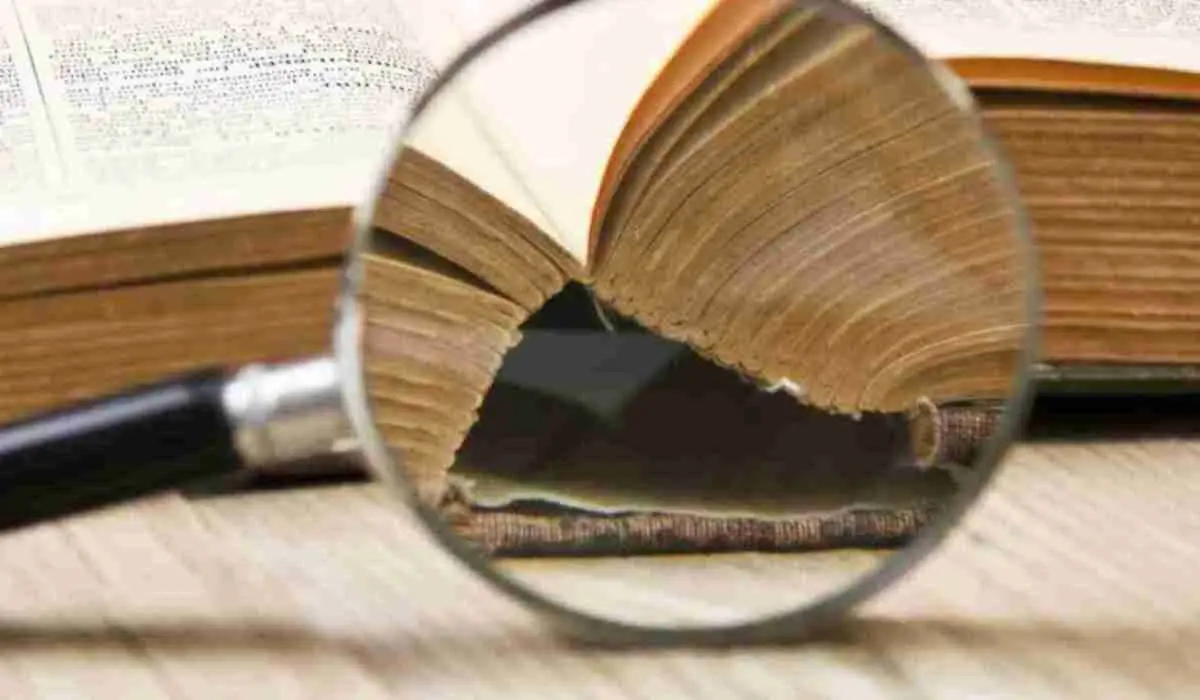
The magnification power is expressed as a number followed by an “x” a 3x magnifying glass makes objects appear three times larger, a 10x makes them ten times larger, and so on. Common household magnifying glasses fall in the 2x–5x range, while specialized ones for jewelry, coins, or electronics can go up to 30x or higher.
The bigger the magnification, the smaller the useful field of view and the shorter the working distance. This is why detective-style magnifying glasses (big lens, low magnification) look different from jeweler’s loupes (small lens, high magnification) they’re designed for different jobs.
The 15 Most Common Uses of a Magnifying Glass
1. Reading Small Print
The oldest and still the most common use. Fine print on medication labels, product ingredients, contracts, maps, and small typography in books or newspapers all become readable with a modest magnifying glass. Especially useful for older adults, people with low vision, or anyone reading in low light.
2. Examining Jewelry and Gemstones
Jewelers use specialized magnifying glasses (called loupes) at 10x or higher magnification to inspect gemstones for clarity, cut, and inclusions. A 10x loupe is the standard for grading diamonds and identifying markings on precious metals.
3. Coin and Stamp Collecting
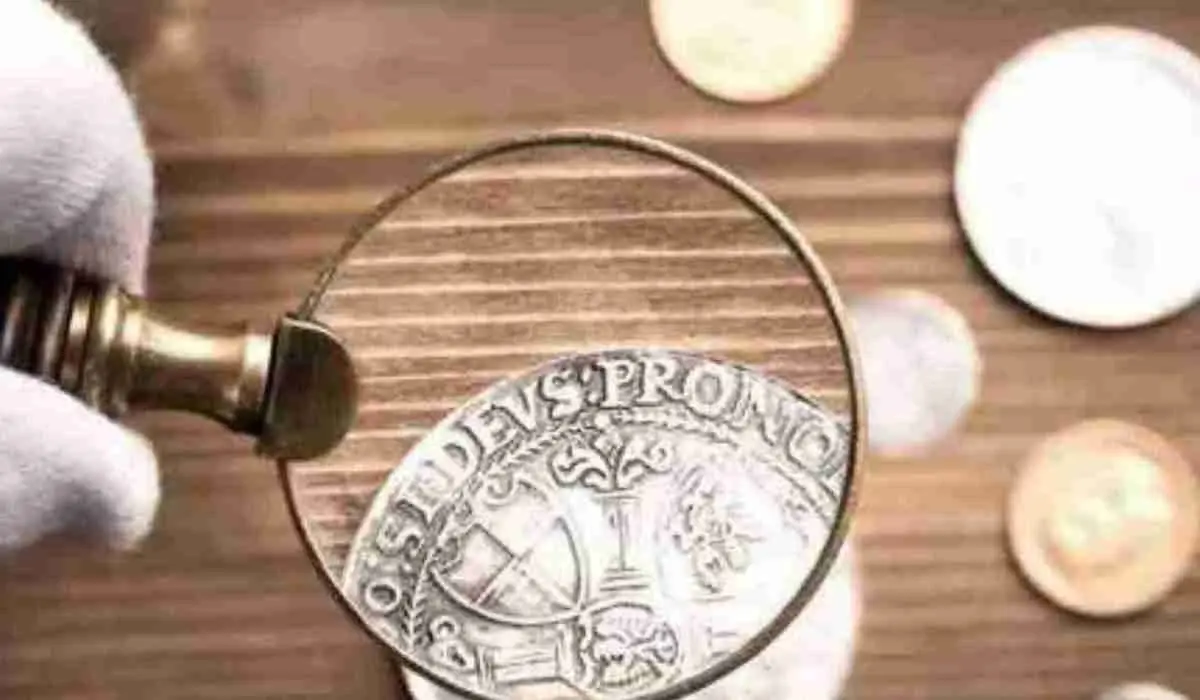
Numismatists (coin collectors) and philatelists (stamp collectors) rely on magnifying glasses to identify mint marks, dates, printing errors, and condition details that affect a collectible’s value. A 5x–10x magnifier is standard for this hobby.
4. Electronics Repair
Working on circuit boards, soldering fine connections, and inspecting components for damage all require magnification. Electronics repair technicians typically use adjustable magnifying lamps or head-mounted magnifiers rather than handheld ones, because both hands need to be free.
5. Inspecting Splinters, Skin, or Small Injuries
Removing splinters, examining a rash, checking for ticks, or inspecting a bug bite all benefit from a magnifying glass especially for people whose vision isn’t sharp enough to see fine detail up close.
6. Science and Nature Observation
Kids and adults alike use magnifying glasses to look closely at leaves, insects, rocks, flowers, and other natural specimens. A basic 3x–5x magnifier is enough to reveal detail invisible to the naked eye and makes nature walks dramatically more interesting.
7. Model Building and Miniature Painting
Hobbyists building model kits, painting miniatures, or working on scale models rely heavily on magnifiers to see fine detail. Bench-mounted or head-mounted magnifiers are more practical here than handheld ones because both hands are usually occupied.
8. Sewing, Needlework, and Embroidery
Threading needles, working with fine embroidery, following intricate cross-stitch patterns, and repairing small tears in fabric all become much easier with a magnifying glass. Many crafters use magnifying lamps that combine light and magnification in one tool.
9. Watch Repair
Watchmakers use very high-power magnifying loupes (often 10x–20x) to inspect and adjust the tiny mechanical components inside watches. This is one of the trades where a good magnifier is essentially non-negotiable.
10. Botanical and Insect Identification
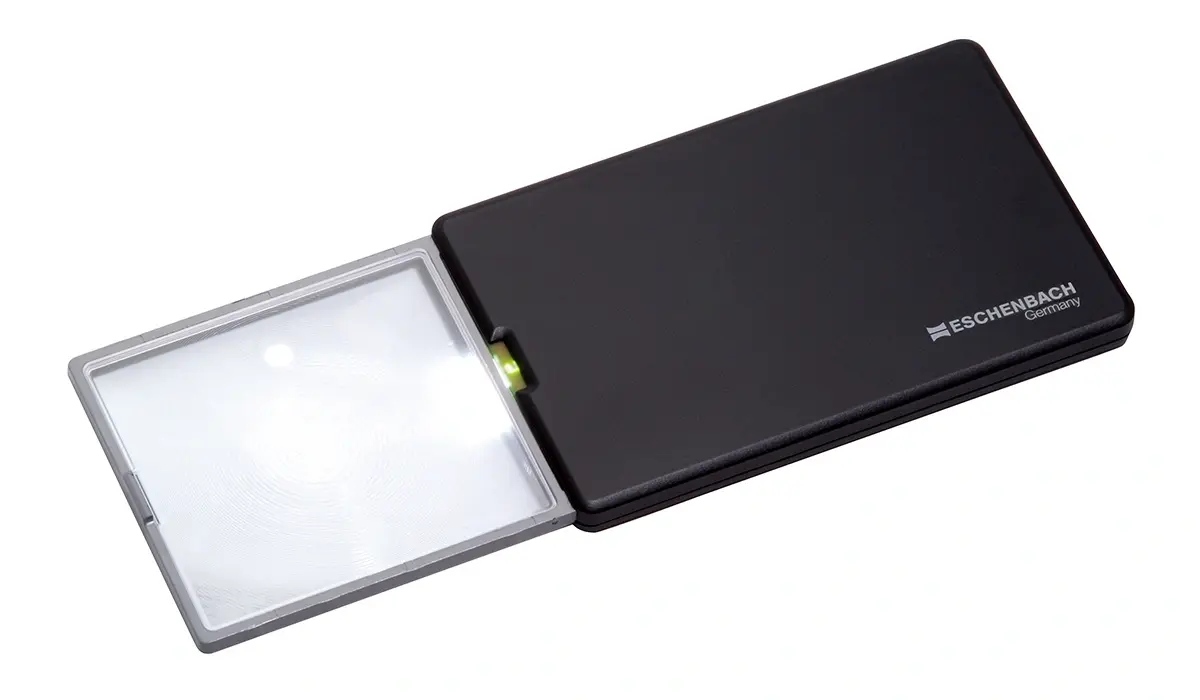
Field guides for identifying plants, mushrooms, and insects often describe features (spore prints, leaf hairs, wing venation, antenna structure) that require magnification to see clearly. A pocket-sized magnifier is a standard piece of field-naturalist equipment.
11. Reading Maps and Fine Charts
Detailed maps, marine charts, geological surveys, and topographic maps often contain information printed at scales that require magnification to read comfortably. Same for tiny grid references, legend keys, and elevation markings.
12. Starting Fires in Survival Situations
A magnifying glass can focus sunlight to a single hot point capable of igniting dry tinder. Not a primary fire-starting method, but a genuinely useful backup skill for outdoor emergencies. The bigger the lens, the more concentrated the heat, so a standard reading magnifier works better than a small loupe for this.
13. Antique and Art Authentication
Appraisers use magnifying glasses to examine brushstrokes, signatures, printing patterns, and material details when authenticating paintings, antiques, and collectibles. Reproduction and forgery detection often depends on details invisible without magnification.
Serious collectors of watches, jewelry, art, and vintage cars rely on high-power magnification as a routine part of authentication before major purchases for broader coverage of luxury collecting, fine goods, and premium lifestyle topics, Pravi Celer covers a range of guides and features across luxury travel, fashion, cars, and collectibles worth browsing if these categories interest you.
14. Checking Print Quality and Proofreading
Print professionals, graphic designers, and quality-control inspectors use magnifiers to check color registration, dot patterns, print resolution, and typography details. A specialized magnifier called a “linen tester” or “printer’s loupe” is common in this work.
15. Everyday Tasks That Suddenly Become Easier
Many daily tasks that don’t obviously need a magnifying glass become significantly easier with one: reading serial numbers on the back of electronics, threading a fishing line through a hook eye, examining old photos, checking dosage markings on syringes or measuring cups, and inspecting anything with fine detail.
How to Choose the Right Magnifying Glass

Not all magnifiers are the same. A few practical questions to think about:
What’s the primary use?
Reading needs a large lens with moderate magnification (2x–4x). Jewelry work needs a small lens with high magnification (10x+). General household use falls between these.
Handheld or hands-free?
For tasks requiring both hands (crafts, repair, sewing), a stand-mounted or head-worn magnifier is much more practical than a handheld one.
Do you need built-in light?
Magnifying lamps with built-in LED lights are transformative for detail work. If you’ll be using the magnifier in low light or on dark surfaces, the light matters as much as the lens.
What lens material?
Glass lenses produce clearer images and resist scratching better than acrylic. Acrylic is lighter and cheaper but scratches more easily. For frequent use, glass is generally worth the extra cost.
Lens size vs. magnification tradeoff.
Higher magnification means smaller field of view. A 20x magnifier is powerful but only shows a tiny area at a time. Match magnification to your actual working needs.
Common Magnification Levels and Their Uses
| Magnification | Typical Use | Field of View |
| 2x–3x | Reading, general household | Large |
| 4x–5x | Detailed reading, hobbies, nature | Moderate |
| 6x–10x | Jewelry, coins, electronics | Small |
| 10x–20x | Watchmaking, precision inspection | Very small |
| 20x+ | Specialized professional work | Very small, short working distance |
For most household use, a 3x–5x magnifier covers 95% of what most people actually need. Going higher only helps if you have specific tasks that require it.
Care and Maintenance
A magnifying glass isn’t a complicated tool, but a few habits keep it working well:
- Clean the lens with microfiber, not paper. Paper towels and tissues scratch lenses over time.
- Store it in a case or drawer, not loose in a bag. Scratches on the lens surface degrade image quality permanently.
- Avoid extreme heat. Plastic frames warp and lenses can crack under sudden temperature changes.
- Keep it away from direct sunlight when stored. A magnifier left in direct sun can focus enough heat to damage nearby surfaces or start a fire.
- Handle glass lenses carefully. Dropped magnifiers with glass lenses often crack even when the frame survives.
With reasonable care, a well-made magnifying glass lasts decades.
FAQs
What is a magnifying glass used for most commonly?
Reading small print, examining jewelry and collectibles, hobby crafts, and inspecting fine details in objects too small to see clearly with the naked eye these cover most everyday uses.
How does a magnifying glass work?
A convex lens bends light rays so that an object placed within its focal length appears larger and upright when viewed through it.
What magnification should I get for general use?
A 3x–5x magnifying glass covers most household needs like reading, hobbies, and general inspection. Higher magnification only helps for specialized tasks.
Can a magnifying glass really start a fire?
Yes. By focusing sunlight to a concentrated point, a magnifying glass can ignite dry tinder a useful backup fire-starting method in survival situations.
What’s the difference between a magnifying glass and a loupe?
A loupe is a small, high-powered magnifier held close to the eye, typically used for jewelry, coins, or watches. A magnifying glass is larger and held further from the eye, better for reading and general use.