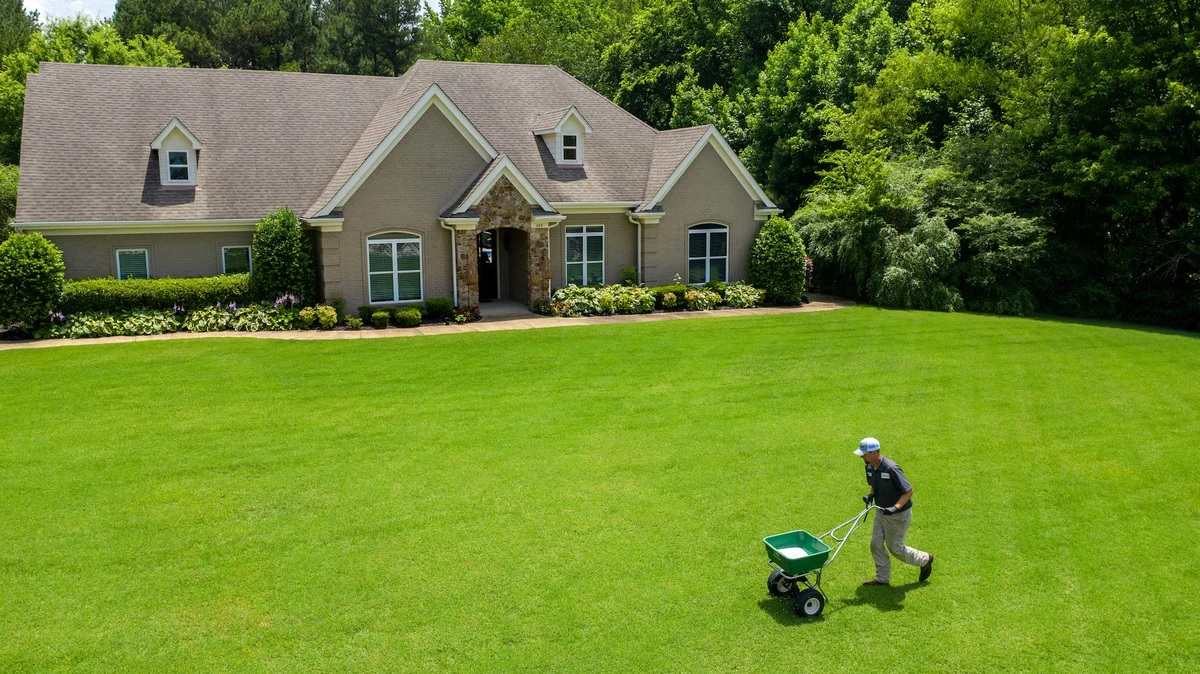
Finding good lawn care near you comes down to four things: knowing what services you actually need, comparing at least three quotes from local providers, checking specific credentials before hiring, and asking the right questions to filter out unreliable companies. Most local lawn care services fall into three price tiers depending on your yard size and the services you want, with typical single-visit mowing running $30–$80, seasonal packages ranging from $200–$1,000+, and full lawn care programs running $500–$3,000+ annually. This guide walks through how to find the actual good providers in your area, what to pay attention to when comparing them, and the specific questions and red flags that separate reliable companies from ones that will disappoint you.
Start By Deciding What You Actually Need
Most people searching for lawn care near them haven’t yet decided what specifically they’re hiring for. Getting clear on this before you start calling companies dramatically improves the quotes you receive and the fit of the provider you end up with.
The main categories of lawn care services:
- Basic mowing. Regular grass cutting, usually weekly during the growing season, biweekly during slower periods.
- Full lawn maintenance. Mowing plus edging, trimming, blowing off hard surfaces, and often light cleanup.
- Seasonal cleanup. Spring cleanup (removing debris, thatch, and winter buildup) and fall cleanup (leaf removal, pre-winter prep). Usually one-time or twice-per-year.
- Fertilization and weed control. A multi-visit program treating the lawn with fertilizer, weed control, and often lime or grub control. Typically four to six visits per year.
- Aeration and overseeding. One or two visits per year aeration relieves soil compaction, overseeding fills in thin areas and improves grass density.
- Landscaping and design. Mulching, planting, hardscape work, garden bed maintenance. Often billed separately from lawn care.
- Tree and shrub care. Pruning, disease treatment, and structural work sometimes offered by lawn care companies, sometimes by specialists.
Not every provider does all of these. Some focus on mowing only; others focus on chemical treatments only; some do everything. Knowing what you want narrows the field before you start calling.
Where to Actually Find Local Lawn Care Companies
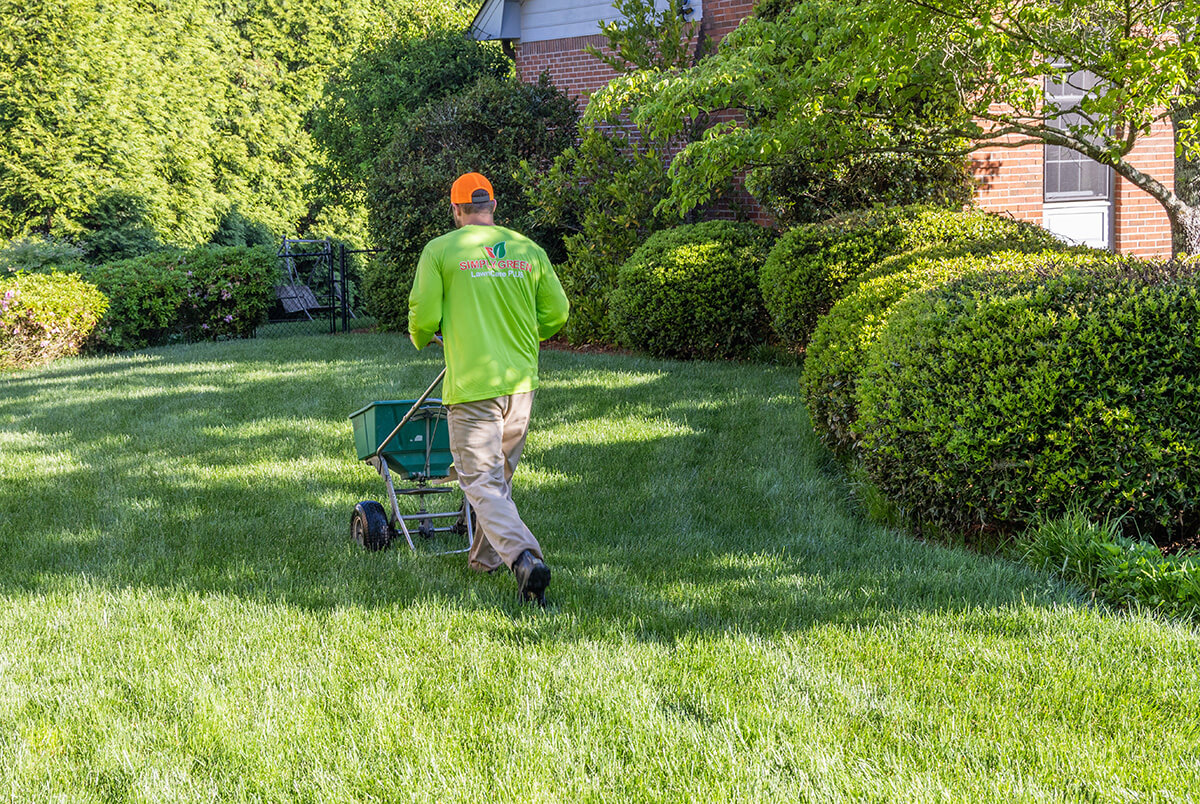
Search results and directory sites both work, but they don’t reveal quality equally well. A better process:
- Search “lawn care [your town]” and “lawn care [your zip code]” rather than just “lawn care near me.” Local search results tend to be more relevant when you name the location explicitly.
- Check Google Maps for lawn care companies in your area. Companies with 40+ reviews and consistent 4+ star ratings across years of activity are usually reliable.
- Ask neighbors directly. Nothing beats seeing a well-maintained lawn nearby and asking who does it. Neighbors are also honest about companies that disappointed them.
- Check Nextdoor and local Facebook groups. Local social networks often have recent, specific recommendations and warnings that don’t show up in Google reviews.
- Look at yard signs during driving. Companies with lawn care signs in yards you like are worth calling.
Skip the sponsored ads at the top of search results as your first move. The companies that pay for placement aren’t necessarily the best in your area they’re just the ones that pay for placement.
What to Compare When You Get Quotes
Get quotes from at least three companies before hiring. Not because the cheapest is best often it isn’t but because comparing quotes shows you the actual range of prices and services in your specific area.
What to compare beyond just price:
- Exactly what’s included. “Mowing” from one company might mean cutting only. From another it might include edging, trimming, and blowing. Compare like for like.
- Frequency. Weekly? Biweekly? Adjusted for weather? Getting this wrong is where most price surprises come from.
- Contract terms. Some companies want annual contracts; others do month-to-month. Neither is inherently better, but the terms matter.
- Cancellation policy. How much notice do you need to give if you want to stop service or switch providers.
- Rescheduling around weather. When it rains on your scheduled day, do they come the next available day, or skip that week? Both approaches exist.
- Who does the actual work. The owner, W-2 employees, subcontractors, or day labor. This affects reliability and quality significantly.
- Insurance and licensing. Especially important for anything beyond basic mowing.
Some quotes will be dramatically lower than others. Investigate why before choosing the cheap one. Cheap usually means either an inexperienced company, one cutting corners, or one that will surprise you with extras.
Typical Pricing (Rough National Ranges)
Prices vary heavily by region, yard size, and service scope, but as rough baselines:
| Service | Typical Range |
| Single-visit mowing (small yard, <5,000 sq ft) | $30–$50 |
| Single-visit mowing (medium yard, 5,000–10,000 sq ft) | $40–$75 |
| Single-visit mowing (large yard, 10,000+ sq ft) | $60–$150+ |
| Weekly mowing season contract | $150–$500/month depending on yard |
| Spring or fall cleanup | $200–$600 |
| Fertilization/weed control program (annual) | $300–$700 |
| Aeration and overseeding (one visit) | $150–$400 |
| Full lawn care program (annual) | $500–$3,000+ |
If a quote is significantly outside these ranges in either direction, ask why. Sometimes there’s a good reason (unusual yard, specific requirements). Sometimes it’s a signal to look elsewhere.
Questions to Ask Before Hiring
The best filter for good vs. bad providers is asking specific, direct questions and paying attention to who answers clearly versus who deflects. Questions worth asking:
- How long have you been in business? Companies under two years are often still figuring out operations. Not automatically bad, but worth knowing.
- Are you licensed and insured? For fertilization and weed control specifically, licensing is required in most states. Ask for proof.
- Who will actually be doing the work? Is it you? Employees? Subcontractors?
- How do you handle it when equipment damages my property? This filters for companies that have thought about accountability versus ones that haven’t.
- Do you use my grass type in your programs? If they can’t tell you what type of grass you have, they aren’t paying enough attention.
- What’s your policy when you skip a week? Weather happens. How they handle it matters.
- Can you provide references from customers in my neighborhood? Companies that can name specific nearby customers are usually well-established locally.
- How do I contact you when there’s a problem? A specific number that reaches a specific person is worth much more than an office number that reaches voicemail.
The answers matter less than how clearly and confidently they’re given. Companies that hedge, deflect, or give vague answers to specific questions usually deliver the same way.
Red Flags to Watch For
Signs that a company is worth skipping:
- Door-to-door solicitors offering immediate service. Legitimate lawn care companies don’t need to canvass neighborhoods.
- Requests for large upfront payment. Reasonable deposits are fine; requests to pay for the full season upfront before any work is done are not.
- No physical business address. A PO box or a phone number with no address at all is a warning sign.
- Vague or unwritten quotes. Every legitimate quote should be in writing with specific services listed.
- Pressure tactics. “This price is only good today” or “I have a crew in your neighborhood right now” are sales pressure, not honest business.
- No proof of insurance. For any work beyond basic mowing, no insurance is a genuine liability risk.
- Reviews that all look the same. A profile with fifty five-star reviews all posted within a short window and written in similar language is almost always fake.
- Complaints about billing surprises. If multiple reviews mention unexpected charges, expect the same.
Common Mistakes Homeowners Make Hiring Lawn Care
- Choosing purely on price. The cheapest company is rarely the best value over a full season. Reliability and consistency matter more than getting the lowest single-visit rate.
- Not comparing what’s included. Companies quote different bundles of services under the same name. Comparing quotes without clarifying what’s included produces bad decisions.
- Not asking for insurance proof. If a lawn care crew damages your property or gets injured on your lawn, uninsured providers become your problem.
- Signing long contracts without a trial period. For companies you haven’t worked with before, start with a shorter commitment or month-to-month if possible.
- Not communicating expectations upfront. Companies aren’t mind readers. Specific preferences about mowing height, patterns, edging, and what to do with clippings should be shared before service starts, not after.
- Ignoring communication quality during the sales process. How responsive and clear a company is when trying to earn your business is the best possible preview of how they’ll handle problems later.
After You Hire: What Actually Matters

Once you’ve hired someone, a few things determine whether the relationship works long-term:
- Consistency of results. Good lawn care produces visible consistency week after week. Uneven cuts, missed trim work, and inconsistent scheduling are all early signals to have a conversation.
- Communication when issues arise. How the company handles rain, equipment breakdowns, or scheduling conflicts is more important than whether these things happen. They all happen eventually.
- Reasonable pricing changes. Prices go up over time. Reasonable annual adjustments are normal. Sudden significant increases usually signal a company that’s testing what you’ll accept.
- Willingness to adjust. Good providers adjust their approach based on feedback. Providers who dismiss your preferences or explain why they know better usually aren’t worth keeping.
If any of these degrade over time, it’s usually a signal to start comparing quotes from other providers again.
Frequently asked questions
How do I find the best lawn care near me?
Search for local companies, check Google reviews and Nextdoor for recent recommendations, get quotes from at least three providers, and ask specific questions about licensing, insurance, and what’s actually included before deciding.
How much does lawn care usually cost?
Single-visit mowing typically runs $30–$80 depending on yard size. Full annual lawn care programs typically run $500–$3,000+ depending on services and yard size. Get local quotes to compare against your specific area.
Should I sign a long-term contract for lawn care?
Not for a company you haven’t worked with before. Month-to-month or short-term arrangements let you evaluate quality without a long commitment. Annual contracts can make sense once you’ve confirmed the company is reliable.
Do I need to worry about insurance and licensing?
Yes. For fertilization and weed control specifically, licensing is legally required in most states. For any work beyond basic mowing, ask for proof of insurance so property damage and worker injuries are covered.
What’s the biggest red flag when hiring lawn care?
Door-to-door solicitors offering immediate service, requests for large upfront payments, and vague unwritten quotes. Any one of these is worth skipping the company entirely.