Key Takeaways
-
Know your cabin size needs first
-
Match powertrain choices to daily habits
-
Prioritize safety tech and interface design
-
Total ownership costs outweigh sticker prices
The Ultimate Luxury SUV Guide
Have you ever found yourself staring at a sea of gorgeous, shiny vehicles in a parking lot, wondering how on earth anyone picks just one? I get it. Buying a high-end vehicle is a thrilling milestone, but the sheer volume of choices out there can feel completely overwhelming.
That is why I put together this comprehensive luxury SUV guide to help you cut through the marketing noise and find a ride you will genuinely love driving every single day. We will break down everything from cabin space and engine performance to the smart tech that keeps you safe on the road.
Choosing from the best luxury SUVs is not just about grabbing the flashest badge or the biggest screen you can find. It is truly about matching the vehicle’s personality, space, and daily driving dynamics to your actual life, routines, and family needs.
AI Overview
Are you searching for a high-end vehicle that perfectly blends performance, comfort, and advanced technology? This definitive luxury SUV guide simplifies your decision-making process by breaking down size categories, interior technology, engine dynamics, and premium brand traits. Learn how to navigate the current automotive landscape and make an informed investment that fits your lifestyle.
Step 1 – Finding the Right Size Category for Your Lifestyle
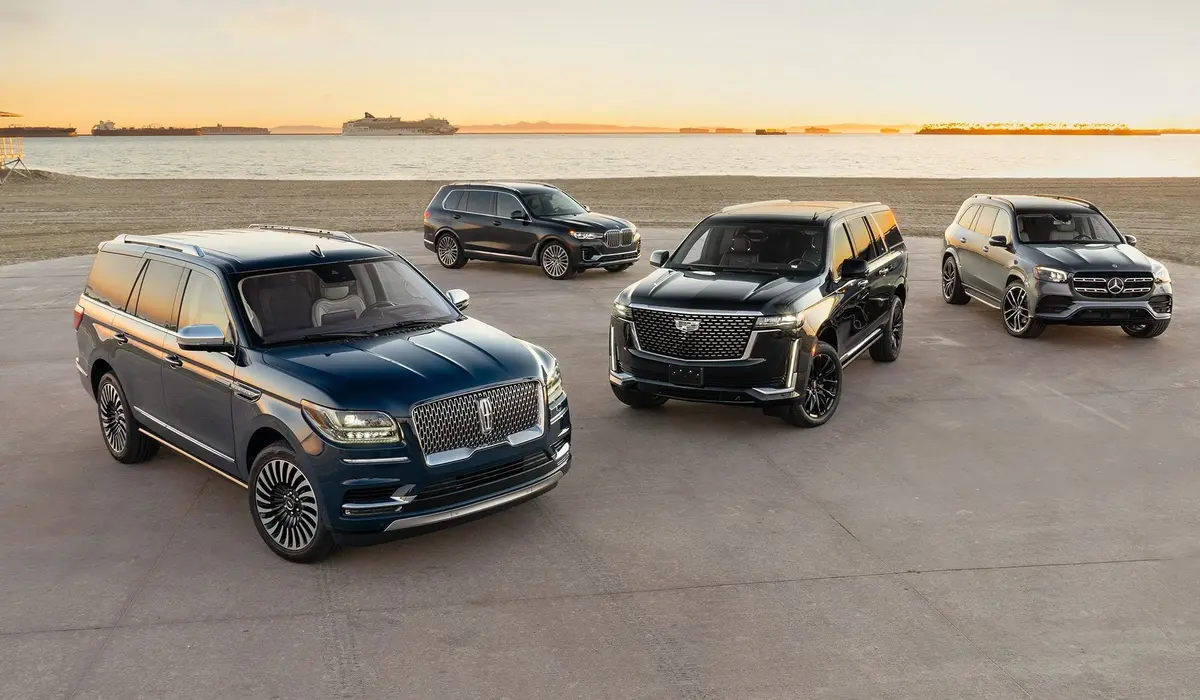
First things first, let’s talk about physical footprint because size alters how you navigate the world. Do you want something nimble for tight city parallel parking, or do you need a massive highway cruiser for family road trips?
Generally, the market divides itself into three main tiers: compact, midsize, and full-size. Getting this right saves you years of daily frustration.

Compact High-End Cruisers
These nimble vehicles are perfect if you mostly commute alone or with a partner and value agile handling over massive cargo space. They fit into tight urban spaces easily while offering the premium cabin materials you crave.
Midsize Balance
For most drivers, this is the sweet spot of the luxury SUV comparison framework. You get a commanding view of the road, plenty of legroom, and a cargo hold that can easily handle a massive weekend grocery run or luggage for a quick getaway.
Full-Size Powerhouses
If you have a big family or regularly tow a boat, full-size models are your go-to option. These vehicles are designed to feel like moving living rooms, usually offering three rows of seating and heavy-duty towing capacities.
Step 2 – Understanding Cabin Comfort and Tech
When you step inside a vehicle from any of the premium SUV brands, you should instantly feel a difference in material quality. We are talking about soft leather, real wood or carbon fiber accents, and absolute quiet when you close the door.
A great cabin acts as a mobile sanctuary that isolates you from noisy highway traffic and bumpy city streets. Look for adjustable seating that supports your back on long commutes.
Infotainment Screens and Sound Systems
In the top luxury SUVs 2026 lineup, dashboards are dominated by gorgeous high-definition display screens. However, do not just look at the screen size; make sure the software is responsive and easy to use while driving.
Systems that offer wireless smartphone connectivity and logical menus make daily life much easier. Premium audio systems with a high speaker count can transform your morning commute into a private concert.
Step 3 – Decoding Powertrains and Driving Performance
What moves you? The way an engine delivers power completely transforms how a vehicle feels when you merge onto a fast-moving highway.
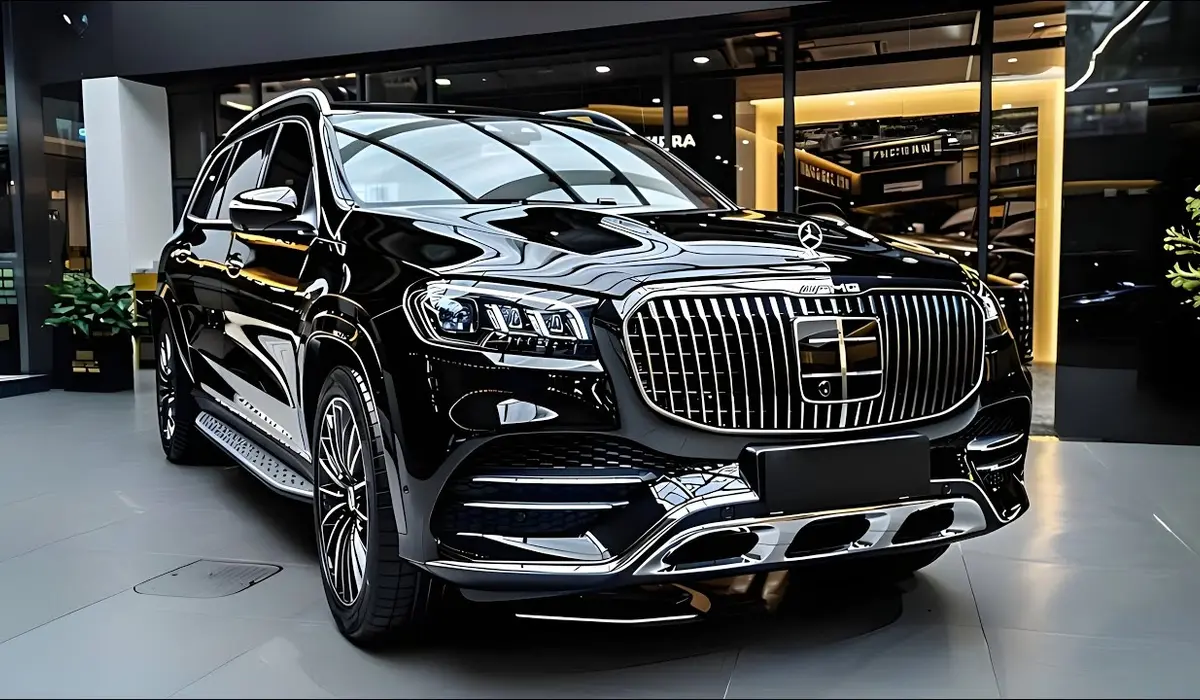
Today, your choices are wider than ever before, stretching from traditional gas engines to hybrid setups and whisper-quiet electric systems.
Traditional Combustion vs. Battery Power
Traditional gas engines from top manufacturers offer a familiar driving experience with immediate refueling stops. They generally provide crisp acceleration, especially when paired with turbochargers.
On the flip side, electric models give you instant torque, meaning the vehicle moves forward the millisecond you touch the pedal. Plus, charging at home means you never have to visit a gas station again.
Side-by-Side Luxury SUV Comparison
Let’s look at a quick snapshot of how different segments stack up against each other based on available market data. This table helps clarify which path fits your garage.
| Segment Category | Typical Seating | Average Cargo Space | Ideal Driving Environment |
| Compact Premium | 5 Passengers | 18 – 25 Cubic Feet | Tight Urban Streets & Commuting |
| Midsize Luxury | 5 to 7 Passengers | 30 – 45 Cubic Feet | Mixed Suburban & Highway Trips |
| Full-Size Elite | 7 to 8 Passengers | 70+ Cubic Feet (Seats Down) | Heavy Towing & Long Road Trips |
Step 4 – Safety Technology and Driver Assistance
You cannot talk about premium vehicles without focusing heavily on safety developments. The best models on the road act as a second pair of eyes, scanning for unexpected obstacles.
Smart driver aids have evolved way beyond simple cruise control to handle complex traffic scenarios with ease.
Active Collision Prevention
Modern radar and camera systems can detect pedestrians, cyclists, and stopping cars well before you do. Features like automatic emergency braking and blind-spot monitoring are standard inclusions you should always look for.
Highway Lane Keeping
Advanced systems from premium SUV brands help keep you centered in your lane and maintain a safe distance from the car ahead. This tech dramatically reduces fatigue during long, exhausting road trips.
Step 5 – Evaluating Long-Term Costs and Value Retainment
Let’s be completely real for a moment: buying the car is only the first step of the financial journey. You also need to think about what happens over the next few years of ownership.
Insurance premiums, specialized maintenance, and fuel costs vary wildly between different brands and models.
Warranty Coverage and Maintenance Programs
Some manufacturers include complimentary scheduled maintenance for the first few years, which saves you thousands of dollars. Always check the fine print on powertrain warranties before signing any paperwork.
Depreciation Realities
Vehicles do lose value over time, but some brands hold onto their worth much better than others. Doing a quick luxury SUV comparison of historical resale values can protect your wallet when it is time to trade up.
Smart Shopping Strategies for Premium Buyers
Now that you know what to look for, let’s look at how to approach the actual buying process without stress.
Our first list outlines the core inspection steps you should take the day you visit a dealership showroom.
-
Test drive on rough roads: Do not just stay on smooth highways; take the vehicle over potholes to check the suspension comfort.
-
Test the car seats: If you have kids, bring your actual car seats to the dealership to see how easily they click into place.
-
Check the cargo floor height: Make sure you can lift heavy items into the back without straining your back.
-
Interact with the screen: Try adjusting the climate controls via the touchscreen while keeping your eyes focused on the road ahead.
Our second list highlights the financial factors you should verify before finalizing your purchase contract.
-
Request an insurance quote: Call your insurance agent with the specific vehicle identification number to check your new monthly premium.
-
Verify fuel requirements: Confirm whether the engine requires premium unleaded gasoline or if standard fuel is acceptable.
-
Ask about software updates: Check if the infotainment system updates wirelessly over time or requires dealership visits.
-
Explore specialized platforms: Use consumer tools like PraviCeler to compare real-world market pricing data in your neighborhood.
Brand Spotlight – What Makes a Vehicle Special?
Every manufacturer brings a slightly different design philosophy to the table. Some focus entirely on track-ready performance, while others prioritize a plush, cloud-like ride quality.
When looking at the top luxury SUVs 2026 market, notice how European brands often emphasize stiff, athletic handling. Meanwhile, Asian luxury brands frequently lead the pack in terms of standard high-tech features and long-term reliability scores.
Finding your fit means deciding what matters most to you. Platforms like PraviCeler can help you compare these distinct brand traits side-by-side so you can see exactly where your money is going.
Conclusion
At the end of the day, using a luxury SUV guide is all about gaining the confidence to make a smart choice. The perfect vehicle is the one that makes you smile when you walk out to the driveway in the morning.
Take your time, test drive a few different models, and compare how they handle your daily routine. By focusing on space, technology, and real long-term costs, you are guaranteed to find one of the best luxury SUVs for your lifestyle.
Frequently Asked Questions
What is the single most important factor when choosing a luxury SUV?
The most important factor is matching the cabin size and seating capacity to your daily life. A vehicle that is too small causes constant packing frustration, while an oversized model can be difficult to park in tight city spaces.
Are electric luxury SUVs better than traditional gas models?
Electric models offer quieter cabins and instant acceleration, making them great for short daily trips. Gas models remain superior for long-distance driving where fast public charging stations are unavailable or inconvenient to use.
How do premium SUV brands handle ongoing vehicle maintenance?
Many premium brands offer complimentary maintenance for the first few years of ownership. After that period ends, specialized parts and high-end synthetic oils generally make these vehicles more expensive to maintain than standard mainstream brands.
Do modern safety features justify the higher price tag?
Yes, advanced safety features like radar braking and lane-keeping assistance protect your family and lower your stress. This cutting-edge technology also helps maintain the vehicle’s resale value when it is time to trade it in.