
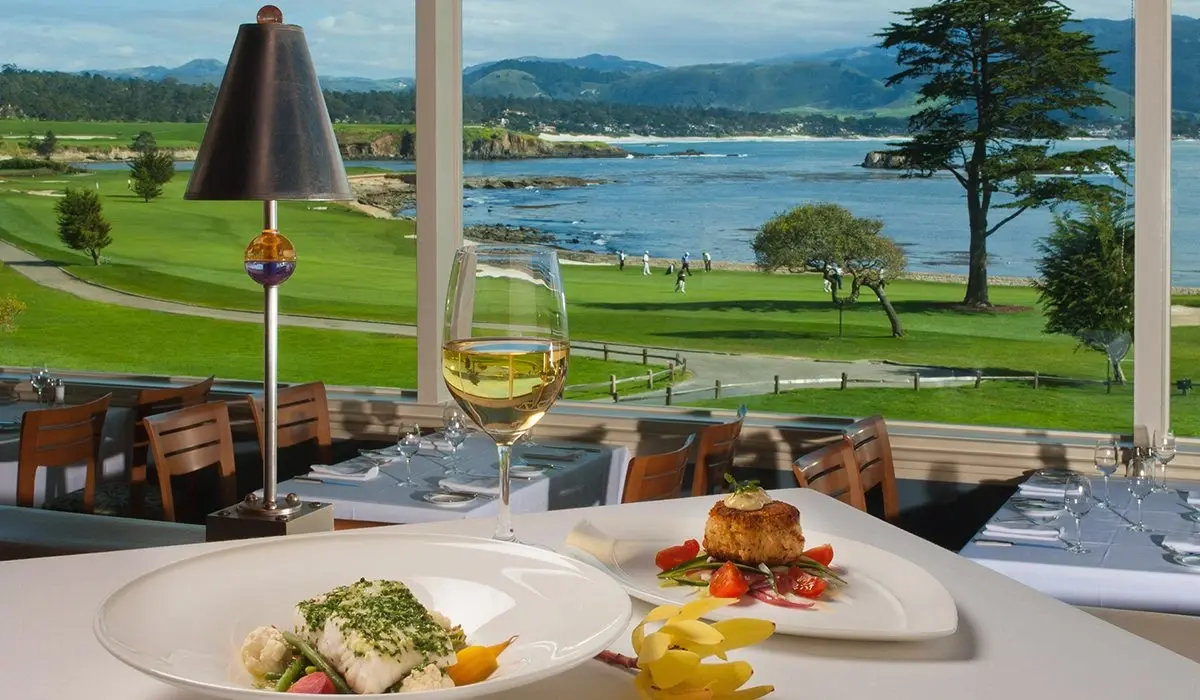
Key Takeaways
- Food tourism is driven by culture, not just sightseeing
- Great food cities combine street food and fine dining ecosystems
- Authentic dining is defined by local ingredients and traditions
- Hidden local spots often outperform tourist-heavy restaurants
- Travel experiences are becoming increasingly “food-first” and immersive
Some visitors interpret a trip purely as historical landmarks, sandy beaches, or high-rise buildings. But for a passionate and growing legion of globetrotters, the perfect itinerary is written from start to finish by the stomach to find the best food cities.
You are a part of the food tourism trend that is now happening all over the world, if you plan your entire trip around dinner reservations and morning trips to street markets.
Finding the absolute best food cities in the world involves looking beyond tourist traps; we are seeking places where culture and history intersect with mouthwatering ingredients (all on one plate).
Genuine food travel revolves around experiences that stay with you well after you finish your trip. There are magnificent places to eat in every corner of the globe, but only some cities provide a dining experience so extraordinary it warrants an airplane ticket.
These remarkable metropolises have turned cooking into an art, from generations-old open-air night markets to experimental Michelin-star laboratories, making them the best food cities for travelers.
At Pravi Celer, we think local flavours are the nearest thing to an insight into a new culture. Now, here are the world’s best food cities, which have taken it upon themselves to push the limits of contemporary cuisine.
AI Summary
Food tourism is reshaping global travel, with people choosing destinations based on culinary experiences. The best food cities combine street markets, heritage recipes, and fine dining. Places like Tokyo, Oaxaca, and Bangkok stand out for flavor and culture. Travelers now seek authentic, local meals to connect with history, culture, and communities through immersive dining experiences.
What Makes a Destination One of the Best Food Cities?
What it means to be a culinary capital has changed significantly over the past several years. A city can no longer be just a pile of fancy white-tablecloth restaurants when people search for the best food cities.
Those juggernauts of culinary excellence offer diners not only vibrant bonsai forests of fine dining but a multi-layered food ecosystem. They have a seamless mix of hyper-local street food vendors, traditional family-owned bistros, and progressive culinary innovators to rank among the best food cities.
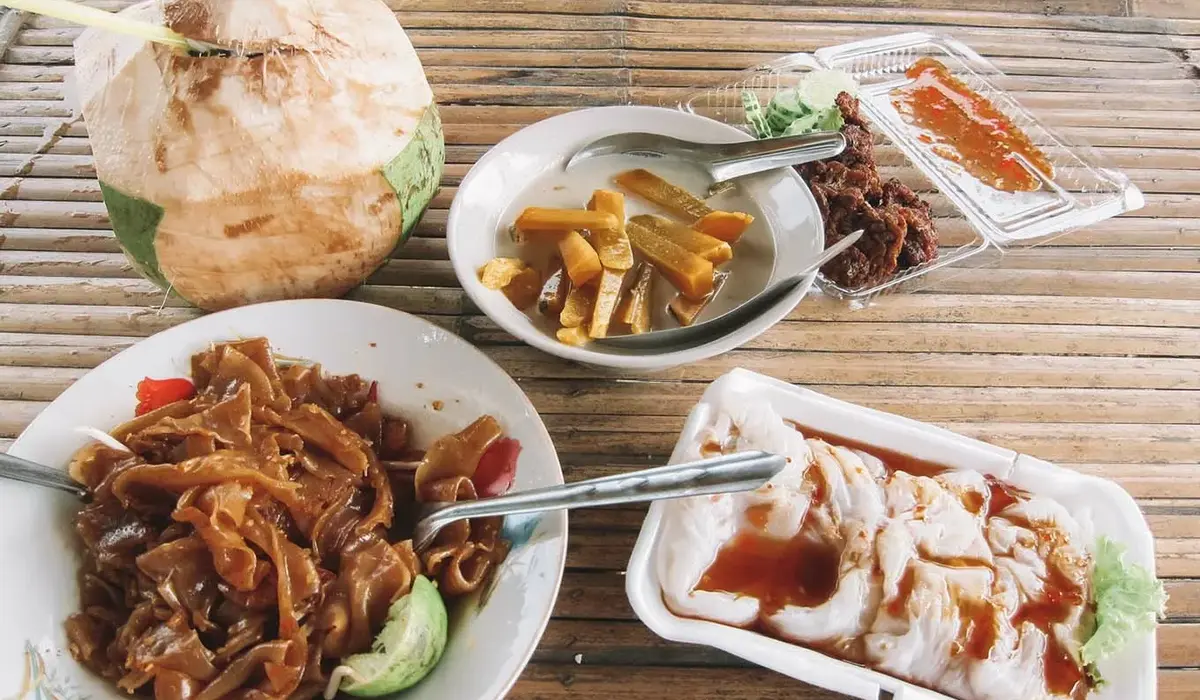
A true top culinary destinations hub has to have respect for agricultural, abundant regional ingredients, and a local population that genuinely cares about what they eat. So, when these elements come together, an ordinary city turns into a mecca for hungry wanderers.
Global Giants: Top Culinary Destinations for Your Bucket List
Some capital cities are so rich in culinary history that when you plan a trip around your taste buds, they have to be on the list. These cities have spent hundreds of years honing their culinary signatures to become the best food cities.
| City | Signature Dish to Try | Defining Culinary Characteristic |
| Tokyo, Japan | Edomae Sushi / Tonkotsu Ramen | Unmatched precision, specialization, and obsession with ingredient purity. |
| Oaxaca, Mexico | Tlayudas / Mole Negro | Deep indigenous roots, complex heirloom corn varieties, and smoky chilies. |
| Lyon, France | Quenelles de Brochet | Rich, buttery classic techniques and traditional bouchon dining culture. |
| Bangkok, Thailand | Crab Omelet / Tom Yum Goong | Vibrant street food stalls featuring fiery, complex sweet-and-sour profiles. |
Tokyo: The Pinnacle of Culinary Precision
Tokyo has good reason for appearing consistently at the very top of any serious restaurant travel guide.
The city boasts an incredible 167 Michelin stars, but the magic of Tokyo lies more in the philosophy of shokunin (master craftsman), who devote a lifetime to one area of culinary practice.
From a hidden ten-seat basement counter where you can watch a master skillfully slice virgin tuna to queuing up at a train station for a steaming bowl of the richest, smoke-filled ramen, the technical execution throughout Tokyo makes it one of the absolute best cities for food, unmatched anywhere on this planet.
Oaxaca: The Soul of Traditional Mexican Cuisine
If you are a traveler on the hunt for an authentically soul-kissed, historic connection to food, Oaxaca is among the very best cities for food in North America. The air in this high-elevation valley fills with the smell of roasted chilies, toasted cacao, and wood smoke.
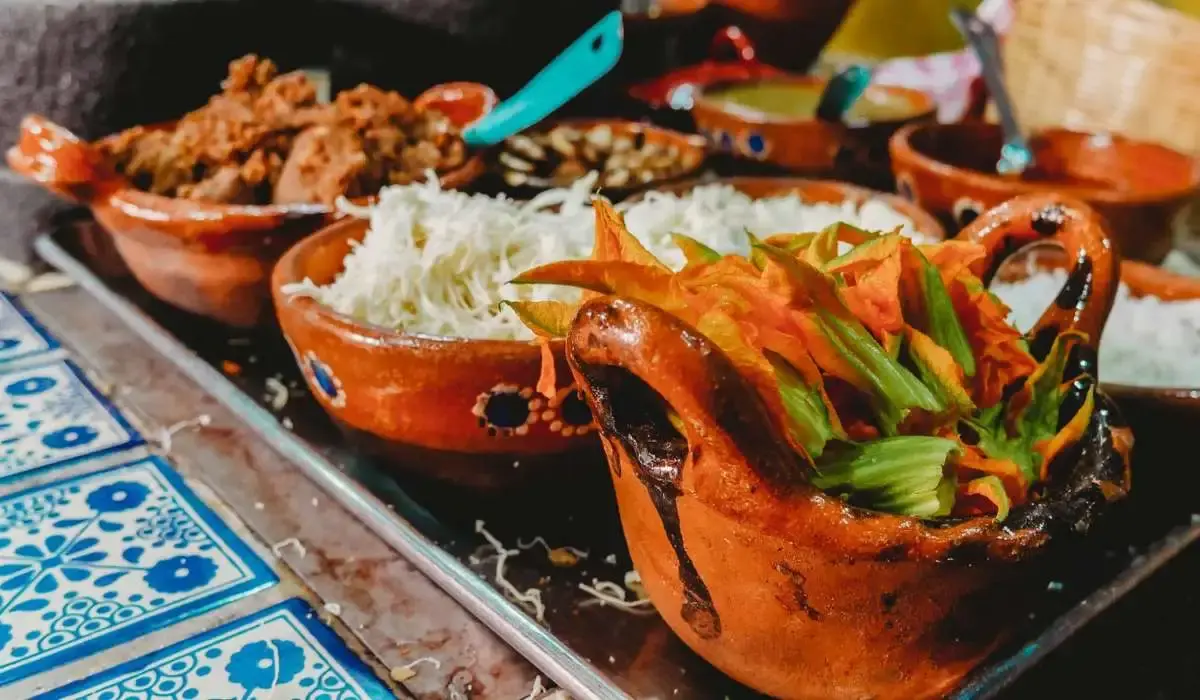
Famed for its seven types of mole, intricate sauces that take days to develop, rife with dozens of different elements each, Oaxaca is inarguably iconic as one of the best food cities.
Getting deep into the wide-mawed, kaleidoscopic Mercado 20 de Noviembre is like a high-style sensory overload and crash-course in primal cuisine.
The Rise of Food Tourism: Why We Travel to Eat
The contemporary traveler is tired of mere passive sightseeing expeditions. Food tourism is experiencing this meteoric growth because it signals a much deeper cultural change within travel, transitioning from passive consumption of man-made environments towards experience-based in-situ authenticity, where local food becomes the key to human historiography.
-
Cultural Preservation Through Cooking: Choosing to spend your travel budget at heritage food stalls directly protects historic, generational recipes from vanishing in our increasingly globalized world.
-
Economic Support for Local Communities: Dining at small, independent neighborhood markets ensures your travel currency directly supports regional farmers, local fishermen, and family-run urban businesses.
-
An Unfiltered Window into Daily Life: Sitting on a tiny plastic stool on a crowded, neon-lit sidewalk reveals far more about a city’s true heartbeat than standing in a sterile museum line ever could.
Hidden Gems: Emerging Capitals of Flavor
As the classic culinary capitals hold onto their rightful place at the top of world gastronomy, meanwhile, an array of exciting new destinations are enticing international food critics and more adventurous travellers.
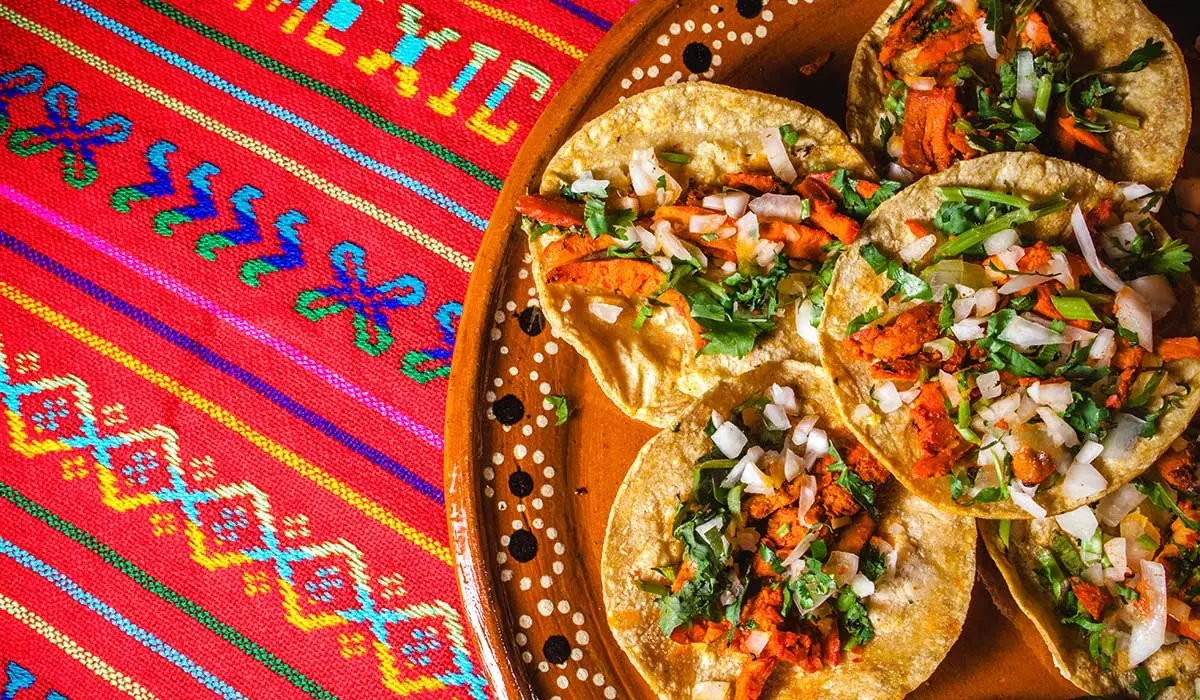
Lima: The Fusion Epicenter of South America
Lima has quickly turned into an extreme top culinary destination on the planet. The coastal capital is complemented by Peru’s astonishing range of biodiversity, from the cool upwelling Peruvian current straight onto the high Amazonian jungle.
So, pairing these native elements with over a century of Japanese and Chinese immigrant influences, local chefs have married them deftly to build one of the best cities for food.
The end product, a movement that creator Nobu Matsuhisa embraced as Nikkei cuisine (highlighted by bright and pure ceviches and seafood dishes), has become the shining star of international fine dining.
San Sebastián: The Basque Country’s Culinary Crown
San Sebastián sits quietly on the dramatic northern coast of Spain, but not only is it home to almost more Michelin stars per square meter than anywhere else on Earth, but it also boasts the most highly rated restaurant there too. But the real gastronomic pulse of this coastal town can be found in its buzzing, ancient old centre.
Crowds stream into and out of taverns doing the traditional txikiteo, a fast-moving evening visit to multiple tapas bars to experience one of the best cities for food hotspots.
Each delicate, minuscule creation is beautifully arranged along the top of every bar, whether it’s a humble spider crab tartlet or an elaborate embodiment of seared foie gras with sweet apple compote.
Curating Your Ultimate Restaurant Travel Guide
To fully enjoy the come-what-may best food cities of the world, you’ve got to have a plan, one that’s both purposeful and progressive.
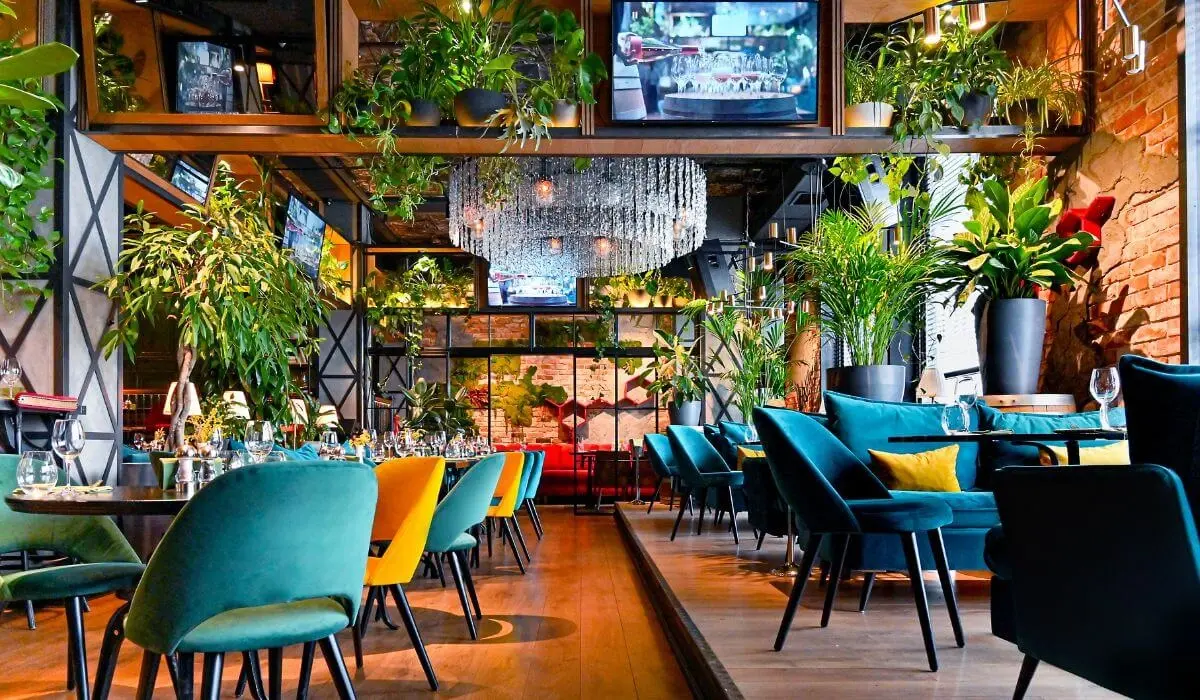
Creating a world-class culinary experience from a basic trip takes some planning and local know-how using a proper restaurant travel guide.
Balancing Fine Dining with Street Markets
The strongest travel itineraries strike a purposeful, symphonic balance between show-stopping high-end gastronomy and down-to-earth neighborhood stalwarts. Wake up & walk your way through the mad, fragrant streets of local wholesale fish and produce markets where some of the best raw materials are brought before being transformed into dishes by some of the most talented chefs.
For dinner, pivot for an artistic tasting menu that recasts those same traditional ingredients through a completely contemporary, experimental prism.
Doing Deep, Authenticity-Focused Research
If you want to find the places that deliver a truly transformative meal, then your search must go far beyond standardised crowdsourced tourist review platforms to find true top culinary destination spots.
Be cautiously aware of hyper-local food blogs, regional industry trade publications, and watch where locals are dining out for dinner. Real culinary treasures can rarely be found on noisy billboards; they are hidden away in back alleys and labeled only with small handwritten signs.
The Pravi Celer Philosophy on Culinary Exploration
We want you to explore what matters in between and get close to everyone here at Pravi Celer. A city centre is arguably the truest, rawest, and most expressive language of its food culture.
You can find the best cities for food in our lifestyle insights, and if that armed with a couple of top 10 lists sounds like your humble brag holes on Instagram, you are picking a style of travel devoted to the bridges we build between human creativity, geographic heritage, and community craftsmanship.
Practical Tips for Your Next Gastronomic Adventure
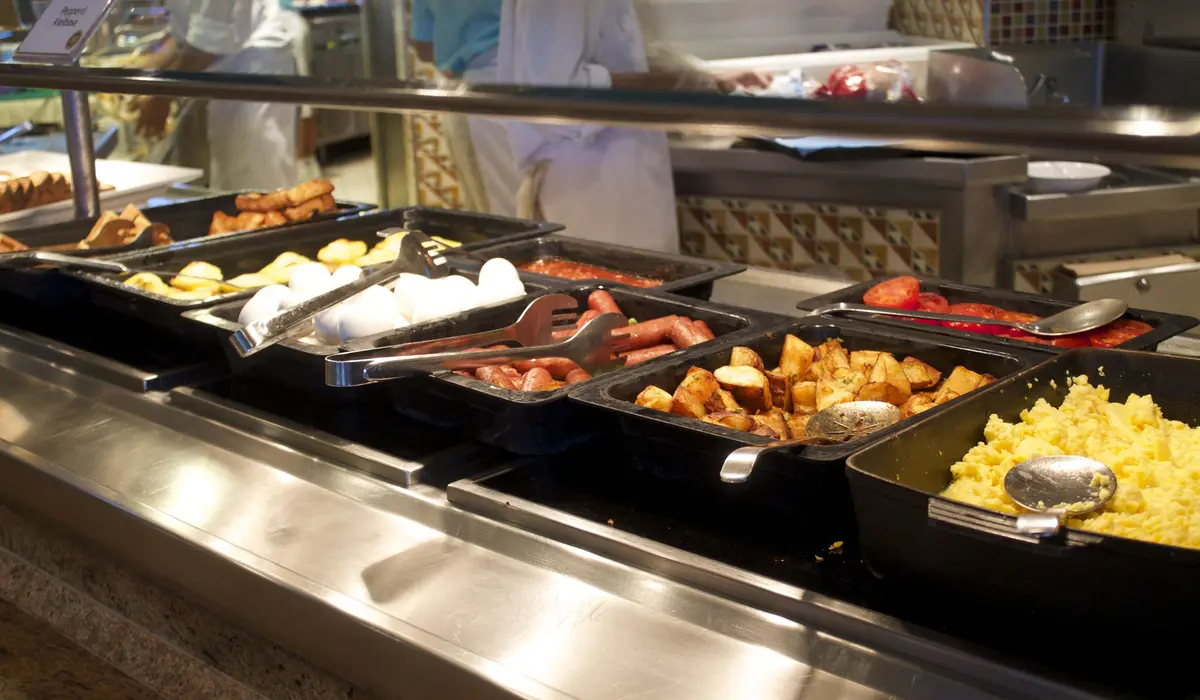
Calculating for success, food tourism involves knowing how everything works in practice if you eat out with locals. A little preparation can assist you with getting your foot in the door of a prestigious institution.
-
Reserve Key Tables in Advance: Many of the world’s best restaurants have online booking windows that open up to ninety days before your meal, necessitating early calendar coordination.
-
Cash for Street Food Vendors: Even with modern electronic payment methods in major cities, historic neighborhood market stalls often only operate on cash.
-
Be Realistic About Local Dining Times: Be prepared to eat at very Spanish times, famished 10 PM dinners, or markets stocked with breakfast foods in Southeast Asia open early in the morning.
-
Develop Culinary Language Skills: Learn a few essential local concepts and very basic regional words related to key ingredients and/or cooking techniques, so you can read traditional non-English menus easily using your restaurant travel guide.
Conclusion
Traveling the world in search of the best food cities you can possibly imagine is one of the most rewarding ways to experience more of our world. When the focus is local food culture, your travel turns into a mosaic of colorful tastes, stories of continental history, and authentic human connections.
From a mesmerizing mole negro at an organized chaos-style market in Oaxaca to exquisitely pristine sushi in Tokyo, these are the legend-level eats that stay on your taste buds forever.
Use Pravi Celer as your best friend to reveal the world’s best flavours, and make the next trip a feast for food tourism lovers around the planet.
Frequently Asked Questions
What officially qualifies a city as one of the best food cities?
One of the hallmarks we expect from a top-tier food city is relative diversity, which translates to an array of affordable street food markets that double as high-end fine dining venues. What you need is a local food culture driven by culinary passion, unparalleled regional identity, and easy access to local farm-fresh, high-quality local ingredients.
Why is food tourism becoming so popular globally?
Food tourism has exploded in popularity because modern tourists prefer experiential travel over the traditional approach of sightseeing. Sampling local fare offers an instant, unmediated glimpse into that destination’s history, geography, and social customs.
How do I find authentic top culinary destinations without falling into tourist traps?
To avoid going anywhere touristy when searching for top culinary destinations, try to find whatever is packed with locals and not so much foreigners. Read local food blogs, ask neighborhood hospitality workers where they personally eat, and go to neighborhood markets that are located deep within the tourist zones.
Is it necessary to visit expensive restaurants to experience the best cities for food?
Absolutely not to experience the best cities for food. Some of the most iconic, culturally important meals on the planet are at pint-sized street food stalls, ancient night markets, and casual family-run spots that are a tiny fraction of the cost of any fine dining restaurant.
