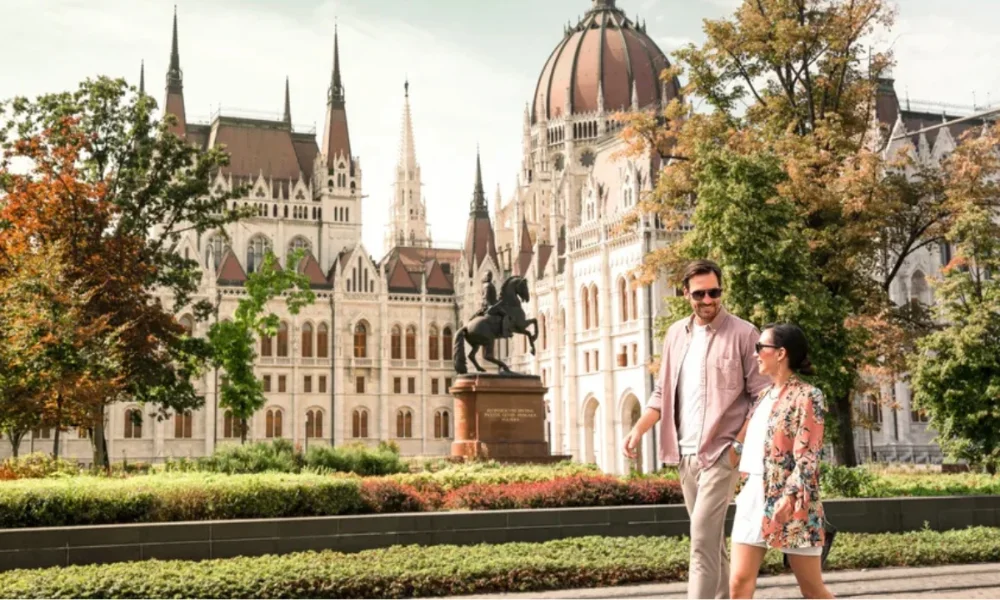
Luxury travel feels deeper when culture leads the way. Beautiful hotels matter. Fine dining matters. Yet real meaning comes from place and story. That is why cultural luxury travel continues to rise among travelers who want more than comfort. They want connection.
Florence, Kyoto, Marrakech, Jaipur, and Istanbul represent the heart of heritage-led luxury. Each city offers centuries of history wrapped in refined hospitality.
Art, architecture, food, and tradition shape every moment. Together, these destinations redefine what it means to travel in style.
Why Cultural Luxury Travel Is Growing in Popularity
Travelers no longer chase destinations alone. They chase experience. Cultural luxury travel combines depth with comfort. It allows visitors to explore history without sacrificing ease.
Private guides unlock hidden stories. Historical hotels preserve character while offering modern amenities. Luxury art tours create access that ordinary travel cannot.
This balance appeals to travelers who value meaning, privacy, and authenticity.
Florence: Renaissance Art and Timeless Elegance
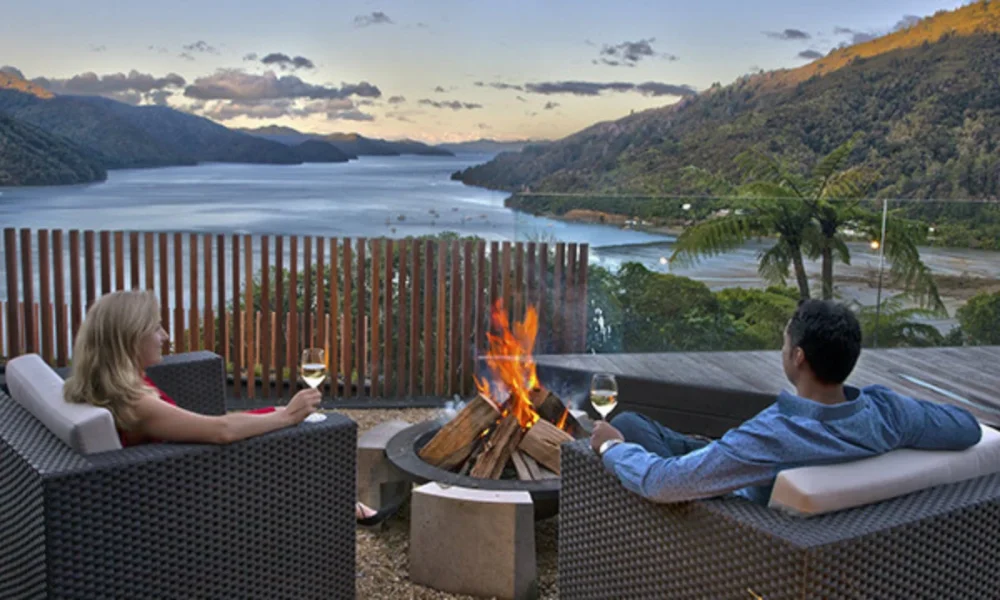
Florence stands as a living museum. Art, architecture, and intellect define the city’s identity.
Luxury here feels understated. Historic palazzos transform into refined hotels overlooking the Arno. Interiors blend frescoed ceilings with modern design.
Art remains the centerpiece. Private museum access allows visitors to explore masterpieces without crowds. Luxury art tours bring Renaissance history to life through expert storytelling.
Dining adds to the experience. Tuscan cuisine focuses on simplicity and quality. Wine tastings in nearby vineyards deepen the cultural connection.
Florence shows how cultural luxury travel can feel intellectual and intimate.
Kyoto: Tradition, Ritual, and Refined Calm
Kyoto represents Japan’s spiritual heart. The city moves at a gentler pace.
Luxury here centers on ritual. Staying in Kyoto ryokans offers immersion in tradition. Tatami rooms, garden views, and kaiseki dining create serenity.
Heritage sites fill the landscape. Temples, shrines, and bamboo forests invite reflection. Private cultural experiences provide access to tea ceremonies and calligraphy sessions.
Food feels like art. Fine dining in Kyoto respects seasonality and precision.
Kyoto defines cultural luxury travel through calm, discipline, and beauty.
Marrakech: Color, Craft, and Arabian Opulence
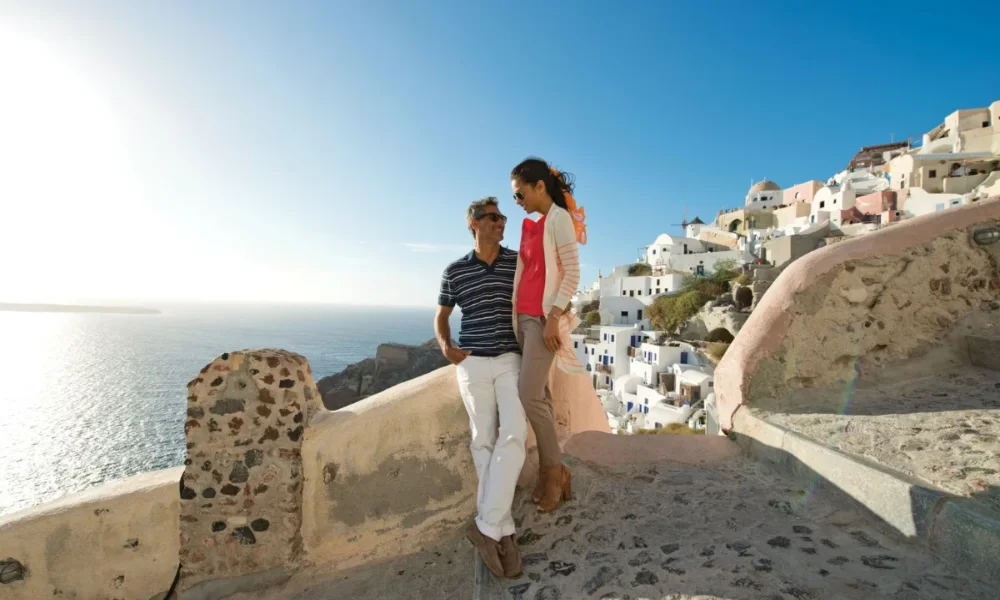
Marrakech awakens the senses. The city feels alive with movement, sound, and color.
Luxury hotels often hide behind ancient walls. Riads feature courtyards, fountains, and handcrafted tilework. These historical hotels offer privacy and elegance.
Heritage sites reveal layers of history. Palaces, mosques, and souks tell stories of trade and craftsmanship. Private guides navigate hidden corners with ease.
Dining celebrates spice and tradition. Rooftop meals under lantern light create unforgettable moments.
Marrakech transforms cultural luxury travel into a sensory journey.
Jaipur: Royal Heritage and Living History
Jaipur stands as India’s royal gateway. Palaces dominate the skyline.
Luxury here feels regal. Former palaces now serve as historical hotels. Guests live within centuries-old architecture without losing modern comfort.
Heritage sites remain central. Forts and temples showcase artistry and power. Luxury art tours explore craftsmanship passed through generations.
Textiles, jewelry, and handicrafts define Jaipur’s culture. Private shopping experiences connect travelers with master artisans.
Jaipur embodies cultural luxury travel through grandeur and tradition.
Istanbul: Where Civilizations Converge
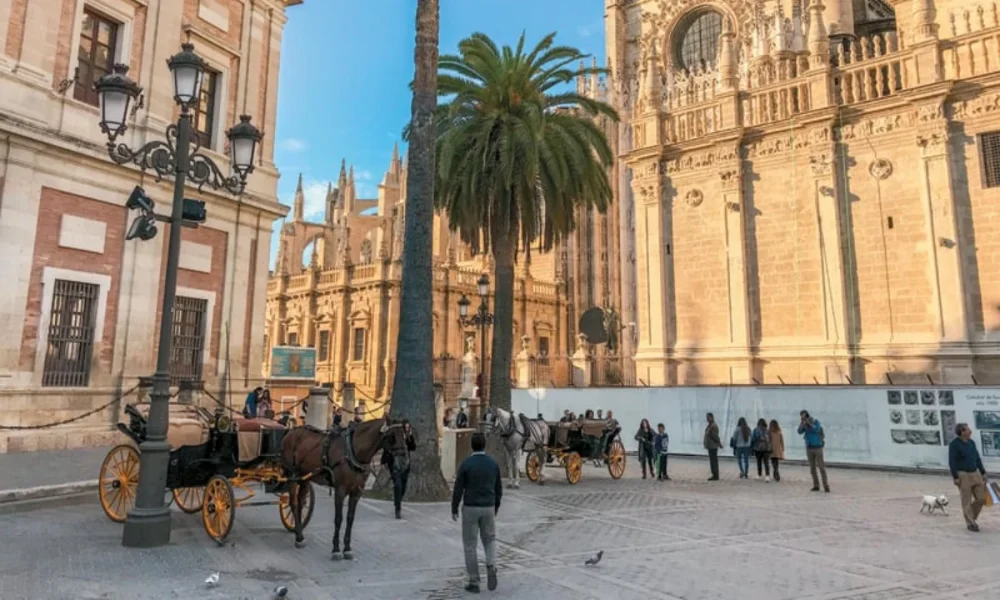
Istanbul exists between worlds. East meets West in every street.
Luxury hotels occupy Ottoman-era buildings overlooking the Bosphorus. Design blends historical charm with contemporary elegance.
Heritage sites shape the city’s soul. Mosques, palaces, and bazaars reflect layers of empire. Private tours provide insight into Byzantine and Ottoman legacies.
Cuisine bridges cultures. Fine dining reimagines Turkish classics with modern flair.
Istanbul offers cultural luxury travel defined by contrast and complexity.
Staying in Historical Hotels
Accommodation plays a central role in cultural luxury travel. Historical hotels allow travelers to live inside history rather than observe it.
Palaces, riads, and heritage inns preserve architectural details. Modern amenities ensure comfort.
These stays deepen emotional connection to each destination.
Luxury Art Tours and Cultural Access
Access separates luxury travel from standard travel. Private museum visits, curator-led tours, and behind-the-scenes experiences elevate journeys.
Luxury art tours transform sightseeing into storytelling. Travelers gain context, meaning, and exclusivity.
This approach turns cultural exploration into lasting memory.
Planning the Perfect Cultural Luxury Itinerary
Balance remains key. Allow time for reflection. Avoid rushing between landmarks.
Private guides create fluid experiences. Personalized schedules respect energy and interest.
Each destination deserves space to unfold naturally.
Best Time for Cultural Luxury Travel
Timing enhances comfort. Spring and autumn often provide ideal weather.
Festivals add richness but require planning. Off-peak travel increases privacy.
Luxury feels best when surroundings remain calm.
Sustainability and Cultural Preservation
Responsible luxury supports preservation. Many heritage hotels invest in restoration and community engagement.
Cultural luxury travel thrives when traditions remain protected.
Mindful travel ensures future generations experience the same richness.
Frequently Asked Questions
What defines cultural luxury travel
It blends heritage exploration with high-end comfort and exclusive access.
Are historical hotels comfortable
Yes. They preserve character while offering modern amenities.
Is cultural luxury travel suitable for first-time travelers
Absolutely. Private guides simplify navigation and enhance understanding.
Which destination offers the most art experiences
Florence and Kyoto lead in structured luxury art tours.
How long should a cultural luxury trip last
Two to three weeks allows deeper immersion across multiple cities.
Final Thoughts
Luxury reaches its highest form when culture leads the experience. Cultural luxury travel offers depth, beauty, and meaning without compromise.
Florence, Kyoto, Marrakech, Jaipur, and Istanbul stand as living testaments to history and refinement. These destinations prove that the richest journeys are those that honor the past while embracing the present.