Rarity is the purest measure of all. Luxury can be bought, and it can be copied; rarity cannot. A thing is rare when it cannot be remade, reordered or repeated — when the maker is gone, the material is exhausted, the year has passed, or only one was ever made.
This list gathers forty such things, from machines and houses to watches, wines and objects of lasting craft, chosen not for their price tags but for how few of them exist in the world, and how hard they are to reach.
How this list was chosen. Each entry was weighed against four tests: how few exist, and whether more can ever be made; provenance, the maker, place or history attached to it; access, how hard it is to obtain, enter or even see; and endurance, whether it will still matter in twenty years. Nothing here qualifies on novelty alone, and nothing here can simply be ordered again.
I. Rarest Machines
1. A One-of-One Hypercar
A one-of-one hypercar is the rarest thing on four wheels. It is a single car, built to one client’s brief, with no twin anywhere on earth.
The bodywork is shaped once, and the interior is trimmed to one set of measurements. The engineering is signed off for a car that will never be repeated.
It cannot be bought second-hand in the ordinary sense. There is no market for a population of one. There is only a conversation, a negotiation, and a price that is never published.
2. The Rarest Classic Car
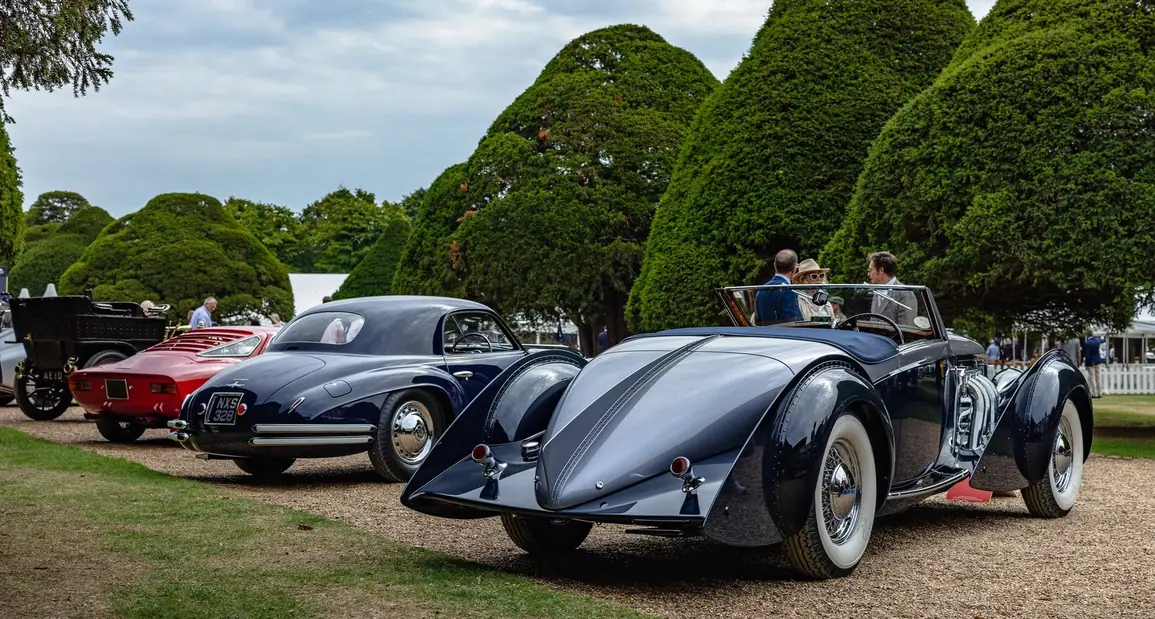
Some classic cars survive in single figures. Only a handful were built, and most were lost to war, racing, or neglect. Just one or two remain, each with a paper trail of owners stretching back nearly a century.
Their value rests on that survival: matching numbers, original coachwork, and a history that can be proved document by document. To own one is to become a custodian. The car will outlast its owner and must be handed on intact.
3. A Prototype of a Lost Marque
Every lost carmaker left behind a prototype or two. These were cars built to test an idea, shown once at a motor show, and then filed away when the company folded.
They were never meant for sale. As a result, they have no price list, brochure, or spare parts. The few that survive sit in museums or private collections. Many are the only running examples of marques that no longer exist. They are the only proof that their engineers ever built what they dreamed.
4. The Rarest Private Aircraft

The rarest private aircraft are not necessarily the newest or the fastest. They are the ones built in tiny numbers for a single purpose. These might include a long-range jet of which only a handful were completed, or a turboprop converted once and never again.
They are flown by a small circle of owners and maintained by specialists who know each airframe by its serial number. Chartering one is rarely possible because the few that exist are almost always in private hands.
5. An Experimental Yacht

Most superyachts follow a proven formula. A few do not. An experimental yacht carries a hull form, sail plan, or propulsion system that has been tried only once. Examples include a trimaran superyacht, a fully electric explorer, or a sailing yacht with a rig no one else dared to build.
If the experiment works, it becomes a footnote in naval architecture. If it fails, the yacht is refitted into something more ordinary. Either way, the original design survives in only one example.
6. The Rarest Motorcycle
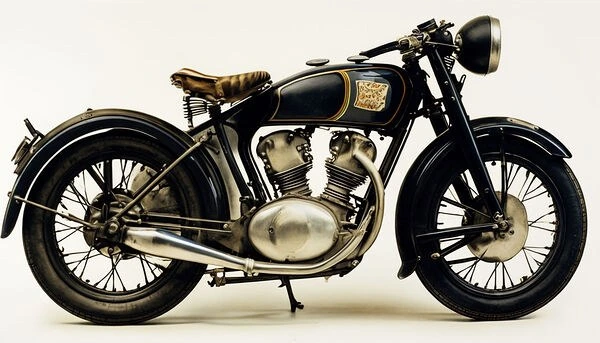
Motorcycles were built to be ridden hard and discarded, which is why the rarest examples are so scarce. These include a pre-war racing machine, a hand-built grand tourer of which only a dozen left the factory, or a prototype that never reached production.
Each survivor is a small miracle of preservation. They are kept running by a network of restorers who remake parts by hand because no catalogue has stocked them for decades.
7. A One-Off Concept Car
A concept car is a manufacturer’s sketch brought to life. It is built for one motor show and then usually destroyed or locked away in a warehouse.
The few that escape are bought by collectors, gifted to museums, or simply forgotten. They become the only physical evidence of a design direction that was never taken.
They cannot be registered for road use and have no manual. Their value lies entirely in being the sole surviving example of an idea.
II. Rarest Homes & Places
8. A Private Island Almost Never Visited
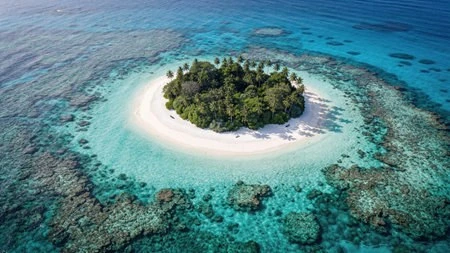
Most private islands are resorts with a booking page. A few are not for sale at any price. They have been family-owned for generations and are visited perhaps once a year. There is no jetty, no airstrip, and no staff beyond a caretaker.
They appear on no tourist map and accept no guests. Their rarity is not the island itself. The sea is full of islands. It is the fact that almost no living person has ever walked on one, and almost no one ever will.
9. The Rarest Hotel Suite

The most exclusive suite in a grand hotel is never quite like the others. It may be the room where a head of state once slept, the apartment on the top floor with a private terrace, or the suite sold only by telephone to guests the hotel already knows.
It is booked years ahead by people who return to it for decades. Staying there is less a reservation than an inheritance of a habit.
10. An Inaccessible Retreat
Some retreats are rare because they are difficult to reach. They may include a lodge at the end of a three-day journey, a desert camp supplied by a single track, or a mountain refuge open for only a few weeks each year.
There are no roads, no signs, and no second option if the weather turns. The journey itself is the filter. Only those willing to travel that far and wait that long ever arrive. That is precisely why the place remains as it is.
11. A Historic Residence Never Sold
A house that has never been sold is rarer than one that has fetched a record price. It has been passed down within one family for centuries. It has never appeared on the market, been photographed for a brochure, or been valued by an agent.
Its rooms hold the same furniture, portraits, and papers they did a hundred years ago. It is not an asset but a continuous occupation. It cannot be bought because it is not for sale.
12. A Remote Lodge
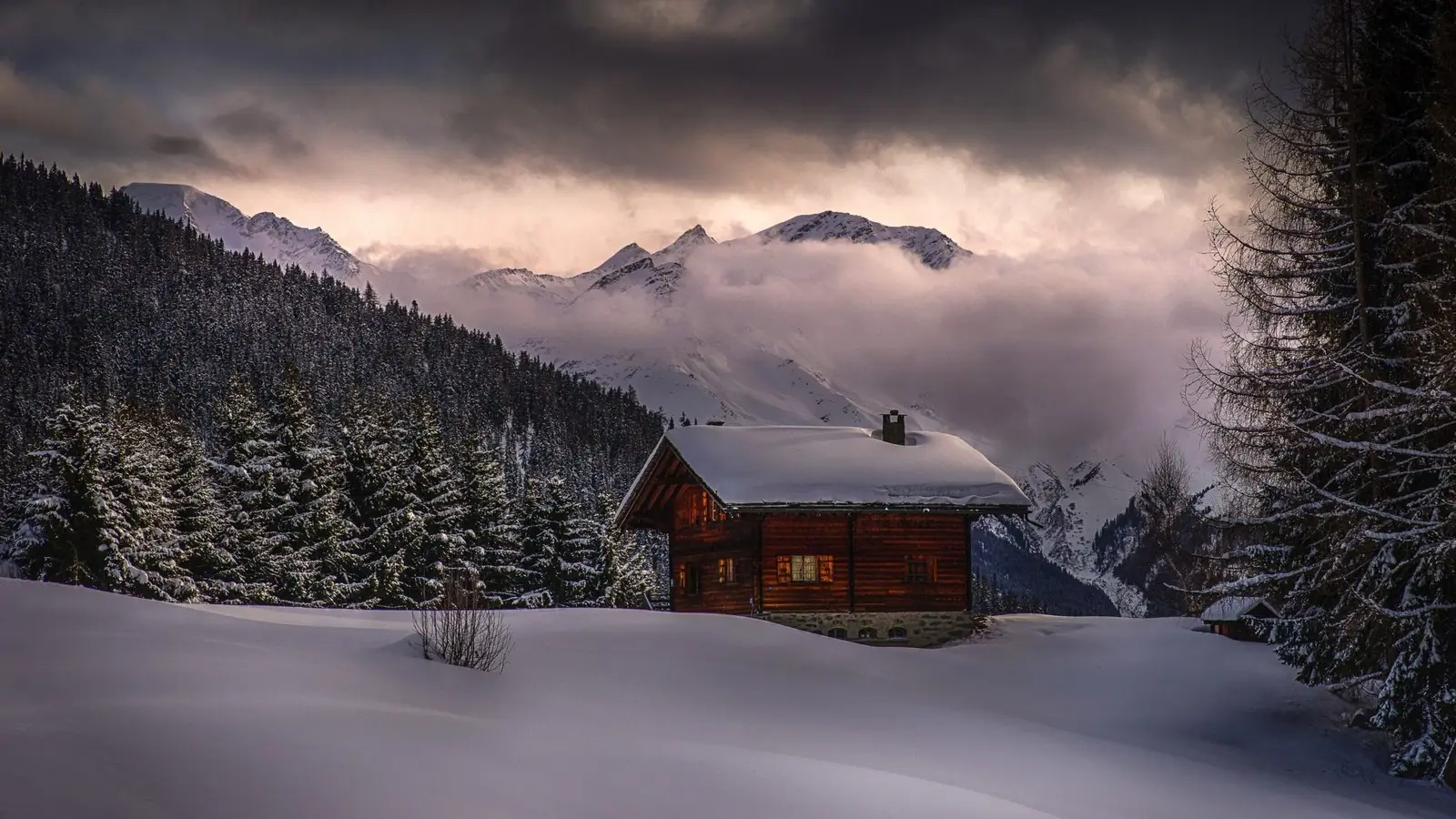
A remote lodge earns its place by distance. It stands where the road ends, supplied by boat or by air, with a handful of rooms and a staff that lives on site for the season. The landscape around it is the point: a valley, a coastline or a forest that no one else has built in.
There are only a few such lodges left in the world, because the places remote enough to hold one are also the places hardest to reach, supply and keep.
13. A Last-of-Its-Kind Address
Some addresses are rare because their kind is nearly gone: the last townhouse on a square that was never divided, the last villa on a coastline now built over, the last apartment in a building that was never converted.
The street around it has changed, the neighbours have been rebuilt, and the address remains as it was a survivor of a city that no longer exists in that form. Its rarity is measured in what surrounds it, and in what did not survive.
III. Rarest Timepieces & Jewels
14. A One-of-One Watch
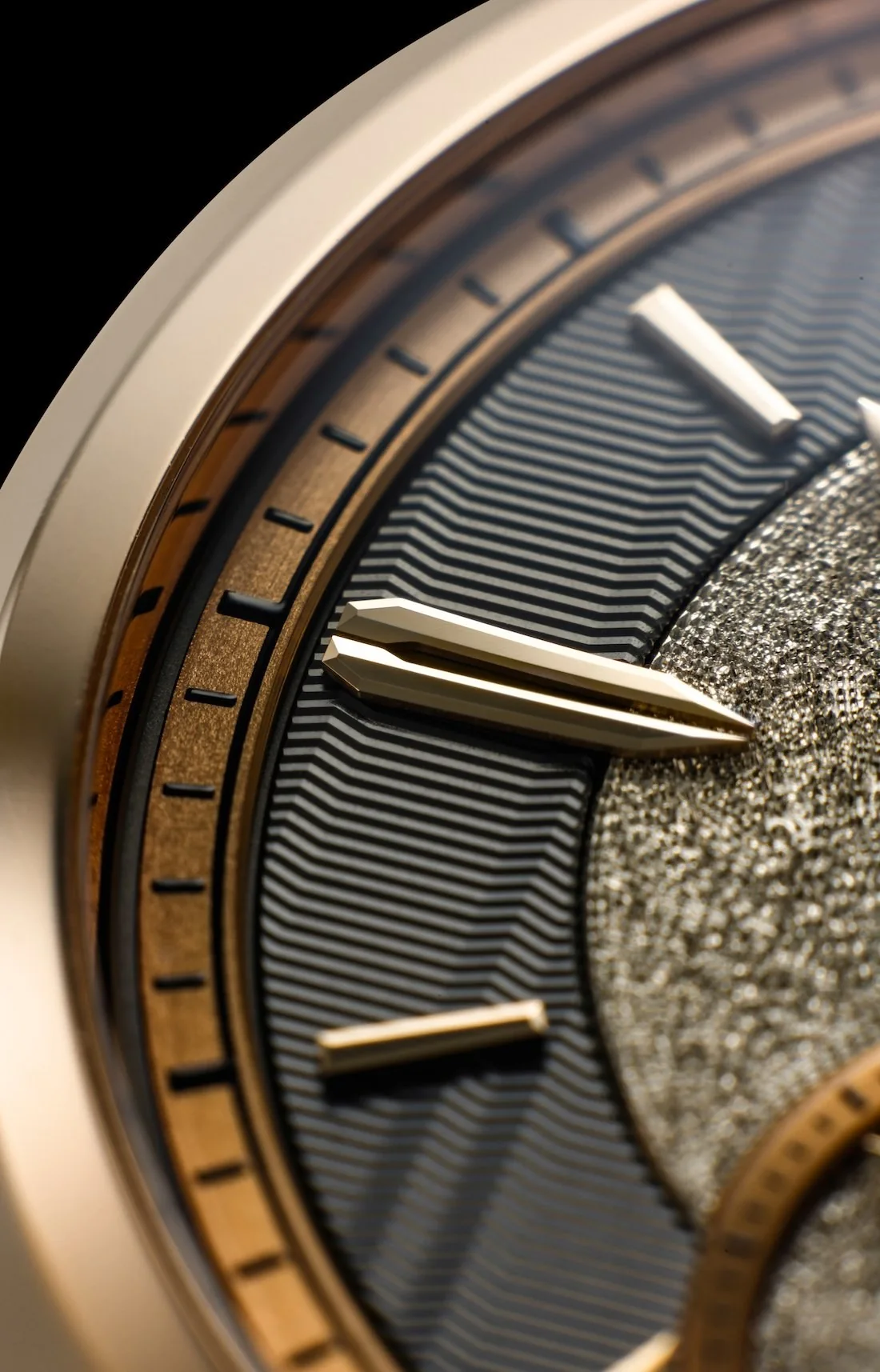
A one-of-one watch is commissioned, not collected. A client asks a watchmaker for a single piece a unique dial, a unique complication, a case metal no other watch in the line will use and the workshop builds it once and then closes the file.
It will never appear in a catalogue, never be photographed for an advertisement, and never be made again. Its rarity is absolute: one exists, and one ever will.
15. The Rarest Gemstone
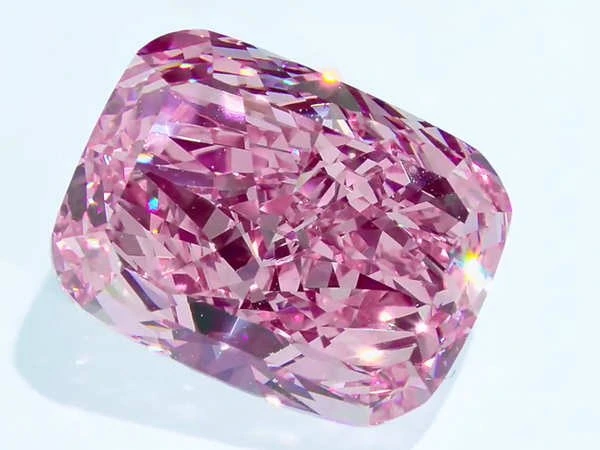
The rarest gemstones come from a single deposit that has run out. A mine that produced a particular colour for a few years and then closed leaves behind a finite population of stones, counted in the hundreds or fewer, and no more will ever be found. Each stone is graded, certified and tracked, because once it is cut and set, it cannot be replaced. Its colour is the signature of a place that no longer produces.
16. A Lost Piece of Jewellery
Some jewellery is rare because it was lost. A tiara dismantled for its stones, a necklace sold off piece by piece, a brooch last photographed a century ago and never seen since; the piece exists now only in portraits and inventories.
Collectors still search for the stones, and auction houses still check each new arrival against the old descriptions, because a single stone from a lost piece would be instantly recognisable to those who know what to look for.
17. A Prototype Complication
Watchmakers build prototypes to test an idea: a new escapement, a new calendar, a new way of showing the time. Most prototypes are dismantled once the test is done, and the idea is either adopted or abandoned.
The rare few that survive kept in the maker’s own archive, or smuggled out by a watchmaker who could not bear to see them broken up are the only physical record of a mechanism that never entered production.
18. The Rarest Diamond Colour
Most diamonds are white; a few are yellow or brown. The rarest colours a true red, a vivid blue, a pure pink of a particular saturation occur in a tiny fraction of all stones mined, and only a handful of examples of gem quality have ever been found.
They are sold so rarely that each sale is news, and the stones themselves are known by name among dealers, passed between a small circle of collectors who know exactly how many exist.
19. A Historic Vintage Watch
A historic vintage watch is rare because its history can be proved. It was worn by someone, issued to a service, or made in a short production run that ended decades ago, and its papers, its serial number and its condition all line up.
The market for such watches is policed by a small circle of dealers and auctions that specialise in vintage watches, because a watch with a real story is worth many times more than the same model without one and fakes are everywhere.
20. A Museum-Grade Jewel
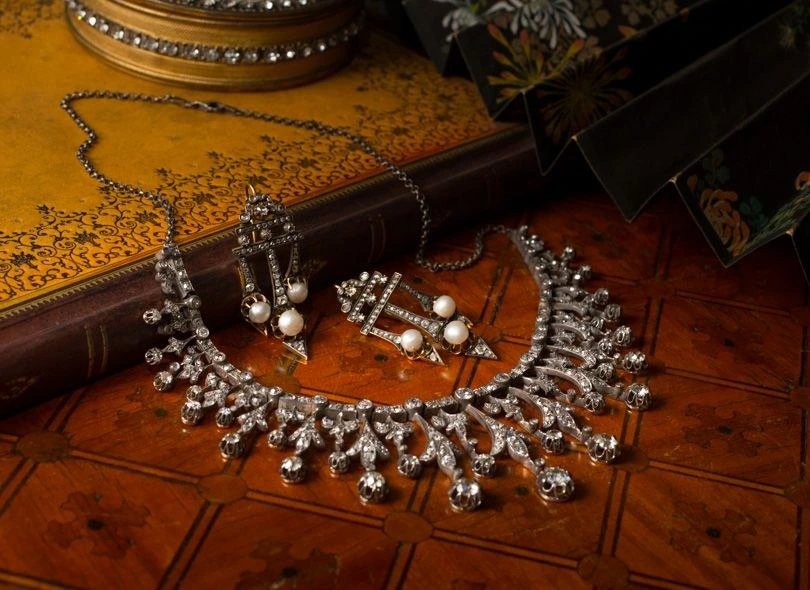
A museum-grade jewel is one that no longer belongs in a jewellery box. It is too important, too fragile or too well documented to be worn, and it lives in a vault or a display case, taken out only for exhibitions.
Such pieces are rarely sold when they are, it is usually once in a generation, and the buyer is as likely to be a museum as a private collector. To own one is to hold it in trust for the public record.
IV. Rarest Table & Cellar
21. The Rarest Whisky

The rarest whiskies come from distilleries that have closed, or from a single cask that survived when all its neighbours were lost. A few dozen bottles may exist in the world, and each time one is opened, the total falls by one.
They are tracked by collectors, argued over by experts, and sold through the most expensive whiskies ever sold at auction — because a closed distillery can never make another drop, and the last bottles are the last of their kind.
22. A Lost-Vintage Wine
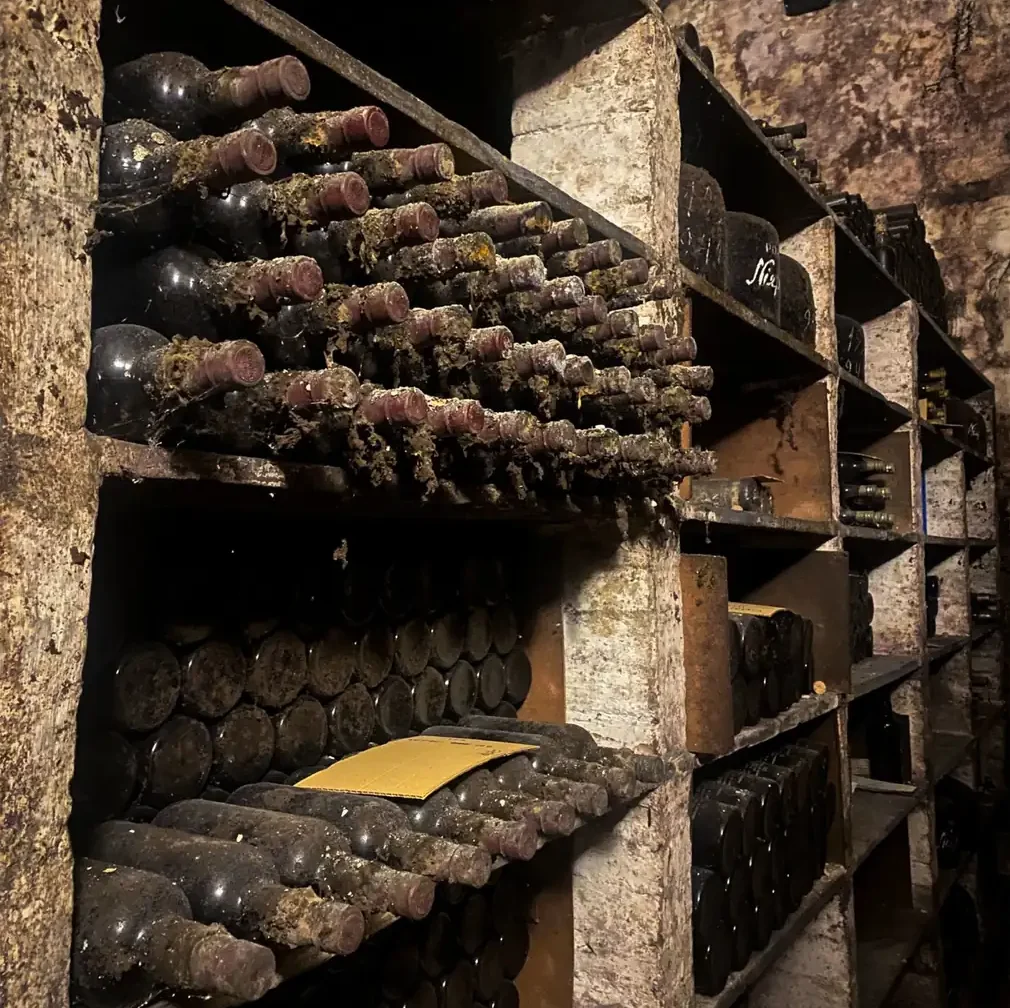
A lost vintage is a year that cannot be repeated: a harvest shaped by weather that will not come again, from vines that have since been replanted or grubbed up. The bottles that remain are counted in the dozens, and most of them are already drunk.
What survives is usually in a single cellar, sold once, and then gone. Its rarity is the vintage itself a year, bottled, that will never happen twice.
23. The Rarest Champagne

The rarest champagnes are not the famous names but the smallest productions: a single vineyard, a single vintage, a few hundred bottles disgorged once and never again.
They are made by houses that measure production in the hundreds, not the millions, and they are allocated to a short list of buyers before the wine is even released. By the time the rest of the world hears the name, the vintage is already gone.
24. An Extinct Ingredient
Some ingredients no longer exist. A variety of fruit that was never replanted, a spice from a valley that was flooded, a breed of oyster from a bed that was fished out the dishes that used them can be described, but they can never be cooked again.
Chefs keep the recipes as history, not as menus, and the few who tasted the original are the only witnesses to a flavour that has vanished from the world.
25. A Single-Barrel Bottling
A single-barrel bottling is the smallest possible production: one barrel, filled on one day, emptied on one day, and bottled without blending.
The number of bottles is whatever the barrel held no more, and no less and once they are sold, the whisky, rum or brandy inside is gone forever. Connoisseurs chase them because no two barrels taste alike, and the barrel they loved will never be filled again.
26. An Unrepeatable Vintage
An unrepeatable vintage is a year in which everything aligned once: the weather, the yield, the hands that made it. The wine or spirit that resulted is remembered as a benchmark, and every later vintage is measured against it and found wanting.
The bottles that remain are kept, not drunk, because opening one ends something that cannot be replaced. Its rarity is not the bottle — it is the year inside it.
V. Rarest Experiences
27. The Rarest Journey
The rarest journey is one that almost no one has taken: a crossing of a place with no road, a voyage to an island with no harbour, a route that opens for a few weeks a year and then closes again.
It requires permits, guides, patience and luck, and it cannot be booked with a card and a date. Those who have made it are counted in the dozens, and each of them remembers the journey as the hardest and the most rewarding they have ever taken.
28. A Near-Impossible Expedition

A near-impossible expedition is one that the authorities barely allow: a trek through a closed region, a climb on a mountain that issues only a handful of permits a year, a scientific voyage to waters no tourist vessel may enter. The paperwork alone takes months, and the journey itself takes weeks. The people who complete it join a small fellowship, bound by the shared knowledge of a place that almost no one else has seen.
29. A Last-of-Its-Kind Event
Some events happen for the last time and everyone knows it: the final running of a race, the last performance in a theatre before it closes, the last voyage of a ship before it is retired. The tickets are fought over, the occasion is recorded in detail, and those who were there will tell the story for the rest of their lives. Its rarity is that it happened once, in that form, and will never happen again.
30. One Night of Private Access
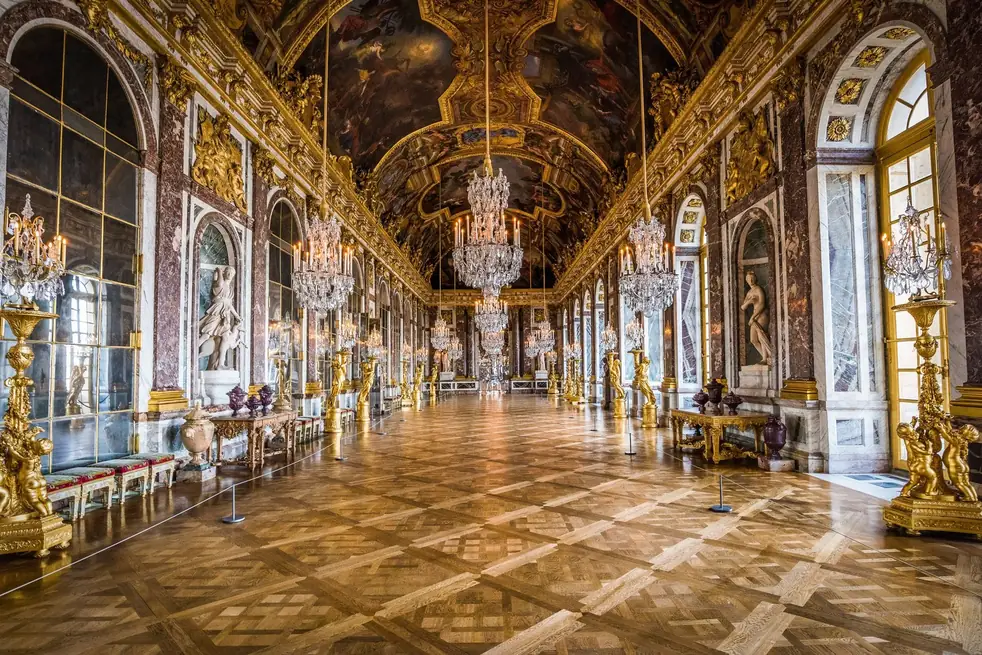
One night of private access is the rarest kind of evening: a museum after closing, a palace opened for a single dinner, a library whose doors open for one reader.
The place is the same as it is by day, but the experience is entirely different silent, empty, and yours alone for a few hours. Such nights are granted rarely, usually for a reason that cannot be repeated, and they are remembered as the closest thing to owning a place that is not yours.
31. The Rarest Wildlife Encounter

The rarest wildlife encounter is a sighting that cannot be guaranteed: a snow leopard in high mountains, a vaquita in a single stretch of sea, a bird that nests on one island and nowhere else.
Guides spend seasons learning the signs, trackers read the ground, and visitors wait for days in the hope of a few seconds. Most go home without the sighting, which is why those who do see it count it among the rarest experiences of their lives.
32. A Place Closed to the Public
Some places are closed to the public and stay closed: a private chapel, a royal apartment, a research station, a garden that has never opened its gates. They are known from photographs and descriptions, but almost no one has walked through them.
The few who have by invitation, by work, or by accident of birth describe them with a care that suggests they know how privileged the visit was, and how unlikely it is to be repeated.
33. A Once-in-a-Lifetime Natural Event
A once-in-a-lifetime natural event is one that the calendar will not repeat in your lifetime: a total eclipse over a particular place, a comet that returns once in a century, a flowering that happens once in a generation.
People travel across the world to stand in the right place at the right hour, knowing that the sky will not offer the same show again. Its rarity is written in astronomy, not in money, and no amount of wealth can move the date.
VI. Rarest Objects & Legacy
34. A Stradivarius

A Stradivarius is rare because it is both finite and alive. Only a few hundred of Antonio Stradivari’s instruments survive, and each one is still played, still maintained, and still capable of a sound no modern maker has fully reproduced.
They pass between musicians, collectors and foundations, lent rather than owned, because a violin of this kind is too important to sit silent. Among the most expensive musical instruments ever sold, they stand apart not for their price, but because the maker has been gone for three centuries, and no more will ever be made.
35. The Rarest Book or Manuscript
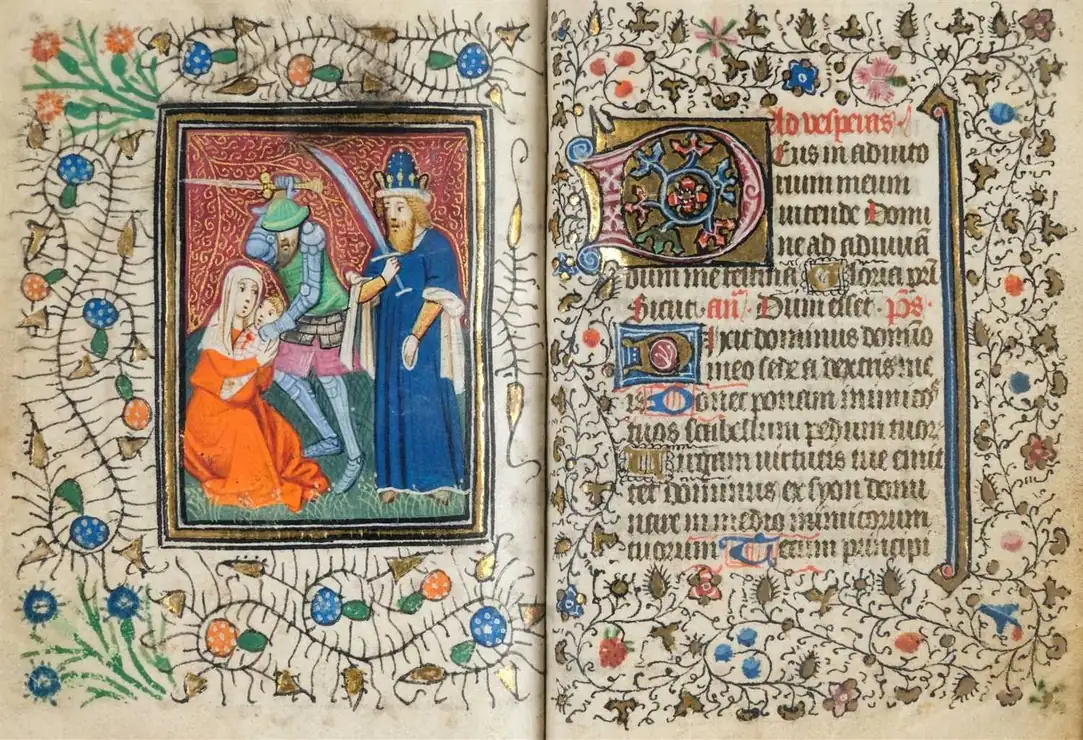
The rarest books and manuscripts exist in a single copy. A handwritten draft, a first printing of which one example survives, a letter that was never meant to be kept each is unique, and its loss would be absolute. They live in libraries and vaults, handled with gloves and shown under glass, because the paper itself is irreplaceable. To read one is to touch the only surviving witness of a thought that was written down once.
36. A One-of-One Artwork
Every artwork is one of one, but some are rarer still: a painting that was never exhibited, a sculpture cast once and then destroyed in the mould, a work that vanished for a century and reappeared in an attic. Such pieces carry a provenance that reads like a detective story, with gaps, guesses and sudden discoveries. Their rarity is not the medium paint and canvas are common but the fact that this particular work, by this hand, exists exactly once.
37. The Rarest Stamp or Coin
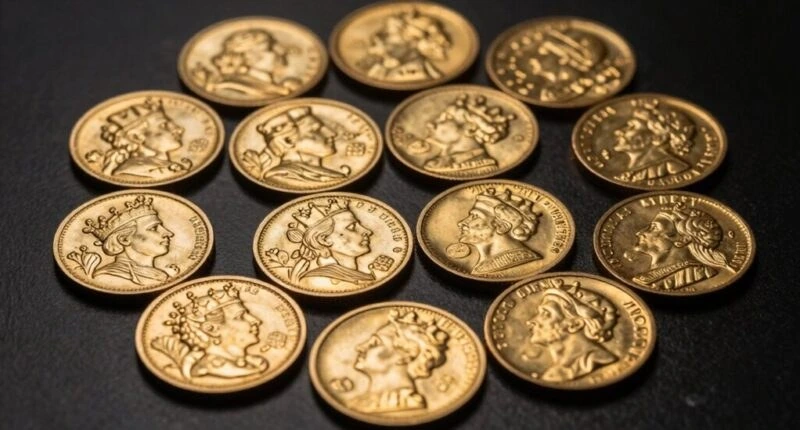
The rarest stamps and coins are famous for their mistakes. These include a printing error, a coin struck from the wrong die, or a stamp issued for a day and then withdrawn.
Only a handful of each survive. Every example is known, photographed, and catalogued by collectors who can recite the history of each piece. They change hands rarely. When they do, the sale makes news because the population of a famous error can be counted on one hand.
38. A Lost Craft
A lost craft is rare because its knowledge is gone. It may involve a technique for making a particular glass, a way of weaving a particular cloth, or a method of building a particular instrument. These skills were practised by a handful of masters and never written down. They disappeared when the last practitioners died.
Museums hold the objects, but no one holds the skill. Modern makers study the surviving examples and try to reverse-engineer the process. Yet the original craft, as it was once practised, is gone for good.
39. The Rarest Fragrance Ingredient
The rarest fragrance ingredients come from sources that are nearly exhausted. They may include a flower that blooms for a few weeks on a single hillside, a resin tapped from a tree found only in one forest, or a musk that can no longer be harvested at all.
Perfumers who hold a small stock guard it carefully. They use it drop by drop in compositions that cannot be recreated once the supply runs out. When it is gone, the scent it made disappears with it.
40. An Irreplaceable Heirloom
An irreplaceable heirloom is the rarest thing of all because its value lies not in the market but in the family. It may be a watch, a ring, a letter, or a photograph. Its history is known only to those who inherited it. No amount of money could replace it because the person it belonged to is gone. It is rare in the truest sense: there is only one, it cannot be remade, and it will never be for sale.
Rarity, in the end, is not about price. It is about the fact that some things cannot be had again. Not by waiting, not by paying, and not by asking.
The forty things in this list survive for different reasons. Someone kept them, a place stayed closed, a year never repeated, or a maker created one and then stopped. That is what makes them worth knowing. They are the things the world will not offer twice.