In 1889, the impresario Richard D’Oyly Carte opened a hotel on the Strand with a revolutionary premise: luxury was a system, not an accident. A hotel could be engineered to deliver it consistently.
The Savoy was the first hotel in Britain with electric lights throughout and electric elevators. It was also the first with private bathrooms in most rooms, a refrigeration plant, and a telephone in every room.
These innovations seem mundane now. At the time, they redefined what a hotel was. The Savoy spent the following century and more defending the standard it had invented.
Here is the story of the hotel that built modern luxury hospitality, from its theatrical beginnings to the American Bar that changed drinking forever.
The D’Oyly Carte Revolution
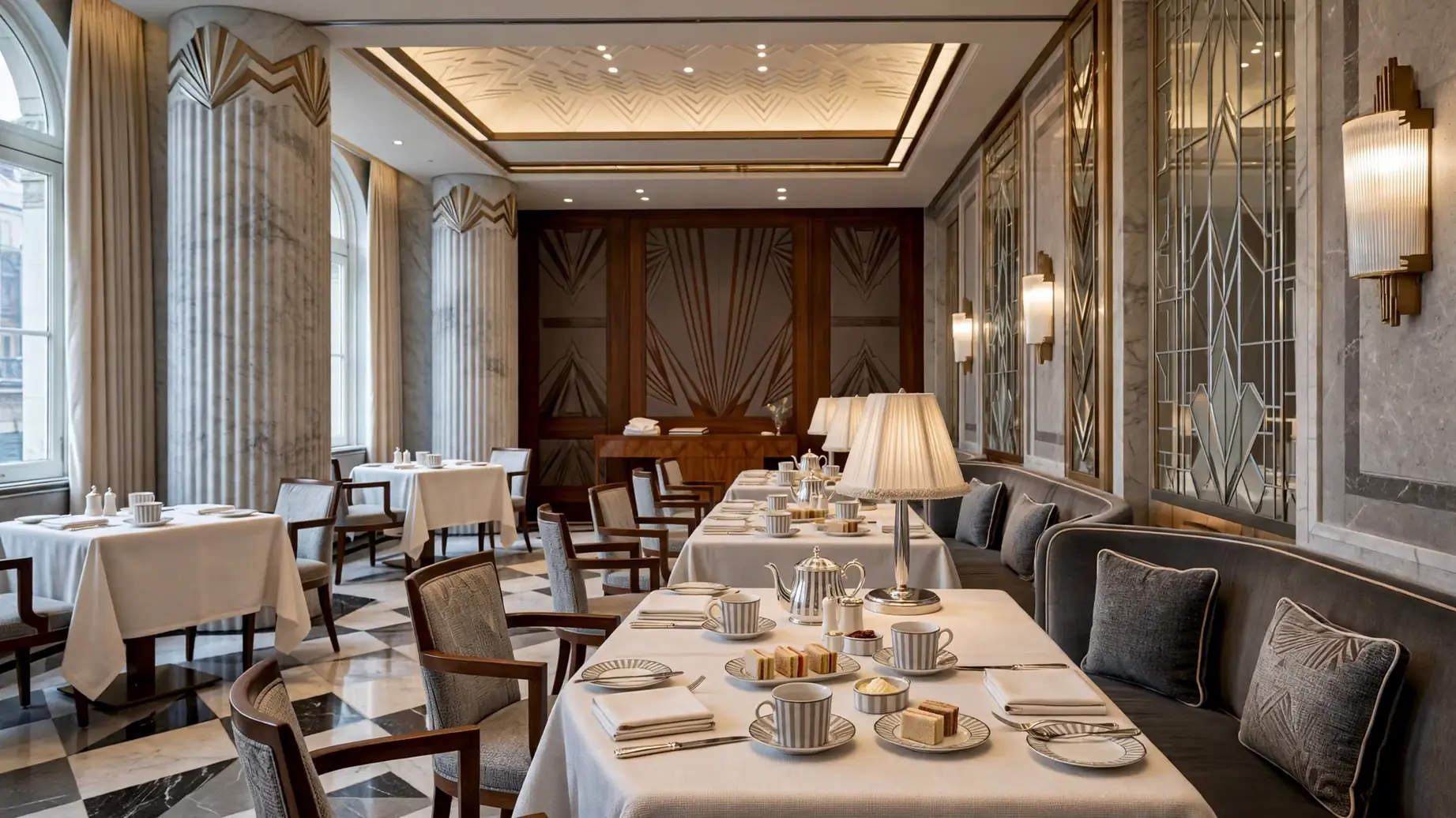
Richard D’Oyly Carte made his fortune producing the Gilbert and Sullivan operettas. He built the Savoy, named for the medieval palace that once stood on the site, with a showman’s instincts and an engineer’s rigor.
He hired César Ritz as manager and Auguste Escoffier as chef. The same partnership would later create the Ritz in Paris. Under Ritz, the Savoy invented the vocabulary of luxury service: the guest’s wish anticipated, the meal as theater, and the staff as invisible professionals.
Escoffier created Peach Melba and Melba toast for the opera singer Nellie Melba here. The Savoy’s opening is properly considered the founding of the modern luxury hotel industry. It was the moment hospitality became a discipline rather than an accommodation.
The American Bar and the Cocktails
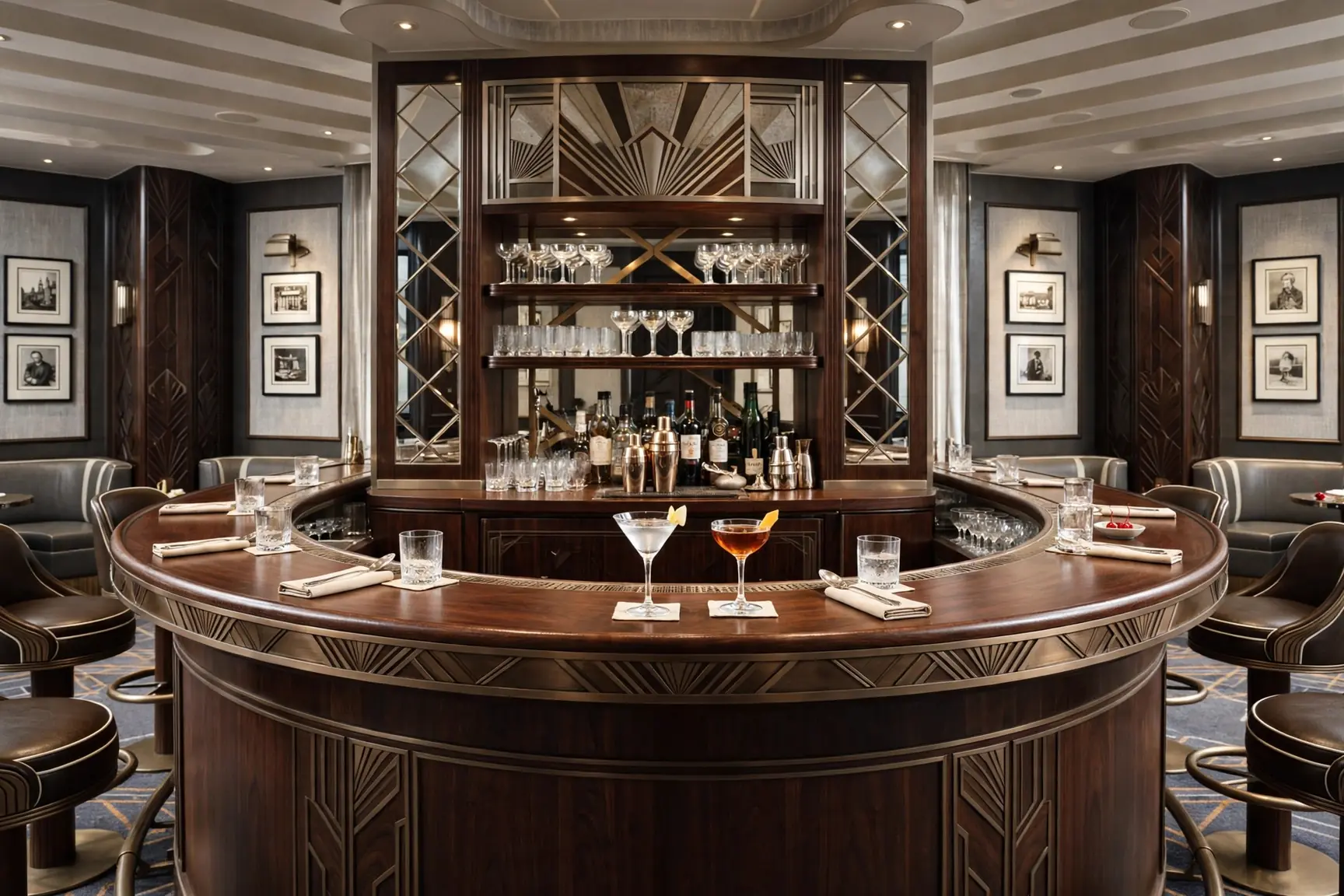
The Savoy’s American Bar, opened in the 1890s to serve its transatlantic clientele, became the cradle of the cocktail in Europe.
Its bartenders, above all Harry Craddock, helped shape the cocktail canon. Craddock presided over the bar from 1920 and published the Savoy Cocktail Book in 1930. He codified drinks such as the martini, the Manhattan, and the Corpse Reviver, which bars around the world still follow.
The American Bar’s Art Deco interior dates from the 1920s restoration. It remains one of Europe’s most famous bar counters, and a night there is a pilgrimage for anyone who takes drinking seriously.
Our guide to New York’s great cocktail bars traces the American half of that conversation. The Savoy is where the European half was written, while Claridge’s hotel legacy reflects another chapter of London’s celebrated luxury hospitality history.
The Century of Spectacle
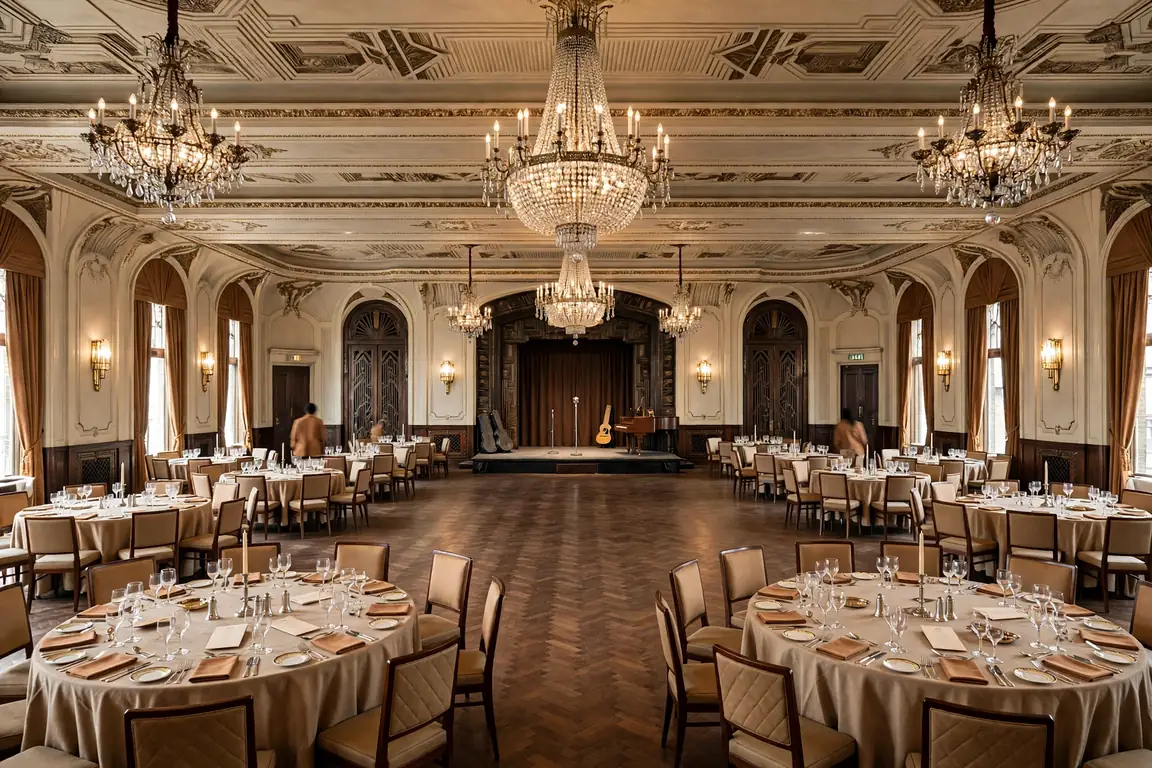
The Savoy’s guest book reads as a century of fame. Monet painted Waterloo Bridge from its windows, and Oscar Wilde lived his final free years in the hotel. The Ritz ballroom hosted the great parties of the interwar years, while Marilyn Monroe and Cary Grant walked its corridors.
On a December night in 1969, the Beatles held their final public performance together at the Savoy. It was not on a rooftop, but in the ballroom, at an invitation-only concert that closed the band’s live career.
The hotel’s restaurants kept pace. The Grill, Kaspar’s, and the River Restaurant each brought a new generation of dining, while the architecture held steady.
The River and the Restoration
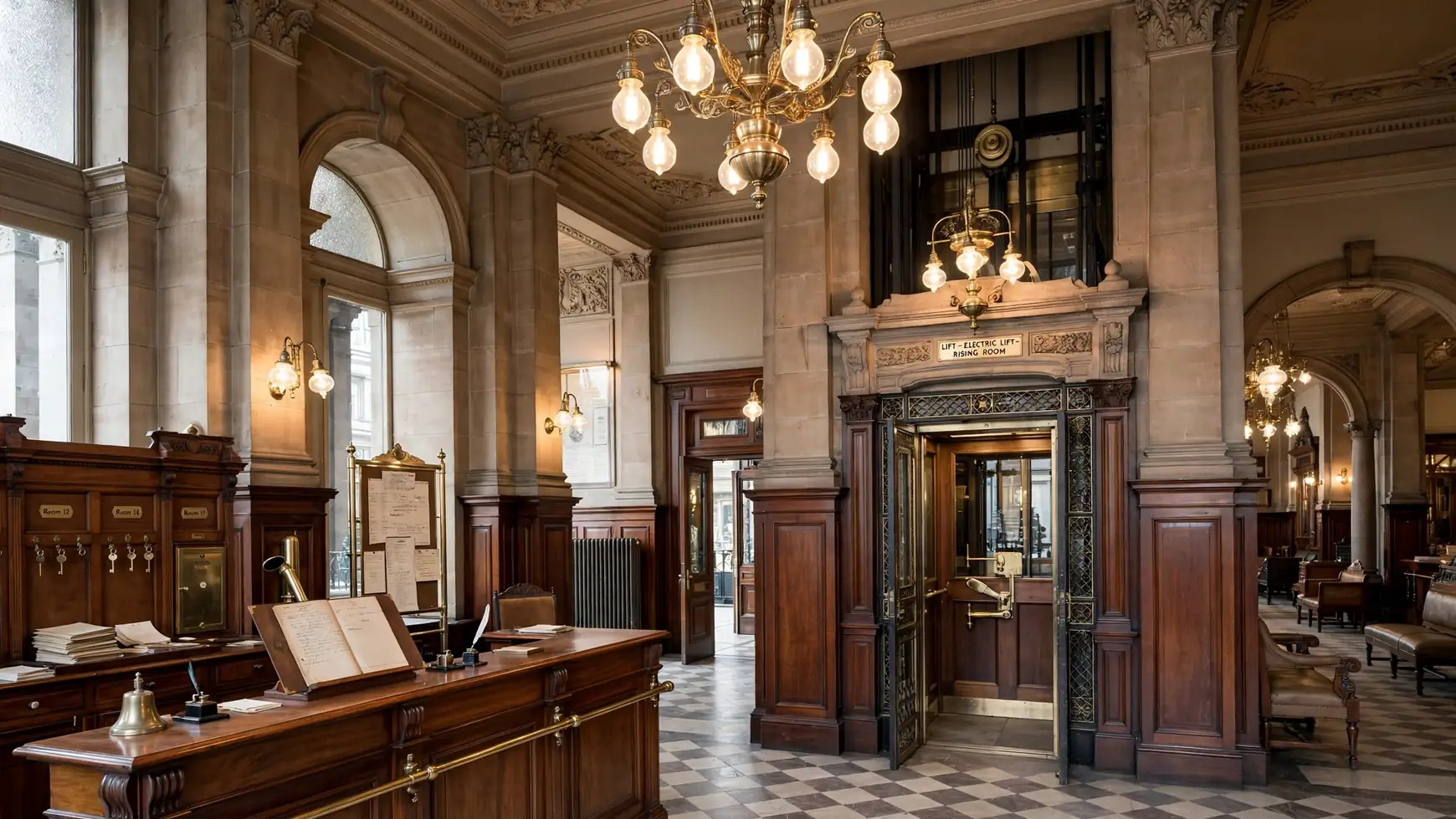
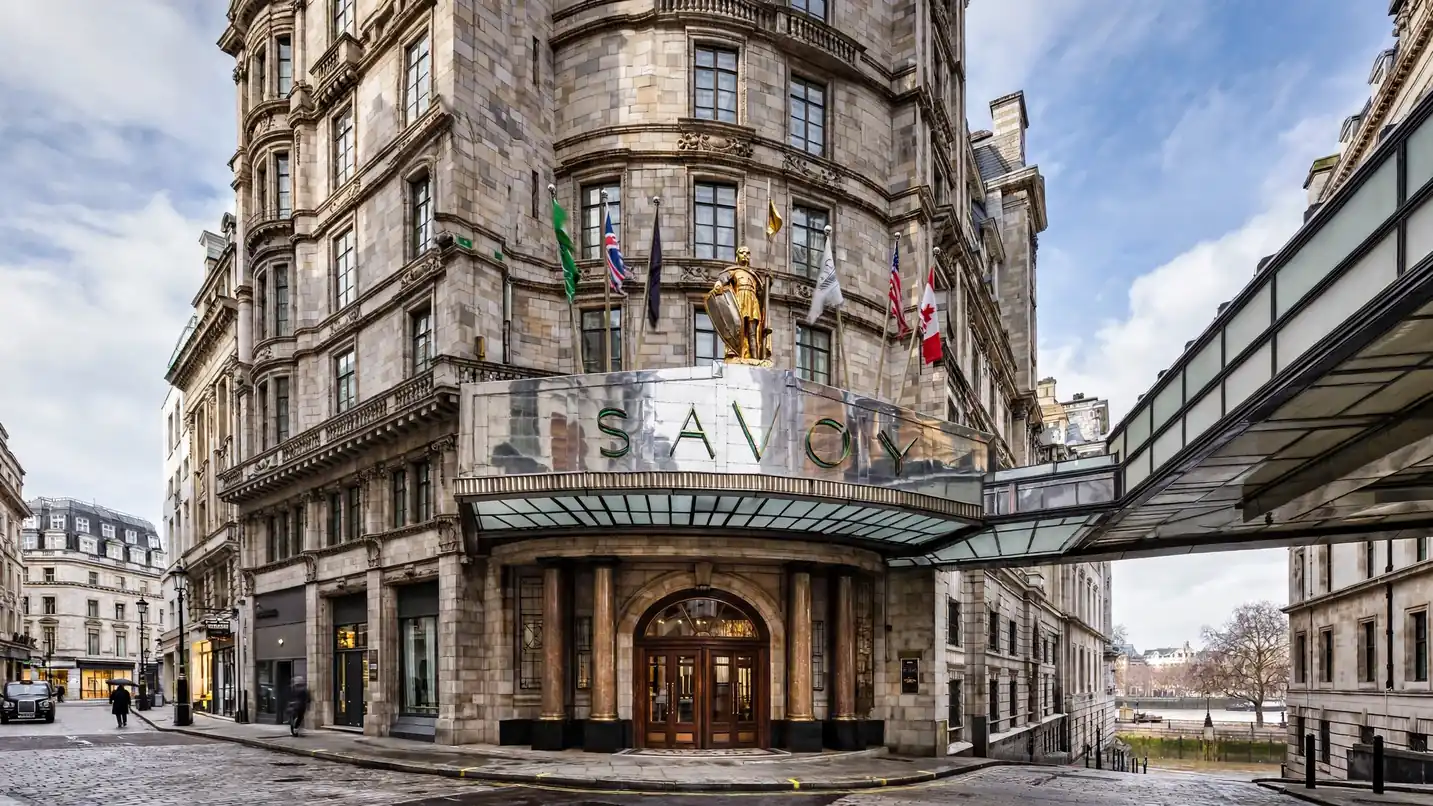
The Savoy’s position on the Strand, a street away from the Thames, and its iconic facade facing the Embankment give it London’s most theatrical arrival.
Its 2010 restoration cost around £220 million and closed the hotel for the better part of two years. The work returned the public rooms to their Edwardian and Art Deco glory with a thoroughness the market rewarded immediately.
Today, the hotel, part of Fairmont, operates at the summit of London’s luxury market. Its afternoon tea in the Thames Foyer, beneath the glass dome that has sheltered it for a century, remains one of the country’s most requested experiences.
The Savoy’s lesson that luxury is a system invented once and maintained forever is one the industry it founded still studies.
FAQs
What was revolutionary about the Savoy?
The Savoy of 1889 was the first British hotel with electric lights, electric elevators, most rooms en suite, refrigeration, and telephones, effectively inventing the modern luxury hotel as an engineered system rather than a fortunate accommodation.
Who were Ritz and Escoffier at the Savoy?
César Ritz managed the hotel and Auguste Escoffier ran its kitchens in the 1890s, the partnership that invented modern luxury service and later created the Ritz in Paris. Escoffier created the Peach Melba for the singer Nellie Melba at the Savoy.
What is the American Bar?
The Savoy’s cocktail bar, opened in the 1890s, where bartender Harry Craddock codified the European cocktail canon in the 1930 Savoy Cocktail Book. Its Art Deco interior remains the most famous bar counter in Europe.
Did the Beatles really play their last show at the Savoy?
The Beatles’ final live performance together took place at the Savoy in December 1969, an invitation only concert in the hotel’s ballroom, closing the band’s public performing career.
What is the Savoy’s most famous room?
The Thames Foyer with its glass dome, where afternoon tea has been served for over a century, and the American Bar compete for the title, with the Savoy Grill holding its own claim through decades of celebrity patronage.
Who owns the Savoy today?
The Savoy operates as part of Fairmont Hotels and Resorts, following a complex ownership history that included the D’Oyly Carte family, Trusthouse Forte, and a Saudi prince’s purchase, the current structure dating from the 2000s.
When did the Savoy reopen after its restoration?
The hotel reopened in 2010 after a restoration costing around £220 million, which restored the Edwardian and Art Deco public rooms to their original glory and modernized everything behind the historic fabric.
Why is the Savoy historically first?
Because Richard D’Oyly Carte treated luxury as an engineering problem in 1889, and the industry he founded, from the Ritz to the modern five star standard, descends directly from the Savoy’s opening premise and its original partnership of Ritz and Escoffier.