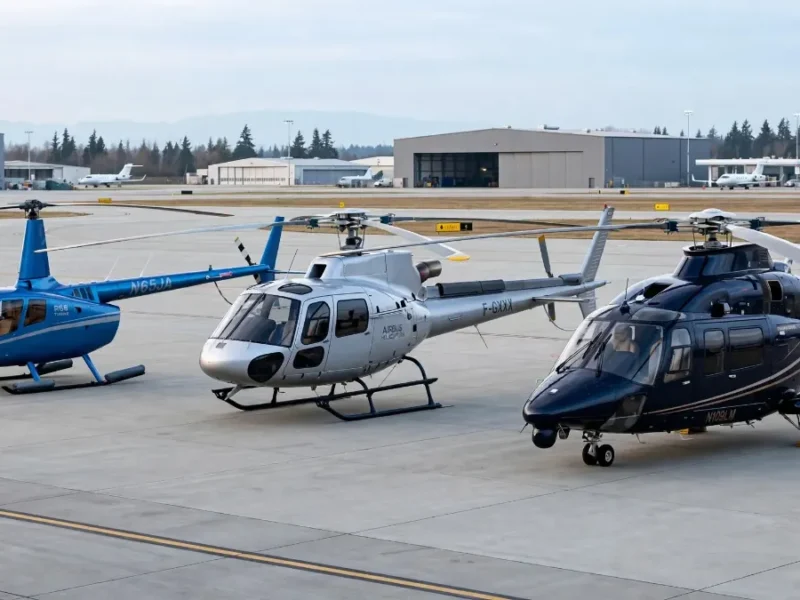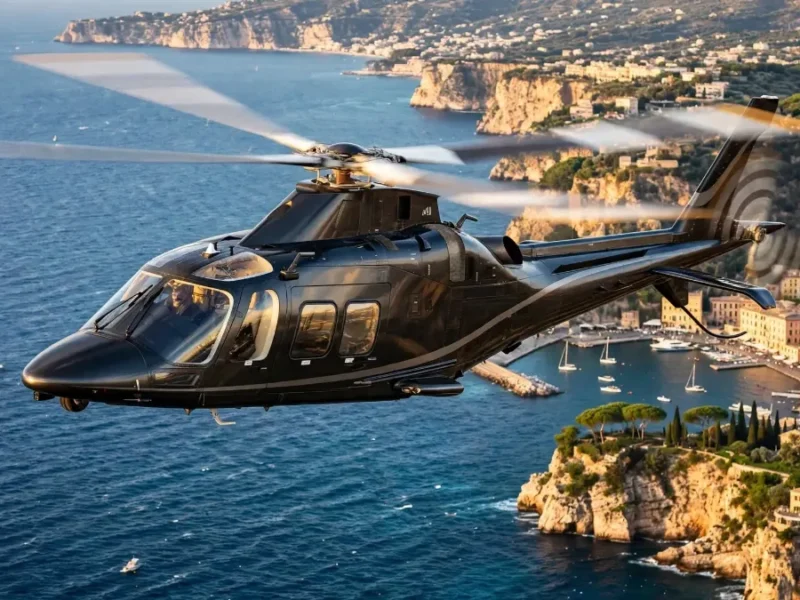
Helicopter etiquette is the smallest etiquette in luxury travel and the most consequential, because unlike every other rulebook in this magazine, this one protects you from physics as well as embarrassment. A veteran pilot who has flown everyone from sheikhs to rock stars told me he can read a passenger before they reach the aircraft.
The veterans, he said, walk low, walk forward, and hand over their bags without being asked. The first timers arrive with hats flying, phones raised, and a vague sense that the helicopter is a taxi with better views. Within thirty seconds, he knows which flight he is about to have.
The good news is that the entire code can be learned in the time it takes to read this article, and it applies whether you are boarding a shared transfer to JFK or a private AW109 to a superyacht at anchor. Here are the unwritten rules, written down.
The Golden Rule: Approach Like a Professional
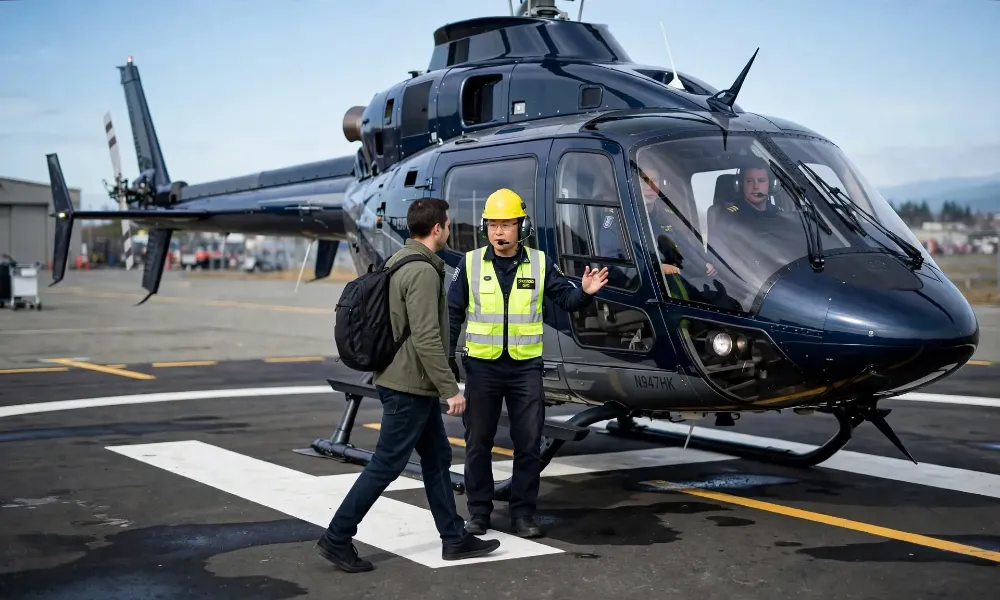
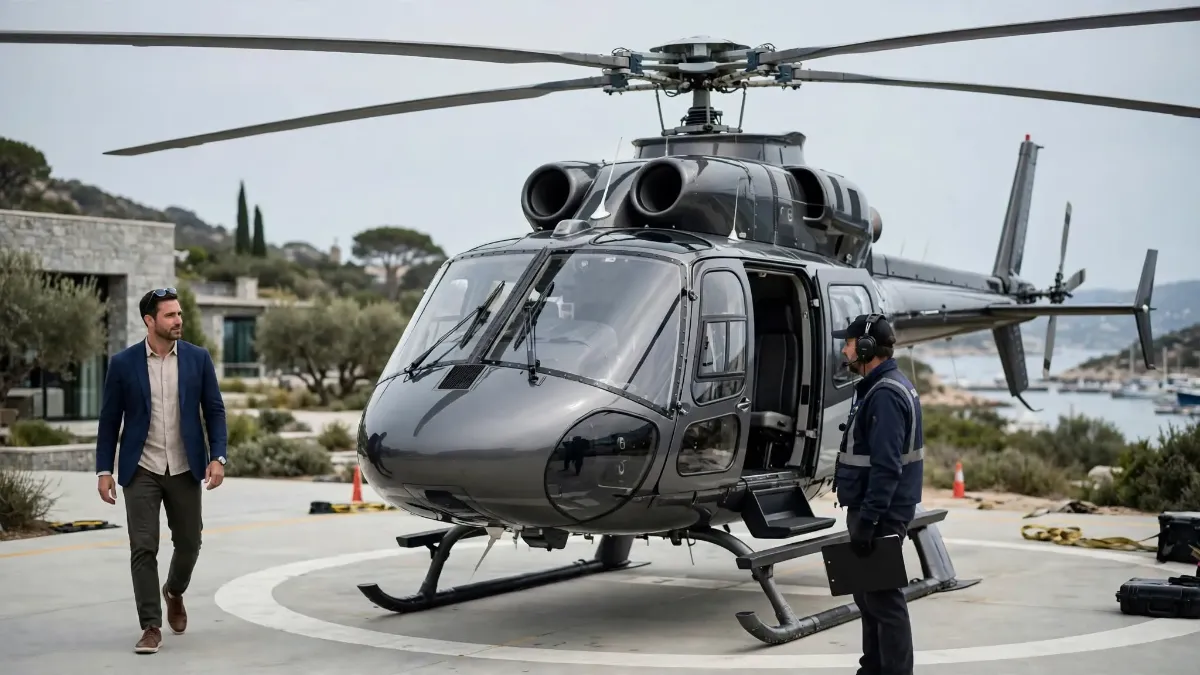
The single most important rule of helicopter etiquette is safety at the aircraft, and it is absolute. Approach only from the front or front side of the helicopter, within the pilot’s line of sight, and only when signaled. Never, under any circumstances, walk toward the rear of the aircraft: the tail rotor spins invisibly fast and is the one part of a helicopter that forgives nothing.
The same discipline applies on departure: exit forward, move away at an angle the pilot can see, and if you forget something, never run back.
The instinct to duck when approaching under the main rotor is natural and mostly unnecessary on level ground, since the blades spin well overhead, but crouching slightly costs nothing and is the mark of someone who respects the machine.
On sloped ground, the downhill side lowers the blades toward head height, so always approach from the uphill side, a rule ground crew will reinforce at every landing site. Hats, scarves, and loose items stay in the vehicle: rotor wash turns accessories into projectiles, and the passenger chasing a cap across the ramp is a tradition no one wants to join.
Honesty Is Weighted: Declarations and Luggage
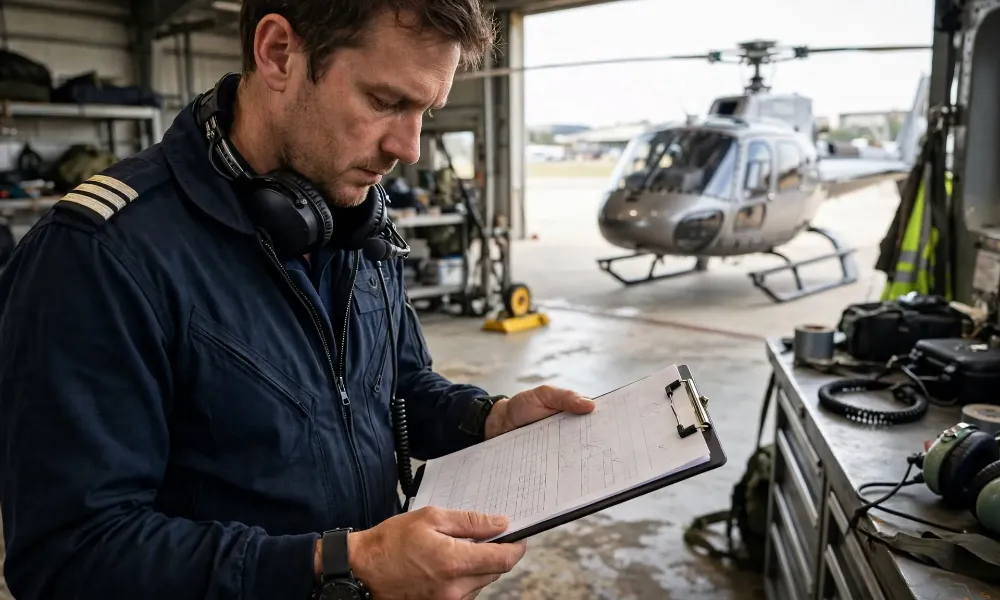
Helicopters calculate weight and balance with precision, and the pre-flight declaration of passenger weight is not a formality but an engineering input.
Veterans state their weight honestly, including the winter coat and the weekend’s good intentions, because pilots plan fuel and load around the numbers they are given. An undeclared twenty pounds is a rounding error; an undeclared forty, multiplied across a full cabin, is a safety margin quietly erased.
The same honesty applies to luggage: helicopters have genuine baggage limits, and the cooler, golf bag, or case of wine that appeared at the ramp unannounced forces awkward decisions at the moment of departure.
The elegant move is to declare everything at booking and let the operator plan around it. The operators serving the missions covered in our Miami charter guide and New York’s private aviation scene universally praise the same client: the one whose baggage manifest matches the baggage.
Dress, Devices, and the Cabin Code
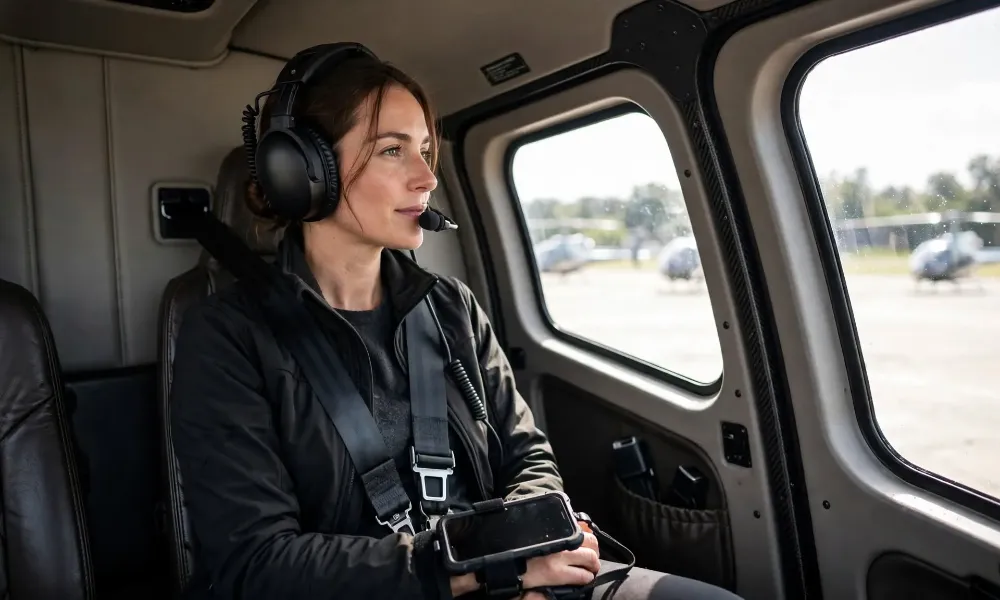
Helicopter cabins are intimate by design, and the dress code follows the venue: smart, comfortable, and secured. Avoid long loose items that catch on hardware, secure phones and cameras with straps on doors off flights, and remember that cabin space economics make every item visible. Dark clothing, besides being chic, eliminates window reflections for photography, a courtesy to every photographer aboard.
In flight, the etiquette of the small cabin governs. Speak normally; modern headsets and refined cabins in the finest helicopter models make shouting unnecessary.
Follow the pilot’s seating assignment, which reflects weight and balance rather than seniority, and never interpret it as a social slight. Photography is welcomed on the window side and should be agreed before boarding on doors off flights, where the cabin becomes a camera platform.
And during takeoff, landing, and any moment the pilot’s attention visibly narrows, the cabin falls quiet. Veterans learn to read the workload: conversation pauses when the machine is working hardest.
The Host’s Duties and the Guest’s Grace

Private helicopter travel often involves a host, and the role carries real duties. The host books, declares weights and luggage for the party, communicates the safety briefing’s essentials to guests beforehand, and arrives early, because rotorcraft schedules are planned tightly and a late passenger compresses everyone else’s margins.
Hosts also handle the money question invisibly: the charter is paid in advance, and any gratuity for exceptional crew, while never expected in the way restaurant tipping works, is a graceful gesture delivered privately.
Guests owe three things: punctuality, honesty about weight and baggage, and attention during the safety briefing, which covers seat belts, door operation, headset use, and emergency exits in about ninety seconds. The briefing is not theater. The passengers who listen are the ones the crew remembers fondly, and the ones invited back.
That, in the end, is what all of this etiquette purchases: not just safety, but membership in the small club of people who fly helicopters the way they were meant to be flown, with the calm of those who know exactly what they are doing.
FAQs
Which side of a helicopter is safe to approach?
Approach only from the front or front side, within the pilot’s line of sight, and only when signaled by crew. Never walk toward the rear: the tail rotor is nearly invisible when spinning and is the aircraft’s greatest ground hazard. On slopes, always approach from the uphill side.
Do you have to duck under helicopter blades?
On level ground, main rotor blades spin well above head height, so ducking is unnecessary, but a slight crouch is a respectful habit that costs nothing. Blades can dip lower on slopes or when wind gusts, which is why the crouch and the uphill approach remain the professional standard.
Why do helicopter operators ask for your weight?
Helicopters calculate weight and balance precisely for safety and performance. Pilots plan fuel, load, and center of gravity from declared weights, so honesty is an engineering input, not a formality. Inaccurate declarations quietly erode safety margins, especially with a full cabin.
Can I bring luggage on a private helicopter?
Yes, within genuine limits that vary by aircraft. Light helicopters typically accept one checked size bag plus a personal item per passenger, with strict weight caps. Declare all baggage at booking, including coolers, golf bags, and cases, so the operator can plan or arrange ground transport for overflow.
What should I wear on a helicopter flight?
Wear smart, secured clothing: avoid hats, scarves, and loose items that rotor wash turns into projectiles. Dark colors reduce window reflections for photography. Doors off flights require secured devices and prohibit loose items entirely, with harnesses provided for passengers.
Do you tip a helicopter pilot?
Tipping is not expected the way it is in restaurants, but a gratuity for exceptional service is a graceful gesture, delivered privately, typically in the range you would offer a superb concierge. Repeat charter clients often remember crews at holidays or after demanding trips.
Why does the pilot assign seats?
Seating assignments reflect weight and balance calculations, not seniority or social rank. Accepting the assigned seat graciously is the mark of an experienced passenger, and window positions usually rotate happily once airborne when the pilot permits.
What does the helicopter safety briefing cover?
The briefing covers seat belts, door operation, headset use, emergency exits, and the approach rules for the aircraft, typically in under two minutes. It deserves full attention: the passengers who listen are the safest aboard and the ones crews most enjoy flying.