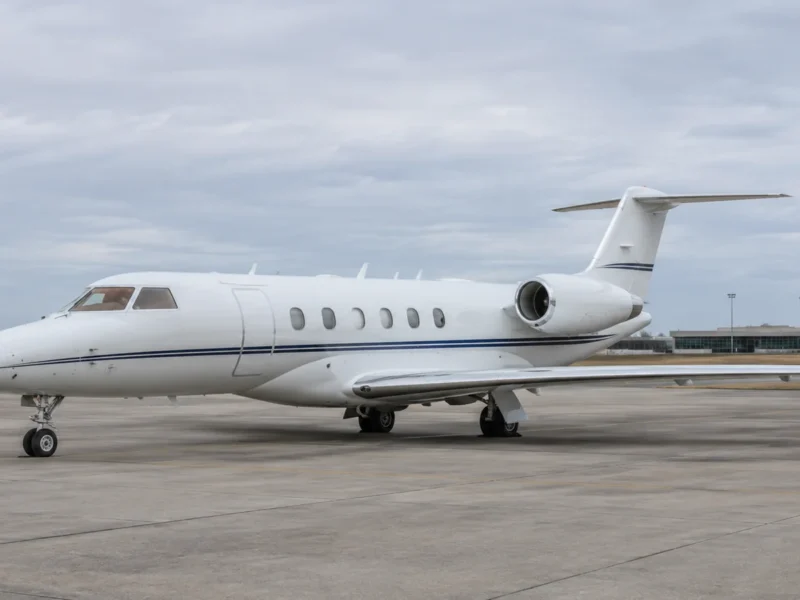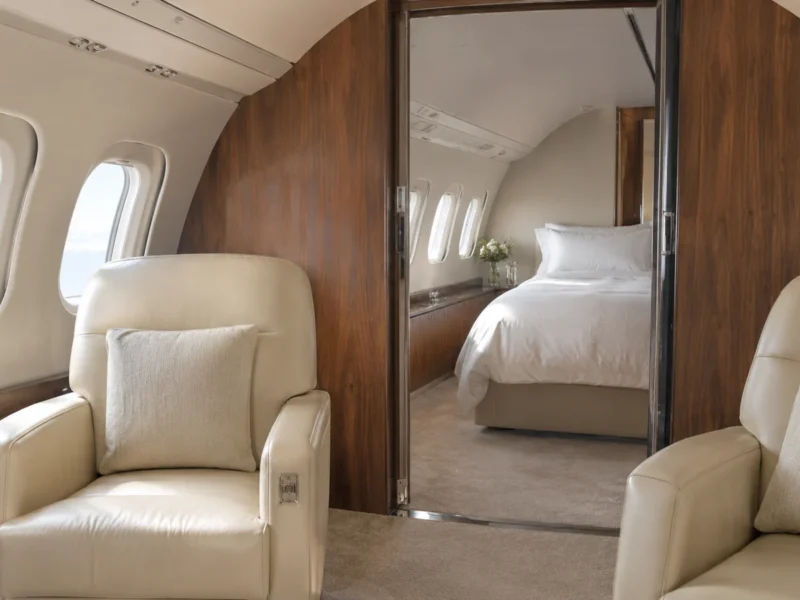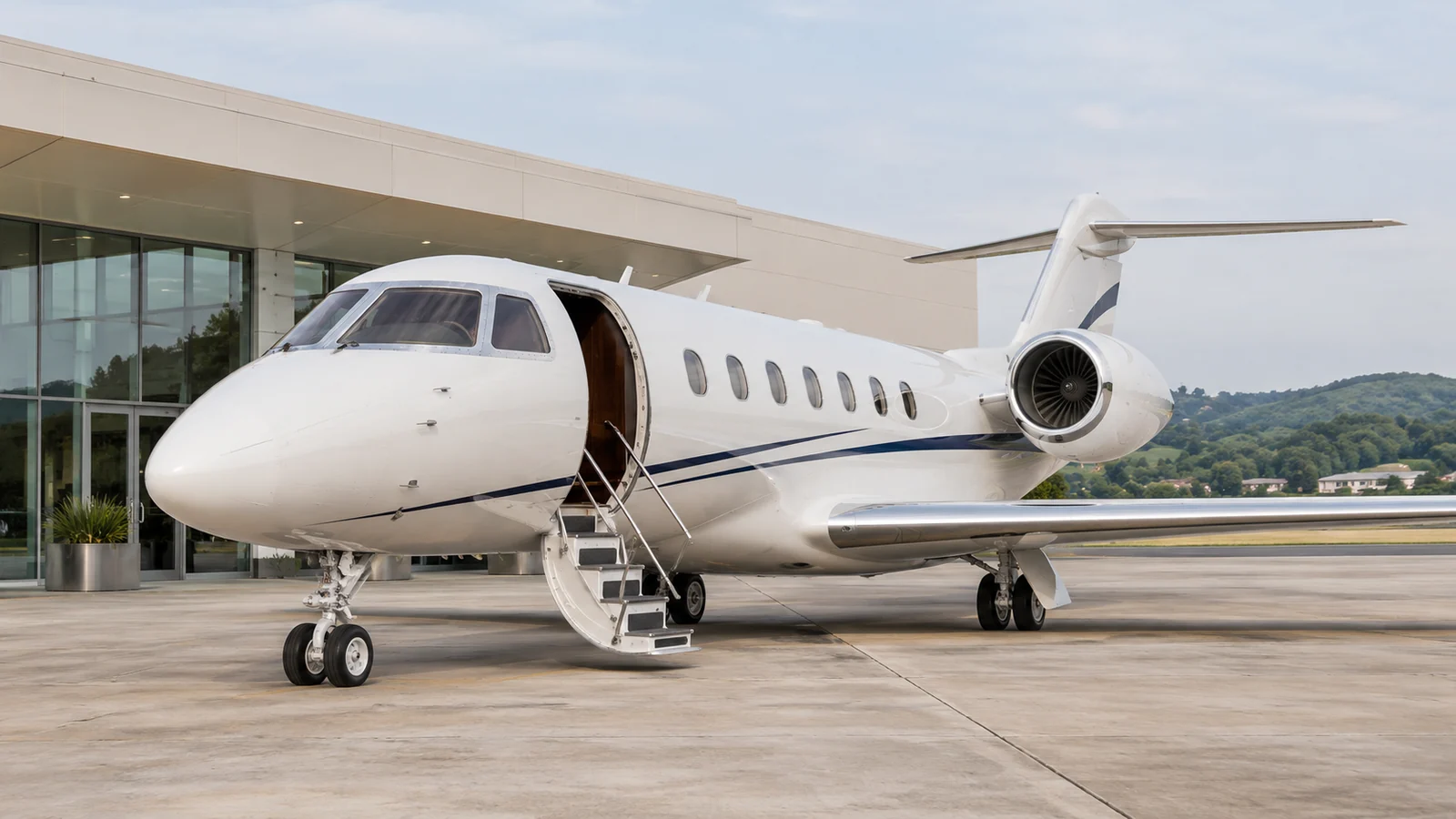
Owning a private jet can be cheaper than chartering when you fly frequently enough to spread its fixed and capital costs across many journeys. For occasional or irregular travel, chartering generally has the financial advantage. There is no universal break-even point: the aircraft, routes, annual usage, depreciation, and charter quotations determine the answer.
The comparison becomes misleading when someone puts an owner’s fuel-and-maintenance bill beside a charter company’s complete selling price.
A fair calculation includes everything required to deliver the same travel: aircraft availability, crew, maintenance, repositioning, and the money committed to ownership.
Owning vs Chartering: The Main Differences
With ownership, you fund an aircraft and the operation behind it. With charter, you purchase individual journeys.
| Consideration | Whole aircraft ownership | On-demand charter |
| Initial commitment | Aircraft purchase or financing | Payment for booked travel |
| Continuing expenses | Fixed costs continue between trips | No responsibility for maintaining an owned aircraft |
| Aircraft choice | Primarily the aircraft you own | Different aircraft for different journeys |
| Maintenance exposure | Owner bears costs, subject to warranties and programs | Operator manages aircraft maintenance |
| Resale exposure | Owner faces changes in aircraft value | No aircraft resale exposure |
| Operational control | Greater control over cabin, crew, and scheduling | Depends on contract and available aircraft |
| Financial appeal | Can improve with sustained utilisation | Particularly useful for occasional or changing needs |
NBAA identifies utilisation as an important factor in ownership economics, while recognising that some organisations buy aircraft for benefits beyond direct cost savings. Its ownership guidance also stresses the need for a model tailored to the individual operation.
What Does Chartering a Private Jet Cost
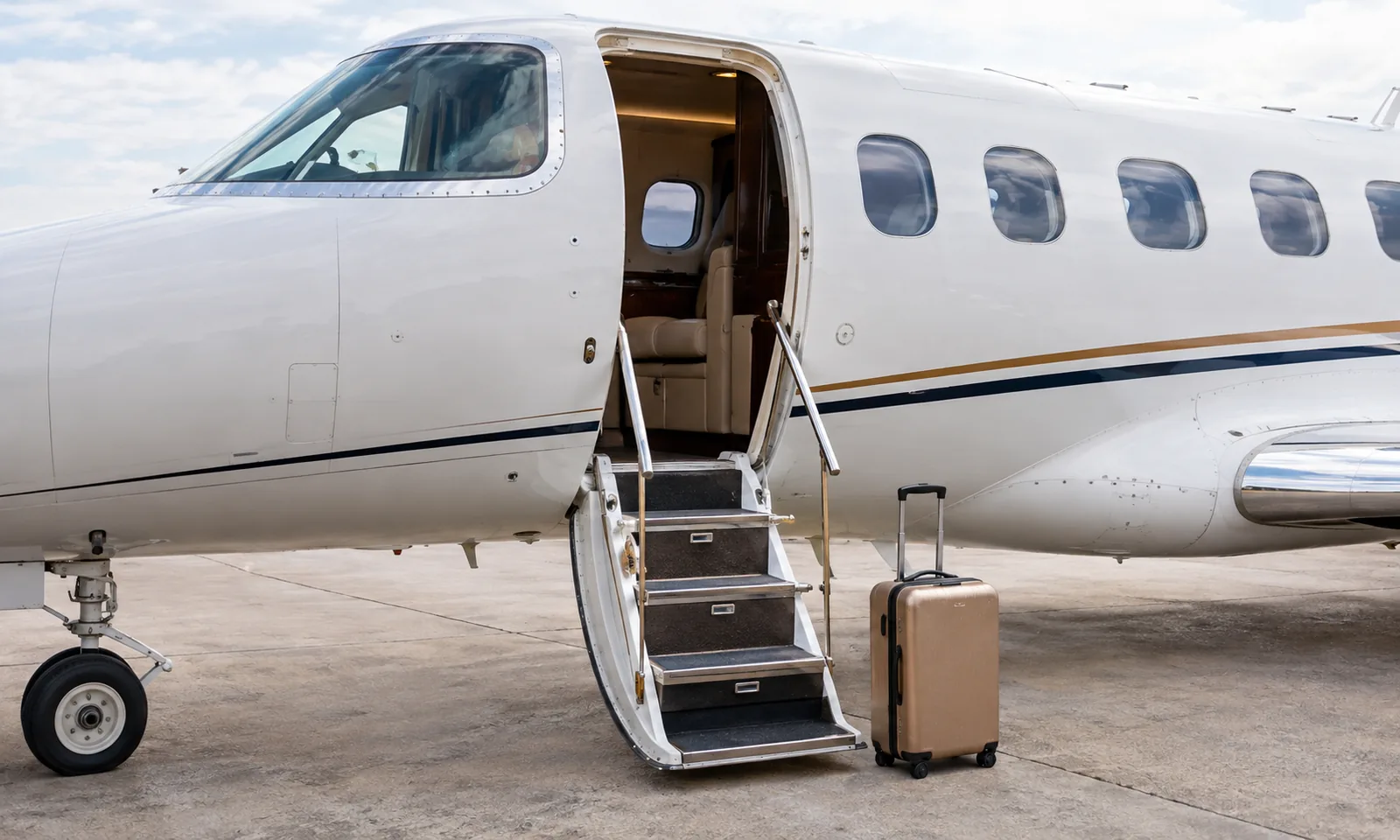
Published charter rates provide a starting point, but the final trip quotation matters more than an advertised hourly figure.
Paramount Business Jets publishes these indicative 2026 category rates:
| Aircraft category | Published hourly rate |
| Light jet | 3,750–4,200 |
| Midsize jet | 4,700–5,500 |
| Super-midsize jet | 6,200–7,500 |
| Large jet | 8,500–10,000 |
These are one provider’s published estimates, not guaranteed market-wide prices or complete quotations for every itinerary.
The Hourly Rate Is Only the Starting Point
Ask whether a quotation includes:
- Repositioning flights.
- Minimum billable hours.
- Airport handling and parking.
- Crew accommodation.
- Deicing and additional catering.
- Applicable taxes and other charges.
Also confirm cancellation terms and whether the aircraft is firmly available. NBAA’s charter-brokering guidance recommends clear disclosure of flight costs, payment terms, and aircraft availability.
Our guide to private jet charter costs and additional fees explains how these items affect the final bill.
What Does Ownership Add to the Calculation?
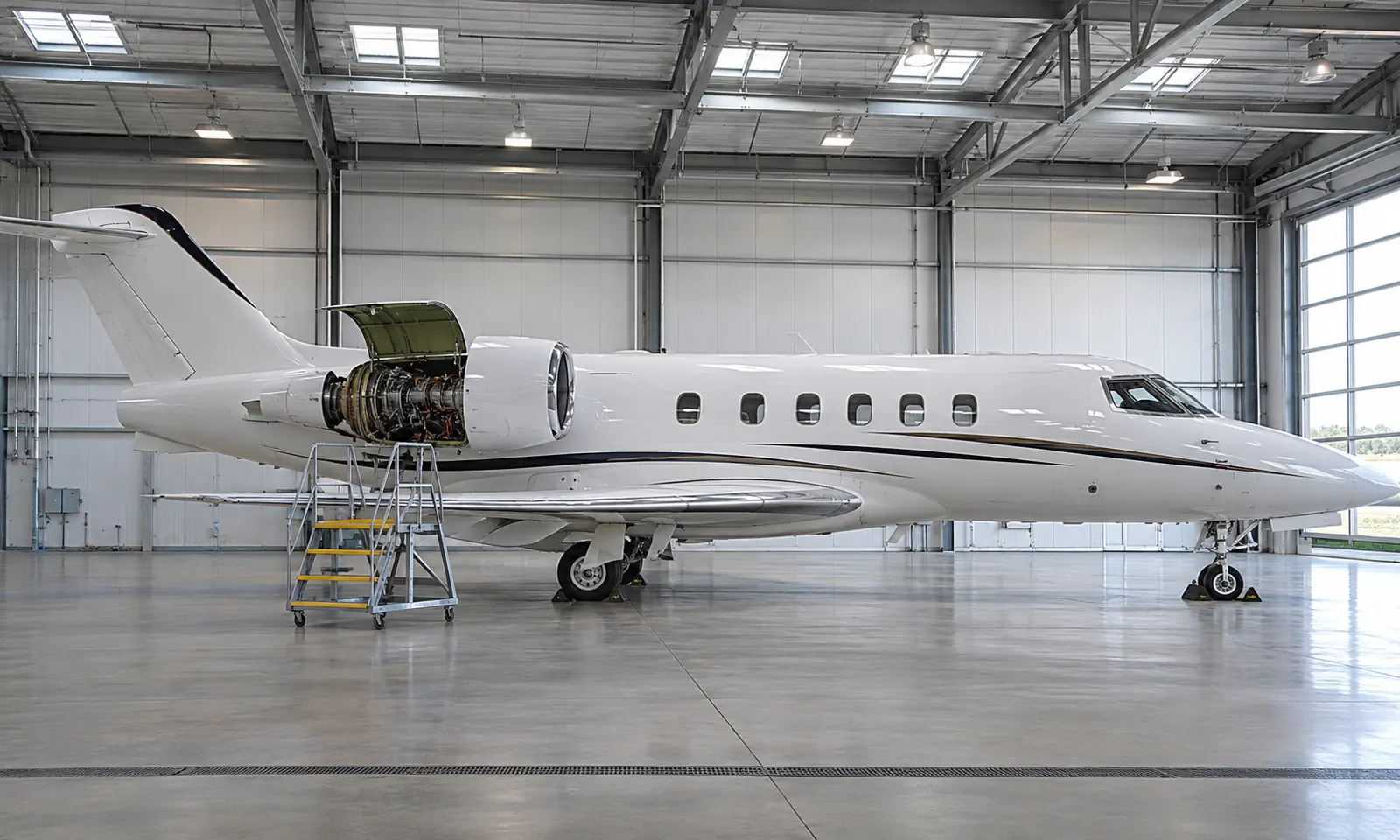
The owner’s budget has three distinct layers.
1. Fixed Operating Costs
These are expenses associated with keeping the aircraft and operation ready, such as crew arrangements, hangar space, insurance, management, and subscriptions.
Some expenses change in steps. A busier schedule, for example, may require additional staffing rather than simply more fuel.
2. Costs That Increase With Flying
Fuel, maintenance allowances, engine program payments, and trip expenses increase with aircraft activity.
Importantly, the aircraft can accumulate hours when the owner is not aboard. Positioning flights, training, and maintenance-related flying belong in the operating forecast.
3. Capital and Transaction Costs
Ownership also commits money to an asset whose value may change.
A complete comparison considers expected depreciation, financing costs or the opportunity cost of invested funds, acquisition expenses, and eventual selling costs. NBAA’s economic guidance specifically identifies capital outlay, market depreciation, maintenance, and entry and exit costs as ownership considerations.
Avoid double-counting: purchasing an aircraft and losing value through depreciation are different parts of the analysis. Do not charge the entire purchase price as an annual expense and then add depreciation again.
A Clear Example: When Does Ownership Become Cheaper?
Consider a hypothetical comparison, designed to explain the calculation rather than quote a particular aircraft.
Assume:
- Annual fixed operating costs: $750,000.
- Variable ownership costs: $3,000 per flight hour.
- Annual capital allowance: $500,000, representing assumed depreciation and financing or opportunity costs.
- Comparable charter cost: $6,500 per hour, treated as inclusive for this simplified example.
Initially, assume owner aircraft hours equal passenger travel hours. We will adjust that assumption below.
Annual Cost at Different Flying Levels
| Annual travel hours | Charter | Ownership: operating costs only | Ownership: including capital allowance |
| 100 hours | $650,000 | $1.05 million | $1.55 million |
| 300 hours | $1.95 million | $1.65 million | $2.15 million |
| 500 hours | $3.25 million | $2.25 million | $2.75 million |
At 300 hours, ownership appears cheaper when only operating expenses are counted. Add the assumed capital cost, and charter becomes cheaper.
At 500 hours, ownership wins under these particular assumptions.
The lesson is not that buyers should purchase at 500 hours. It is that the costs included in the comparison can change the decision.
How to Calculate the Break-Even Point
For a simplified comparison:
Break-even hours = annual fixed and capital costs ÷ (charter cost per hour − variable ownership cost per hour)
Using the assumptions above:
1,250,000÷(6,500 − $3,000) = approximately 357 hours annually.
Without the capital allowance:
$750,000 ÷ $3,500 = approximately 214 hours annually.
Both answers follow the arithmetic. Only the second, fuller model includes the assumed capital cost.
This formula works only when the hourly figures represent comparable travel and the charter rate exceeds the variable ownership cost.
Why Repositioning Can Change the Answer
Suppose the owned aircraft needs 20% additional flying to position for the owner’s journeys.
For every 100 passenger travel hours, the jet now flies 120 hours.
At the hypothetical variable cost of $3,000 per aircraft hour, the expense becomes:
$3,000 × 1.20 = $3,600 per passenger travel hour.
The revised break-even point is:
1,250,000÷(6,500 − $3,600) = approximately 431 passenger travel hours.
That is substantially higher than 357 hours.
Charter quotations can also include positioning costs. Compare the owner’s complete flight activity with the charter provider’s complete quotation for the same itinerary.
When Chartering Is More Likely to Cost Less
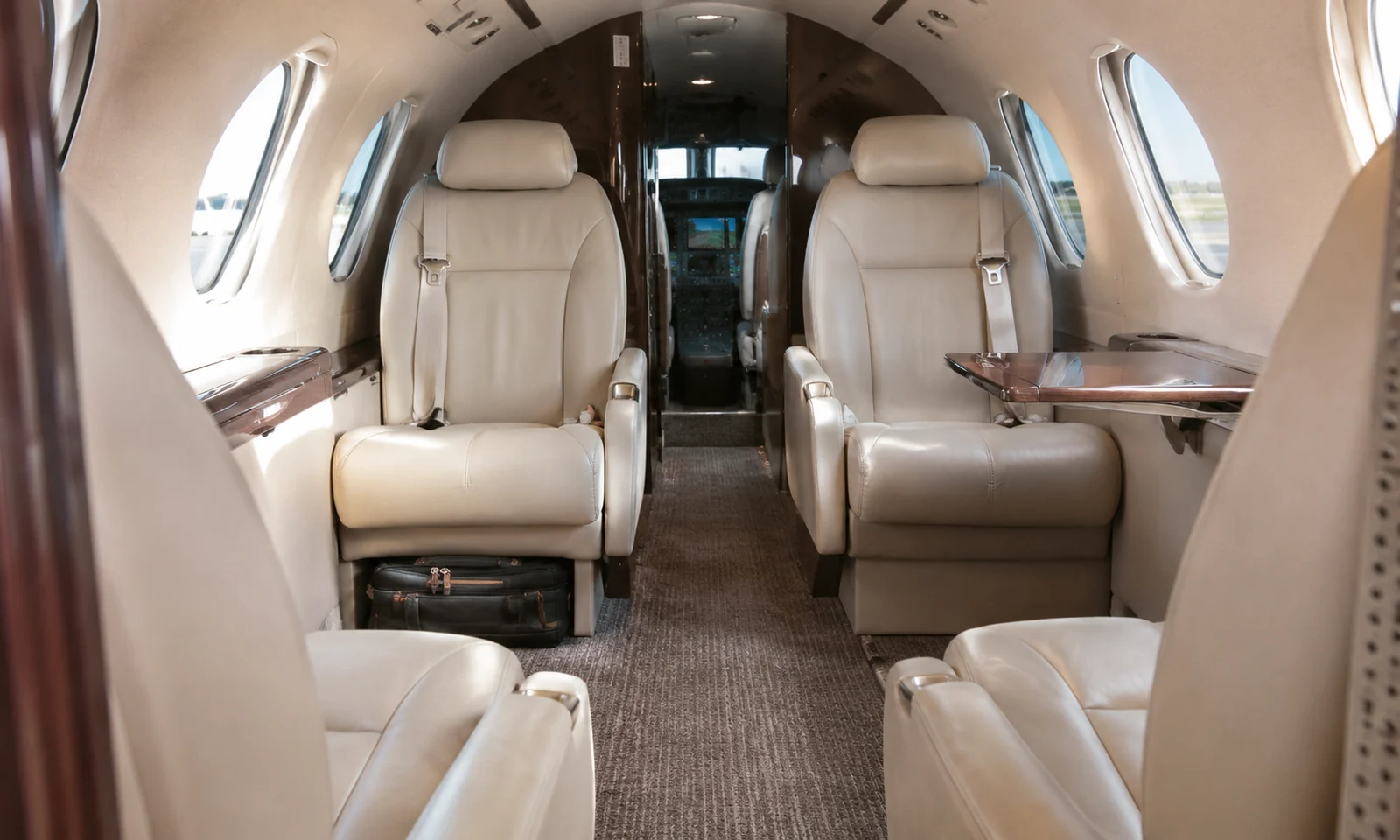
Your Travel Is Occasional or Unpredictable
If your travel falls sharply one year, ownership still carries continuing commitments.
Charter allows spending to follow the journeys you actually book. That flexibility can be valuable when future travel demand is uncertain.
You Need Different Aircraft for Different Trips
A short regional flight and an overnight intercontinental journey call for different capabilities.
With charter, you can select an appropriate aircraft for each trip. Owning a larger aircraft primarily for a few exceptional journeys may make routine travel more expensive than necessary.
You Prefer to Keep Capital Available
An aircraft purchase ties up funds that could serve other purposes.
That opportunity cost belongs in the decision even when the purchase is made entirely in cash. Paying without a loan removes borrowing costs; it does not remove the economic value of the money invested.
When Ownership Can Make Financial Sense

You Have Sustained, Predictable Demand
Ownership becomes more competitive when an appropriate aircraft serves a substantial amount of recurring travel.
The strongest case starts with a realistic schedule, rather than an optimistic estimate of how much the aircraft might be used.
Your Regular Journeys Suit One Aircraft
A consistent combination of passenger numbers, distances, and airports makes it easier to choose an aircraft efficiently.
If the aircraft meets most needs without being unnecessarily large, the financial comparison becomes more meaningful.
Control Has Measurable Business Value
Ownership can offer continuity of cabin, crew, and operational arrangements.
An organisation may value that consistency even if charter is less expensive on a direct cost basis. That is a legitimate reason to own, but it should be recorded separately from a claim of cash savings.
Ownership also requires a backup plan. Maintenance and operational interruptions can still create a need for charter.
Can Chartering Out Your Jet Pay for Ownership?
Charter revenue can offset some expenses, but it should not be assumed to pay for the aircraft.
The amount an outside customer pays is not the amount the owner keeps. Additional flying brings operating expenses, management arrangements, maintenance consumption, and potential conflicts with the owner’s schedule.
The National Aircraft Finance Association has published guidance challenging the assumption that buying an aircraft for charter automatically produces a profitable investment.
Request a forecast showing net contribution after additional costs, rather than gross charter sales.
Then test the purchase without that revenue. If ownership is affordable only under an ambitious charter forecast, the decision deserves closer examination.
What About Jet Cards and Fractional Ownership?
Whole ownership and on-demand charter are not the only choices.
Jet cards and fractional programs offer different combinations of financial commitment, access, and contractual terms. Neither should be assumed cheaper without reviewing the agreement.
| Option | What to examine |
| Jet card | Deposits, hourly pricing, peak-day rules, service area, and cancellation terms |
| Fractional ownership | Share purchase, management fees, occupied-hour charges, and exit value |
| Whole ownership | Acquisition, complete operations, capital costs, and resale |
| On-demand charter | Complete trip quotations, availability, and booking terms |
For a broader comparison, read our guide to ownership, charter, and jet cards. Our NetJets versus Flexjet comparison explores fractional ownership in more detail.
How to Make a Fair Comparison Before Buying
Build both budgets around the same annual travel plan.
- List the journeys: routes, dates, passengers, luggage, and flexibility.
- Obtain complete charter quotations: use suitable aircraft and equivalent service requirements.
- Forecast ownership: include fixed expenses, all aircraft hours, maintenance, and backup travel.
- Add capital costs: model depreciation, financing or opportunity cost, and transaction expenses.
- Test different outcomes: lower usage, higher expenses, major maintenance, and a weaker resale price.
Keep tax effects separate until they have been assessed for the relevant ownership structure and jurisdiction. A pre-tax operating comparison and an after-tax ownership comparison are not equivalent.
FAQs About Owning vs Chartering a Private Jet
Is Owning a Private Jet Cheaper at 200 Hours a Year?
Not automatically. In the hypothetical example above, ownership breaks even at approximately 214 hours when capital costs are excluded, but approximately 357 hours when they are included. Those figures illustrate assumptions rather than establish market thresholds.
Is Chartering Always Better Below 100 Hours a Year?
It often has a financial advantage because the traveller avoids a whole aircraft’s continuing costs and capital commitment. However, unusual operational requirements or a strong need for control can influence the decision.
Does Paying Cash Make Ownership Cheaper?
It removes loan interest, but the purchase still ties up capital. A fair analysis also includes expected depreciation and the opportunity cost of those funds.
Can I Cover Ownership Costs by Renting Out My Jet?
You may offset some expenses through an appropriate charter-management arrangement. Profitability is not guaranteed, and gross charter revenue must be reduced by the expenses associated with earning it.
What Is the Most Important Number to Compare?
The total annual cost of delivering your actual travel plan. An advertised hourly charter rate or an owner’s fuel bill alone cannot answer the question.
The Decision Comes Down to Your Travel
Chartering is financially attractive when travel is occasional, uncertain, or requires different aircraft. Ownership becomes more competitive when substantial, predictable demand suits one aircraft—and the advantage remains after capital costs and non-passenger flying are included.
Before buying, price the journeys you expect to make. Ownership should earn its place in that comparison through credible numbers, alongside the control and consistency you value.