Royal-inspired dresses for 2027 can draw on fitted day dresses, graceful evening gowns, intricate lace, clean necklines, and carefully chosen embroidery. The strongest interpretation combines a suitable silhouette with beautiful fabric, comfortable movement, and accessories that support the outfit.
This is a forward-looking style guide based on documented royal fashion. It does not present unannounced 2027 royal outfits or designer collections as confirmed facts.
Imagine arriving at a formal reception. The dress should look composed while you walk, sit, greet people, and spend several hours wearing it. That balance between appearance and practicality is a useful starting point for royal-inspired dressing.
What Is a Royal Dress?
“Royal dress” can describe an actual garment worn by a member of a royal family or a design inspired by royal appearances. It is not one fixed silhouette.
A ceremonial gown, wedding dress, and daytime engagement outfit serve different purposes. For a personal wardrobe, the useful lesson is to dress thoughtfully for the occasion rather than reproduce ceremonial clothing.
Royal-Inspired Dress Styles to Consider for 2027
The following are editorial styling suggestions—not verified predictions of what royal women will wear.
| Dress style | Suitable occasion | Detail to prioritise |
| Tailored midi dress | Daytime reception or celebration | Comfortable waist and clean seams |
| Long-sleeved lace dress | Wedding or formal ceremony | Lining and lace placement |
| Minimalist bateau-neck dress | Refined daytime or evening event | Neckline fit |
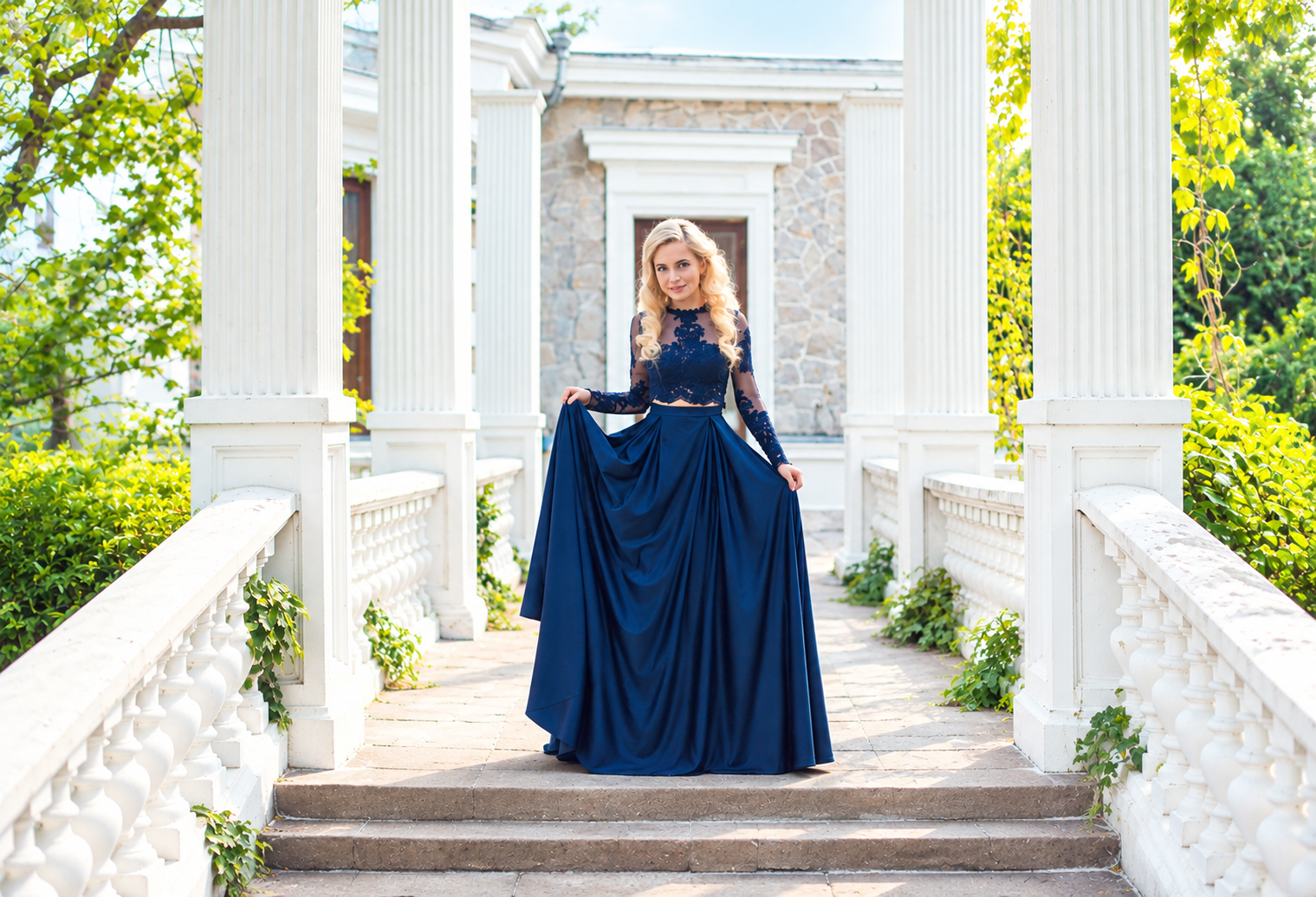
| Fluid evening gown | Formal dinner or gala | Drape and movement |
| Structured full-skirt dress | Formal celebration | Balanced proportions |
| Embroidered gown | Special evening occasion | Thoughtful placement of decoration |
| Reworked vintage dress | Personal or family celebration | Condition and careful alterations |
1. The Tailored Midi: Composed Daytime Elegance
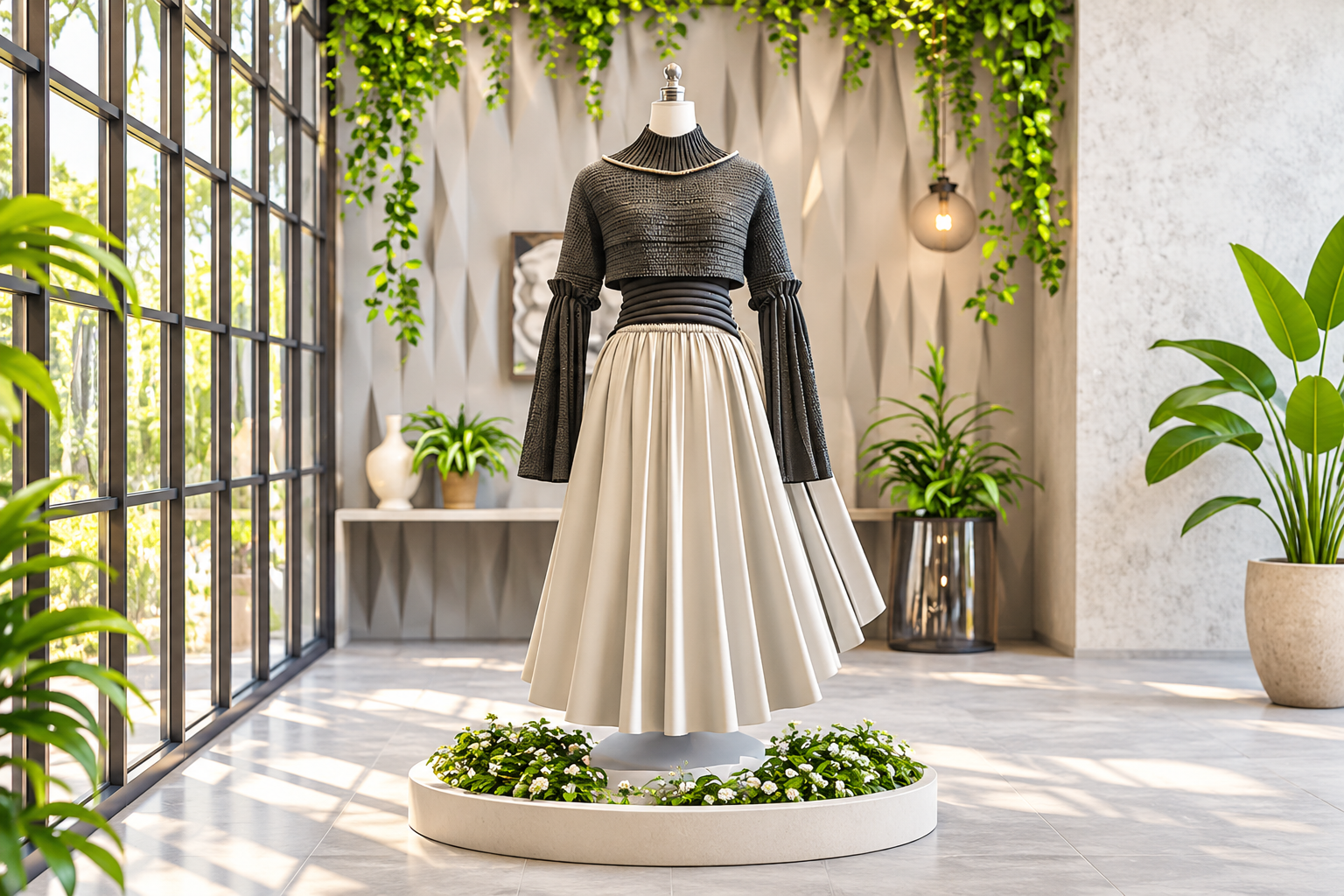
A tailored midi dress offers an accessible interpretation of royal-inspired style.
Look for a shape that defines the body comfortably, with enough room through the shoulders and hips. A skirt that looks elegant while standing should also allow you to sit and walk naturally.
How to Style It
Choose one clear focal point: a sculpted neckline, distinctive buttons, or an interesting sleeve.
A compact handbag and comfortable, polished shoes can complete the outfit without competing with it.
For 2027: Treat this as a versatile wardrobe option rather than a garment that needs replacing each season.
2. Long-Sleeved Lace: Craftsmanship With Purpose
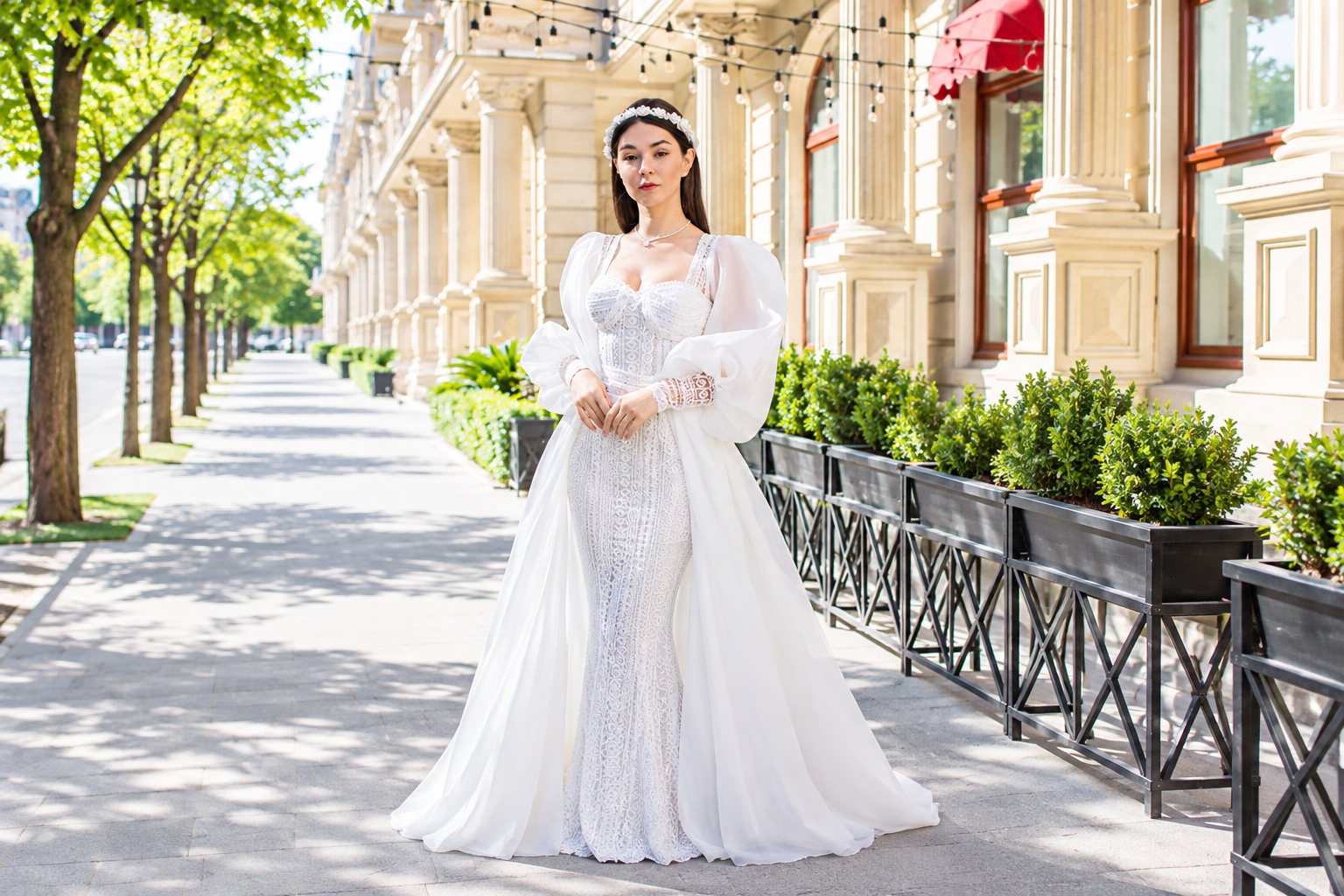
Catherine Middleton’s 2011 wedding dress provides a documented reference for intricate lace and structured construction.
Designed by Sarah Burton at Alexander McQueen, it incorporated handmade lace appliqué by the Royal School of Needlework. The official description identifies floral motifs including the rose, thistle, daffodil, and shamrock.
What to Borrow From the Look
The lesson is the integration of decoration and shape.
For a guest dress or formal outfit, examine whether the lace follows the garment’s seams and whether the lining creates the coverage you want. Check comfort around the neckline, wrists, and underarms.
You can borrow the craftsmanship-led approach without copying a bridal gown.
3. The Bateau Neckline: Elegance Through Clean Lines
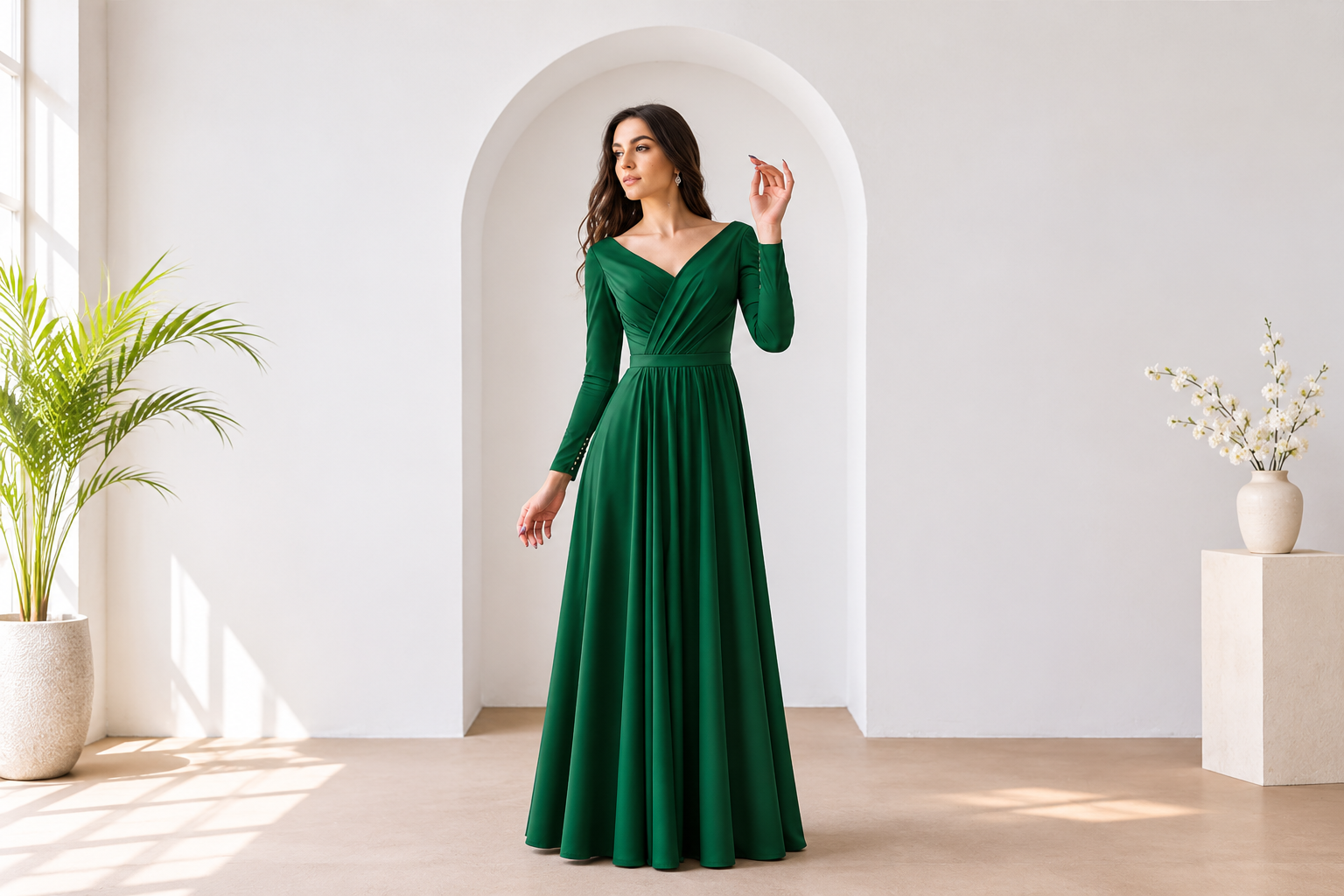
Meghan Markle’s 2018 wedding dress demonstrates how a restrained design can create a strong impression.
Clare Waight Keller designed the dress for Givenchy, using double-bonded silk cady. The official account describes an open bateau neckline, three-quarter sleeves, and six carefully placed seams.
How to Make the Style Work
A broad neckline draws attention to the shoulders and face. Its success depends on fit: it should remain comfortable and stable as you move.
Try the dress with the undergarments you intend to wear. Check the neckline while reaching forward and sitting down.
For 2027: A clean neckline is a useful choice when you want the fabric and construction to take the lead.
4. The Fluid Evening Gown: A Softer Interpretation
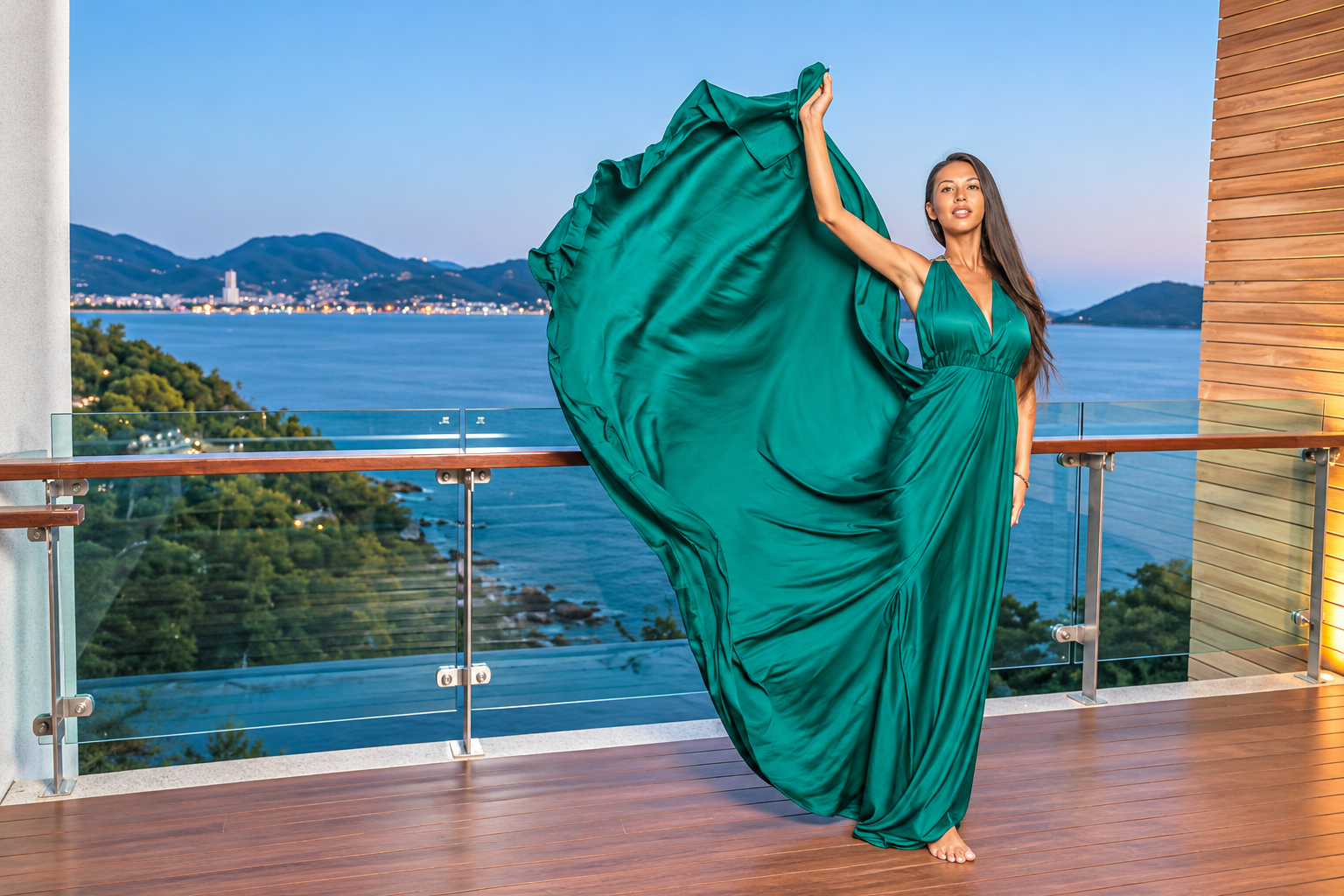
Royal dressing also includes more relaxed evening silhouettes.
For the December 1996 Met Gala, Diana, Princess of Wales, wore a midnight-blue satin gown with black lace, created by John Galliano for Dior. Dior’s archive describes its bias-cut construction and lingerie-inspired appearance.
What to Borrow From the Look
Focus on the way the fabric falls.
A flowing evening dress should move smoothly without pulling across the hips or collapsing at the neckline. Try it under different lighting and walk in the intended shoes before deciding on alterations.
One carefully chosen accessory can be enough when the dress already has a distinctive surface or neckline.
5. Embroidery That Adds Meaning
Queen Elizabeth II’s 1953 Coronation dress, designed by Norman Hartnell, offers an important example of decoration with a specific purpose.
Royal Collection Trust describes white duchesse satin embroidered with national and Commonwealth floral emblems, using threads, silks, pearls, sequins, and crystals.
How to Adapt the Principle
Ceremonial symbolism does not need to be copied literally.
For a personal occasion, consider embroidery connected to a family story, a favourite flower, or a meaningful place. Smaller areas of decoration around a cuff, neckline, or bodice can provide character without overwhelming the garment.
The aim is a deliberate design rather than decoration added everywhere.
6. The Structured Full Skirt: Shape Before Embellishment
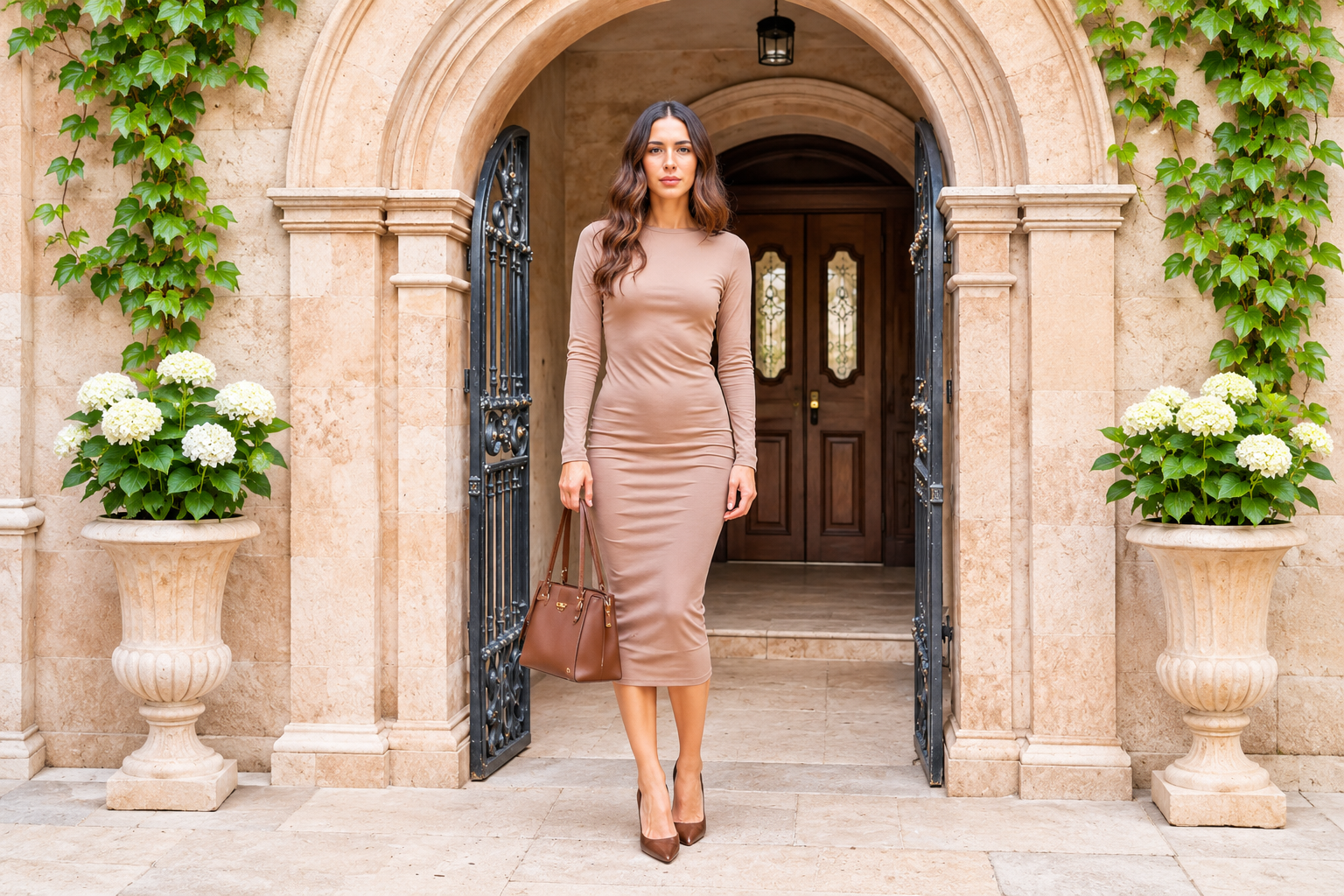
A fitted bodice and fuller skirt create a formal silhouette through proportion.
Before adding a belt, jewellery, or decorative sleeves, check the relationship between the waistline and skirt volume. A stiff fabric will behave differently from a soft one, even when the pattern is similar.
What to Check
Sit down, turn, and walk through a doorway. Make sure the skirt’s volume suits both the occasion and the space.
For many celebrations, a manageable hem and comfortable structure will be more enjoyable than a dramatic train.
7. A Reworked Vintage Dress: Personal History in the Design
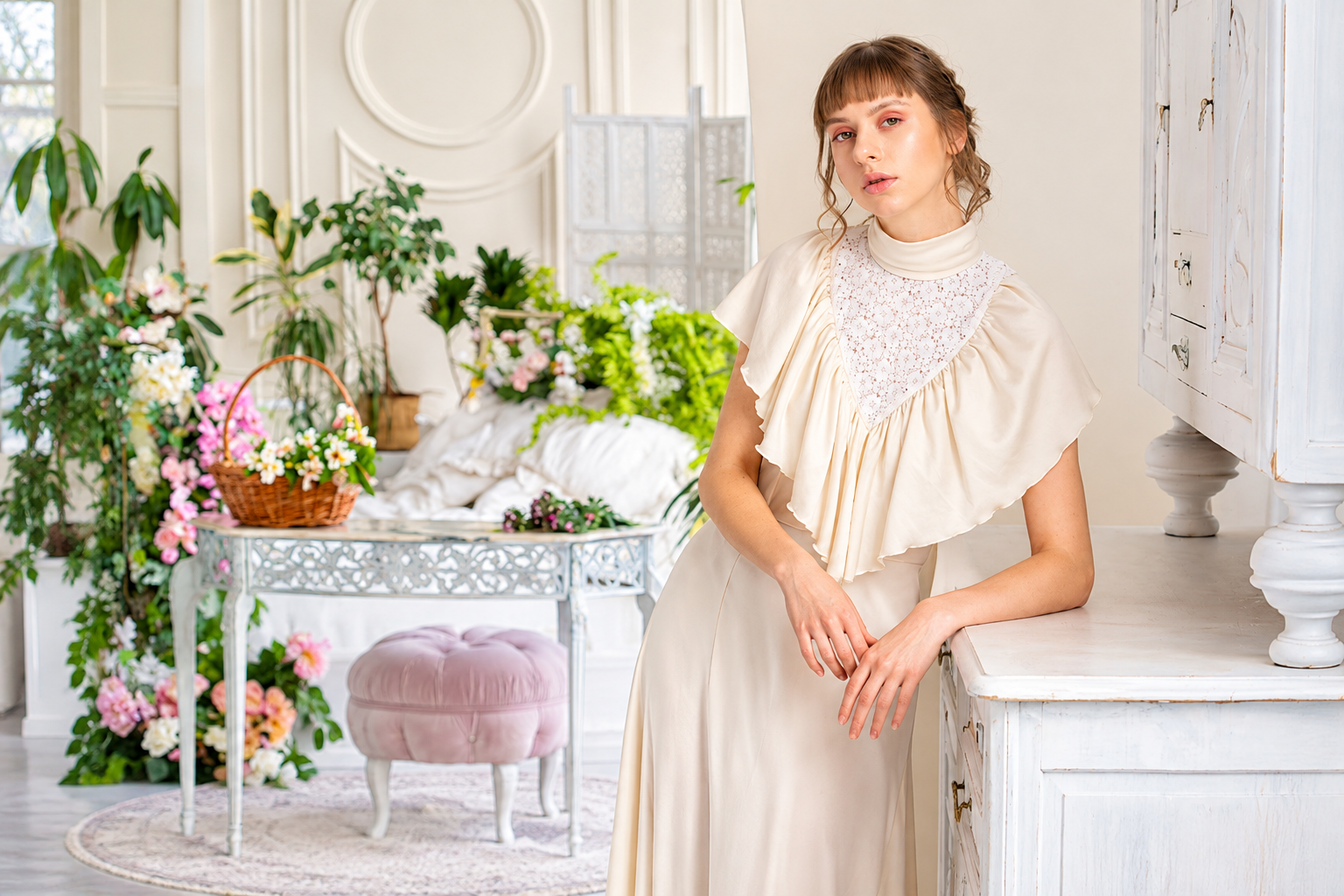
Princess Beatrice’s 2020 wedding offers a documented example of adapting an existing royal garment.
She wore an ivory taffeta dress by Norman Hartnell, originally worn by Queen Elizabeth II in 1961. Royal Collection Trust records that it was altered under the direction of Angela Kelly and Stewart Parvin for the wedding.
What to Borrow From the Look
An existing dress can become distinctive through thoughtful alterations.
Have a specialist assess the fabric, seams, closures, and embellishment before changing it. Preserve the details you value while adapting the fit to the person who will wear it.
This approach is particularly meaningful for family garments.
Choosing Fabric for a Royal-Inspired Dress
Start with the shape you want, then assess whether the fabric supports it.
| Desired effect | What to examine |
| A defined silhouette | Body, recovery, and how the fabric holds a fold |
| Soft movement | Drape while walking and sitting |
| A luminous surface | Shine under daylight and indoor lighting |
| Intricate lace | Pattern alignment, lining, and seam finishing |
| Embroidered detail | Weight, backing, and comfort against the body |
| A smooth appearance | Opacity and compatibility with undergarments |
A prestigious fibre name alone cannot establish how a finished dress will perform. Our guide to identifying luxury fabrics explains what to inspect beyond the label.
Colours to Consider for 2027
There is no single colour that makes a dress “royal.”
For your own wardrobe, these are useful editorial options:
- Navy: A versatile alternative to black.
- Emerald or sapphire tones: Strong colour for an evening outfit.
- Burgundy: A rich option for cooler-weather celebrations.
- Soft blue or rose: A gentler daytime palette.
- Champagne or ivory: Elegant choices when appropriate to the event.
Follow the invitation and the host’s expectations. A colour suitable for your own celebration may be inappropriate when attending someone else’s wedding.
Accessories: Give the Dress Room to Work
Begin with what the dress already contributes.
An embroidered neckline may need little additional jewellery. A plain dress may accommodate a more distinctive necklace or earrings.
Check the complete outfit together, including shoes, bag, outer layer, and undergarments. Comfort becomes especially important during events that involve standing or walking.
For another approach to restrained styling, explore our guide to stealth wealth fashion.
FAQs About Royal Dresses 2027
What Are the Main Royal Dress Trends for 2027?
Specific future royal outfits cannot be confirmed in advance. This guide suggests tailored midis, lace, clean necklines, fluid gowns, meaningful embroidery, and reworked vintage pieces as royal-inspired options.
Do Royal-Inspired Dresses Have to Be Modest?
There is no single rule covering every royal wardrobe or occasion. Choose coverage that suits your preferences, the event, and any stated dress code.
Which Designers Created Famous Royal Dresses?
Documented examples include Norman Hartnell for Queen Elizabeth II, Sarah Burton at Alexander McQueen for Catherine Middleton’s 2011 wedding, and Clare Waight Keller for Givenchy for Meghan Markle’s 2018 wedding.
Can You Create the Look Without Buying Designer Clothing?
Yes. Prioritise fit, fabric behaviour, clean finishing, and suitable accessories. Alterations can help an existing dress work better for your proportions.
Is Royal Style the Same as Wearing a Ball Gown?
No. Royal-inspired dressing can include practical day dresses and restrained eveningwear. The appropriate outfit depends on the occasion.
Build the Look Around the Occasion
The most useful royal fashion references offer different lessons: Catherine’s lace highlights craftsmanship, Meghan’s gown emphasises construction, Diana’s Dior dress explores fluidity, and Beatrice’s wedding dress shows the possibilities of adaptation.
For 2027, choose the lesson that suits your life. A dress feels elegant when its design, fit, and purpose work together.