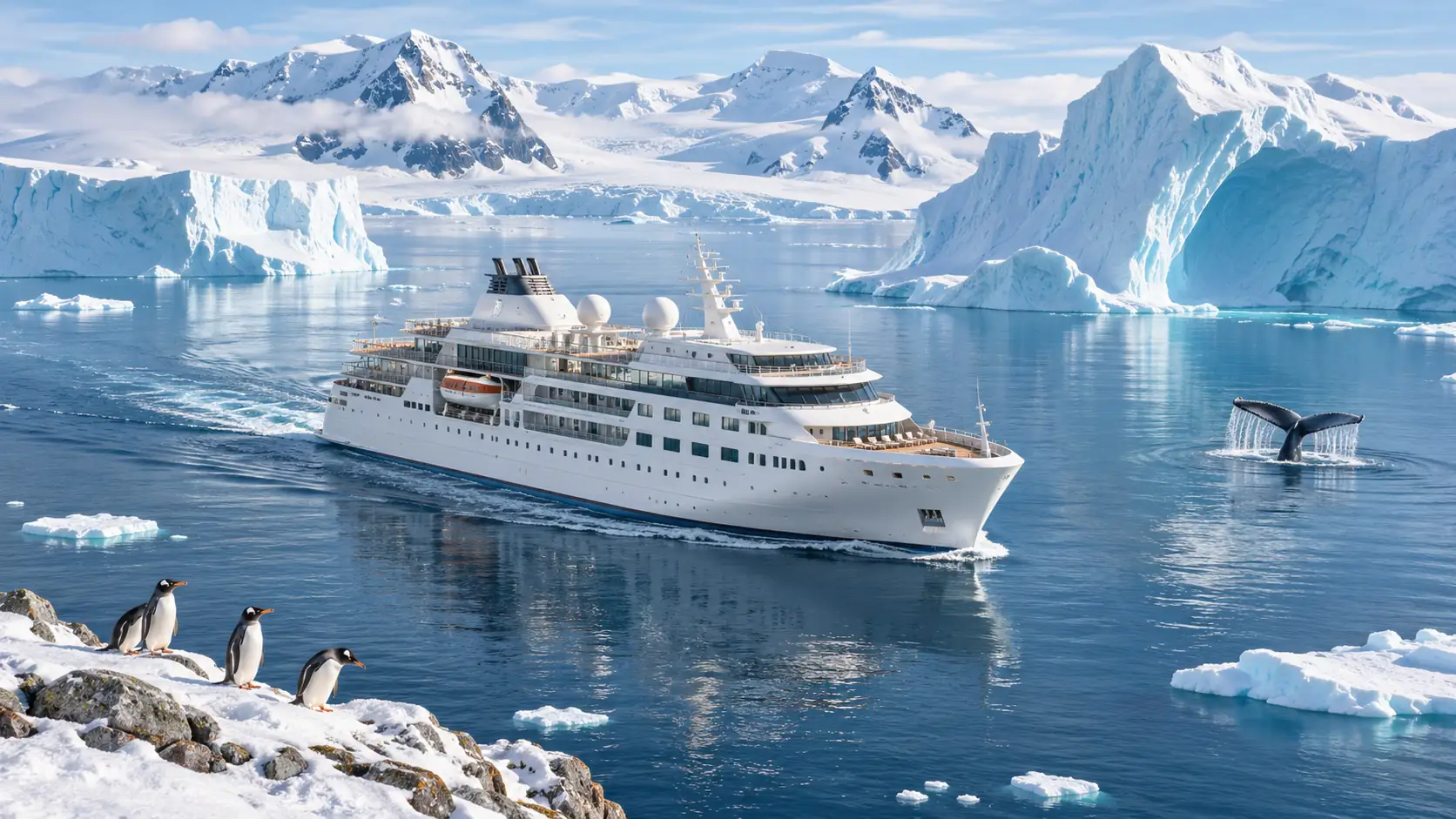
Imagine waking up, pulling back the curtains, and discovering that the world outside your window has turned completely white.
Not the soft white of a beautiful winter morning.
Something much more extraordinary.
Enormous mountains rise from the ocean. Icebergs drift past like floating sculptures. The sea is almost impossibly quiet, and somewhere in the distance, a group of penguins is making its way across the shore.
You step outside with a warm drink.
The air is cold enough to make you forget everything that was happening back home.
Then someone announces that the expedition boats are ready.
And suddenly, you’re not simply admiring Antarctica from a beautiful ship.
You’re preparing to experience it.
That’s the moment many travelers imagine when they start researching a journey to the world’s southernmost continent.
But here’s something important.
Not every cruise line that goes to Antarctica lets its passengers step ashore.
Some voyages bring you remarkably close to penguin colonies, glaciers, and spectacular icy landscapes aboard small expedition vessels.
Others visit Antarctic waters on much larger cruise ships, where the experience is enjoyed entirely from the decks and windows.
Both can be memorable.
But they are very different holidays.
Cruise lines and expedition operators visiting Antarctica in the 2026–2027 season include Silversea, Seabourn, Scenic, Viking, Ponant, Quark Expeditions, HX Expeditions, Lindblad Expeditions, Aurora Expeditions, Atlas Ocean Voyages, Oceanwide Expeditions, and Antarctica21. Princess Cruises and Holland America Line also offer scenic Antarctica itineraries without Antarctic shore landings.
So which should you choose?
That depends on what you want your Antarctica story to look like.
A beautiful suite overlooking the ice?
A Zodiac expedition past towering glaciers?
A flight that avoids the Drake Passage?
Or the chance to step onto a remote shore and experience a place that feels almost untouched by ordinary life?
Let’s find the journey that’s right for you.
Which Cruise Lines Actually Go to Antarctica in 2027?
Here are fourteen established options and the experiences they offer.
| Cruise operator | Cruise style | Antarctic shore landings? | Best suited to |
| Silversea | Ultra-luxury expedition | Yes, conditions permitting | Luxury suites and fly-cruises |
| Seabourn | Luxury expedition | Yes | Elegant adventure |
| Scenic | Discovery yacht | Yes | High-end expedition amenities |
| Viking | Premium expedition | Yes | Science and Scandinavian comfort |
| Ponant | Luxury polar expedition | Yes, itinerary-dependent | French elegance and remote routes |
| Quark Expeditions | Specialist expedition | Yes | Active polar adventures |
| HX Expeditions | Exploration and science | Yes | Learning and discovery |
| Lindblad Expeditions | Nature and photography | Yes | Wildlife enthusiasts |
| Aurora Expeditions | Small-ship adventure | Yes | Active travelers |
| Atlas Ocean Voyages | Yacht-style expedition | Yes | Boutique luxury |
| Oceanwide Expeditions | Adventure-focused | Yes | Exploration-focused travelers |
| Antarctica21 | Air-cruise expedition | Yes | Travelers wishing to avoid the Drake crossing |
| Princess Cruises | Scenic cruise | No | Comfortable sightseeing |
| Holland America Line | Scenic cruise | No | Longer South American voyages |
Landings are always subject to weather, sea ice, site restrictions, and expedition-leader decisions. A landing-capable vessel does not guarantee a particular number of landings.
1. Silversea: For Travelers Who Want Antarctica Without Giving Up Beautiful Hospitality
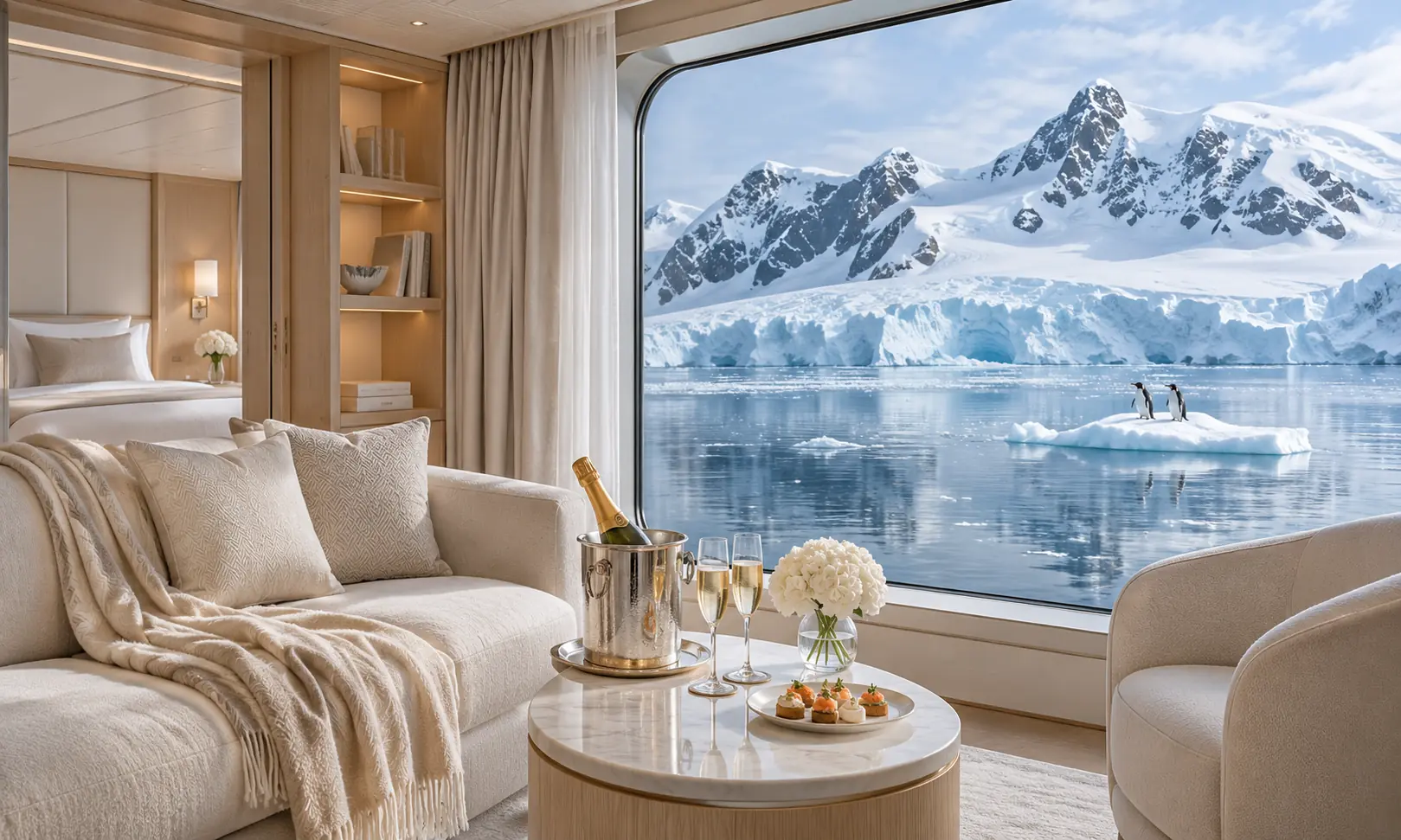
Best for: Ultra-luxury suites, fine dining, and fly-cruise travel
Some people dream of a proper expedition.
They want to see penguins, explore extraordinary landscapes, and experience the Antarctic wilderness.
But they also enjoy beautifully appointed suites, attentive service, and returning to an elegant dining room after a long day outside.
Silversea brings those worlds together.
Its expedition vessels include Silver Endeavour and Silver Wind, with itineraries offering Zodiac excursions and opportunities for shore landings.
The company’s Antarctica Bridge program allows travelers on selected voyages to fly between southern Chile and King George Island rather than sailing across the Drake Passage.
And here’s an interesting development for the 2026–2027 season.
Silversea introduced The Cormorant at 55 South in Puerto Williams, Chile, as part of its fly-cruise arrangements.
The hotel gives guests a dedicated place to stay before or after their journey to Antarctica.
The question worth asking: Is the most luxurious part of an Antarctic holiday the suite or having fewer logistical worries before the expedition begins?
For travelers who value comfort throughout the journey, both can matter.
2. Seabourn: Beautiful Suites and a Serious Sense of Adventure
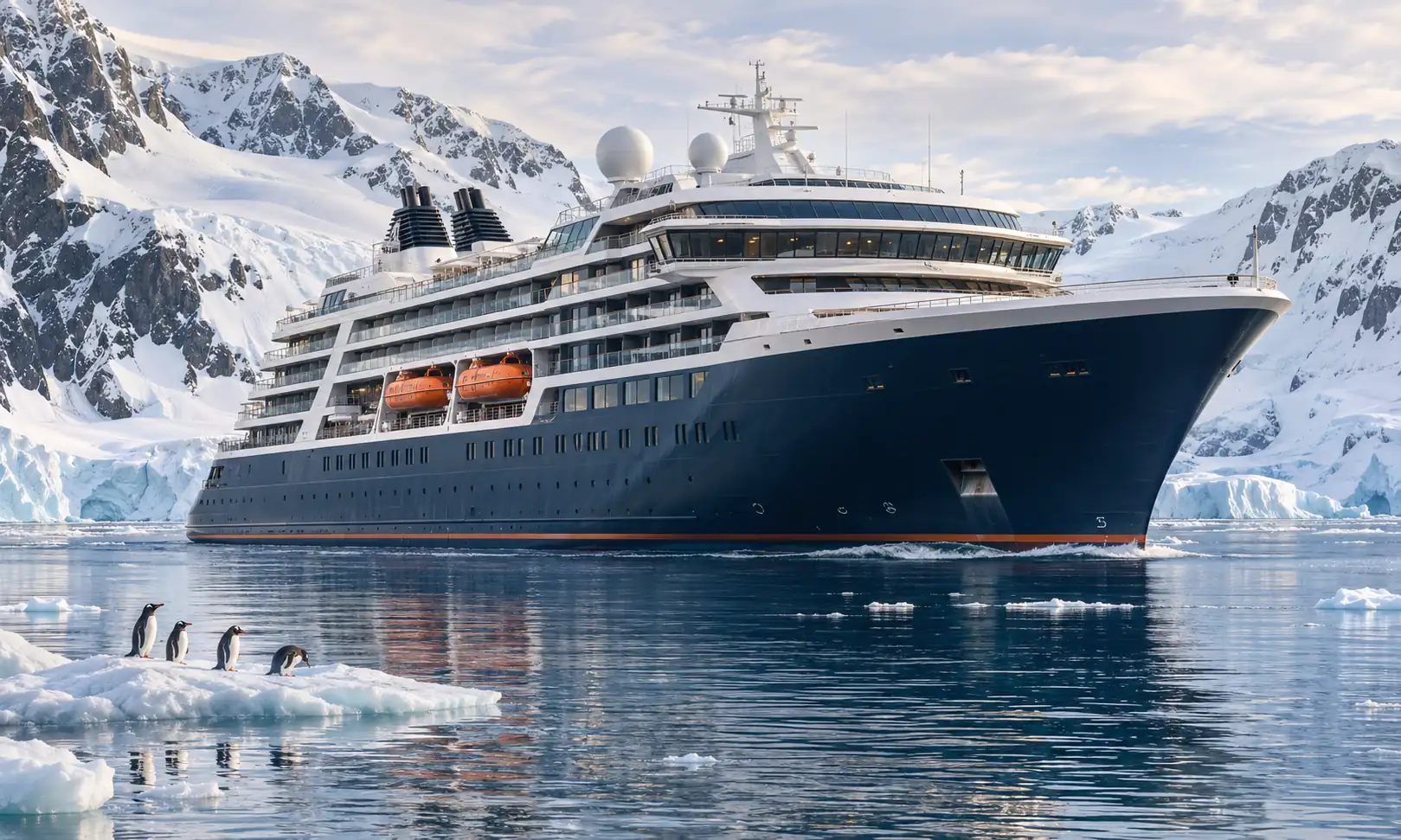
Best for: Luxury travelers who want genuine expedition activities
Imagine returning from a Zodiac excursion.
You’ve spent the morning watching penguins move across a snowy shore.
Your boots are wet, your cheeks are cold, and you’re still talking excitedly about what you’ve seen.
Then you return to a beautiful ship with a comfortable suite, refined restaurants, and thoughtful service.
That’s the appeal of Seabourn’s dedicated expedition vessels.
Seabourn Venture and Seabourn Pursuit are designed to combine luxury accommodation with serious exploration capabilities.
The company’s published 2027–2028 itineraries include Antarctica, South Georgia, and the Falkland Islands.
Some voyages also offer kayaking and specialized photography activities.
Seabourn’s ships have equipment for underwater exploration, although specific activities are subject to availability and operational approvals.
What makes Seabourn different?
The idea that adventure and elegance don’t need to compete.
You can spend the morning learning from polar experts and the evening enjoying a beautifully prepared dinner.
3. Scenic Eclipse: Antarctica With the Atmosphere of a Private Discovery Yacht
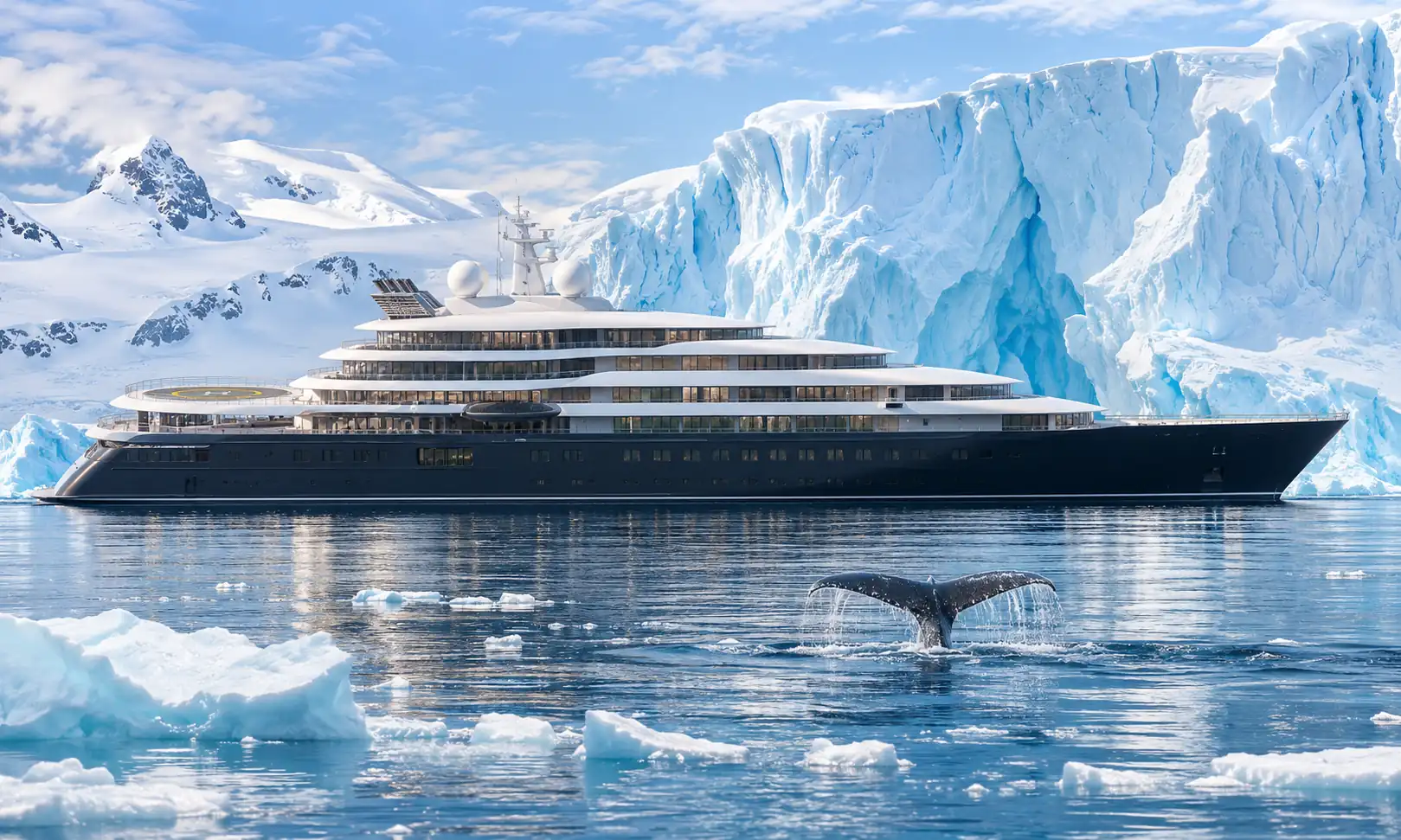
Best for: Travelers who love spectacular onboard amenities
Some ships look like floating research vessels.
Others resemble luxury hotels.
Scenic Eclipse attempts to combine elements of both.
The company’s Scenic Eclipse and Scenic Eclipse II are purpose-built discovery yachts designed to visit remote destinations while providing premium suites, multiple dining options, and wellness facilities.
Their equipment includes helicopters and submersible technology for selected voyages.
But here’s where a little realism matters.
A helicopter or submarine appearing in a brochure doesn’t mean every guest can use it on every Antarctic itinerary.
Weather, local restrictions, permits, equipment availability, and additional charges may determine which activities operate.
Would you choose Scenic for the helicopter?
It might be an appealing extra.
But I’d make the decision based primarily on the expedition itinerary and the quality of the overall experience.
In Antarctica, the most extraordinary sight of the day might be visible directly from the deck.
No special vehicle required.
4. Viking Expeditions: A Beautifully Designed Ship With a Scientific Personality
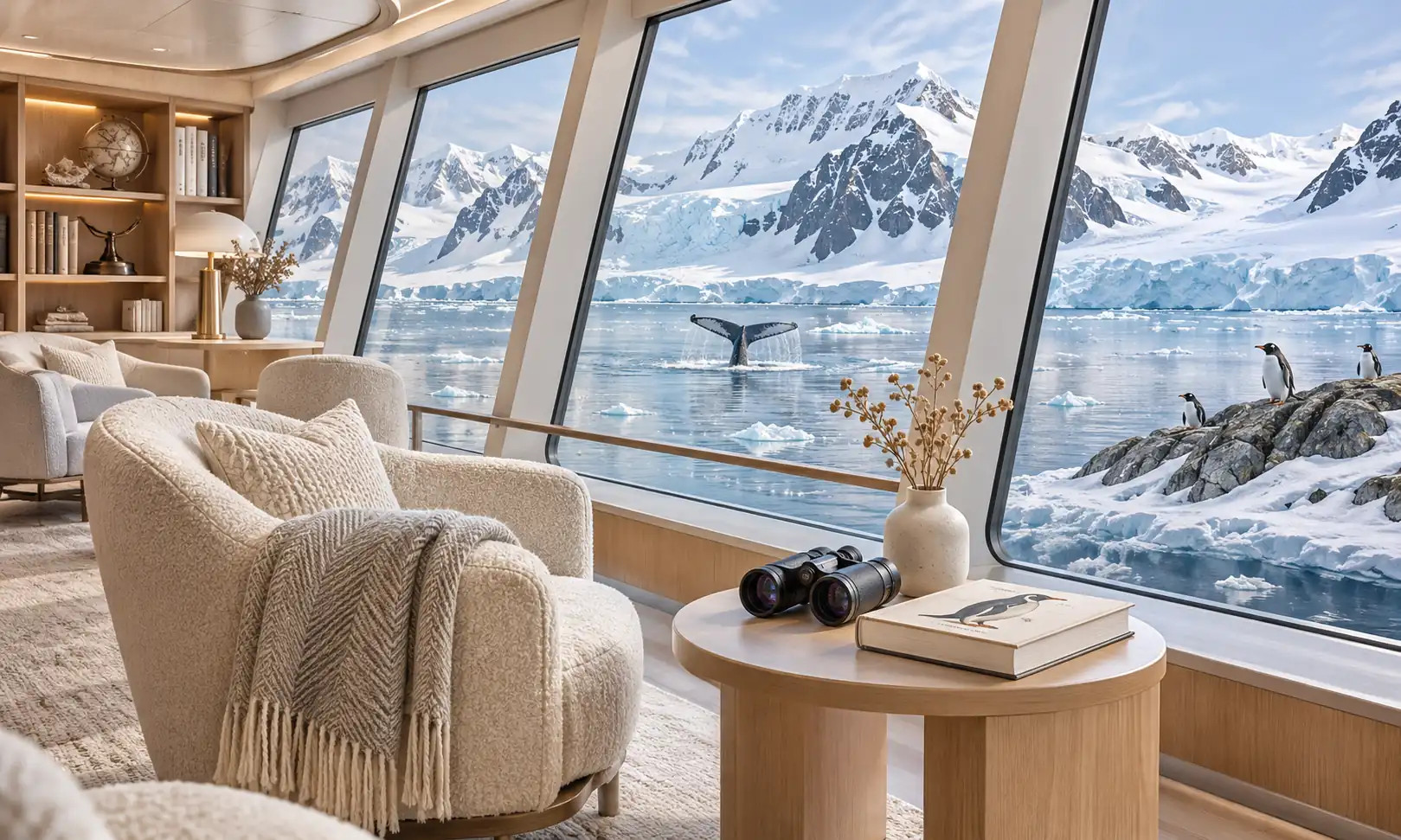
Best for: Curious travelers who love nature, design, and learning
Viking brings a distinctly Scandinavian approach to Antarctic travel.
Its expedition ships, Viking Octantis and Viking Polaris, combine contemporary interiors with scientific facilities and carefully designed expedition equipment.
Both are intended for polar exploration.
The ships feature an enclosed area known as The Hangar, which supports expedition-boat operations.
And Viking offers activities such as Zodiac excursions, kayaking, and selected submarine experiences.
The company has also introduced an itinerary called Into the Antarctic Circle, offering a chance to cross the 66°33′ south latitude line.
That’s a fascinating detail.
Because crossing the Antarctic Circle isn’t the same as simply visiting the Antarctic Peninsula.
It requires traveling farther south.
And the experience depends on ice and operating conditions.
The overlooked question: Are you visiting Antarctica mainly to see it—or to understand it?
For travelers who enjoy lectures, natural history, and thoughtful exploration, Viking’s scientific emphasis can be especially appealing.
5. Ponant: French Elegance at the Edge of the World
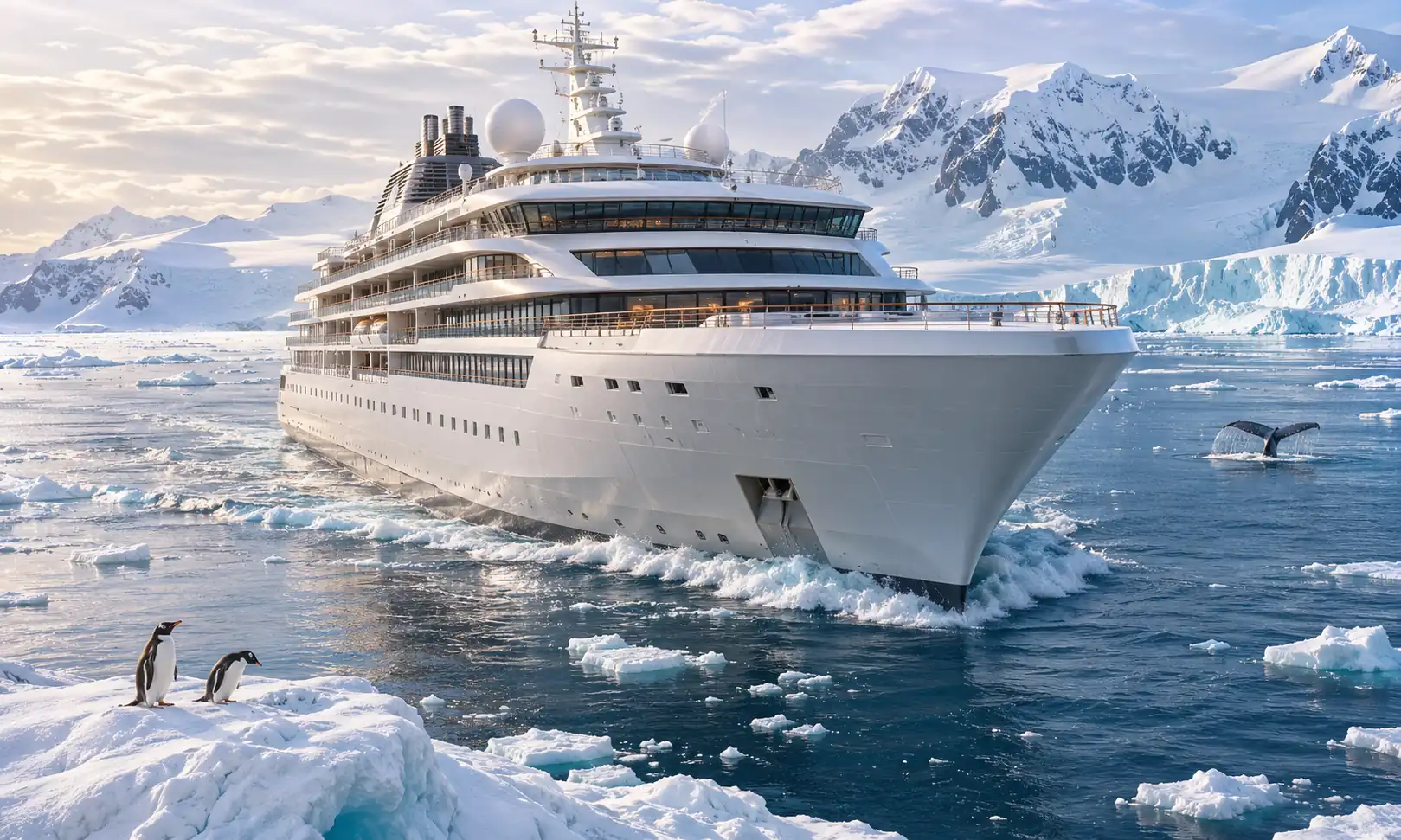
Best for: Distinctive polar itineraries and French expedition hospitality
There’s something wonderfully dramatic about the idea of exploring remote polar waters aboard a beautifully designed French ship.
Ponant offers exactly that sort of experience.
Its fleet includes luxury expedition vessels such as L’Austral, Le Lyrial, and Le Soléal, alongside the extraordinary icebreaking ship Le Commandant Charcot.
And Ponant’s itineraries reveal just how different Antarctic journeys can be.
For January 2027, the company lists a Ross Sea expedition aboard Le Soléal.
Its published itinerary extends far beyond the classic Antarctic Peninsula route.
Meanwhile, Le Commandant Charcot offers more specialized polar voyages, including planned Weddell Sea departures later in 2027.
These are not interchangeable experiences.
A standard Peninsula voyage and a remote Ross Sea expedition require very different amounts of time and planning.
Why choose a more remote itinerary?
Because your interest may extend beyond seeing beautiful icebergs.
Perhaps you’re fascinated by polar exploration history, extraordinary wildlife habitats, or reaching regions visited by comparatively few travelers.
That’s where the itinerary becomes more important than the luxury rating.
6. Quark Expeditions: For People Who Want Their Holiday to Feel Like a Real Expedition
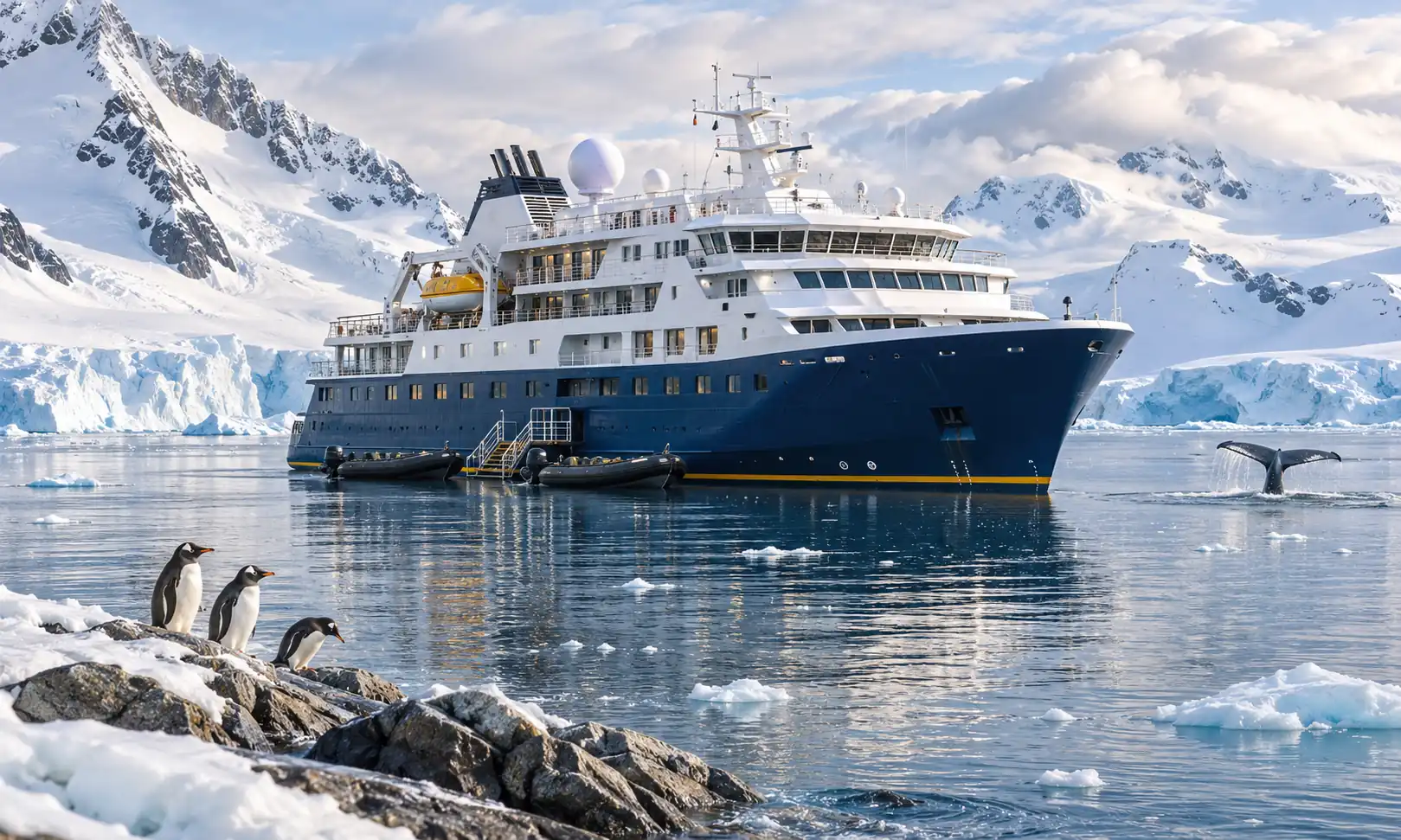
Best for: Active adventures, polar activities, and remote destinations
There’s a certain kind of traveler who hears the word Antarctica and immediately starts thinking about adventure.
They’re interested in kayaking.
Camping.
Hiking.
Perhaps exploring a destination that can’t be reached on a conventional cruise.
Quark Expeditions is closely associated with that style of travel.
Its vessels and published 2026–2027 program include voyages aboard Ultramarine, Ocean Explorer, and World Voyager.
Some itineraries offer specialized activities involving helicopters, including expeditions toward remote emperor penguin habitats.
But these are demanding environments.
Wildlife sightings, helicopter operations, and visits to specific sites depend on conditions and permissions.
Would you rather spend another afternoon enjoying a luxurious lounge or attempt an extraordinary outdoor experience?
Quark may be particularly attractive when the second answer sounds more exciting.
The important thing is selecting a voyage whose included and optional activities genuinely match your interests.
7. HX Expeditions: For Travelers Who Love the Science Behind the Scenery
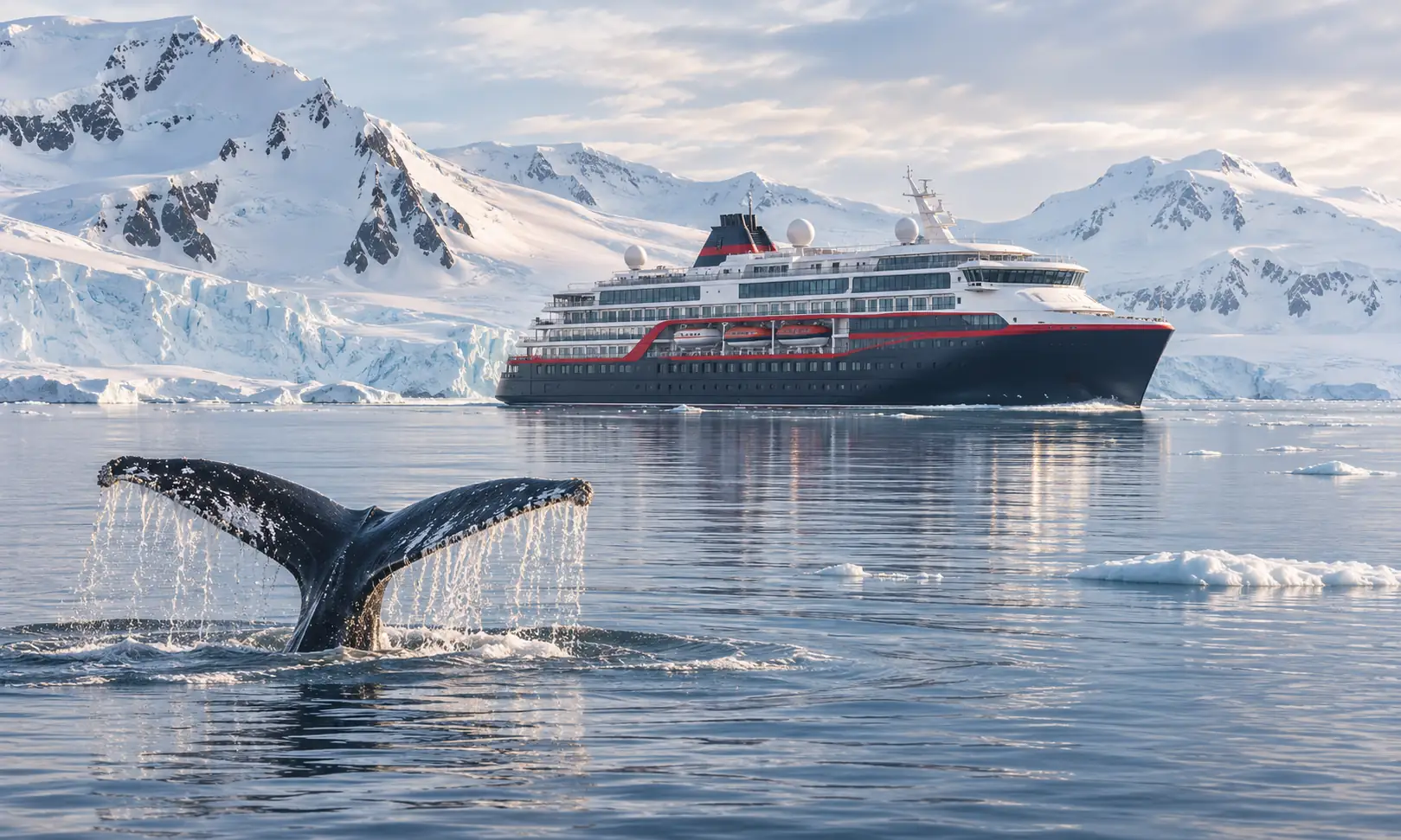
Best for: Learning, citizen science, and immersive polar travel
Imagine watching a whale surface close to the ship.
Everyone rushes to the deck.
Photographs are taken.
Questions begin.
What species is it? Why is it feeding here? How does the Antarctic ecosystem support such enormous animals?
HX approaches polar travel with a strong educational emphasis.
Formerly known as Hurtigruten Expeditions, HX operates expedition vessels including MS Roald Amundsen, MS Fridtjof Nansen, and MS Fram.
Its Antarctic program includes onboard learning opportunities, expedition teams, and citizen-science activities.
The company’s 2026–2027 offerings include classic Peninsula voyages and longer itineraries.
What makes this type of journey special?
Antarctica stops being simply an extraordinary landscape.
It becomes a place you’re learning to understand.
And that can make the memories much more meaningful.
8. Lindblad Expeditions: A Wonderful Choice for Wildlife Lovers and Photographers
Best for: Photography, wildlife, and natural-history exploration
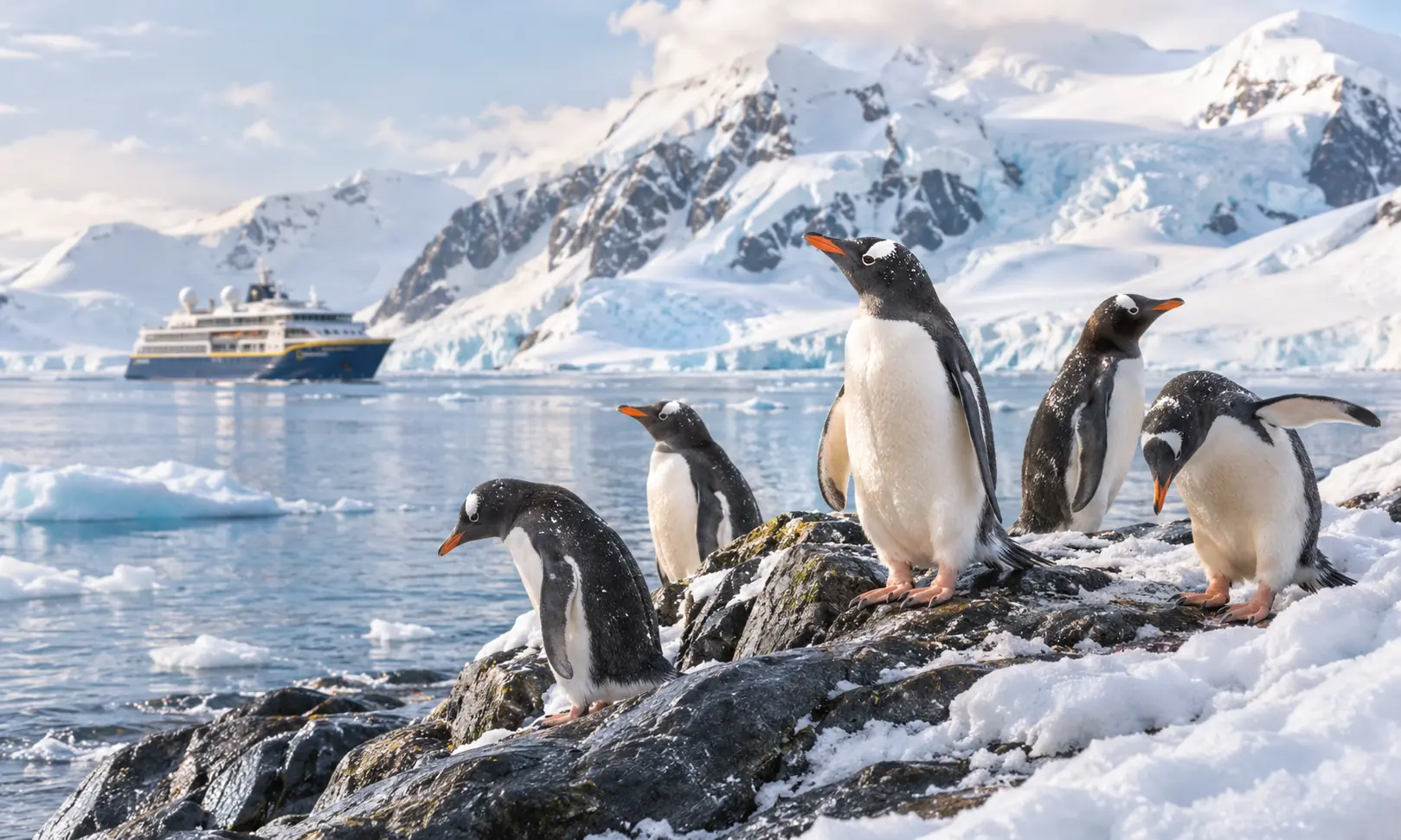
Imagine the excitement of seeing a penguin colony for the first time.
You lift your camera.
Then lower it again.
Because for a moment, you simply want to look.
That feeling is exactly what makes an Antarctic expedition so special.
Lindblad Expeditions operates in association with National Geographic and places considerable emphasis on photography, natural history, and destination education.
Its Antarctic vessels include National Geographic Endurance, National Geographic Resolution, and National Geographic Explorer.
The first two carry approximately 138 guests each.
That’s particularly interesting when considering Antarctic landing logistics.
Smaller passenger numbers can make organizing shore activities more straightforward, although the exact schedule always depends on conditions and local rules.
Lindblad also offers wildlife-rich itineraries visiting South Georgia and the Falklands.
The question worth asking: What matters more the camera you bring, or the person helping you understand what you’re photographing?
A knowledgeable expedition team can transform the entire experience.
9. Aurora Expeditions: Small Ships for People Who Want to Get Outside
Best for: Kayaking, hiking, photography, and active exploration
Some travelers don’t want to admire Antarctica only from a beautiful observation lounge.
They want to spend as much time as practical experiencing the landscape.
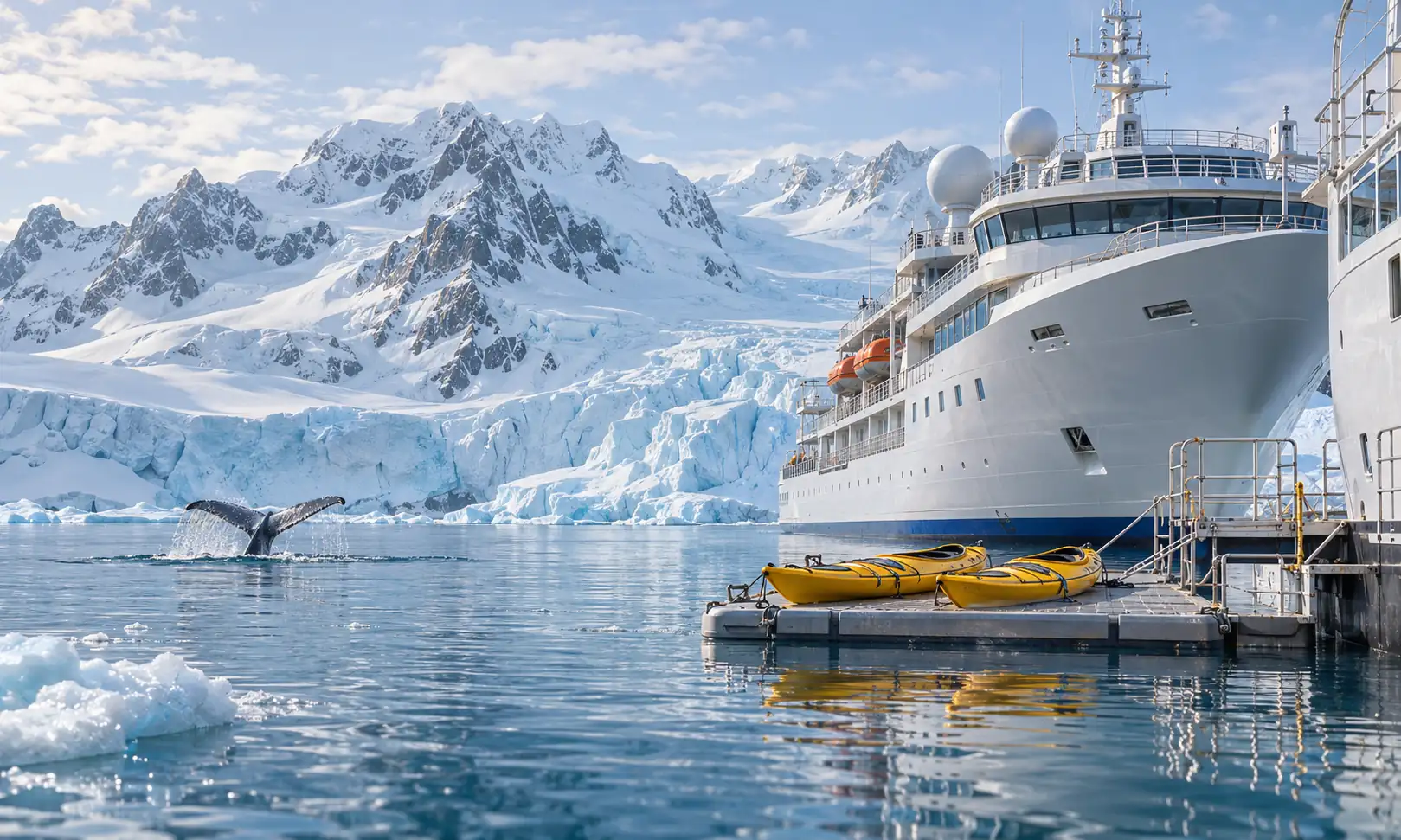
Aurora Expeditions has developed a strong identity around small-ship exploration.
Its 2026–2027 program includes voyages aboard Greg Mortimer, Sylvia Earle, and Douglas Mawson.
The published season features 27 voyages ranging from nine to 34 days.
Depending on the itinerary, activities may include kayaking, camping, snowshoeing, snorkeling, and other outdoor experiences.
These are not necessarily available on every departure.
And some require additional booking, fitness considerations, or specialist equipment.
Is Antarctica only for highly athletic travelers?
Not at all.
But if you enjoy outdoor activities, Aurora offers a range of ways to make the adventure more active.
The important thing is matching the itinerary to your interests and physical comfort.
10. Atlas Ocean Voyages: The Boutique-Yacht Feeling
Best for: Intimate cruising and a social onboard atmosphere
Not everyone enjoys traveling on enormous ships.
Some people prefer a smaller dining room, familiar faces, and a relaxed atmosphere that develops naturally over several days.
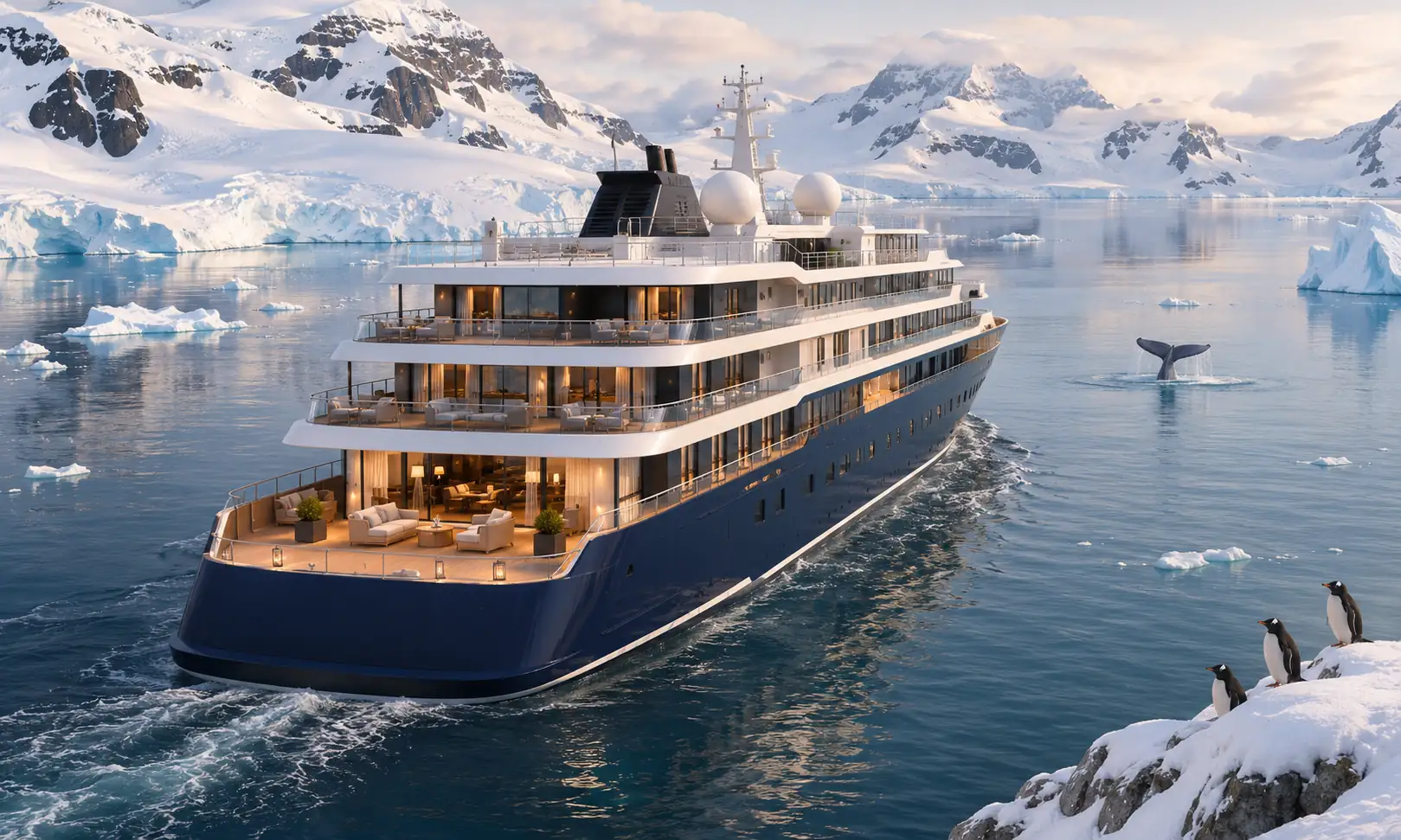
Atlas Ocean Voyages offers a yacht-style interpretation of expedition travel.
Its 2026–2027 Antarctic program includes World Navigator and World Traveller.
In March 2025, the company announced 23 departures for the season, emphasizing fewer than 200 guests aboard its ships.
That size is particularly relevant in Antarctica.
It allows a different expedition rhythm from larger vessels where more passengers may need to rotate through shore activities.
But don’t assume that a small ship automatically provides the most landings.
The expedition team, weather, available sites, and daily operating plan still matter.
What makes Atlas interesting?
It blends the social atmosphere of an intimate luxury yacht with the organization of an established expedition operator.
For someone who enjoys meeting fellow travelers, that can make the journey particularly memorable.
11. Oceanwide Expeditions: Less Showroom Luxury, More Polar Adventure
Best for: Expedition-focused travelers who prioritize outdoor experiences
Here’s something worth considering.
What if the most memorable Antarctic holiday doesn’t involve the most luxurious suite?
What if it involves more time outside?
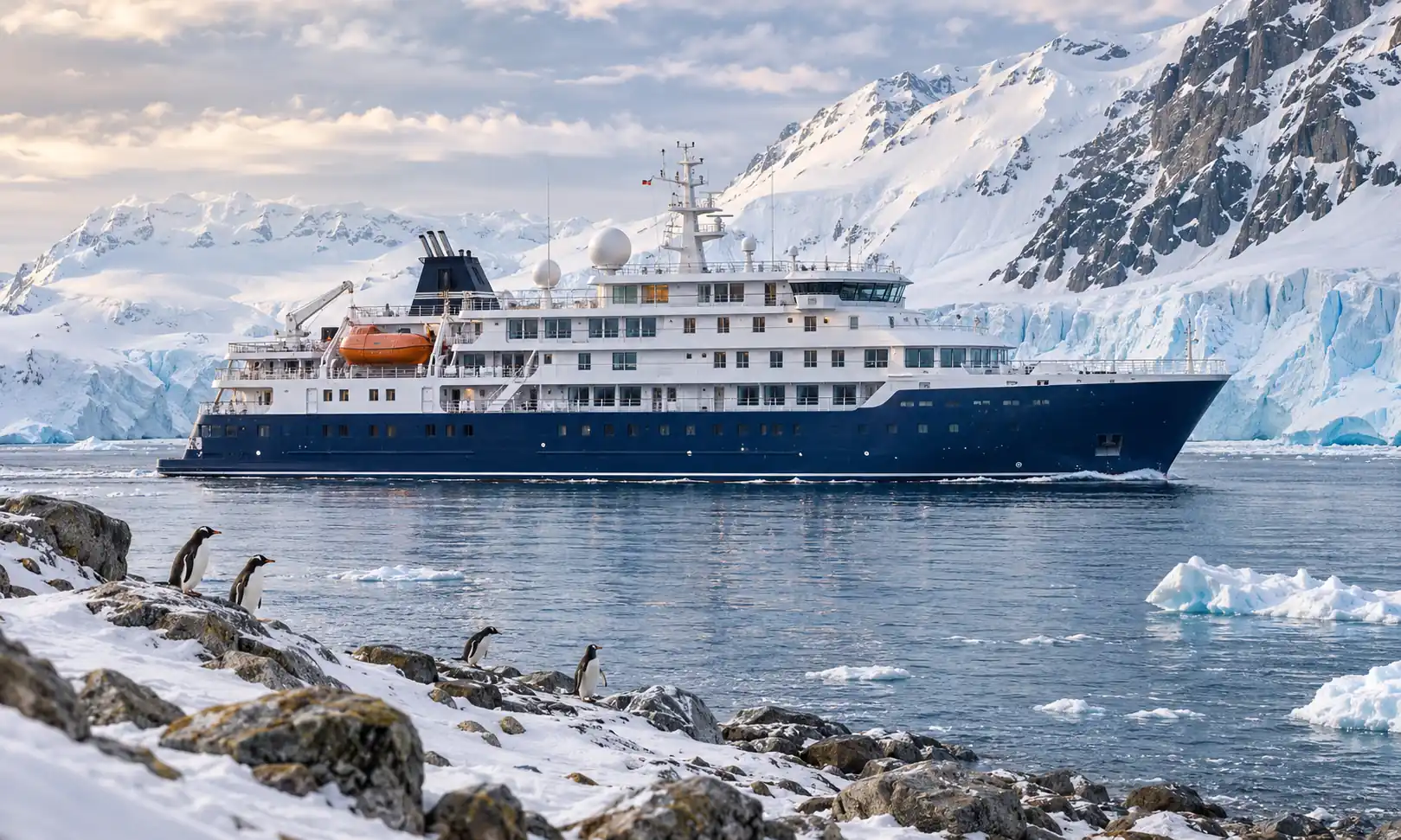
Oceanwide Expeditions is known for voyages aboard ships such as Hondius, Ortelius, and Plancius.
Its 2026–2027 program includes Antarctic Peninsula itineraries, South Georgia voyages, and options with activities such as camping, kayaking, and hiking.
The ships emphasize expedition operations rather than elaborate hotel-style facilities.
That makes Oceanwide worth considering for travelers whose priorities center on wildlife and the destination itself.
Is a simpler ship a lesser experience?
Not necessarily.
It depends on what you value.
A beautifully designed luxury suite is wonderful.
But so is returning from a remarkable excursion feeling that you’ve experienced something unforgettable.
The best answer is personal.
12. Antarctica21: The Specialist That Lets You Fly Over the Drake Passage
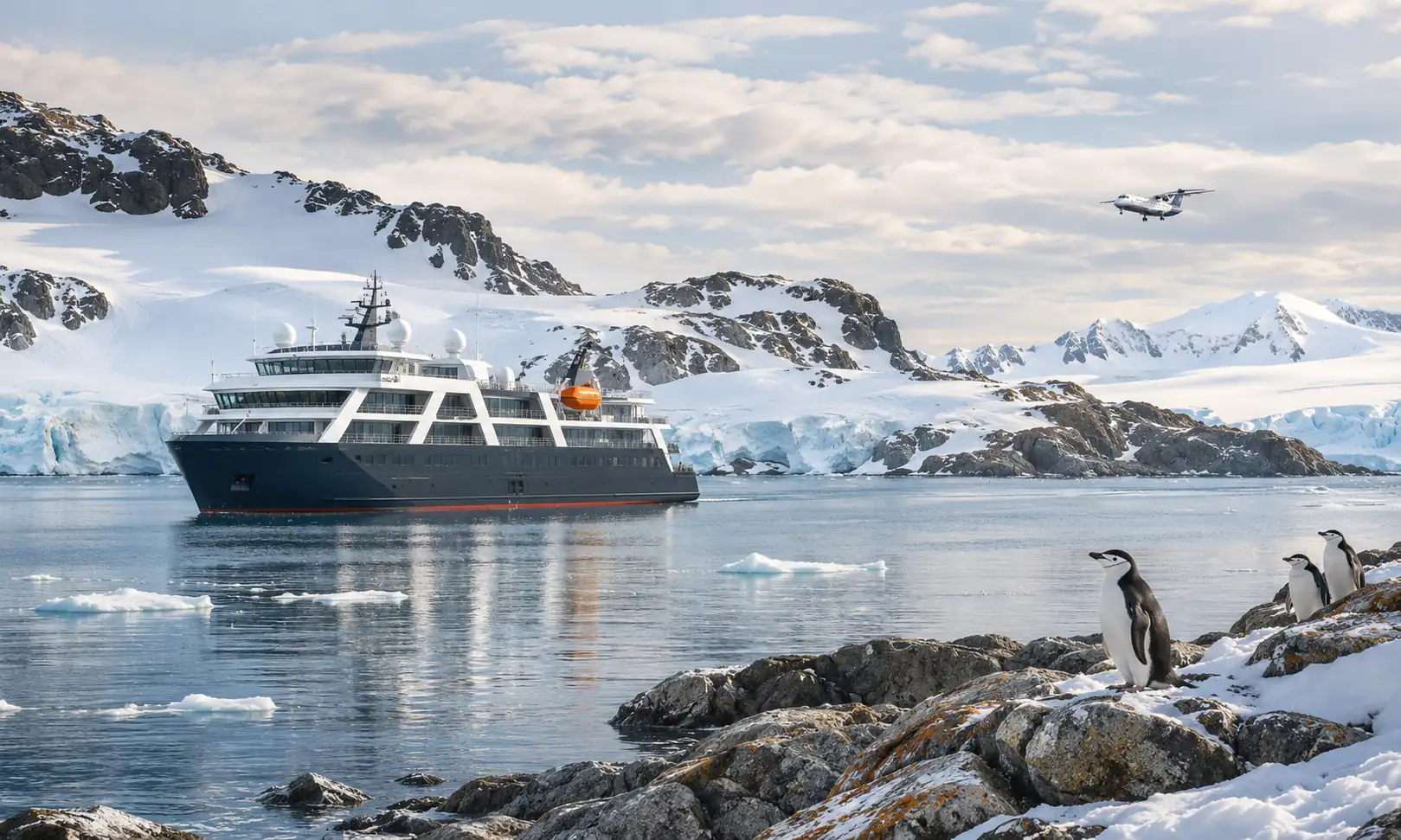
Best for: Travelers short on time or reluctant to cross the Drake by sea
Let’s talk about one of the most famous parts of an Antarctic journey.
The Drake Passage.
It’s the stretch of ocean between the southern tip of South America and the South Shetland Islands.
And it has a reputation for challenging sea conditions.
Not every crossing is rough.
But the possibility of strong waves is real.
For some travelers, that’s part of the adventure.
For others, it’s something they’d rather avoid.
Antarctica21 specializes in a different approach.
Guests typically begin in Punta Arenas, Chile, and fly approximately two hours to King George Island.
There, they transfer to an expedition vessel and begin exploring Antarctic waters.
Its program includes Magellan Explorer and the newer Magellan Discoverer, with departures in the 2026–2027 season.
Does flying guarantee an easier journey?
Not completely.
Flights to King George Island depend heavily on Antarctic weather.
Delays or schedule changes are possible.
So a fly-cruise exchanges the uncertainty of an ocean crossing for a different logistical consideration.
The overlooked question: Which uncertainty would you rather manage—rough seas or weather-dependent flights?
That’s a much more useful question than assuming one option is always better.
13. Princess Cruises: See Antarctica Without Leaving the Comfort of a Large Ship
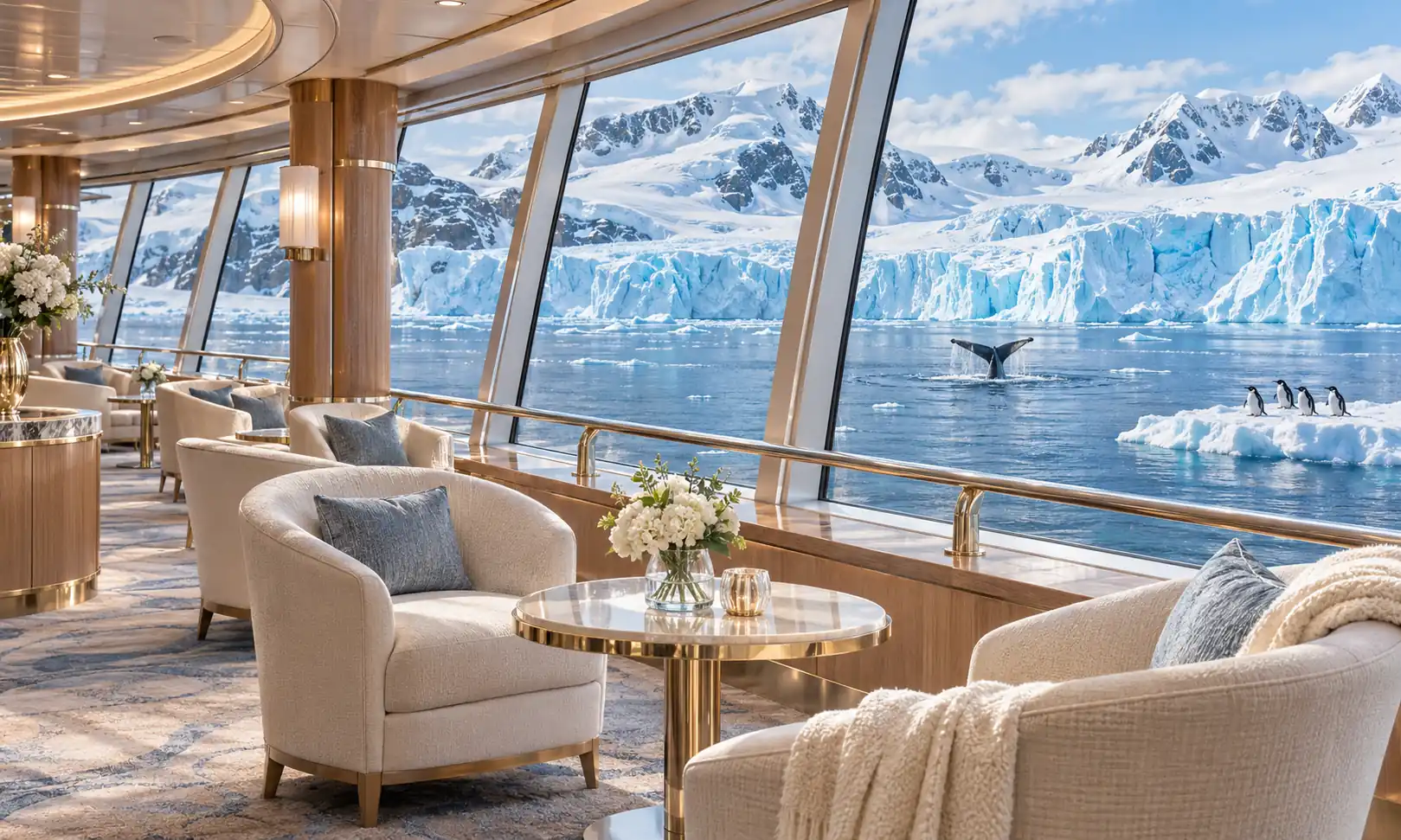
Best for: Scenic viewing and broader South America itineraries
Now we arrive at a completely different experience.
Princess Cruises offers Antarctica itineraries that include scenic cruising rather than Zodiac shore landings.
For the November 2026–January 2027 season, Majestic Princess is scheduled to operate South America and Antarctica voyages.
Selected itineraries include several days in Antarctic waters, along with visits to South American destinations.
Imagine enjoying a warm breakfast while enormous ice formations appear beyond the windows.
You can admire the landscape from the ship without changing into expedition equipment.
That can be appealing.
But the distinction must be clear.
Princess’s large-ship Antarctic scenic itineraries do not include landing passengers on the Antarctic continent.
For travelers who specifically dream of stepping onto an Antarctic shore, an expedition ship is the appropriate category to investigate.
14. Holland America Line: Antarctica as Part of a Grand South American Adventure
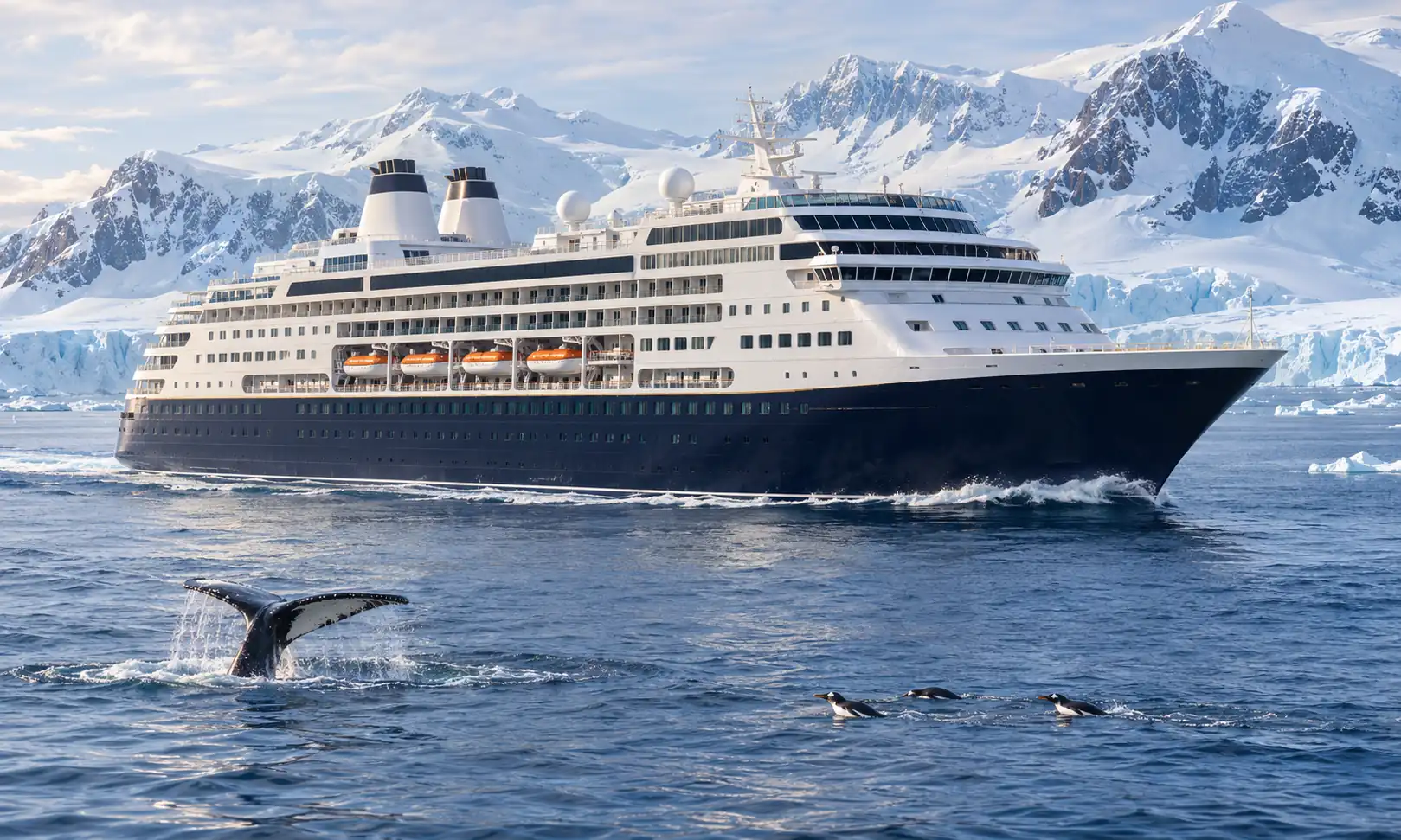
Best for: Longer voyages and travelers who enjoy the journey as much as the destination
Holland America’s approach is particularly attractive for someone who wants to experience more than one region.
Its 2027 Grand South America & Antarctica Voyage is scheduled aboard Zaandam.
Departing Fort Lauderdale on January 3, 2027, the 70-day journey includes an extensive exploration of South America.
It also features four days of scenic cruising in Antarctic waters.
The voyage is designed around the pleasure of a longer journey.
You might spend one part of the holiday exploring a beautiful South American city and another admiring the extraordinary landscapes of Antarctica.
But again, the experience is scenic cruising.
Not an Antarctic shore-landing expedition.
Who should choose this kind of trip?
Someone who loves extended voyages, comfortable onboard routines, and the variety of exploring several destinations in one holiday.
It may be the right choice for a completely different traveler from someone booking a ten-day polar expedition.
The Most Important Thing to Know: Seeing Antarctica Isn’t the Same as Stepping Onto It
Here’s a detail that deserves far more attention than luxury suites or advertised prices.
The International Association of Antarctica Tour Operators, known as IAATO, distinguishes between different types of vessels visiting Antarctica.
Its operating categories include:
| Vessel category | Passenger capacity | Antarctic landings |
| Category 1 expedition ship | 13–200 | Permitted, subject to conditions |
| Category 2 expedition ship | 201–500 | Permitted, subject to conditions |
| Cruise-only vessel | More than 500 | Not permitted |
| Small yacht | Up to 12 | Permitted where appropriately authorized |
At a landing site, generally no more than 100 passengers from a ship may be ashore at one time.
Guidelines also require at least one guide for every twenty passengers ashore, with stricter site-specific conditions possible.
Now consider what that means for your holiday.
A 100-passenger expedition ship may be able to accommodate all eligible guests in one shore group.
A 200-passenger ship would need at least two groups if every guest goes ashore.
A 378-passenger ship would need at least four.
That’s simple arithmetic based on the 100-person limit, not a prediction of any particular operator’s landing schedule.
The actual experience depends on the itinerary, expedition team, local restrictions, and weather.
Still, it’s a practical reason to examine ship size instead of assuming a larger, more luxurious vessel is automatically the best choice.
The Pravi Celer Footsteps Test: How to Choose the Right Antarctica Cruise
Here’s the question I would ask before booking an Antarctic holiday.
What do you want your most memorable moment to be?
Not the most expensive amenity.
Not the prettiest suite.
The moment you’ll still remember years later.
For Pravi Celer, I’ve developed the Footsteps Test, an original editorial way to evaluate Antarctic voyages.
1. Do You Want to See the Landscape or Step Into It?
If scenic cruising satisfies your dream, a larger ship may be suitable.
If shore landings are essential, choose an expedition itinerary that offers them.
2. How Much Time Do You Want to Spend Exploring?
A shorter Peninsula voyage and a longer journey visiting South Georgia are different adventures.
Check the number of planned expedition days, not simply the total voyage length.
3. How Comfortable Are You With Uncertainty?
Antarctic weather can change plans.
A beautiful harbor may be inaccessible because of ice.
A landing can be canceled.
And a scheduled flight may be delayed.
The best travelers arrive with curiosity and flexibility.
4. How Important Is Onboard Luxury?
A sophisticated suite can make a long expedition more comfortable.
But you may prefer a smaller, simpler vessel if the destination is your main priority.
5. What Do You Want to Learn?
Some expeditions place particular emphasis on wildlife photography.
Others offer citizen-science programs or specialist talks.
Choose an experience that matches your curiosity.
The Pravi Celer principle: Don’t pay for the most luxurious way to see Antarctica if what you really want is the most meaningful way to experience it.
This is an editorial travel-planning framework, not an official expedition-quality rating.
The Forgotten Question: Will You Actually Land on the Antarctic Mainland?
Here’s a wonderfully specific question worth asking your travel adviser.
“Does this itinerary include a possible landing on the Antarctic Peninsula mainland, or mainly on nearby islands?”
Why does it matter?
Because the South Shetland Islands are part of the broader Antarctic region, but they are separate from the continental mainland.
Travelers may land on an island, enjoy an extraordinary experience, and still never set foot on continental Antarctica.
That doesn’t make the journey less beautiful.
But if stepping onto the mainland is personally important, you should know the distinction.
No responsible operator can guarantee a particular landing regardless of weather and ice.
Instead, ask which mainland sites are ordinarily considered during the itinerary and how alternative excursions are handled.
It’s a small question that can make a big difference to expectations.
How Much Does an Antarctica Cruise Cost in 2027?
Antarctic cruises range from expedition-focused voyages costing several thousand dollars per person to specialized luxury journeys costing tens of thousands.
For example, Oceanwide offers a broad selection of expedition voyages and cabin categories.
Viking’s published Antarctic Explorer itinerary has been advertised from approximately $14,000 per person under selected booking conditions.
Ponant’s January 2027 Ross Sea voyage aboard Le Soléal has been advertised from approximately $32,320 per person.
But those figures aren’t directly comparable.
The destinations, durations, cabin categories, airfare arrangements, and included activities can differ dramatically.
A useful comparison should account for:
- International and regional flights
- Pre- and post-cruise hotels
- Expedition clothing and equipment
- Zodiac excursions and shore landings
- Optional kayaking or specialist activities
- Travel and medical-evacuation insurance
- Gratuities, drinks, and other onboard charges
- Potential weather-related travel disruptions
A cheaper advertised fare isn’t automatically a better-value holiday.
Nor is a more expensive suite a guarantee of a better expedition.
When Is the Best Time to Visit Antarctica?
Most Antarctic Peninsula expedition tourism takes place during the austral summer, broadly from November through March.
But the experience changes as the season progresses.
Early-season voyages may encounter substantial snow and interesting sea-ice conditions.
Midseason brings long daylight hours and active penguin colonies in many accessible areas.
Later in the season, whale activity can become a particular attraction in some regions.
These are broad seasonal tendencies, not promises of specific wildlife encounters.
And specialized voyages to the Ross Sea, Weddell Sea, or other remote regions may follow different seasonal windows.
The most useful question isn’t simply which month is best. It’s which month offers the conditions most relevant to the experience you want.
Five Questions Worth Asking Before Booking Antarctica
Can you go to Antarctica on a regular cruise ship?
Yes. Large cruise lines offer scenic voyages through Antarctic waters. However, vessels carrying more than 500 passengers are not permitted to make Antarctic shore landings.
Which luxury cruise line is best for Antarctica?
Silversea, Seabourn, Scenic, Ponant, and Viking offer different combinations of luxury and expedition activities. The right choice depends on ship size, itinerary, landing opportunities, and preferred amenities.
Can you avoid the Drake Passage?
Yes, on selected fly-cruise itineraries offered by operators such as Antarctica21 and Silversea. Flights are weather-dependent and may experience delays.
Are penguin sightings guaranteed?
No. Penguins are frequently seen during Antarctic voyages, but encounters depend on species, location, season, weather, and wildlife behavior. Responsible operators do not control where animals appear.
Can children go on an Antarctica expedition?
Some operators accept children above specified minimum ages, while others impose additional activity restrictions. Check the exact operator policy, physical demands, insurance requirements, and evacuation arrangements before booking a family trip.
Final Thoughts: Antarctica Will Change the Way You Think About Luxury
There’s something extraordinary about the idea of traveling to the end of the world.You spend months imagining the experience. You research ships. Compare beautiful suites. Study itineraries. And perhaps worry a little about the Drake Passage.
Then one morning, you step outside. An enormous iceberg is moving slowly through the water. The mountains stretch into the distance. And the world feels almost impossibly beautiful. For a moment, the dining room, the cabin category, and the price of the voyage seem very far away.
What matters is that you’re there. That you’ve traveled far enough to experience something completely different from ordinary life. And that the memory will probably stay with you for years.
There’s nothing wrong with wanting a beautiful ship. A warm suite and wonderful hospitality can make an expedition feel especially comfortable. But Antarctica has a way of changing what luxury means.
Sometimes the most extraordinary privilege isn’t having everything you could possibly want. It’s standing quietly in a place where very little belongs to us, watching a landscape that asks nothing of us except respect.
Because the greatest luxury of an Antarctic journey isn’t how beautifully you’re accommodated. It’s the extraordinary feeling of realizing how much wonder still exists in the world.