Vintage designer bags can make perfectly sensible people start negotiating with a photograph. The shape is right, the color is wonderful, and surely that little corner mark will barely show in person.
Sometimes it will be perfectly acceptable. Sometimes the photograph has introduced you to the least important problem.
The better approach is to enjoy the discovery and investigate the actual object. For vintage designer bags, that means looking beyond the overall condition label to the lining, structure, hardware, repairs and seller’s written answers.
This guide focuses on that decision. If you are still choosing a silhouette, start with our guide to vintage designer handbags to collect. Once you have found a particular example, give its condition the attention you gave its design.
Key Takeaways
- Ask what excellent or good condition means in that seller’s grading system.
- Authenticity, condition, originality and suitability are separate questions.
- Request information about odor, internal pockets and restoration, not just exterior photographs.
- Confirm repair possibilities for the individual bag before treating a flaw as inexpensive to fix.
- Compare the expected total cost, with unknown expenses clearly marked.
What Does a Vintage Bag’s Condition Grade Actually Tell You?
A grade gives you the seller’s summary. Its usefulness depends on the definitions, photographs and specific disclosures behind it.
Read the detailed report even when the overall description sounds reassuring. Christie’s explains that condition reports describe an object’s physical state and may address damage, fading, restoration and repairs. It also recommends viewing objects in person where possible.
Translate broad language into questions. Where is the wear? Is it cosmetic or structural? Has the seller inspected the part you care about? Can you see it clearly?
Silence is not a condition description. An unmentioned lining or strap attachment still needs attention before you decide the bag suits you.
Which Parts Deserve Closer Photographs?
Corners, Piping and the Base
Ask for close photographs of every corner, including the underside. Look at the material, stitching and shape rather than only the color of a rubbed area.
If you see a split or exposed inner layer, ask the seller to describe it. A photograph may help you identify a concern, but it cannot establish the repair required or its cost.
Handles and Strap Attachments
Request images of handles where they bend, meet the body and pass through hardware. For removable straps, ask to see both clips and their attachment points.
Then check the practical fit. A strap that looks elegant in a listing may not sit comfortably over your coat. Measurements are useful; photographs showing scale can add context.
Lining, Pockets and Seams
An appealing exterior can distract from an inconvenient interior. Ask for images inside each pocket and around internal seams, with the bag sufficiently open to show the surfaces.
If the report mentions peeling, stickiness or a damaged lining, ask how extensive it is and whether anything transfers onto belongings. Do not assume those problems disappear with routine cleaning.
Hardware and Fastenings
Have the seller demonstrate zippers, locks, turn-locks and clasps in a short video where possible. Ask about missing parts and replacements.
Hardware matters for use as well as appearance. A beautiful bag with an unreliable closure may not be the everyday companion you intended to buy.
Why Should You Ask About Odour Separately?
Because you cannot inspect it through a screen.
Ask directly about smoke, perfume, musty smells, cleaning-product residue and any odor the seller notices when opening the bag. If you are particularly sensitive to fragrance, say so before purchasing.
An odor-free description is useful information, but your tolerance may differ from the seller’s. Ask how an odor disagreement would be handled under the purchase terms.
Avoid building the decision around an unverified promise that a smell will air out. If removal is essential to your enjoyment, seek a suitable specialist’s assessment before committing.
How Do You Distinguish Patina From Damage?
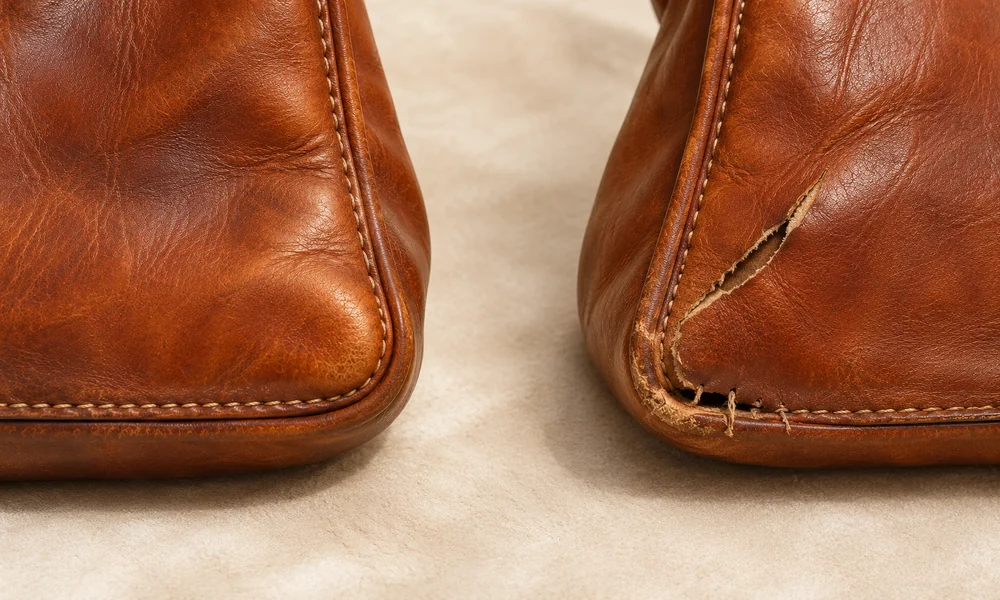
Patina describes changes associated with age and use; it should not become a convenient word for every flaw.
Louis Vuitton describes its natural vegetable-tanned cowhide developing an amber patina and greater suppleness over time. That is material-specific guidance, rather than a rule for every leather or canvas bag.
For the item you are considering, ask the seller to distinguish color change from cracking, splitting, surface loss or other deterioration. You may happily accept darkened handles while declining a weakened attachment.
The important distinction is personal as well as practical: which signs of age do you enjoy, and which interfere with how you want to use the bag?
What Should You Know About Repainting and Restoration?
A restored bag can be an appealing purchase when you understand the work. Ask what was done, where, by whom and whether records are available.
Recoloring, edge work, replacement lining and hardware changes are different interventions. A phrase such as professionally refreshed does not explain their extent.
Ask for earlier photographs if available and request a description of the current finish and texture. If originality matters to your collection, discuss that priority explicitly with the seller or a qualified specialist.
Do not assume restoration can be reversed. Equally, do not assume every repair makes a bag undesirable. The decision depends on the work, your priorities and the price.
Are Authenticity and Originality the Same Thing?
They are different questions to put to a specialist.
Authentication concerns whether the bag is attributed correctly to its maker. Originality concerns which components and finishes belong to its original construction, and which may have changed later.
A repair history therefore deserves attention even when the bag has passed a seller’s authentication process. Ask whether that process considers replacement parts, alterations and the period claimed in the listing.
Avoid treating one number, card, stamp or piece of packaging as a complete authentication method. Identifiers differ by brand and era; Christie’s Chanel guide, for example, documents changes in the house’s identification system over time.
For the broader purchasing process, our guide to buying a used designer bag online explains how to approach the listing and seller before paying.
How Do You Compare the Full Cost of Two Listings?
Put known expenses beside the price. Then record what you have not established.
The following is an illustrative calculation, not market pricing or repair quotations. Both examples use the same currency, USD, and exclude taxes, duties and any additional platform or auction fees.
| Cost item | Listing A | Listing B |
| Asking price | $650 | $850 |
| Shipping | $35 | $35 |
| Additional authentication assessment | $50 | $0 |
| Estimated initial repair or service | $175 | $25 |
| Illustrative subtotal | $910 | $910 |
The asking prices differ by $200, yet the assumed subtotals are equal. That does not make the bags equivalent: the repair outcome, condition and work required may still differ.
Replace every illustrative amount with a real quote or confirmed charge. Keep unknown costs marked unknown. A vague repair allowance should not quietly turn into a confident bargain.
Will the Fashion House Repair a Vintage Bag?
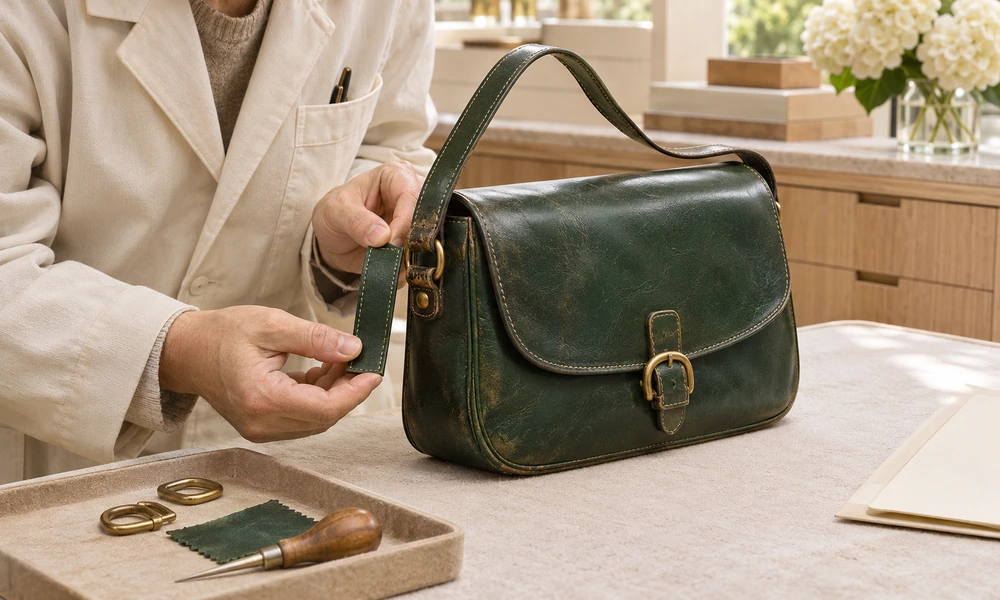
Ask about the individual item and the proposed work.
Louis Vuitton publishes repair routes for leather goods and other products, and Chanel directs clients to its boutiques for repair inquiries. Those services give you a starting point, not a guarantee that every older piece or replacement component can be accepted.
Before buying a bag that depends on a repair, contact the relevant house or specialist with photographs. Explain any known third-party work and ask what assessment is needed.
Get the estimate, timing and limitations before treating the problem as solved. The bag you buy should make sense with the repair information you actually have.
What Should You Ask the Seller Before Paying?
- Which flaws are cosmetic, and which may affect use?
- Are there odors, sticky surfaces or material transfer inside?
- Has the bag been repainted, relined, repaired or otherwise altered?
- Are the strap, handles, hardware and accessories original to this example?
- Can I see current images of all corners, attachment points and pockets?
- What does the authentication process cover?
- What exactly is included in the sale?
- What are the return terms, deadlines and requirements for raising a concern?
Keep the answers with the listing and invoice. If the purchase is through an auction or platform, read that sale’s specific terms rather than assuming they match a previous transaction elsewhere.
What Should You Do When the Bag Arrives?
Compare it promptly with the listing and written disclosures. Check the interior, odor, included accessories and fastenings, and document any discrepancy clearly.
Before applying a cleaner or arranging an alteration, establish how that would affect any return or dispute process. Follow the seller’s written requirements while resolving concerns.
Once you decide to keep it, identify its materials before choosing care products. Hermès specifically advises against commercial care products on its leather and recommends consulting its craftsmen. A generic conditioner is not automatically suitable for a valuable older bag.
Our guide to caring for designer leather bags provides broader care questions to consider alongside the maker’s instructions.
Is a Vintage Bag Without Its Original Box Worth Considering?
It can be. A box is one part of the package, while the bag’s condition, attribution, included components and suitability require their own assessment.
Ask which accessories and documents remain, then decide what their absence means for your purchase. Packaging should neither distract from a damaged bag nor substitute for evaluating authenticity.
When Is It Better to Leave a Vintage Bag Behind?
When the purchase depends on unanswered questions you cannot comfortably accept.
Perhaps the interior remains unphotographed, the seller cannot explain restoration or the necessary repair is only a guess. Another example may give you the same pleasure with fewer unresolved details.
There is nothing unromantic about choosing carefully. The lovely outcome is opening the parcel, recognizing the bag you agreed to buy and already knowing which outfit you want to carry it with.