Slide your foot into a good sandal and you can feel the answer before you can say it. The leather, the weight of the buckle, the way the sole meets the floor. So what exactly makes Michael Kors sandals a luxury item?
A Michael Kors sandal becomes a luxury item through five ingredients: real leather, careful construction, a designer’s signature, a price above the mall average and the feeling of wearing a runway name. Most MICHAEL Michael Kors sandals are premium designer shoes, while Michael Kors Collection sandals at $695 to $895 come closest to true luxury.
That last sentence is the part most articles skip. There are two Michael Kors on the shelf, and they do not make the same sandal. Once you see the difference, the whole question answers itself.
The Short Answer
Michael Kors sandals are designer sandals with premium credentials, and a small group of them genuinely qualifies as luxury.
The main MICHAEL Michael Kors line sells leather sandals roughly between $95 and $250. They look polished, carry a famous name and outclass fast fashion, but they are made at scale for department stores. The Michael Kors Collection line, the runway label, sells sandals from $695 to $895, crafted in Italy from leather and suede with time honored techniques. Those are the pairs that behave like luxury.
If you want the one sentence version: the name on the box is designer everywhere, but the luxury lives almost entirely in the Collection.
First, Understand the Two Michael Kors
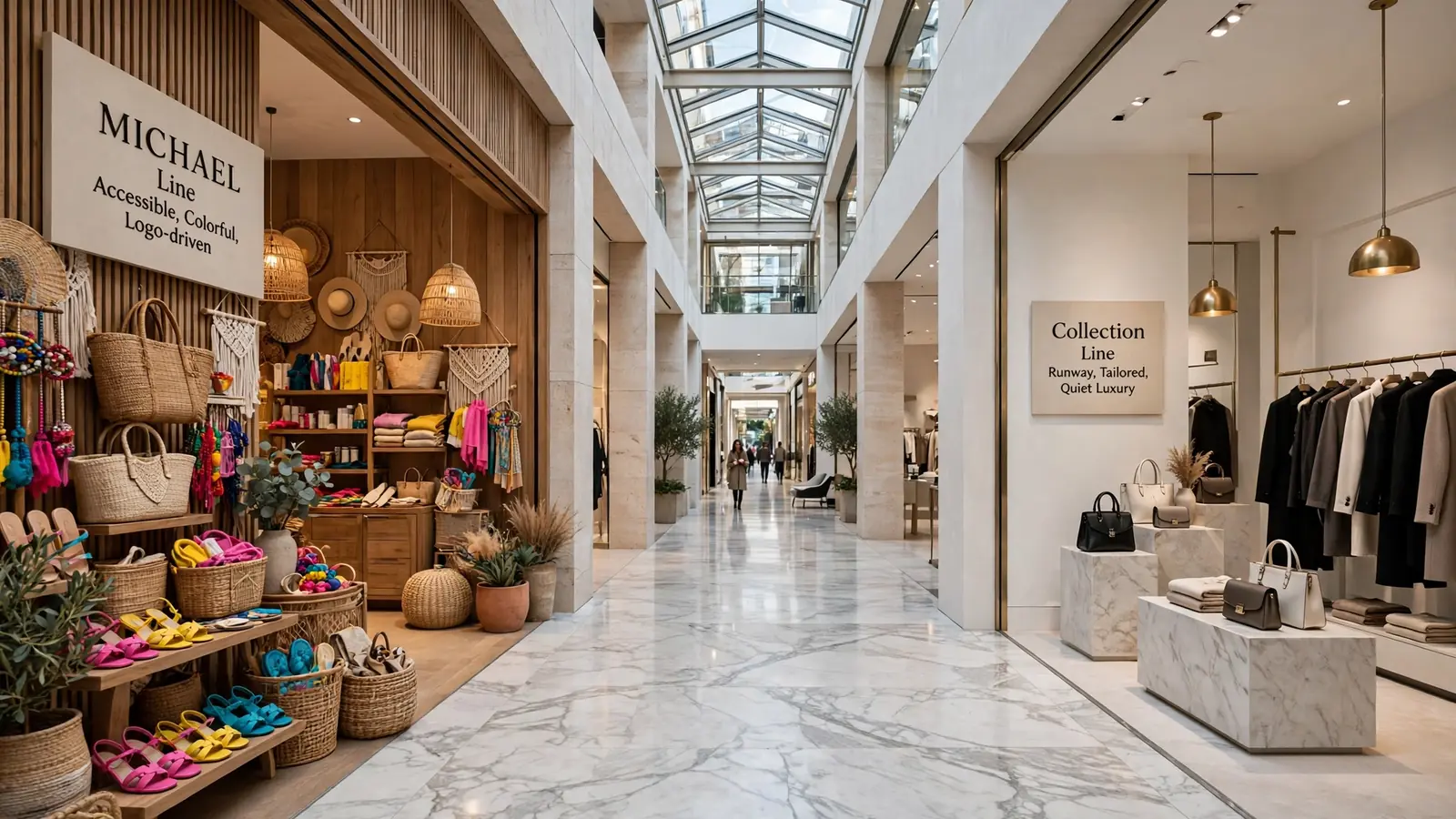
Everything confusing about this brand comes from one fact: Michael Kors sells two different products under almost the same name.
| Comparison | MICHAEL Michael Kors | Michael Kors Collection |
|---|---|---|
| What it is | The main commercial line, sold in malls and department stores. | The premium runway line, shown at New York Fashion Week. |
| Typical sandal price | $95–$250 | $695–$895 |
| Where it is made | Primarily produced overseas at scale. | Often crafted in Italy. |
| Materials | Leather on better styles, logo-coated canvas and synthetic materials on other styles. | Fine leather, suede and embossed exotic-inspired finishes. |
| Who it is for | Everyday designer shoppers seeking accessible fashion. | Clients shopping for the designer’s runway vision and premium craftsmanship. |
The MICHAEL line is the one you know. It fills the shoe floor at Macy’s, Nordstrom and the outlet mall. The Collection is the one Michael Kors himself sends down the runway each season, and it is priced and built accordingly.
When someone asks whether Michael Kors sandals are luxury, they are usually holding the first one. The honest answer depends on which line they mean, and our full Michael Kors shoes review walks through both in detail.
Ingredient One: The Material Against Your Skin
Luxury begins with what touches your foot.
The better MICHAEL line sandals use genuine leather uppers and linings, and you can feel it. The Rosie leather sandal at $139.50 is a good example: soft straps, a cushioned footbed, a finish that creases rather than cracks. At the other end of the same catalog sit logo printed coated canvas and synthetic styles that look expensive in a photo and feel ordinary by the second summer.
The Collection plays a different game. Its sandals arrive in calf leather, suede and metallic snake embossed finishes, the kind of materials that age into character instead of wearing out.
This is the first test of any luxury item: does the material get better with time? Full grain leather does. Plastic pretending to be leather never does. Our guide to whether Michael Kors shoes are good quality shows how wide that material gap runs inside the same brand.
Ingredient Two: Where and How the Sandal Is Made
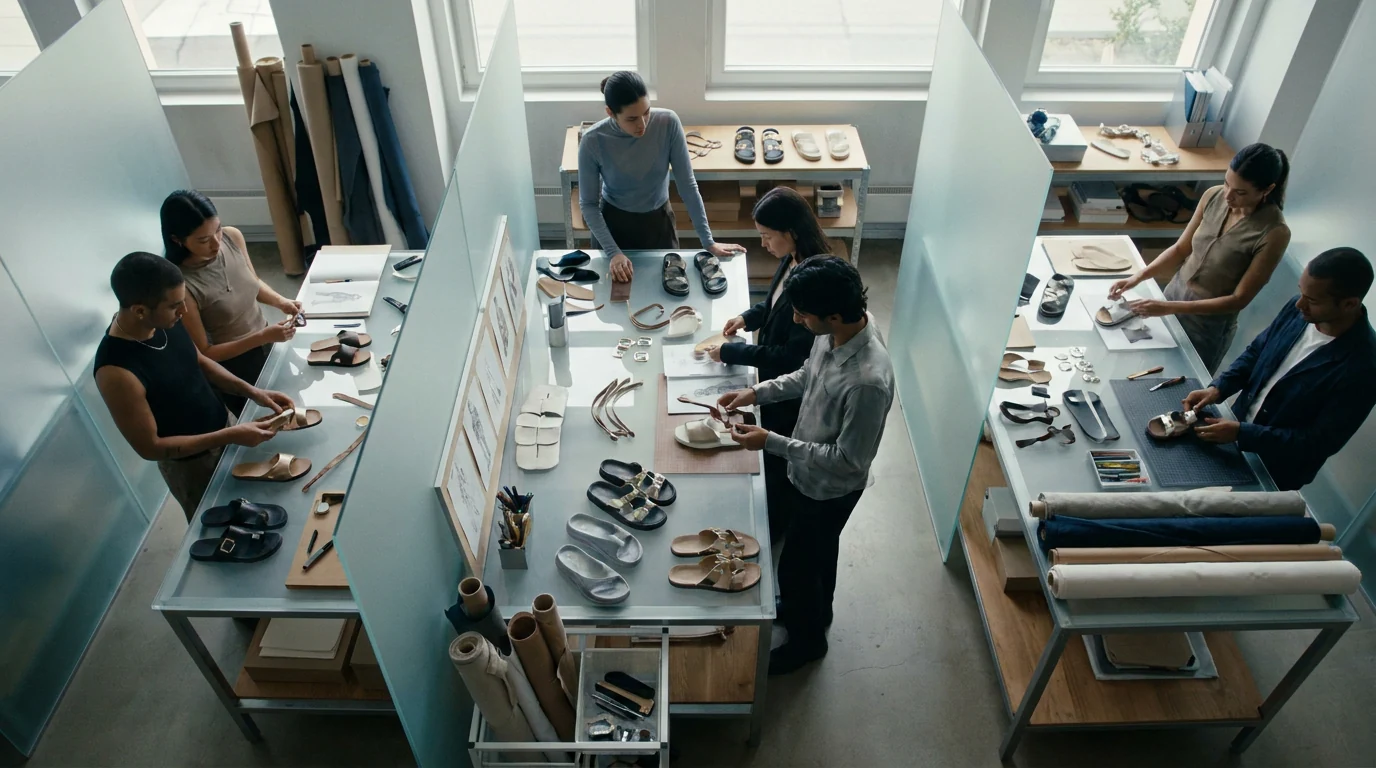
Turn a sandal over and the sole tells you its life story.
Collection footwear is crafted in Italy, in the same manufacturing culture that produces shoes for the old luxury houses. Italy is not a magic word, but it usually means smaller workshops, skilled hands and construction meant to last several seasons. That is the traditional definition of luxury craft.
The MICHAEL line is built for volume. It is produced at scale overseas, assembled efficiently and priced so a department store can discount it forty percent before July. There is no shame in that. It is simply a different promise.
A luxury item carries the fingerprints of its making. A premium item carries the efficiency of its making. Both can be good shoes. Only one of them is luxury, and the price tag usually knows which is which.
Ingredient Three: A Designer’s Signature
This is the ingredient money cannot fake overnight, and Michael Kors genuinely has it.
Kors launched his label in 1981 and staged his first runway show in 1984, back when American sportswear was still fighting Paris for respect. He has spent more than four decades refining one idea: polished, jet set American ease. His sandals are not random seasonal product. They are a designer’s worldview translated into straps and soles.
You could see it at the Spring 2026 show in New York, where the runway footwear quietly abandoned high heels in favor of flat buckled sandals, leather slides and low block heels. When a designer decides even his runway should walk comfortably, that is a point of view, and a point of view is what separates a designed object from a manufactured one.
That authorship is why the question is Michael Kors a designer brand has such an easy answer. The signature is real. It is simply spread across two very different price worlds.
Ingredient Four: The Price Line
Price does not create luxury, but it does police the border.
A MICHAEL line sandal at $139.50 sits comfortably above fast fashion and below the luxury threshold. It says you care about how you look. It does not pretend to be rare. Outlet culture stretches this further: the same brand’s Portia slide has sold for $31, down from $145, and platform styles have dropped to $49. Honest value, but a $31 sandal is nobody’s definition of a luxury item.
A Collection sandal at $795 does what luxury prices are supposed to do. It limits who participates, it funds Italian craft and it asks you to think before you buy. The Gwyneth snake embossed style at $895 sits in the same price neighborhood as entry sandals from the great European houses.
If the pricing question is what brought you here, our piece on Michael Kors and cheap luxury explains the outlet side, and the verdict on whether Michael Kors is a luxury brand overall puts the sandals in their proper company.
Ingredient Five: How the Sandal Makes You Feel
Here is the ingredient nobody puts on a spec sheet.
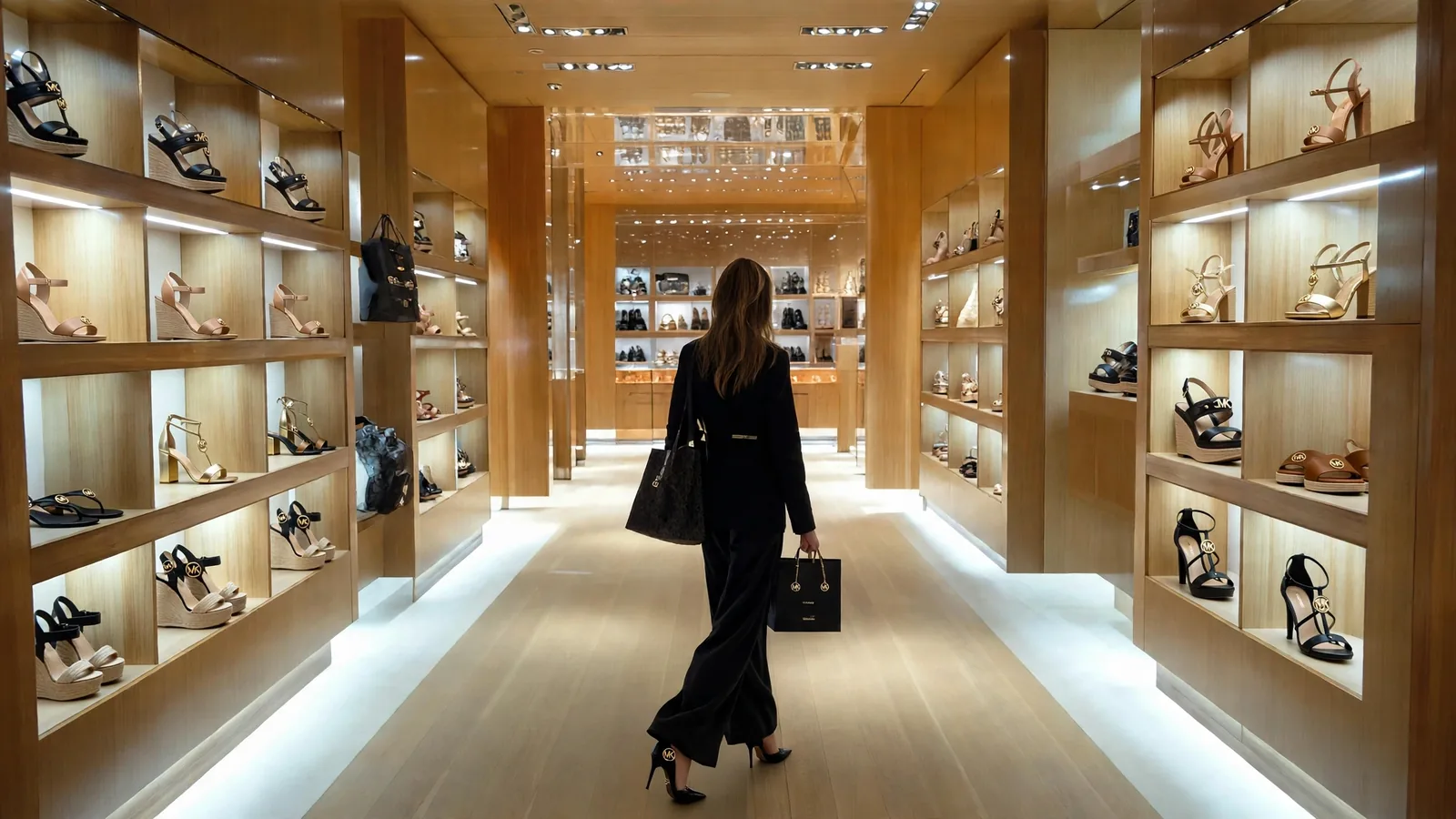
Luxury is partly theater. It is the box, the dust bag, the sales associate who knows your name, the tiny lift in your posture when the sandals go on. Michael Kors delivers more of that theater than almost any brand at its price: glossy stores, runway imagery, a logo the whole world recognizes, the social ease of a name everyone at brunch has heard of.
That feeling is real, and it is worth something. It is also different from the feeling of true luxury, which tends to be quieter and more private: the knowledge that your sandals were made slowly, from beautiful material, by people who are very good at making them.
The MICHAEL line sells the first feeling. The Collection sells both. Decide which one you are actually shopping for and you will never overpay again.
Where Michael Kors Sandals Land on the Luxury Scale
| Luxury ingredient | MICHAEL Michael Kors Sandals | Collection Sandals |
|---|---|---|
| Materials | Good leather on better styles, synthetics elsewhere. | Fine Italian leather, suede and embossed finishes. |
| Craftsmanship | Efficient, large-scale production. | Italian workshop construction. |
| Design authorship | Genuine designer influence, filtered through commercial trends. | Genuine designer vision, directly from the runway. |
| Price signal | $95–$250, often discounted. | $695–$895, rarely discounted. |
| Exclusivity | Widely available through retail stores and online. | More limited distribution. |
| Emotional appeal | Strong brand recognition. | Brand recognition combined with rarity. |
| Verdict | Premium designer. | Entry-level true luxury. |
The table is the whole argument. The main line passes every designer test and fails most luxury tests. The Collection passes nearly all of them.
This is also why the brand sits where it does in our ranking of designer shoe brands and why the label question in is Michael Kors a premium brand resolves so cleanly: premium is not an insult. It is simply the honest tier for most of the catalog.
How to Buy the Luxury Version of Michael Kors
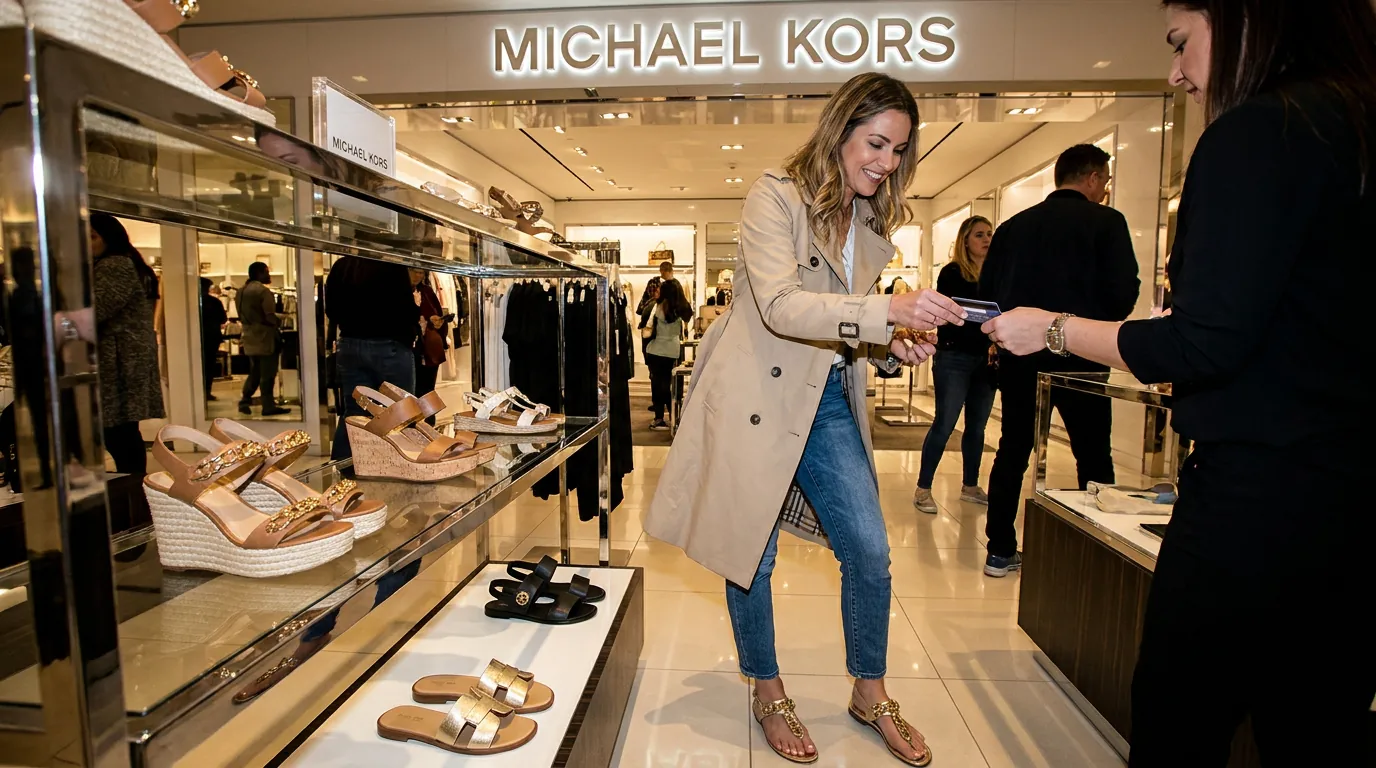
If you want the most luxury Michael Kors can put on your feet, shop like this.
Buy the Collection when it matters. A Jasmine or Ashley sandal at $795 is the brand at full power: Italian made, runway designed, built to be resoled and kept.
Buy leather, always. In the MICHAEL line, choose real leather styles like the Rosie and skip the logo canvas pieces. Leather is where the quality lives at this price.
Never pay full price for the main line. The brand discounts its own sandals relentlessly, so patience is worth forty percent. Wait for the seasonal sale instead of buying in April.
Fit beats everything. A sandal you cannot walk in is not luxury at any price, so read our honest take on whether Michael Kors shoes are comfortable before choosing a heel height.
Michael Kors Sandals by the Numbers
1981: The year Michael Kors founded his label.
$139.50: The price of the Rosie, a typical MICHAEL line leather sandal.
94: The number of women’s sandal styles on the brand’s main site.
$31: The deepest outlet price spotted, for the Portia slide, originally $145.
$695 to $895: The Michael Kors Collection sandal range, from the Anna to the Gwyneth.
17: The sandals in the current Collection lineup.
1: The country where Collection shoes are crafted: Italy.
Numbers like these are why one brand can be a bargain and a splurge at the same time.
Frequently Asked Questions
Are Michael Kors sandals considered luxury?
MICHAEL Michael Kors sandals are considered premium designer rather than true luxury, because they are produced at scale and priced accessibly. Michael Kors Collection sandals, made in Italy and priced from $695 to $895, do qualify as entry level luxury for most shoppers and fashion experts.
What is the difference between MICHAEL Michael Kors and Michael Kors Collection sandals?
MICHAEL Michael Kors is the main line sold in department stores, with sandals around $95 to $250. Michael Kors Collection is the runway label, with Italian crafted sandals from $695 to $895. Same founder, same aesthetic, very different materials, construction and price positioning.
Where are Michael Kors sandals made?
Michael Kors Collection sandals are crafted in Italy using traditional shoemaking techniques and fine leathers. MICHAEL Michael Kors sandals are produced at scale overseas, largely in Asia, which keeps prices accessible but places that line firmly in the premium designer category rather than luxury.
How much do Michael Kors sandals cost?
Main line MICHAEL Michael Kors sandals retail roughly between $95 and $250, though sales and outlet pricing regularly drop them to $31 to $60. Michael Kors Collection sandals cost between $695 and $895, comparable to entry level sandals from the major European luxury houses.
Are Michael Kors sandals good quality for the price?
Yes, especially the leather styles. At $95 to $250, MICHAEL line sandals offer good materials, comfortable footbeds and strong design for the money. Quality is not luxury grade, but it is consistently above fast fashion, which is exactly what a premium price should deliver.
Which Michael Kors sandals are the most luxurious?
The most luxurious options are Michael Kors Collection sandals such as the Jasmine, Ashley and Anna at $695 to $795, and the snake embossed Gwyneth at $895. All are Italian made from fine materials and represent the runway vision rather than the department store line.
The Bottom Line
So what makes Michael Kors sandals a luxury item? Five things: material, making, authorship, price and feeling. The name delivers the last one everywhere. Only the Collection delivers all five.
That is not a criticism. A $139.50 leather sandal from a world famous designer is one of the fairest deals in fashion, as long as you buy it knowing what it is: premium, polished and proudly accessible. And when you want the real thing, the runway line is sitting there at $795, made in Italy, waiting for you to grow into it.
Luxury, in the end, is not about the logo on your foot. It is about knowing exactly what you bought and loving it for the right reasons. Michael Kors gives you both options. That might be the most American kind of luxury there is.