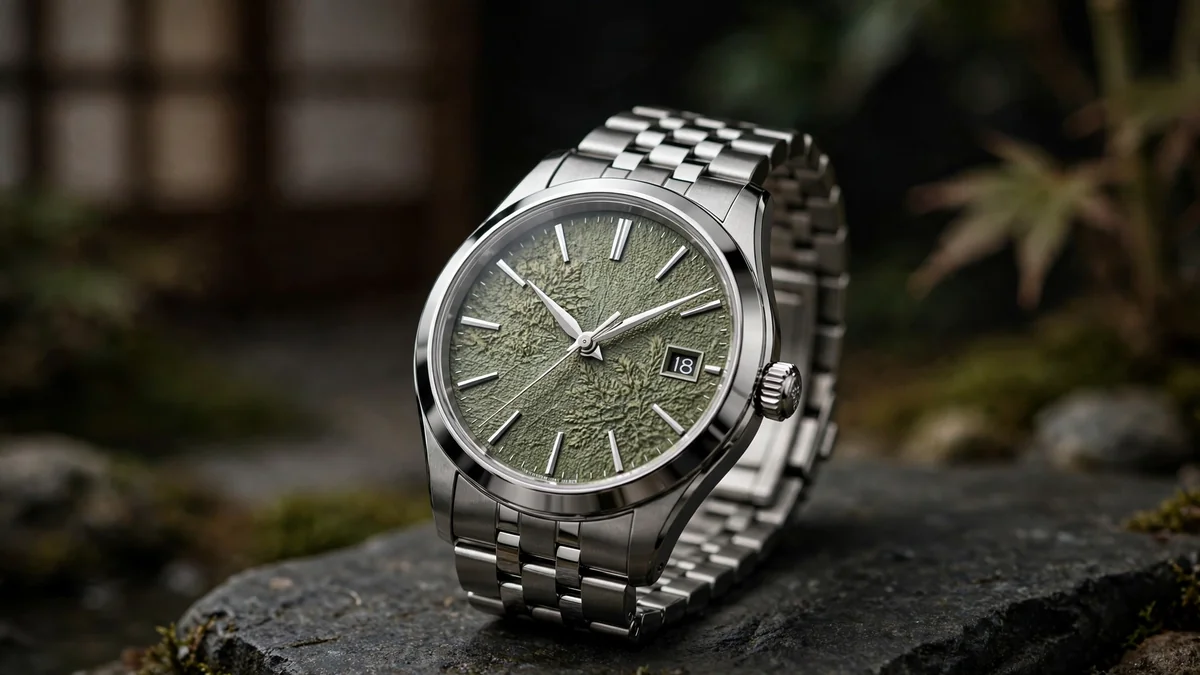
There is something quietly captivating about a beautifully made Japanese watch. Look closely at a Grand Seiko dial, and you might notice a texture inspired by snow-covered landscapes. Examine a Credor timepiece, and you may discover hand-finished details that required extraordinary patience to create. These details are what make Japanese Luxury Watch Brands so appealing to watch enthusiasts and collectors.
Japanese watchmaking has a character of its own. Rather than relying entirely on extravagant decoration or recognizable logos, many of its finest watchmakers emphasize precision, carefully considered proportions, exceptional finishing, and technical innovation.
The best Japanese luxury watch brands include Grand Seiko, Credor, Citizen, Minase, Hajime Asaoka, Kurono Tokyo, Naoya Hida & Co., Kikuchi Nakagawa, Masahiro Kikuno, and Otsuka Lotec. Premium collections from Seiko, Casio, and Orient Star also deserve attention.
Some of these names are internationally recognized. Others operate as tiny independent workshops, producing watches in such limited quantities that even experienced collectors may struggle to acquire one.
For anyone exploring luxury beyond traditional Swiss brands, Japan offers a remarkable world of craftsmanship.
What Makes Japanese Luxury Watches Special?
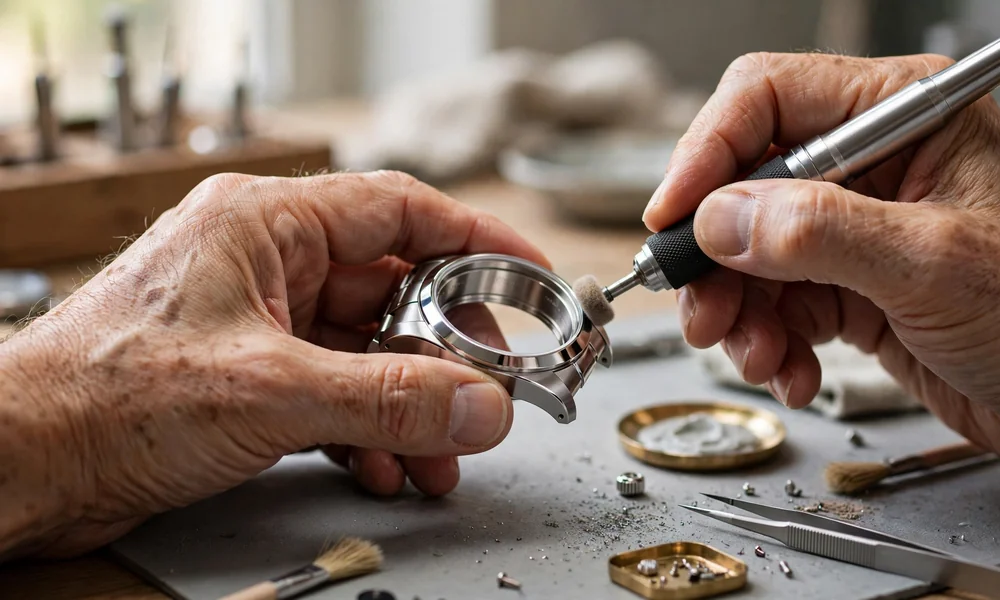
Japanese luxury watchmaking combines technical innovation with distinctive approaches to design and finishing.
While Swiss watchmakers have long dominated the international luxury watch market, Japanese manufacturers have developed their own achievements in mechanical, quartz, and hybrid movement technology.
Several characteristics make Japanese watches particularly interesting.
Precision: Japanese manufacturers have contributed significantly to the development of accurate quartz watches, advanced mechanical movements, and electronic timekeeping.
Finishing: Premium Japanese watches often feature carefully polished cases, intricate dial textures, and detailed movement decoration.
Nature-inspired design: Landscapes, seasonal colors, traditional patterns, and Japanese artistic influences frequently appear in dial designs.
Technical innovation: Technologies such as Spring Drive, advanced quartz movements, and light-powered systems demonstrate different approaches to timekeeping.
Independent craftsmanship: Small Japanese workshops produce highly specialized watches using traditional techniques and distinctive mechanical designs.
Not every Japanese watch is a luxury product. The country also produces excellent affordable watches. Its luxury reputation comes from particular collections and specialized manufacturers rather than nationality alone.
12 Best Japanese Luxury Watch Brands
1. Grand Seiko The Benchmark for Japanese Luxury Watches
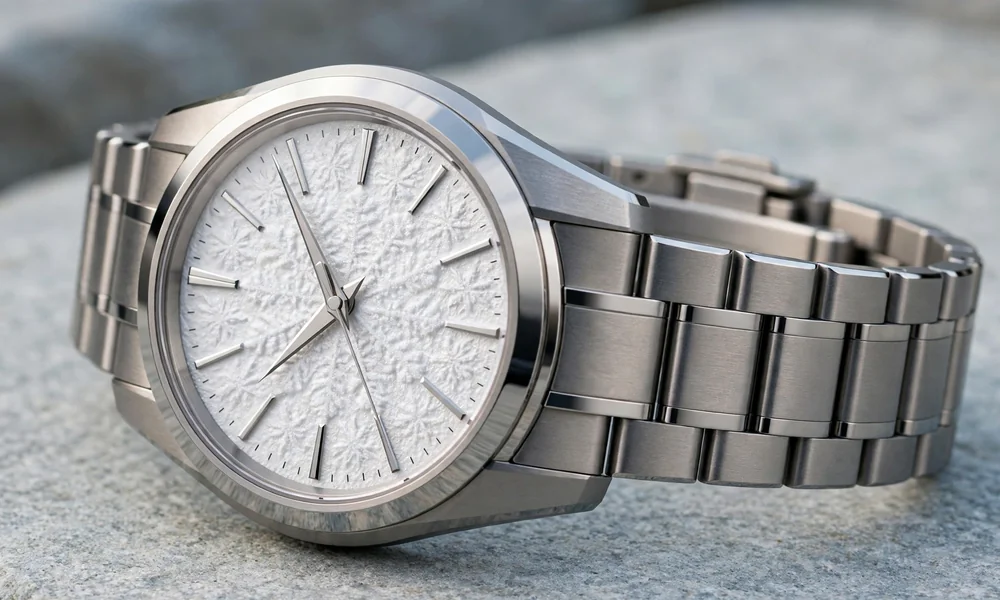
Grand Seiko is arguably the most internationally recognizable Japanese luxury watch brand.
Introduced in 1960, it was developed around the ambition of creating exceptionally accurate, reliable, and beautifully finished watches.
Its modern collections are known for refined case polishing, intricate dials, and several distinctive movement technologies.
Grand Seiko’s Spring Drive movement is particularly noteworthy. It combines energy from a conventional mainspring with electronic regulation, allowing the seconds hand to move in an exceptionally smooth glide.
The brand also produces mechanical movements and high-accuracy quartz watches.
One of its most recognizable designs is the Snowflake, whose textured dial evokes the appearance of freshly fallen snow.
Notable collections: Heritage, Evolution 9, Elegance, Sport.
Best for: Buyers seeking sophisticated craftsmanship, technical innovation, and understated luxury.
What makes it special: Exceptional dial work, Zaratsu polishing, and a distinctive approach to precision.
Grand Seiko is particularly appealing to people who appreciate a watch’s construction and finishing more than the visibility of its logo.
2. Credor Japanese Haute Horlogerie at Its Finest
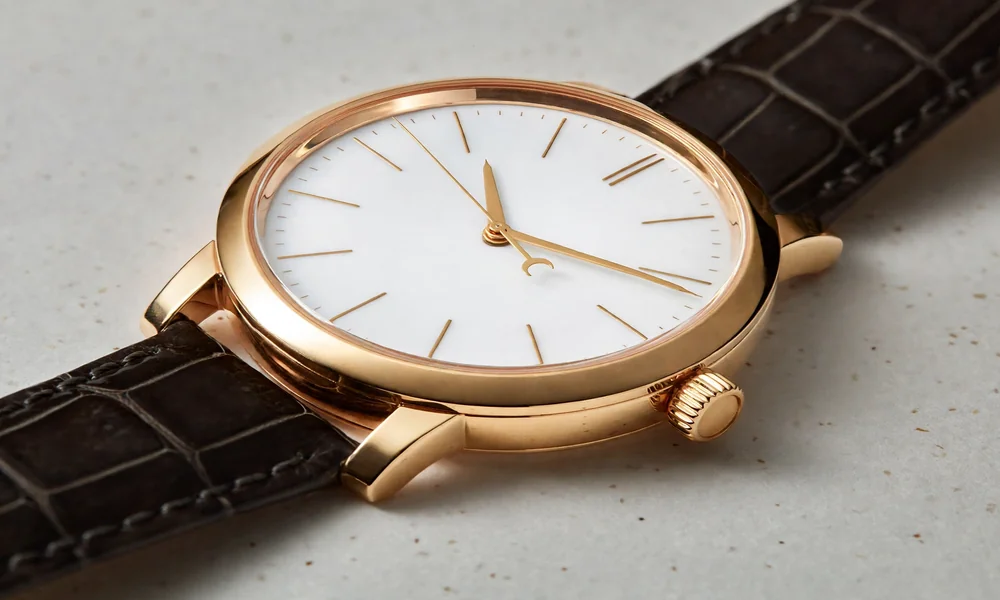
Credor represents one of the most refined expressions of Japanese watchmaking.
Established by Seiko in 1974, Credor focuses on elegant watches, fine finishing, artistic craftsmanship, and highly specialized movements.
Its most admired creations include the Eichi series, which demonstrates the remarkable capabilities of Seiko’s Micro Artist Studio.
Some Credor watches feature hand-painted porcelain dials, meticulously decorated movements, and beautifully restrained designs.
The appeal is subtle.
A Credor watch may appear simple from across the room, but closer inspection can reveal extraordinary attention to detail.
Notable collections: Eichi, Goldfeather, selected artistic and limited-production models.
Best for: Serious collectors and enthusiasts of refined dress watches.
What makes it special: Artistic craftsmanship, sophisticated finishing, and exceptionally restrained design.
Credor is one of the clearest examples of Japanese watchmaking reaching the level of haute horlogerie.
3. Citizen Precision, Innovation, and Refined Technology
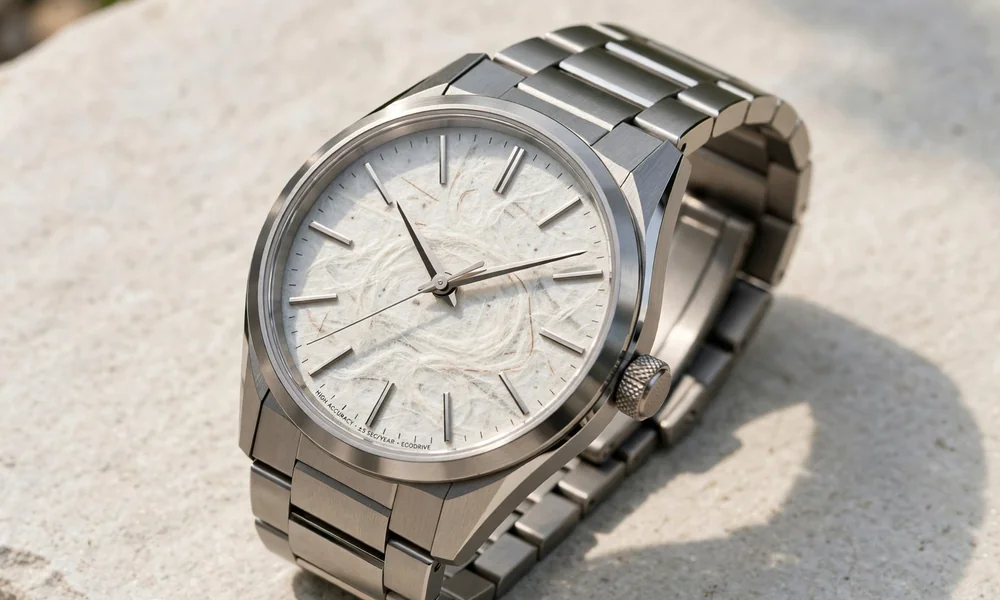
Citizen is one of Japan’s most established watch manufacturers, with roots dating to 1918.
Although much of its business serves the accessible and midrange markets, its premium collections demonstrate impressive technical capabilities.
The Citizen, often referred to as The Citizen, includes high-accuracy quartz watches and carefully finished mechanical models.
The brand is also famous for Eco-Drive technology, which allows compatible watches to convert light into electrical energy.
Some premium Citizen models feature lightweight titanium construction and sophisticated finishing.
Notable collections: The Citizen, selected Series 8 models, premium Eco-Drive watches.
Best for: Buyers who prioritize practical accuracy, reliability, and advanced technology.
What makes it special: High-accuracy quartz engineering, innovative materials, and light-powered technology.
Citizen is particularly compelling for someone who wants a beautifully engineered everyday watch without requiring a traditional mechanical movement.
4. Minase Architectural Watchmaking From Japan
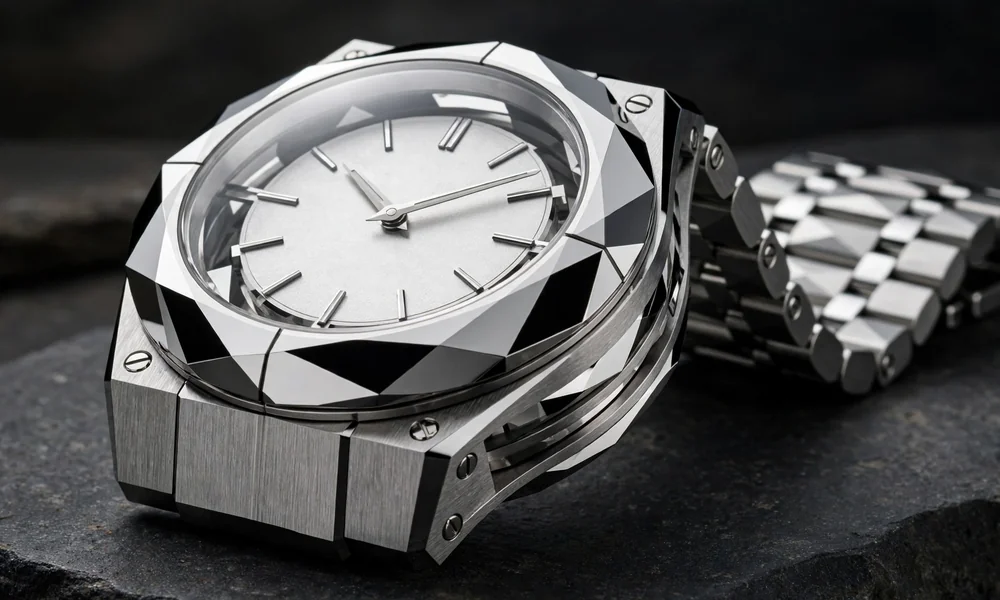
Minase is a relatively small Japanese watch brand associated with precision metalworking and distinctive case construction.
The company originates from the manufacturing expertise of Kyowa, a Japanese precision engineering business.
Minase watches are recognizable for their architectural designs and elaborate multi-component cases.
The brand’s case-in-case construction creates a distinctive sense of depth, often allowing the dial and movement assembly to appear suspended within the watch.
Some models feature sapphire panels that expose the structure from different angles.
Notable collections: Divido, Horizon, Windows.
Best for: Collectors seeking unusual case architecture and refined craftsmanship.
What makes it special: Complex construction, detailed polishing, and distinctive design.
Minase offers an alternative to traditional round luxury dress watches without abandoning careful finishing.
5. Hajime Asaoka Independent Japanese Watchmaking
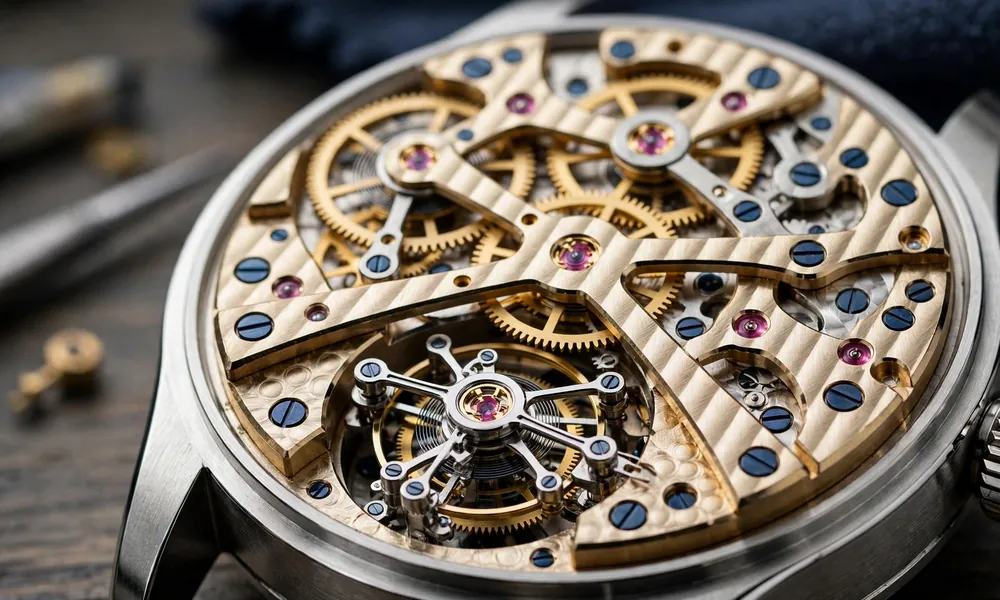
Hajime Asaoka is one of Japan’s most respected independent watchmakers.
His work is particularly admired for its mechanical ambition, technical craftsmanship, and highly limited production.
Unlike large manufacturers, independent watchmakers can develop distinctive designs around their individual creative priorities.
Asaoka has produced sophisticated mechanical watches, including tourbillons and chronographs.
His creations combine traditional watchmaking principles with a recognizable design identity.
Notable creations: Tourbillon watches, independent chronographs, limited handcrafted models.
Best for: Experienced collectors interested in rare independent watches.
What makes it special: Individual craftsmanship, mechanical complexity, and exceptionally limited production.
Acquiring one of Asaoka’s high-end watches is a very different experience from purchasing a conventional luxury watch at a boutique.
6. Kurono Tokyo Japanese Design With Art Deco Influence
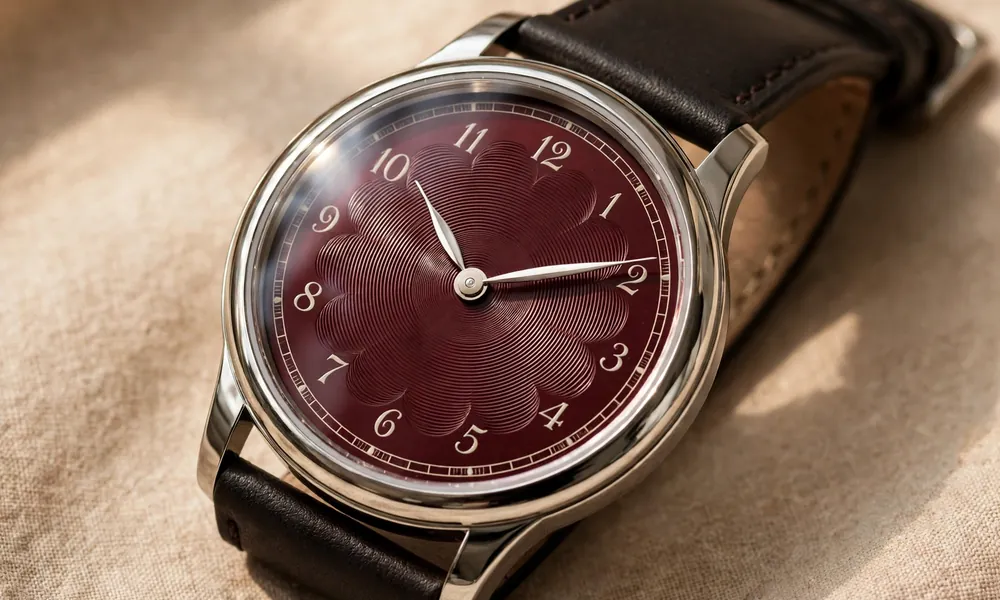
Kurono Tokyo was created as a more accessible expression of Hajime Asaoka’s design philosophy.
The brand is known for elegant proportions, distinctive dial colors, and strong Art Deco influences.
Many Kurono watches have relatively compact cases and visually balanced dial layouts.
Their appeal comes from considered design rather than elaborate complications.
Limited production and scheduled releases mean availability can be unpredictable.
Notable collections: Chronograph, Calendrier, Anniversary and limited-edition releases.
Best for: Collectors who appreciate vintage-inspired aesthetics and independent design.
What makes it special: Beautiful dial composition, distinctive colors, and limited releases.
Kurono demonstrates how thoughtful design can create a sense of exclusivity without requiring every component to be manufactured by a small independent workshop.
7. Naoya Hida & Co Vintage Elegance and Handcrafted Detail
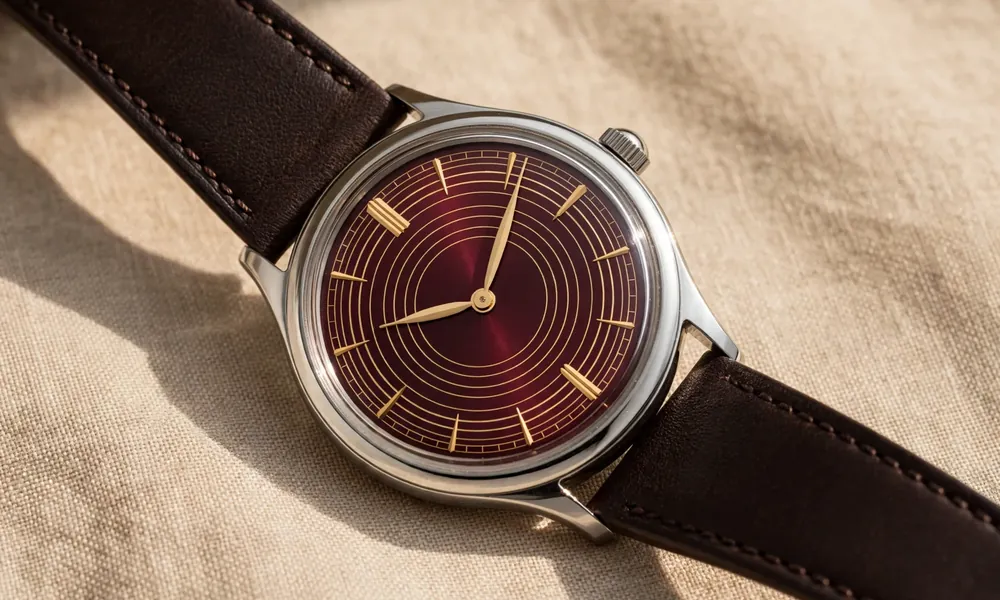
Naoya Hida & Co. produces some of Japan’s most understated high-end dress watches.
The company’s designs draw inspiration from classic twentieth-century watchmaking, particularly carefully proportioned vintage timepieces.
Its watches are known for restrained case sizes, elegant typography, and exceptionally detailed dial work.
Some models feature hand-engraved numerals and carefully crafted components.
The result is a watch that may appear almost ordinary at first glance but becomes increasingly impressive under close examination.
Notable collections: Type 1, Type 2, Type 3 and their limited variations.
Best for: Collectors who appreciate traditional dress-watch proportions and detailed hand finishing.
What makes it special: Classical design, artisanal engraving, and very limited production.
Naoya Hida demonstrates that luxury watchmaking does not need an elaborate dial or dramatic case to make a lasting impression.
8. Kikuchi Nakagawa Exceptional Finishing and Minimalist Luxury
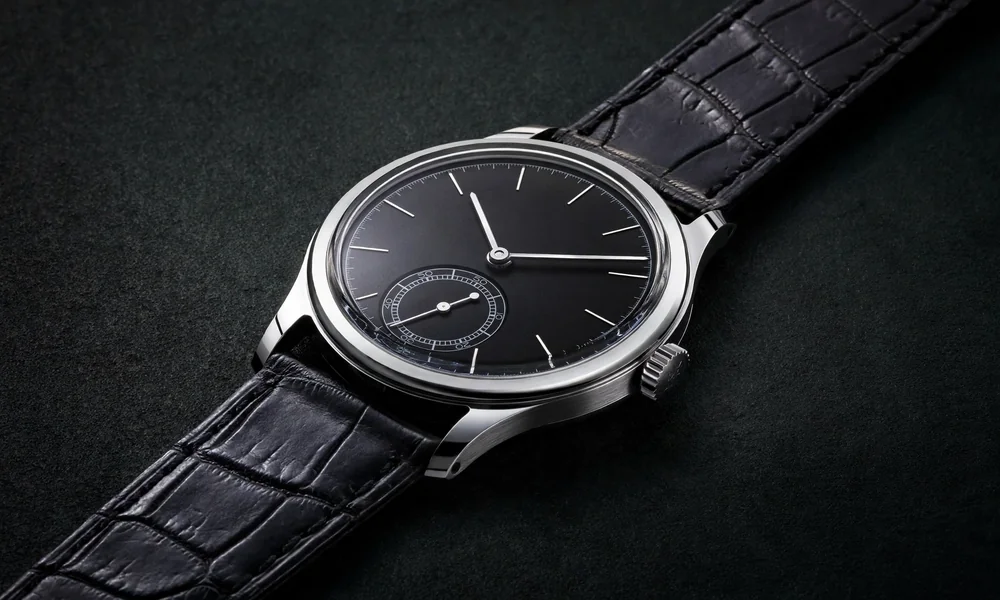
Kikuchi Nakagawa occupies a particularly interesting position among independent Japanese watchmakers.
The brand focuses on traditional design, beautifully finished cases, and carefully proportioned mechanical watches.
Its creations often feature remarkable polished surfaces that reflect light with extraordinary clarity.
The aesthetic is deliberately restrained.
Rather than creating watches that demand immediate attention, Kikuchi Nakagawa develops pieces that reward careful observation.
Notable models: Murakumo, Ichimonji.
Best for: Dedicated collectors who value finishing and classical watchmaking.
What makes it special: Highly refined polished surfaces, elegant proportions, and small-scale production.
The brand’s limited availability contributes to its appeal among enthusiasts seeking something genuinely uncommon.
9. Masahiro Kikuno Traditional Craftsmanship and Mechanical Art
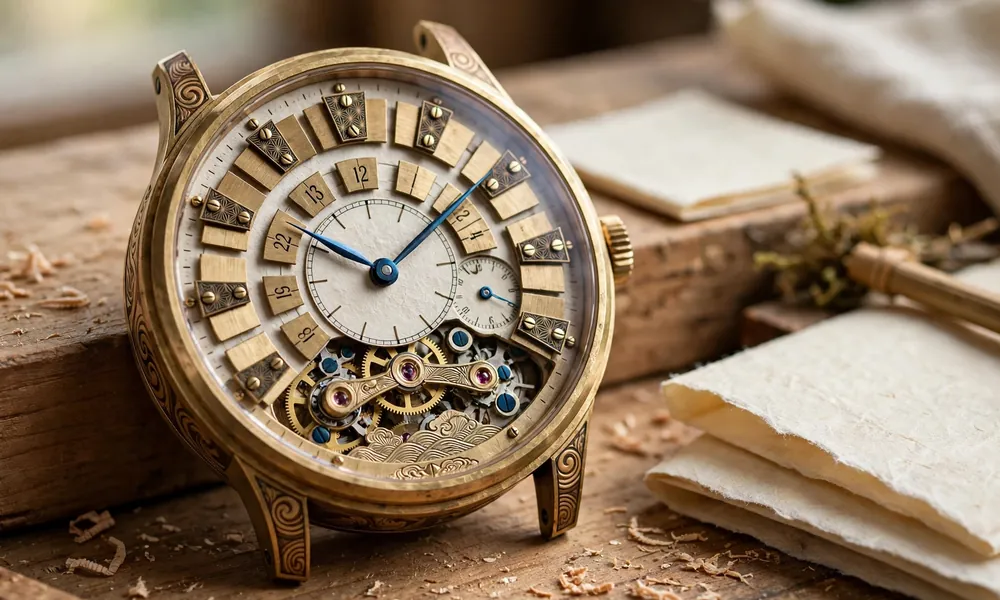
Masahiro Kikuno is an independent Japanese watchmaker known for unusual handcrafted mechanical watches.
His work draws inspiration from traditional Japanese craftsmanship and historical timekeeping.
One of his most distinctive achievements involves watches inspired by traditional Japanese temporal hours, which historically varied in length according to the seasons.
Developing a mechanical watch around such a concept requires an unusual combination of technical understanding and cultural knowledge.
Notable creations: Wadokei-inspired watches and individually handcrafted mechanical timepieces.
Best for: Collectors interested in artistic watchmaking and mechanical history.
What makes it special: Traditional Japanese influences and highly specialized handcrafted mechanisms.
Kikuno’s watches are closer to individual mechanical artworks than conventional luxury accessories.
10. Otsuka Lotec Industrial Design Meets Mechanical Creativity
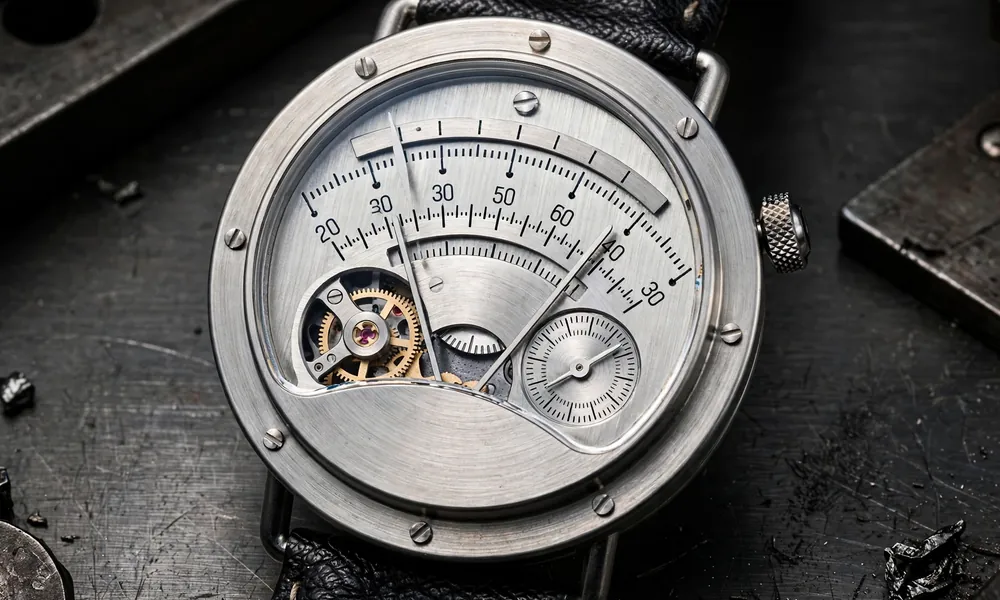
Otsuka Lotec is a Japanese independent watch brand known for its distinctive industrial aesthetic.
Its watches look very different from conventional luxury dress watches.
Exposed mechanical details, unusual displays, and instrument-inspired cases give the designs a character reminiscent of precision machinery.
The brand was founded by designer and watchmaker Jiro Katayama.
Otsuka Lotec received the Challenge Watch Prize at the 2024 Grand Prix d’Horlogerie de Genève for its No. 6 watch.
Notable models: No. 6 and No. 7.5.
Best for: Enthusiasts who enjoy unconventional watch design and creative mechanics.
What makes it special: Industrial styling, unusual time displays, and independent mechanical creativity.
These watches appeal to collectors who want something that feels unlike traditional Swiss or Japanese dress watches.
11. Seiko Heritage Watchmaking With Premium Collections
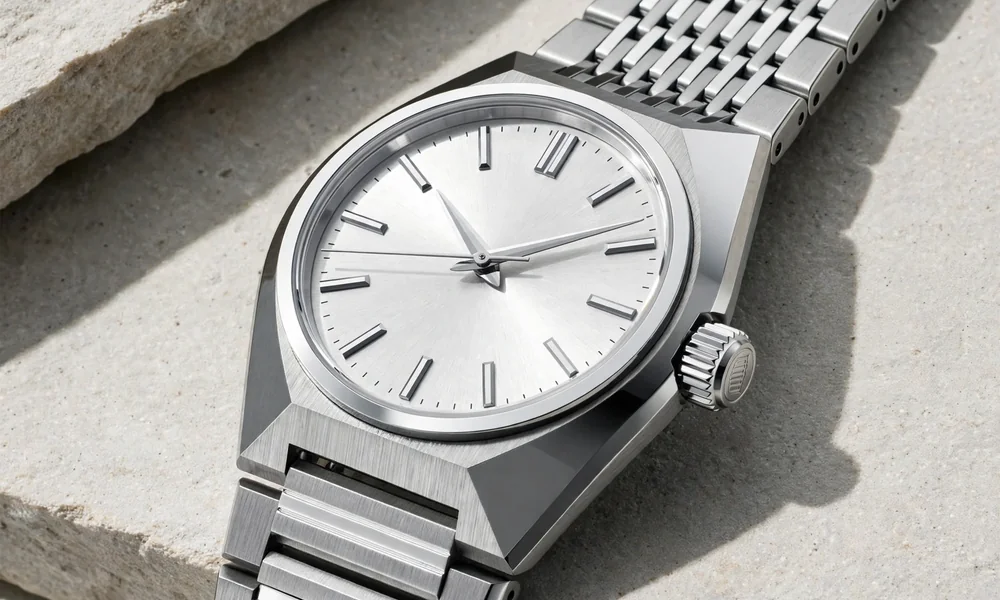
Seiko is one of the most influential companies in modern watchmaking.
Founded in 1881, the business has contributed significantly to the development of Japanese wristwatches and quartz technology.
Its product range extends from accessible everyday watches to sophisticated mechanical and premium collections.
While Seiko as a whole should not be classified as a luxury-only brand, several collections deserve attention from enthusiasts of premium Japanese watchmaking.
King Seiko emphasizes classic designs and refined construction.
Selected Presage watches highlight decorative dials and traditional Japanese craftsmanship.
Certain Prospex models provide advanced specifications for diving and outdoor use.
Notable collections: King Seiko, Presage, Prospex.
Best for: Buyers seeking Japanese watchmaking heritage across a broad range of budgets.
What makes it special: Mechanical tradition, technical innovation, and diverse designs.
Seiko is especially valuable as an entry point for someone beginning to appreciate Japanese watchmaking.
12. Casio High-End Technology Through G-SHOCK MR-G and Oceanus
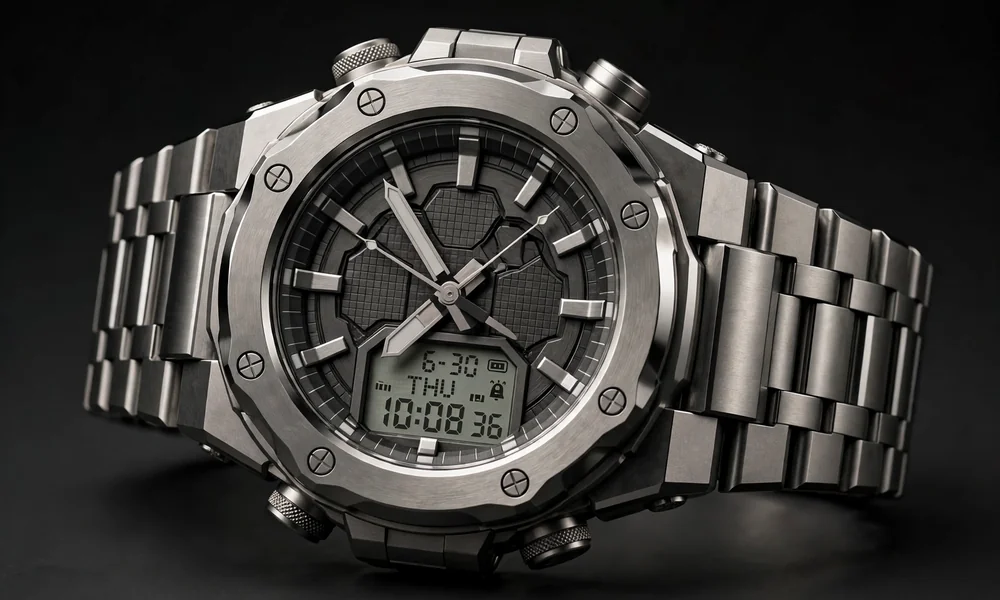
Casio is generally associated with practical digital watches rather than traditional luxury.
However, its premium collections demonstrate a different interpretation of high-end Japanese watchmaking.
G-SHOCK MR-G models combine the brand’s shock-resistant engineering with premium materials, elaborate case construction, and sophisticated finishing.
Oceanus focuses on elegant technology-driven watches, often incorporating titanium, solar power, and radio-controlled or other time-correction systems.
The appeal is different from that of an artisanal mechanical watch.
Casio’s premium models emphasize technological performance, advanced materials, and everyday usability.
Notable collections: G-SHOCK MR-G, Oceanus.
Best for: Buyers seeking high-end technical watches with Japanese engineering.
What makes it special: Advanced materials, durability, and sophisticated electronic timekeeping.
These collections demonstrate that luxury can be expressed through engineering as well as traditional hand finishing.
Japanese Luxury Watch Brands Compared
| Brand | Main strength | Market positioning | Best suited for |
| Grand Seiko | Finishing and Spring Drive | Established luxury | All-round luxury collectors |
| Credor | Artistic craftsmanship | High luxury | Haute horlogerie enthusiasts |
| Citizen premium collections | Precision technology | Premium to luxury | Practical luxury buyers |
| Minase | Architectural cases | Boutique luxury | Design-focused collectors |
| Hajime Asaoka | Mechanical craftsmanship | Independent high luxury | Advanced collectors |
| Kurono Tokyo | Art Deco styling | Premium independent | Design enthusiasts |
| Naoya Hida & Co. | Classical dress watches | Independent high luxury | Traditional watch collectors |
| Kikuchi Nakagawa | Exceptional polishing | Independent high luxury | Finishing enthusiasts |
| Masahiro Kikuno | Mechanical artistry | Artisanal high luxury | Specialist collectors |
| Otsuka Lotec | Industrial design | Independent collectible | Experimental design lovers |
| Seiko premium collections | Heritage and variety | Premium, selected upscale lines | Watch enthusiasts |
| Casio MR-G and Oceanus | Advanced technology | Premium to high-end technical | Technology-focused buyers |
These are descriptive market positions, not official rankings. Different models within the same company can occupy different price and quality segments.
Are Japanese Luxury Watches as Good as Swiss Watches?
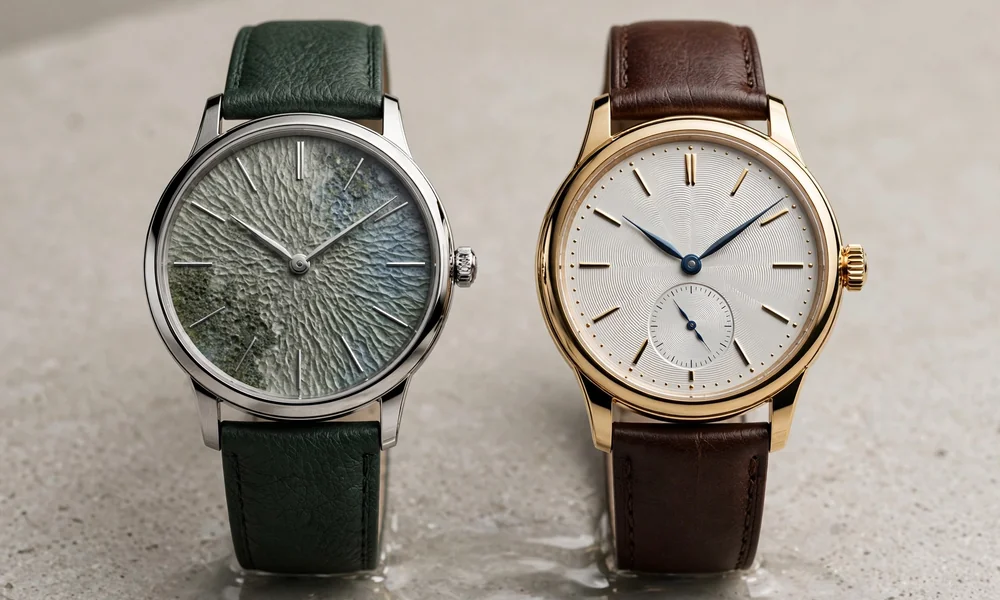
Japanese luxury watches can compete with Swiss watches in numerous areas, including finishing, precision, materials, and technical innovation.
However, the two countries have developed different watchmaking traditions.
Swiss luxury watchmaking is particularly associated with prestigious mechanical manufacturers, complicated movements, and long-established high-end watch houses.
Japanese watchmaking has developed a strong reputation for precision engineering, sophisticated electronic technology, detailed case finishing, and distinctive design.
Grand Seiko’s Spring Drive technology illustrates an approach that differs significantly from conventional mechanical watchmaking.
Credor and independent Japanese workshops also demonstrate remarkable artistic and mechanical craftsmanship.
The better watch depends on the buyer’s priorities rather than its country of origin.
Readers comparing international manufacturers can explore Pravi Celer’s broader guide to luxury watch brands.
Grand Seiko vs. Rolex: Which Is Better?
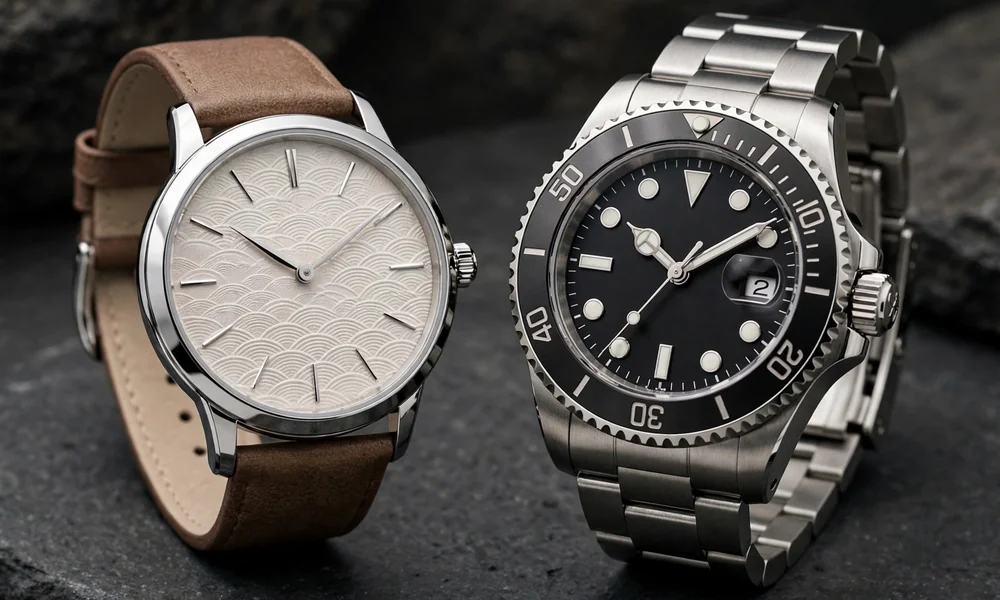
Grand Seiko and Rolex are frequently compared because both produce established luxury watches, but their strengths differ.
Rolex is particularly recognized for its brand prestige, durable sports watches, and widely recognizable designs.
Grand Seiko is admired for intricate dial finishes, distinctive case polishing, and technical movement options.
| Feature | Grand Seiko | Rolex |
| Country | Japan | Switzerland |
| Main identity | Precision and craftsmanship | Prestige and robust watchmaking |
| Movement options | Mechanical, quartz, Spring Drive | Mechanical |
| Design approach | Refined, nature-inspired | Recognizable and evolutionary |
| Brand visibility | Relatively understated | Globally prominent |
| Typical buyer priority | Finishing and technical detail | Heritage, recognition, and versatility |
Neither company makes a universally superior watch.
Grand Seiko may appeal more strongly to someone who values subtle craftsmanship and unusual dial textures.
Rolex may be preferable to buyers seeking a highly recognizable luxury sports watch.
Individual references should always be compared before reaching a conclusion.
Which Japanese Watch Brand Is the Most Luxurious?
There is no single answer because luxury can mean different things.
Grand Seiko is one of the strongest choices for established Japanese luxury watchmaking, with a broad collection and international recognition.
Credor represents an exceptionally refined level of artistic and technical watchmaking.
Hajime Asaoka, Masahiro Kikuno, Naoya Hida & Co., and Kikuchi Nakagawa operate in the world of highly specialized independent craftsmanship.
For someone who defines luxury through rarity and individual attention, an independent Japanese watch may feel more exclusive than a widely available model from a larger manufacturer.
For someone seeking a reliable and beautifully finished watch for daily wear, Grand Seiko may be the more practical choice.
What Makes Grand Seiko Different From Regular Seiko?
Although Grand Seiko and Seiko share historical roots, they occupy different market positions.
Grand Seiko operates as a distinct luxury brand with dedicated design principles, specialized manufacturing, and premium movements.
Regular Seiko serves a much broader range of consumers.
Its watches include affordable quartz models, everyday mechanical watches, professional diving instruments, and more refined collections.
Grand Seiko emphasizes luxury finishing and high-end watchmaking across its product range.
The distinction is important because not every Seiko watch should be evaluated against Grand Seiko’s luxury specifications.
Understanding Japanese Watch Movements
Before buying a luxury Japanese watch, it helps to understand the major movement types.
Mechanical Movements
Mechanical watches use a mainspring and a system of gears, springs, and regulating components to measure time.
They may be wound manually or automatically through wrist movement.
Many enthusiasts appreciate mechanical movements for their engineering and traditional craftsmanship.
Quartz Movements
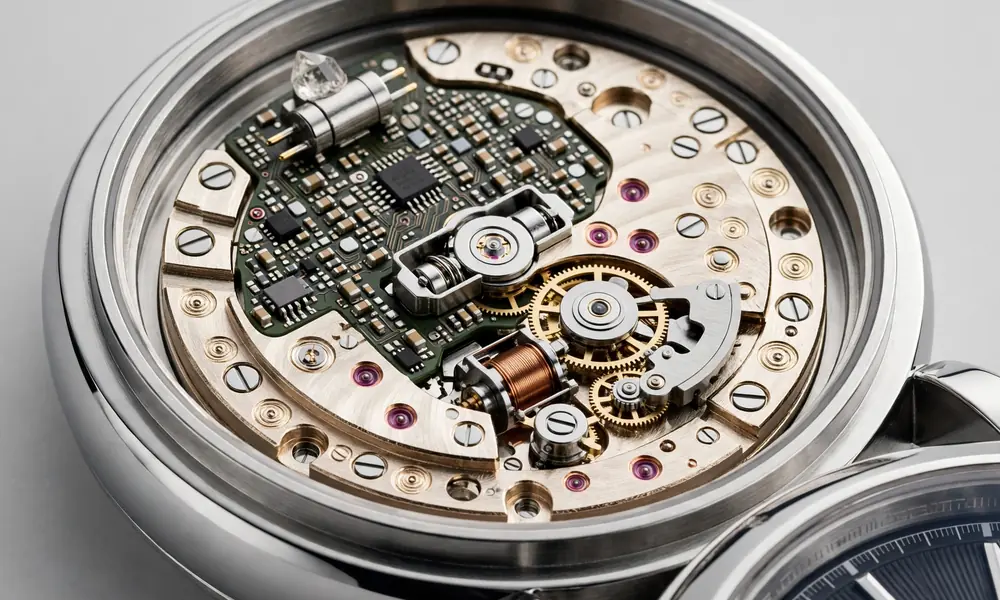
Quartz watches use an electronic oscillator regulated by a quartz crystal.
They are generally more accurate than conventional mechanical watches and often require less routine attention.
High-accuracy quartz watches can achieve exceptionally precise timekeeping.
Spring Drive
Spring Drive is a technology developed by Seiko that combines mechanical energy with electronic regulation.
The system uses a mainspring for power but regulates the movement electronically.
One of its most recognizable characteristics is the smooth movement of the seconds hand.
Light-Powered Movements
Citizen’s Eco-Drive technology converts light into electrical energy.
This can reduce the need for conventional battery replacements under normal operating conditions.
For many buyers, the technology provides a practical combination of convenience and accuracy.
How Much Do Japanese Luxury Watches Cost?
Japanese watches span an enormous range of prices.
Affordable watches from large manufacturers may cost less than a few hundred dollars, while rare independent creations can command tens of thousands of dollars or considerably more.
Rather than treating all Japanese watches as one category, consider their different market positions.
| Price segment | Japanese watch options |
| Accessible premium | Selected Seiko, Orient Star, Citizen models |
| Upper premium | King Seiko, selected Citizen and Casio collections |
| Established luxury | Grand Seiko, Minase |
| High luxury | Credor and selected independent collections |
| Ultra-exclusive | Bespoke Hajime Asaoka, Masahiro Kikuno, and other rare independents |
These categories are approximate. Prices vary significantly by model, production year, materials, availability, and market.
Some independent Japanese watches are difficult to purchase directly because production is extremely limited.
Higher rarity does not guarantee stronger resale value.
Are Japanese Luxury Watches Worth Buying?
A Japanese luxury watch can be an excellent choice for someone who appreciates engineering, design, and watchmaking craftsmanship.
However, value should be assessed through more than the initial purchase price.
Consider the following factors.
Movement: Decide whether mechanical tradition, quartz accuracy, or Spring Drive technology matters most.
Comfort: Case diameter, thickness, weight, and bracelet construction affect how the watch feels.
Finishing: Examine the dial, hands, case surfaces, and small details.
Servicing: Some specialized watches require manufacturer-specific servicing or access to a limited network of technicians.
Availability: Independent releases may have long waiting periods or limited purchasing windows.
Long-term appeal: Choose a design you genuinely enjoy rather than relying on resale predictions.
A beautifully finished watch can become a meaningful personal accessory without being treated as a financial investment.
How to Choose Your First Japanese Luxury Watch
Start with how you expect to wear the watch.
For everyday use, Grand Seiko, premium Citizen models, and selected Seiko collections offer practical options.
If you want something distinctive but relatively understated, Minase or Kurono Tokyo may be worth exploring.
Collectors who appreciate traditional mechanical artistry may be drawn to Credor or independent watchmakers.
Consider your wardrobe as well.
A slim dress watch can complement tailoring and formal clothing, while a titanium sports watch may suit a more relaxed lifestyle.
For those who appreciate understated personal style, Japanese watches can fit naturally into a quiet luxury wardrobe built around craftsmanship rather than prominent branding.
The ideal watch should feel like an extension of your personality.
Common Mistakes When Buying Japanese Luxury Watches
Assuming Every Japanese Watch Is Made Entirely in Japan
Some Japanese brands use international components or manufacturing partnerships.
Check the specific model’s origin, movement, and assembly details if domestic production is important to you.
Buying Based Only on Brand Recognition
A famous manufacturer may offer hundreds of different watches.
Evaluate the individual model rather than assuming every product has the same quality or finishing.
Ignoring Case Dimensions
A beautifully designed watch can still feel uncomfortable if it is too large, heavy, or thick for your wrist.
Case thickness and lug-to-lug dimensions can be just as important as diameter.
Overlooking Servicing Requirements
Rare independent watches may require specialized attention.
Before purchasing, understand how repairs and maintenance will be handled.
Assuming Limited Production Guarantees Investment Value
Scarcity can influence collector interest, but watch prices remain uncertain.
Buy a watch because you value its craftsmanship and design, not because you expect guaranteed appreciation.
Frequently Asked Questions
What is the best Japanese luxury watch brand?
Grand Seiko is one of the strongest all-round Japanese luxury watch brands, particularly for precision, finishing, and movement innovation. Credor and independent watchmakers also offer exceptional high-end craftsmanship.
Are Japanese luxury watches better than Swiss watches?
Neither is universally better. Japanese brands are admired for technical innovation, precision, and detailed finishing, while Swiss manufacturers have a long tradition of mechanical complications and luxury watchmaking. The best choice depends on the specific watches being compared.
Is Grand Seiko a true luxury brand?
Yes. Grand Seiko is an established Japanese luxury watch brand known for premium movements, intricate finishing, and sophisticated design.
What is the most expensive Japanese watch brand?
Rare bespoke or independently produced watches from makers such as Hajime Asaoka and Masahiro Kikuno can reach extremely high prices. Certain Credor creations also occupy the upper levels of Japanese luxury watchmaking. Prices vary by reference and availability.
Is Citizen considered a luxury brand?
Citizen is primarily a broad-market watch manufacturer, but it offers premium and high-end collections. The Citizen demonstrates the company’s focus on advanced precision and refined construction.
Are Seiko watches luxury watches?
Seiko produces watches across several market segments. Some models are affordable, while collections such as King Seiko and selected Presage pieces offer more premium craftsmanship. Grand Seiko operates as a separate luxury brand.
What Japanese watch brands are popular with collectors?
Grand Seiko, Credor, Minase, Kurono Tokyo, Hajime Asaoka, Naoya Hida & Co., Kikuchi Nakagawa, and Otsuka Lotec attract collector interest for different reasons.
Do Japanese luxury watches hold their value?
Resale performance varies significantly by brand and model. Certain rare watches attract strong collector demand, but most watches should not be purchased with the expectation of guaranteed financial appreciation.
Final Thoughts
Japanese luxury watchmaking offers far more than an alternative to Swiss watches.
It represents a distinctive approach to precision, beauty, mechanical craftsmanship, and design.
Grand Seiko demonstrates how nature-inspired dials and advanced movements can create recognizable luxury. Credor reveals the artistic possibilities of meticulous finishing. Independent names such as Hajime Asaoka, Naoya Hida, Kikuchi Nakagawa, and Masahiro Kikuno show how individual craftsmanship can elevate watchmaking into an extraordinary art form.
Meanwhile, Citizen, Seiko, and Casio continue to demonstrate the importance of technical innovation and practical engineering.
The most compelling Japanese luxury watches do not always announce their value through prominent branding.
Sometimes, their beauty is found in the movement of a second hand, the reflection of a polished case, or a dial detail that only becomes visible when you look a little closer.