A first designer handbag purchase often comes down to choosing between a quieter, classic look and a bolder statement. You want a bag that fits your budget, daily routine, and personal style. Accessible luxury means designer fashion priced below the most exclusive luxury houses while remaining above mainstream mass-market fashion.
This comparison weighs practical differences rather than naming one universal winner. Coach and Michael Kors each offer bags for different needs, from daily use to work and special outings. The best choice may depend on how often you carry it and what you want it to say about your outfit.
One label may suit you if you prefer a classic look that blends into your wardrobe. The other may appeal if visible design details feel like part of the fun. In either case, compare the individual bag, not just the name on its tag.
Key Takeaways
- Coach often suits buyers who favor classic design.
- Michael Kors offers bold styles and lower entry options.
- Check the exact material and construction before buying.
- Compare similar bag styles at the price you can pay.
- Choose a bag that fits your routine and wardrobe.
The right pick is the one whose materials, design, and cost make sense for how you will actually carry it.
Where Do Coach and Michael Kors Come From, and How Are They Positioned?
Coach began in New York City in 1941, while Michael Kors launched its label in 1981. Both brands now sell designer handbags in the accessible luxury category, below ultra-exclusive luxury houses.
Coach is often positioned somewhat higher, though the brands’ price ranges overlap. Their histories offer context, but a label’s reach does not tell you how a specific bag feels or holds up.
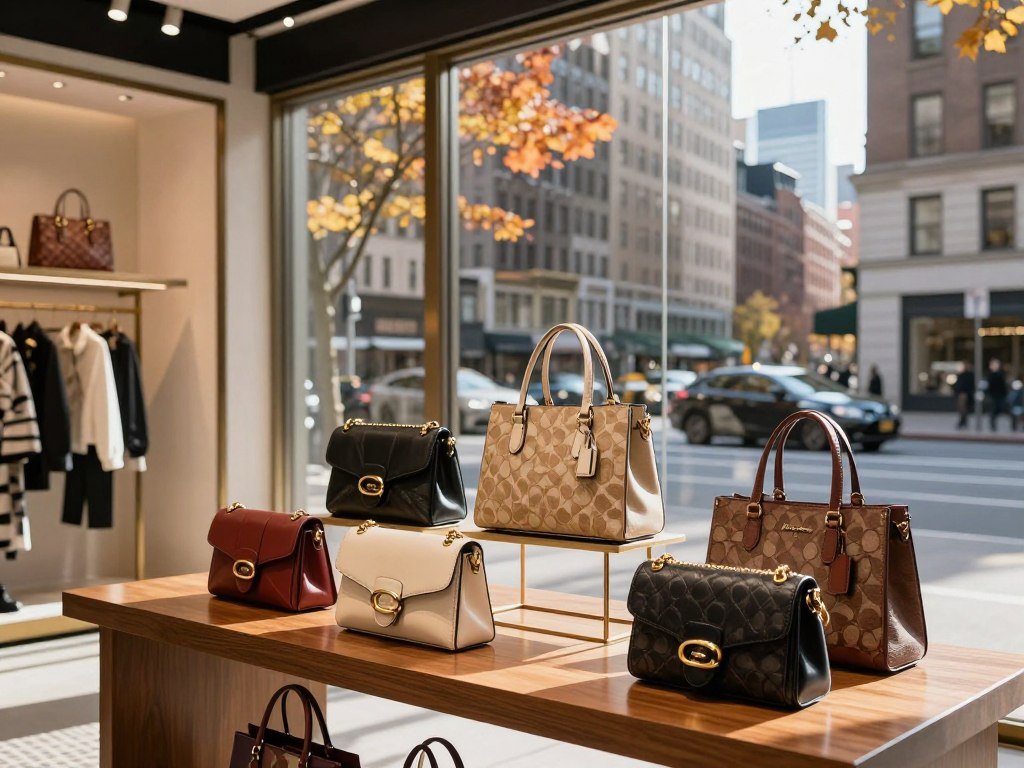
Founding years and brand roots
Coach grew from a New York handbag business founded in 1941. Its long history is part of its identity, but it does not mean every Coach design looks traditional. The brand sells different lines and styles, so the exact model still matters.
Michael Kors began later, launching its label in 1981. The brand expanded into a broad fashion business with bags, clothing, watches, and other accessories. In 2026, Michael Kors celebrated 45 years in business and had more than 650 stores around the world.
Heritage can help explain a brand’s identity, but it cannot tell you whether a particular bag fits your routine.
How each brand sits in accessible luxury
Both names occupy accessible luxury, a space for designer goods priced above mainstream fashion but below the most exclusive houses. Coach is commonly placed somewhat higher, while Michael Kors has more entry-level options. The overlap means you can find bags from either brand at similar prices.
A broad retail presence can make a brand familiar to more shoppers. Michael Kors’s store reach in 2026 reflects that visibility, not a direct measure of materials or craftsmanship. Familiarity and quality are separate questions.
Coach’s New York roots and Michael Kors’s later start help explain their different histories. Treat heritage as useful context, not as proof that a particular bag will suit your needs.
Which Design Style Fits You Better?
Coach generally reads as classic and understated, while Michael Kors leans bold, glamorous, and trend-driven. Your wardrobe and comfort with visible branding can make one label feel more natural than the other.
A neutral wardrobe that gets repeated use may pair more easily with Coach’s classic designs. Michael Kors may suit you better when you want a recognizable statement piece.
| Attribute | Coach | Michael Kors |
|---|---|---|
| Visual impression | Classic and understated | Bold, glamorous, trend-driven |
| Branding | Often more understated | Often more logo-forward |
| Wardrobe fit | Neutral, repeat-wear outfits | Statement-making outfits |
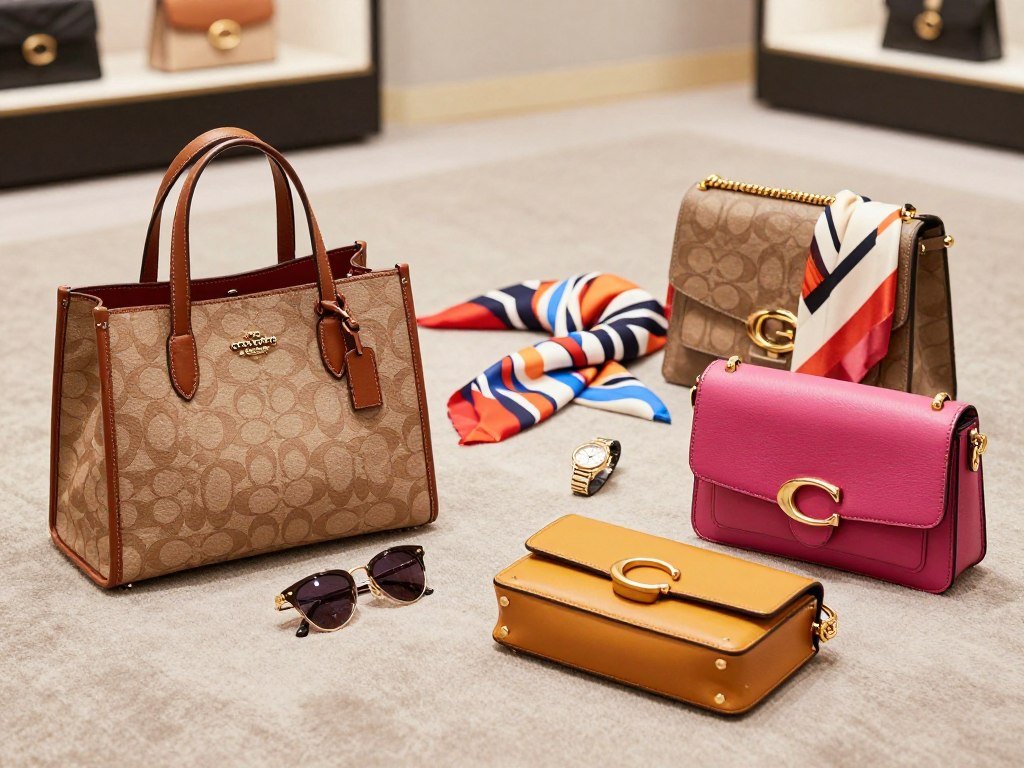
The table shows broad brand tendencies, not rules for every product. Coach offers bags with visible logos, and Michael Kors also makes designs with quieter details. A particular Coach Michael Kors comparison should focus on the bags in front of you, rather than a brand stereotype.
Think about what you wear during an ordinary week. If you reach for jeans, simple coats, and neutral colors, a less prominent design may work across more outfits. A bold logo or shiny hardware can feel right if your clothes already have strong colors or sharp shapes.
Try to picture the bag with at least three outfits you own. A design that looks striking on a store display may be harder to wear with your usual clothes. Pay attention to color, hardware, and the size of the logo, since each can change the feel of a look.
Some buyers want a bag that blends in; others want accessories that draw attention. Neither approach is better on its own. Compare the bag with clothes you already wear, not only with the image it makes in a store.
What Materials and Construction Set the Bags Apart?
Material choice is a more useful quality comparison than assuming every bag from one brand is made the same way. The exact leather affects feel, care, and how the bag may look after regular use.
Coach glove-tanned leather favors a soft feel, while Saffiano leather favors easy care and scratch resistance. The material listed for a bag matters more than its logo when comparing two actual products.
| Material | Brand | Described characteristics |
|---|---|---|
| Glove-tanned leather | Coach | Soft and supple |
| Cobblestone leather | Coach | Durable and scratch-resistant |
| Saffiano leather | Michael Kors | Pressed, crosshatched, durable, scratch-resistant, easy to clean |
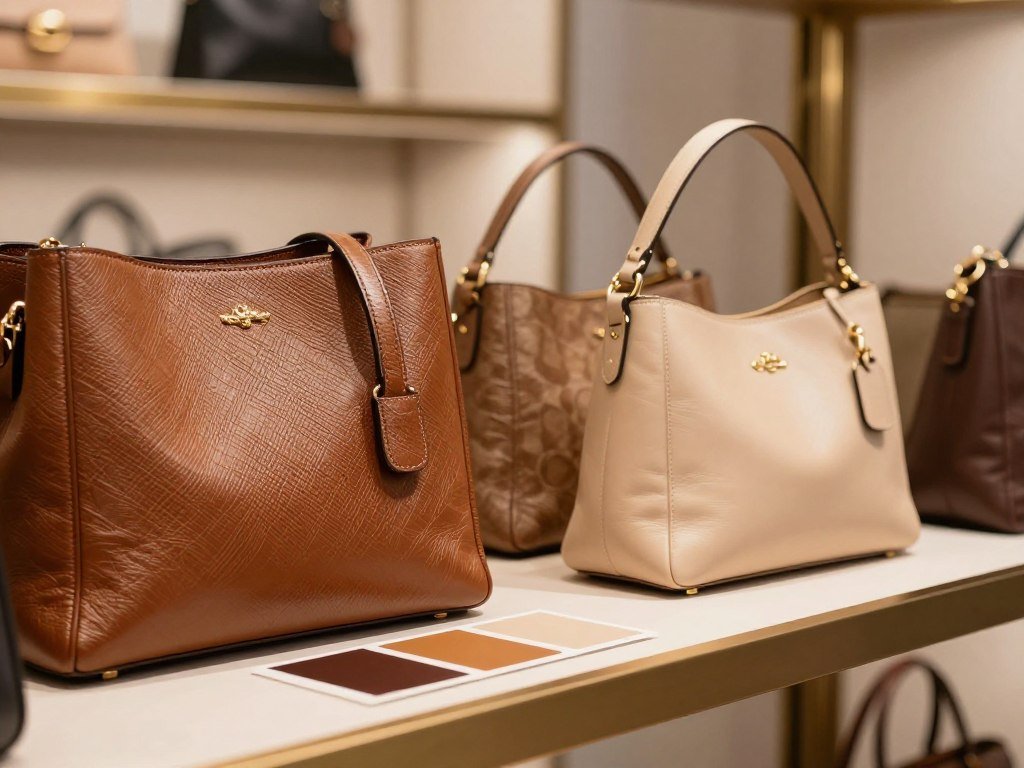
Coach glove-tanned and cobblestone leather
Coach glove-tanned leather is described as soft and supple. That feel may appeal if you like leather that feels flexible in your hand. It can also call for more care than a finish made to resist everyday scuffs.
Coach cobblestone leather has a different surface and is described as durable and scratch-resistant. That can make it a practical choice if your bag often brushes against a desk, chair, or other items. It is still important to check the care guidance for the exact model.
Michael Kors Saffiano leather
Saffiano leather is pressed to create a crosshatched surface. Michael Kors uses it in bags described as durable, scratch-resistant, and easy to clean. The texture gives the material a distinct look as well as a practical finish.
Compared with the care needs discussed for Coach glove-tanned leather, Saffiano is more resistant to scuffing and water spots. That difference may matter if you carry a bag often or prefer a finish that needs less careful handling. It does not mean every Saffiano bag will suit every routine.
Match the finish to the care you will give it
Soft leather may feel more pleasing if touch matters most to you. A crosshatched or textured finish may work better if you value easy cleaning. The best material is the one that fits the amount of care you are comfortable giving.
Check the product details for the named finish instead of relying on a brand-wide claim. Two bags from one label can use different materials, and two similar-looking bags can need different care. Look at the material, the seams, and the hardware on the specific model.
A well-made bag still needs handling that suits its surface. Be realistic about where you set it down and how often it may meet rough surfaces. Check the material description for the exact model before comparing its expected care with another bag.
Which Bag Is Easier to Live With Day to Day?
A bag carried every day needs care that matches its material, not a one-size-fits-all cleaning routine. Daily durability depends on the exact finish, how often you carry the bag, and how you set it down.
Moisture and abrasion can affect a bag over time, so your routine matters as much as the brand. A bag used for a short commute may face different wear than one carried through a full workday.
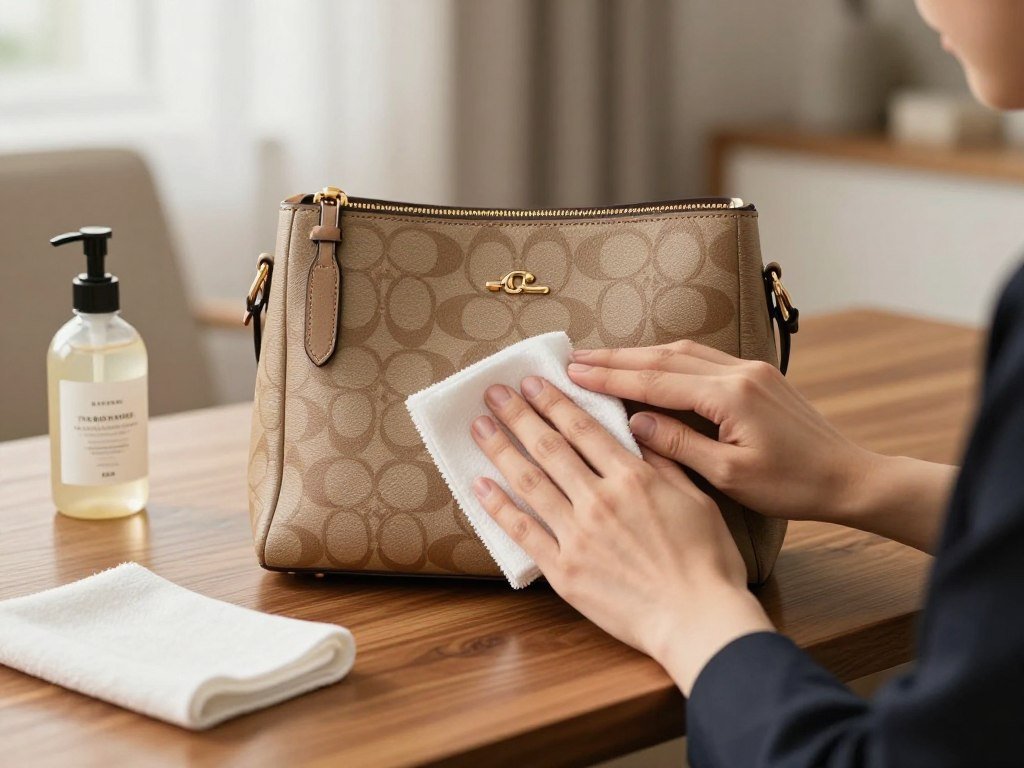
Rain, spilled drinks, rough floors, and crowded seats can all leave marks. A bag that rests on the floor may pick up dirt or rub against hard surfaces. Even a careful owner can face a stain or loose piece of hardware, so check the bag from time to time.
Coach (Re)Loved is a program for repairing and reusing older bags. It can give some bags another life, though the right repair option depends on the item and its condition. That program is one possible resource, not a reason to ignore care from the start.
Use a simple routine that fits the bag’s care guidance:
- Gently clean it according to the material’s care guidance.
- Let a damp bag air-dry fully, away from direct heat.
- Store it with support so it keeps its shape.
A stain, damaged seam, or faulty piece of hardware may need professional care. Scrubbing hard or trying an untested cleaner can make the damage worse. Be cautious with any treatment not listed for that material.
The way a bag is stored can affect its shape between uses. Avoid leaving it crushed beneath other items, especially if it has a structured body. Follow the care instructions for the exact finish before applying a cleaner or conditioner.
Is Coach or Michael Kors Better for Price and Value?
Coach bags typically cost $200-$900+, compared with $150-$800+ for Michael Kors bags. Coach is generally more expensive, while Michael Kors has lower entry-price options.
The ranges overlap, so a similar bag type and material make a fairer price comparison. You can compare a tote with a tote, rather than treating a small crossbody and a large work bag as equal products.
The price of a bag depends on its type, material, design, and the extent of any discounts. A detailed bag or a larger size may cost more than a simpler, smaller style within the same brand. Those details can shift the final amount a buyer sees.
A sale price on one bag does not prove that its brand is generally cheaper. Promotions can vary by model and retailer, and a discounted item may not be the same version sold at full price. Compare the prices you can actually access.
For buyers weighing Coach Michael Kors pricing, the broad pattern is clear: Coach typically has the higher overall range. Michael Kors can be easier to enter at a lower price, but that does not make every Michael Kors bag the better value. A useful value comparison considers what you get for the amount paid.
Look at the features that matter to you, such as the size, pocket layout, closure, and strap options. A bag that fits your daily needs may offer better personal value than a cheaper one that stays in the closet. Also account for whether the price includes a discount you can use.
If you are comparing two specific bags, note the material and style beside each price. That can help you spot when one costs more because it is larger or has a different finish. For broader options across these names, see this Coach, Michael Kors, Kate Spade, and Tory Burch comparison. Compare the same bag category and material at the price you would actually pay, rather than relying on a brand-wide average.
Which Bag Styles Work for Work, Travel, and Everyday Use?
For work and travel, start with capacity and carry style, then narrow the choice by design. The right tote needs to hold your essentials without making your daily routine awkward.
Compare the bag’s actual capacity and handle setup before choosing by name alone. A roomy tote may work well for a commute, while a smaller structured bag may suit lighter days.
Totes for work and travel
The Coach City Tote is a spacious, unstructured tote. Its open, relaxed shape may suit buyers who want room for work or travel items. Since an unstructured tote has less shape of its own, consider how you like your belongings arranged inside.
The Michael Kors Jet Set Tote is presented as a work-or-travel tote. It may suit someone looking for one bag to carry essentials between a commute and a trip. Compare its interior layout and carry options with your own list of daily items.
Neither tote automatically fits every laptop, bottle, or travel item. Check the dimensions of the exact model and think about how you will pack it. A bag that looks roomy on a shelf can feel different once it is full.
Structured and vintage-inspired options
The Coach Willis is a vintage-inspired top-handle bag with a turnlock. That shape may appeal if you like a defined silhouette and a classic closure. Its top handle is worth considering if you usually carry a bag by hand or want a more formal look.
The Michael Kors Hamilton has a lock-and-key charm detail. The feature adds a distinct design touch, though the best choice depends on whether it suits your clothes and routine. Compare details on the exact version, since styles can vary.
Before you choose, check these four points:
- What must fit inside the bag?
- Does a shoulder strap or top handle suit your routine?
- Do you need a closure to secure your items?
- Does the bag’s structure work for your setting?
A tote can be useful for work and travel, but you may prefer a smaller shape for errands or evenings. The best style is the one you will reach for without rearranging your day around it. Confirm the closure and carry method against your routine before settling on a silhouette.
Which Brand Has Stronger Resale Value?
Coach showed the stronger resale-value range in 2025, retaining 30-45% of retail value compared with 10-25% for Michael Kors. Coach retained more in that market comparison.
These ranges describe typical resale value, not a guaranteed offer for any one bag. A specific result can change with the bag’s condition, model, and buyer demand.
| Brand | Range endpoint | Retained retail value | Data year |
|---|---|---|---|
| Coach | Lower end | 30% | 2025 |
| Coach | Upper end | 45% | 2025 |
| Michael Kors | Lower end | 10% | 2025 |
| Michael Kors | Upper end | 25% | 2025 |
In the 2025 comparison, Coach bags typically retained 30-45% of retail value. Michael Kors bags typically retained 10-25%. The ranges show a difference in the reported market, but they do not predict the price a seller will receive for an individual item.
Condition can change a resale result. A bag with worn corners, stains, or damaged hardware may attract less interest than one in better shape. The model also matters, since buyers may seek some designs more than others.
Demand can shift over time, too. A familiar style may draw buyers in one period and fewer in another. The original retail price also does not determine a future offer by itself, so resale should not be the only reason to choose a bag.
For a wider view of the Coach and Michael Kors resale comparison, keep the difference between a typical range and a single sale in mind. A bag you use often can still be a sensible buy even if you never resell it. Treat resale as a possible part of value, not a promise that a future sale will recover a set amount.
Does Michael Kors’s Broad Reach Change How It Is Perceived?
Both brands are considered accessible luxury, with Coach often positioned somewhat higher and Michael Kors offering more accessible entry points. Broad reach can shape how exclusive a label feels, but it does not settle the quality question.
Coach’s higher position does not make every Coach bag better than every Michael Kors bag. A specific product’s materials, build, and usefulness matter more than a broad brand label.
Michael Kors had more than 650 stores around the world in 2026, giving the brand a large retail presence. Vogue Business has discussed differences in the brands’ retail positions and growth plans in its analysis of Coach’s growth playbook. A wide presence can make a brand easier to find and more familiar to shoppers.
Familiarity can affect perceived exclusivity. Some buyers prefer a less common label, while others value easy access to a style they like. Neither preference proves that a bag has better craftsmanship or will serve you longer.
“Cool” is a subjective judgment, not a measure of quality. A brand can feel more or less fashionable depending on the person, setting, and trend at the time. Your own comfort with the design is more useful than trying to predict how others will judge it.
Both labels sit below ultra-exclusive luxury houses in the accessible luxury category. Coach is commonly positioned somewhat higher, while Michael Kors has lower entry-level options. Their products and prices overlap, so the label alone cannot settle a close choice.
If you are deciding between two bags, compare what you can see and test: the finish, seams, hardware, interior, and fit for your daily use. Judge a specific bag by its build, materials, and usefulness rather than by assumptions about who else carries the brand.
How Should You Make the Final Choice?
A good choice starts with the job the bag needs to do, not with a brand ranking. Start with your priorities, then compare bags that meet them.
The best value is the exact bag that fits your use, care habits, and budget. Coach and Michael Kors both offer several styles and materials, so the label alone cannot make the decision.
Set your priorities before you compare
Rank your intended use, acceptable care, and budget before browsing. A Michael Kors bag can be worth the money when its price, features, and style meet those priorities. Coach may be worth paying more for when a specific bag’s material and design better match your needs.
Think about where you will carry the bag most. A work bag may need room for daily items, while an occasional bag can focus more on its look. Your care habits matter, too, because a finish that needs more attention may not fit a rushed routine.
Use this three-part check before choosing:
- Use: What will you carry, and where?
- Material and care: Can you manage the care it needs?
- Budget: What amount feels fair for this specific bag?
A brand name cannot make up for a bag that fails your use, material, or budget check.
Check the exact bag, not just the label
Before buying, check the exact bag’s material, dimensions, closure, strap options, and return terms. These details can differ across models, even when two bags share a similar shape or name. A quick review can help you avoid buying a bag that does not fit your daily needs.
Outlet and full-price lines can differ, so compare the exact products rather than assuming every version is identical. Look at the specific model and its listed features instead of judging it by a similar bag seen elsewhere. That is especially useful when comparing bags from different sales channels.
Check how the bag opens and whether you can reach the items you use most. A closure that looks neat may feel slow if you open it many times each day. Strap length can also affect how the bag sits over a coat or across your body.
Read the return terms before you commit, especially if you cannot inspect the bag in person. If possible, try the bag with items you expect to carry. Buy the exact model that passes your use, material, and budget checks, even if that is not the label you expected to choose.
Conclusion
Choose Coach when its classic look and stronger resale potential matter most, and Michael Kors when its style and entry options suit you better. The individual bag still matters more than a brand-wide label.
For a lasting choice, focus on the design you will carry often and the material you can care for. A lower price is useful only if the bag works for your routine. Before buying, compare the materials and features of the exact two bags on your shortlist.
FAQ
Who are Michael Kors’ main competitors?
Are Michael Kors bags worth the money?
Which brand is better, Michael Kors or Coach?
Is Michael Kors considered a luxury brand?
Is MK more luxury than Coach?
Is Michael Kors not cool anymore?
Is Michael Kors a trashy brand?