A city can become unforgettable through one landmark, a memorable meal, or the feeling of wandering a neighborhood on foot. Yet the best trip for you depends on more than famous sights. The World’s Most Iconic Cities is a set of travel recommendations, not an objective ranking that every traveler should follow.
Some places draw you with historic streets and grand museums. Others stand out for food, art, lively markets, or views of mountains and water. This selection brings together cities with different strengths, from dense urban centers to destinations where nature sits close to downtown.
You might want a quick city break built around a few landmarks, or a longer stay shaped by local restaurants and neighborhoods. Your season, available days, and preferred pace all affect which places make sense. Treat the list as a starting point, then choose the places that best fit the trip you want.
Key Takeaways
- Choose a city based on the experiences you value, not its rank.
- Pair major landmarks with time for neighborhoods, food, or parks.
- Consider trip length, season, and how you like to get around.
- Arrival, influence, and land-area rankings measure different things.
- Use a map to group nearby cities, not to plan all 20 at once.
How The World’s Most Iconic Cities Earn Their Status
“Iconic” describes recognition and influence, but a traveler’s best choice also depends on what they want to do. A global city has significant international connections in areas such as business, culture, research, and travel. Different lists measure different kinds of appeal, so their ranks answer different questions.
Local opinion rankings reflect what residents enjoy about daily life. Visitor-arrival counts track how many people travel to a destination, while cultural fame reflects recognition. Measures of international influence may weigh business, research, culture, and access.
Time Out’s 2026 ranking drew responses from more than 24,000 people across 150 cities, plus votes from more than 100 city experts. It placed Melbourne first, Shanghai second, and Edinburgh third. Its Best Cities 2026 method combines local views with expert votes, so its results reflect those stated choices.
Choose a city for the experiences you value, not only for its position on someone else’s list.
The phrase The World’s Most Iconic Cities to visit can mean different things depending on your priorities. A place may be famous worldwide but less suited to a short stay or a quiet trip.
Why different lists disagree
A list of the top 10 most important cities in the world needs a clear measure of importance. One ranking may value culture and daily life, while another tracks international arrivals or economic reach.
Those results are useful for comparison, but they do not settle which destination will suit your plans. A city’s size or fame also cannot tell you how much you will enjoy its streets, food, or pace.
A practical way to choose
Use these four checks before settling on a destination:
- Choose the experience you want, such as art, food, history, or nature.
- Consider the season and how many days you can spend there.
- Check how easily you can move between the places you want to see.
- Decide whether you prefer famous landmarks or neighborhood time.
Then compare cities that match your answers, rather than chasing one universal winner. A well-chosen few stops can make a short visit feel richer than a rushed checklist.

Why London and Paris Keep Drawing Visitors
London and Paris suit travelers who want major landmarks alongside lively streets and cultural stops. Both cities give you famous sights, museums, parks, and places to eat, but each rewards a slower pace. A packed landmark itinerary can crowd out the quieter neighborhood experience in either city.
London: landmarks, markets, and the Thames
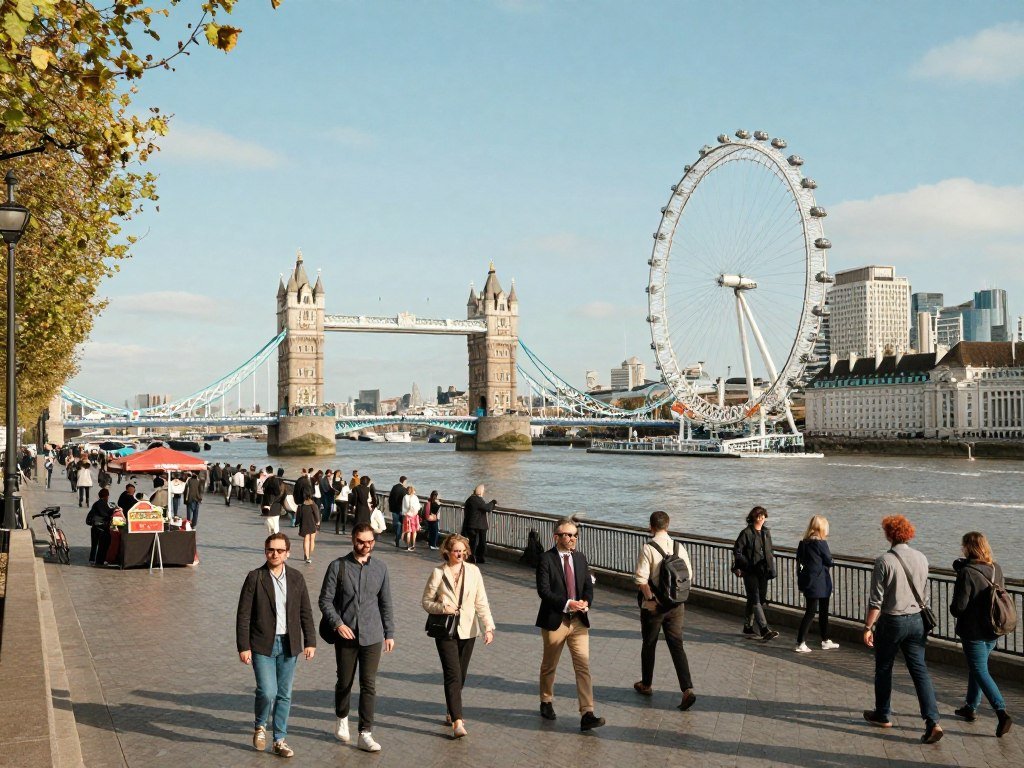
London’s familiar sights include Westminster Abbey, Buckingham Palace, Tower Bridge, and the Thames. You can follow the river for changing views, then leave time for a market or a park.
Free museums offer another way to fill a day without building every hour around ticketed attractions. Restaurant choices range from casual market food to dining shaped by many communities across the city.
Its headline sights sit alongside ordinary streets and green spaces. A walk along the Thames can help you see how those parts connect, while a side trip to a market changes the pace.
Paris: grand sights and neighborhood walks
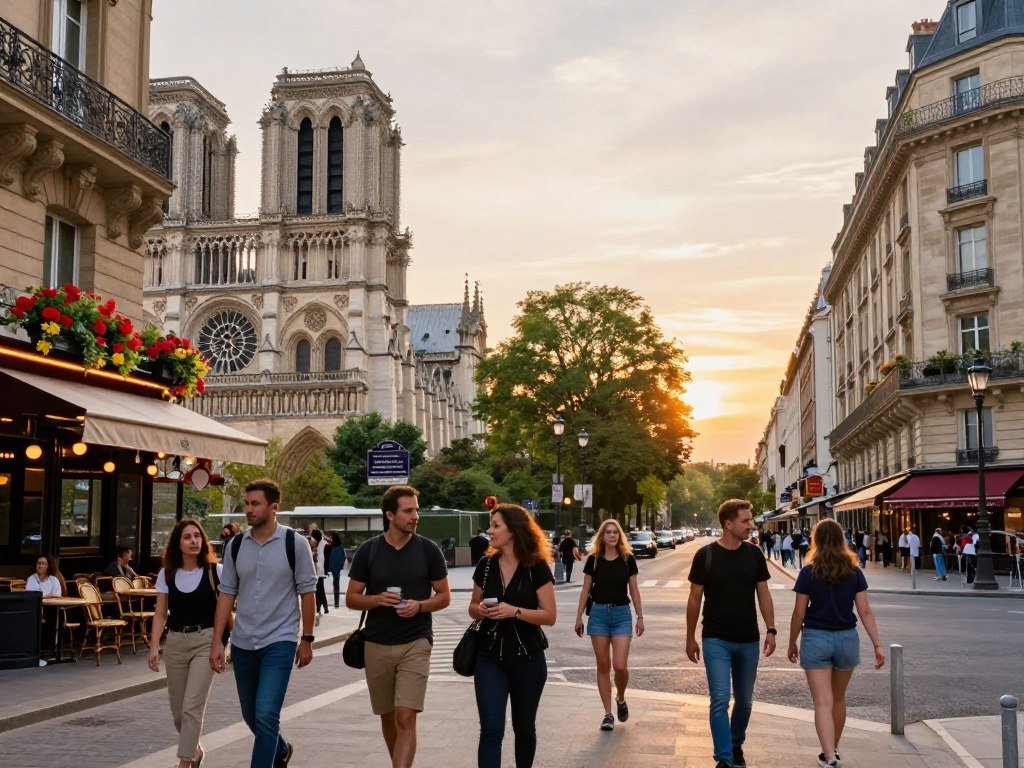
Paris has 20 arrondissements, or city districts, and the Seine runs through the city. The Eiffel Tower and the Louvre make strong anchors, but walks through different arrondissements reveal another side of daily life.
Stop at a cafe, browse a museum, or follow a street that was not on your original plan. These smaller pauses give the city room to feel like more than a set of monuments.
Paris and London both tempt visitors to schedule one famous stop after another. That can leave little time for a relaxed meal or an unexpected turn down a side street.
Leave room for an unplanned walk rather than booking every hour around famous sights.
Where New York Meets San Francisco’s Landmark Views
New York City offers a broad, borough-spanning trip, while San Francisco pairs urban sights with a memorable bay setting. The choice is between a huge range of city experiences and a more compact waterfront visit. Pick a few areas to explore instead of trying to see everything in either city.
New York City: five boroughs and constant variety
New York City has five boroughs, and each offers its own streets, food, and neighborhood character. Central Park gives you a break from busy blocks, while the Brooklyn Bridge links a walk with broad views.
Broadway, public art, museums, and restaurants can fill several days without repeating the same kind of outing. Choose a base that suits your plans, then spend each day in a few nearby areas.
The city’s variety can make a long list of stops feel tempting. Still, crossing from one end of the city to another can take time that would be better spent in one neighborhood.
San Francisco: waterfront neighborhoods and the bridge
In San Francisco, the Ferry Building brings food stalls and waterfront views together. Cable cars add a distinct way to move through the city, while the bay shapes the view from many neighborhoods.
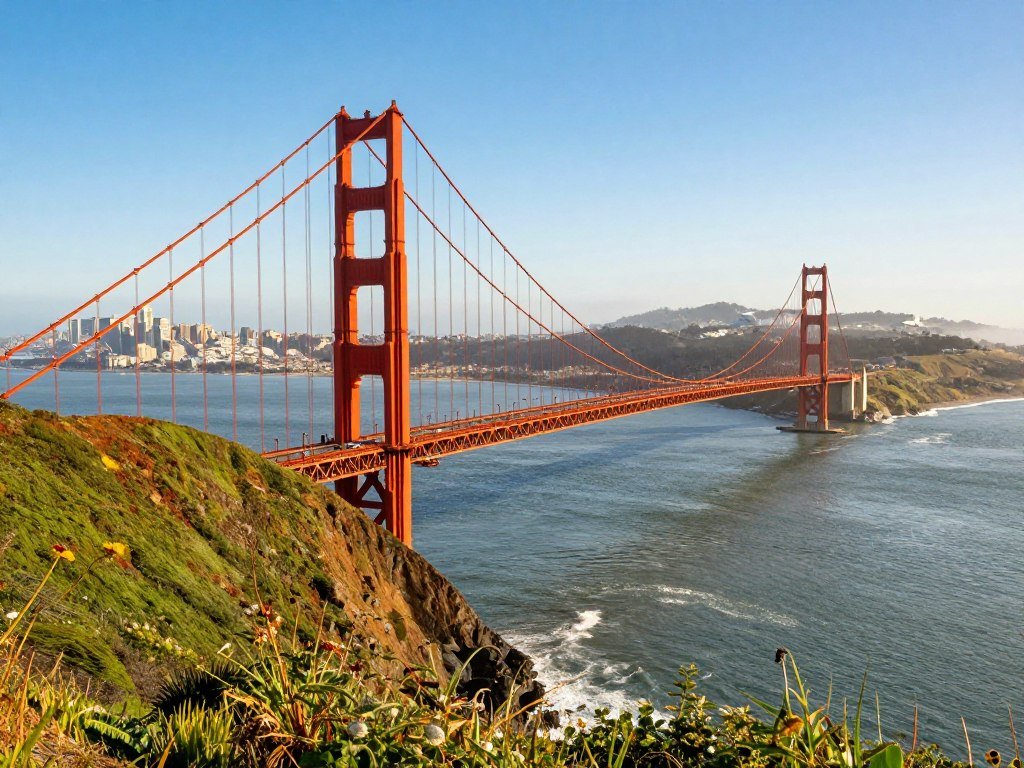
The Golden Gate Bridge is a natural focus for a walk or a viewpoint. You can take in the bridge from the waterfront or plan a walk across it, depending on your pace and route.
Three simple ways to build a day around the city include:
- Cross or view the Golden Gate Bridge.
- Explore one neighborhood on foot.
- Spend time at a market or in a park.
Check the walking route and transit connections before planning several stops on the same day.
Tokyo and Seoul for Tradition, Design, and Food
Tokyo rewards travelers who enjoy switching between traditional sites, food markets, and modern art. Its neighborhoods have distinct rhythms, while Seoul adds river outings, food, and seasonal activities. A short visit calls for choosing a few areas, not racing between distant stops.
Tokyo: neighborhoods with different rhythms
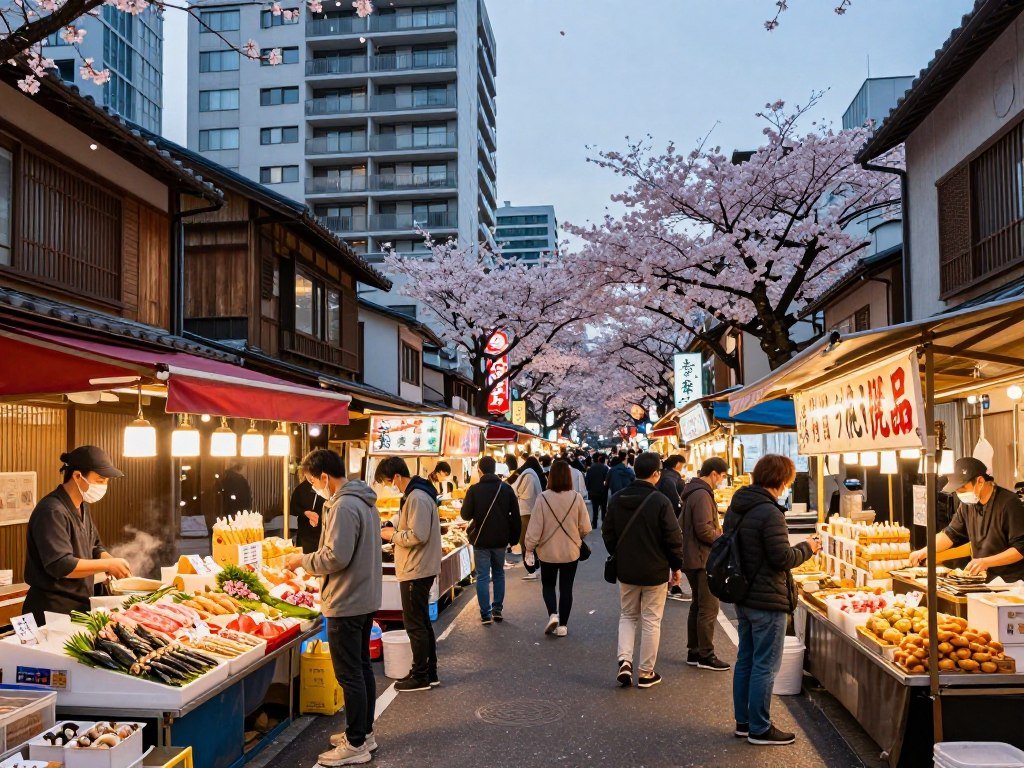
Meiji Shrine and its nearby gardens offer a calm pause from the city’s busy streets. Tsukiji Market brings a different mood, with food stalls and market energy drawing visitors toward fresh flavors.
TeamLab Borderless gives you an immersive art experience, rather than a traditional gallery visit. Pair it with food stops in nearby neighborhoods so the day feels tied to one part of Tokyo.
Tokyo’s many districts make it easy to fill a trip with different kinds of art, shopping, and restaurants. The Tokyo visitor guide also describes how traditional sites and modern city life meet across its neighborhoods.
If food is your main reason to travel, combine a market visit with a meal in a neighborhood restaurant. This guide to food-focused cities can help you think about how local dining connects with culture and community.
Seoul: culture, food, and seasonal outings
Seoul pairs city culture with the Han River, where time outdoors can balance museum and shopping visits. Its bakery scene gives you another reason to slow down between neighborhoods.
Seasonal activities change the feel of a visit, from outdoor plans to cooler-weather food stops. Leave room for a river outing or a bakery break rather than treating every hour as sightseeing time.
Both cities reward careful choices, especially when your trip is short. Choose the neighborhoods first, then add the sights that are close to them.
Bangkok and Singapore for Street Life and Big-City Ease
Bangkok is a strong pick for travelers who want street food and lively public spaces, while Singapore offers an easier-to-organize mix of urban experiences. Their pace differs, but both give you plenty of food and city life. Bangkok’s heat and traffic can shape how much you fit into a day.
Bangkok: temples, markets, and street food
Wat Arun stands out among Bangkok’s temples, while Yaowarat brings street food, market stalls, and busy streets. Lumphini Park offers a calmer setting, with a clear contrast to the surrounding city.
These different places show how a day can shift from a historic visit to a meal and then a green space. Group nearby stops so you spend less time crossing the city in traffic.
Try these three Bangkok experiences:
- Visit a temple such as Wat Arun.
- Eat in a street-food district such as Yaowarat.
- Take a break in Lumphini Park.
Local dishes are part of the experience, from quick market bites to meals at restaurants. The city also has places to get lost for a while, though heat can make a cool indoor pause welcome.
Singapore: a compact mix of food and architecture
Singapore suits travelers who want restaurants, a cocktail scene, and skyline views in a dense city. Food can be the focus of a day, with time left for architecture and an evening stop.
Its compact feel makes it easier to organize several kinds of outings without making every day a long trek. The city’s mix of dining and views works well when you want structure without a packed schedule.
In Bangkok, group nearby sights together and leave time for a cool indoor break.
Rome and Venice Put History on Every Block
Rome suits travelers who want layers of ancient history, while Venice makes its waterways part of everyday sightseeing. Both cities offer memorable streets and meals, but their landmarks shape the day in different ways. Plan for neighborhood time between major historic stops.
Rome: ancient monuments and neighborhood life
The Colosseum, Pantheon, and Vatican City are among Rome’s best-known landmarks. They sit within a working city, where homes, restaurants, and daily routines surround the historic sights.
Rather than race between monuments, choose one or two major visits for the day. Then spend time in a neighborhood, sit down for food, or stop for a glass of wine.
That slower rhythm helps you see more than a string of famous places. Rome’s streets often connect a major site with a cafe or restaurant worth a pause.
Venice: canals, bridges, and island streets
Venice comprises 117 islands connected by 150 canals and about 400 bridges or walkways. Water and bridges shape how you move, so getting from one place to another is part of the visit.
Walking lets you notice quiet lanes and small squares, while water transport offers another view of the city. Either choice can take longer than a straight-line map suggests.
Do not assume every route is a quick walk from one landmark to another. A canal, bridge, or detour may change the path through town.
Leave enough time to pause between major monuments and enjoy the streets around them.
Istanbul and Dubai Link Old-World Landmarks With Modern Skylines
Istanbul layers historic religious architecture into a busy urban setting, while Dubai makes contemporary scale part of the attraction. Each city offers a different contrast between landmark and setting. Hagia Sophia received 6,250,000 visitors in 2024, a sign of its prominence.
Istanbul: layered history on two continents
The Blue Mosque and Hagia Sophia are central historic stops, set near one another in Istanbul. Their architecture gives visitors a close look at the city’s long religious and civic history.
Allow time for the neighborhoods and waterfront beyond those landmark visits. A walk near the water or a meal in a different part of the city can add another layer to the day.
The visitor total shows the reach of Hagia Sophia, but it is not the only reason to see Istanbul. The city’s streets and waterfront offer their own ways to understand its setting.
Dubai: contemporary architecture and desert-city scale
The Burj Khalifa is Dubai’s most recognizable landmark, rising above a city known for modern architecture. Its scale makes the skyline a central part of a visit.
Dubai’s distances can shape how a day feels, since sights and hotels may sit far apart. A view from downtown offers a different impression than time spent near the water.
For a stay built around spacious rooms and tailored service, this guide to Dubai luxury hotels covers options in different settings.
Set aside time for the surroundings of each landmark, not just the visit inside it.
Cape Town and Sydney Make Nature Part of the City
Cape Town and Sydney both make water and dramatic scenery part of a city break. Outdoor time can balance meals, museums, and neighborhood visits in either place. Weather and distance can change how much outdoor activity fits into one day.
Cape Town: mountain, ocean, and city neighborhoods
Table Mountain rises above Cape Town, with the Atlantic coastline adding beaches and broad water views. The city’s neighborhoods give you a way to balance those sights with restaurants and local life.
You can add a food or wine experience to a day outdoors. A change in weather may shift your plans, so keep an indoor option in mind if the mountain or coast is not a good fit.
The setting gives the city a strong mix of urban and natural experiences. Choose how much time to spend on a viewpoint, at the beach, or exploring the streets.
Sydney: harbor, beaches, and coastal walks
Sydney pairs the Opera House and Harbour Bridge with beaches and coastal paths. The Bondi to Coogee coastal path links beachside scenery with a long walk by the water.
For a mix of city and outdoors, consider these three options:
- Visit a viewpoint for a broad city view.
- Spend part of the day at a beach.
- Take a coastal or park walk.
For a shorter visit, combine one outdoor stop with a meal or cultural visit. The Sydney visitor guide covers harbor sights, beaches, and local travel options.
Check the day’s conditions before committing to a long outdoor walk.
Mexico City and Hong Kong Bring Distinct Food and Neighborhood Scenes
Mexico City combines deep cultural history with contemporary food and art, while Hong Kong puts harbor views beside dense neighborhoods. Both cities reward travelers who choose a few areas to explore. Build each day around one district and one or two nearby cultural stops.
Mexico City: archaeology, art, and food
Templo Mayor offers a direct connection to the city’s archaeological history. Chapultepec Forest provides a different kind of outing, with green space in a large urban setting.
Museums and contemporary art add options beyond historic sites. Food ranges from market meals to restaurants, so you can make a neighborhood visit part of the day’s plan.
One district can hold enough variety for a full day without crossing the city repeatedly. Choose a museum or historic stop, then leave time for a meal nearby.
Hong Kong: harbor views and dense urban contrasts
Hong Kong is a Special Administrative Region of China, with Victoria Harbour among its major visitor draws. The waterfront gives you a view of the city’s dense buildings and busy movement.
Shopping, food, and neighborhood walks can all fit into a visit, but each district has its own feel. A day planned around one area lets you notice those differences instead of treating the whole city as one place.
Markets and restaurants can give you another way to understand local routines. Make space for a meal away from the most famous waterfront views.
Build each day around one district and one or two nearby cultural stops.
Shanghai and Edinburgh Show Two Kinds of Reinvention
Shanghai’s appeal comes from seeing history and new urban culture side by side, while Edinburgh’s historic center rewards walking. The contrast makes both cities appealing to travelers who enjoy streets shaped by different periods. Festival periods can make Edinburgh feel busier than a quieter-season stay.
Shanghai: historic streets beside new ideas
The Bund is a landmark waterfront area where historic architecture faces the river. From there, the city’s newer districts show another side of Shanghai’s growth and changing urban culture.
Cafes and food stops can make a day feel less like a list of buildings. Explore the streets beyond the waterfront, then choose a restaurant that fits the neighborhood you are visiting.
Shanghai’s changes are visible in the mix of older buildings and newer city life. That contrast makes it worth giving the city more than a single waterfront stop.
Edinburgh: medieval lanes and a lively arts scene
Edinburgh Castle and the Royal Mile anchor many visits to the city. Beyond them, distinct neighborhoods and a performing arts scene give you reasons to spend time away from the main route.
The city’s festivals can bring more activity to its streets and venues. A quieter-season visit may suit you better if you want a calmer pace and more room in restaurants.
Give yourself time for a performance or a small gallery, not just a walk past historic buildings. The arts scene can add a different tone to a stay centered on the old city.
Pick a time of year that matches whether you want the city’s festival energy or a calmer neighborhood visit.
What Vancouver and Kuala Lumpur Offer Beyond Their Skylines
Vancouver pairs a city visit with expansive green and waterfront settings, while Kuala Lumpur combines a recognizable skyline with local food. Their appeal extends beyond a single landmark or view. A skyline photo alone will not convey either city’s neighborhood character.
Vancouver: parks, water, and neighborhood markets
Stanley Park brings trees, paths, and water close to Vancouver’s urban center. You can make time for the waterfront, then visit Granville Island for its public market and arts spaces.
The city’s green spaces can change the pace of a trip built around restaurants and shops. A market stop adds another kind of city experience, with food and local goods in one place.
These outings show how a city visit can include both outdoor time and neighborhood life. Choose a park or market based on the kind of day you want.
Kuala Lumpur: landmark towers and local food
The Petronas Twin Towers define Kuala Lumpur’s skyline, but the city also brings together different architectural styles. Food gives visitors another way to experience its streets and local culture.
Make room for a meal or market visit away from the towers. That shift can show how daily life differs from the polished view around a major landmark.
The same idea applies in Vancouver, where green space and a public market add depth beyond the waterfront view. Give each destination time beyond its best-known image.
Add one neighborhood or market stop to balance a major landmark visit.
Which Cities Welcome the Most International Visitors?
Bangkok ranked first for international city arrivals in 2025, with 30.3 million. International city arrivals count overseas visits to city destinations, not residents or a city’s overall quality. Bangkok led this measure, but a high count does not make it the best fit for every traveler.
Euromonitor’s 2025 ranking placed these five cities at the top:
| Rank | City | 2025 international arrivals |
|---|---|---|
| 1 | Bangkok | 30.3 million |
| 2 | Hong Kong | 23.2 million |
| 3 | London | 22.7 million |
| 4 | Macau | 20.4 million |
| 5 | Istanbul | 19.7 million |
Ranks six through ten were Dubai at 19.5 million, Mecca at 18.7 million, and Antalya at 18.6 million. Paris followed with 18.3 million, while Kuala Lumpur had 17.3 million.
These figures offer one way to compare tourist traffic across cities. They do not show how long visitors stay, what they do, or whether a destination suits a particular trip.
A high arrival count can reflect a city’s role as a travel hub, its attractions, or a mix of reasons. It should not stand in for local character, ease of travel, or personal interest.
Popularity and fit are separate questions. A less-visited place may suit your pace better, while a popular one can still reward thoughtful planning.
Use arrival volume as a popularity signal, then judge each destination by the experience you want.
Which Cities Have the Strongest Global Influence?
“Most important” depends on whether the focus is economic reach, culture, research, or everyday city performance. The Global Power City Index compares six functions: Economy, Research and Development, Cultural Interaction, Livability, Environment, and Accessibility. Its 2025 ranking put London first for the 14th consecutive year.
The top five places in the index were:
| 2025 rank | City | Index detail |
|---|---|---|
| 1 | London | Top for 14 consecutive years |
| 2 | Tokyo | Highest position since index began |
| 3 | New York | Third place |
| 4 | Paris | Fourth place |
| 5 | Singapore | Fifth place |
Seoul ranked sixth, and Shanghai reached eighth for the first time. Tokyo’s second-place finish was its highest since the index began.
Questions about the top 10 or top 20 most important cities in the world need a named measure. A city can rank well for research but differently for culture, livability, or access.
The index helps compare those functions, but it does not create one universal title of importance. Its results make the most sense when you know which parts of city life it measures.
Visitor popularity and global influence are also separate ideas. A city may attract many tourists without leading every function in an influence ranking.
Name the measure whenever you compare cities, since influence and visitor popularity are not interchangeable.
How City Size Rankings Change With the Boundary
By administrative area, Hulunbuir is commonly described as the world’s largest prefecture-level city, but that does not mean it has the world’s largest continuous urban footprint. Its jurisdiction covers about 263,953 square kilometers, including extensive nonurban land. A top-10 or top-20 list of biggest cities must state which boundary it measures.
Municipal land area counts land inside a local government boundary. A built-up footprint measures connected development, while metro population counts people across a wider region.
For included U.S. Census places in 2026, these ranks use municipal land area:
| U.S. Census place rank | Place | Municipal land area in square miles |
|---|---|---|
| 1 | Sitka | 2,870.2 |
| 2 | Juneau | 2,702.9 |
| 3 | Wrangell | 2,556.1 |
| 4 | Anchorage | 1,706.8 |
| 6 | Jacksonville | 747.3 |
Jacksonville ranks sixth because the table follows the included U.S. Census places, not a worldwide set of cities. Houston ranks ninth at 640.8 square miles, and Oklahoma City ranks tenth at 607.0 square miles.
Hulunbuir’s broad administrative boundary is not comparable to a continuous built-up city. The U.S. figures also describe local government land, not the size of each urban core.
These examples show why the word “largest” needs a clear definition. A city can rank high by municipal land while having a smaller built-up area than another place.
Check the boundary definition before treating any “largest city” list as a like-for-like comparison.
How to Map a 20-City Trip Without Rushing It
Use the map to cluster destinations by region; trying to include all 20 in one vacation would turn the trip into a transit schedule. A world map can help you compare locations, but a list is inspiration, not one practical route. Choose two or three cities that fit your available days.
The destinations span Europe, Asia, Africa, North America, and Australia. Landmarks such as the Eiffel Tower, Golden Gate Bridge, Petronas Twin Towers, and Table Mountain can help you orient a map.
| Region | Example city pairing | Planning focus |
|---|---|---|
| Europe | London and Paris | Choose a few central districts |
| East Asia | Tokyo and Seoul | Plan around selected neighborhoods |
| Southeast Asia | Bangkok and Singapore | Allow time for different city rhythms |
| North America | New York and San Francisco | Plan separate city stays |
| Africa and Australia | Cape Town and Sydney | Schedule outdoor time around local conditions |
Use these five steps to turn a map into a trip plan:
- Choose one region.
- Select two or three cities.
- Check travel connections.
- Choose a neighborhood base.
- Leave flexible time.
One hotel base can make time in a city easier to manage, especially when you want to walk nearby streets. Choose the first two or three places that fit your available days and interests.
Conclusion
The right city for your next trip is the one whose landmarks, food, or everyday pace matches what you want to experience. Your interests and available time matter more than a city’s fame or position on a list.
Choose one destination, then save a few experiences or neighborhoods you would be glad to explore. A small plan gives you direction while leaving room for a good meal or an unexpected turn.
Pick one place from the list, mark two or three stops on a map, and start shaping the trip around them.
FAQ
What are the top 10 most important cities in the world?
What is the most beautiful city ever?
Can you give me some examples of global cities?
What are the top 10 popular cities?
What are the most iconic cities in the world?
What is the #1 most beautiful city in America?
What are the most unique cities in the world?